
Boise in 3 Days — Practical Itinerary & Local Tips
A practical 3-day guide for Boise with step-by-step days, transit tips, food picks, and realistic timing so travelers can maximize a weekend visit.
A straightforward, no-fluff 72-hour plan for seeing downtown, the foothills, Basque Block and Greenbelt with transit, eating, and timing advice.
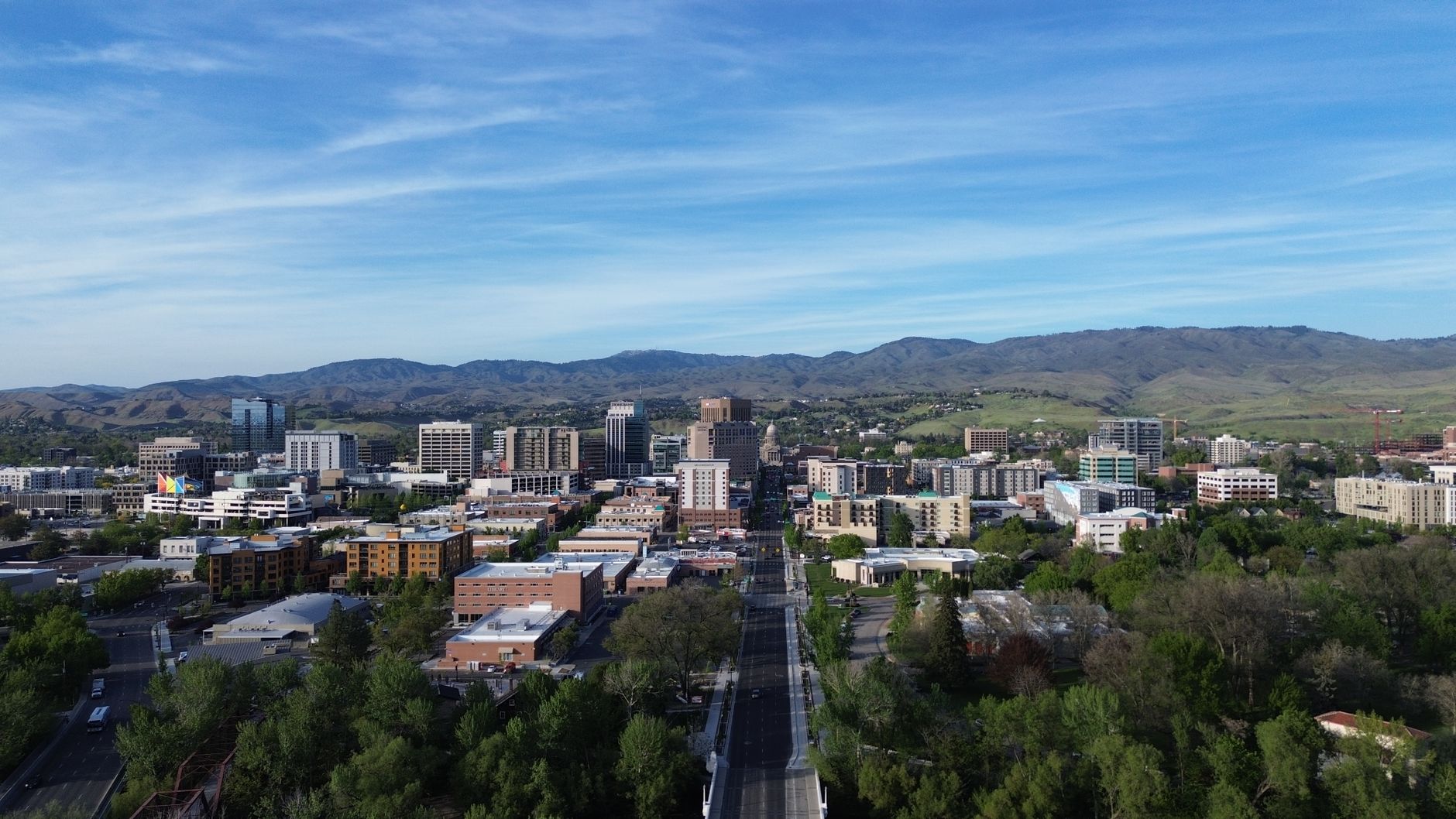
A visitor arriving downtown sees a compact, working capital rather than a resort strip. Streets near the Capitol and 8th Street feel civic and practical during the day, with coffee shops and civic museums clustered within a few blocks. The river and an extensive paved Greenbelt give the place a strong outdoor tempo: walkers, river kayakers, and cyclists share the riverside paths from early morning on.
Is 3 days in Boise enough?
Three days is enough to cover downtown landmarks, the Basque Block, a Greenbelt bike ride, and one foothills hike while sampling local food and beer. Expect to skip longer out-of-town excursions (Sun Valley, Sawtooth Lakes) or extensive wine touring unless adding extra travel time.
Who This Guide Is For
Best for active travelers who like short hikes, local food, and compact downtowns; not ideal for visitors seeking long wilderness backpacking or multi-day mountain routes. Budget travelers who rely solely on buses should plan some taxi or rideshare legs.
Local Tips for Boise
Practical details that most travel sites skip — specific to Boise.
- Boise Airport (BOI) sits about 15–20 minutes from downtown by taxi or rideshare; expect $25–40 depending on traffic and time of day.
- Boise Farmers Market runs Saturday mornings on 10th Street near Grove/Front from late April through October; peak vendor hours are 9:00–11:00, so arrive early for produce.
- The Boise River Greenbelt is a roughly 25-mile paved path; downtown-to-Boise State University is a 10–15 minute bike ride and day rentals cost about $20–35 from local shops.
- Basque Block centers on W. Grove and 8th Street with the Basque Museum & Cultural Center and pintxo bars such as Bar Gernika; museum admission is modest (around $5–7).
- Table Rock via the Seaman's Gulch trailhead is a 2–2.5 hour round trip, ~500 ft gain; trailhead parking fills early on weekends and midday heat is a real issue in summer.
How This Guide Was Prepared
This guide treats Boise as a working regional capital with a strong outdoor focus and a compact downtown, not a resort escape. Many guides overemphasize nightlife or list too many far-flung day trips; this plan keeps movement economical and realistic for three days, with honest timing and transit notes. This guide was prepared through a structured research that combines destination research, geographic context, itinerary planning logic, and content review.
Plan Your Stay in Boise
Use this itinerary as your starting point, then compare areas to stay, transport options, seasonal timing, and realistic daily costs before booking.
Why Visit
There are a few concrete reasons to spend three days here. First, the Basque Block and Basque Museum & Cultural Center around W. Grove and 8th Street offer a cultural scene found in few American cities, including pintxos bars and annual festivals. Second, the Greenbelt alongside the Boise River provides easy outdoor access right from downtown — a 25-mile paved path good for short rides or long runs. Third, the foothills behind the city give short, reliable hikes such as Table Rock or Hulls Gulch that fit into a half-day and deliver skyline views without a long drive. Fourth, civic institutions cluster close together: the Idaho State Capitol, Boise Art Museum in Julia Davis Park, and the Old Idaho Penitentiary each take an hour or two and sit within short taxi or bike trips.
Quick Planning Tips
Arrive at BOI (Boise Airport) and plan a 15–20 minute taxi or rideshare into downtown; some hotels run private shuttles but schedules vary. The city uses US dollars; most downtown businesses accept card payments but small farmers-market vendors or food carts may be cash-only. Use the Valley Regional Transit (VRT) website or app for bus schedules and real-time tracking; service is limited late at night and on Sundays so plan late-evening legs by rideshare.

Day 1
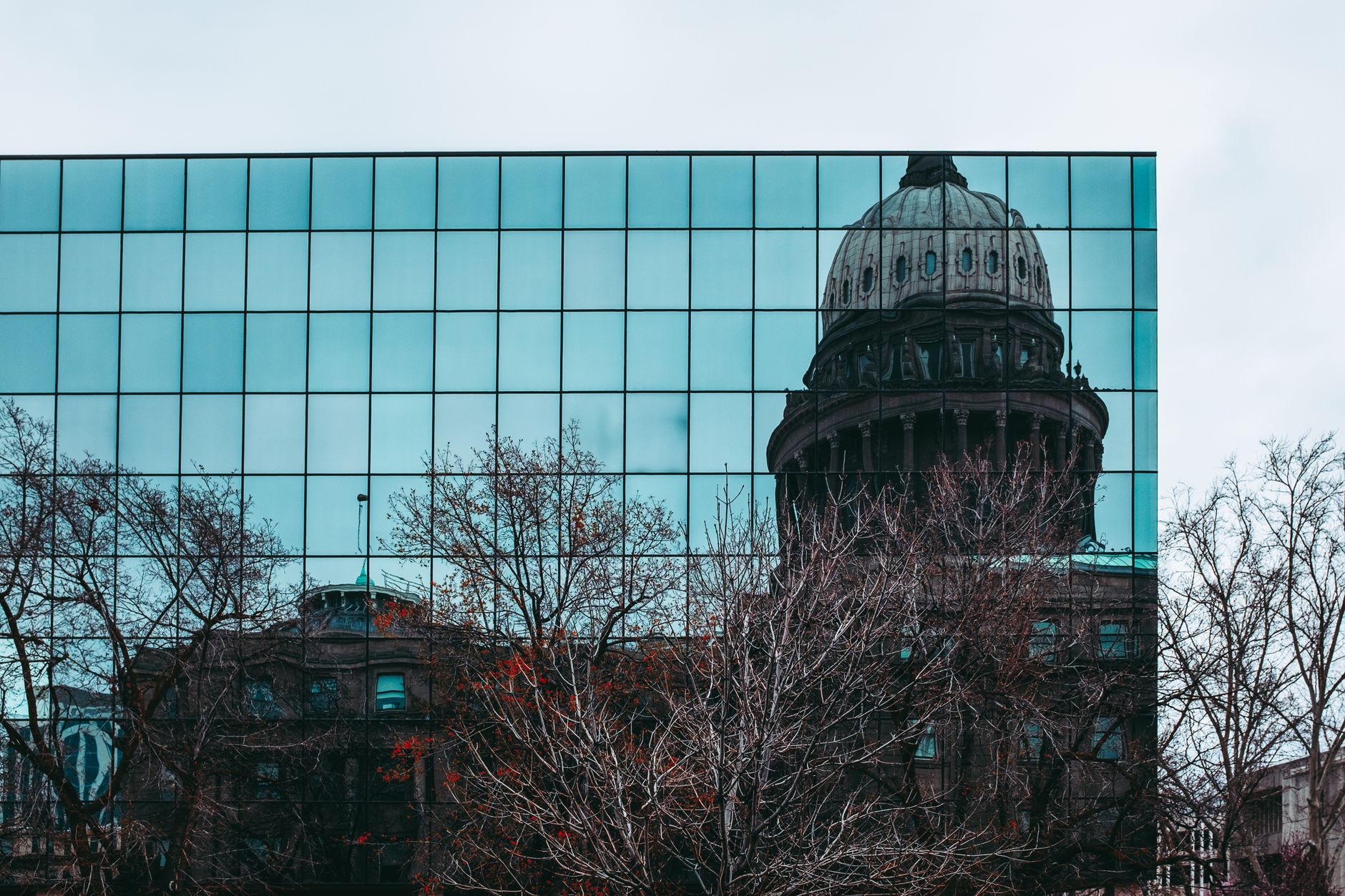
Start at the Idaho State Capitol on State Street; allow 45–60 minutes for the building, exhibits, and a short walk up the hill for city views. From the Capitol, walk 8–12 minutes to Julia Davis Park to visit the Boise Art Museum (BAM); plan 60–90 minutes there and stroll past the Rose Garden if weather permits. Lunch options are plentiful on 8th Street; grab Basque pintxos at Bar Gernika or a sit-down at Bittercreek Alehouse for local-sourced plates (expect lunch $12–20). After lunch, head to the Basque Museum and Cultural Center on W. Grove — a focused visit takes 30–45 minutes. Mid-afternoon, walk or ride 10–20 minutes east along the Greenbelt toward the Old Idaho Penitentiary; the Penitentiary grounds take 60–90 minutes to tour and offer a different perspective on local history. Walking times: Capitol to Julia Davis 8–12 minutes, Julia Davis to Basque Block 5–10 minutes, Basque Block to Old Pen 10–15 minutes (or a short rideshare). Dinner recommendation: try Bittercreek Alehouse or a nearby downtown restaurant for local beer and a bison or steak option. Evening: walk a section of the Greenbelt near the river for a low-effort sunset stroll or check a local brewery taproom on 8th Street.

Day 2
This day shifts to outdoor time on the river and bench. Morning: rent a bike downtown or from a local shop and ride the Greenbelt east toward Ann Morrison Park; a 5–10 minute ride reaches the park, and a longer loop to Barber Park and back can fill a couple of hours. Midday: return to downtown for the Boise Farmers Market (Saturday only) on 10th Street near Grove/Front for local vendors and quick bites; plan 60–90 minutes and sample huckleberry items and prepared foods. Afternoon: take a short taxi or rideshare (10–15 minutes) to the Boise Depot and the Bench neighborhood for panoramic views; the Depot lawn and surrounding area are good for photos and a coffee stop. Alternatively, drive or take a short ride to the Idaho Botanical Garden for 60–90 minutes among seasonal plantings. Dinner: head to one of the restaurants along 8th Street or the Grove Hotel area for a relaxed meal and local beer. Transport between areas: Greenbelt rides are mostly flat; the Depot sits on the bench and requires a 10–15 minute climb or a short drive up Broadway/Depot Hill.
Day 3
Reserve this day for a foothills hike and any missed museums. Morning: drive or rideshare to the Seaman's Gulch/Table Rock trailhead and plan 2–2.5 hours round trip for the hike and summit views. After the hike, return to town for a late brunch—many cafes near 8th Street and the Basque Block offer hearty plates. Midday: if checking out and awaiting an afternoon flight, store luggage at the hotel or a locker service, then use remaining time for a last walk along the Greenbelt or a quick visit to the Boise Art Museum if missed earlier. Travel time to BOI is typically 15–25 minutes by taxi or rideshare; leave extra time for afternoon traffic. If the flight is early evening, aim to be heading to the airport two hours before departure to account for rideshare and TSA lines.
Best Local Experiences
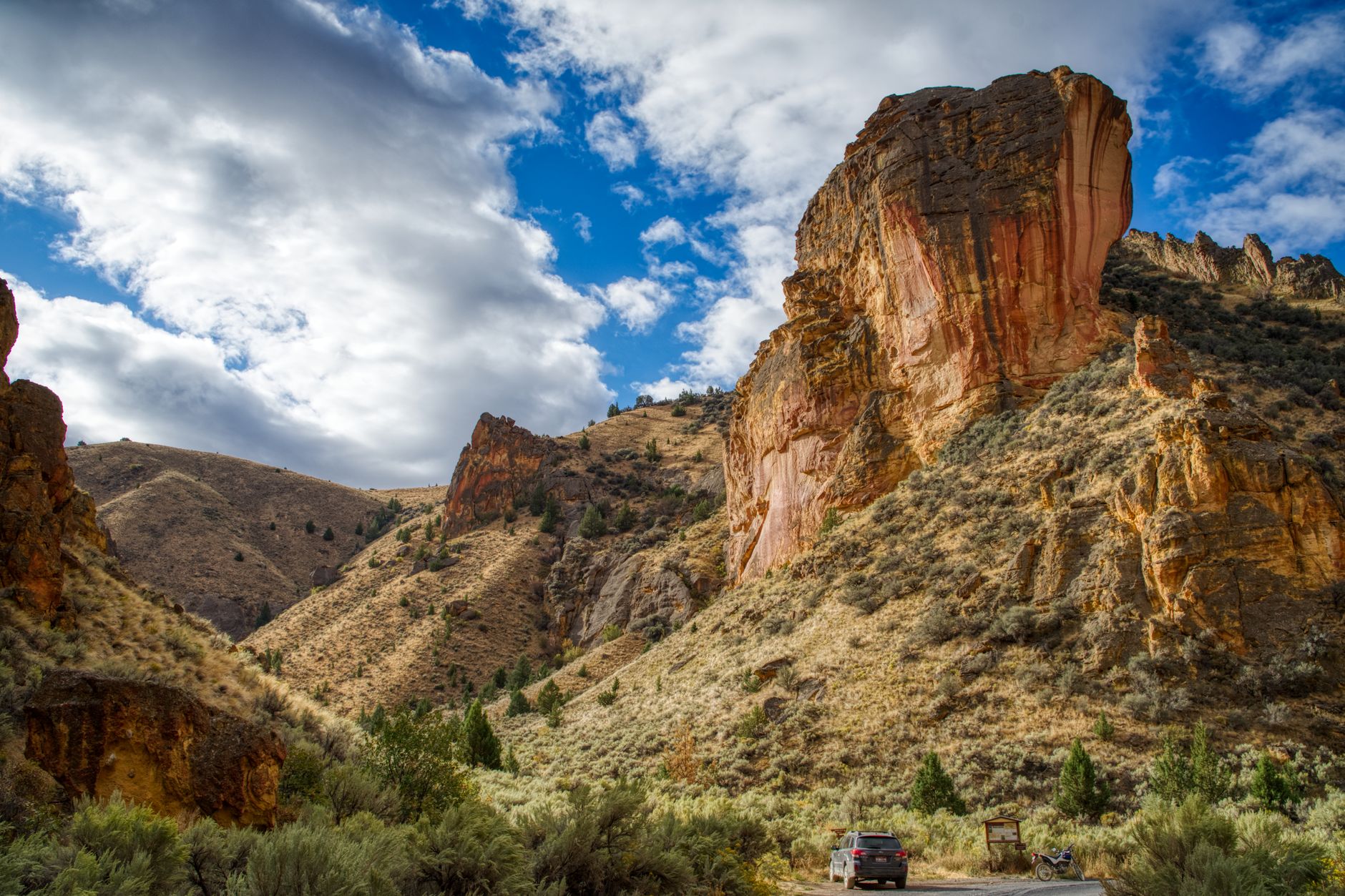
Boise Farmers Market (downtown Saturdays) for seasonal produce and prepared foods. Basque Block on W. Grove for pintxos, cultural events, and the Basque Museum. Table Rock or Hulls Gulch for short foothills hikes with skyline views. The Boise River Greenbelt for an easy bike or run connecting parks and public art. Old Idaho Penitentiary for a 60–90 minute historical visit with interpretive signs and short guided tours. Additional picks: a tour of Albertsons Stadium on game-day weekends if college football is of interest, and an evening at a local brewery taproom on 8th Street to sample Idaho beers and local snacks.

Where to Stay
Downtown/8th Street: best for first-time visitors who want walkable access to the Basque Block, restaurants, and the Greenbelt. Nearby hotel prices range from about $140–240 per night (≈ €130–220 / $140–240). The Bench/Boise Depot area: suits visitors who prefer quieter evenings and panoramic views; short drive or taxi to downtown (prices $120–200 per night ≈ €110–185). North End: residential neighborhood with bungalows near Camel's Back Park and Hyde Park; suited to travelers who prefer local coffee shops and walkable neighborhood streets, with small inns or vacation rentals typically $110–190 per night (≈ €100–175). Expect weekend rates to run higher during the summer and during festival weekends.
Food and Drink
Basque pintxos and chorizo: small skewered bites and savory sandwiches found on Basque Block — Bar Gernika offers pintxos and small plates for $4–9 per item. Finger steaks with fry sauce: strips of battered steak, a regional Idaho bar classic served at several pubs and diners for about $8–15. Huckleberry items: jams, syrups, and desserts appear at the Farmers Market and local bakeries; expect $5–10 for a pastry or jar-size product. Local beer scene: Bittercreek Alehouse and several taprooms on 8th Street carry Idaho craft beer; pints $6–8. Breakfast option: downtown cafes and diners near 8th Street provide hearty breakfasts (eggs, pancakes) around $8–15. Dinner recommendation: a farm-to-table plate at a downtown restaurant using Idaho produce and beef will run $20–35 per entrée. Street-food and market stalls are the most budget-friendly way to taste local flavors for $6–12 per item.
Getting Around
Public buses are run by Valley Regional Transit (VRT/ValleyRide); use the VRT website or Transit app for schedules and live tracking. There is no light rail; most visitors use a mix of walking, bike rentals, buses, and rideshares (Uber/Lyft). Typical single bus fare is about $1.25 cash and a day pass costs around $3; check VRT for exact current fares and reduced rates. Taxi or rideshare from BOI to downtown is roughly $25–40 depending on traffic. Bicycle rentals and organized bike shops make the Greenbelt accessible; many downtown trips are faster by bike than by car at peak times. Apps: use the Valley Regional Transit app or Transit app for buses, and standard rideshare apps for short hops when bus frequency is low.
Best Time to Visit
Late spring (May–June) and early fall (September) balance good weather and lower hotel rates. Expect daytime highs in May–June of roughly 65–80°F (18–27°C) with cool mornings; September highs often 70–85°F (21–29°C). Peak summer (July–August) brings hotter days regularly in the 85–95°F (29–35°C) range and higher hotel rates and local tourism crowds. Winter (December–February) is colder with temperatures often 20–40°F (-6–4°C) and occasional snow; indoor museum visits work well but some foothills trails become muddy or icy. Shoulder seasons give the best combination of outdoor access, fewer crowds, and better lodging value.
Budget and Practical Tips
Sample daily budgets: budget traveler $80–120 USD (€75–110) including hostel/cheaper motel ($50–70), food ($20–30), local transit and small entry fees. Mid-range $160–240 USD (€145–220) with a mid-level hotel ($120–160), meals ($30–50), and local transport. Higher-end $300+ USD (€275+) covers nicer hotels, dinners, tours, and car rental. Typical entry fees: Boise Art Museum suggested donation or small admission, Old Idaho Penitentiary around $8–10, Basque Museum small fee $5–7. Tipping: standard US practice applies — 15–20% in sit-down restaurants, $1–2 per drink at bars, and rounding up taxi fares. Practical note: parking in downtown garages is plentiful but can cost $8–15 for prime locations during events; rideshares and bikes are often quicker for short hops.
FAQ
Is Boise safe for solo travelers?
Yes, central neighborhoods are generally safe during daylight; standard urban caution at night is advised, especially around bars and late-night streets.
What's the best way to get from BOI to downtown?
Taxi or rideshare is typically fastest (15–20 minutes); check hotel shuttle options in advance as schedules vary.
Are buses frequent and reliable?
ValleyRide buses cover the city but frequency drops evenings and Sundays; use the VRT app or Transit app to plan connections.
Is a city pass worth buying?
There is no widely useful universal city pass; paying per museum or booking specific tours is usually simpler for a 3-day stay.
Can public bikes cover most short trips?
Yes, a rental bike handles downtown and Greenbelt trips efficiently; watch for pedestrian-congested stretches near parks.
Any restrictions for hiking Table Rock?
Trail is open year-round but can be hot and exposed in summer and muddy/icy in winter; carry water and start early on hot days.
What about visiting during university game day?
Boise State game days fill hotels and increase traffic near Albertsons Stadium; book early if attending a game.
Do many places accept cards or is cash needed?
Cards are widely accepted; carry small cash for farmers-market stalls and some food carts.
Conclusion
Three days allows a focused mix of civic landmarks, short hikes, and local food without constant driving. The visits most likely to be remembered are a quick foothills hike for skyline views, a Greenbelt ride that links parks to the river, and the Basque Block for unique food and cultural history. If time runs short, prioritize Table Rock or a Greenbelt bike loop plus a Basque pintxo stop; those three compress the city's outdoor character and cultural distinctiveness into one reliable day.
How this guide was prepared
This guide was prepared through a structured research that combines destination research, geographic context, itinerary planning logic, and content review.