

3-Day Taichung Itinerary: Practical City Guide and Tips
Three-day Taichung guide with transit routes, neighborhood plans, real food picks, entry costs, and realistic budgets to plan a practical weekend trip.
A straightforward, no-nonsense 72-hour plan for Taichung that balances museums, markets, coastal sunset, and local eats with realistic transit and budget advice.
First impressions are of broad streets, low-rise blocks, and a lot of local life happening in plazas, tea shops and markets rather than on a single central square. Transit feels practical rather than flashy: a compact metro line threads part of the city, buses fill the gaps, and the HSR station sits at the edge of town rather than downtown. That layout means time is saved by grouping sights geographically rather than chasing a checklist across widely separated neighborhoods.
Expect humidity and frequent strong sun from spring through early autumn; indoor museums and air-conditioned malls are as much part of the rhythm as street stalls. This city suits travelers who like mixing museums and contemporary architecture with casual market eating and an easy nature outing at sunset. For anyone who wants rural mountains or an island feel, this is a poor fit for the whole stay without adding travel time to reach those areas.
Is 3 days in Taichung enough?
Yes: three days gives time to see the main museums, a major night market, the National Taichung Theater area, plus a sunset at Gaomei Wetlands or a short outing to Zhongshe Flower Market. Caveat: a relaxed visit to Sun Moon Lake or long hikes in Alishan requires extra days or a full-day travel commitment.
Who This Guide Is For
Best for first-time visitors who want museums, markets, coffee culture, and accessible nature without long, expensive day trips. Less suitable for travelers seeking mountain trekking, remote beaches or a rapid multi-city circuit on the same trip.
Local Tips for Taichung
Practical details that most travel sites skip — specific to Taichung.
- Buy an EasyCard (悠遊卡) or iPASS (一卡通) at any 7-Eleven or MRT station — it works on the Taichung Metro Green Line (台中捷運綠線), city buses and YouBike rentals.
- Green Line (Wenxin-Beitun Line) connects Beitun to Xinwuri (新烏日); Xinwuri links to TRA and is the closest metro access point for the HSR Taichung (烏日高鐵) transfers.
- Second Market (第二市場) opens early; arrive before 10:00 to avoid queues for breakfast stalls like braised pork rice and dan bing, and expect cash only at many vendors.
- Gaomei Wetlands is best reached by bus from Taichung Station plus a short YouBike ride; check tide charts and arrive an hour before sunset — access can be muddy at high tide.
- Fengjia Night Market (逢甲夜市) is busiest Friday–Sunday after 19:00; popular stalls such as '豪大大雞排' sell large fried chicken for about NT$80–120, and expect significant queues.
How This Guide Was Prepared
This guide treats Taichung as a working city rather than a glossy postcard: expect wide boulevards, large shopping complexes, low-rise neighborhoods and a surprisingly strong café and museum scene. Many guides over-emphasize one night market and a single sunset spot; this one lays out a practical rhythm—museums and green corridors one day, art and architecture the next, and a nature or flower-market option for the last day—so time is used, not wasted. This guide was prepared through a structured research that combines destination research, geographic context, itinerary planning logic, and content review.
Plan Your Stay in Taichung
Use this itinerary as your starting point, then compare areas to stay, transport options, seasonal timing, and realistic daily costs before booking.
Why Visit
Access to both urban culture and quick natural escapes is a main reason to plan three days here: major museums like the National Museum of Natural Science and contemporary venues such as National Taichung Theater sit close enough to form a single-day loop. Food options range from century-old market stalls at Second Market to late-night innovation at Fengjia Night Market, so eating is conveniently varied within small radii.
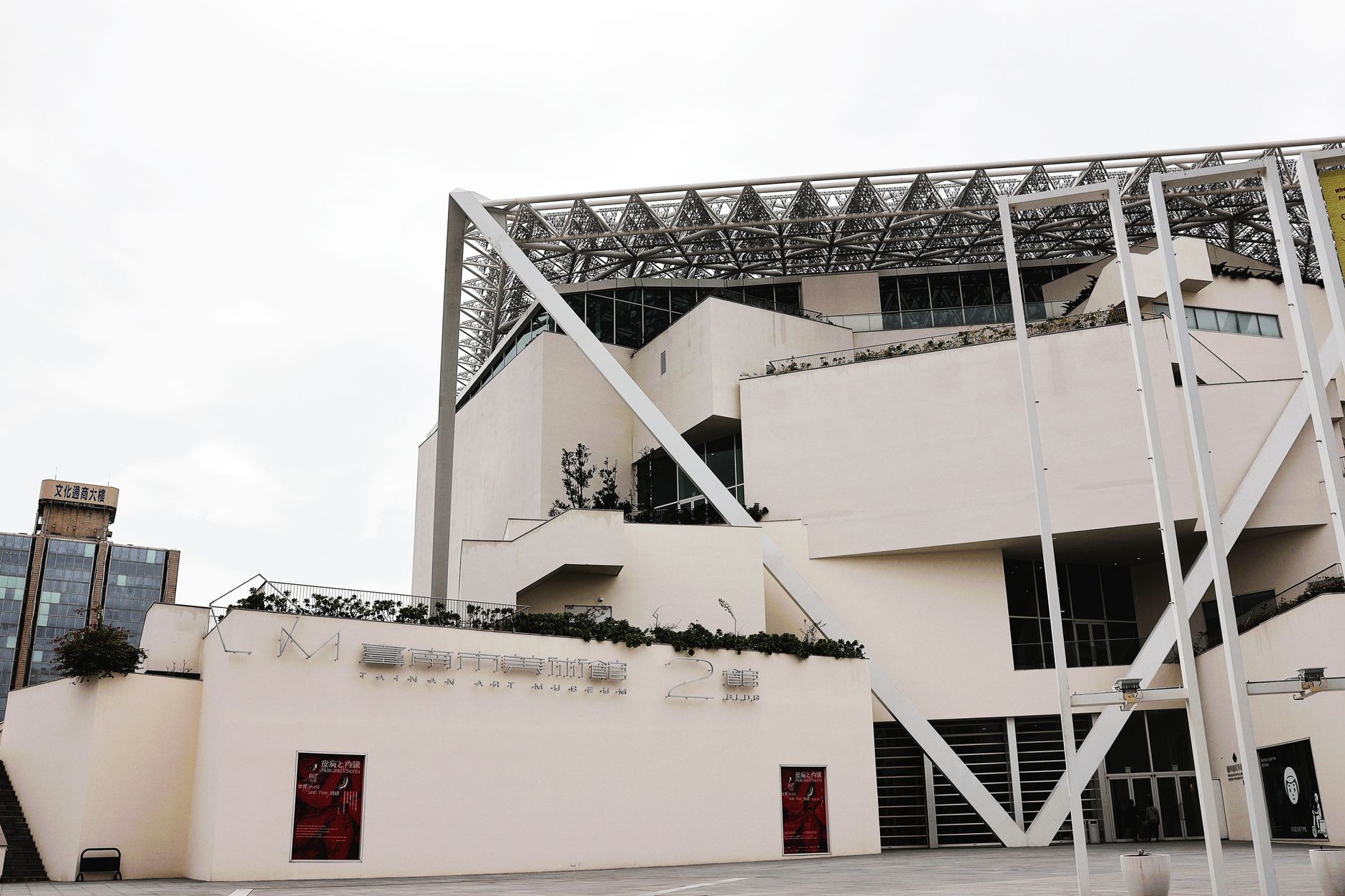
Architectural variety is another draw: the theater by Toyo Ito, the long linear Calligraphy Greenway, and older market alleys offer contrasting sights. Finally, the coastal Gaomei Wetlands are a short transit ride from the city and deliver one of the easiest sunset nature experiences on the island without an all-day excursion.
Quick Planning Tips
Arrive via Taichung HSR (Wuri/烏日) for fastest link from Taipei, or use TRA (台鐵) to Taichung Station if on a slower schedule; expect a taxi from HSR to central hotels to cost around NT$400–600 and take 20–30 minutes. Pick up an EasyCard or iPASS at a 7-Eleven for transit and YouBike rentals; loading cash at convenience stores is straightforward and saves time.
Carry cash for night-market stalls and some smaller museums; most mid-size restaurants and shopping malls take international cards. Avoid building a schedule that hops across opposite sides of the city in a single afternoon — traffic and bus frequency make grouped planning (museum block one day, arts district another) far more efficient.

Day 1
Morning: Start at Taichung Railway Station area and walk to Second Market (第二市場) for breakfast — stalls here serve dan bing and braised pork rice; expect to spend 30–60 minutes and pay NT$50–120 for a hearty local breakfast. A 10–15 minute walk or short taxi ride brings visitors to the National Museum of Natural Science; allocate 2–3 hours for permanent exhibits and botanical gardens. Standard adult admission is around NT$100, with extra fees for temporary exhibits.
Afternoon: Walk along Calligraphy Greenway for 10–20 minutes to reach the National Taiwan Museum of Fine Arts; allow 1–2 hours. Nearby cafés and small shops around Park Lane by CMP offer a convenient lunch or coffee stop — meals in this area usually range NT$150–350.
Late afternoon and evening: Head to Miyahara (宮原眼科) for dessert and ice cream — popular after the museum visit and a good place for pineapple cake gifts. From central stops, a bus or taxi of 15–25 minutes takes you to Fengjia Night Market for dinner and street snacks; expect heavy crowds after 19:00. Evening recommendation: stay at the market until late for snacks and people-watching, or return to Calligraphy Greenway for a quieter drink.

Day 2
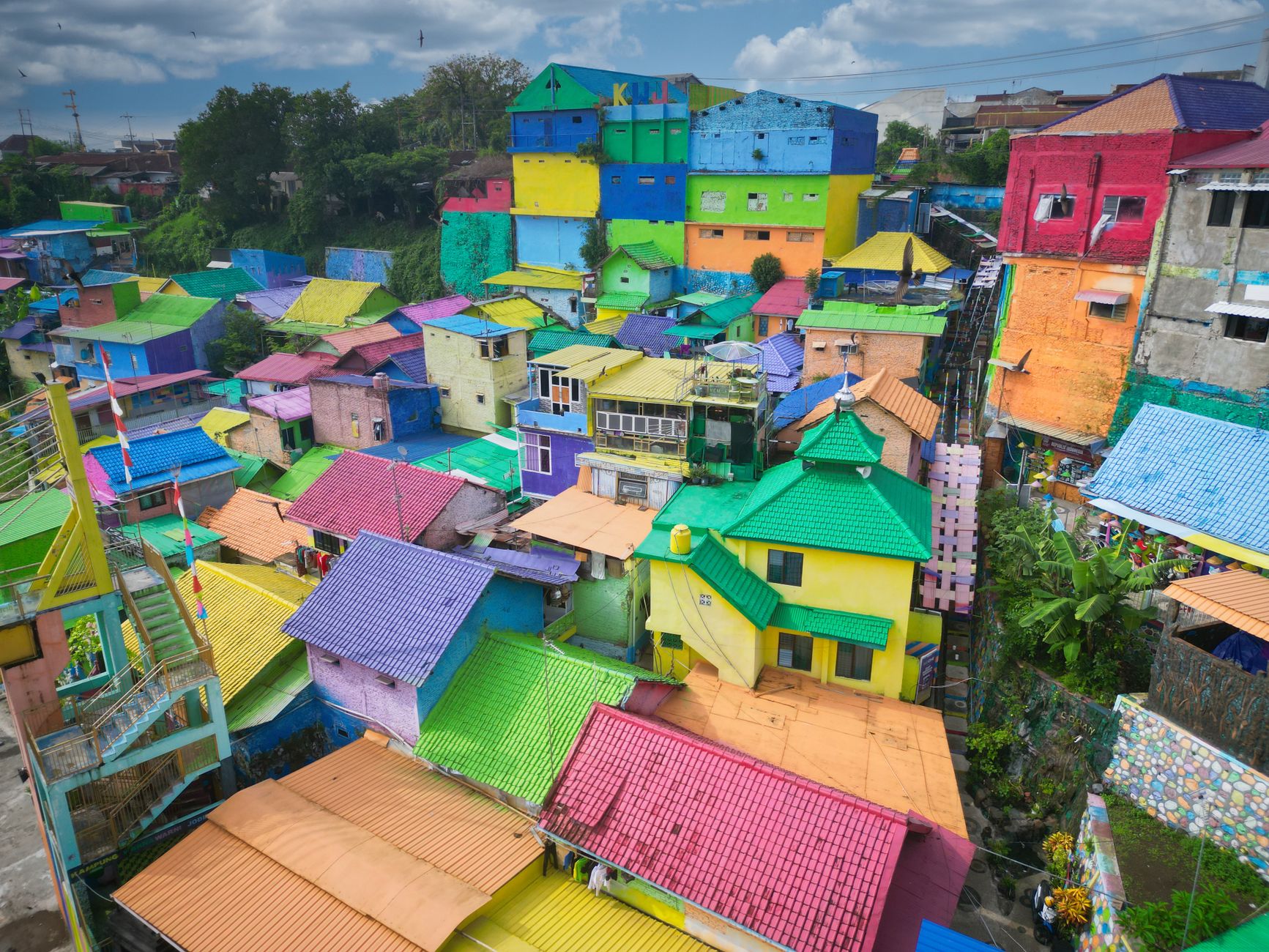
Morning: Begin in Nantun District with Rainbow Village (彩虹眷村); a short taxi from central hotels (10–20 minutes) is easiest. Allow 30–45 minutes to see painted houses and nearby street art. From there, take a 15–25 minute bus or taxi to the National Taichung Theater on Zhongxiao Road for exterior photos and, if schedules match, a guided tour or performance check — lobby access is free and the building is worth an hour for architecture fans.
Afternoon: Spend time around CMP Block Museum and the surrounding West District galleries and cafés; pick a lunch spot near the theater or try a bento-style shop along Wenxin Road. In the afternoon, reserve time to visit the Taichung Cultural and Creative Park or the Museum of Contemporary Art (MOCA) for rotating exhibitions.
Evening: Travel to Gaomei Wetlands for sunset. Plan roughly 50–70 minutes transit from downtown by bus plus a short walk and optional YouBike ride across the boardwalk; check tide times and aim to arrive 60 minutes before sunset for the best light and manageable crowds. Return by bus or taxi to the city for a late seafood dinner if energy allows.
Day 3
Morning: Choose between a short outdoor option or a nearby flower market. For a local-morning option, take a 30–45 minute trip to Zhongshe Flower Market for seasonal displays and photography; expect 45–90 minutes on site. Alternatively, spend the morning on the Dakeng Trails (大坑登山步道) for gentle hiking — a 20–30 minute taxi from central districts places hikers at trailheads with walks of 1–3 hours.
Afternoon: Return to central areas for a final meal at a favorite market stall or try a tea house in the West District. If planning an afternoon flight, allow at least 60–90 minutes to get to Taichung Airport or 40–60 minutes to HSR Xinwuri depending on traffic; add extra buffer for luggage checks and airport lines.
Final recommendation: if time is tight, prioritize the Gaomei sunset or a long museum visit over attempting Sun Moon Lake, which requires an early start and a full day.

Best Local Experiences
Fengjia Night Market (逢甲夜市) for late-night street food and trend-driven snacks. Second Market (第二市場) for authentic breakfasts and small-plate local vendors. Gaomei Wetlands for windswept salt marshes and sunset reflections on the boardwalk. Rainbow Village for quick, colorful street-art photos and a short community story. National Taichung Theater for modern architecture and theater programming.
Additions worth a day: Zhongshe Flower Market for seasonally arranged fields and photo setups; Dakeng hiking trails for short ridge walks close to the city; Miyahara for specialty sweets, pineapple cakes and an indoor historic fit-out; Calligraphy Greenway for a linear walk that links museums to cafés. Also note seasonal events such as the Taichung Jazz Festival in October and local temple fairs that appear at various times — check local listings before travel.

Where to Stay
West District (西區): best for museums, the Calligraphy Greenway and cafés. Suits travelers focused on galleries and mid-range dining. Typical nightly rates: budget guesthouses NT$1,200–2,000 (≈US$36–60 / €33–€55), mid-range hotels NT$2,500–4,000 (≈US$75–120 / €70–€115).
Xitun District (西屯區), near Fengjia: suits shoppers, street-food fans and budget stays. Hotels and hostels cluster around the night market; expect NT$1,000–2,500 per night for frequent options (≈US$30–75 / €28–€70).
Nantun / Near Taichung Station (南屯/台中車站周邊): suits rail travelers and those using HSR/TRA links. Good balance of transport access and local restaurants. Rates typically NT$1,500–3,500 (≈US$45–105 / €42–€100).
Food and Drink
Bubble tea (珍珠奶茶): sweet milk tea with tapioca pearls. Good versions at Chun Shui Tang or specialty shops; expect NT$50–120. Breakfast dan bing (蛋餅): thin egg crepe often folded with fillings — common at Second Market or local breakfast shops, about NT$30–80.
Braised pork rice (滷肉飯): minced pork over rice; staple comfort dish at Second Market and small restaurants, roughly NT$40–100. Oyster omelette (蚵仔煎): a gastronomic night-market classic available across Fengjia and local markets, typically NT$70–150.
Large fried chicken (豪大大雞排): street-food portion served hot at Fengjia and similar markets for NT$80–120. Dessert and gift recommendation: Miyahara ice cream and sun cakes — premium packaged sweets run NT$200–600 depending on size. For dinner, try a seafood plate near the port or a hot-pot restaurant in Xitun; expect NT$300–700 per person for a shared hot-pot meal.
Getting Around
Taichung Metro Green Line (台中捷運綠線) covers the Beitun–Wenxin corridor; single rides start around NT$20 depending on distance. City buses run extensive routes; most rides cost NT$12–30. Use an EasyCard or iPASS on both metro and buses for convenience.
YouBike 2.0 bike-share stations are plentiful in central districts and near museums; short trips are inexpensive and often charged by 10–30 minute blocks. Taxi fares start at about NT$85 for the meter with NT$20–40 per additional kilometer outside the base; expect NT$400–600 for an HSR to downtown transfer. Useful apps: Taichung Bus App for schedules and Google Maps for routing; EasyCard mobile top-up options are available through convenience stores.
Best Time to Visit
Spring (March–May): temperatures roughly 18–25°C with rising humidity. Good month choices for lower crowds and flower displays. Summer (June–August): hot and humid, highs often 30–34°C; this is also the typhoon season so be prepared for sudden heavy rain and plan indoor alternatives.
Autumn (September–November): temperatures 22–28°C and lower humidity; October–November often offers the best balance of weather and value. Winter (December–February): milder cool weather around 12–18°C with fewer tourists and lower hotel prices — rain can appear but severe cold is rare.
Budget and Practical Tips
Sample daily budgets: Budget traveler NT$1,500–2,200/day (accommodation NT$800–1,200, food NT$400–600, transport NT$100–200, entries NT$100–200) which is about US$45–70 / €40–65. Mid-range NT$3,500–5,000/day (hotel NT$2,500–3,500, food NT$600–900, transport NT$200–300, entries NT$200–300) roughly US$105–155 / €95–145. Higher-end stays easily exceed NT$6,000/day.
Tipping is not expected in most restaurants; many full-service places add a 10% service charge, mostly in hotels and larger tourist restaurants. Carry small change for night markets and taxis that may prefer cash. ATMs that accept international cards are common; use local convenience stores to top up EasyCard balances.
FAQ
Is Taichung safe for solo travelers?
Yes; crime rates are low compared with many large cities, but standard precautions apply in crowded night-market areas where pickpocketing is possible.
How do I get from Taichung HSR to the city center?
Take a local bus or taxi from HSR Taichung (Wuri/烏日); taxis are faster (20–30 minutes, NT$400–600) while buses can take 30–50 minutes depending on route and traffic.
Is an EasyCard or a special city pass worth buying?
An EasyCard or iPASS is the most practical single purchase for metro, buses and YouBike; special tourist passes are rarely needed for a three-day stay.
Can Sun Moon Lake be done as a day trip from here?
Yes, but expect 1.5–2 hours each way by bus or car; an early start and a full day are required to avoid rushing.
Are museums open every day and how much do they cost?
Many major museums operate 09:00–17:00 or 18:00 and close one weekday; National Museum of Natural Science typically has a base admission near NT$100, while special exhibits can add fees.
What is the best way to reach Gaomei Wetlands?
Combine a bus from central Taichung with a short YouBike or taxi ride from the stop; plan for 50–90 minutes total transit depending on starting point and traffic.
Do taxis accept credit cards?
Many taxis accept cards in larger fleets, but metro stations, hotels and convenience stores are safer for card use — carry cash for short trips and night markets.
Conclusion
Three days yields a compact, workable cross-section: museums and modern architecture, late-night market food, and a straightforward sunset at Gaomei or a floral morning at Zhongshe. Travellers will most likely remember the contrast between air-conditioned museums and market alleys, plus a coastal sunset punctuated by windmills. If time is tight, prioritize one major museum block and the Gaomei Wetlands sunset; that pairing gives the best sense of urban culture plus the easy nature outing that defines the short-stay experience.
How this guide was prepared
This guide was prepared through a structured research that combines destination research, geographic context, itinerary planning logic, and content review.