
3 Days in Ankara: A Compact Itinerary for Culture, Food & History
Discover 3 days in Ankara: a practical itinerary mixing ancient sites, museums, lively neighborhoods, and food. Perfect for a weekend cultural escape.
A focused 3-day itinerary to explore Ankara’s museums, historic hilltop castle, bustling neighborhoods and authentic Anatolian cuisine—ideal for first-time visitors.
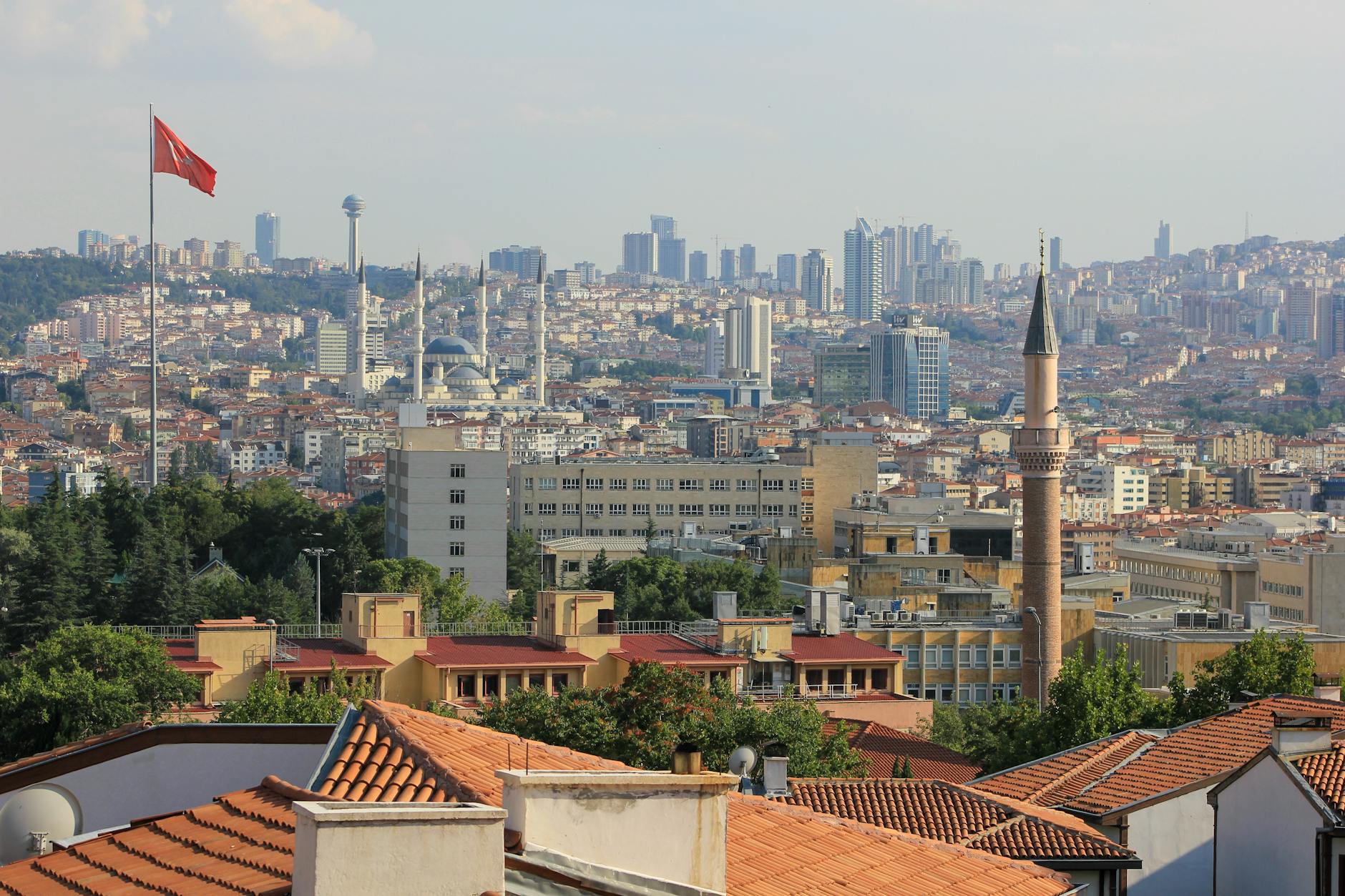
Ankara is a modern, layered capital where Republican-era boulevards and embassy-lined neighborhoods sit beside Roman ruins and hilltop fortresses. It suits curious travelers who want museums, history, and a genuine taste of inland Turkish life without the coastal crowds. Three days is ideal: one day for core museums and national monuments, one for the old town, castle and nearby markets, and one for neighborhoods, parks and food-focused wandering. You’ll leave with a clear sense of the city’s role in modern Turkey and time to visit a few relaxed, off-the-beaten-track spots.
Quick Answer
A focused 3-day itinerary to explore Ankara’s museums, historic hilltop castle, bustling neighborhoods and authentic Anatolian cuisine—ideal for first-time visitors.
Who This Guide Is For
This guide is best for first-time visitors, couples, solo travelers, and anyone planning 3-day city break, history & culture, weekend break in Ankara with a balance of highlights, local character, and reasonable spending.
How This Guide Was Prepared
This guide was prepared through a structured editorial workflow that combines destination research, geographic context, itinerary planning logic, and practical travel review.
Plan Your Stay in Ankara
Use this itinerary as your starting point, then compare areas to stay, transport options, seasonal timing, and realistic daily costs before booking.
Why Visit
This capital blends modern Turkish state history with deep Anatolian roots. Highlights include world-class archaeology, striking Republican architecture, and quieter streets than Istanbul. It’s a hub for fast trains to Konya or Istanbul, making it a practical base or a focused weekend destination. Expect polished museums, leafy embassies in Çankaya, and lively central Kızılay with cafes and shops.
Quick Planning Tips
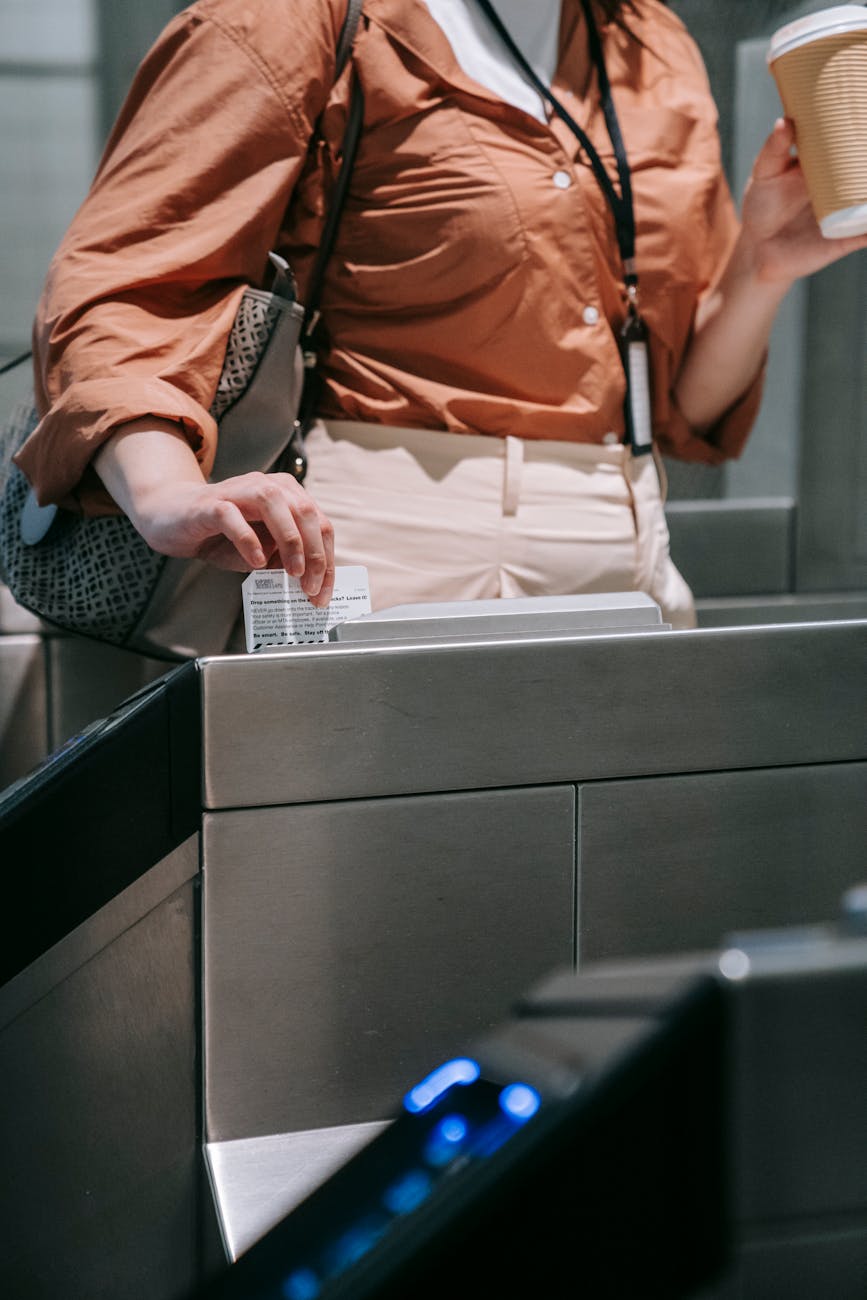
Base yourself near Kızılay or Çankaya for easy transit access. Buy a contactless AnkaraKart for metro, Ankaray and buses. Pack for hot summers and cold, snowy winters; spring and autumn are most comfortable. Reserve Anıtkabir or museum visits for morning slots to avoid crowds. If arriving by air, Esenboğa Airport is about 30–45 minutes to the center by Havaş shuttle or taxi. Keep cash in Turkish lira for small markets; most places accept cards.
Day 1
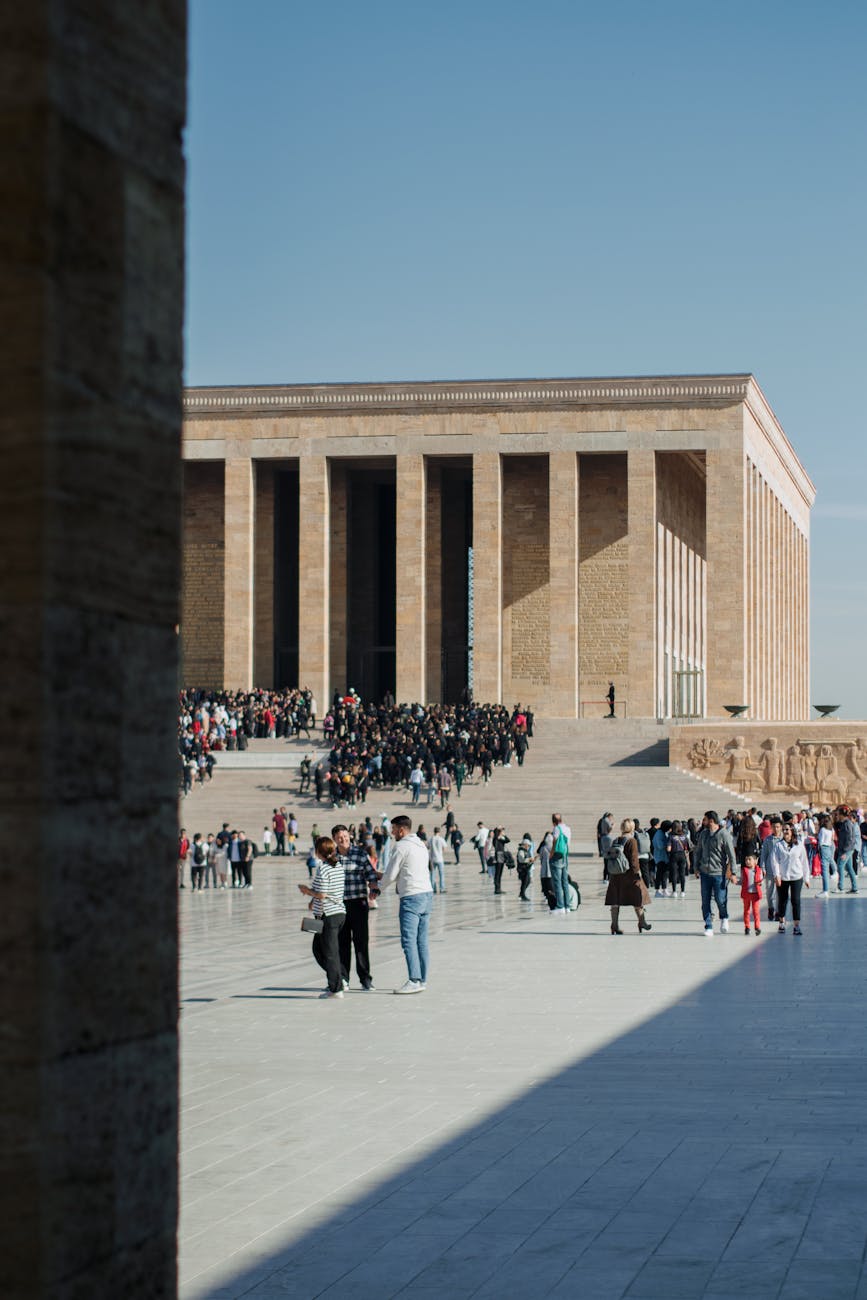
Morning: Start at Anıtkabir to tour the mausoleum and the museum dedicated to Atatürk. Leave early for cooler weather and good photos.
Midday: Walk or take a short taxi to the Museum of Anatolian Civilizations in the Ulus neighborhood. Allow at least two hours for its archaeological collections.
Afternoon: Explore Ulus market streets, then visit the Ethnography Museum if time allows. Finish with dinner in a nearby lokanta for homemade-style kebabs and meze.
Day 2
Morning: Head to Ankara Castle (Hisar) for narrow alleys, artisan shops and sweeping views of the city. Wander fortifications and old stone houses.
Midday: Lunch around Hacı Bayram Square and visit Hacı Bayram Veli Mosque and the adjacent Roman Temple of Augustus remains.
Afternoon: Explore Tunali Hilmi Avenue in Çankaya for boutiques and cafes. End at Kuğulu Park for tea and people-watching, or catch an evening performance at the State Opera and Ballet if available.

Day 3
Morning: Visit Atatürk Forest Farm and Zoo to see gardens, the small agricultural museum and the farm bakery—try fresh simit or gözleme.
Midday: Spend time in CerModern for contemporary Turkish art, then head to Kızılay for lunch at a traditional pide or Ankara tava restaurant.
Afternoon: Use the metro to reach areas you missed, shop for local spices and sweets, and enjoy a relaxed final stroll through Gençlik Parkı before an evening flight or train.

Best Local Experiences
Watch the ceremonial guard and stroll Anıtkabir’s terraces. Sip Turkish tea at Kuğulu Park and taste Ankara’s signature dishes: Ankara tava and etli ekmek. Explore Ulus’ antique shops, haggle in small markets, and try bakery specialties at Atatürk Forest Farm. Catch a performance at a state theater or visit CerModern for contemporary art. For a local rhythm, spend an evening in Kızılay where cafés and late-night simit sellers keep city life going.

Where to Stay
Kızılay: central, lively, best for transit and dining options. Çankaya: quieter, diplomatic district with boutique hotels and safe walking streets. Ulus: historic area near museums and the castle, good for heritage stays. Tunali Hilmi: upmarket shopping and cafes, great for evening walks. Book early during national holidays and university graduation weekends when rooms fill up.
Food and Drink
Start mornings with a full Turkish breakfast—cheese, olives, eggs and çay. Sample Ankara specialties like Ankara tava (lamb and rice) and Beypazarı kurusu (twice-baked biscuit from nearby Beypazarı). Eat at lokantas for homestyle stews, and try pide or lahmacun for quick meals. For sweets, buy lokum and baklava from trusted patisseries. Coffee culture is strong—enjoy Turkish coffee or modern cafes on Tunali Hilmi. Tipping 5–10% in restaurants is customary.
Getting Around
The metro (M1, M2), Ankaray light rail and buses cover most tourist spots; use an AnkaraKart for seamless travel. Taxis are plentiful and affordable for short hops—confirm the meter is on. Dolmuş minibuses serve routes between neighborhoods. Esenboğa Airport is connected by Havaş shuttles and taxis; high-speed trains link the city to Konya and Istanbul from the central station. Walk compact areas like Ulus and parts of Çankaya—many streets are pedestrian-friendly.
Best Time to Visit
Late spring (May–June) and early autumn (September–October) offer mild weather, blooming parks and comfortable walking. Summers can be hot and dry inland; winters bring cold and occasional snow. Visit during weekday mornings to avoid weekend crowds at major museums and monuments. National holidays draw locals to public sites, so plan ahead if traveling in April or October.
Budget and Practical Tips
Use Turkish lira for best prices; credit cards are widely accepted but carry cash for markets. Buy a Müze Kart if you plan multiple museum visits—it can save money. Many museums offer discounts for students and seniors; bring ID. Public transit is inexpensive with an AnkaraKart. Carry a small phrase list in Turkish—simple greetings go a long way. For safety, normal urban precautions apply; neighborhoods are generally safe during daylight hours.
FAQ
Is three days enough to see the main attractions?
Yes. Three days covers Anıtkabir, the Museum of Anatolian Civilizations, Ankara Castle, and time for neighborhood exploration and food.
How do I get from Esenboğa Airport to the city center?
Take the Havaş airport shuttle to Kızılay or a taxi (30–45 minutes depending on traffic).
Are museums open daily?
Most museums are open six days a week; check specific opening days and hours online as some close Mondays.
Can I use English widely?
Tourist areas and museums usually have English signage and staff, but learning basic Turkish phrases helps.
Is Ankara family-friendly?
Yes. Parks, zoo areas at Atatürk Forest Farm, and interactive museums make it good for families.
Are credit cards accepted?
Yes in hotels, restaurants and larger shops; carry cash for small markets and bakeries.
Conclusion
Three days reveal the capital’s layered story: ancient Anatolia, Ottoman traces and the modern Republic. With efficient transit, concentrated museums and memorable food, a short trip yields a rich, manageable experience. Pack comfortable shoes, an AnkaraKart, and a flexible schedule to enjoy both landmark highlights and quieter local corners.
How this guide was prepared
This guide was prepared through a structured research that combines destination research, geographic context, itinerary planning logic, and content review.