

Tbilisi in 3 Days: A Clear, Practical City Itinerary
A candid 3-day Tbilisi guide with routes, transport cards, meal prices and neighbourhood advice for efficient planning and realistic expectations.
A no-nonsense 72-hour plan for Tbilisi covering where to walk, what transit to use, real prices for meals and entry, and which neighbourhoods match your pace.
Expect a city of steep streets, mixed architecture and frequent microclimates: hot sun on low terraces, sudden wind on hilltops. First impressions are often a tangle of narrow alleys in Old Town, the modern glass of the Bridge of Peace and church domes rising on the skyline. The pace switches from relaxed daytime cafés to late-evening socialising at local wine bars and courtyard hangouts.
Many visitors arrive expecting easy flat walking; failing to note steep stairs and uneven paving creates the biggest annoyance. The city suits travellers who like short, intense days with breaks for long lunches, or those willing to trade a museum hour for a casual stroll through a market. The street layout rewards curiosity but requires planning for uphill returns and occasional taxis when energy runs out.
Is 3 days in Tbilisi enough?
Three days are enough to cover central highlights: Old Town, Rustaveli cultural axis, Mtatsminda and one or two neighbourhoods like Vake or Sololaki. Expect to skip a long day trip (for example Kazbegi or a full Kakheti wine circuit) unless adding extra travel time.
Who This Guide Is For
Best for curious urban walkers and food-focused travellers who are comfortable on steep streets and public transport. Not ideal for travellers wanting a relaxed beach experience, extensive hiking in the Caucasus, or a fully unpacked wine country tour.
Local Tips for Tbilisi
Practical details that most travel sites skip — specific to Tbilisi.
- Buy a Metromoney card at any metro station for a small deposit and top it up at kiosks or ticket machines — the card is used on metro, city buses and many minibuses.
- The cable car from Rike Park up to Narikala costs about 3 GEL for a single ride and is open late evenings; use it to avoid a steep climb up from Abanotubani.
- Sulfur baths are centred on Orbeliani Street in Abanotubani; a private room for bathing and massage typically runs 40–100 GEL depending on level and time of day.
- Fabrika (8 Egnate Ninoshvili St) is an old sewing-factory courtyard with bars, cafés and design shops where draft beer is usually 8–12 GEL and useful for late-night plans.
- The airport-to-city taxi market is dominated by Bolt and local taxi apps; expect 30–50 GEL to central Rustaveli or Freedom Square depending on traffic — agree price in the app before starting.
How This Guide Was Prepared
This guide treats Tbilisi as a working city with steep streets, lively neighbourhoods and unpredictable opening hours rather than a postcard. Many guides over-focus on Old Town photo spots; this one gives timed walking routes, transit alternatives and realistic costs so a traveler can actually get from A to B without surprises. This guide was prepared through a structured research that combines destination research, geographic context, itinerary planning logic, and content review.
Plan Your Stay in Tbilisi
Use this itinerary as your starting point, then compare areas to stay, transport options, seasonal timing, and realistic daily costs before booking.
Why Visit
There is a concentration of accessible cultural sites close together: Rustaveli Avenue hosts the Georgian National Museum, Rustaveli Theatre and multiple galleries within a short walk. The Old Town—with Abanotubani's sulfur baths and the Narikala cable car—delivers visual contrast between Ottoman-style houses and Orthodox churches.
Food and wine are a genuine draw: neighbourhood restaurants serve khinkali and various regional khachapuri styles, and small wine bars in Vera and Vake pour local qvevri wines. The city's public spaces are active: Rike Park and the pedestrianized sections by the Bridge of Peace are practical for short rests between museum visits. Finally, public transport and short taxi rides make one-day escapes to nearby towns like Mtskheta feasible from a base in the city.

Quick Planning Tips
From the airport, avoid waiting in the taxi rank; use Bolt or a pre-booked transfer — expect 30–50 GEL to the city centre. There is an airport bus service but travel times and stops depend on traffic, so allow extra time for morning or evening departures.
Carry a Metromoney card and top it up at metro stations or kiosks; it is the simplest way to use metro, buses and some minibuses. ATMs are widely available, and most mid-range restaurants accept cards, but plan small cash for markets and bathhouses.
Avoid the planning mistake of packing every day with long trips. A compact 3-day plan trades one long day trip for more time in neighbourhoods like Sololaki and Vera. Check opening hours for museums on Mondays and public holidays — several close on Monday.

Day 1
Morning: Start at Freedom Square and walk south along Rustaveli Avenue. Visit the Georgian National Museum (on Rustaveli; entry about 15–20 GEL) — plan 1.5–2 hours. From Rustaveli station the metro is a short hop to Avlabari if needed.
Late morning: Walk down to Meidan Bazaar and cross to the Bridge of Peace and Rike Park (10–15 minutes on foot). Take the cable car from Rike Park up to Narikala Fortress — the ride saves a steep climb and takes about 5 minutes; allow 45–60 minutes on the hill for the fortress and viewpoints.
Lunch: Eat in Old Town at a traditional spot on Erekle II or on Betlemi Street; try khinkali and a cheese khachapuri — expect 20–35 GEL for a filling meal. After lunch, descend to Abanotubani and have a short sap bath visit or simply walk through the sulfur-bath quarter.
Afternoon: Walk to Metekhi Church and then cross to Shardeni Street for cafés and small artisan shops (10–15 minutes from Abanotubani). Allow time to browse the Dry Bridge Market for Soviet memorabilia and antiques (about 20–40 minutes).
Evening: Dinner around Shardeni or Fabrika for a more casual scene. Fabrika is roughly a 20–25 minute walk or a short taxi ride from Old Town and stays lively late; end the night with a late drink in the courtyard.

Day 2
Morning: Head to Mtatsminda Park via the funicular from Chonkadze Street (or by taxi up the winding road). The funicular ride and park offer good city views; budget an hour for the ascent and views and another hour if using the small amusement rides.
Late morning: Return down to the Vake neighbourhood. Walk Vake Park and head toward the Tbilisi Botanical Garden entrance near Kote Apkhazi Street — transit from Mtatsminda is a 10–15 minute taxi or 20–30 minutes on foot depending on pace.
Lunch: Eat in Vake or near Rustaveli at a restaurant serving modern Georgian cuisine; expect 25–45 GEL per person for mains and shared dishes. After lunch, explore the Sololaki and Vera districts where late-19th-century houses and modern cafés sit side by side.
Afternoon: Visit the Rezo Gabriadze Puppet Theatre on Shavteli Street and the small art galleries on nearby streets. From here, catch the metro from Rustaveli or walk to the narrow streets of Marjanishvili for coffee and people-watching.
Evening: Try a wine bar in Vera or a cellar restaurant near Sioni Cathedral; late-evening walk across the Bridge of Peace provides lit views back to Old Town.

Day 3
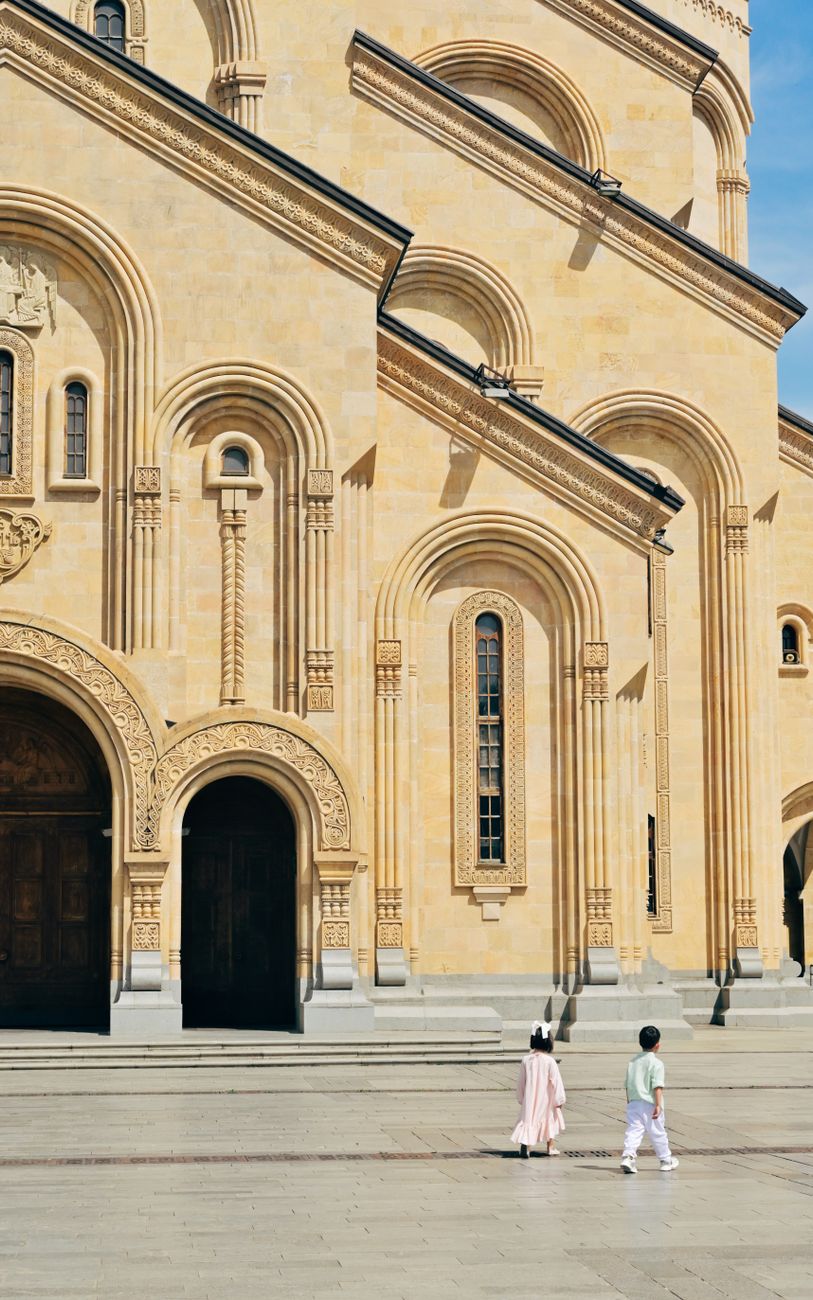
Morning: Pack and check out but store bags at the hotel or a left-luggage service near the central train station. Start at Sameba Cathedral (Holy Trinity) — the cathedral complex can take 45–90 minutes depending on interest. From central areas allow 15–25 minutes by taxi.
Late morning: Take a short trip to the Tbilisi Sea/Didube area only if interested in local commuter life; otherwise spend the late morning in the National Botanical Garden for quieter green space and a 30–45 minute walk among terraces.
Lunch: Pick a restaurant in Sololaki or Marjanishvili for a relaxed final meal; order shared plates and a glass of qvevri wine. If an afternoon flight is planned, choose a place with quick service and allow 90–120 minutes to reach the airport by taxi from the city centre.
Afternoon: If time allows, visit the Dry Bridge Market for last-minute souvenirs or head to a grocery shop for packaged Georgian wine to carry home; account for weight in luggage. For travellers catching a late-afternoon flight, depart city centre no later than three hours before departure to allow for traffic and airport formalities.
Best Local Experiences
Dry Bridge Market on Tsereteli Street for second-hand Soviet-era objects and local art bargains; mornings are best for selection. A sulfur bath session in Abanotubani (Orbeliani Street) with a private room and massage is a local ritual and varies by facility.
A table-supplied supra (traditional feast) is available at several restaurants; book a place that offers a tamada-led experience for a full cultural context. Fabrika courtyard hosts evening live music and pop-up markets; useful for meeting locals and fellow travellers. The Rezo Gabriadze Puppet Theatre offers a short, witty puppet show with a clock tower performance — buy tickets in advance for evening shows.
For wine, small qvevri-focused bars in Vera and Vake pour regional varieties not usually listed abroad; ask for a tasting flight rather than a single bottle. Finally, take the short trip to Mtskheta (about 20–30 minutes by marshrutka or taxi) if time allows — it is a quick cultural day-trip from the city base.

Where to Stay
Old Town / Sololaki: Suits first-time visitors who want immediate access to Narikala, Shardeni and the sulfur baths. Expect guesthouses and mid-range hotels from 80–200 GEL/night (≈€25–65 / $28–70). Streets are narrow and noisy at night, so choose an inner courtyard room if sensitive to sound.
Vake / Vera: Suits travellers who prefer quieter residential streets with cafés and restaurants within walking distance of Rustaveli. Vake offers apartment rentals and boutique hotels from 120–250 GEL/night (≈€40–80 / $45–90). It's a good base for Mtatsminda access and local wine bars.
Saburtalo: Suits budget travellers and those using public transit regularly; nearer to the university and modern shopping. Expect basic hotels and apartments from 60–120 GEL/night (≈€20–40 / $20–45). Saburtalo is more functional and less tourist-oriented but often cheaper and well connected by metro.
Food and Drink
Khachapuri (Imeretian and Adjarian): Cheese bread; Imeretian is flat round, Adjarian is boat-shaped with an egg on top. Good versions at family restaurants on Erekle II and on Paliashvili Street, price about 8–18 GEL.
Khinkali: Large dumplings filled with spiced meat or mushrooms; usually 1.5–4 GEL each depending on filling. Order 3–6 per person at a local khinkali house and eat hot with ground pepper.
Qvevri wine: Traditional Georgian amber and red wines fermented in clay. Tasting pours in wine bars in Vera cost around 8–20 GEL per tasting or 25–60 GEL per bottle in restaurants.
Churchkhela and lobiani: Churchkhela (walnuts on string dipped in grape must) is a portable snack sold at Dry Bridge Market and in bakeries for 3–6 GEL. Lobiani (bean-stuffed bread) is a common breakfast option for 3–6 GEL.
Breakfast and street food: A simple breakfast of strong coffee and a pastry or lobiani often costs 6–12 GEL. For dinner, expect mid-range restaurants to charge 30–60 GEL per person when sharing several dishes and a bottle of wine.
Getting Around
Metro: Two main lines — Akhmeteli–Varketili (Line 1) and Saburtalo (Line 2) — meet at interchange stations such as 300 Aragveli and Rustaveli. Use a Metromoney card for metro fares.
Buses and minibuses: City buses and private marshrutka minibuses fill gaps the metro does not. Marshrutkas are frequent on major corridors but require exact change and can be crowded during peak hours.
Fares and apps: Single Metromoney ride is about 1 GEL when card-pay is used; top up at stations and kiosks. There is no widely used unlimited 24-hour tourist pass, so pay-as-you-go is common. Use the 'Tbilisi Transport' information services or Google Maps for routing; Bolt and Yandex operate for taxis and are usually cheaper and safer than hailing street cabs.
Airport transfers: No metro to the airport — Bolt taxi from the airport to the centre is typically 30–50 GEL depending on traffic. For short hops within the city, expect 6–15 GEL per trip by taxi.
Best Time to Visit
Late spring (May–June) and early autumn (September–October) offer the best balance of mild temperatures and lower hotel prices. Temperatures in May and September usually sit between 15–25°C and crowds are moderate.
July–August is hot (25–35°C) and busier with regional tourists; expect higher prices and crowded outdoor cafés. Winter (December–February) brings cold spells with temperatures around 0–8°C and occasional snow; museums and bathhouses are quieter and some guesthouses run reduced rates.
For lower prices while keeping decent weather, target late September or May. If wine harvest experiences are the goal, late September to early October aligns with small local wine events and tastings.
Budget and Practical Tips
Realistic daily budget (per person): Accommodation: 80–200 GEL (mid-range) ≈ €25–65 / $28–70. Food: 30–60 GEL for three meals with modest wine or one restaurant dinner ≈ €10–20 / $12–22. Transport: 3–8 GEL including metro rides and a taxi ≈ €1–3 / $1–3. Entry fees: Museums or attractions 10–30 GEL daily ≈ €3–10 / $4–11.
Overall mid-range daily total: 125–300 GEL (≈ €40–95 / $45–105). Budget travellers can manage on less by using shared minibus rides, street food and dorm or budget rooms from 60–100 GEL/night.
Tipping: Tipping is appreciated but not mandatory; leave around 5–10% in sit-down restaurants if service was good. Small café purchases do not require tipping. Safety: keep a modest day wallet and leave passports in a hotel safe when possible.
FAQ
How safe is the city centre at night?
The central districts are generally safe with normal urban petty-crime risks; keep valuables secure, avoid poorly lit side streets late at night and use taxi apps for late returns.
Is it easy to use public transport from the airport?
No metro service to the airport; use Bolt/Yandex taxi or the airport bus/minibus services, and allow time for traffic during peak hours.
Is a city card or tourist pass worth buying?
There is no single official tourist city pass widely used; pay-as-you-go with a Metromoney card for metro and buses is the practical option unless a specific museum pass is offered for a short period.
Are credit cards widely accepted?
Cards are accepted at most mid-range restaurants, hotels and museums, but have cash (20–50 GEL) for markets, small cafés and bathhouses.
Can day trips to Mtskheta or Kazbegi be done from a 3-day base?
Mtskheta is an easy half-day trip (20–30 minutes by taxi or marshrutka). Kazbegi is doable as a long day trip but expect 8–12 hours on the road; consider an overnight if possible.
What is the best way to sample Georgian wine responsibly?
Visit small wine bars in Vera or Vake for tasting pours (8–20 GEL) and ask staff for qvevri recommendations; avoid drinking large bottles if planning to walk long distances afterwards.
Are the sulfur baths hygienic and worth the price?
Baths at reputable houses on Orbeliani Street maintain standards and are a distinct local experience; private rooms cost about 40–100 GEL and include washing and optional massage.
Do museums close on any particular day?
Several museums close or reduce hours on Mondays; check the Georgian National Museum and specific gallery hours ahead of scheduling.
Conclusion
A three-day visit will leave clear impressions: the steep viewpoints around Narikala and Mtatsminda, a handful of excellent meals and wine tastings, and a feel for which neighbourhood suits further time. Practical priorities are simple: buy a Metromoney card, plan uphill walks with taxi backups and reserve one evening for a long meal with qvevri wine. If time becomes tight, prioritise a skyline viewpoint (Narikala or Mtatsminda) and one substantial meal where a supra or wine tasting is on offer — that combination most consistently defines the experience.
How this guide was prepared
This guide was prepared through a structured research that combines destination research, geographic context, itinerary planning logic, and content review.