

Responsible Travel in Lisbon: A Local-First, Low-Impact Guide
Practical, responsible travel advice for Lisbon: neighborhoods, transport, seasonal tips, and sustainable day-trip options to Cascais, Setúbal, Coimbra, Portimão and Lagos. Ideal as a support page to a 3-day Lisbon itinerary.
How to enjoy Lisbon responsibly: choose neighborhoods, low-impact transport, authentic food, and mindful day trips while supporting local businesses.
Quick Answer
How to enjoy Lisbon responsibly: choose neighborhoods, low-impact transport, authentic food, and mindful day trips while supporting local businesses.
Who This Page Is For
This page is for travelers planning a stay in Lisbon who want clearer decisions about responsible travel, local logistics, timing, budgeting, and practical trip planning.
How This Page Was Prepared
This page was prepared through a structured editorial workflow that combines destination research, geographic context, and practical travel-planning review.
Plan the Rest of Your Trip
Use this page together with the full itinerary and the related planning pages below to make better booking, timing, transport, and budget decisions.
If you have three days, follow the 3-day Lisbon itinerary for a balanced mix of Alfama, Belém, and Chiado, and use this page to make those days lower-impact:
- Walk and use the Cascais line for a seaside half-day instead of a commercial boat tour.
- Buy a reusable water bottle and use refill points; avoid single-use plastics.
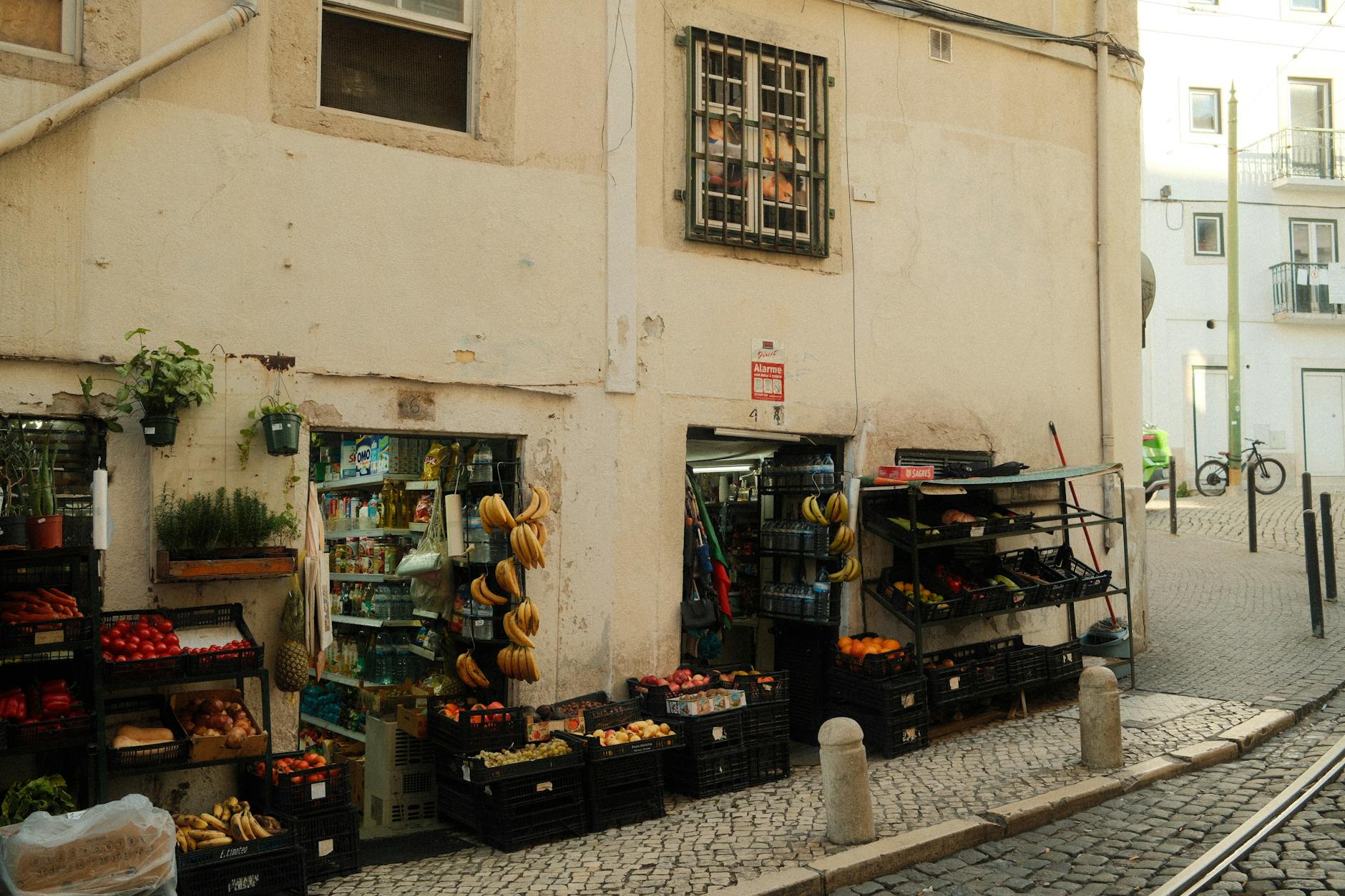
- Prioritize small grocery shops, family-run tasca restaurants, and neighborhood markets like Mercado de Campo de Ourique over tourist-focused food halls.
For longer day trips, trains to Cascais and Setúbal are easy and lower-carbon. For Algarve towns such as Lagos and Portimão, consider a single longer rail journey rather than multiple short flights.
This page is a compact, practical companion to the main 3-day Lisbon guide. It focuses on low-impact choices, neighborhood-level planning, seasonal realities, and realistic transport advice so you can get the most from Lisbon while supporting local economies. Use this as a quick reference before booking, packing, or choosing day trips to Cascais, Setúbal, Coimbra, Portimão, or Lagos.
The recommendations favor walking, public transit, and small businesses over crowded, high-impact attractions. Expect clear options for morning markets, relaxed evenings in family-run restaurants, and how to avoid peak tourist congestion without missing the city’s character.
What This Page Helps You Decide
Use this page to decide:
- Which neighborhoods to base yourself in for quieter evenings and shorter walks to sights.
- When to travel: pick shoulder seasons (March–May, September–November) to reduce crowds and enjoy milder weather.
- How to get to nearby towns sustainably: train to Cascais, regional CP trains to Setúbal and Coimbra, and combined rail-bus options for Portimão and Lagos.
- Which activities to swap for low-impact alternatives, like guided walking tours with local guides instead of large bus tours.
This guidance is designed to complement the 3-day Lisbon itinerary with practical, bookable choices.
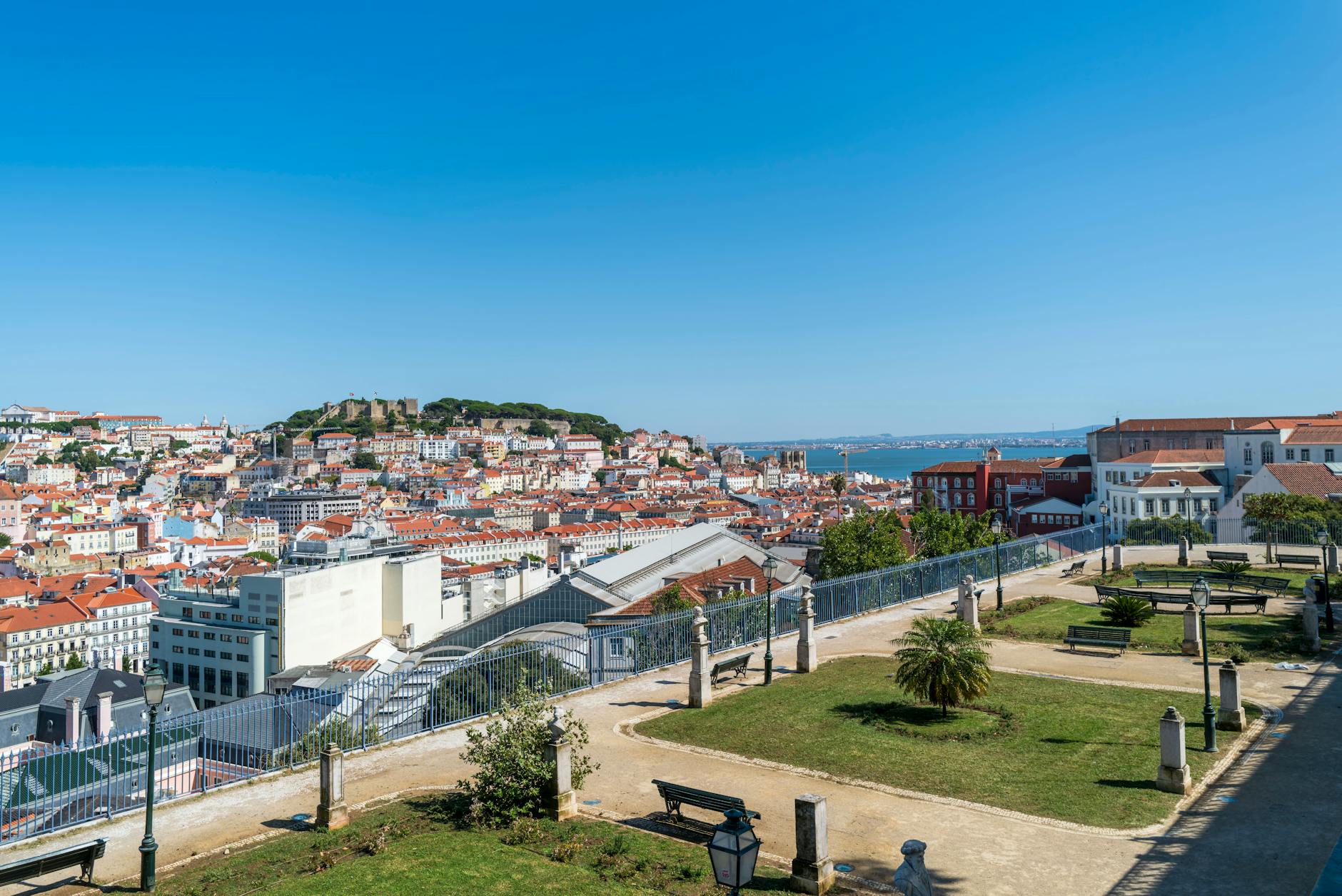
Top Recommendations
Neighborhoods and bases:
- Campo de Ourique or Príncipe Real: calmer evenings, neighborhood shops, good access to historic centers.
- Chiado / Baixa: central for first-time visitors, easy links to public transport but busier after dark.
- Alfama or Mouraria: historic heart for daytime exploration; choose accommodation tucked away from the busiest viewpoints to reduce noise impact.
Transport and cards:
- Get a rechargeable Viva Viagem card for metro, tram, and bus; it’s economical and reduces paper tickets.
- Use the Cascais Line from Cais do Sodré for a scenic, low-impact seaside day trip.
Food and markets:
- Eat at family-run tascas and neighborhood cafés. Ask hosts for sustainable local producers.
- Visit Mercado de Campo de Ourique for everyday shopping; use Time Out Market selectively for a single meal if you want a varied sample.
Sustainable day trips:
- Cascais: 40 minutes by train; coastal walks and small seafood restaurants.
- Setúbal: regional train service; try estuary birdwatching and local fish restaurants.
- Coimbra: direct intercity trains; perfect for an inland cultural day if you have extra time.
- Algarve (Portimão, Lagos): best reached by a single rail journey if possible; combine with an overnight to reduce travel churn.
Booking tips:
- Reserve guided experiences directly with local guide associations or small operators listed in the 3-day Lisbon guide.
- Book accommodation that demonstrates energy and water-saving practices; check recent reviews for noise and neighborhood context.
Local Context
What to expect in the city:
- Hills and cobblestones: Lisbon is steep and many streets are uneven. Bring sturdy shoes and plan for slower walking times.
- Peak months: July–August are hot and crowded, especially in Alfama, Bairro Alto, and Belém. Shoulder seasons offer better value and fewer crowds.
- Public transport reality: trams are scenic but often crowded; use metro or buses for reliability. Trains to Cascais run frequently from Cais do Sodré.
- Accessibility: historic areas can be challenging for mobility-impaired travelers; check routes in advance and prefer lower-gradient neighborhoods like Parque das Nações for easier routes.
Cultural notes and etiquette:
- Politeness matters: a simple Bom dia / Boa tarde on entering shops or cafés goes a long way.
- Quiet hours: many residential streets observe quiet hours at night; keep noise low in small neighborhoods.
- Tipping: modest by international standards; rounding up or leaving 5–10% in restaurants is appreciated for good service.

How to Choose Well
Pick accommodation by neighborhood, not just star ratings:
- Choose family-run guesthouses in Príncipe Real or Campo de Ourique for locally reinvested spending.
- If you want nightlife, consider Bairro Alto but book a quieter room facing an interior courtyard.
Choose transport by time and impact:
- For most intra-city transfers, walking + tram/metro is both fast and low-emissions.
- Prefer regional trains to distant day trips instead of rented cars when schedules match your itinerary.
Choose experiences that benefit locals:
- Book small-group walking tours run by local guides rather than large operators.
- Buy crafts directly from artists’ studios or cooperative stores in Alfama and Mouraria instead of souvenir stalls near major viewpoints.
Practical booking advice:
- Reserve popular attractions (Belém’s Jerónimos Monastery, São Jorge Castle) for early morning slots to avoid midday crowds.
- For day trips, check train timetables in advance on CP (Comboios de Portugal) and book longer intercity segments ahead in shoulder season to secure seats.

Responsible and Local-First Tips
Spend locally:
- Choose restaurants that source from nearby producers and ask about seasonal dishes.
- Buy pastries, bread, and produce at neighborhood bakeries and markets rather than central tourist kiosks.
Low-impact mobility:
- Walk or cycle where possible; consider guided walking routes in Alfama and Chiado.
- If using shared micromobility, follow local rules and park devices responsibly to avoid blocking sidewalks.
Wildlife and natural areas:
- When visiting coastal areas near Cascais or the Sado estuary (Setúbal), follow marked paths and avoid disturbing nesting birds.
Cultural respect and inclusion:
- Support social enterprises and community projects listed in the 3-day guide; they often offer authentic experiences and share revenue locally.
- Learn a few phrases of Portuguese; even small efforts are appreciated and help build positive interactions.
Waste reduction:
- Carry a reusable water bottle; there are public drinking fountains and cafés that will refill it.
- Avoid single-use plastics and decline disposable cutlery when possible.

Common Mistakes to Avoid
Don’t rely only on Tram 28: it’s iconic but often packed, slow, and used by large tour groups. Use it for a short ride early morning only, and favor walking or bus routes for point-to-point travel.
Don’t base in a noisy tourist hub if you want local nights: Bairro Alto and Baixa can be lively; choose Príncipe Real or Campo de Ourique for quieter evenings.
Don’t overbook day trips: trying to visit the Algarve (Portimão, Lagos) on a day return from Lisbon is possible but exhausting and increases carbon costs. If you go, plan an overnight.
Don’t ignore timetables: Portuguese regional trains and ferries run on fixed schedules; check CP and ferry operators in advance, especially for weekend or holiday travel.
Avoid fast-food chains in historic neighborhoods: they often displace small vendors. Instead, try neighborhood tascas and market stalls recommended here and in the 3-day guide.
FAQ
Is Lisbon safe to walk at night?
Lisbon is generally safe, but streets can be dim and uneven. Stick to well-lit main streets, avoid isolated alleys late at night, and keep belongings secure. Neighborhoods like Chiado, Bairro Alto and Cais do Sodré have lively evenings—pick quieter lodging in Príncipe Real or Campo de Ourique if you prefer calm nights.
What’s the best season for a low-impact visit?
Shoulder seasons (March–May, September–November) balance mild weather with fewer tourists. Winter is quieter and greener but cooler and rainier. Summer brings crowds and heat; if you visit then, book early and plan outdoor activities for mornings or evenings.
How do I get to Cascais or Setúbal sustainably?
Cascais: take the Cascais Line train from Cais do Sodré (about 40 minutes). Setúbal: regional CP trains run from Lisbon’s Roma-Areeiro/Entrecampos; plan on 50–70 minutes depending on service. Both are low-carbon and frequent.
Should I buy the Lisboa Card?
The Lisboa Card can save money if you plan to visit many paid museums and use public transport heavily. For a low-impact, neighborhood-focused trip with selective museum visits, a Viva Viagem top-up plus point tickets may be more flexible and produces less wasted value.
Are day trips to the Algarve feasible?
Day trips to Portimão or Lagos are long by train (3–4+ hours each way) and are best done with an overnight stay to reduce travel stress and emissions. If time is tight, favor Cascais or Setúbal for sustainable day trips.
Conclusion
Lisbon rewards slow, thoughtful travel. Use this page alongside the 3-day Lisbon guide to plan neighborhoods, transport, and day trips that reduce impact while supporting local businesses. Favor shoulder seasons, take regional trains when possible, and choose small-scale experiences and eateries for the most authentic, responsible stay. For nearby destinations such as Cascais, Setúbal, Coimbra, Portimão, and Lagos, prioritize rail or combine longer stays to lower your travel footprint and leave more benefits for the communities you visit.
How this guide was prepared
This guide was prepared through a structured research that combines destination research, geographic context, itinerary planning logic, and content review.