
Hangzhou in 3 Days: Practical Itinerary and Local Tips
A clear, no-nonsense 3-day Hangzhou guide covering West Lake, tea villages, transit, costs and neighbourhood timing for a reliable short trip.
A compact, realistic 72-hour plan for West Lake, Longjing tea, Qinghefang and modern lakeside districts with transit times, prices and sensible alternatives.
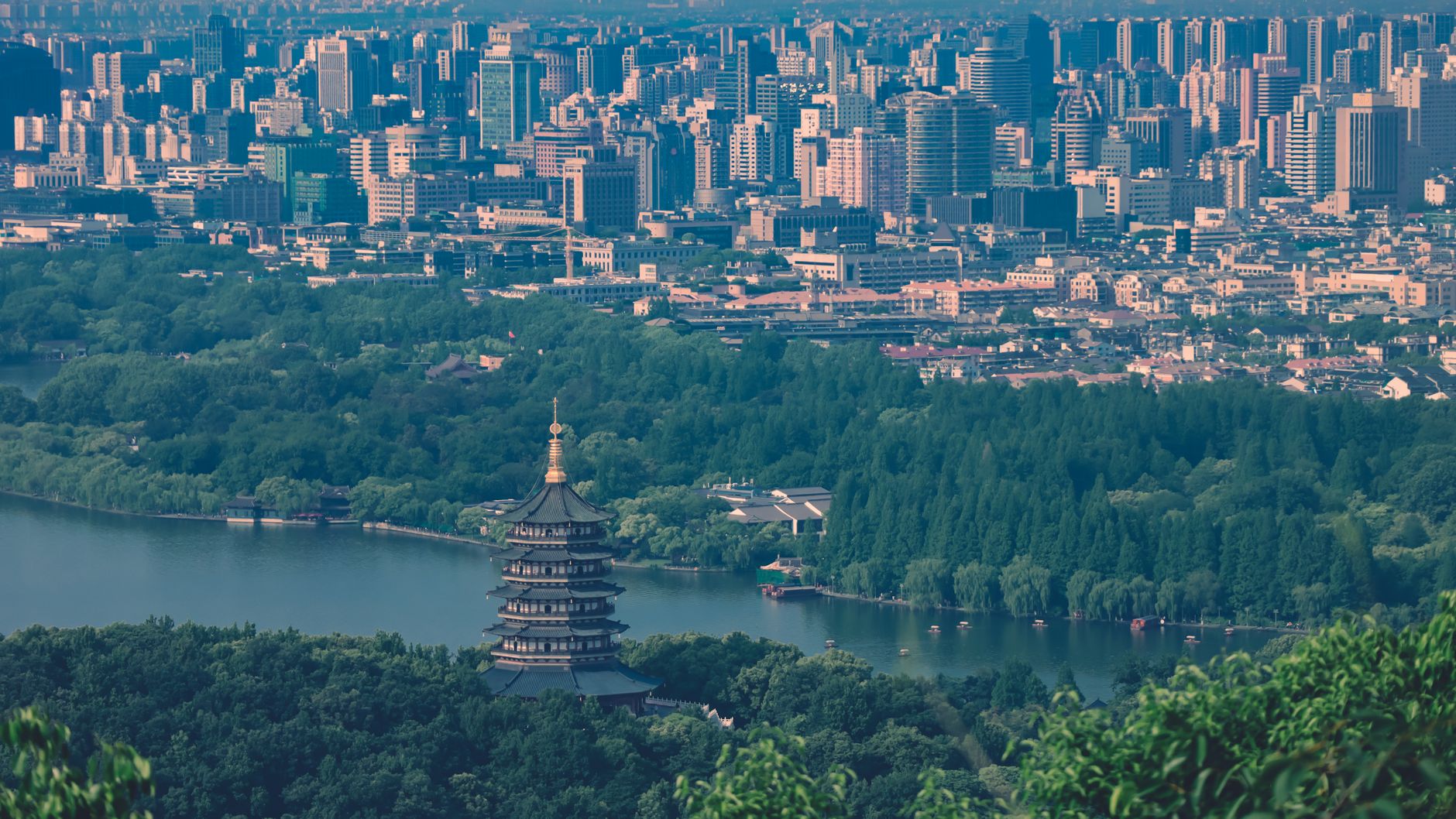
First impressions are often split between the tourist frontage around West Lake and the city's wider industrial and university districts. The lakeshore is crowded during mornings and early evenings, especially around the Broken Bridge, Su Causeway and Leifeng Pagoda, while neighbourhoods such as Binjiang and the area around Hangzhou East Railway Station feel modern, loud and oriented to business traffic.
Expect a mix of slow, scenic promenades and short, rushed transfers across the urban sprawl. Many travellers arrive imagining a single compact zone; in practice, time is lost moving between lakefront and tea hills unless routes are planned in advance.
This layout suits travellers who like structured days: a long lakeside walk, a temple visit, a tea-culture stop and one modern neighbourhood with cafés or a shopping mall. It is less suited to those expecting a compact walking city like nearby Suzhou or a fully rural countryside experience.
Is 3 days in Hangzhou enough?
Yes — three days is enough to see West Lake, Lingyin Temple, a Longjing tea village and one modern neighbourhood without rushing. The caveat: museums, a day trip to Xixi Wetland or a full boat-and-pagoda exploration will require more time or a third-day tradeoff.
Who This Guide Is For
Best for travelers who like a mix of scenic walking, short museum visits and tea-culture sampling on a modest budget. Not ideal for visitors wanting deep hiking, slow rural immersion or multiple day trips beyond the city.
Local Tips for Hangzhou
Practical details that most travel sites skip — specific to Hangzhou.
- Buy a Hangzhou Tong (杭州通) transport card at any metro station machine or convenience store; it works on metro and most city buses and gives a small fare discount versus single tickets.
- Longjing (Dragon Well) tea tastings and small purchases at Meijiawu Village typically start around ¥60–120 per person; expect higher prices at tea houses next to Huagang Park.
- West Lake boat rides from the Su Causeway dock (苏堤码头) cost about ¥30–60 depending on route and boat type; single short-route tickets are cheaper than private boat hires.
- Hefang Street (河坊街) vendors often close food stalls by 10–11pm; plan evening snacks earlier and avoid the busiest weekends for a calmer experience.
- The tourist entrance fee for Lingyin Temple's main area plus Feilai Peak grottoes is about ¥45–80 depending on season; buy tickets at the official counters to avoid inflated offers.
How This Guide Was Prepared
This guide treats Hangzhou as a city of two halves: the classical West Lake axis used by most visitors and the working riverside and tea-country that locals move through daily. Many guides either over-romanticize the lake or ignore the everyday logistics—this one marries practical timing, public transit and honest crowd and cost expectations. This guide was prepared through a structured research that combines destination research, geographic context, itinerary planning logic, and content review.
Plan Your Stay in Hangzhou
Use this itinerary as your starting point, then compare areas to stay, transport options, seasonal timing, and realistic daily costs before booking.
Why Visit
West Lake provides a specific kind of urban waterfront that is easy to access from the main railway hubs — paths, parks and pagodas concentrate much of what people seek in one ribbon of activity. Scenic walks and short boat trips make efficient use of limited time.
Tea culture here is unusually accessible: Meijiawu Village and the China National Tea Museum let visitors see production and taste freshly roasted Longjing without a long countryside detour. That offers depth beyond the lake's views.
Religious and historical sites such as Lingyin Temple and the collection of Song- and Ming-era streets around Qinghefang show a continuity from imperial to modern eras. Finally, modern districts like Binjiang and Qianjiang New Town showcase rapid development and dining options that contrast with the lakeside, giving a rounded city view.
Quick Planning Tips
The fastest airport transfer is the Airport Express bus or taxi for door-to-door travel; there is also a direct metro connection from Xiaoshan International Airport via the metro network. From Shanghai Hongqiao or Shanghai Hongqiao Railway Station, high-speed trains reach Hangzhou East in about 45–60 minutes.
Bring a bank card that supports contactless payments and set up Alipay or WeChat Pay if possible; many museums and small vendors accept mobile payments while some smaller restaurants and rural tea houses still prefer cash. Currency exchanges at banks or airport counters are straightforward but carry small fees.
Avoid booking attractions for the same morning as train arrivals; midday rushes at stations and security checks can create delays. Also, do not plan to visit multiple lake islands and temples on a single tight schedule unless private transport is reserved.
Day 1
Start at Wushan Square for an early lakeside stroll and a view of the classical West Lake scenery. From Wushan, walk 10–15 minutes west along the lakefront to the Broken Bridge for photos and local scenery.
Next, head north to Leifeng Pagoda — a 20–25 minute walk along the Su Causeway or a short taxi/metro hop if legs are tired. The modern pagoda elevator gives views without a long climb.
After the pagoda, cross back to the south bank and spend midday at the China National Tea Museum in Meijiawu; taxi from Leifeng Pagoda is 15–25 minutes depending on traffic. Lunch at Lou Wai Lou (楼外楼) near the lake for classic West Lake dishes such as dongpo pork and West Lake vinegar fish, with main dishes around ¥60–120 per person.
In the afternoon, walk or cycle along Su Causeway toward the Three Pools Mirroring the Moon (San Tan) area — renting a public bike or an app-based e-bike from a station near the causeway is practical and saves time between sights.
Dinner in the Hefang Street area where small restaurants and snack stalls offer local bites; try a reserved spot at an established restaurant if coming at peak dining time. For the evening, return to the lakeshore for the light show near the Broken Bridge or a quieter walk at the south-eastern lake promenade; evening crowds thin after 9pm but some lakeside terraces stay open later.
Day 2
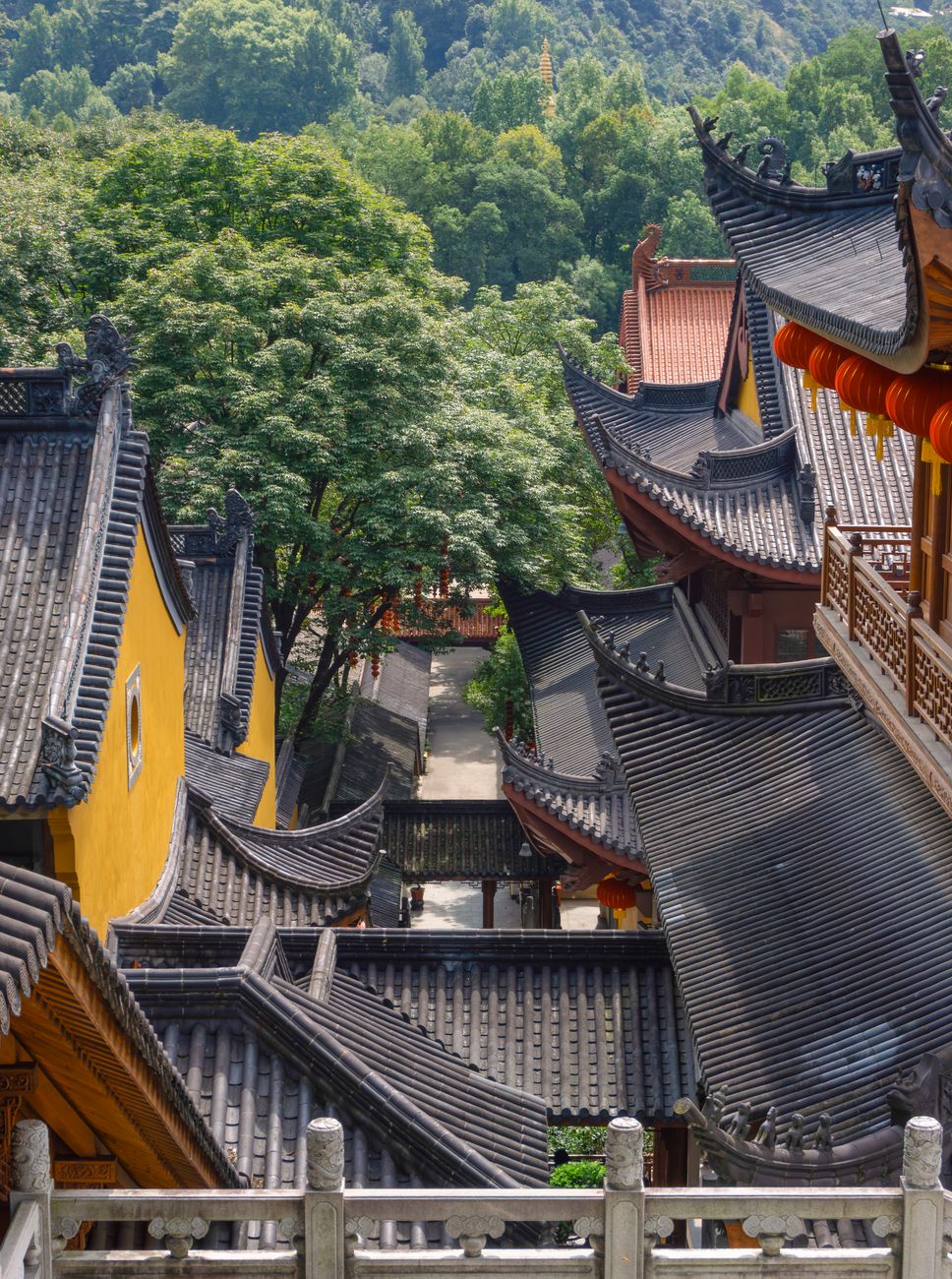
Dedicate this day to spiritual sites and older streets. Begin at Lingyin Temple early to avoid the largest tour groups; take a taxi or metro to Lingyin Station and walk 10 minutes. Allow 1.5–2 hours to see the temple complex and the Feilai Peak grottoes; the cave sculptures and forested paths are the main draw.
After the temple, visit the nearby China National Tea Museum if it was not covered on Day 1, or go to Meijiawu tea farms for a hands-on tasting session and a short farm walk. Meijiawu is roughly 20–30 minutes by taxi from Lingyin depending on traffic.
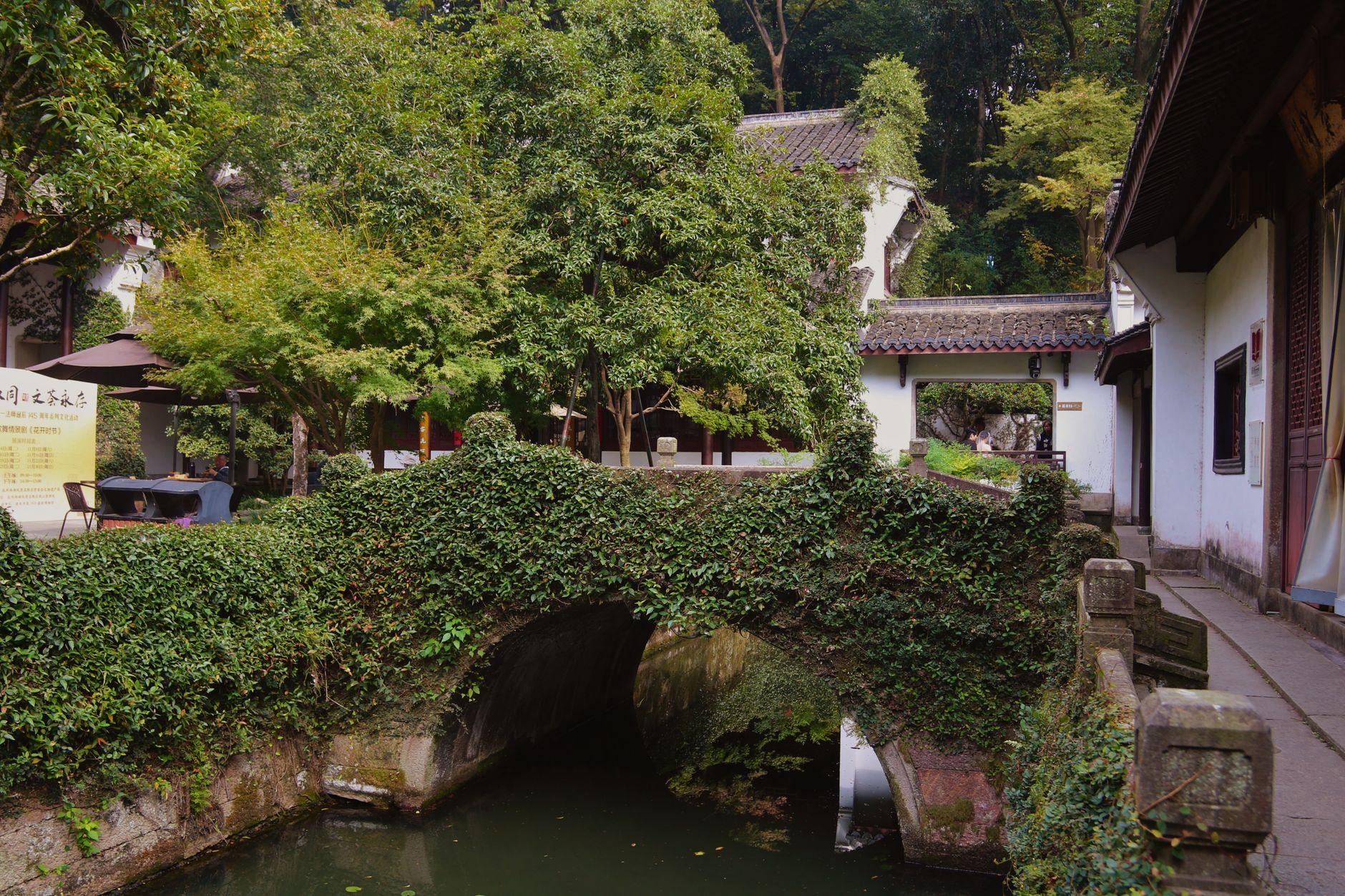
Lunch in the Longjing area: choose a village tea house that pairs a simple set meal with tea tasting — expect ¥60–150 per person. In the afternoon, travel to Qinghefang Historic Street in the old city; it is a 15–25 minute taxi ride from the Longjing valley or a longer combined bus/metro trip.
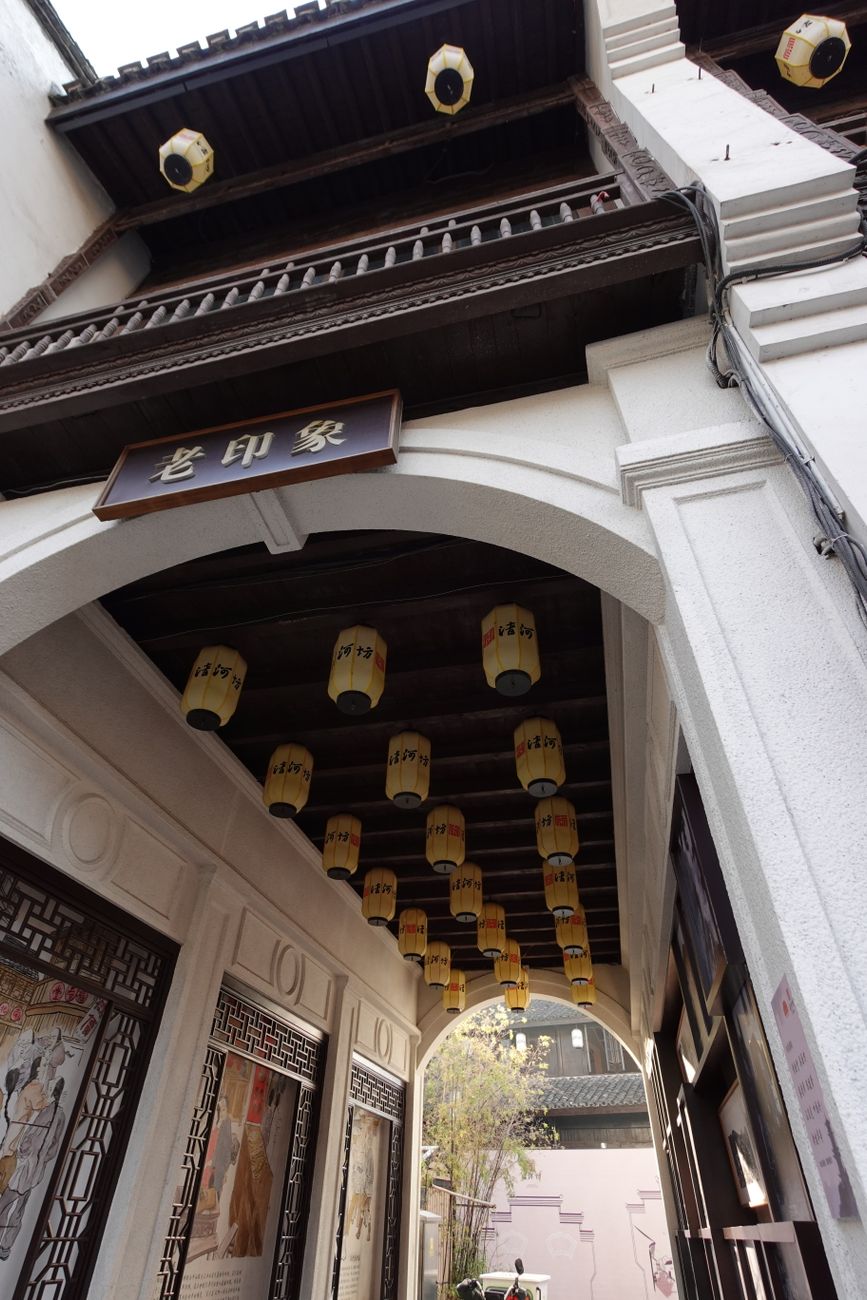
Qinghefang is narrow and better explored on foot: shops with local snacks, traditional medicine stalls, and small museums like the Former Residence of Hu Xueyan. Finish with dinner at a restaurant on Qinghefang or head back to the lakeside for a calmer evening walk near the south bank.
Day 3
Use the final day to see one modern district and a wetland or museum. Start at the Zhejiang Provincial Museum in the morning; it opens early and has straightforward exhibits on regional archaeology and art. From central lake areas the museum is a 15–20 minute taxi or 20–30 minute metro ride.
Next, cross to Qianjiang New Town / Binjiang to see the city’s contemporary side and the Qianjiang River skyline. The metro will link central stops to this area in about 20 minutes; spend time in a riverside café or the MixC mall for shopping and lunch.
If leaving in the afternoon or catching a flight, head to Xixi Wetland for a short boardwalk and boat trip — allow for travel time (about 30–45 minutes by taxi from Qianjiang) and check boat schedules. For those with an evening train or flight, leave enough buffer for luggage pick-up at hotels; metro and taxi times vary by rush hour.
For a final meal, try a restaurant that serves local specialties like beggar’s chicken or Longjing shrimp. If time is tight, visit one more lakeside view point near the Causeway or Leifeng Pagoda before heading to the station or airport.
Best Local Experiences
Ride a public bike along Su Causeway early in the morning to see local tai chi groups and fishermen — the rental apps are ubiquitous around the lake. Take a Longjing tea tasting and short workshop at Meijiawu Village to learn roasting differences and grading for Longjing tea.
Walk Qinghefang Historic Street to try hu qiao mi xian (local noodle snacks) and see traditional shops; several small museums and craft workshops are open by midday. Visit Lingyin Temple and Feilai Peak for carved grottoes and a quieter forested approach away from the lakeshore.
Spend a morning at Xixi Wetland for a reed-boardwalk walk and small boat rides that show a working wetland next to urban sprawl. Attend a local tea house performance or a short Kunqu/Chinese opera excerpt at a cultural venue near Hefang Street when available; schedules are posted at municipal cultural centres.
Where to Stay
West Lake / Wushan: Suits visitors prioritising lakeside walks and quick access to major sights. Close to Leifeng Pagoda and Su Causeway. Expect mid-range hotels ¥400–800 per night (about €50–€100 / $55–$110). Rooms with lake views cost more.
Qianjiang New Town / Binjiang: Suits business travellers and those who prefer modern malls and riverfront dining. Near Poly World Trade Center and high-rise restaurants. Prices vary; expect ¥500–900 per night (€65–€115 / $70–$125) for international chains.
Near Hangzhou East Railway Station / Jianggan: Suits train travellers and those taking day trips to Shanghai. Easy access to high-speed rail and buses. Budget to mid-range hotels here are usually ¥200–500 per night (€26–€65 / $28–$55).
Food and Drink
West Lake Vinegar Fish (西湖醋鱼): Freshwater carp poached and finished with a sweet-sour sauce. Classic versions at Lou Wai Lou near the lake cost ¥60–120 per dish; at smaller restaurants expect ¥40–70.
Dongpo Pork (东坡肉): Braised pork belly cut into neat squares with a glossy sauce. Served in restaurants like Lou Wai Lou and smaller Zhejiang restaurants; a portion costs ¥50–120.
Longjing Shrimp (龙井虾仁): Small river shrimp stir-fried with Longjing tea leaves for a light aroma. Found in tea houses around Longjing and lakeside restaurants for ¥60–120.
Breakfast option — Youpo Douban or soy milk stalls and jianbing-style crepes near metro exits provide cheap local breakfasts for ¥8–15. Try a sesame pancake or steamed buns on Hefang Street for around ¥5–12.
Street food — Stinky tofu and scallion pancakes at Hefang Street or night markets; single-item prices range ¥5–20. Dinner recommendation — a family-run Zhejiang cuisine restaurant on Qinghefang for a set meal of several dishes around ¥120–250 for two.
Getting Around
Metro lines: Line 1, Line 2, Line 4 and Line 5 form the core central network; Line 1 connects key hubs including Hangzhou East Railway Station and interchange stations near the lake. Use the metro for consistent travel times into Qianjiang New Town and between downtown points.
Buses cover the rest of the city; look for routes serving Lingyin, Meijiawu and Xixi (local bus numbers are posted at major stops). Taxis are plentiful; daytime meter starts around ¥10 plus distance fees. Typical taxi from Xiaoshan Airport to the city centre is ¥100–150 (about €13–€20 / $14–$22) depending on traffic.
Ticketing: single metro fares start around ¥2–6 depending on distance; a day pass is not standard but the Hangzhou Tong transport card offers fare savings and can be topped up at stations. Use Alipay or WeChat Pay for contactless metro entry and bike/e-bike rentals. Recommended apps: Amap (Gaode) for routing and the official Hangzhou Metro app for line maps and service notices.
Best Time to Visit
Spring (March–May): Temperatures 12–22°C; cherry and magnolia season with higher weekend crowds around the lake. Good for tea-harvest previews and mild walking.
Summer (June–August): Hot and humid with temperatures 25–35°C and frequent rain; heavy tourist crowds in July–August, especially on public holidays — costs and waits rise then. Early mornings and late evenings are most comfortable.
Autumn (September–November): Temperatures 15–25°C and stable weather make this the best value window for fewer crowds and clear lake views. October national holidays are busier and more expensive.
Winter (December–February): Cooler, 2–10°C, quieter streets and lower hotel prices; some temples and outdoor venues are much less crowded but expect damp chill rather than snow.
Budget and Practical Tips
Daily budget estimate (moderate traveller): Accommodation ¥300–600 (€40–€75 / $45–$80), food ¥120–200 (€16–€25 / $18–$28), transport ¥20–60 (€3–€8 / $3–$9), entries and extras ¥50–150 (€7–€20 / $9–$22). A reasonable daily total is ¥500–1000 (€65–€130 / $70–$140).
Entry fees: Lingyin Temple/Feilai Peak combined about ¥45–80; Leifeng Pagoda elevator and tower access around ¥40–60; China National Tea Museum often free but special exhibits may charge ¥20–50. Boat trips on West Lake typically ¥30–60 per ride.
Tipping norms: tipping is not required in most restaurants; taxis and small services generally do not expect tips. For private guides or high-end restaurant service, a small tip is appreciated but not mandatory.
Practical tip: carry small change and a cash card for vendors who do not accept foreign mobile payments. Many places accept Alipay or WeChat; set up one of these payment methods in advance if possible.
FAQ
Is Hangzhou safe for solo travellers?
Yes; central areas and tourist zones are generally safe with low violent crime. Usual city precautions apply at night and on crowded transit.
How do I get from Xiaoshan International Airport to the city centre?
Options include the airport express bus, metro connection via the metro network, or taxis which cost about ¥100–150 depending on traffic.
Is a West Lake boat ride worth it?
A short public-boat trip is useful for lake perspective; a private boat is scenic but more costly. Single-route tickets are the most time-efficient option.
Are English signs common on metro and at stations?
Major metro stations and tourist sites have bilingual signage and announcements, but smaller bus stops and markets are Chinese-only.
Should a tourist buy a Hangzhou city card or pass?
A Hangzhou Tong transport card is worth it for metro and bus discounts; a combined attraction pass is rarely necessary unless visiting many paid museums in a single stay.
Can credit cards be used widely?
Large hotels, malls and restaurants accept international cards; many smaller vendors prefer Alipay, WeChat Pay or cash.
Conclusion
A compact three-day visit will be remembered for lake walks, a tea plantation visit and the contrast between temples and the modern riverfront skyline. Prioritise a morning on the Su Causeway and either a tea-village tasting or a Lingyin Temple visit depending on preference.
If time runs short, the single thing to prioritise is a lakeside walk that includes the Broken Bridge and a boat or pagoda view — that captures the core visual and cultural tone of the stay and feeds into other neighbourhood choices.
How this guide was prepared
This guide was prepared through a structured research that combines destination research, geographic context, itinerary planning logic, and content review.