
3-Day Wichita City Guide: Practical Weekend Itinerary
A practical 3-day plan for Wichita with transit tips, neighbourhood routes, costs, and where to eat, sleep and avoid wasted time.
A grounded, walkable 72-hour plan for Wichita that balances museums, riverfront sites, neighbourhood restaurants and practical transit advice for a short stay.
First impressions are of a midwestern regional hub with a working downtown, long flat streets and a surprisingly river-defined heart. The Arkansas River and its pedestrian bridges shape the public space more than skyline height or dense tourist infrastructure. Many visitors expect a compact, walkable small city and are surprised by the number of neighbourhoods that require short drives or bus hops.
Expect local rhythms: morning coffee crowds at Douglas Avenue spots, weekday government and university traffic, and quieter residential blocks after 8pm. The city suits short stays that combine museums, a riverside walk and one neighbourhood evening; it is not ideal for those wanting many high-end shopping streets or continuous late-night options.
Is 3 days in Wichita enough?
Yes—three days is enough to see the main museums, the riverfront and two distinct neighbourhoods while sampling local food. The main caveat: a full visit to the Sedgwick County Zoo plus multiple museums will feel rushed; pick one big attraction to explore properly.
Who This Guide Is For
Best for travellers who like compact city itineraries, low-cost museums, and car or rideshare use; less suitable for visitors seeking intensive nightlife or continuous public-transport touring without a car.
Local Tips for Wichita
Practical details that most travel sites skip — specific to Wichita.
- Wichita Dwight D. Eisenhower National Airport (ICT) is 8 miles from downtown; expect a taxi or rideshare fare of roughly $25–40 and 15–25 minutes depending on I-235 traffic.
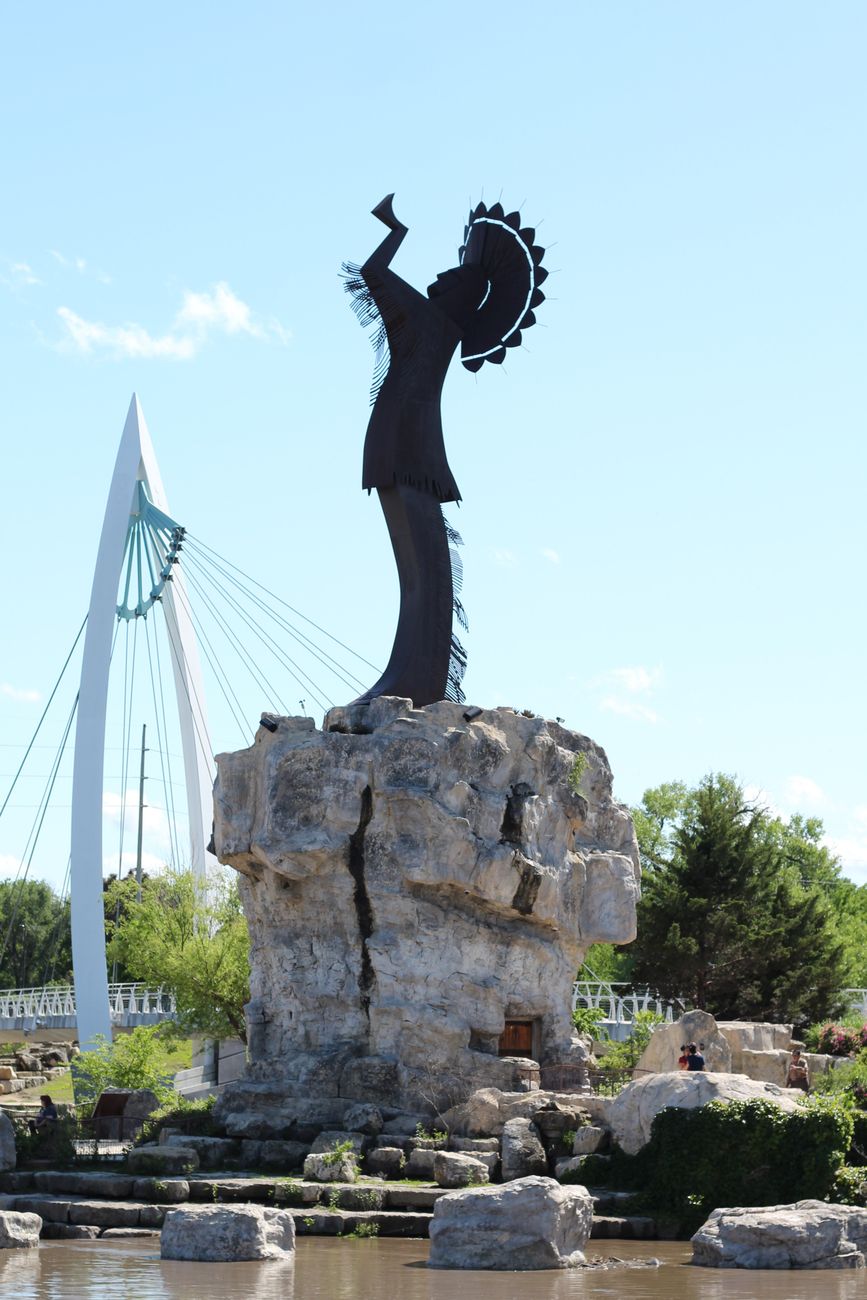
- Keeper of the Plains at the confluence of the Arkansas and Little Arkansas Rivers has the nightly Flame Ceremony at dusk—check sunset times and arrive 20–30 minutes early on weekends.
- Sedgwick County Zoo charges around $15–20 for adult admission; plan 2–4 hours and parking is a separate fee at the zoo lot.
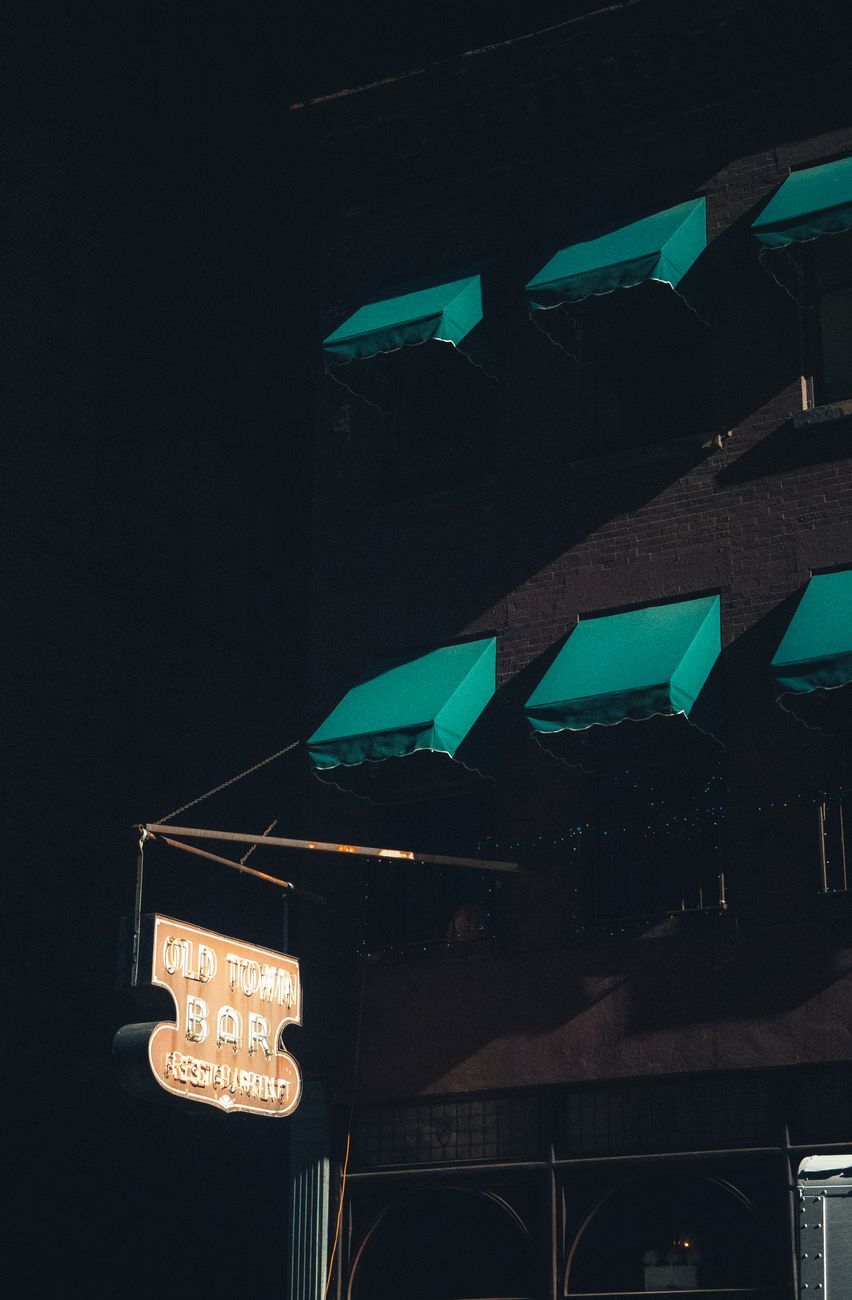
- Old Town sits along E Douglas Ave and has metered street parking and several paid lots; the area is walkable but streets can be crowded on Friday and Saturday nights.
- Exploration Place (on the west bank of the Arkansas River near McLean Boulevard) sells adult general admission in the low teens USD; buy tickets online during summer to avoid entrance lines.
How This Guide Was Prepared
This guide treats Wichita as a midwestern working city with concentrated attractions rather than an attractions cluster to rush through. Many guides over-emphasize one landmark and skip transit realities, especially distances between Delano, Old Town and the zoo. The aim here is a realistic, low-waste plan that accepts driving or bus hops as part of the city experience. This guide was prepared through a structured research that combines destination research, geographic context, itinerary planning logic, and content review.
Plan Your Stay in Wichita
Use this itinerary as your starting point, then compare areas to stay, transport options, seasonal timing, and realistic daily costs before booking.
Why Visit
The riverfront setting and public art make for easy, low-cost sightseeing: the Keeper of the Plains and adjoining plazas are free and require minimal time. Several accessible museums serve different tastes: Exploration Place for hands-on science, Museum of World Treasures for broad cultural displays, and the Wichita Art Museum for regional and American art.
Old Town and Delano offer concentrated dining and nightlife in walkable clusters along E Douglas Ave and W Douglas Ave respectively. The Sedgwick County Zoo is a strong draw for families and fills a half- to full-day. Finally, the city's aviation links and Wichita State University bring small-city cultural offerings—local concerts, theatre at the Orpheum, and rotating exhibitions—without long waits or high prices.
Quick Planning Tips
Fly into ICT if possible; from there a taxi or rideshare to downtown typically costs $25–40 and takes 15–25 minutes on I-235. Amtrak service does not stop downtown, so plan rail legs via connecting cities if needed. Renting a car is convenient for hitting the zoo and Delano, but rideshares and Wichita Transit buses cover downtown and neighbourhood connectors.
Bring a payment method accepted at meters and lots; many pay stations accept cards and the ParkMobile app is widely used for street parking. Buy high-demand museum tickets, such as Sedgwick County Zoo on a busy weekend, online in advance to avoid timed-entry lines. Avoid planning outdoor-heavy sightseeing during mid-July afternoons when temperatures exceed comfortable limits.
Day 1
Morning: Start at Exploration Place on the west bank of the Arkansas River. Expect 1.5–3 hours for hands-on exhibits, and allow 10 minutes from many downtown hotels by car or a short bus ride across the Douglas bridge. Head to the Keeper of the Plains plaza next; it is a 5–10 minute drive or a 20–30 minute walk along the river paths.
Lunch: Eat at a lunch spot in Old Town—try a sandwich or barbecue at a seated spot on E Douglas Ave. Old Town has metered street parking and paid lots; budget 10–20 minutes to find a space on busy days.
Afternoon: Walk Old Town’s streets to visit the Museum of World Treasures (about a 5–8 minute walk from central Old Town). Allow 1.5–2 hours. From there, walk to the Orpheum Theatre area for a photo and then cross the river to the Wichita Art Museum by car in 8–12 minutes.
Dinner and evening: Return to Old Town or try Delano on W Douglas Ave for dinner. Finish the night at Keeper of the Plains to catch the Flame Ceremony around dusk; arrive 20–30 minutes early on weekends for good viewing spots.

Day 2
Morning: Devote a half- to full-day to Sedgwick County Zoo in northwest Wichita. The drive from downtown takes roughly 20–30 minutes by car; public buses require transfers and can take longer. The zoo requires several hours to cover major exhibits; plan at least two hours for core areas and more if attending animal talks.
Lunch: Eat at the zoo café or drive back toward Hillside Street for local diners en route; allow 20–40 minutes for travel and seating.
Afternoon: Visit Botanica Wichita on 2nd Street (south of the river) for plant collections and themed gardens. Botanica is about 15 minutes by car from the zoo and offers relaxed walking paths for 1–1.5 hours.
Evening: Head to a neighbourhood brewery on Douglas or in the Midtown area for dinner. Transit between these spots is easiest by rideshare; expect 10–20 minute trips depending on time of day. If theatre is of interest, check the Orpheum Theatre schedule for an evening performance and book ahead.

Day 3
Morning: Explore Old Cowtown Museum if interested in 19th-century frontier life; allow 1.5–2 hours. The museum sits west of downtown, about a 10–15 minute drive from core hotels. If not, substitute a relaxed coffee and walk along the Arkansas River with stops at smaller galleries.
Late morning to early afternoon: Visit Wichita State University campus and the Ulrich Museum or campus green spaces. From downtown the drive is about 10–15 minutes; parking on campus is usually metered or in visitor lots. Those checking out of hotels should store bags in a car or ask the front desk for late checkout if catching an afternoon flight.
Lunch: Choose a neighbourhood café in the College Hill or Riverside area to experience local midwestern menus; allow 15–25 minutes for transit from WSU.
Afternoon departure: If catching an afternoon flight from ICT, leave downtown at least 60–90 minutes before the suggested check-in for domestic flights to allow for car rental return or airport traffic. For those headed home later, spend the final hours at a relaxed museum or the riverwalk before heading to the airport.
Best Local Experiences
Keeper of the Plains Flame Ceremony at the river confluence is the most compact public ritual and works well on an evening schedule. Sedgwick County Zoo offers close-up animal exhibits and giraffe feedings on certain days. Old Town’s converted warehouses host restaurants, breweries and late-night patios; try a local barbecue joint or a taproom on Douglas.
Botanica Wichita’s themed gardens and seasonal displays appeal to short visits and offer good photography in spring and autumn. The Old Cowtown Museum recreates a frontier main street and runs events with blacksmith demonstrations on select weekends. Annual Riverfest in June compresses music stages and riverfront events into one busy weekend; check dates before planning museum trips.
Where to Stay
Downtown (near E Douglas Ave and Waterman): Suits travellers who want walking access to Old Town, museums and riverfront plazas. Many mid-range hotels and a few boutique options are present; expect nightly rates around $90–160 USD (≈ €85–155) depending on season.
Delano/West Douglas: Suits those wanting nightlife, breweries and restaurants close by. This neighbourhood is a short drive or rideshare from downtown and has several boutique inns and chain hotels; nightly rates typically range from $80–140 USD (≈ €75–135).
College Hill and Riverside: Suits quieter stays near parks and local cafes, and for visitors using Wichita State University as an anchor. Fewer downtown conveniences but calmer evenings; expect nightly rates from $75–130 USD (≈ €70–125).
Food and Drink
Breakfast option: A diner or café on Douglas Avenue serving eggs, biscuits or a breakfast sandwich for about $8–12 USD. Midwestern heartland breakfasts are common in College Hill cafés.
Street food/snack: Barbecue and smoked meats are local staples; expect sandwich plates or half-portions for $10–15 USD at popular smokehouses. Food trucks appear in Old Town at events and on weekend afternoons.
Dinner recommendation: Try a smokehouse or a steakhouse near Old Town or Delano for a full dinner costing $18–35 USD per person before drinks. Many restaurants offer local beers on tap from Wichita breweries at $6–8 per pint.
Regional dish or drink notes: Kansas beef and smoked brisket are local meal anchors rather than a single named dish; the breaded pork tenderloin sandwich is also found in local diners for $8–12. Local coffee shops roast single-origin beans and sell pour-over options for $3–5.
Dessert and late snack: Bakeries in Midtown and downtown sell pies and kolaches; kolaches are Czech-influenced pastries common in central Kansas, typically $2–4 each.
Getting Around
Wichita Transit operates the city bus network; routes cover downtown corridors and some neighbourhoods but runs are less frequent than in larger cities. Expect single-ride cash fares in the low dollars; check the Wichita Transit website or a city transit app for exact fares and schedules. Rideshare services operate across the metro area and are the most practical option for short, direct hops.
Driving is straightforward with wide streets and ample surface parking; expect metered parking in Old Town and paid lots downtown. Taxi or rideshare from ICT to downtown normally costs $25–40, while local short rides downtown often run $6–15 depending on distance.
Use Google Maps for transit planning and a local parking app such as ParkMobile for metered spaces. If relying on buses, validate schedules for weekend and evening service because some routes run reduced service then.
Best Time to Visit
Spring (April–June): Temperatures typically range from the 50s to 80s°F (10–27°C). Spring offers floral displays at Botanica and comfortable riverfront walks; Riverfest in June draws crowds and increases hotel rates.
Summer (July–August): Expect hot, humid weather with daytime highs commonly in the mid-80s to low 90s°F (29–34°C). Museums and indoor attractions fill up on hotter days; prices are higher around Fourth of July events.
Autumn (September–October): Temperatures cool into the 50s–70s°F (10–24°C) and foliage along the river is pleasant. This is often the best value period in terms of comfortable weather and lower crowds.
Winter (November–March): Cold snaps and occasional snow are possible, with highs often in the 30s–40s°F (1–9°C). Museums and indoor activities remain available but some outdoor events pause, and off-season hotel rates fall.
Budget and Practical Tips
Realistic daily budget per person (mid-range): Accommodation $90–140 USD (≈ €85–135) per night; food $25–55 USD per day; local transport $5–20 USD; attraction fees $10–25 per museum. Budget travelers can aim for $90–120 USD per day, families should budget more for attraction admissions and zoo parking.
Entry fees: Exploration Place and Museum of World Treasures typically charge in the low to mid teens USD; Sedgwick County Zoo runs about $15–20 for adults. Many smaller galleries or university museums are free or request a modest donation.
Tipping norms follow US standards: 15–20% at sit-down restaurants, $1–2 per drink at bars, and rounding up taxi or rideshare fares; tip housekeeping $1–3 per night if using a budget hotel. Carry some cash for small vendors and farmers’ markets, though cards are widely accepted.
FAQ
Is Wichita safe for solo travellers?
Core downtown and tourist areas are generally safe during the day; usual precautions apply after dark—stick to well-lit streets, avoid deserted blocks, and monitor local news for event-related closures.
What is the best way to get from ICT to downtown?
Rideshare or taxi is the most reliable—expect $25–40 and 15–25 minutes. Car rentals are convenient for zoo and neighbourhood trips.
Is a city pass worth buying?
There is no major all-in-one city card widely used; purchasing individual museum or zoo tickets online is more practical unless a specific attraction offers a bundled discount.
Can public transit get me to the zoo?
Buses serve parts of the route but usually require transfers and longer travel time; a car or rideshare is faster for a half-day zoo visit.
Are museums open daily?
Many museums have weekday hours and shorter weekend hours; check each venue’s website for seasonal schedules and special closures.
Where is the best place for local barbecue?
Old Town and Delano host several smokehouses and local barbecue spots; look for places with brisket or smoked sausages and expect sandwich plates for $10–15.
Is it easy to park in Old Town?
Metered street parking and public lots are available, but Friday and Saturday evenings can be busy—arrive earlier or use a paid lot to avoid circling.
Can a weekend cover both museums and the zoo?
A tight weekend can cover a major museum plus a shorter zoo visit, but a full zoo visit plus several museums is better spread over three days.
Conclusion
A three-day stay will leave the strongest impressions of riverfront civic spaces, a varied museum mix and neighbourhood dining clusters on Douglas Avenue. Travellers most often remember the Keeper of the Plains ceremony, a zoo visit or a relaxed Old Town dinner. If time becomes tight, prioritise one larger attraction—either the zoo or Exploration Place—and plan the rest as shorter stops to avoid rushed visits and extra travel time.
How this guide was prepared
This guide was prepared through a structured research that combines destination research, geographic context, itinerary planning logic, and content review.