
3-Day Practical Guide to Oklahoma City: Itinerary & Tips
A clear, no-nonsense 3-day itinerary for Oklahoma City covering transit, neighbourhoods, food, and costs with honest timing and practical tips included.
A compact, realistic 72-hour plan that balances downtown museums, Bricktown activity, local neighbourhoods and food without overscheduling.
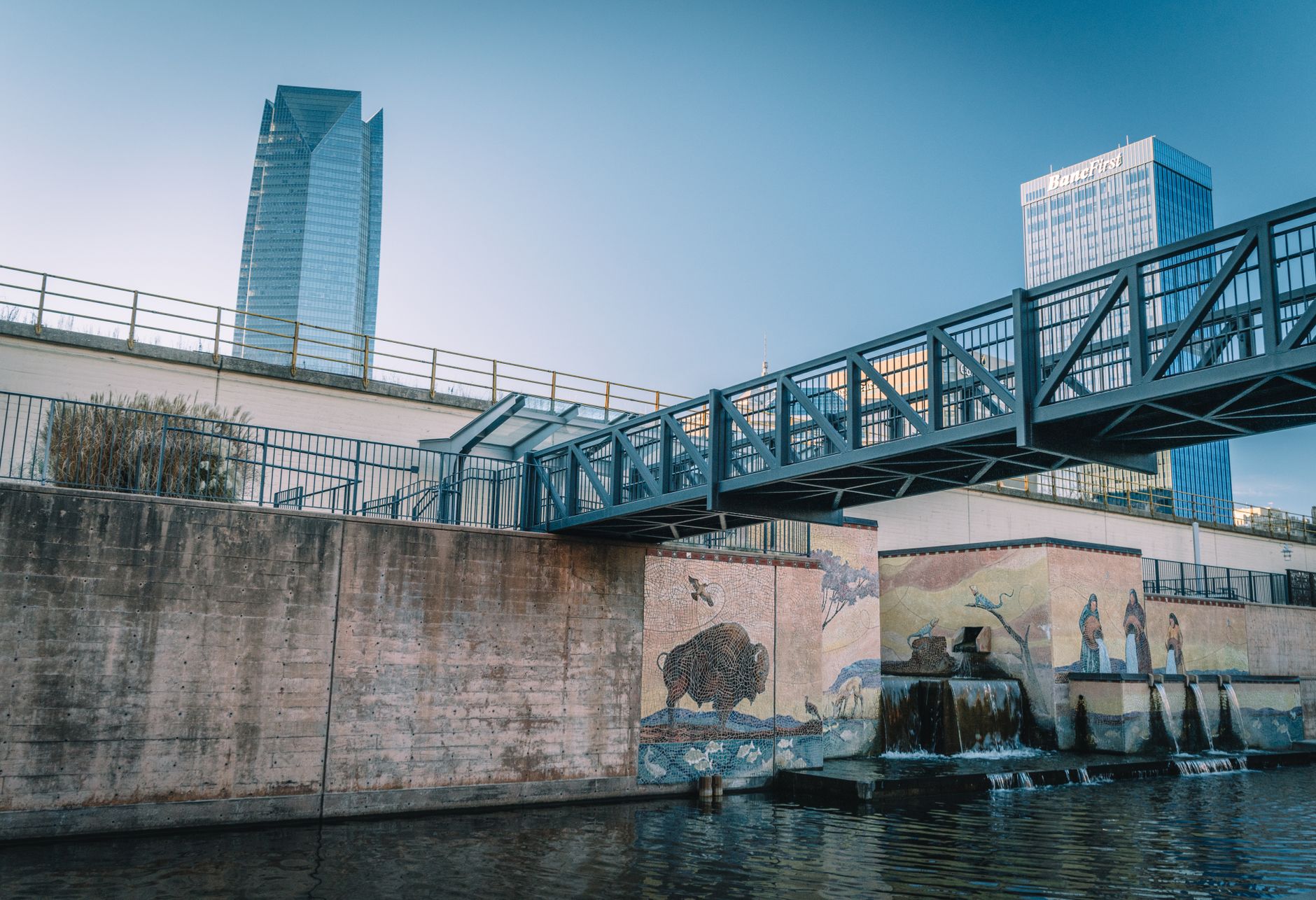
Oklahoma City presents as a low-rise Midwestern capital where civic projects and stadium activity shape a large part of the downtown feel. The most obvious sight is the gap between office blocks and broad surface parking; recent investment under MAPS has tried to convert that space into public parks, a streetcar line and river amenities.
Expect a city that moves by car for many locals but offers walkable pockets: Bricktown and the area around Myriad Botanical Gardens are compact, while Paseo and Automobile Alley require short drives or a streetcar/bus transfer. Many visitors assume the downtown core will be dense and highly walkable; the reality is a set of concentrated attractions spread across several small districts.
This guide suits travelers who want museum time, a riverside outdoor activity and honest timing for meals and transport. The aim is to avoid cram-scheduling and to show realistic transit times between key sites.
Is 3 days in Oklahoma City enough?
Yes — three days is enough to hit the major museums, walk Bricktown and explore two neighbourhoods like Paseo and Automobile Alley at a reasonable pace. Expect to skip some smaller, niche museums and a longer day trip to Tulsa unless time is extended.
Who This Guide Is For
Best for culture-minded weekenders and U.S. road-trippers who want museum visits, a relaxed riverside activity and local food. Not ideal for travelers expecting high-frequency public transit or a dense European-style walkable core.
Local Tips for Oklahoma City
Practical details that most travel sites skip — specific to Oklahoma City.
- Will Rogers World Airport (OKC) is about 7 miles from downtown; a taxi or rideshare usually takes 15–25 minutes and costs roughly $25–35 one way.
- The OKC Streetcar runs through downtown and Bricktown along a single route; service is fare-free and connects to stops near Myriad Botanical Gardens and Paycom Center.
- EMBARK is the municipal bus system; single-ride fares are about $1.75 and a 24-hour pass is roughly $3.50 (pay with cash or the EMBARK mobile app).
- MAPS (Metropolitan Area Projects) funded visible public amenities: Scissortail Park, the streetcar, the Boathouse District and improvements along the Oklahoma River.
- Riversport Adventures in the Boathouse District (Riversport Rapids and whitewater course) charges activity fees; a single adult Rapids session runs around $20–30 depending on season and time slot.
How This Guide Was Prepared
This guide treats Oklahoma City as a Midwestern regional capital with strong civic investment (MAPS projects) and a surprising concentration of museums and riverside activity. Most guides treat the city as a one-night stop tied to the NBA team or a road trip waypoint; this plan shows how three full days reveal its distinct neighbourhoods, public projects and food scene without pretending every attraction is flawless. This guide was prepared through a structured research that combines destination research, geographic context, itinerary planning logic, and content review.
Plan Your Stay in Oklahoma City
Use this itinerary as your starting point, then compare areas to stay, transport options, seasonal timing, and realistic daily costs before booking.
Why Visit
Three concrete reasons make the visit worthwhile: accessible museums, urban riverfront projects and a practical downtown for short stays. The National Cowboy & Western Heritage Museum offers a focused collection on Western art and artifacts that differs from generic American history museums. The Oklahoma City National Memorial & Museum provides a sober, well-designed experience about the 1995 bombing with outdoor memorial grounds free to enter and a museum with a paid admission.
Second, the Boathouse District and Oklahoma River have become a real outdoor option: Riversport offers whitewater rapids, stand-up paddle and a zip line beside downtown. That change turns what used to be only parking and office blocks into places to be active.
Third, neighbourhoods like Paseo Arts District and Automobile Alley give different evenings: a small-restaurant scene, galleries, and local breweries. For visitors who like a compact mix of museums and neighbourhood evenings, three days gives a credible snapshot.
Quick Planning Tips
Fly into Will Rogers World Airport; taxis and rideshares are the fastest route downtown (about 15–25 minutes, $25–35). Public transit from the airport exists but is infrequent and not recommended for travelers with luggage.
Buy individual museum tickets online where offered (the National Memorial Museum and the Cowboy Museum accept timed-entry tickets) to avoid mid-day lines. Use contactless cards or Apple/Google Pay at museums and restaurants; most places accept cards but small cafes in Paseo may prefer cash for tips.
Avoid a common mistake: planning to depend on buses for evening transfers. EMBARK buses thin out after 9pm, so budget for rideshares when out late. Finally, check local severe-weather alerts in spring months and have a quick indoor backup plan for museum time.
Day 1
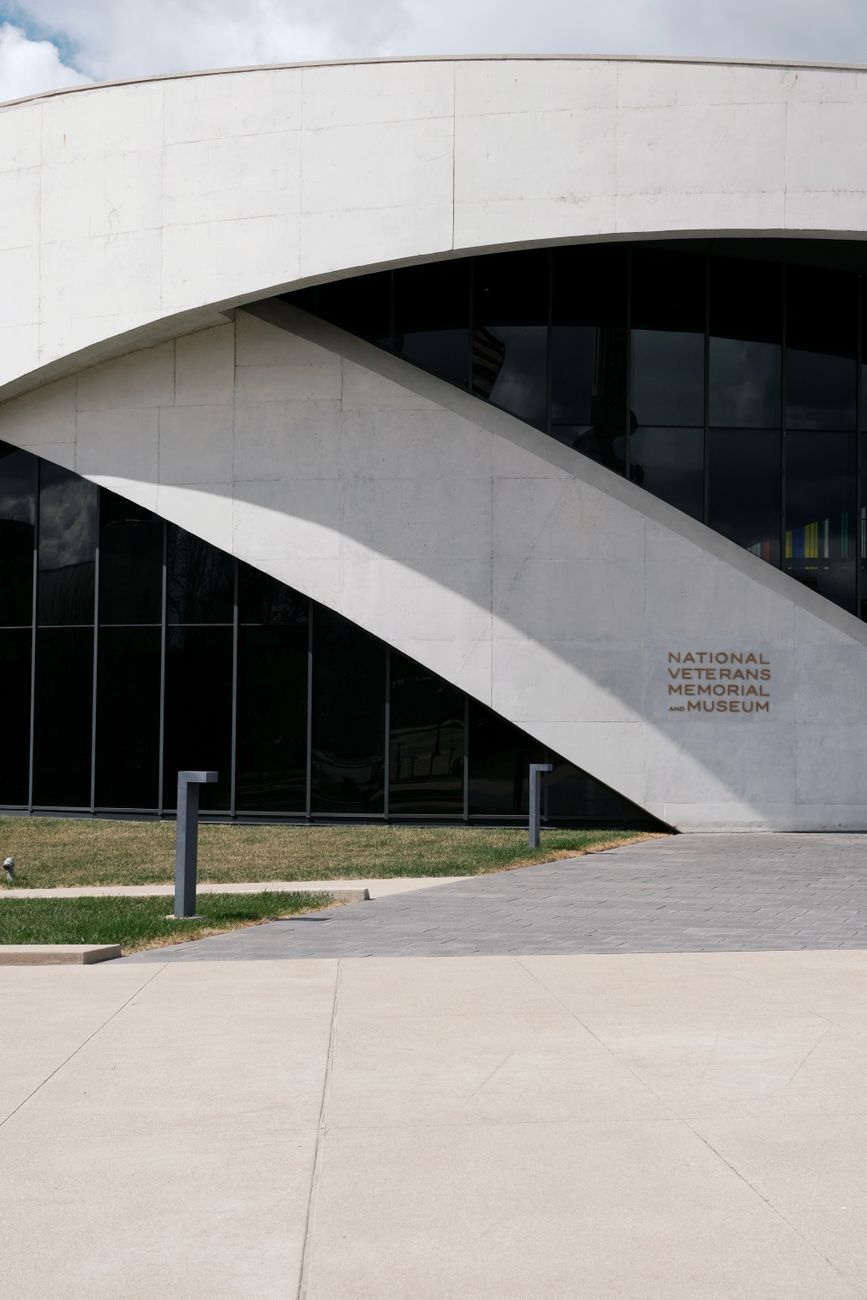
Morning: Start at the Oklahoma City National Memorial & Museum. Allocate 1.5–2 hours for the museum and another 15–20 minutes to walk the outdoor memorial grounds on the south side of downtown.
Late morning: Walk (10–15 minutes) or take the OKC Streetcar to Myriad Botanical Gardens. The gardens and the Crystal Bridge Conservatory provide a calm 45–60 minute visit and an easy lunch option at the seasonal food vendors or nearby restaurants on Robinson Avenue.
Afternoon: Head to the Oklahoma City Museum of Art on Hudson Avenue (10 minutes by streetcar or a 15–20 minute walk). Expect 1–2 hours for the museum collection and the rotating exhibitions.
Late afternoon: Walk to Bricktown (15–20 minutes) or take the streetcar. Ride or walk along the Bricktown Canal and consider a canal water taxi if operating; the walkable canal area has public art and souvenir shops.
Dinner: Eat at Bricktown Brewery or another canal-side restaurant for a straightforward dinner and regionally influenced pub food (allow 60–90 minutes). Bricktown is noisy at night on weekend evenings; plan a short stroll after dinner to the canal.
Evening: If interested in live music or a late show, check Paycom Center’s schedule or see what’s on at smaller venues in Automobile Alley. Rideshare is the easiest way to get back to a hotel after 10pm.

Day 2
Morning: Start in the Boathouse District on the Oklahoma River. If booking Riversport activities, reserve a morning whitewater or SUP session (allow 2–3 hours including gear and check-in). The district sits about a 10–15 minute drive from downtown and has limited free parking in designated lots.
Lunch: Drive or rideshare to the Stockyards City area for a more traditional steakhouse lunch at Cattlemen’s Steakhouse; expect a 15–20 minute drive from the Boathouse District. The Stockyards area is good for a slower, classic Oklahoma meal.
Afternoon: Explore the Paseo Arts District (Paseo Boulevard) — an easy 15–20 minute drive from Stockyards City. Paseo offers art galleries, small shops and Paseo Grill for coffee or a light snack. Spend 90–120 minutes wandering galleries and public murals.
Late afternoon to early evening: Head to Automobile Alley and Midtown for dinner. Automobile Alley has restaurants like The Jones Assembly and smaller cocktail bars. Walkable between shops and dining, Automobile Alley is a concentrated evening neighbourhood; expect a 10–15 minute drive from Paseo.
Evening: If staying out late, return by rideshare. Automobile Alley has options for live music and late dining, but public transit links are weaker at night than daytime streetcar service.
Day 3
Morning: Visit the National Cowboy & Western Heritage Museum. Plan 2–3 hours for galleries and outdoor sculpture; it sits about a 10–15 minute drive north of downtown by car or a longer bus trip. The museum often requires a parking fee for special events; check the website before arrival.
Late morning: Drive or rideshare to Scissortail Park near the River — a good place for a relaxed walk and coffee. Allow 45–60 minutes for the park grounds and any public events.
Lunch: Eat in Midtown or Automobile Alley at a neighbourhood spot such as a local gastropub or Paseo Grill, depending on timing. Midtown offers a quicker return to downtown hotels for checkout.
Afternoon: If catching an afternoon flight, choose either a short visit to the Oklahoma City Museum of Art (if missed earlier) or a straightforward return to Will Rogers World Airport. Allow 45–60 minutes drive time to the airport from Midtown or Bricktown plus 30–60 minutes for security on domestic flights.
Practical checkout note: If the flight is late afternoon, store luggage at the hotel front desk and use morning hours for a single nearby attraction rather than trying to move across multiple neighbourhoods.
Best Local Experiences
A short list of experiences that show local character: Bricktown Canal boat rides and canalside dining; Riversport whitewater and zipline at the Boathouse District; a gallery crawl on Paseo Boulevard during a First Friday (monthly arts night); a mid-afternoon visit to the National Cowboy & Western Heritage Museum for Western art and rodeo artifacts; and watching the skyline change at Scissortail Park with snacks from kiosks along the lake.
Also consider: a visit to Stockyards City for a time-checked steakhouse meal or cattle-related events, checking the calendar for events at Paycom Center, and a weekend farmers market in Midtown or at the farmers’ stalls near the Convention Center when available. These activities are local in character and often scheduled — check event calendars in advance.
Where to Stay
Downtown / Bricktown: Best for first-time visitors who want proximity to the National Memorial, Myriad Botanical Gardens and Paycom Center. Rooms typically run $110–200 per night (USD) — about €100–185. Bricktown has more chain hotels and tourist-focused dining.
Midtown / Automobile Alley: Suits people who want more nightlife, restaurants and boutique hotels within walking distance of bars and music venues. Expect $120–220 per night (USD) — approximately €110–200. This area feels more evening-focused than the quieter business side of downtown.
Paseo Arts District and Plaza District: Good for travellers prioritizing small galleries, locally owned restaurants and a neighbourhood feel. Smaller B&Bs or boutique hotels run $90–160 per night (USD) — roughly €85–145. These areas are farther from the National Memorial but cheaper and quieter at night.
Practical note: Parking in older neighbourhoods can be limited; check hotel parking fees (many downtown hotels add $10–25 per night). Weekends with Thunder games or major events push rates into the higher ranges above.
Food and Drink
Chicken-fried steak: A breaded, pan-fried beef or pork cutlet usually served with cream gravy. Classic versions can be found at Cattlemen’s Steakhouse in Stockyards City and many diners; expect $12–18 for a plate.
Onion burger: Thin patty cooked with sliced onions pressed into the meat and served on a squishy bun; seek out old-school stands such as Nic’s Grill or traditional burger joints in Automobile Alley. Expect $6–10 for a single burger.
Barbecue and smoked meats: Local BBQ leans toward smoky brisket and ribs; try a popular local smokehouse in Midtown or Automobile Alley for a platter around $12–20.
Breakfast biscuit or biscuits and gravy: Southern-style biscuits with sausage gravy are a common breakfast; good neighborhood cafes and diners offer this for $6–10.
Local beers and cocktail bars: Oklahoma City’s craft scene includes local breweries and gastropubs in Automobile Alley and Midtown; pints run $5–7 and cocktail bars often have a $10–15 specialty cocktail price.
Street food and quick options: Bricktown and Midtown offer food trucks and quick cafes where sandwiches or tacos cost $5–12. For a sit-down dinner at a nicer restaurant (The Jones Assembly or similar), expect $25–45 per person excluding drinks.
Getting Around
Transit options: EMBARK buses form the municipal bus network and serve most districts; look for route maps on the EMBARK website or mobile app. The OKC Streetcar runs a single downtown-to-Bricktown route and connects to stops near Myriad Botanical Gardens and Paycom Center.
Fares and passes: EMBARK single rides are about $1.75 and a 24-hour pass is roughly $3.50; the streetcar operates fare-free. Use the EMBARK mobile app or cash for bus fares. For short trips, rideshares (Uber, Lyft) are widely available and often the fastest option after hours.
Taxis and airport transfer: A taxi or rideshare from Will Rogers World Airport to downtown typically runs $25–35 and takes 15–25 minutes depending on traffic. Driving is straightforward but parking downtown can add $10–25 per day at many hotels.
Apps and cards: EMBARK has an official app for schedules and mobile payment; Google Maps and Transit app provide reliable trip planning for buses and streetcar connections.
Best Time to Visit
Spring (March–May): Temperatures generally range from the 50s to 70s°F (10–25°C). Spring brings the highest risk of severe weather and tornado watches — bring a plan for indoor alternatives if forecasts turn severe. Crowds are moderate and hotel rates are reasonable outside major events.
Summer (June–August): Hot and humid, common daytime highs in the upper 80s to mid-90s°F (30–35°C). Pools and river activities are popular, but mid-day outdoor walking can be oppressive. Expect higher hotel rates around July 4 and visiting family holiday weekends.
Autumn (September–November): Comfortable temperatures from the 60s to low 80s°F (15–28°C) with lower humidity. This is the best balance of weather and value for most visitors.
Winter (December–February): Chilly with highs typically in the 40s–50s°F (5–12°C) and occasional freezing nights. Snow is possible but not frequent. Hotel rates can be lower except during holiday events or NBA fixtures.
Budget and Practical Tips
Typical daily budget (per person): Accommodation $100–200 (USD) per night — about €92–185. Food $40–70 per day (USD) — €37–65. Transport $10–25 per day (USD) — €9–23. Entry fees for museums and activities $10–30 per attraction (USD) — €9–28. A comfortable mid-range daily total is $170–325 (USD) — roughly €155–300.
Tipping norms: Restaurants commonly expect 15–20% pre-tax for sit-down service, with 20% becoming more standard for good service. Leave $1–2 per bag for bell service or $10–15 for private airport shuttles if pre-arranged.
Practical cash and payment tips: Most places accept credit and debit cards. Carry small bills for farmers markets, small cafes in Paseo, and tipping. Check museum websites for parking fees and timed-entry tickets; some attractions are cheaper if booked in advance.
FAQ
Is Oklahoma City safe for tourists?
The downtown and main tourist districts (Bricktown, Myriad Gardens, Paseo, Automobile Alley) are generally safe during daytime hours; standard precautions apply at night and in less-trafficked areas. Stay aware of surroundings after dark and prefer rideshares when walking alone late.
Is 3 days enough time to see the highlights?
Yes. Three full days allow for the National Memorial & Museum, the Cowboy Museum, an afternoon in the Boathouse District and time for two neighbourhoods like Paseo and Automobile Alley. Day trips beyond the metro area would require extra time.
Is the OKC Streetcar free and useful?
The OKC Streetcar operates on a downtown-to-Bricktown route and is fare-free; it’s convenient for short hops between the Memorial area, Myriad Botanical Gardens and Bricktown.
What is the best way to get from the airport to downtown?
Taxi or rideshare is the fastest and most direct option (15–25 minutes, $25–35). Public bus service exists but is slower and not convenient with luggage.
Should I buy a city pass or card?
There is no single pass that covers all museums like in some larger cities. Buy timed-entry or combo tickets directly from major attractions when available; a local transit day pass can make sense if planning multiple bus trips in one day.
Can day trips to Tulsa be done from here?
Tulsa is about 100–110 miles away (roughly 1.5–2 hours by car). A day trip is possible but leaves limited time on the ground; consider an overnight if wanting more than a single highlight in Tulsa.
Is tipping expected everywhere?
Expect to tip 15–20% in sit-down restaurants; small tips for coffee shops are appreciated but not required. Service workers rely on tips in most venues.
Are there weather risks to be aware of?
Spring brings increased severe-weather and tornado risk. Monitor local weather alerts and have a plan to move indoors quickly if a watch or warning is issued.
Conclusion
Three days in Oklahoma City is a realistic window to experience its major museums, a riverside outdoor activity and two different neighbourhood evenings without feeling rushed. Most visitors will remember the contrast between the Memorial’s quiet design, the active Boathouse District and the concentrated restaurant scene in Automobile Alley or Paseo. If time runs short, prioritise the National Memorial & Museum for a clear, time-sensitive experience and pair it with a canal walk in Bricktown — that combination captures both the city’s recent civic focus and the riverside redevelopment that defines a lot of the visitor experience.
How this guide was prepared
This guide was prepared through a structured research that combines destination research, geographic context, itinerary planning logic, and content review.