
Practical 3-Day Itinerary for Xian — Terracotta and City Highlights
Three days in Xian covers the Terracotta Army, City Wall, Muslim Quarter and major museums with realistic timing, transport tips and expected entry costs.
A clear, no-nonsense 72-hour plan for Xian that balances the Terracotta Army, core historic sites, and local food without overpacking each day.
Arrivals face a city where wide avenues meet dense old streets and heavy pedestrian life around the Drum and Bell Towers. Expect loud motorbike deliveries, busy markets, and long queues at the most famous sites during holiday periods. The urban pace shifts by neighbourhood: north of the axis feels administrative and modern while the Muslim Quarter and Beilin District concentrate history and food. Travelers who want uninterrupted museum time or long hikes should add extra days outside the centre.
Is 3 days in Xian enough?
Three full days are enough to see the Terracotta Army, walk or cycle the Ming City Wall, explore the Muslim Quarter and visit one major museum. The honest trade-off is little time left for day trips into Qinling Mountains or deeper Shaanxi rural towns.
Who This Guide Is For
Best for first-time visitors focused on archaeology, Tang-era architecture and local food who prefer compact itineraries. Not ideal for hikers, those wanting a slow rural stay, or travellers planning multiple nearby city side trips.
Local Tips for Xian
Practical details that most travel sites skip — specific to Xian.
- Reserve a free ticket for Shaanxi History Museum through the official site or WeChat mini-program (身份证 or passport details required); slots fill days ahead, especially weekends.
- Take Metro Line 2 to Beidajie Station for the Bell Tower/Drum Tower and Muslim Quarter; Line 1 runs east–west and connects to major rail stations.
- Buy a Xi'an Tong card (西安通) at metro station vending machines or convenience stores; a refundable deposit of about ¥20 speeds boarding and gives small fare discounts.
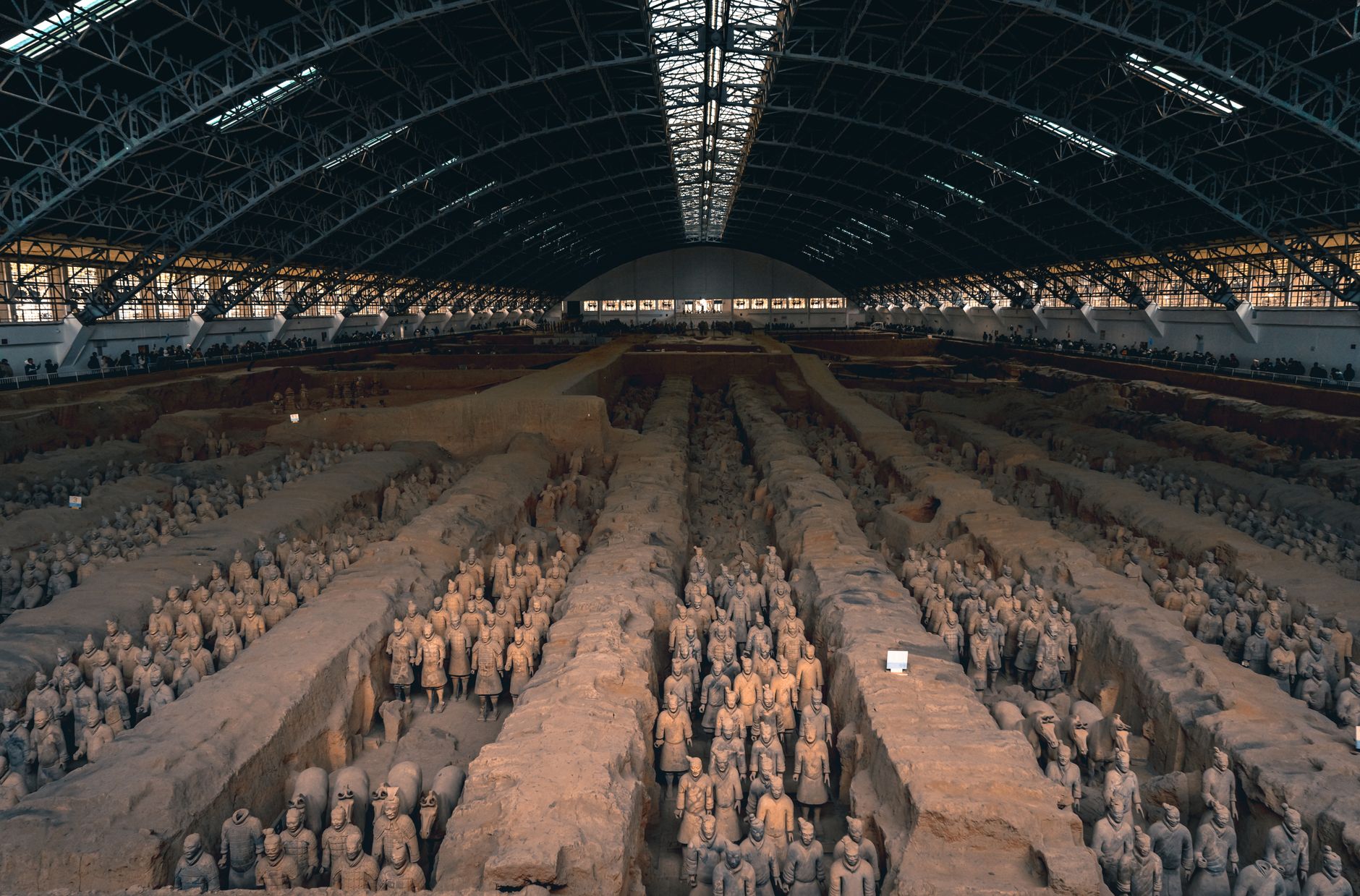
- Book Terracotta Army tickets online (around ¥150 for main entrance, higher in peak season) and allow 1–1.5 hours transfer from central Xi'an by taxi or tourist bus.
- City Wall bike rentals at the South Gate (Yongningmen) run roughly ¥45–80 per hour; dusk hours are busiest and the south gate rental desk closes around 21:00.
How This Guide Was Prepared
Xian rewards paced visits: one long-site day, one central walking day, and one neighbourhood/museum day. Many guides cram the Terracotta Army on the same morning as the City Wall and then rush the museums; this plan separates big transfers and gives realistic transit and reservation advice. This guide was prepared through a structured research that combines destination research, geographic context, itinerary planning logic, and content review.
Plan Your Stay in Xian
Use this itinerary as your starting point, then compare areas to stay, transport options, seasonal timing, and realistic daily costs before booking.
Why Visit
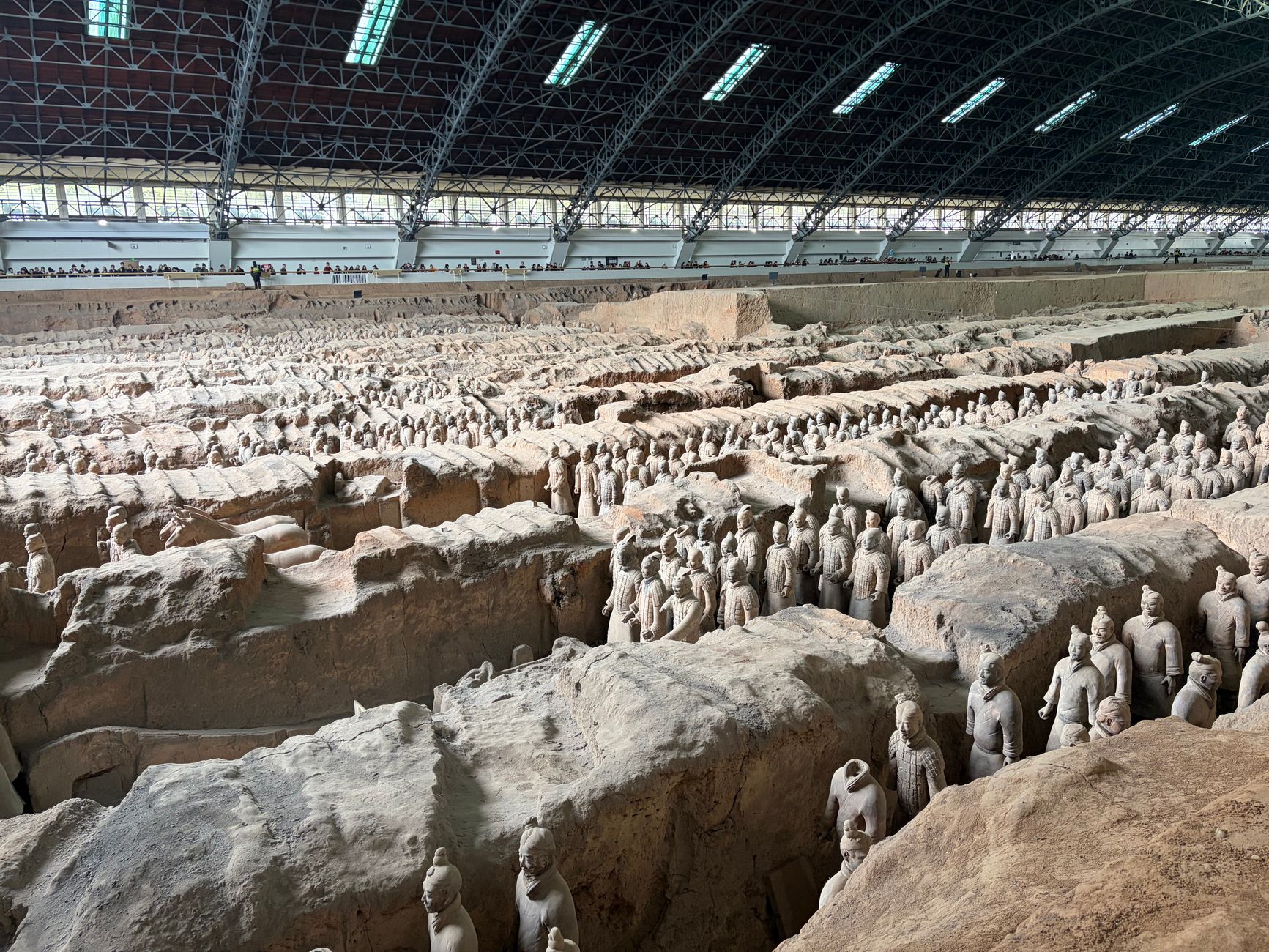
The Terracotta Army is a single-site, high-impact archaeological experience few other Chinese cities offer; the pits and museum display Qin dynasty funerary practice. The Ming City Wall provides an immediate, city-scale perspective — cycling its ramparts gives a compact overview of neighbourhood layout. The Muslim Quarter and Great Mosque present a living urban food culture specific to Shaanxi, with snacks like roujiamo and liangpi sold from decades-old stalls. Several concentrated museums, notably the Shaanxi History Museum and Beilin (Stele Forest), allow efficient exploration of different eras without long travel times.
Quick Planning Tips
Fly into Xi'an Xianyang International Airport (XIY); allow 45–75 minutes by taxi into central Beilin depending on traffic. Airport shuttle buses run to major railway stations and hotel districts and are cheaper but slower than taxis. Use the Xi'an Tong card (西安通) or pay by WeChat/Alipay on metro and buses; cash is still accepted in taxis but drivers may not have change for large notes. Avoid attempting the Terracotta Army and a wall bike ride on the same afternoon; the transfer and security queues create missed time.
Day 1
Morning: Start at the Bell Tower (Zhonglou) then walk 2–5 minutes to the Drum Tower (Gulou). Both towers have small exhibits and rooftop views; allow 1.5–2 hours to visit and photograph. From Drum Tower, walk east into the Muslim Quarter (Huimin Jie) for late-morning snacks and street-food browsing; expect heavy crowds near the main alley and plan 1–1.5 hours here. Afternoon: Head south to the Ming City Wall — take Metro Line 2 to Yongningmen or a 20–30 minute taxi from the towers. Rent a bike at the South Gate and cycle a section of the wall; a steady pace for one hour covers 8–10 km of ramparts. Lunch: Eat at a local noodle house near the Muslim Quarter such as De Fa Chang for yangrou paomo (expect ¥25–45 per bowl). Evening: Return to the Bell Tower area for dinner on Yongningmen Outer St or watch the Night Scene around the towers which is lively until 22:00.

Day 2
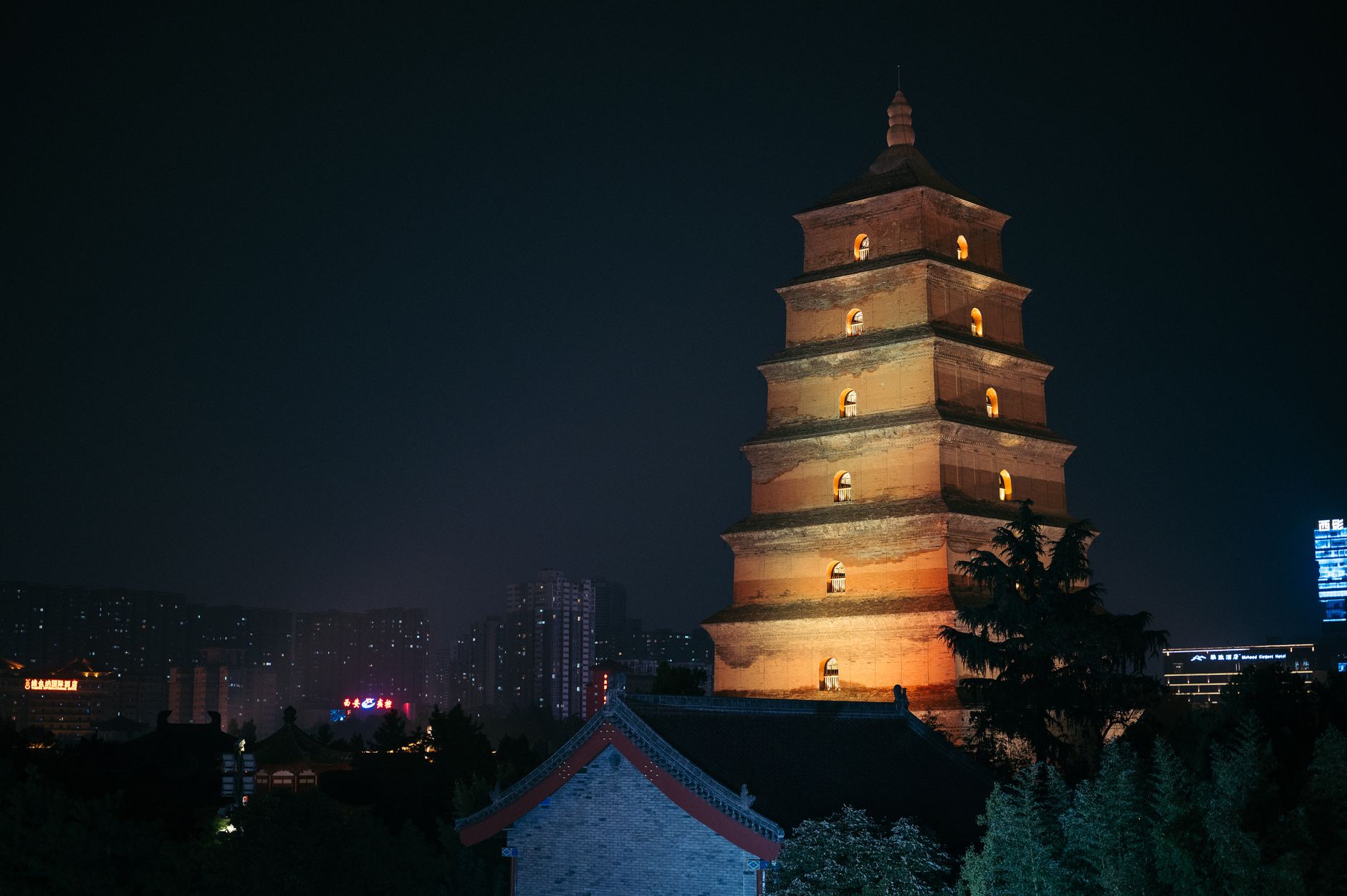
Morning: Dedicate this day to the Terracotta Army (Emperor Qin's Mausoleum Site Museum). Leave early — 07:30–08:30 departure from the city — and plan 45–75 minutes transfer by taxi or tourist bus. The museum complex has three pits; spend at least 2–3 hours on-site to cover Pit 1 and the adjacent museum halls. Lunch: Eat at the museum cafeteria or nearby restaurants; expect ¥40–80 for a meal closer to the site. Afternoon: On the return, stop at Huaqing Palace (if open) or head back into the city to the Shaanxi History Museum for late-afternoon galleries (book in advance). Allow travel time of 1–1.5 hours between these locations by taxi. Evening: For a quieter evening, head to the South Square of the Big Wild Goose Pagoda to see the fountain light show; transport from central Beilin is 20–30 minutes by metro or taxi.
Day 3
Morning: Start at the Shaanxi History Museum (book a timed ticket) and allow 1.5–2 hours for the permanent collection and tomb relics. From there take Metro Line 3 or a 10–20 minute taxi to the Beilin Museum (Stele Forest) to read steles and calligraphy panels; plan one hour. Lunch: Try a local restaurant near West Street (Xi'an Beilin area) for biangbiang noodles or liangpi, priced ¥12–30. Afternoon: Visit the Big Wild Goose Pagoda (Dayan Pagoda) and the Da Ci'en Temple complex; the pagoda plaza and the small surrounding museum take about 1–1.5 hours. Practical note for departures: If catching an afternoon flight from XIY allow at least 3 hours from city centre for transit and airport security; leave earlier in weekday rush hours. Evening (if staying late): Walk around Gaoxin or the modern South Square for mirror views and contemporary dining options.

Best Local Experiences
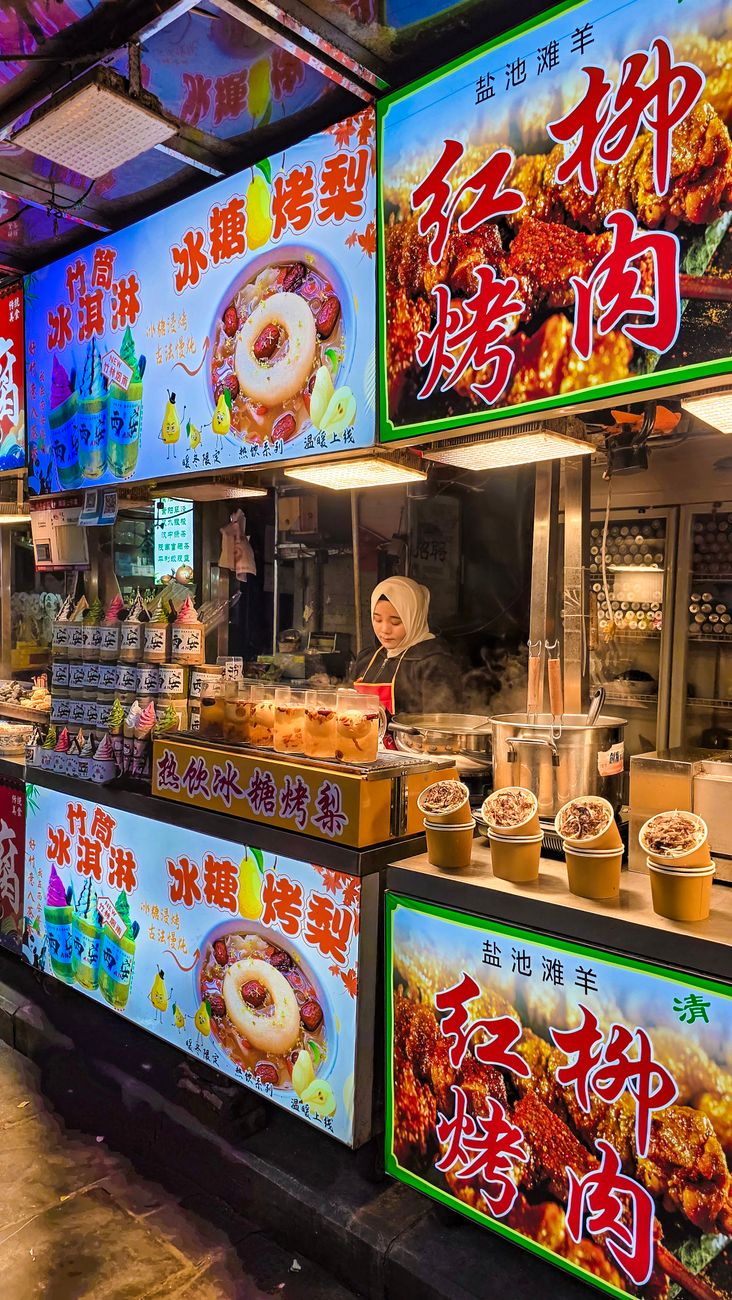
Muslim Quarter street food crawl on Huimin Jie — sample roujiamo, yangrou paomo and rou jia mo with spicy sauce from long-running stalls. Ming City Wall bike circuit starting at Yongningmen — best around sunset for cooler temperatures and long shadows. Shaanxi History Museum with a booked timed ticket — collections focus on Zhou, Qin, Han and Tang artifacts. Beilin Museum (Stele Forest) for stone calligraphy panels; bring a guidebook to follow characters and inscriptions. Huaqing Palace and the adjacent hot-spring gardens for Tang dynasty connections and the Xi'an Incident background. Night fountain show at Big Wild Goose Pagoda South Square, which is free and photo-friendly. A market visit to the Dayanta area cheap-food alleys for late-night noodles and soup shops.
Where to Stay
Beilin / Bell Tower area: Suited to first-time visitors who want walkable access to the Drum Tower, Muslim Quarter and museums. Typical nightly rates range from ¥220–650 (approx €28–85 / $30–95) depending on hotel class. Yanta District (Big Wild Goose Pagoda area): Suited to museum-goers and those who prefer fewer markets and a calmer evening atmosphere; close to the Shaanxi History Museum. Expect ¥200–600 per night (approx €25–78 / $28–88). Gaoxin / High-tech Zone: Suited to business travellers or those wanting modern malls and chain hotels; further from the old city but quieter at night. Rates commonly ¥250–700 (approx €31–90 / $35–100).
Food and Drink
Yangrou paomo: A lamb-and-flatbread stew where torn bread is soaked in broth; seek well-known spots like De Fa Chang or local shops in Beilin; expect ¥25–45 per bowl. Roujiamo: A flatbread sandwich filled with braised pork or lamb; street stalls in the Muslim Quarter sell them for ¥6–15. Biangbiang noodles: Wide, hand-pulled noodles with chili and oil; find good versions near West Street or local noodle shops for ¥12–25. Liangpi (cold-skin noodles): A cold wheat or rice noodle salad, commonly served from morning market stalls for ¥8–20. Dumplings and cold dishes at family-run jiachang (home-style) restaurants near the city wall and on Zhonglou side; dinner plates run ¥30–80. For drinks, buy bottled green tea or local hawthorn juice at markets; tea houses around the Drum Tower offer tea service from ¥30 upwards.
Getting Around
Metro: Lines 1 and 2 cover the east–west and the north–south axes respectively; Line 3 links several western neighbourhoods and Line 4 covers northeast sections. Single-ride fares start at about ¥2 and rise by distance; buses share similar fare structures. Xi'an Tong card (西安通) reloadable at stations and convenience stores speeds boarding and avoids cash. Taxi: Flag start around ¥10, then roughly ¥2–3 per kilometre; a taxi from XIY airport to central Beilin typically costs ¥120–160 depending on traffic. Apps and cards: Use the Xi'an Metro app or the national DiDi app for on-demand taxis and precise fare estimates.
Best Time to Visit
Spring (March–May): Temperatures 10–22°C, generally pleasant and least rainy; spring bloom and shoulder-season prices are reasonable. Summer (June–August): Hot and busy with daytime highs 28–35°C, heavy tourist crowds during July and August and at the Terracotta site; higher prices during National Day week. Autumn (September–November): Temperate 12–24°C with clear skies and excellent walking weather; September–October combine moderate crowds with good value. Winter (December–February): Cold with temperatures around -2–8°C; museums are quieter and hotel prices drop but expect fewer open-air comforts.
Budget and Practical Tips
Daily budget estimate per person (midrange): Accommodation ¥300–600 (≈€38–76 / $40–85); food ¥100–200 (≈€13–25 / $15–28); transport ¥20–60 (≈€3–8 / $3–9); entry fees ¥50–200 (≈€6–25 / $6–28) depending on sites visited. Budget travellers can cut accommodation to ¥150–300 and eat mainly street food for ¥50–80 per day. Shaanxi History Museum has free entry with reservation but paid special exhibitions are common; Terracotta Army main ticket is roughly ¥150 and Xi'an City Wall entry about ¥54 for adults. Tipping: Small tips are optional in restaurants; taxis do not expect tips but rounding up is accepted. Carry passport copy and use WeChat/Alipay where possible for smoother purchases and e-ticket verification.
FAQ
How safe is Xian for tourists?
Xian is generally safe for travellers; petty pickpocketing can occur in crowded areas such as the Muslim Quarter and on packed buses, so keep valuables secure.
How to get from the airport to the city center?
Options are airport shuttle buses to major rail stations, Line 14 metro (check current operations), or a taxi costing roughly ¥120–160 to central Beilin; allow 45–75 minutes.
Is the Terracotta Army easy to visit independently?
Yes — taxis, DiDi rides, and tourist buses all reach the museum; pre-book the museum ticket and allocate 3–4 hours for transfer, visit and return.
Is a Xi'an city card or pass worth buying?
For most three-day visitors, a Xi'an Tong card for transport plus individual online tickets for museums is simpler; a multi-attraction pass rarely saves money unless visiting many paid attractions in one day.
Can English be relied on at sites and restaurants?
Basic English appears at major sites and some restaurants, but many smaller places have little or no English; a translation app or written Chinese addresses helps for taxis and reservations.
What public transit app should be used?
DiDi for taxis, the Xi'an Metro app for routes and times, and WeChat/Alipay for e-tickets and mobile payments are the most helpful tools.
Conclusion
Three days in Xian delivers a concentrated mix of imperial archaeology, rampart-scale urban perspective and intense street-food culture. The most lasting impressions usually come from the Terracotta Army's scale and the sensory overload of the Muslim Quarter; prioritize the Terracotta visit and one relaxed museum session if time is tight. With reserved museum tickets and realistic transfer times, a 72-hour visit feels manageable rather than rushed.
How this guide was prepared
This guide was prepared through a structured research that combines destination research, geographic context, itinerary planning logic, and content review.