
3 Days in York: A Practical Itinerary
A practical 3-day guide to York with timed routes, transport tips, entry costs, food picks, and candid advice so weekend plans match reality.
A clear, non-romanticised 72-hour plan that covers the Minster and museums, neighbourhood walks, food stops, transport realities and real costs.
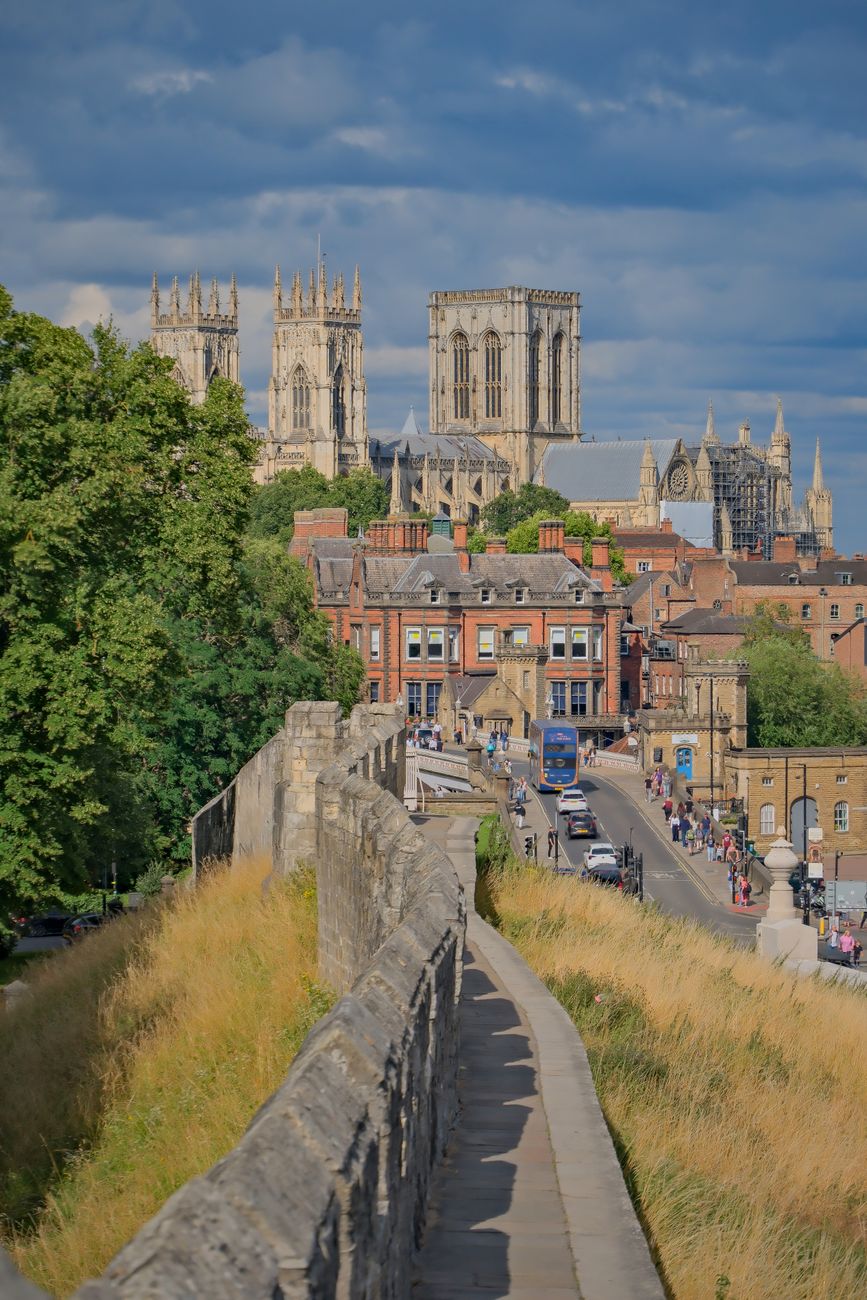
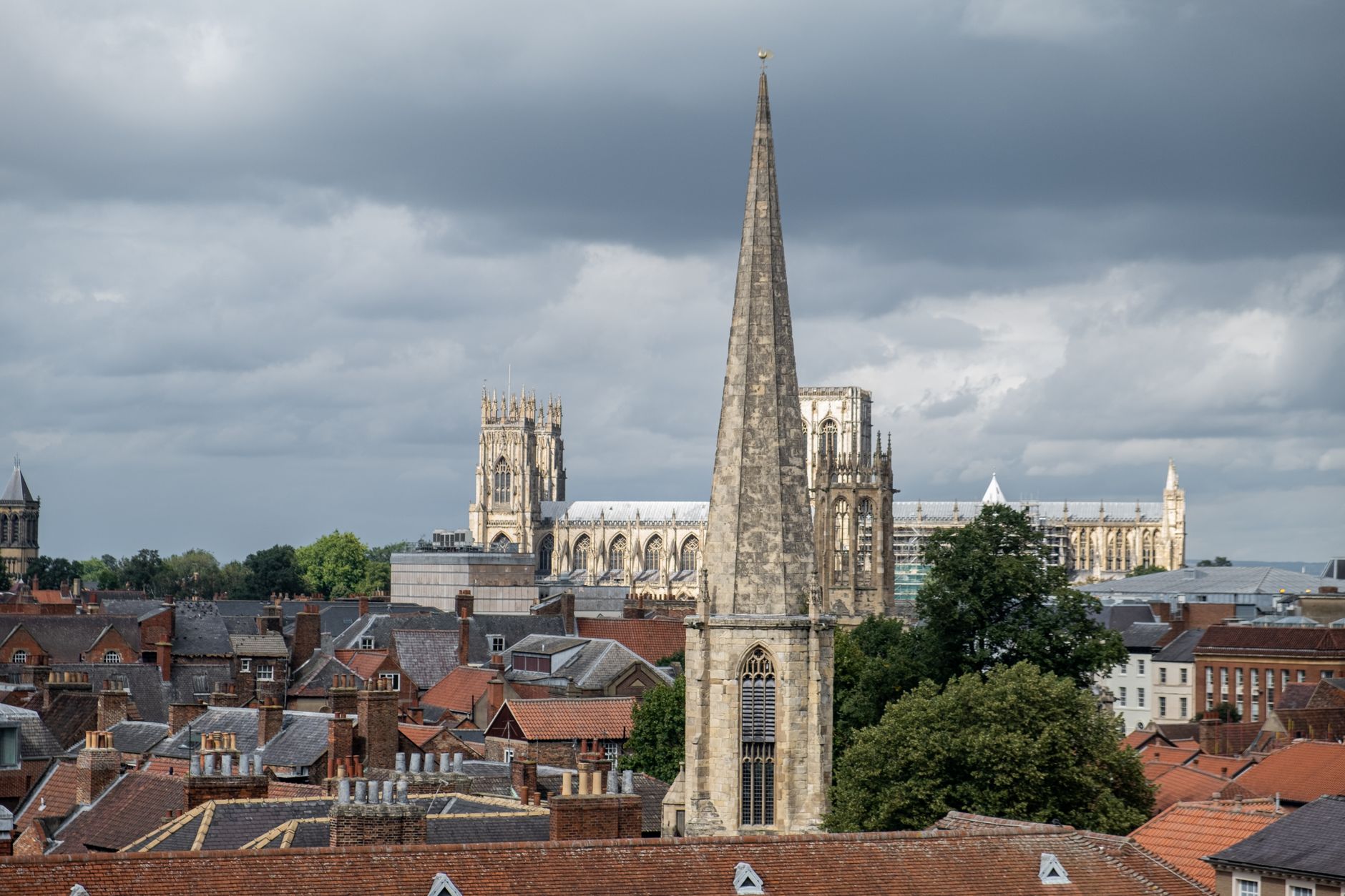
A walk into the centre gives two clear impressions: grand medieval stone and relentless tourist crowds clustered around a handful of streets. The Minster dominates the skyline and pulls visitors into the compact medieval core; away from Stonegate and The Shambles the city thins into working streets, riverside cafés and quiet residential terraces.
Pacing is steady rather than rushed; short distances belie how long it takes to move through attractions and queues. Expect cobbles, narrow lanes and frequent photo stops that slow progress.
Useful for history fans, families and short-break food hunters, the city works best with a plan that balances main sites with one neighbourhood walk. Visitors who want long hikes, remote moorland or late-night bar scenes will want to allocate time elsewhere.
Is 3 days in York enough?
Three days is enough to see York Minster, the city walls, Jorvik Viking Centre, the National Railway Museum and a neighbourhood or two if time is used efficiently. The honest caveat: museums and seasonal markets take time, so sacrifice depth at one museum or one long pub meal if trying to fit everything in.
Who This Guide Is For
Best for history-minded weekenders, rail or food enthusiasts, and anyone who likes compact walking days; poor fit for travellers seeking a late-night club scene or those wanting a deep weekend of countryside hiking.
Local Tips for York
Practical details that most travel sites skip — specific to York.
- Use First York Park & Ride at Askham Bar or Monks Cross; buses run every 10–15 minutes and a single fare is roughly £2.50–3.00 — buy on the First Bus app for mobile tickets.
- Buy tickets for Jorvik Viking Centre online to save a small premium; on-the-door adult tickets are typically about £12–13.
- National Railway Museum main galleries are free; special exhibitions and simulator rides often charge £6–12 — check the museum website before arrival.
- Bettys Café Tea Rooms on St Helen's Square (or Blake Street) sells a 'Fat Rascal' scone for about £3.50; expect a tea-and-cake visit to cost £10–15 per person.
- Clifford's Tower is run by English Heritage; pay-on-entry adult tickets are roughly £6–7 and the site closes earlier than most museums in winter.
How This Guide Was Prepared
This guide treats York as a compact but crowded working city, not a theme-park of photos. Most guides over-focus on the Minster and The Shambles while skipping the working riverside, independent cafés on Fossgate, and the rail heritage that shapes the town. Practical timing, what to skip when short on time, and transit realities are emphasised over idealised checklists. This guide was prepared through a structured research that combines destination research, geographic context, itinerary planning logic, and content review.
Plan Your Stay in York
Use this itinerary as your starting point, then compare areas to stay, transport options, seasonal timing, and realistic daily costs before booking.
Why Visit
A concentrated medieval centre with accessible museums makes for efficient sightseeing: York Minster and the York Castle Museum offer two different takes on civic and domestic history within walking distance of each other. Rail enthusiasts have one of Britain’s best free museum collections at the National Railway Museum, where locomotives and archive displays spread over large halls.
There are strong, walkable neighbourhoods with different characters: Fossgate and Bishopthorpe Road for independent cafés and bars, Micklegate for Georgian terraces and pubs, and the riverside by the Museum Gardens for relaxed afternoons. Regular events — the St Nicholas Fair at Christmas and the York Food & Drink Festival in September — place local producers in the centre and are worth timing a visit for.
Convenience is another reason: York Station connects to Leeds, Scarborough, Harrogate and London, making the city a practical base for short trips across the region.
Quick Planning Tips
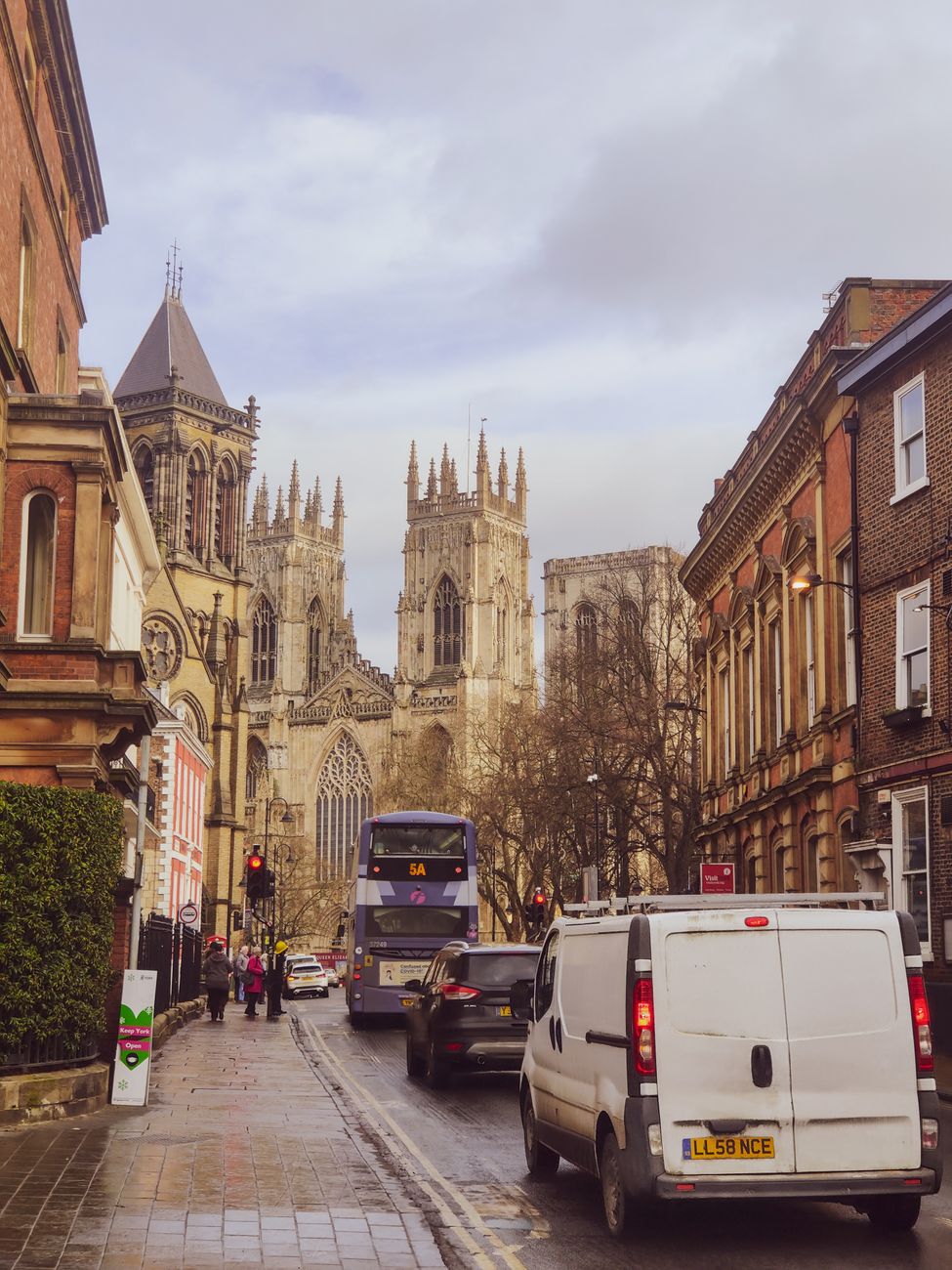
Arrivals by air usually route via Leeds Bradford Airport (LBA) or Manchester; Leeds Bradford is about 25 miles away and takes 35–50 minutes by taxi, or around 1 hour by bus and transfer. From major rail hubs use York railway station — it is a 10–15 minute walk to the Minster. Avoid driving into the centre; use Askham Bar or Monks Cross Park & Ride sites and take the First Park & Ride bus into the core.
Cards are accepted almost everywhere but small market stalls and some independents prefer cash; carry £20–30 in coins and small notes for markets and tips. Buy bus or Park & Ride tickets on the First Bus app to avoid fumbling for change.
A common planning error is packing too many museums into one day. Slot one major museum per half day and leave buffer time for queues, bathrooms and food breaks.
Day 1
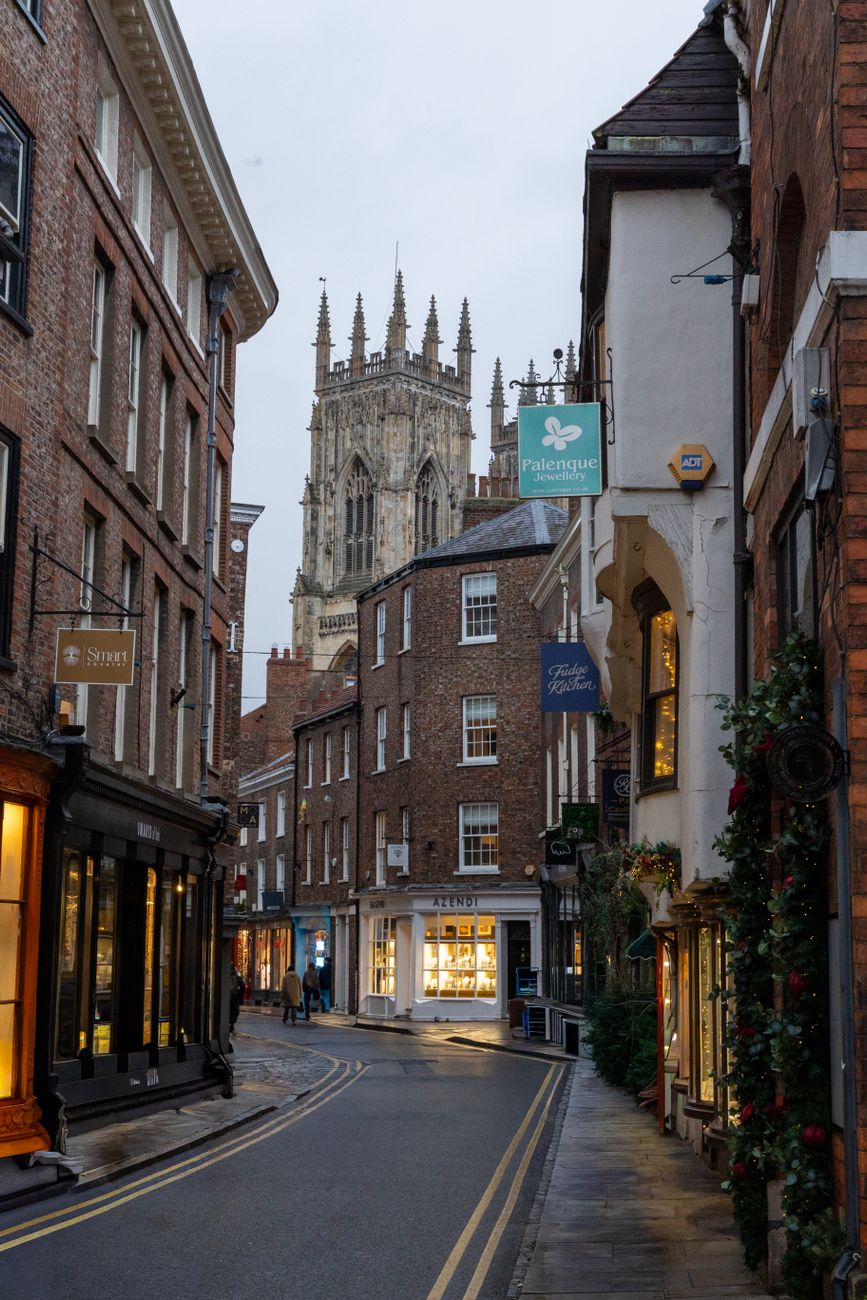
Start at York railway station to drop bags and get orientation; the station is large and well signposted and is a 10–15 minute walk from York Minster via Station Road and Low Ousegate. Begin at York Minster for morning light in the nave; allow 60–90 minutes for the main building and treasury (adult entry roughly £12–13).
From the Minster walk 2 minutes to The Shambles for narrow medieval streets and Shambles Market stalls; a quick browse here takes 30–45 minutes. Continue 5 minutes to the Jorvik Viking Centre on Coppergate — the ride and displays typically take 45–60 minutes (tickets around £12 if bought on-site).
Lunch on day one suits a central spot: try The Shambles Market food stalls or a sit-down at Bettys Café Tea Rooms on St Helen's Square (expect around £10–15 for a light lunch or tea and cake). After lunch head west along the city walls from Bootham Bar toward Clifford's Tower; the walk on the walls offers frequent photo points and takes about 30–45 minutes to cover the main stretch.
Finish the afternoon at the York Castle Museum on Palace Street to see recreated period rooms and street displays (allow 60–90 minutes; adult tickets around £10–12). For dinner book a table at The Star Inn The City by Museum Gardens or a lively gastropub on Micklegate. Evening recommendation: a short riverside walk along the Ouse or a guided ghost walk that starts near Stonegate for a 75–90 minute, theatrical tour of alleys and historic sites.
Day 2
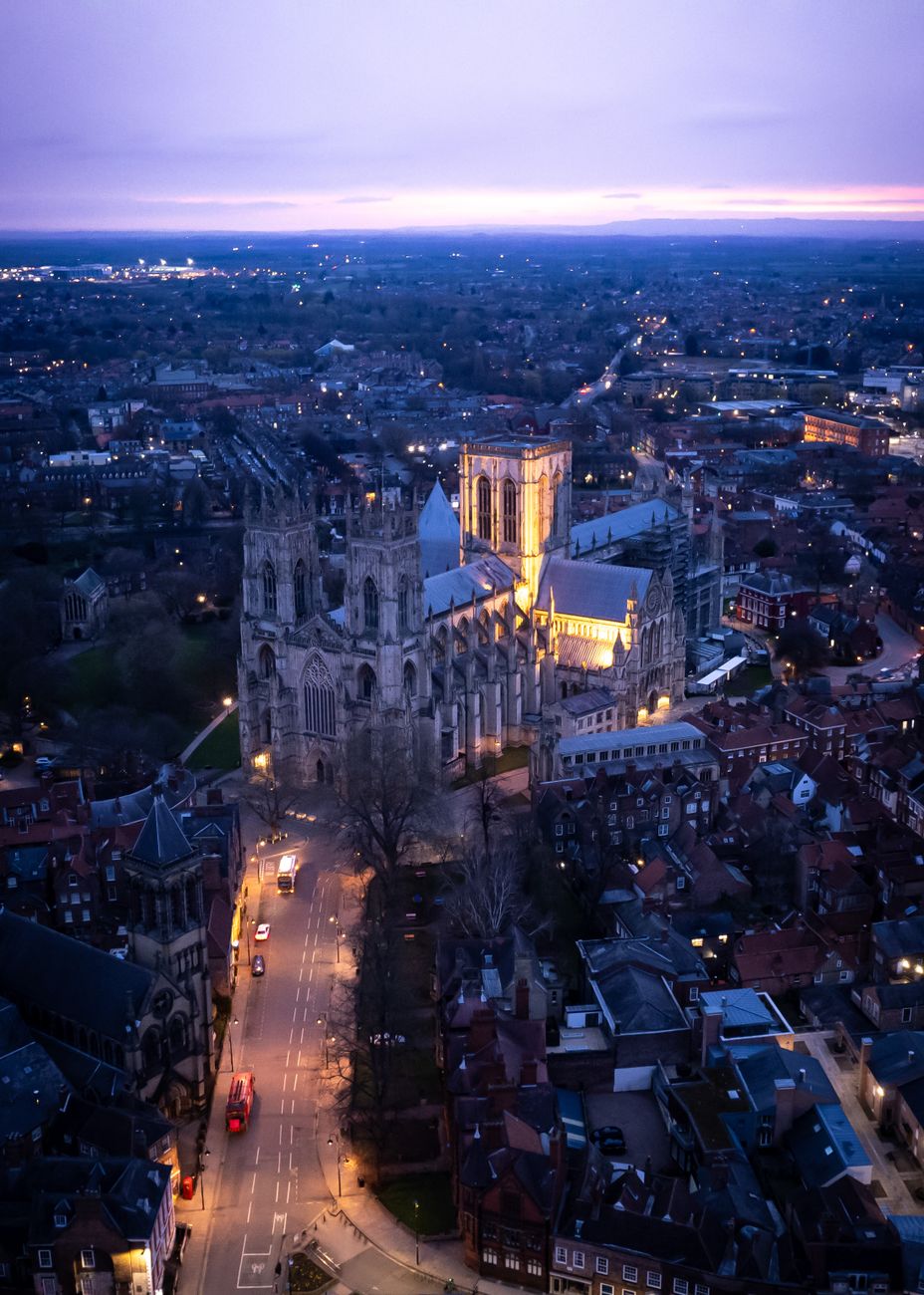
Devote day two to neighbourhoods and green spaces. Begin with a relaxed breakfast on Fossgate — try Café No.8 or Brew & Brownie — then walk 10 minutes to the Museum Gardens and the York Museum Gardens for a leafy hour among Roman ruins and botanical beds. Adjacent is the Yorkshire Museum (check seasonal opening hours) and the York Observatory lawns.
From the gardens take a 15–20 minute walk south along the riverside to Bishopthorpe Road for independent shops, cafés and bakeries; this stretch is more residential and shows how locals live outside the tourist core. Lunch at a local bakery or the Pig & Pastry on Bishopthorpe Road gives a taste of neighbourhood life.
In the afternoon, head north by bus or a 20–25 minute walk to Layerthorpe and the riverside trail toward Rowntree Park for a riverside stroll and, in season, skating or boating. Alternatively, visit the modern side of the city at York Designer Outlet and Monks Cross if shopping or mid-range brand stores are required (Park & Ride buses serve these sites).
Evening suggestion: eat on Walmgate where a cluster of restaurants offer diverse menus, or book a table at a Brew York Taproom for local beer tasting and pizza. Transport between these areas is straightforward with First York buses; check the First Bus app for exact route times.
Day 3
Use the final day for anything missed and lighter activities with practical timing for departures. Start with a morning visit to the National Railway Museum — arrive when it opens to avoid crowds; main galleries are free but special exhibits may have charges (plan 90–120 minutes). From there walk 15–20 minutes to the river for an optional 45–60 minute Ouse cruise that gives a different perspective of the quay and bridges.
Midday options include a final walk along Stonegate and Low Petergate for last-minute shopping and a pub lunch. If catching an afternoon flight or train, plan to be back at York station at least 45–60 minutes before a long-distance train and allow 2.5–3 hours door-to-door to Leeds Bradford Airport by taxi. Use left-luggage services at York station or a commercial luggage store (Stasher/Bounce partnerships) if checking out earlier than departure.
If time allows before leaving, visit the Treasurer's House for a quick 30–45 minute tour of a restored townhouse or climb the Coppergate area again for one last look. Final dinner near the station or a quick takeaway from Shambles Market keeps timing flexible.
Practical note: if the flight is early-morning, consider staying near the station or arranging a taxi the night before.

Best Local Experiences
Shambles Market on Parliament Street for local food stalls and artisan producers — busiest weekend mornings and worth arriving early. A National Railway Museum visit for large locomotives and hands-on displays; some exhibits rotate and special events often require booking.
An evening ghost or city-history walk that starts by Stonegate, which offers storytelling tied to specific alleys and buildings rather than generic scares. Bettys Café Tea Rooms for a formal tea experience and to try the Fat Rascal scone. St Nicholas Fair (St Sampson's Square and Parliament Street) during late November–December for the Christmas market stalls and mulled drinks.
Fossgate and Bishopthorpe Road for independent coffee shops, secondhand bookshops and small-batch bakeries; these streets give a clearer sense of everyday York life. York Races at Knavesmire for a summer sporting day out if dates match travel plans.
Where to Stay
City centre / Minster area: best for first-timers who want immediate access to attractions and restaurants. Expect B&Bs and small hotels from about £90–180 per night (£105–215 / €105–255 depending on season). This area suits visitors who want to walk everywhere but accepts higher prices and noise at peak times.
Station area / Museum Gardens: practical for rail arrivals and families with luggage. Nightly rates typically £75–140 (£90–170 / €85–200). This zone is quieter after 9pm and offers quick access to Park & Ride buses and taxis.
Bishopthorpe Road / Fulford / Micklegate: suits travellers wanting cafés, local pubs and a residential feel while still being a 20–30 minute walk to the Minster. Expect £70–130 per night (£85–160 / €80–190). These neighbourhoods give value for money and are useful for longer stays or lower-budget travellers.
Booking tip: mid-week and shoulder seasons (March–April, October–November) often have the best room rates; weekends in summer and during festival/market dates push prices up sharply.
Food and Drink
Yorkshire pudding (served with roast dinners): a savoury batter pudding, best sampled in a pub roast; expect a main roast meal £12–20. Fat Rascal: a local scone-style tea cake sold at Bettys and independent bakeries for about £3–4.
Parkin: a sticky ginger oat cake found at bakeries and during autumn; single slices cost around £1.50–3.00. Pork pies and regional cured meats appear at Shambles Market stalls — small pork pies often £3–5.
Real ale and craft beer from Brew York (taproom on Walmgate) and several micropubs; pints typically £4–5. Full English breakfast at a café such as The Bar or The Pig & Pastry costs about £7–12.
Street food and market lunches at Shambles Market provide quick options: pies and hot sandwiches from about £3–7, ideal for keeping moving between sites. For a sit-down dinner try The Star Inn The City for seasonal local cooking or a gastropub on Micklegate for classic dishes; mains generally run £12–25.
Getting Around
Walking covers most central attractions; expect cobbles and uneven surfaces. First York buses are the main public service — Park & Ride buses from Askham Bar, Grimston Bar and Monks Cross are frequent and useful; single bus fares are roughly £2.50–3.00 and day tickets cost around £5–6 when bought on the First Bus app.
Trains: York railway station offers fast links to Leeds (20–25 minutes), Manchester (about 1h 20m), Scarborough (around 50 minutes) and London (about 2h). Use National Rail Enquiries, the Trainline app or ticket machines — advance fares can be much cheaper.
Taxis: a city centre short trip is around £5–10; a taxi from Leeds Bradford Airport is roughly £50–75 depending on traffic. Cycle hire and river cruises are seasonal options; some operators run hourly rates or group prices.
Recommended apps: First Bus app for local buses and Park & Ride tickets, Google Maps for walking and train times, and National Rail Enquiries for live platform and service information.
Best Time to Visit
Spring (March–May): temperatures about 5–15°C, fewer tourists than summer and better value weekdays. Early spring can be damp but offers quieter streets and pleasant gardens.
Summer (June–August): temperatures roughly 15–22°C. This is the busiest period with long opening hours but heavier queues at main sites and higher hotel rates. Festivals and outdoor events are most active.
Autumn (September–November): temperatures about 6–15°C. September offers good weather and the Food & Drink Festival; October and November bring quieter streets and lower prices but earlier museum closing times.
Winter (December–February): temperatures between 0–7°C. The Christmas market in late November–December is a draw, but January visits can be cold, with shorter daylight and fewer attractions open late. Best value and lowest crowds are midweek in March–April or October–November.
Budget and Practical Tips
Sample daily budget (per person): Accommodation: budget B&B £70–120 / £85–145 (€80–170 / $90–185); mid-range hotel £120–200 / £140–235 (€140–265 / $160–300). Food: breakfast £5–12, lunch £7–15, dinner £12–25 — daily food total roughly £25–55 (€30–65 / $32–70). Transport: single bus fares £2.50–3.00, day bus pass £5–6; occasional taxi trips add £10–40. Entry fees: York Minster £12–13, Jorvik Viking Centre ~£12, York Castle Museum ~£10–12; factor £25–40 for two paid attractions per day.
Tipping: service charges occasionally appear on restaurant bills; if not, 10%–12% for good table service is common. Pubs do not usually expect tipping for drinks; rounding up a few pounds for table service is appreciated.
Practical tip: bring comfortable shoes for cobbles and a packable rain layer; book tickets or restaurant tables for popular times and attractions to avoid queueing.
FAQ
Is York safe for solo travellers?
Yes; central streets are generally safe by day. Normal urban caution applies at night — stick to well-lit streets and keep valuables secure.
How do I get from Leeds Bradford Airport to the centre?
The fastest door-to-door is a taxi (roughly £50–75). There are bus options that require a transfer to a train or coach and take about 1–1.5 hours; check Airport Direct & Transdev/First services.
Is the York Pass worth buying?
It depends on plans; a one-day York Pass (around £35–45) can pay for itself with visits to York Minster, York Castle Museum and a small attraction, but if only seeing a couple of paid sites and the National Railway Museum, pay-as-you-go is usually cheaper.
Can everything be walked in 3 days?
Most central attractions are walkable, but expect extra time for queues and narrow streets. Use Park & Ride or local buses for trips to Monks Cross, the Designer Outlet or outlying parks.
Are cards accepted everywhere?
Card payment is widely accepted in shops, cafés and most market stalls; carry small cash for some independent traders and market vendors.
Where to store luggage if checking out late?
York station has left-luggage services and commercial luggage stores (Stasher/Bounce partners) near the centre; prices vary from about £5–8 per bag for a day.
Is York good for families?
Yes; the National Railway Museum and Jorvik Viking Centre are family-friendly, and parks such as Rowntree Park offer open space and playgrounds.
What about accessibility?
Many attractions have step-free access but expect cobbles and some historic buildings with limited access; check attraction websites for detailed accessibility info.
Conclusion
Three days will leave a clear sense of the city's medieval centre, its museums and the way the river shapes local life. Most travellers remember the Minster interior, a museum highlight and a neighbourhood walk — pick one from Fossgate, Bishopthorpe Road or Micklegate to feel like a local rather than a checklist visitor.
If short on time, prioritise a ticketed interior visit to the Minster or a focused, early visit to the National Railway Museum; these give the most distinct impressions of the place.
How this guide was prepared
This guide was prepared through a structured research that combines destination research, geographic context, itinerary planning logic, and content review.