
Montecatini-Terme: Practical 3-Day Itinerary & Guide
A clear, realistic 3-day plan for Montecatini-Terme: spa architecture, Montecatini Alto.
A realistic 72-hour plan for Montecatini-Terme that balances thermal heritage, the funicular up to Montecatini Alto, a trip to Collodi’s Parco di Pinocchio and practical travel advice.
A visitor steps off the train into a town where long promenades, covered arcades and tiled spa pavilions define the public spaces. The pace is slower than nearby Firenze or Pisa: much of the appeal lies in walking the Viale Giuseppe Verdi, peeking into ornate spa halls and taking a short funicular ride up to a small medieval hill village.
First impressions are usually one of tidy, well-kept public gardens and a strong 19th-century spa identity rather than a heavy museum scene. That difference trips up many arrivals who expect an urban city centre with dozens of galleries; instead this place suits people who want architectural details, short excursions and easy transport links.
This guide assumes interest in thermal heritage, short day trips to Collodi or Lucca, and practical logistics—how to move between train stations, where to book baths and how to fit everything into three days without rushing.
Is 3 days in Montecatini-Terme enough?
Yes—3 days is enough to get a solid feel for Montecatini-Terme: sample the historic Terme Tettuccio, ride the funicular to Montecatini Alto, visit Parco di Pinocchio in Collodi and make one day trip to Lucca or Pisa. Expect to skip in-depth museum touring and any long spa treatment plans unless staying longer.
Who This Guide Is For
Best for travelers who prefer relaxed, walkable towns, spa architecture and short day trips to Lucca or Pisa; poor fit for travelers who want an intense art-museum itinerary or nightlife-focused evenings.
Local Tips for Montecatini-Terme
Practical details that most travel sites skip — specific to Montecatini-Terme.
- Funicolare Montecatini Alto: lower station sits in the town centre and a return ticket runs around €4–€6; cars depart roughly every 15–30 minutes in daytime.
- Terme Tettuccio (Sala delle Fontane) is free to walk through but individual spa treatments and dedicated thermal-bath access usually start at about €25–€50 and must be booked in high season.
- Trenitalia regionale services run between Firenze Santa Maria Novella and Montecatini Terme-Monsummano; the trip takes roughly 35–50 minutes and advance regional fares are typically €4–€8 via the Trenitalia app.
- Parco di Pinocchio (Collodi) and Villa Garzoni are reachable by CAP Autolinee buses from central Montecatini; combined entry to the park/gardens is commonly in the €8–€12 range for adults.
- Local buses are run by CAP Autolinee; buy single-ride tickets (about €1.50) from tabacchi or the CAP app before boarding, as drivers usually don’t sell standard tickets.
How This Guide Was Prepared
Montecatini-Terme is a compact spa town whose Belle Époque public spaces and hilltop village reward slow walking rather than packed museum lists. Many guides sell it as a day-trip add-on to Florence; the real value is a relaxed two-night stay that lets visitors test a thermal bath, ride the funicular and use the town as a low-stress base for Collodi, Lucca or Pisa. Practical details about train stations, funicular logistics and spa booking are often missing; this guide puts those front and center. This guide was prepared through a structured research that combines destination research, geographic context, itinerary planning logic, and content review.
Plan Your Stay in Montecatini-Terme
Use this itinerary as your starting point, then compare areas to stay, transport options, seasonal timing, and realistic daily costs before booking.
Why Visit
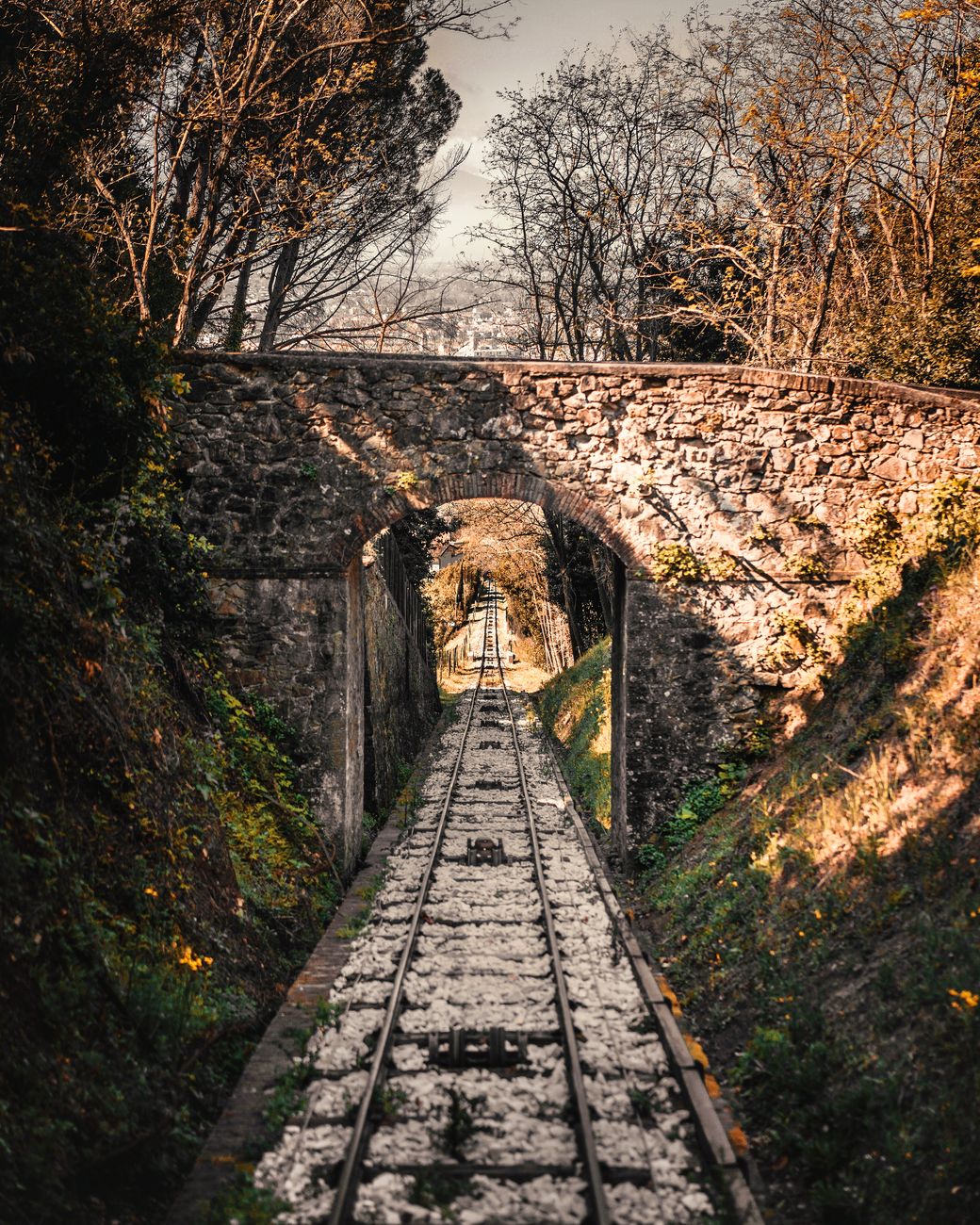
A compact spa complex with high-quality Belle Époque architecture including Terme Tettuccio and several covered promenades offers a different Tuscany experience than the major cities. The funicular to Montecatini Alto delivers a quick, local-transport highlight with genuine hilltop views and a medieval square (Piazza del Popolo) that feels like a mini-escape.
Proximity to Collodi makes an easy half-day for families: Parco di Pinocchio and Villa Garzoni are unique attractions and less crowded than major museums. Trains to Lucca and Pisa are frequent enough for comfortable day trips without long transfers. Finally, the town works well as a low-stress base: compact layout, cafés on Viale Verdi, and enough local restaurants for varied meals.
Quick Planning Tips
Arrive from Florence Santa Maria Novella or Pisa Centrale on Trenitalia regionale services; check the Trenitalia app for schedules and buy tickets before travel to avoid fines. From Pisa Galileo Galilei airport, regional trains to Montecatini Terme-Monsummano take about 30–50 minutes with a change in Pisa Centrale on some services.
Carry euros; most places take cards but smaller cafés and market stalls prefer cash. One planning mistake is assuming spa treatments are walk-in: reserve popular treatments or thermal-pool slots online or by phone, especially on weekends or in summer. Finally, download the Trenitalia app and a local map (offline) to avoid relying on spotty mobile data while moving between the station, spa quarter and funicular.
Day 1
Morning: Start at Terme Tettuccio and walk the arcade of the Sala delle Fontane. Allow 45–75 minutes to explore the spa façade, sample the public water taps and read the plaques explaining the spa tradition. From here, stroll Viale Giuseppe Verdi for 5–10 minutes to see the line of cafés and small parks.
Late morning: Walk 8–12 minutes to the town’s main pedestrian area and the Teatro Verdi for a quick look at the theatre exterior and nearby shops. These central streets are compact; expect light pedestrian traffic and several places to pause for coffee.
Lunch: Choose a trattoria on or near Viale Verdi; a pasta and a glass of local wine typically run €12–€22. After lunch, walk 10–20 minutes to the funicular lower station to ride up to Montecatini Alto.
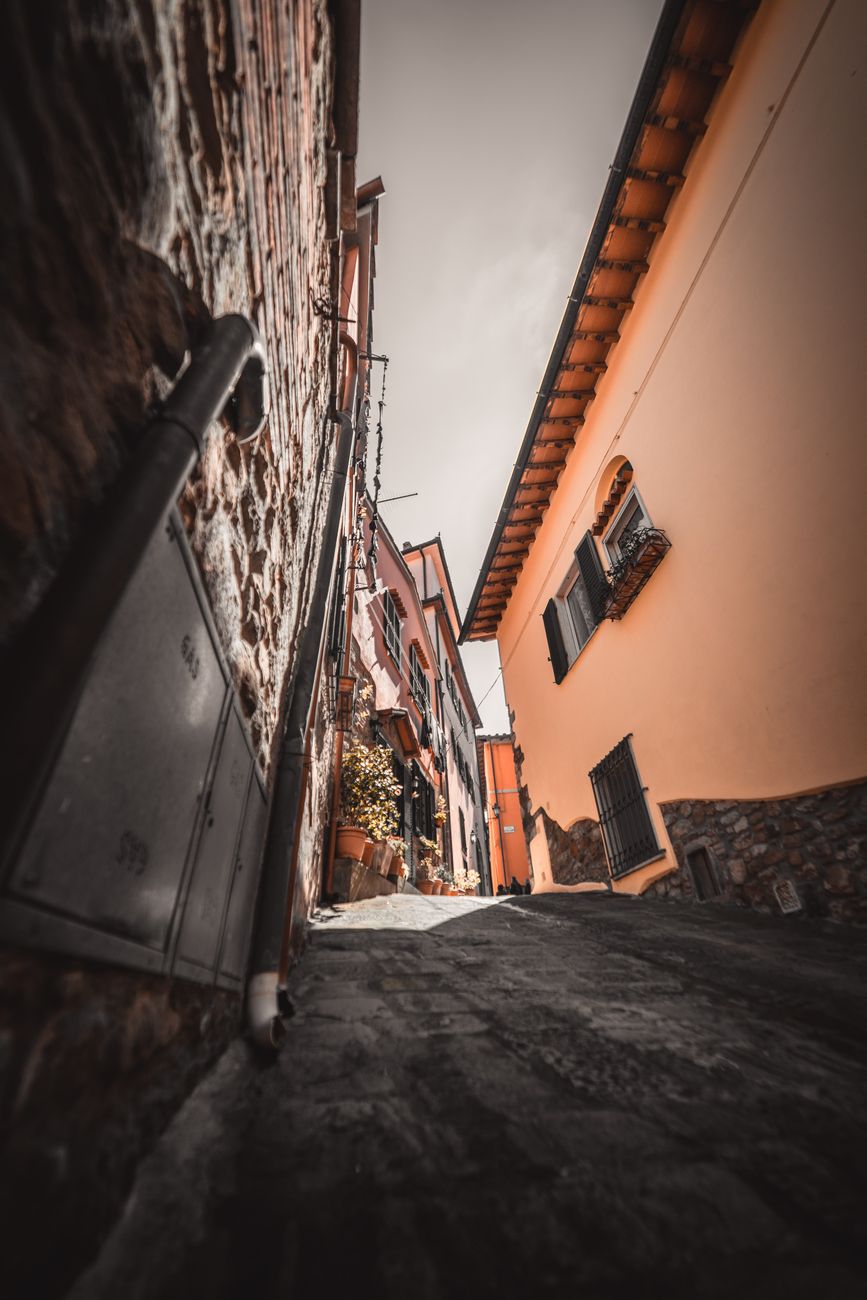
Afternoon: In Montecatini Alto, spend 60–90 minutes in Piazza del Popolo, explore narrow lanes and take the viewpoint down the Valdinievole. Return by funicular (another 10–20 minutes total including wait and ride).
Evening: Back on the plain, check performance schedules at Teatro Verdi or have an early dinner near the spa promenade. A relaxed passeggiata along Viale Verdi ends the day; many cafés stay open late during spring and summer.
Day 2
Morning: Dedicate this day to Collodi and Villa Garzoni. Take a CAP Autolinee bus or a short regional train/bus combination; the trip is roughly 20–30 minutes from the town centre. Allow at least 2–3 hours for Parco di Pinocchio and the formal gardens at Villa Garzoni—both are family-friendly and photograph well.
Lunch: Eat in Collodi at a small osteria or return to Montecatini for market-style sandwiches; expect €8–€18 per person depending on venue.
Afternoon: Return to town and visit a local spa for a short thermal session or an introductory treatment. Many spa packages run 30–60 minutes and are priced for walk-in visitors if slots exist, but booking is safer. Alternatively, take a longer walk through the municipal parks around the spa district for quieter views and local birdlife.
Evening: Consider a short taxi ride to Monsummano Terme if interested in Grotta Giusti’s thermal cave experience; check opening times and book ahead for cave sessions. Otherwise, choose a central restaurant and sample Tuscan mains with locally produced olive oil and Chianti.
Day 3
Morning: Use the day for a single day trip—either Lucca or Pisa. Trenitalia regionale trains to Lucca take about 25–30 minutes; to Pisa Centrale take about 35–45 minutes. An early start gives 4–5 hours in the chosen city and comfortable return time in the afternoon.
Midday: If staying local, visit the weekly street market (check local listings for the day) for food, leather goods and clothing; markets are the best place to find quick regional snacks for under €10. If returning from Lucca, have lunch near Lucca’s walls before the train back.
Afternoon (departure considerations): If catching an afternoon flight, leave extra time for luggage—Montecatini Centro has taxi ranks and regional trains to both Pisa and Florence that are reliable but require time buffers. Many travelers use a left-luggage service at the main station or third-party luggage apps if a late train or flight conflicts with checkout.
Evening: Finish with a relaxed final dinner close to accommodation. If time is tight, prioritize a short thermal soak or a terrace aperitivo rather than a long meal.

Best Local Experiences
Ride the Funicolare Montecatini Alto and spend time in Piazza del Popolo for hilltop views and local cafés. Walk the Viale Giuseppe Verdi and the Sala delle Fontane at Terme Tettuccio to appreciate Belle Époque spa architecture.
Visit Parco di Pinocchio and Villa Garzoni in Collodi for family-oriented sculpture, gardens and a local horticultural tradition. Book a short treatment or thermal session at one of the historic baths to experience the thermal water and the spa rituals locals still use.
Take a short regional train ride to Lucca for its city walls or to Pisa for the Campo dei Miracoli as a single-day complement. Join a weekday market in the town centre to shop local produce and leatherware; markets reveal more ordinary local life than the spa quarter.
Where to Stay
Spa quarter (Terme/Tettuccio area): Suited to travellers focused on architectural spas, short walks to treatments and quiet evenings. Rooms range from simple B&Bs at €60–€120 per night (approx. €65–€130 USD) to more polished spa hotels at €120–€220 (€130–€240 USD) in high season.
Montecatini Centro (near the main pedestrian streets and train links): Best for travellers who plan day trips to Lucca or Pisa. Close to train connections and cafés; expect €50–€110 per night (€55–€120 USD) for mid-range hotels or guesthouses.
Montecatini Alto (hilltop village): Suited to travellers who value views and a more village atmosphere. Smaller pensioni and family-run hotels here cost €60–€140 per night (€65–€150 USD) and require the funicular or a short drive each day.
Choose a location based on priorities: spa access and quiet nights (Terme), transport and practicalities (Centro), or a scenic, slower pace (Alto). Prices rise in July–August and during local festivals.
Food and Drink
Breakfast option: caffè and cornetto at a bar on Viale Verdi—expect €2–€4. Local pastries and strong espresso are common morning choices.
Street food/snack: schiacciata (Tuscan flatbread sandwiches) stuffed with local salumi or cheese—available at markets or bakeries for roughly €3.50–€6.
Classic Tuscan dishes to try: pappa al pomodoro (thick tomato-and-bread soup) served at trattorie for €6–€12; crostini di fegatini (chicken-liver crostini) as an antipasto for €4–€8; bistecca alla fiorentina if the budget allows—expect €25–€45 per person at a mid-range steakhouse.
Local drink: a glass of Chianti Classico or Vernaccia di San Gimignano at a restaurant—€3.50–€6. For dessert, try a scoop of gelato from a central gelateria for €2–€3.
Dinner recommendation: choose a small trattoria near the spa promenade or in Montecatini Alto for regional cooking using local olive oil and seasonal vegetables; a three-course meal with wine typically costs €25–€40 per person.
Getting Around
Train: Trenitalia regionale services connect to Firenze Santa Maria Novella, Pisa Centrale and Lucca. Buy tickets via the Trenitalia app or at station machines; validate paper regional tickets if applicable. Typical Florence-to-town fares run €4–€8.
Funicular: Funicolare Montecatini Alto links the plain to the hill village; return fares are around €4–€6 and cars run every 15–30 minutes during the day.
Buses and local transfer: CAP Autolinee runs local and regional buses, including services to Collodi and Monsummano Terme. Single-ride tickets within town are about €1.50 and should be purchased before boarding from tabacchi or the CAP app.
Taxi and airport transfer: A taxi from Pisa airport to town typically costs around €40–€60 depending on time and luggage; from Florence airport expect €70–€110. For lower cost, use regional trains from airports and then a short taxi or walk.
Useful apps: Trenitalia for train schedules and tickets, CAP Autolinee for bus timetables, and general navigation via Google Maps or Citymapper where available.
Best Time to Visit
Spring (April–June): Temperatures typically 15–24°C, mild days and lower humidity; this is the best balance of decent weather and manageable crowds. Late spring is a strong value period for outdoor walks and funicular rides.
Summer (July–August): Temperatures commonly 25–32°C and higher local crowds; spa hotels and trattorie book up earlier. Expect peak prices and louder evenings, especially in August.
Autumn (September–October): Temperatures 15–23°C with autumn light and harvest-season food; shoulder-season advantages include lower room rates and fewer day-trippers. Some spa services maintain full schedules into October.
Winter (November–March): Temperatures often 5–13°C; quieter streets, reduced hours for some attractions and the best hotel deals. Thermal treatments are still available and can be particularly pleasant when outdoor temperatures are cool.
Budget and Practical Tips
Daily budget (typical mid-range): Accommodation €60–€140 per night (€65–€150 USD) depending on neighbourhood and season. Food €25–€45 per day per person for coffee, casual lunch and a restaurant dinner. Transport €6–€15 per day for a mix of regional trains, local buses and occasional taxis. Entry fees: Parco di Pinocchio €8–€12, funicular €4–€6 return; occasional museum entries €3–€8.
Tipping: Rounding up the bill and leaving small change for table service is normal; a 5–10% tip is fine for attentive service but not mandatory. For taxis, round up to the nearest euro or add a couple of euros for heavy luggage.
Cash and cards: Cards are widely accepted but keep €20–€50 in cash for small cafés, market stalls and older businesses. Many tabacchi sell local bus tickets and can be a convenient spot to buy single-ride tickets.
FAQ
Is Montecatini-Terme safe for solo travellers?
Yes; daytime and evening streets in the spa quarter and Montecatini Alto are generally safe. Usual precautions apply—watch belongings in crowded trains and on buses.
How do I get from Pisa airport to the town centre?
Take the Pisa-Mover shuttle to Pisa Centrale then a Trenitalia regionale train to Montecatini Terme-Monsummano; total journey is roughly 50–80 minutes depending on connections. A taxi is faster but costs significantly more.
Are the spas open to casual visitors or only hotel guests?
Many historic spa areas allow casual visitors to enter the arcades and public fountains; dedicated thermal pools and treatments usually require a booking and an entrance fee.
Is a multi-day city card worth buying?
There is no widely used single ‘Montecatini’ city card that covers transport and major attractions; day-trippers usually buy individual train tickets and pay entry fees to parks and spas as needed.
Can Montecatini be a base for day trips to Florence and Lucca?
Yes—regional trains to Lucca take about 25–30 minutes and trains to Florence about 35–50 minutes; travel times make either city an easy day trip.
Are there reliable taxis late at night?
Taxis operate but are less frequent late; use the local taxi rank near the main station or book by phone, and allow extra time if catching late trains or flights.
Is the funicular wheelchair accessible?
The funicular has limited accessibility; check current service notices with local tourist information if mobility is a concern.
Should tickets for Parco di Pinocchio be booked in advance?
Advance booking is useful for weekends and high season, but weekday visits often allow walk-up entry; check the park’s official site for seasonal hours and combined-tickets with Villa Garzoni.
Conclusion
Three days will leave a clear sense of the spa quarter, the hilltop character of Montecatini Alto and the nearby Collodi attractions without feeling rushed. Most visitors remember the artful spa façades, the short funicular ride and how easy it was to reach Lucca or Pisa for a day.
If short on time, prioritise a walk through Terme Tettuccio and an immediate funicular ride up to Montecatini Alto—those two experiences capture the town’s contrast between plain and hilltop life and are quick to fit even into a compressed schedule.
How this guide was prepared
This guide was prepared through a structured research that combines destination research, geographic context, itinerary planning logic, and content review.