
3 Days in Salzburg: Practical Long-Weekend Itinerary
A hands-on 3-day Salzburg guide with transit tips, walking times, exact site costs, and food picks to plan a realistic long weekend.
A compact, honest 3-day plan that balances the historic core, a neighbourhood walk, local food, and one short excursion without overstuffing the schedule.
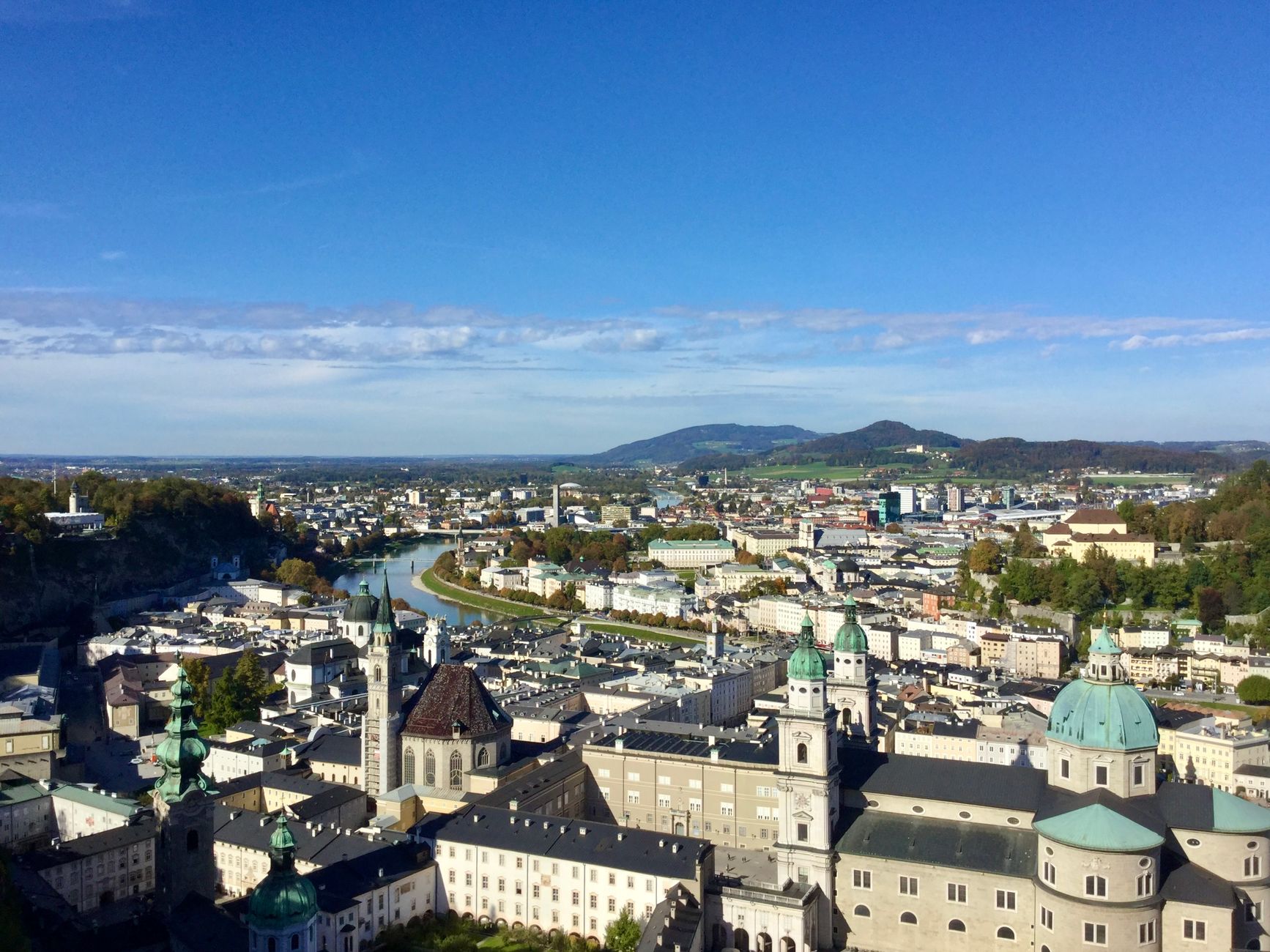
Expect a compact old town with narrow, paved streets, a dominant fortress silhouette, and a river that divides the Altstadt from newer quarters. The pace is slower than a large European capital; mornings and evenings are quieter while mid-morning to mid-afternoon can feel congested around Getreidegasse and Residenzplatz.
Many visitors arrive expecting only Mozart-themed stops and miss neighbourhoods like Mülln or Nonntal where locals eat and drink. This plan focuses on timed visits, realistic walking distances, and when to buy tickets to avoid long waits.
Is 3 days in Salzburg enough?
Three days are enough to cover the Altstadt, Hohensalzburg Fortress, Mirabell and a neighbourhood like Mülln or Nonntal plus a short visit to Hellbrunn or Untersberg. A full day trip to Hallstatt would consume most of a day and leaves little time for museums or a relaxed evening.
Who This Guide Is For
Best for travelers who prefer walking, museums, and food-focused exploration over alpine multi-day hikes. Less suitable for visitors who want to squeeze in multiple long-distance day trips such as Hallstatt plus high-mountain trekking.
Local Tips for Salzburg
Practical details that most travel sites skip — specific to Salzburg.
- Buy the Salzburg Card (24h €29 / 48h €41 / 72h €46) at the tourist office on Makartplatz or online; it includes Hohensalzburg Fortress (funicular), Hellbrunn, Mozart Museum entries and many bus rides.
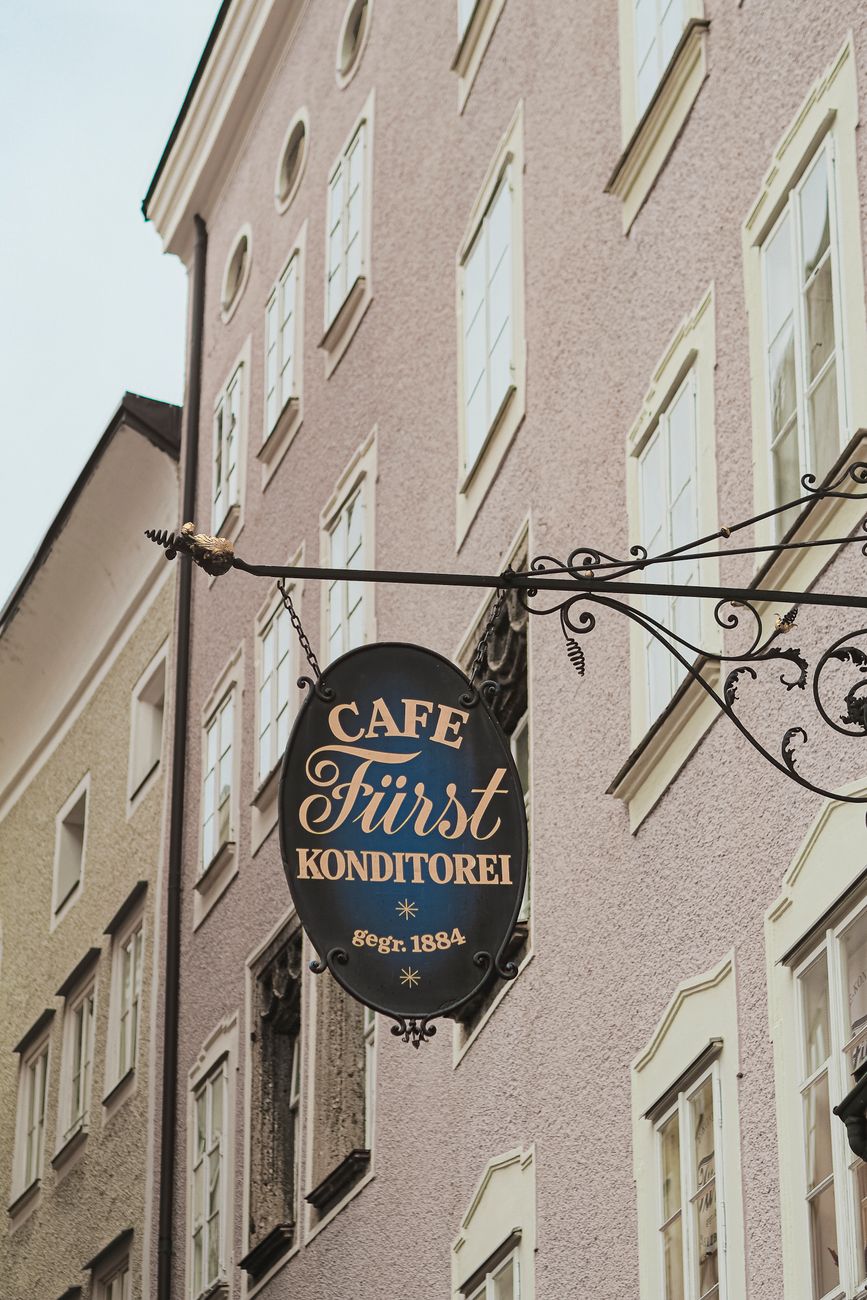
- The original Mozartkugel is from Konditorei Fürst on Brodgasse/Alter Markt — buy the green-wrapped Fürst praline rather than airport souvenirs for the authentic product.
- Use the Flughafenbus (airport shuttle) between Salzburg Airport W.A. Mozart and Hauptbahnhof/Mirabellplatz; it runs roughly every 15–30 minutes and a single ride costs about €2.80 (pay on board or at the machine).
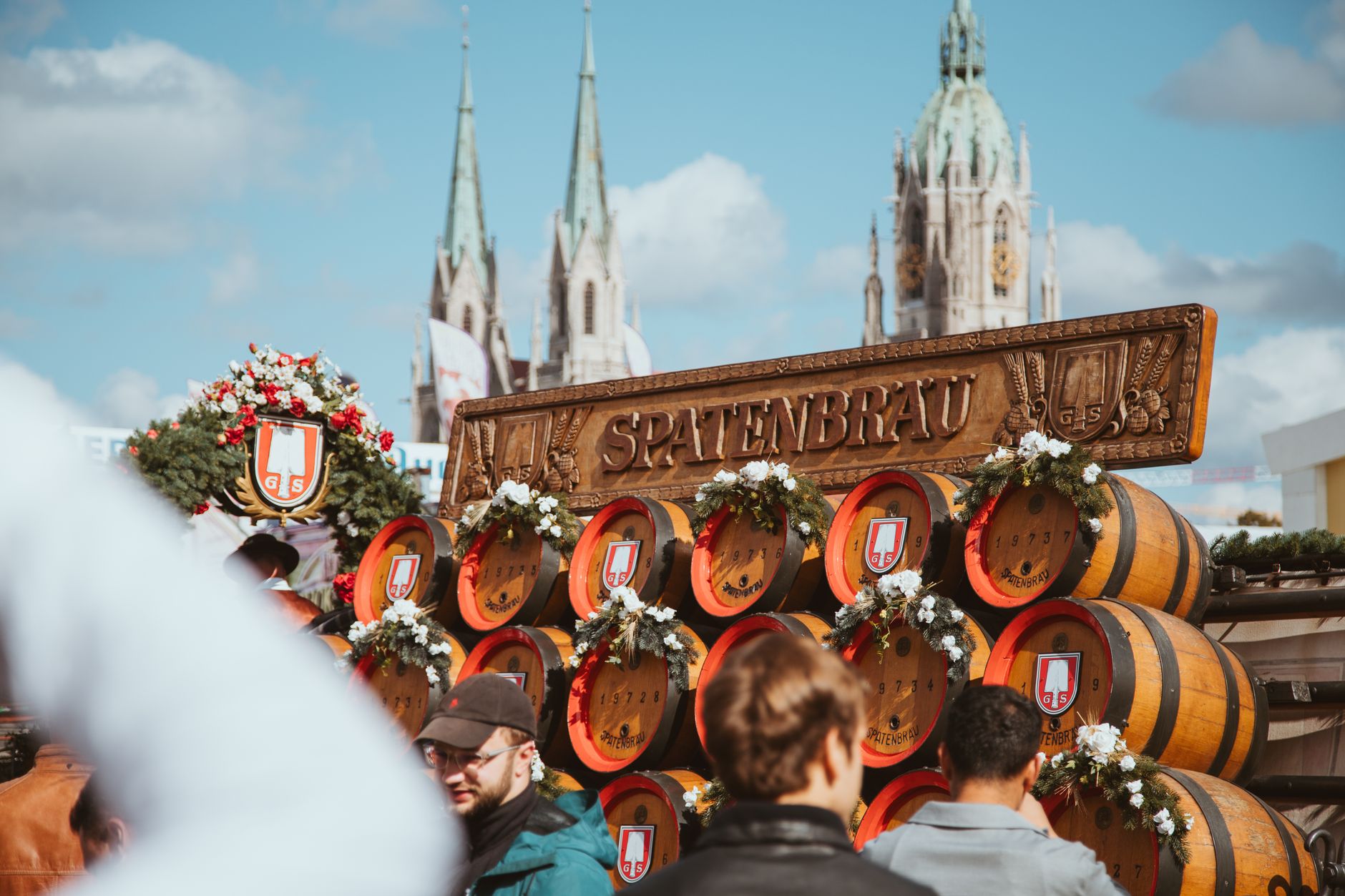
- Bring some cash for Augustiner Bräu Kloster Mülln — the beer cellar and many food stalls are cash-preferred during busy service times and the beer is served from wooden barrels.
- Many central museums and smaller shops close on Monday or have reduced hours in winter; plan museum visits for Tue–Sun and check each attraction’s official opening hours before arrival.
How This Guide Was Prepared
This guide treats Salzburg as a walkable small city with concentrated highlights and real-life bottlenecks, not a list of photo stops. Many guides cram in Hallstatt or gloss over opening hours and queues for Hohensalzburg; this one gives timing, transit, and meal suggestions that match how locals move. This guide was prepared through a structured research that combines destination research, geographic context, itinerary planning logic, and content review.
Plan Your Stay in Salzburg
Use this itinerary as your starting point, then compare areas to stay, transport options, seasonal timing, and realistic daily costs before booking.
Why Visit
Historic centre concentration: the Altstadt fits within a short walking loop that includes Hohensalzburg, Salzburg Cathedral, Residenzplatz and the shopping lanes around Getreidegasse. Seeing all of those is efficient and satisfying.
Music and food overlap: authentic Mozart sites such as Mozart Geburtshaus and local confectioners like Konditorei Fürst coexist with regional dishes — Salzburger Nockerl and the city’s beer culture at Augustiner Bräu Kloster Mülln.
Short excursions: nearby Hellbrunn Palace with its trick fountains is an easy half-day trip, and Untersberg cable car offers rapid mountain access without a full alpine commitment. Museums such as Museum der Moderne on Mönchsberg allow for elevated views alongside curated exhibits.
Quick Planning Tips
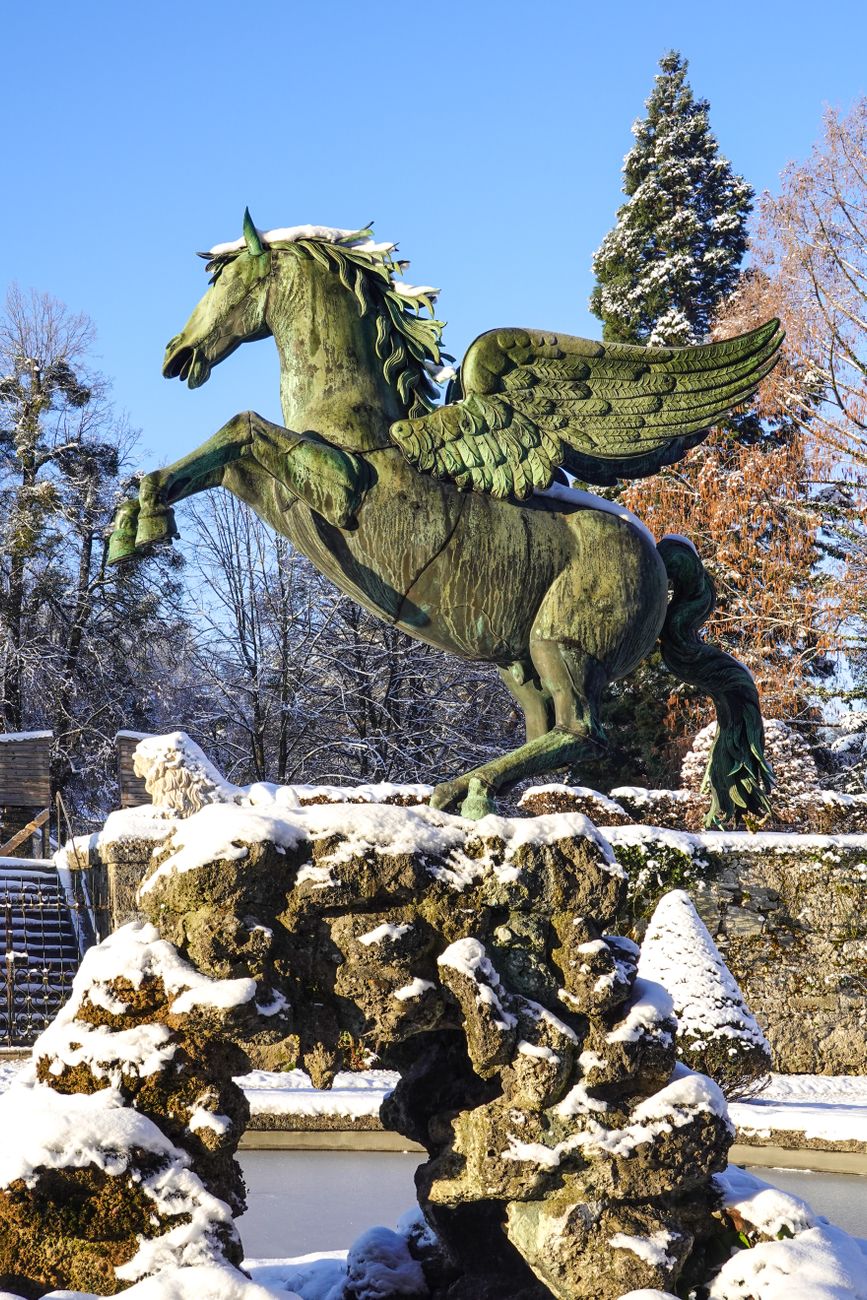
From Salzburg Airport W. A. Mozart, use the Flughafenbus to Hauptbahnhof or Mirabellplatz for about 15–20 minutes travel and roughly €2.80 per single ride. Trains from München Hauptbahnhof arrive at Salzburg Hauptbahnhof; walking from the station to Mirabell takes about 15–20 minutes or one short bus ride.
Carry both a contactless debit/credit card and some euro cash; smaller cafés, market stalls and beer gardens sometimes prefer cash. Avoid booking a late Sunday arrival expecting shops to be open; many small shops and some museums close or reduce hours on Sundays and Mondays.
Day 1
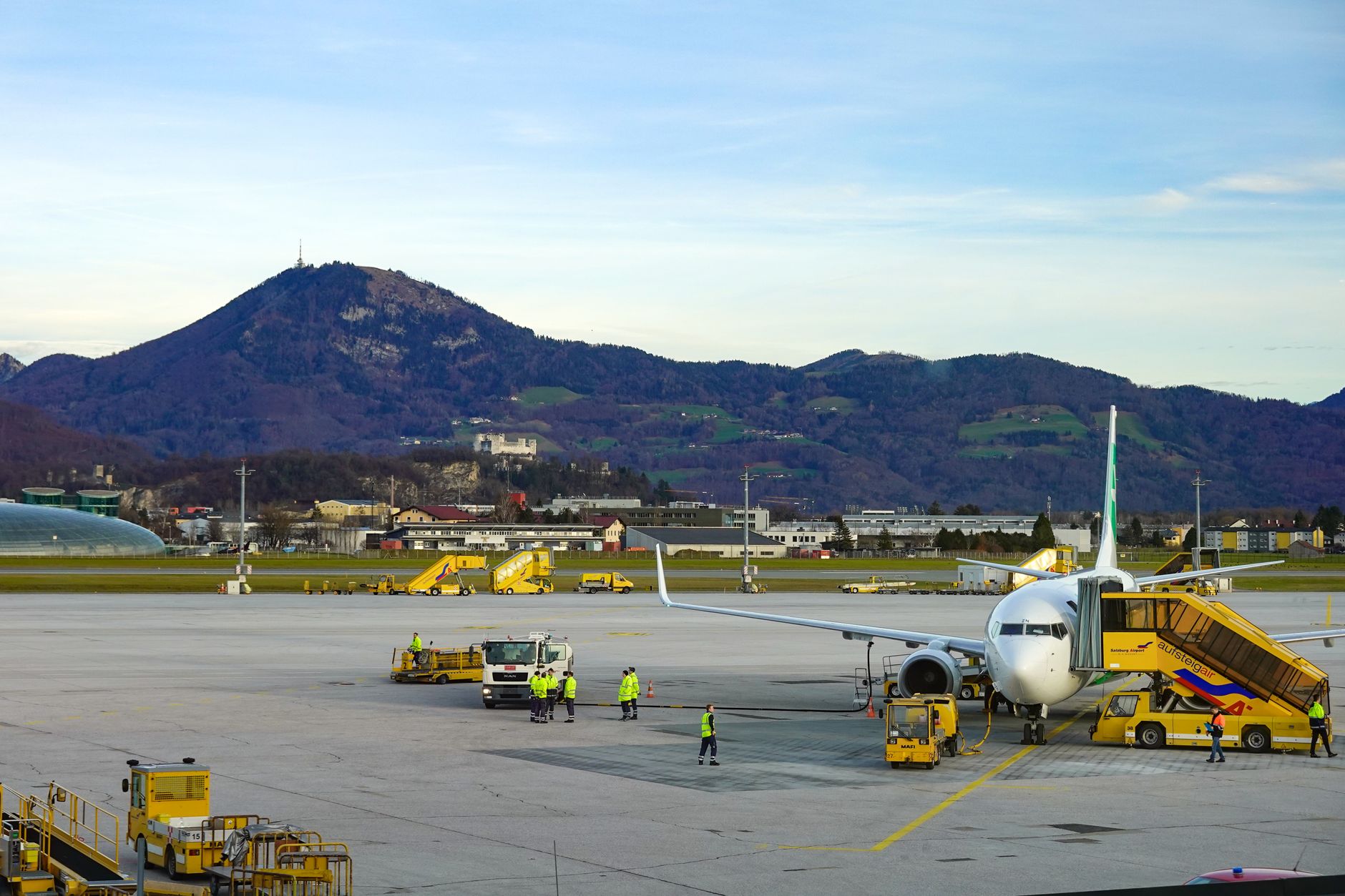
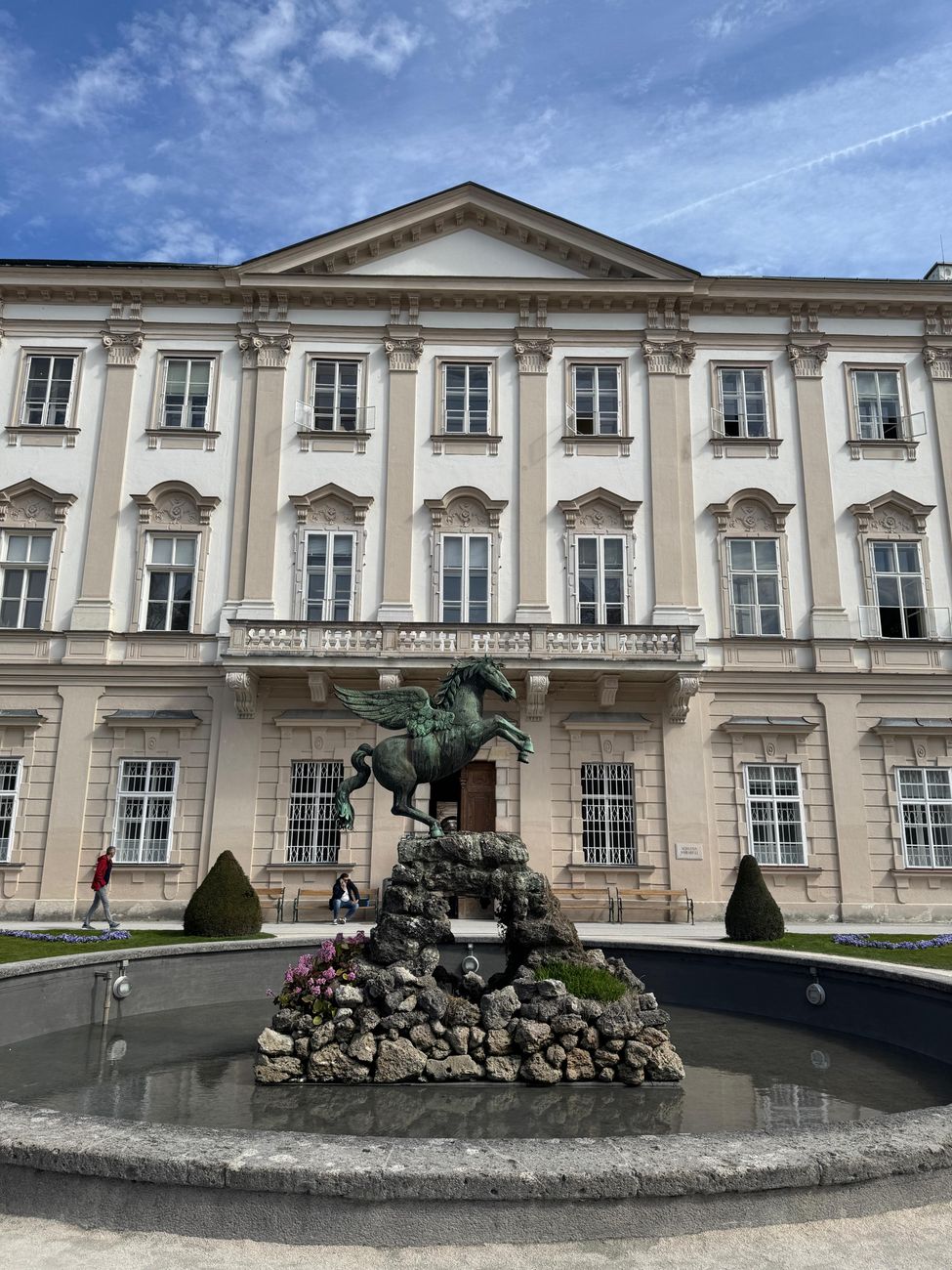
Morning: Start at Mirabell Palace and Gardens — allow 45–60 minutes for the gardens, the Marble Hall photos, and a short walk across Makartsteg bridge. Walk 10–15 minutes along the Salzach to get to Getreidegasse and the Mozart Geburtshaus on Getreidegasse 9; budget 60–90 minutes here to browse shops and the museum.
Lunch: Eat at Sternbräu (Linzergasse) or Braurestaurant Imlauer for a mid-priced sit-down meal; both are a 5–10 minute walk from Getreidegasse. Expect a main course around €12–€18.
Afternoon: Walk 8–12 minutes to Residenzplatz and Salzburg Cathedral — allow 45 minutes for sights and photos. From Residenzplatz take the funicular up to Hohensalzburg Fortress or walk 20–30 minutes up Mönchsberg; plan 90–120 minutes for the fortress including views and the small museums inside.
Evening: Descend for dinner in the Alter Markt area; try traditional dishes at Gasthaus Zwettler’s or St. Peter Stiftskeller (reserve ahead). Finish the day with a short riverside walk on Makartsteg and an early night, as the next day is more spread out.
Day 2
Morning: Cross to Mülln and visit Augustiner Bräu Kloster Mülln for a late-morning beer and the beer garden atmosphere; arrive before noon on sunny days to find seating. From Mülln walk 10–15 minutes to St. Peter's Abbey and the cemetery for cloister views and the cemetery’s old tombstones.
Lunch: Have Bosna or a Bratwurst at one of the food stands near Kapitelplatz, or sit at Café Tomaselli for a traditional coffee and strudel. Both options are within a 5–10 minute walk from the abbey.
Afternoon: Take bus 25 or a short walk to Mönchsberg and Museum der Moderne (a 10–15 minute uphill walk or bus). Spend 60–90 minutes in the museum, then descend to explore Salzburg Museum on Kapitelplatz for local history; travel between the two is 10 minutes on foot or a short bus.
Evening: Dine in Nonntal or the Linzergasse area where locals go; for a relaxed finish, try Augustiner Bräu Mülln again for the beer hall atmosphere or a quieter wine bar on Nonntaler Hauptstraße.
Day 3
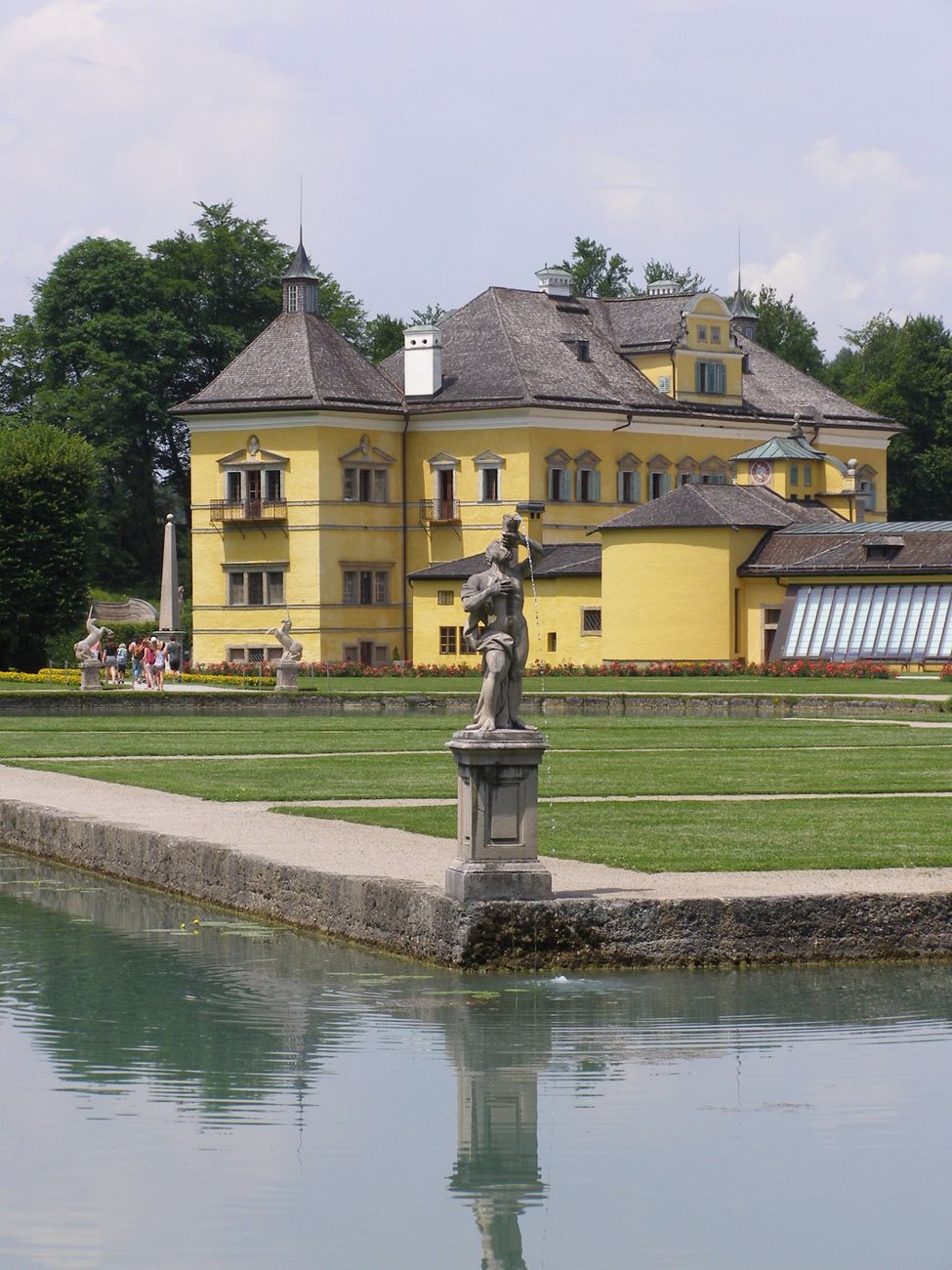
Morning: Take a tram/bus or taxi to Hellbrunn Palace for the trick fountains and the gazebo gardens; allocate 2–3 hours including the guided fountain show and the gazebo tour. Travel time from the center is about 20–30 minutes by bus (line 25 or 26 depending on schedule).
Lunch: Eat at the Hellbrunn Café or pack a light lunch to have on the grounds. If returning to the centre, stop near the Bahnhof area for a quick lunch at the station food hall.
Afternoon: Option A — If staying local, visit the Salzburg Toy Museum or the Toy Museum at Linzergasse then take a short tram/bus to Untersberg cable car for mountain views (allow 3–4 hours total including travel). Option B — If catching an afternoon flight from the airport, leave the city centre at least 90 minutes prior to check-in; the Flughafenbus takes 15–20 minutes but allow more time for luggage and security.
Evening: For departures after nightfall, finish with a final meal near Mirabell or at the Hauptbahnhof area for convenience. If staying the night, consider a mellow evening at a wine bar in Nonntal to close the trip.
Best Local Experiences
Visit Augustiner Bräu Kloster Mülln for the monastery-brewed beer and the barrel rooms; bring cash for busy periods. Buy original Mozartkugel at Konditorei Fürst on Alter Markt and watch the confectioners through the shop window when available.
Stroll the Mönchsberg for views from Museum der Moderne and follow the path to the Nonnberg Abbey viewpoint. Time a visit to Hellbrunn Palace to see the mechanical trick fountains; the guided fountain show runs at scheduled times and requires comfortable shoes because water surprises are part of the experience.
Attend a short concert at the Mozarteum or a church music performance at Salzburg Cathedral for authentic local music in small venues.
Where to Stay
Altstadt (Old Town): Suited to first-time visitors who want to be within walking distance of Getreidegasse, Residenzplatz and museums. Expect mid-range hotels and guesthouses from about €120–€220 per night (€130–€240 USD) depending on season.
Mülln / Nonntal: Suited to travelers who want quieter evenings, local restaurants and quick access to Augustiner Bräu; short walk to the river and Old Town. Expect small hotels and apartments for €90–€150 per night (€100–€165 USD).
Süd / Near Hauptbahnhof: Suited to budget travellers and those arriving late or leaving early by train; easier parking and a wider hotel range. Expect €60–€110 per night (€65–€120 USD) for three-star options, with cheaper hostels available.
Food and Drink
Salzburger Nockerl: an oven-baked sweet soufflé served warm; find good versions at Café Tomaselli or Restaurant St. Peter Stiftskeller, price around €6–€12. Bosna: a spiced sausage sandwich with onions and curry powder served at snack stands — expect €3–€5 for a street-food portion near Kapitelplatz.
Kasnocken: alpine cheese dumplings similar to mac and cheese; often found at Gasthäuser like Gasthaus Zwettler or in mountain huts, price €9–€15. Mozartkugel: pistachio-marzipan-chocolate candy originally from Konditorei Fürst — box prices vary, single pieces about €1.80–€2.50.
Local beer and drinks: Stiegl and Augustiner brews are common; expect a half-litre in a beer hall for €4–€7. For breakfast, try a traditional Viennese-style coffee and pastry at Café Konditorei Fürst or Café Tomaselli for €4–€8.
Getting Around
Options include city buses operated by Salzburger Verkehrsverbund, regional S-Bahn trains (ÖBB S-Bahn Salzburg), and frequent Flughafenbus shuttles to the airport. Single city bus tickets cost roughly €2.80 and are valid for one hour after validation; buy tickets at machines, via app, or on board where offered.
Day and city passes: the Salzburg Card (24/48/72h) covers many museums and some bus travel; short single-day transport tickets are available around €5–€6 depending on the provider. Taxi from Salzburg Airport to the city centre costs about €15–€25 depending on traffic; ÖBB and regional trains are alternatives when timetable matches travel needs.
Apps and cards: use the ÖBB app for train times and booking, and check the Salzburger Verkehrsverbund website or local ticket machines for bus schedules. The Salzburg Card app and paper card are both accepted at most attractions.
Best Time to Visit
Late spring (April–June) and early autumn (September–October) offer milder temperatures and fewer peak crowds; daytime highs average 12–22°C in spring and 12–20°C in autumn. Summer (July–August) sees the warmest weather, 20–26°C, but also the highest visitor numbers and fuller restaurants and hotels.
Winter (November–March) is cold, often 0°C to -5°C in January, but offers Christmas markets in December and access to nearby ski areas; museum queues are shorter but expect icy streets. For best value and moderate crowds, mid-April to mid-June or September is a practical choice.
Budget and Practical Tips
Typical daily budget for a mid-range traveler: accommodation €90–€160 per night (€100–€175 USD), food €30–€60 (€33–€66 USD), local transport €5–€10 (€5.5–€11 USD), attraction fees €10–€25 (€11–€28 USD). A frugal day with hostel accommodation and street food can be around €60–€80, while a more comfortable stay will push totals to €180+ per day.
Tipping: round up the bill and add 5–10% in sit-down restaurants if service is good; leaving small change for café orders is common. Credit cards are widely accepted, but smaller vendors, markets and some beer garden stations prefer cash — keep €20–€50 in coins and small notes for convenience.
FAQ
Is Salzburg safe for tourists?
Salzburg is generally safe with low violent crime; usual precautions against pickpocketing in crowded areas like Getreidegasse and trains apply.
How do I get from the airport to the city centre?
Use the Flughafenbus shuttle to Hauptbahnhof/Mirabellplatz (about 15–20 minutes) or a taxi for a faster, pricier option (€15–€25).
Is the Salzburg Card worth buying for 3 days?
Yes if planning to visit multiple paid attractions such as Hohensalzburg, Hellbrunn and several museums; compare entry prices individually if staying local with fewer paid visits.
Can Hallstatt be done as a day trip from here?
It can, but expect 3–4 hours round-trip travel by train and bus; a day trip leaves little time for museums or relaxed evenings in the city.
Are English and German widely used by staff and servers?
English is widely spoken in tourist businesses, while German is used in local neighbourhood shops; basic German phrases are appreciated.
What’s the best way to get around the centre?
The centre is compact and walkable; buses and S-Bahn are useful for transfers to Hellbrunn or Untersberg. Single tickets and day passes work for short hops.
Conclusion
A three-day visit will be remembered for the tight old town loop, the fortress silhouette, and food-and-beer stops that balance museum time. Prioritize Hohensalzburg and a neighbourhood visit (Mülln or Nonntal) if time is tight; the single most memorable local item for many is an evening at Augustiner Bräu combined with a proper Salzburger Nockerl dessert.
Allow a relaxed morning on one of the three days to absorb the streets rather than try to see every museum; that makes the trip feel complete rather than rushed.
How this guide was prepared
This guide was prepared through a structured research that combines destination research, geographic context, itinerary planning logic, and content review.