

3 Days in Yuma — Practical Itinerary and Local Tips
A straightforward 3-day guide to Yuma with exact routes, realistic costs, seasonal warnings and a day-by-day plan for downtown and the riverfront.
A no-nonsense 72-hour plan for seeing Yuma’s riverfront, prison park, agricultural landscape and desert escapes with real transport, cost and timing advice.
First impressions tend to centre on heat, irrigation canals and wide streets rather than leafy promenades. The river and historic downtown provide compact walkable sections; outside that the feel is low-density, agricultural and car-oriented.
Expect a slow daytime pace during winter when 'snowbirds' arrive and an extremely quiet, hot town in summer with many midday closures. Many visitors underestimate how central irrigation, winter vegetable production and the river shaped local attractions.
This place suits travelers who like short historical walks, simple river access, museum visits that take 1–2 hours, and short drives into desert landscapes. It does not suit people wanting dense urban nightlife or galleries clustered within a few square blocks.
Is 3 days in Yuma enough?
Yes—three days is enough to cover downtown, Yuma Crossing/Gateway Park, Yuma Territorial Prison and a half-day desert or river outing with relaxed pacing. The honest caveat: longer agritourism routes and multi-day birding at the refuges require more time or a car-based day trip.
Who This Guide Is For
This itinerary suits road-trippers, winter visitors (snowbirds) and history or outdoor-focused travelers who have a car. It is a poor fit for those seeking a dense museum crawl or late-night nightlife.
Local Tips for Yuma
Practical details that most travel sites skip — specific to Yuma.
- Buy Yuma County Area Transit (YCAT) tickets through the Token Transit app; single rides run about $1.50 and a 24-hour pass is roughly $3.50, which is cheaper than paying cash on board.
- Yuma Territorial Prison State Historic Park charges around $8 for adults; the site closes by 4pm in low-light months, so schedule the prison visit for the morning or early afternoon.
- Lutes Casino on 1st Avenue downtown still serves its classic cheeseburgers and pies; plan for a midday lunch there—expect a short line at noon but quick turnover.
- Winter RV season (November–March) fills many motels and long-term rentals; for January reservations, book at least six weeks ahead to avoid limited choices near the riverfront.
- Traveling east on I-8 to Dateland for a date shake or west toward the Imperial Sand Dunes requires planning for 40–80 miles without many services—carry extra water and check fuel before setting out.
How This Guide Was Prepared
Yuma is an agricultural river town and desert transport hub where winter visitors and long-haul drivers mix with local farmworkers. Most guides either treat it like a quick roadside stop or oversell leisure amenities; this guide focuses on realistic timing, hot-season risks, and what can actually be reached on foot, bike or short drives. This guide was prepared through a structured research that combines destination research, geographic context, itinerary planning logic, and content review.
Plan Your Stay in Yuma
Use this itinerary as your starting point, then compare areas to stay, transport options, seasonal timing, and realistic daily costs before booking.
Why Visit
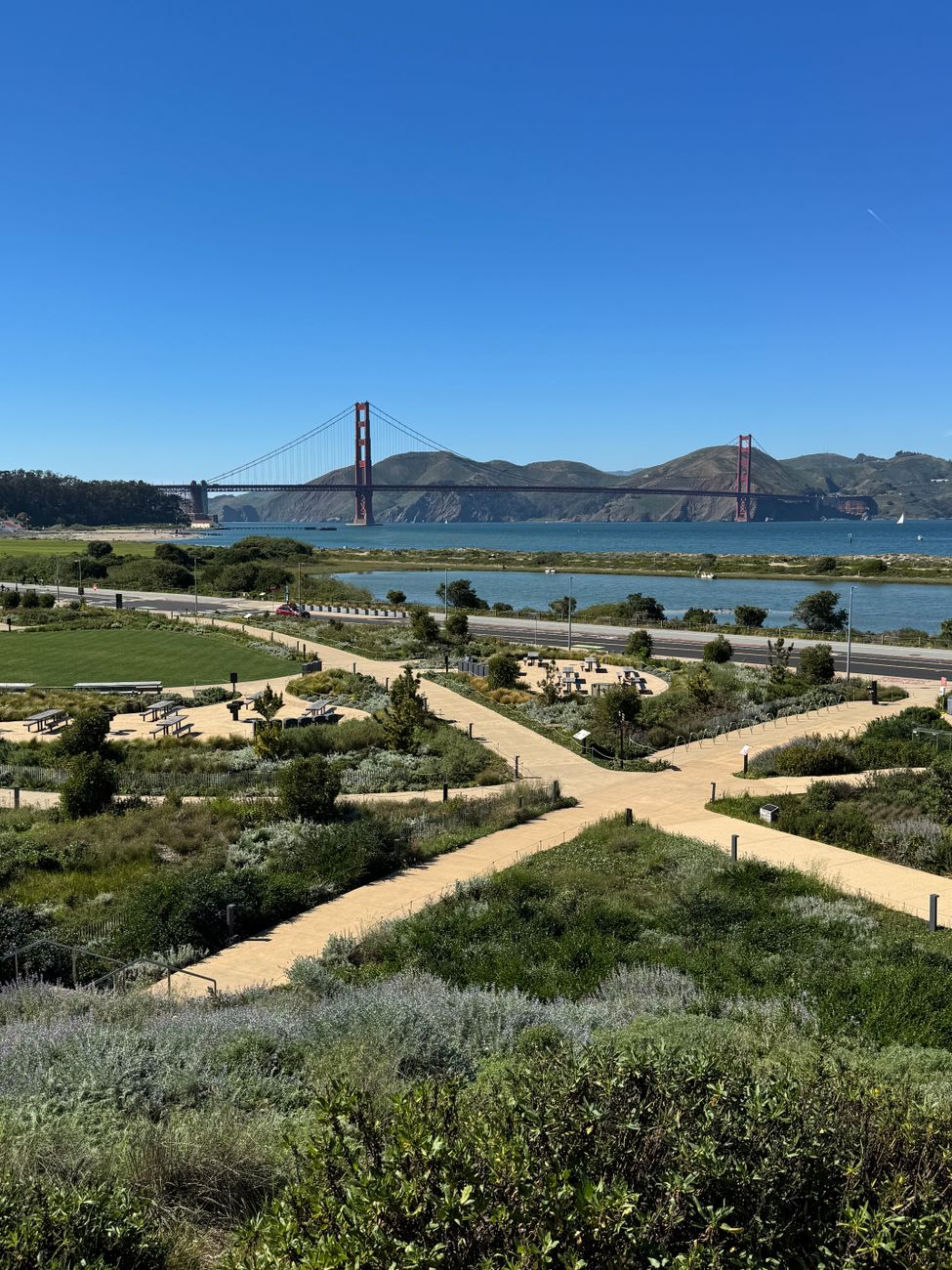
The riverfront is an unusual desert feature: the Colorado River plus Ocean-to-Ocean Bridge and Yuma Crossing National Heritage Area make for short, walkable history and photo stops. That stretch gives direct access to Gateway Park and pedestrian routes along the canal.
Historic sites are concentrated and compact; Yuma Territorial Prison State Historic Park and the Quartermaster Depot are within a short drive of each other and explain the town’s 19th-century military and transport role. These sites are informative and take under two hours each.
Winter agriculture is a practical draw: the city supplies large amounts of leafy greens in winter months and farmers’ stands and roadside produce are common from November to March. Finally, the surrounding desert, Mittry Lake and Imperial Sand Dunes offer half-day outdoor escapes without a long drive.
Quick Planning Tips
Fly into Yuma International Airport (YUM) for the fastest arrival; taxis and ride-hail to downtown run about $15–25. Amtrak does not serve Yuma directly; Greyhound and regional buses arrive at the Yuma Transit Center near 3rd Avenue.
Buy bus tickets on Token Transit for YCAT fixed-route buses; cash is accepted but exact change is required on board. Most small businesses accept card but some produce stands still prefer cash—carry $20 for markets.
Avoid scheduling long outdoor walks between 11:00 and 16:00 from May through September because of extreme heat. Book accommodation in late fall and winter at least a month ahead if visiting in January or February.

Day 1
Morning: Start in historic downtown on 1st Avenue. Walk from Washington Street to Main Street to see the Sanguinetti House Museum and gardens (allow 45–60 minutes) and small storefront galleries. The Sanguinetti House is near 1st Avenue and 3rd Street.
Late morning: Walk 10–15 minutes to the Yuma Art Center and Gateway Park, cross the Ocean-to-Ocean Bridge for river views. Walking time between downtown and the bridge is roughly 12 minutes.
Lunch: Eat at Lutes Casino on 1st Avenue for a classic burger and pie—quick service and a local institution, expect to pay about $10–15 for a sandwich and fries. Alternate: The Garden Cafe near downtown for salads and sandwiches.
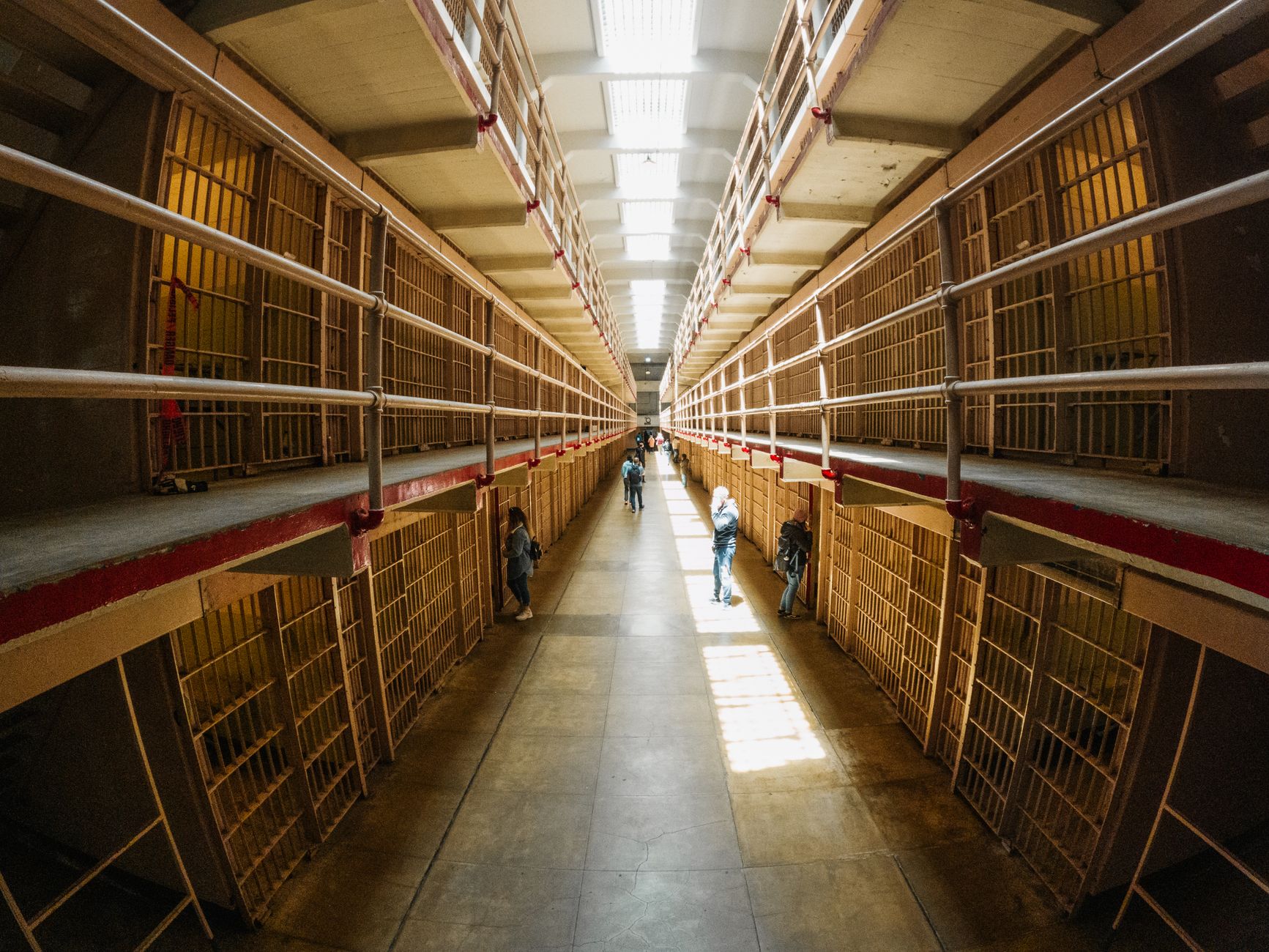
Afternoon: Visit Yuma Territorial Prison State Historic Park (allow 60–90 minutes). It’s a short 5–10 minute drive from downtown or a 20–25 minute walk along Main Street. Check the posted closing time and arrive before the last entry.
Evening: Stroll the West Wetlands Park at sunset for paved paths and river views; nearby parking is available. If energy remains, try a casual dinner at Colorado River Brewing or the Quartermaster Depot area restaurants.
Day 2
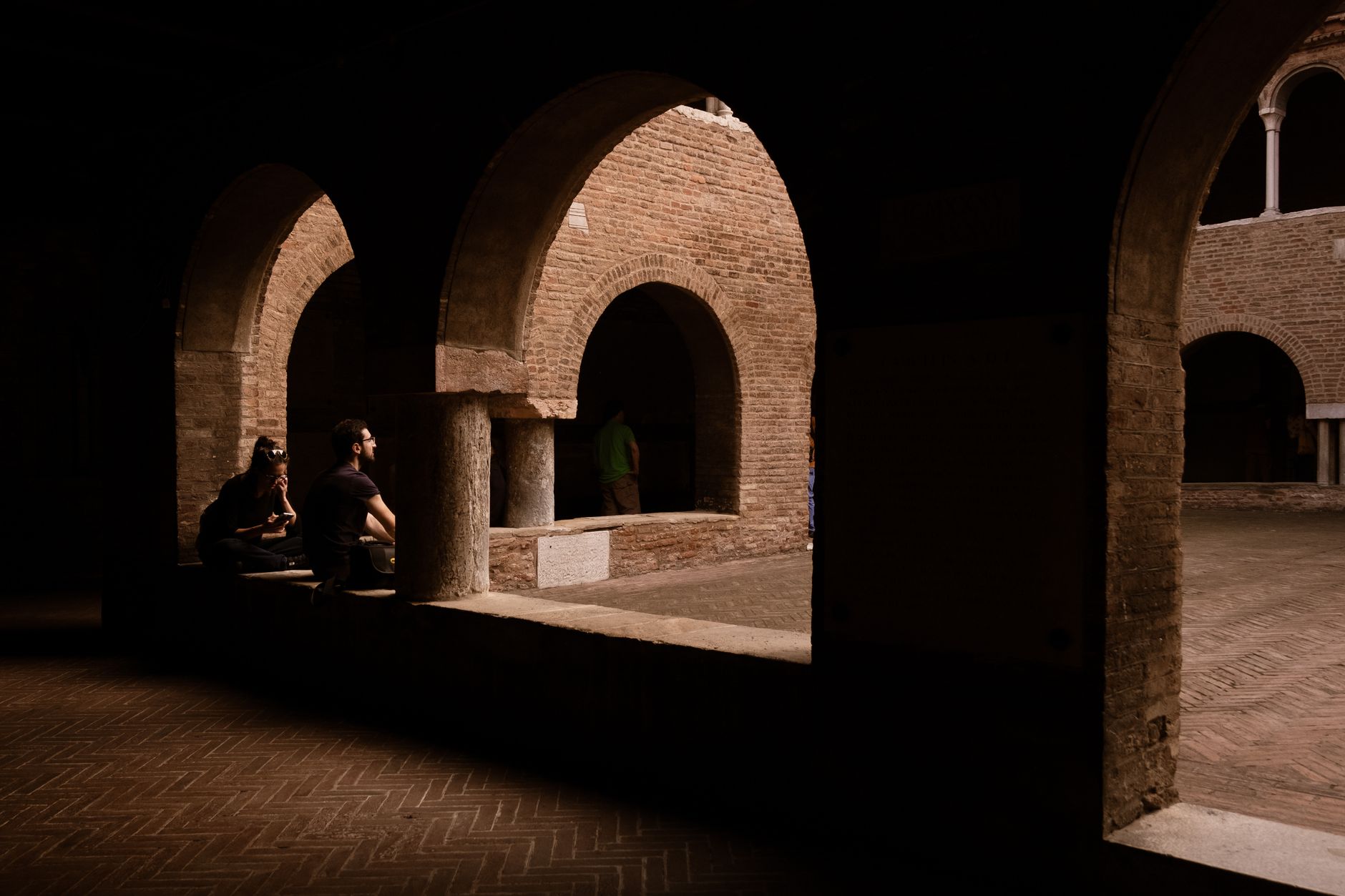
Morning: Drive or take YCAT toward the Foothills and hit the Yuma Quartermaster Depot State Historic Park. Allow 60–90 minutes to read exhibits and walk the depot grounds; it’s about a 7–10 minute drive from Gateway Park.
Midday: Head west to Mittry Lake Wildlife Area for light birding or a picnic; the drive is roughly 20–30 minutes depending on access road and parking. Bring sunscreen and water—shade is limited.
Lunch: Stop in the Somerton or Winterhaven area for Sonoran-style Mexican food—look for carne asada plates or a Sonoran hot dog; expect $8–12 for a standard plate.
Afternoon: Visit the Yuma Proving Ground visitor areas or the Yuma Territorial Museum exhibits if open. Alternatively use the afternoon to drive 30–50 minutes to the Imperial Sand Dunes for dune views and short hikes; factor in vehicle clearance and sand driving skill.
Evening: Return to downtown or the riverfront for an easy dinner; if staying near the riverfront, sunset along the Ocean-to-Ocean Bridge is a reliable evening activity.
Day 3
Morning: Start at the Yuma Crossing National Heritage Area visitor spots and the water plaza for quick historical context—this is an easy one-hour stop. If checking out of a hotel, leave bags in the car or at reception and do a final downtown walk.
Late morning: Drive south a short distance to small scale date farms or roadside produce stands (seasonal November–March) to sample local dates and takeaway produce; most stands open by mid-morning.
Lunch: Try a date shake at a local stand or stop at a family Mexican restaurant along 4th Avenue for a filling plate. Budget about $6–10 for a substantial lunch and a shake.
Afternoon (options based on departure): If catching an afternoon flight from YUM, avoid anything farther than 20 minutes away—give at least 90 minutes for rental return and security. If departing by car, a short detour to the Fortuna Foothills for panoramic views or a quick visit to the Yuma Territorial Prison gift shop will fit before leaving town.
Evening: If staying one more night, a relaxed evening along 2nd Avenue with casual dining closes the trip; otherwise head to the airport or onward road segments with fuel and water checked.

Best Local Experiences
Walk the Ocean-to-Ocean Bridge and follow the interpretive signs along Gateway Park to understand steamboat and railroad history. That riverside stretch is compact and historically focused.
Visit Yuma Territorial Prison State Historic Park for austere cellblocks, the guard tower and exhibit panels that explain late-19th-century frontier justice. Allow at least an hour and bring a hat in summer.
Drive the short distance to Mittry Lake for birding and quiet water views; winter migration months bring more species but the site is accessible year-round.
Sample a date shake at a local stand or Dateland on I-8 (seasonal) and buy packed dates from produce stands along US 95. Date products are a true local specialty tied to winter agriculture.
Spend a morning at the Yuma Quartermaster Depot and Sanguinetti House Museum and Gardens for local history and restored turn-of-the-century architecture.
Where to Stay
Downtown / Riverfront: Suited to walkers who want fast access to Gateway Park, Ocean-to-Ocean Bridge and restaurants on 1st Avenue. Expect motel and mid-range hotel prices around $90–160 per night (roughly €83–148 / $90–160 USD), depending on season.
Foothills / West Yuma: Good for quieter evenings and lower prices; this area fits drivers and families. Rooms typically run $70–120 per night (about €64–110 / $70–120 USD).
Near Yuma International Airport (YUM) and US 95: Best for early departures and road-trippers. Budget motels and chain hotels here often list $60–110 per night (€55–101 / $60–110 USD).
Food and Drink
Date shake: A milkshake blended with local Medjool or Deglet Noor dates—find at Dateland travel stops or local produce stands. Expect $4–6 for a shake and $6–12 for packaged dates.
Sonoran hot dog: A bacon-wrapped hot dog with beans, pico de gallo, and mayo served on a bolillo; find versions at Mexican stands in downtown and Somerton for about $3.50–5.
Carne asada plate: Grilled skirt or flank steak, rice, beans and tortillas—available at neighborhood Mexican restaurants for $9–14.
Classic diner lunch: Lutes Casino cheeseburger and pie portions represent a local institution, generally $10–15 for a burger and side and $4–6 for pie.
Dinner recommendation: Riverfront or depot-area restaurants offering American or Sonoran-influenced plates; expect $18–30 per person for a main and drink at a mid-range spot.
Getting Around
Public bus: Yuma County Area Transit (YCAT) runs fixed-route buses and Dial-A-Ride services. Key local lines are labeled as Route 1, Route 2 and Route 3 serving downtown, Foothills and Somerton; buy tickets via Token Transit or from the driver with exact change.
Intercity bus and airport: Greyhound stops at the Yuma Transit Center; Yuma International Airport (YUM) connects to several regional carriers. Taxi fares from YUM to downtown are about $15–25; ride-hail availability varies by time of day.
Car: A rental car is the most practical option for visiting Mittry Lake, the Quartermaster Depot and the sand dunes. Bicycle and e-scooter options exist near Gateway Park in season, but the town is primarily spread out and hot in summer.
Ticket prices: single YCAT ride about $1.50, day pass about $3.50; taxis average $2.50–3.00 per mile. Use Google Maps or the Transit app for schedules and real-time planning.
Best Time to Visit
Winter (November–March) offers mild temperatures—daytime highs usually 65–75°F (18–24°C)—and is the busiest season because of 'snowbird' visitors and peak agricultural activity. Book lodging early for January events.
Spring (March–May) is warm with comfortable mornings and hotter afternoons; mid-March can still see crowds around riverfront events. Summers (June–September) are very hot, regularly reaching 105–115°F (40–46°C); avoid strenuous outdoor activity midday and accept reduced hours at some attractions.
Fall (October) cools quickly and is a good shoulder season for lower rates and manageable temperatures. For best value and fewer crowds while still avoiding severe heat, consider late October or mid-November.
Budget and Practical Tips
Daily budget estimate (per person): Budget traveler: accommodation $60, food $25, local transport $5, entries $8–15 = about $98 per day (~€90). Mid-range: accommodation $110, food $45, transport $10, entries $15–30 = about $190 per day (~€175). Prices vary by season and advance booking.
Entry fees: Yuma Territorial Prison about $8 adult, Quartermaster Depot roughly $7; Sanguinetti House may accept a small donation or charge a modest fee for tours. West Wetlands Park is free.
Tipping and practicalities: Standard U.S. tipping applies—15–20% in sit-down restaurants, $1–2 per drink at bars, $2–5 for hotel porters. Stay hydrated in warm months and carry sun protection; some produce stands accept only cash so keep small bills.
FAQ
How safe is downtown at night?
Downtown and the riverfront are generally safe in early evening with normal urban caution; avoid poorly lit side streets late at night and keep valuables out of sight.
Is there a city transit pass worth buying?
If using buses for multiple trips, the YCAT 24-hour pass (about $3.50) bought via Token Transit is practical; there is no comprehensive city card that covers rentals or intercity buses.
Can the main sites be visited without a car?
Yes for downtown, Gateway Park and the prison if willing to walk 20–30 minutes or use a short taxi ride; visiting Mittry Lake, Imperial Sand Dunes or Dateland is much easier with a car.
Is Yuma good for families with kids?
Yes—West Wetlands Park, small museums and short river walks suit families; avoid midday outdoor activities in summer due to heat.
How far is the Imperial Sand Dunes and is a regular car OK?
The dunes are about 30–60 minutes away depending on route. Regular cars reach viewpoints but climbing into dunes or soft sand requires a high-clearance or four-wheel-drive vehicle.
Are there guided tours of the prison or river heritage sites?
Yes—interpretive signs and ranger-led talks happen seasonally; check the Yuma Crossing National Heritage Area calendar or state park schedule for exact times.
What are common transport options to nearby Palm Springs or San Diego?
Driving on I-8 and I-10 is the primary option; public transit connections are limited and lengthy—most travelers drive or join a private shuttle for long-distance transfers.
Conclusion
A focused three-day visit delivers a clear picture of riverfront history, the prison and agricultural surroundings without needing to rush. The most memorable experiences are the contrast between irrigated farmland and open desert, plus tasting date products that tie to winter crops.
If short on time, prioritise Gateway Park and Yuma Territorial Prison—those two give compact historical context and approachable walking. Leave farther desert drives or extended birding for a return trip when more time or a higher-clearance vehicle is available.
How this guide was prepared
This guide was prepared through a structured research that combines destination research, geographic context, itinerary planning logic, and content review.