
Responsible Travel in Malaga: Local-first Tips and Low-impact Choices
Practical, local-first tips for low-impact travel in Malaga: markets, public transport, local businesses, seasonal timing and alternatives to crowded spots.
How to visit Malaga responsibly: where to eat, how to use Cercanías and EMT, local businesses to support, and lower-impact alternatives to crowded beaches and monuments.
Responsible travel in Malaga?
Use public transport and local markets to lower impact: buy a 10-ride EMT bonobus (~€10) for city buses, use Cercanías C1 to reach Torremolinos or Fuengirola, and shop at Mercado de Atarazanas for local produce. Avoid arriving at Alcazaba between 11:00–16:00 in July; visit early (08:30–10:00) or late (17:00–19:00) instead.
Who This Page Is For
Best for travellers planning a short stay in Malaga who want to minimize footprint and support local vendors; not aimed at nightclubbing visitors focused on club scenes in Torremolinos. Useful for visitors linking to nearby coastal towns like Torremolinos and Nerja.
Key Takeaways for Malaga
- Mercado de Atarazanas is open Mon–Sat, best time 08:00–10:30 for local fish and produce
- Buy a 10-ride EMT bonobus for roughly €10 to save on city buses instead of single fares
- Use Cercanías C1: Málaga Centro-Alameda to Torremolinos takes ~15 minutes and costs about €2
- Avoid Feria de Málaga (mid-August) and Semana Santa for lower crowd levels; prefer April–May or September
How This Page Was Prepared
This page was prepared through a structured editorial workflow that combines destination research, geographic context, and practical travel-planning review.
Plan the Rest of Your Trip
Use this page together with the full itinerary and the related planning pages below to make better booking, timing, transport, and budget decisions.
The single most effective change is transport and vendor choice. Buy a 10-ride EMT bonobus (about €10) for city buses and use Renfe Cercanías C1 to travel coastal towns (Málaga Centro-Alameda to Torremolinos ~15 minutes, fare about €2). Prioritise Mercado de Atarazanas for produce and fish early in the morning (08:00–10:30) and choose local chiringuitos in El Palo (for example El Tintero) or family-run bars in Pedregalejo for traditional espetos and fried anchovies. Plan visits to Alcazaba and Castillo de Gibralfaro outside midday in summer to reduce crowding and heat exposure.
This page answers how to travel in Malaga with lower impact while still seeing the city’s main sights. Many visitors underestimate how quickly small choices—where to eat, which transport to use, and when to visit monuments—affect local businesses and crowding. Popular spots like Mercado de Atarazanas, Alcazaba and Malagueta Beach draw heavy traffic; timing and chosen vendors determine whether tourist money benefits local fishmongers, bar owners, or large chains. Practical choices include using Cercanías trains along the coast, a municipal EMT bonobus for urban buses, and picking neighbourhood chiringuitos in El Palo or Pedregalejo rather than central tourist terraces. This guide gives specific names, prices, and times so responsible choices are easy to act on and verifiable against ticket machines, market opening hours and official timetables.
What This Page Helps You Decide
This page helps decide where to spend food and transport budget to maximize benefit for local businesses. It helps choose between Malaga’s main monuments and lower-impact alternatives, such as replacing a midday Alcazaba visit with a morning walk in Parque de Málaga or an afternoon at El Palo. It explains when to use Cercanías C1 versus EMT buses, when to buy multi-ride cards, and which neighbourhood chiringuitos are local-owned. Also covered are seasonal decisions: whether to accept summer crowds during Feria in August or schedule a visit in April–May or September when temperatures are milder and local restaurants have capacity. The guidance supports decisions about day trips to Torremolinos, Benalmádena and Nerja using public rail and coach links.

Top Recommendations
Use public transit to reduce car emissions and keep money local.
– Buy a 10-ride EMT bonobus (tarjeta multiuso) at EMT kiosks or authorized tobacconists for around €10 and use it across urban buses. Save single fares and avoid short taxi trips from Málaga Centro.
– Use Renfe Cercanías C1 for coastal travel: Málaga Centro-Alameda to Torremolinos is roughly 15 minutes and costs about €2; to Benalmádena-Arroyo de la Miel about €2.50; to Fuengirola roughly 25–30 minutes and about €3. Use the Renfe Cercanías app or station vending machines.
Prefer local markets and family businesses over central tourist restaurants.
– Buy breakfast or groceries at Mercado Central de Atarazanas (open Mon–Sat). Arrive 08:00–10:30 to buy fish from the stalls and vegetables from producers under the central stained-glass window.
– For seafood, choose El Tintero in El Palo (auction-style service) or family-run chiringuitos on Pedregalejo promenade; these direct local purchases send money to fishermen and small restaurateurs.
Avoid over-touristed spots and pick nearby lower-impact alternatives.
– Alcazaba and Castillo de Gibralfaro see heavy footfall; instead visit early (08:30) or late (17:00–19:00) or choose Museo Carmen Thyssen Málaga for Andalusian painting with fewer queues. Walk the Paseo del Parque for a free green space experience.
Seasonal and behavioural choices that reduce impact.
– Avoid mid-August Feria if seeking lower impact; local businesses shift operations and prices rise. Travel April–May or September to support year-round vendors and avoid heavy summer water use.
– Use refillable water bottles; public fountains exist around Plaza de la Merced and Alameda Principal.
Support local cooperatives and producer programmes.
– Look for Sabor a Málaga-labelled products at Atarazanas stalls and specialty shops in Soho. Buy olive oil and wines sold by small producers rather than international brands at large supermarkets.
Use bikes and walking for central mobility.
– Rent a bike from companies at Muelle Uno (look for MalagaBike or similar local hires) to reach Muelle Uno, Malagueta and Playa de la Caleta without taxis. Many streets in the historic center are compact and walkable.

Local Context
Malaga is a mid-sized Mediterranean city with heavy seasonal swings. July and August bring high temperatures above 30°C and peak domestic tourism; mid-August Feria concentrates local and visitor activity into the historic centre. Semana Santa (usually March or April) also increases visitors around Calle Larios and Plaza de la Constitución.
Neighbourhoods vary in character and impact. Pedregalejo and El Palo are former fishing districts where family-run chiringuitos serve espetos; those businesses rely on local catches and foot traffic along the promenade. Soho and the port area around Muelle Uno contain galleries and chain cafés; spending there can favour larger operators unless specific local shops are chosen.
Transport infrastructure matters for responsible travel. Cercanías trains run along the coast (C1) connecting Málaga Centro-Alameda with Torremolinos, Benalmádena and Fuengirola. EMT operates urban buses with a multi-ride bonobus system. The airport (AGP) is linked by bus A lines and taxis; taking Cercanías plus bus is cheaper and lower-impact than a direct taxi for single travellers.

How to Choose Well
Decide by balancing time, cost and local benefit. Choose Cercanías C1 when travelling between coastal towns for speed and a direct flow of money to public transport; buy single tickets at the station if the route is one-off, or use a rechargeable RENFE wallet for multiple trips.
Pick markets and small vendors for food when the schedule allows. A morning at Mercado de Atarazanas supports fishmongers and greengrocers; a dinner at a Pedregalejo chiringuito sends more income to family restaurants than eating on Calle Larios.
Trade-offs: visiting a major monument at peak time saves time but increases crowding and often relies on commercial tour operators. Visiting early morning or late afternoon reduces personal stress and lowers strain on staff and facilities. For day trips, choose public rail rather than organized coach tours to spread spending across local cafes and shops in towns such as Nerja or Marbella.

Responsible and Local-First Tips
Put money into neighbourhoods that depend on local trade. Eat espetos at El Tintero (El Palo) or order at family-run chiringuitos on Pedregalejo promenade rather than national chains on the port.
Buy produce and packaged regional goods with the Sabor a Málaga label at Mercado de Atarazanas and small shops in Soho. Look for olive oil from Málaga province and local almonds in original packaging to ensure profit stays with producers.
Choose active transport and low-carbon options. Use Cercanías C1 for coastal trips and EMT buses inside the city using the bonobus. Rent a bike from local hire companies near Muelle Uno and avoid unnecessary car hire; if a car is needed for inland trips, hire from a small local company rather than an international aggregator.
Time visits to reduce stress on services. Avoid main monuments during Feria de Málaga and Semana Santa if the aim is low impact. For museums such as the Picasso Museum, buy timed tickets in advance to prevent queues that pressure front-line staff.
Common Mistakes to Avoid
Relying on taxis for short urban trips is expensive and shifts spending away from public transport. A taxi from Málaga Airport to the centre costs about €20–€30; a combination of Cercanías and EMT bus is cheaper and keeps revenue within regional systems.
Booking last-minute restaurant seating on Calle Larios without checking local options often funnels money to tourist menus. Check Mercado de Atarazanas vendors and Pedregalejo chiringuitos first, and reserve at smaller bars such as La Tranca on Calle Carretería when possible.
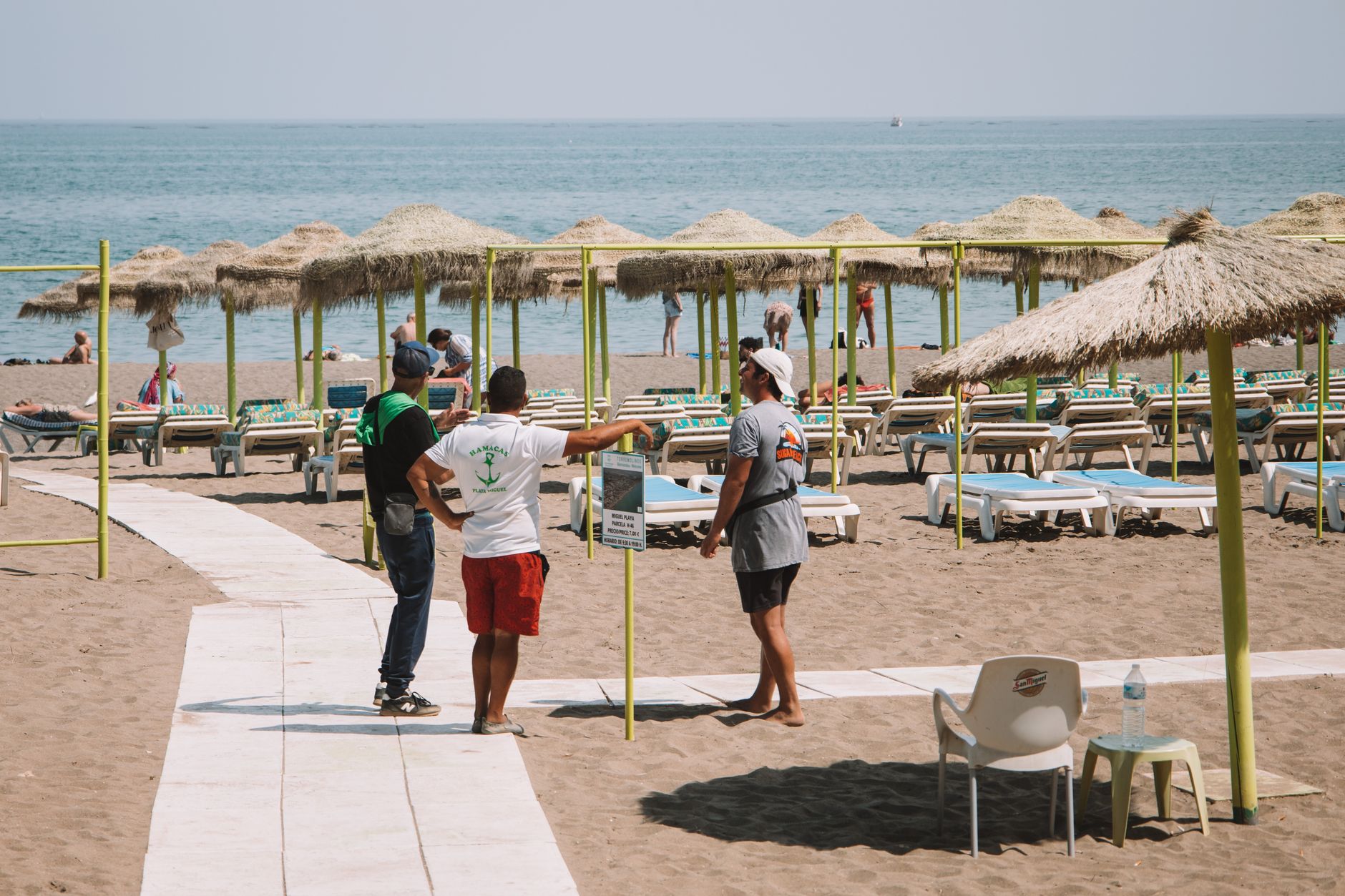
Assuming the beaches are all the same leads to concentrated pressure at Malagueta. For fish-focused meals and fewer crowds, choose El Palo or Pedregalejo. For quieter seaside walks choose Playa de la Caleta or small coves east of the port.
FAQ
How much does public transport cost within Malaga?
A single EMT bus fare is about €1.30–€1.50; a 10-ride EMT bonobus costs around €10. Cercanías fares vary by distance: Málaga Centro-Alameda to Torremolinos roughly €2, to Fuengirola roughly €3.
When is the least crowded time to visit Alcazaba?
Early morning between 08:30–10:00 or late afternoon after 17:00 are the least crowded times, especially outside July and August.
Are chiringuitos in El Palo tourist traps?
Many chiringuitos in El Palo, like El Tintero, are local and family-run; avoid restaurants on pedestrianised stretches that advertise international menus and choose places with local fish and espetos.
Is it better to rent a car for day trips to Nerja and Marbella?
Public transport is viable: use Cercanías C1 to Fuengirola then local buses; for Nerja take ALSA buses from Málaga bus station. Renting a car increases emissions and often favours larger rental companies rather than local operators.
How to support local producers with limited cash?
Buy a few items at Mercado de Atarazanas (olive oil, almonds, a small fish portion) and eat at one family-run chiringuito; small purchases spread across vendors make a big difference.
What months have the best balance of weather and lower crowds?
April–May and September offer mild temperatures (18–26°C) and lower visitor numbers than July–August.
Are guided tours better for responsible travel?
Choose small locally-run guides or cooperative tours, pay directly, and avoid large coach tours that concentrate visitors and extract commissions from restaurants.
Conclusion
The most important decision for responsible travel in Malaga is where to route spending: local markets, family chiringuitos and public transport provide the greatest local benefit. Use a 10-ride EMT bonobus for urban travel, Cercanías C1 for coastal trips, and prefer Mercado de Atarazanas and Pedregalejo chiringuitos over central tourist terraces. These practical steps reduce carbon impact, support small businesses and make the main 3-day Malaga itinerary more sustainable and locally beneficial.
How this guide was prepared
This guide was prepared through a structured research that combines destination research, geographic context, itinerary planning logic, and content review.