
Where to Stay in Lima: Practical Neighborhood Guide
Find the right Lima neighborhood for your 3-day itinerary. Practical advice on Miraflores, Barranco, San Isidro, Centro Histórico and Callao with transport, seasonal and sustainable tips.
A concise, practical guide to choosing a neighborhood in Lima for sightseeing, dining and onward travel. Ideal as companion support to the 3 days in Lima itinerary and for planning trips to Cusco, Arequipa, Trujillo, Puno or Iquitos.
Quick Answer
A concise, practical guide to choosing a neighborhood in Lima for sightseeing, dining and onward travel. Ideal as companion support to the 3 days in Lima itinerary and for planning trips to Cusco, Arequipa, Trujillo, Puno or Iquitos.
Who This Page Is For
This page is for travelers planning a stay in Lima who want clearer decisions about where to stay, local logistics, timing, budgeting, and practical trip planning.
How This Page Was Prepared
This page was prepared through a structured editorial workflow that combines destination research, geographic context, and practical travel-planning review.
Plan the Rest of Your Trip
Use this page together with the full itinerary and the related planning pages below to make better booking, timing, transport, and budget decisions.
Best single neighborhood for most visitors: Miraflores — safe, compact, near the coast, restaurants and transit to the historic center. Best for nightlife and artists: Barranco. Best for business and calm green spaces: San Isidro. Best for budget or history-first travelers: Centro Histórico for daytime exploration only; move to Miraflores or Barranco for evenings.
If you follow the 3 days in Lima itinerary, base yourself in Miraflores or a split stay Miraflores/Barranco to minimize transit time.
Lima is a sprawling, low-rise coastal capital where neighborhood choice shapes your experience. For a 3-day visit focused on food, history and seaside walks, most travelers prefer Miraflores or Barranco. Business travelers and quieter stays work well in San Isidro. Budget travelers and those prioritizing history may consider a short stay in Centro Histórico but expect more noise and crowds. Keep in mind Lima’s traffic: proximity to sights and transit matters more than pure distance. This page supports the 3 days in Lima itinerary and offers practical, low-impact choices that favor local businesses and easy onward connections to Cusco, Arequipa, Trujillo, Puno or Iquitos.
What This Page Helps You Decide
This page helps you choose where to sleep based on these priorities:
- Proximity to major sights in a 3-day plan (museums, historic center, coastal walks)
- Nightlife vs quieter evenings
- Ease of airport and bus/train transfers
- Budget, boutique or family-friendly lodging
- Sustainable, local-first stays such as guesthouses, family-run hotels and dining options
It also gives practical booking and transport advice so you can coordinate accommodation with onward travel to Cusco, Arequipa, Trujillo, Puno or Iquitos.
Top Recommendations
Recommended bases depending on your priorities:
- Miraflores — Best all-round: Walkable coastal malecón, many restaurants, English-speaking services, good selection of hotels and guesthouses. Easy access to museums and a direct taxi or rideshare to Jorge Chávez Airport.
- Barranco — Best for culture and nightlife: Smaller hotels, boutique guesthouses, street art, live music and independent restaurants. Quieter during the day and lively after dark; best for travelers who want an artsy vibe.
- San Isidro — Best for business travel and quiet: Upscale hotels, parks (El Olivar), and more corporate restaurants. Good if you value quieter nights and long-term stays.
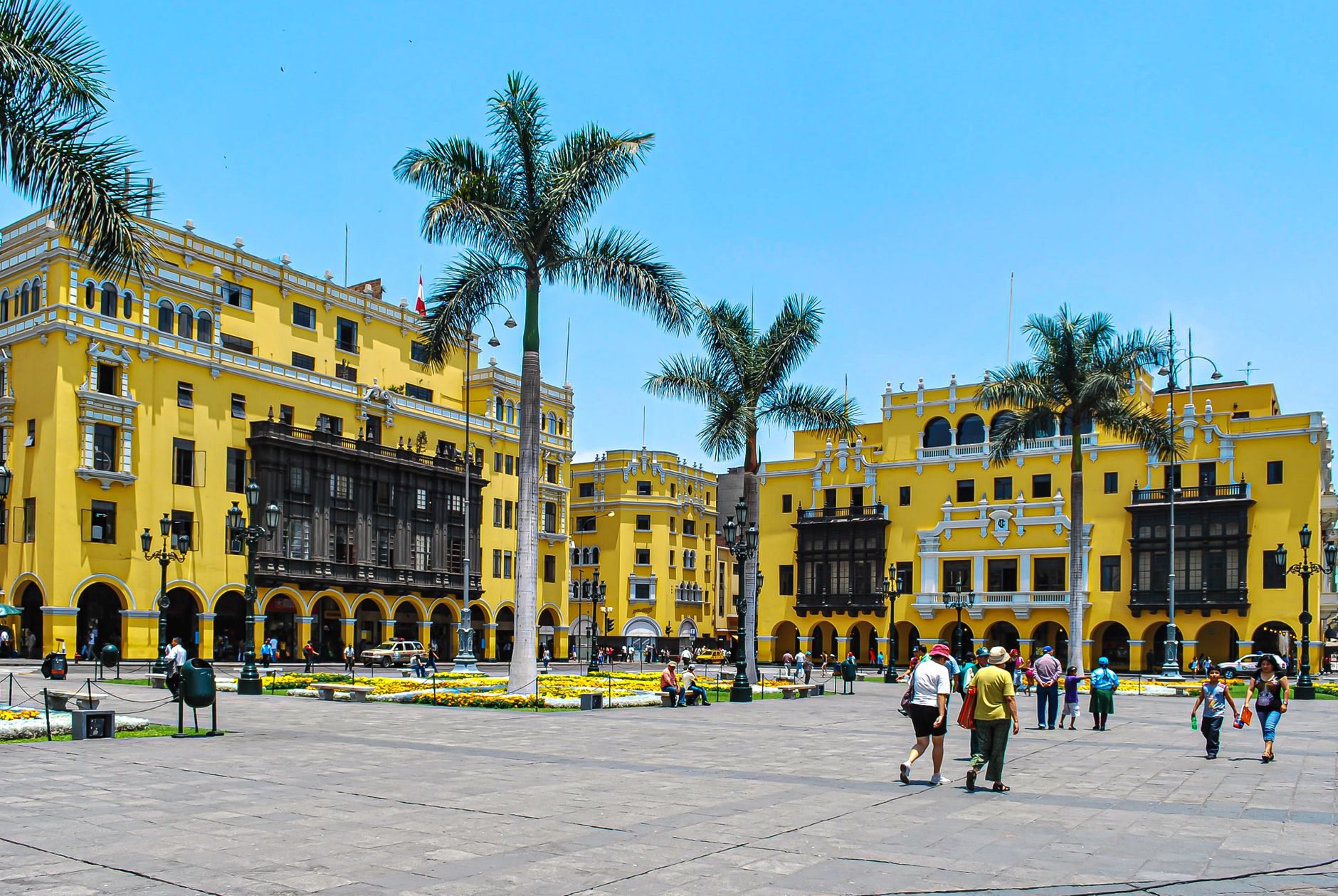
- Centro Histórico — Best for daytime sightseeing: Close to Plaza Mayor, Cathedral and government buildings. Stay here only if you value being on-site for early-morning sightseeing; move back to Miraflores or Barranco for evenings.
- Callao / Near Airport — Best for early flights or cruise connections: Consider if you have an early international departure or cruise; otherwise noisy and less pedestrian-friendly for sightseeing.
Booking tips:
– Reserve weekends and national holidays early (Fiestas Patrias in late July, Easter week).
– Shoulder months with fewer tourists: April–May and September–November. Expect garúa (coastal mist) in winter (May–November).
– Choose small, family-run hotels or locally owned restaurants to keep tourism dollars local.

Local Context
Lima is a coastal desert city with a dense urban footprint and significant congestion during weekday mornings and evenings. Weather patterns matter: December–March are warm and sunny; May–November brings cooler temperatures and a gray mist called garúa that rarely produces heavy rain but can affect rooftop pool plans.
Transport realities:
– Jorge Chávez Airport is in Callao; typical drive to Miraflores or San Isidro is 30–60 minutes depending on traffic.
– Use ride-hailing apps (Uber, Cabify, Beat) for safer, predictable fares. Avoid hailing street taxis after dark.
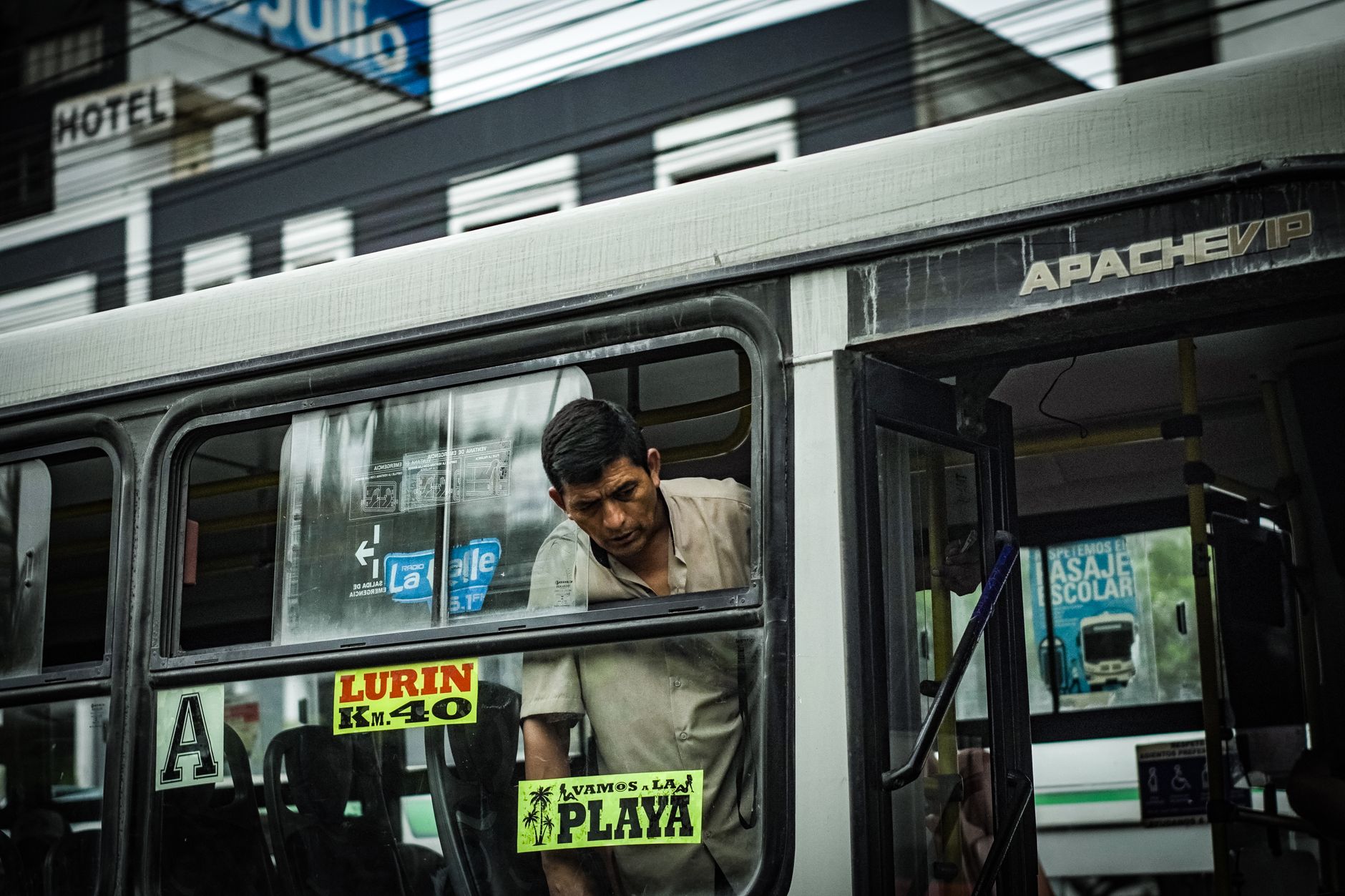
– The Metropolitano BRT and Línea 1 metro provide fast options along certain corridors but have limited coverage for tourists; buses are crowded at peak times.
Neighborhood notes:
– Miraflores: tourist infrastructure, coastal parks, plenty of restaurants and tour desks.
– Barranco: narrow streets and nightlife — quieter in the morning, lively at night.
– San Isidro: business district with parks and better long-term apartment options.
– Centro Histórico: high concentration of colonial sites but busier and louder; pick a hotel on a quieter adjacent block if you stay here.
How to Choose Well
Match neighborhood to trip goals:
- Food-focused trip: Base in Miraflores for access to restaurants, markets and cooking classes. Venture to Barranco for small chefs and bars.
- History and museums: Split time between Centro Histórico (for early museums) and Miraflores (for evenings). Visit the Larco Museum in Pueblo Libre if you prefer a quieter museum experience.
- Short stay with limited time: Choose Miraflores to minimize travel time to common highlights in the 3-day itinerary.
- Budget travel: Look for family-run guesthouses and hostels in Miraflores or Centro Histórico, and book refundable options if plans change.
Practical checklist when booking:
– Confirm distance and typical travel time to the sites on your 3-day plan.
– Check cancellation policies for potential flight delays or bus/overnight connections to Cusco or Arequipa.
– Prefer properties with locally sourced breakfast and staff who can recommend neighborhood businesses.
Responsible and Local-First Tips
Spend locally and minimize impact:
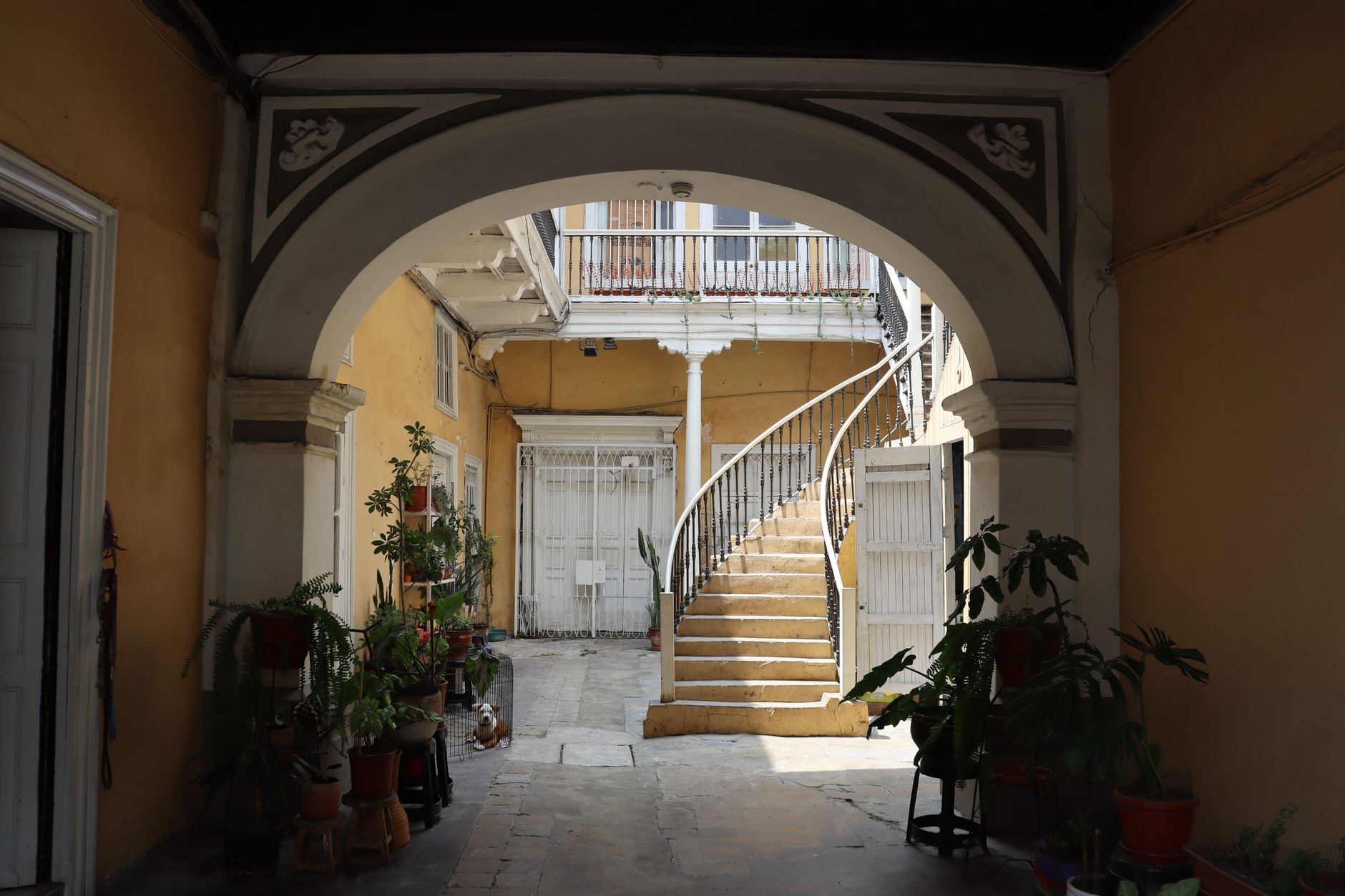
- Choose locally owned guesthouses, family-run hotels and neighborhood restaurants rather than global chains.
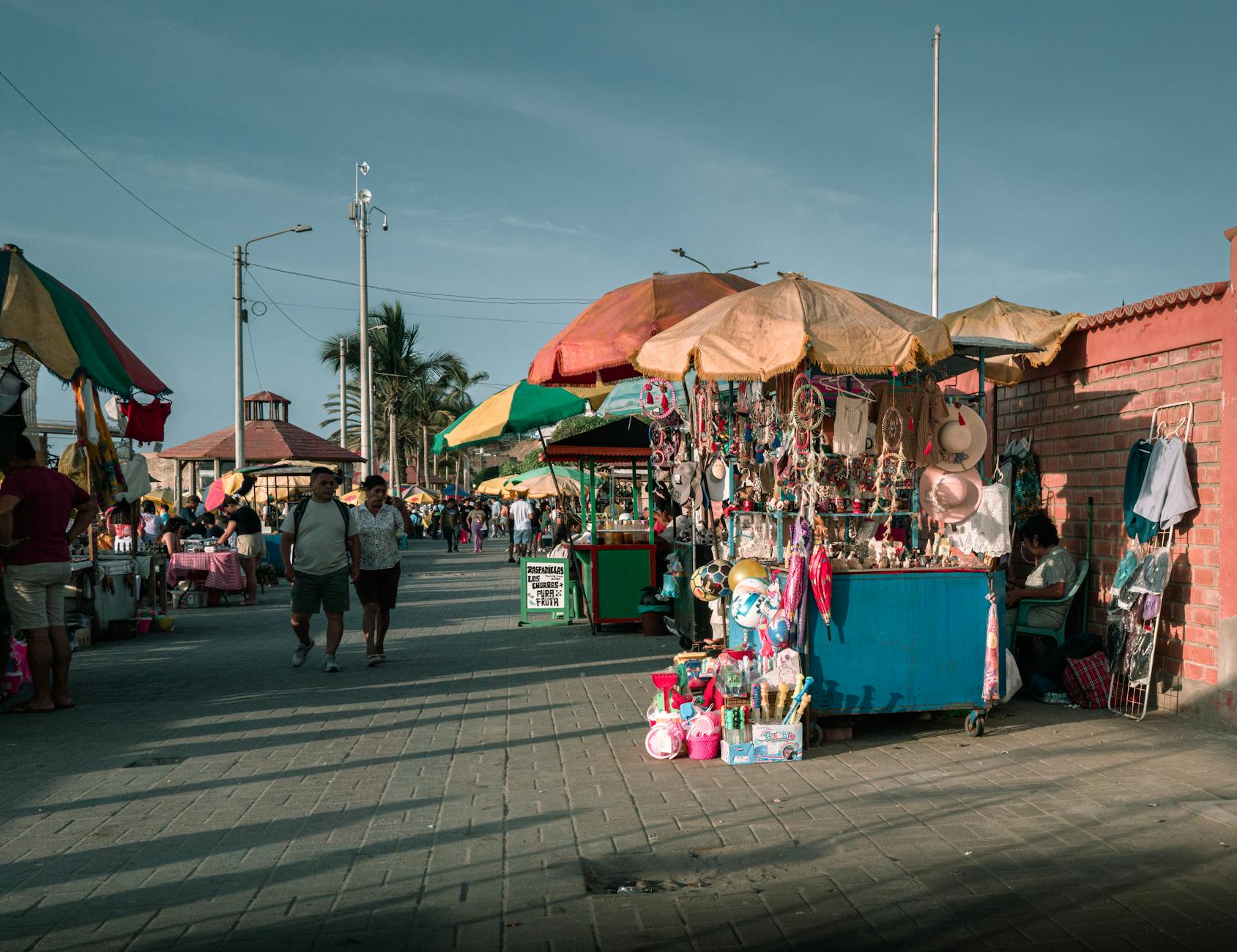
- Eat at community markets and fondas (comedor neighborhood restaurants) to support micro-enterprises and taste authentic food.
- Walk the malecón and use public spaces respectfully: keep noise down in residential blocks, carry a reusable water bottle, and take your litter with you.
- Use public transit or rideshares instead of private tours for short hops; for longer excursions, select operators who use local guides and fair labor practices.
- Avoid activities that exploit animals. If you want a wildlife experience, research accredited operators who follow conservation guidelines.
- Offset your stay by choosing properties with sustainable practices (water-saving measures, local hiring) and ask hosts about local community initiatives.

Common Mistakes to Avoid
Common pitfalls and how to avoid them:
- Assuming Lima is always sunny: pack layers and expect the garúa mist in winter months (May–November).
- Staying in Centro Histórico for nightlife: many hotels are near noisy streets and plazas — plan to move to Miraflores or Barranco for evenings.
- Hailing unmetered taxis off the street at night: use apps or call a hotel to arrange transport.
- Overbooking activities without factoring in traffic: leave buffer time between tours and flights, especially when traveling to Jorge Chávez Airport.
- Expecting easy intercity connections without planning: book flights or long-distance buses early for peak windows and check luggage policies for flights to Cusco, Arequipa or Iquitos.
- Ignoring local etiquette: greet shopkeepers and hosts with a polite buenos días/tardes, and ask permission before photographing people in markets.
FAQ
Which neighborhood is safest for solo travelers?
Miraflores and San Isidro are generally the safest and most tourist-friendly. Use ride-hailing apps at night and stick to well-lit streets.
Is it better to split my stay between neighborhoods?
Yes. A split stay (e.g., Miraflores for two nights and Barranco for one) reduces transit time and lets you experience different vibes in line with the 3 days in Lima itinerary.
How far is Miraflores from Jorge Chávez Airport and how much time should I allow?
Typical travel time is 30–60 minutes depending on traffic. Allow at least 90–120 minutes for transfers during weekday rush hours.
Are there eco-friendly hotels in Lima?
Yes. Search for small hotels that advertise water-saving measures, local hiring, and partnerships with community initiatives. Guest reviews often note sustainable practices.
Can I use the metro and buses to reach tourist sites?
The metro (Línea 1) and Metropolitano are useful for certain routes but coverage is limited for some tourist spots. Combine them with short rideshares or walking for last-mile access.
I’m heading to Cusco after Lima; where should I stay for an easy transfer to the airport?
Miraflores or San Isidro are convenient for early flights because they offer predictable travel times to Jorge Chávez and have many prearranged airport shuttle services.
Conclusion
Choose Miraflores for a balanced, low-friction base that aligns with a 3-day Lima plan. Add Barranco if you want culture and nightlife, or San Isidro for quiet, business-friendly stays. Book early for holidays, favor locally run accommodations and eateries, and plan extra travel time for the city’s traffic when connecting to the airport or onward destinations like Cusco, Arequipa, Trujillo, Puno or Iquitos. For detailed day-by-day plans, see the companion 3 days in Lima guide to match neighborhoods to each day’s route.
How this guide was prepared
This guide was prepared through a structured research that combines destination research, geographic context, itinerary planning logic, and content review.