
3 Days in Dhaka: A Practical Itinerary
A practical 3-day Dhaka itinerary: Old Dhaka heritage, riverside launches, top museums, food streets and transit tips for a memorable weekend in the…
This three-day guide balances Old Dhaka’s historic lanes and riverfront with modern parks, museums and a deep dive into the city's legendary street food and markets.
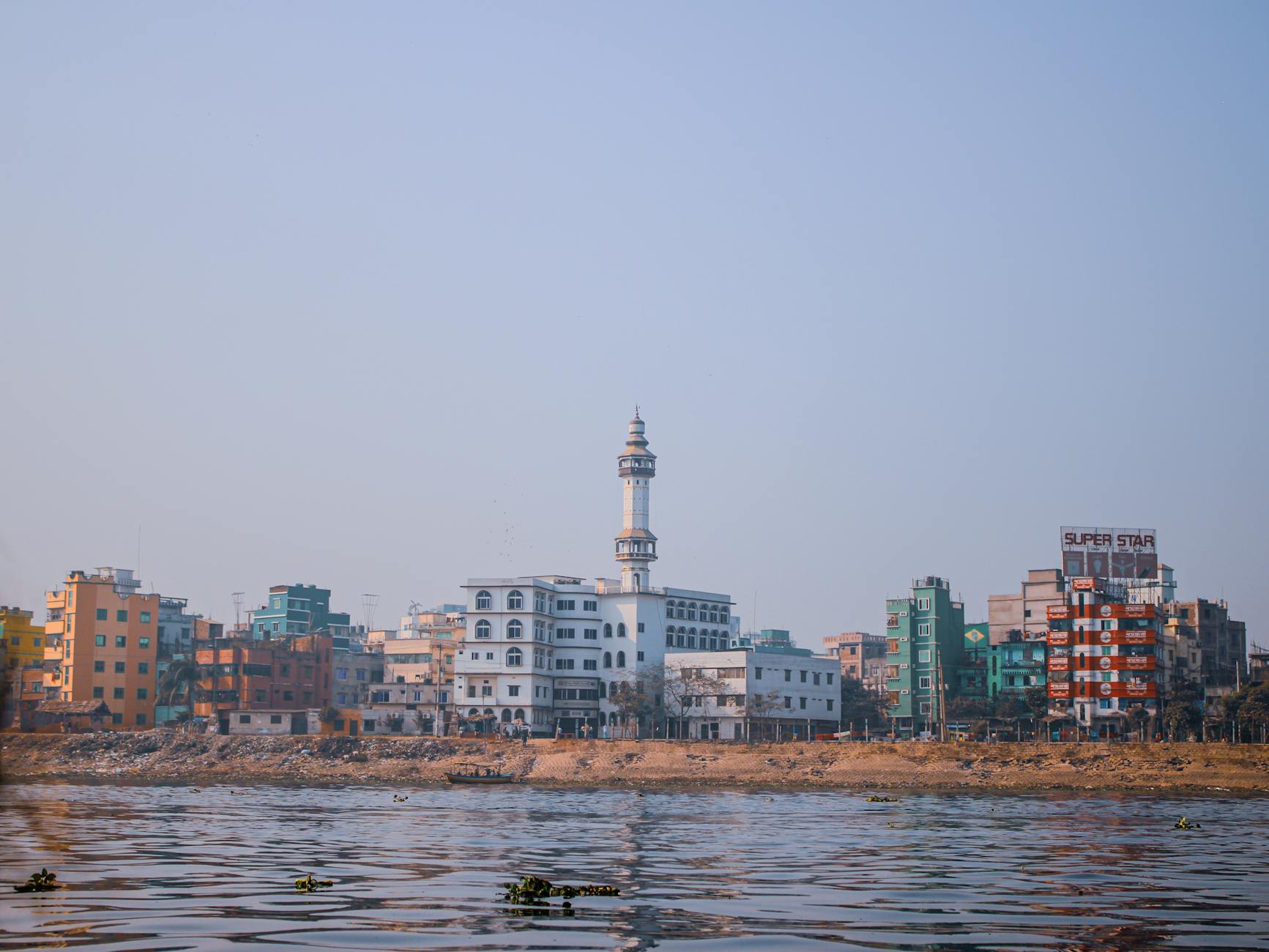
Dhaka is a dense, energetic capital where centuries-old lanes, river life and rapid modern growth collide. It suits travelers who love lively markets, bold street food, history woven into everyday life and short urban adventures rather than quiet retreats. Three days works well because you can cover Old Dhaka’s monuments and Sadarghat riverfront, visit the main museums and parks, sample signature dishes across neighborhoods, and still fit a relaxed launch or boat ride without rushing. This guide lays out a compact, walkable plan with neighborhood focuses—Old Dhaka for history and food, Gulshan/Banani for modern conveniences, and Motijheel/Ramna for civic landmarks and green space.
Quick Answer
This three-day guide balances Old Dhaka’s historic lanes and riverfront with modern parks, museums and a deep dive into the city's legendary street food and markets.
Who This Guide Is For
This guide is best for first-time visitors, couples, solo travelers, and anyone planning 3-day city break, culture trip, food and markets in Dhaka with a balance of highlights, local character, and reasonable spending.
How This Guide Was Prepared
This guide was prepared through a structured editorial workflow that combines destination research, geographic context, itinerary planning logic, and practical travel review.
Plan Your Stay in Dhaka
Use this itinerary as your starting point, then compare areas to stay, transport options, seasonal timing, and realistic daily costs before booking.
Why Visit
The capital blends Mughal-era monuments, colonial architecture and vibrant Muslim and Hindu community life. Markets here are theatrical: every spice stall, fish monger and sweet shop is part of the fabric. Culture comes alive in small museums, public monuments and river launches. If you like intense, sensory cities with strong culinary traditions and photogenic urban rhythms, this is a rewarding short break. The proximity to regional hubs like Kolkata and Varanasi also makes it a logical stop on a broader South Asia route.
Quick Planning Tips
Aim for November–February for the driest, most comfortable weather. Book a hotel in Gulshan, Banani or Dhanmondi for easier dining and transit, or an Old Dhaka guesthouse if you want immersive mornings. Carry small notes of BDT for markets; bargain politely. Install local ride apps (Pathao or local equivalents) and expect heavy traffic—plan neighborhood visits in one block to avoid long transfers. Bring comfortable walking shoes, lightweight modest layers for religious sites, and a reusable water bottle. Buy a local SIM at the airport for maps and ride bookings.
Day 1
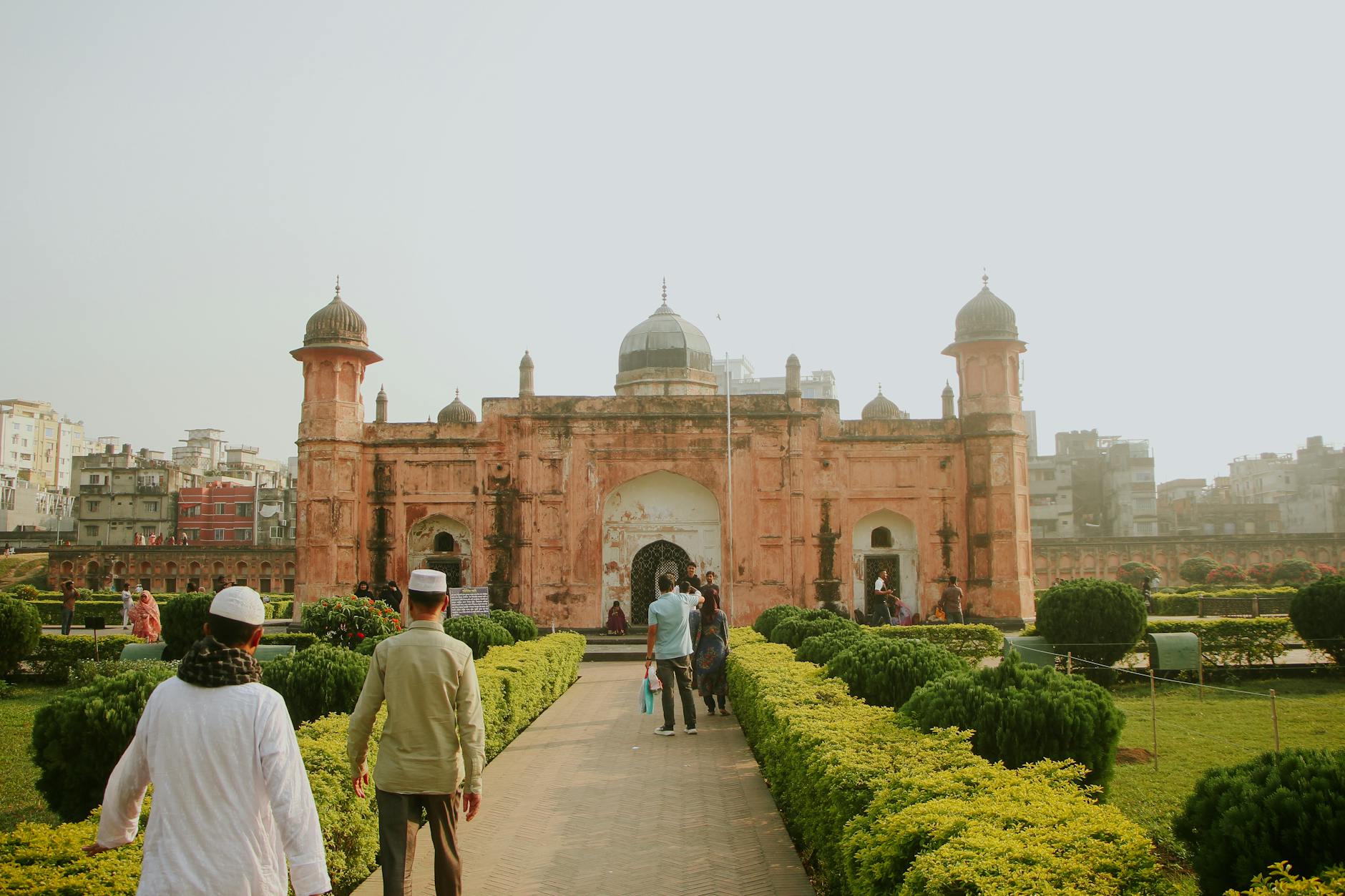
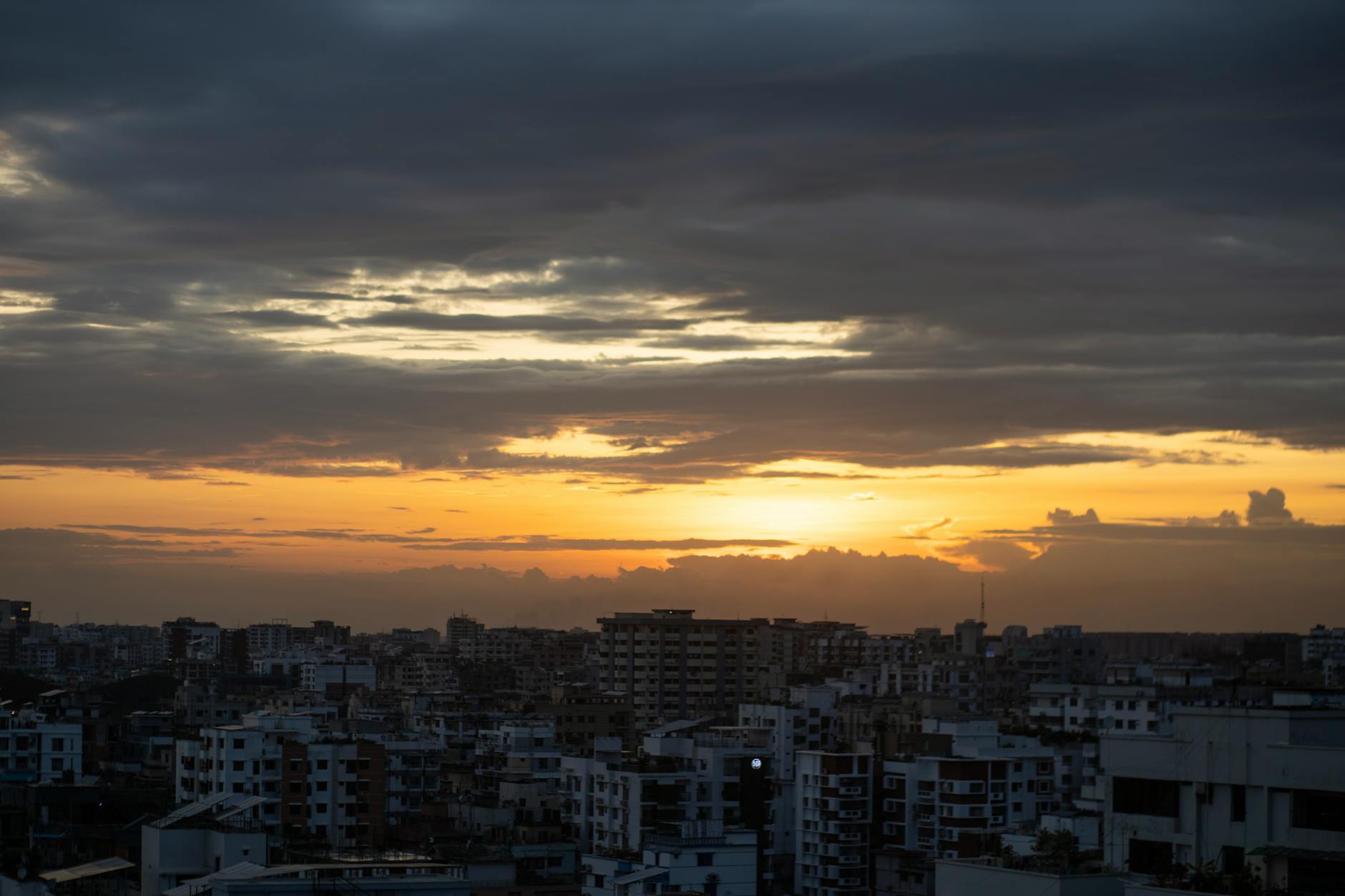
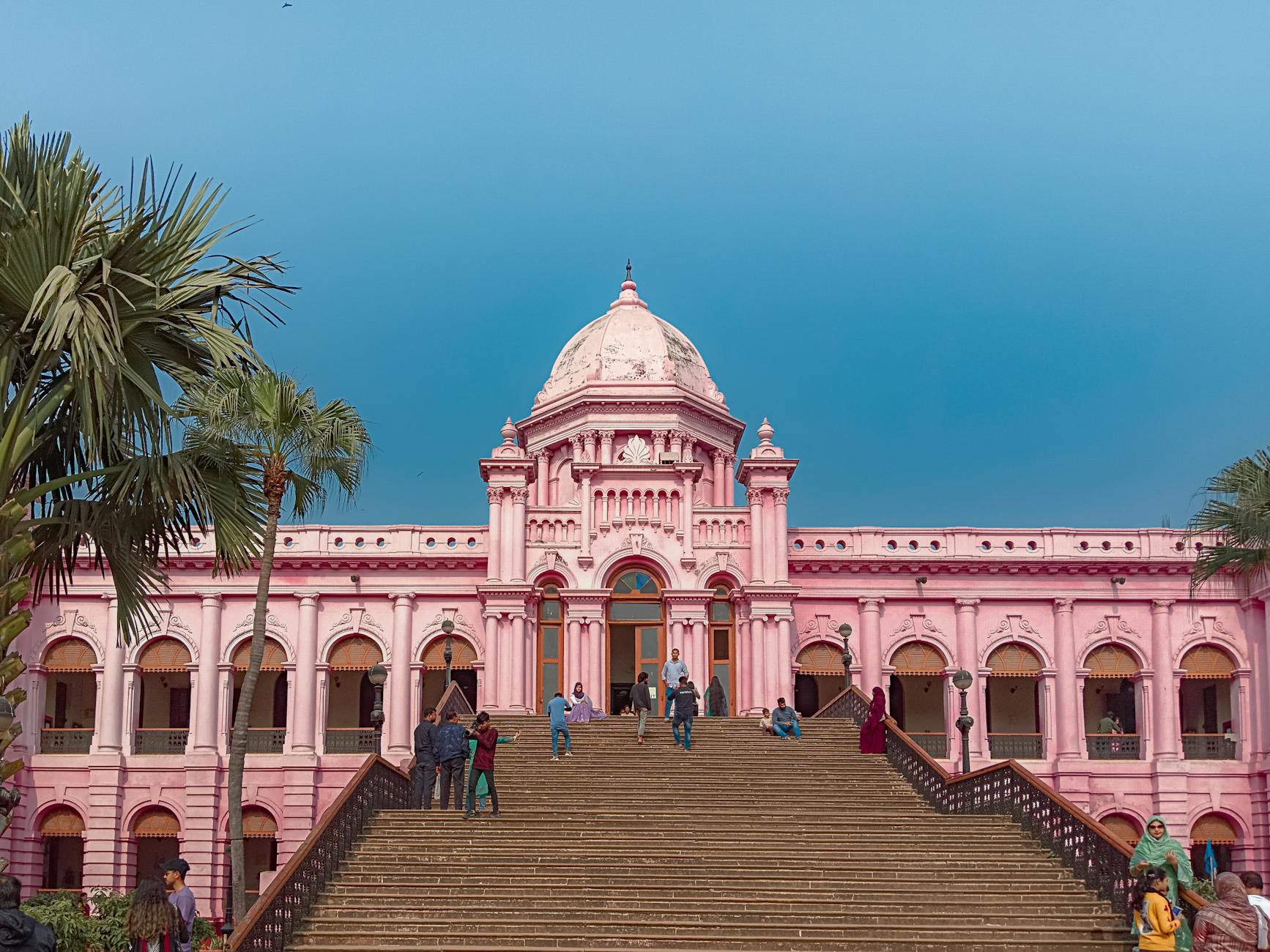
Morning: Start in Old Dhaka. Visit Lalbagh Fort and then Ahsan Manzil along the Buriganga river. Wander the narrow lanes around Shankharibazar and spot the Star Mosque. Midday: Eat a classic kacchi biryani or slow-cooked beef at a well-known Old Dhaka restaurant; try local sweets like roshogolla afterward. Afternoon: Walk to the Sadarghat launch terminal and take a short river launch to see the boat traffic and river life. Evening: Return for rooftop views and an early night or a stroll through Chawk Bazaar if an evening market is active.
Transit tips: Use cycle-rickshaws for short hops in Old Dhaka; motorized traffic is intense.
Day 2
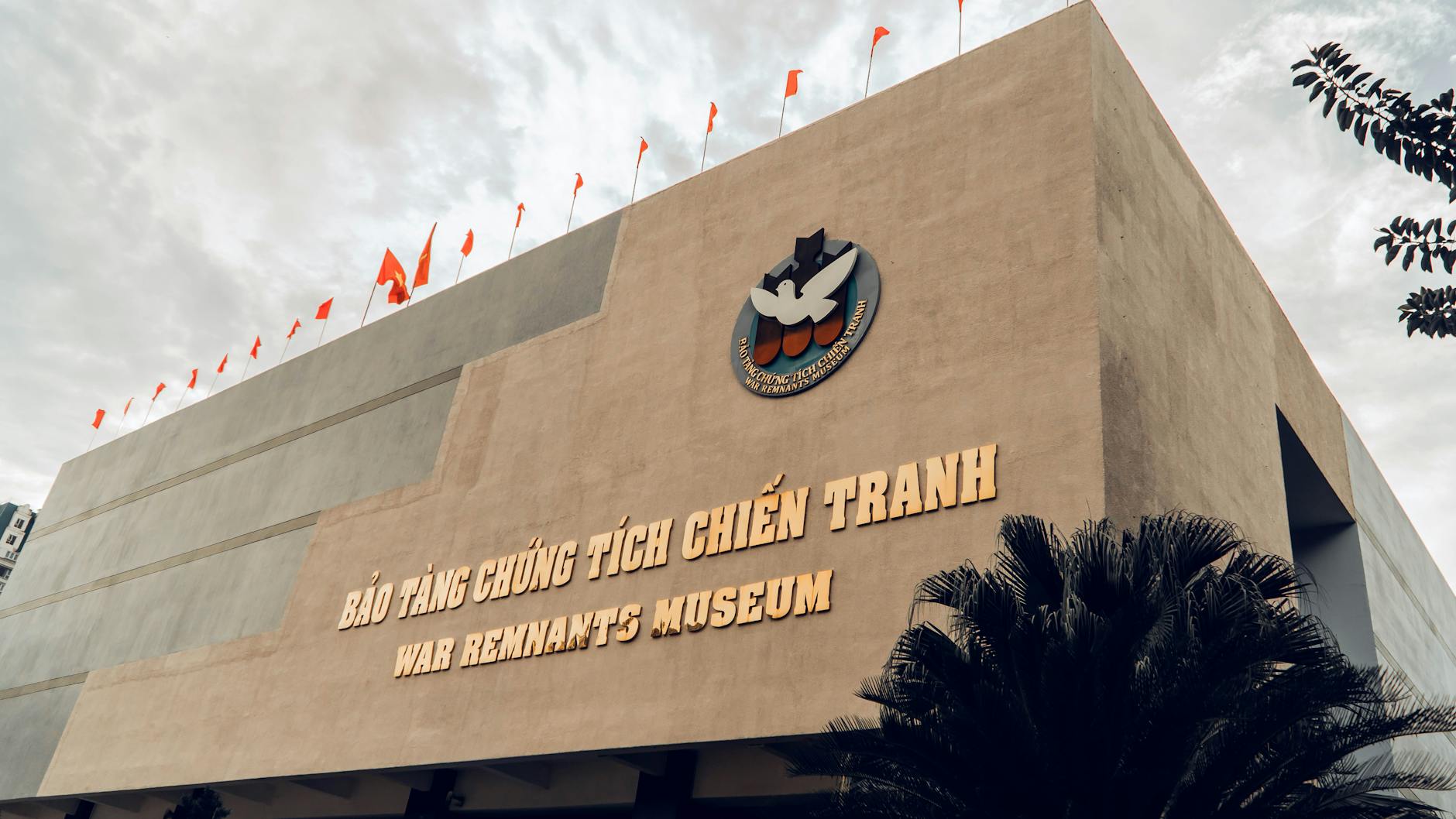
Morning: Head to the civic area—visit the Liberation War Museum and the National Museum to understand modern history. Stop at Shaheed Minar en route. Midday: Lunch in Dhanmondi or Old Elephant Road for cafes and fusion restaurants. Afternoon: Explore Ramna Park for shade and people-watching, then cross to the National Parliament House (view from outside or join an arranged tour). Evening: Experience Hatirjheel at sunset with a walk along the lakeside and lighted bridges.
Transit tips: Use the Metro Rail for a faster cross-city option where available; otherwise book ride-share to save time.
Day 3
Morning: Explore contemporary neighborhoods—Gulshan and Banani—for boutique shops, art galleries and brunch cafés. Visit the Dhakeshwari Temple if open, and nearby markets for handcrafted textiles. Midday: Try a guided food crawl or cooking class focusing on street snacks: fuchka, chotpoti, and jhalmuri. Afternoon: Reserve this time for anything missed—an art museum, a last-minute market run at New Market, or a longer river cruise. Evening: Finish with a memorable dinner at a restaurant overlooking the lake or in a rooftop setting.
Transit tips: Allow extra time for airport transfer, factoring in peak-hour jams.

Best Local Experiences
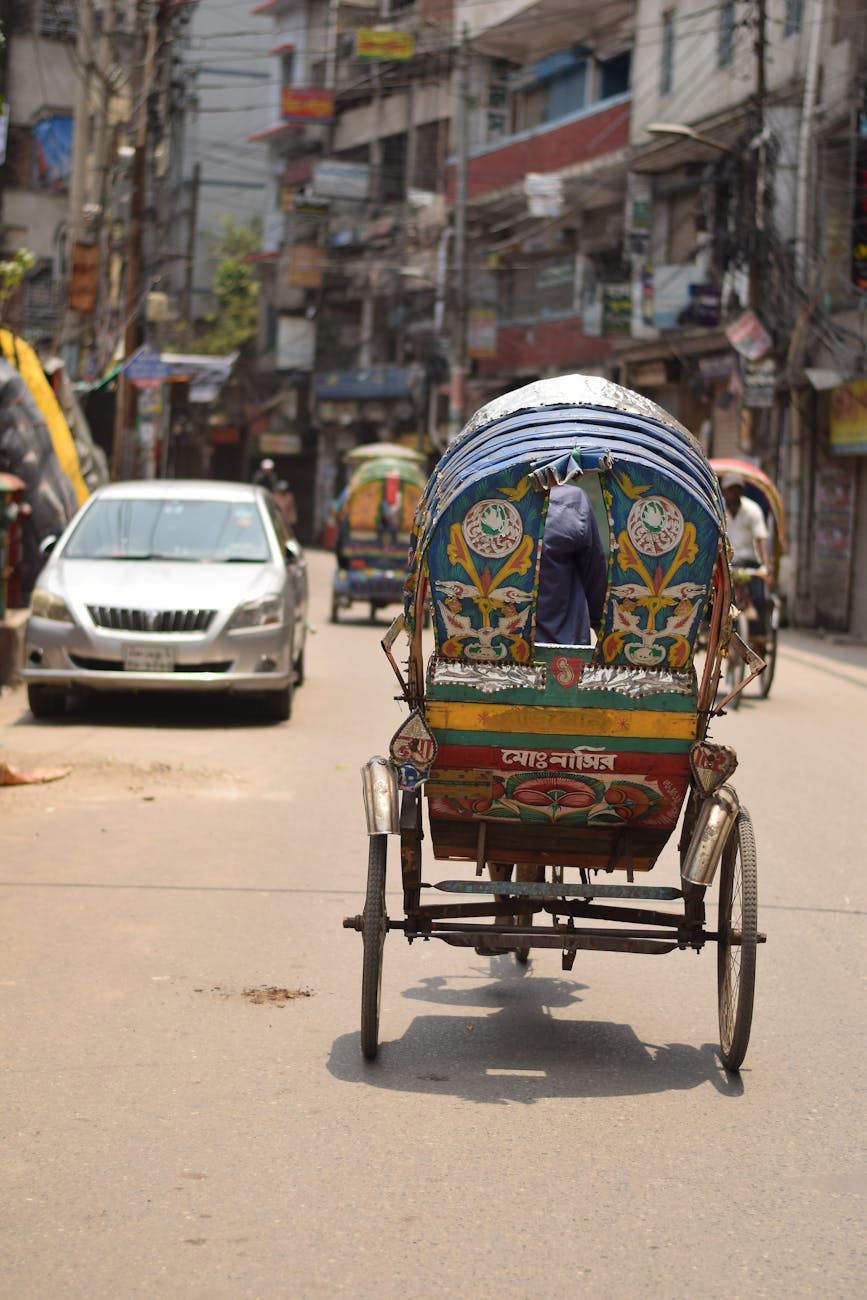
Ride a cycle-rickshaw through Old Dhaka lanes at dawn. Take a Sadarghat launch to watch the river economy in motion. Join a guided street-food walk focused on fuchka, biryani and sweets. Visit a traditional baker or sweet shop in the afternoon for mishti. Attend a short classical music or theater performance if schedules align. Browse textile stalls for jamdani or nakshi kantha pieces—bargain kindly and inspect craftsmanship.
Where to Stay
Gulshan: Best for international hotels, embassies, and lakeside cafés—good for first-time visitors. Banani: Lively dining scene and midrange hotels. Dhanmondi: More residential, calmer evenings and boutique guesthouses. Old Dhaka: For immersive heritage stays and very close proximity to historic sights—expect basic rooms and loud mornings. Choose a base and plan days to minimize cross-city travel; many attractions cluster so you can explore on foot once settled.
Food and Drink
Street food is central: try fuchka (local pani puri), chotpoti, jhalmuri and regional biryani varieties. Visit Chawk Bazaar for fast evening snacks and New Market for sweets and paan. For sit-down meals, explore Banani and Gulshan’s fusion and international restaurants. Sample mishti doi and chomchom at heritage sweet shops. Drink bottled water, enjoy roadside tea stalls for a quick chai, and avoid raw salads from uncertain vendors. Look for popular, busy stalls—turnover is a good sign of freshness.
Getting Around
Expect heavy traffic; cluster activities by neighborhood. Use cycle-rickshaws and CNG auto-rickshaws for short distances in older areas. Ride-share apps and local taxis handle longer trips—download Pathao or other local apps and top up with a local SIM. The Metro Rail (Line 6) connects parts of the city and saves time if your itinerary aligns. For river views and traffic-free sightseeing, take a launch from Sadarghat. Always allow buffer time for airport transfers.
Best Time to Visit
Peak season: November to February—cooler, dry and comfortable for walking. April brings Pohela Boishakh (Bengali New Year) with vibrant city-wide celebrations if you want a festival experience. Monsoon (June–September) brings heavy rains and humidity, which can disrupt river travel. Avoid Eid holidays unless you want to experience local celebrations and book many weeks ahead for hotels and transport.
Budget and Practical Tips
Currency: Bangladeshi Taka (BDT). Bargain in markets but pay fixed prices in museums and restaurants. ATMs are common in commercial neighborhoods; carry small cash for stalls. Tipping is appreciated but not compulsory—round up or give 5–10% in restaurants. Wear modest clothing for religious sites and carry wet wipes for the dust of side streets. Stay hydrated, use sunscreen and avoid peak traffic when possible. Check visa requirements in advance and register travel details with your embassy if advised.
FAQ
Is three days enough to see the highlights?
Yes. With focused planning you can cover Old Dhaka, major museums, Hatirjheel and sample local food in three days.
Is it safe for solo travelers?
Generally yes—exercise normal urban caution, avoid deserted areas after dark, and keep valuables secure.
What local transport should I use?
Use cycle-rickshaws for short hops, ride-share apps for longer trips, and the Metro Rail where available.
Do I need vaccinations or health precautions?
Check routine vaccinations and consider hepatitis A; drink bottled water and avoid raw street salads from uncertain vendors.
Can I use credit cards widely?
Major hotels and restaurants accept cards; smaller stalls and many markets are cash-only.
Is English widely spoken?
English is common in hotels, tourist sites and educated neighborhoods; carry address names in Bengali for drivers.
Conclusion
Three days offers a satisfying introduction to the capital’s history, food and river life without trying to see everything. Focus on Old Dhaka for texture, the civic area for museums and monuments, and a modern neighborhood for good dining and comforts. Book strategically, use local apps to beat traffic, and leave room for spontaneous market discoveries. With this compact plan you’ll return with strong photos, full plates and a real sense of why the city is such a compelling, energetic stop in South Asia.
How this guide was prepared
This guide was prepared through a structured research that combines destination research, geographic context, itinerary planning logic, and content review.