
3 Days in Saint-Malo: A Practical Weekend Itinerary
Historic ramparts, sandy beaches and Breton seafood—your 3-day Saint-Malo itinerary for a perfect weekend break with clear transit and tide tips.
A compact, coastal 72-hour plan for exploring ramparts, tidal islands, markets and fresh seafood in Saint-Malo.
Seaside, compact and storied, Saint-Malo is a walled Breton port where granite ramparts, tidal islands and wide sandy beaches shape a dramatic coastal town. It suits history lovers, food-focused travelers who want fresh seafood and crepes, active walkers who enjoy tidal routes and families seeking a safe beach, plus anyone who appreciates short, intense cultural breaks. Three days works well because the old town, main museums and ramparts can be explored in a day, the coast and tidal islands take another, and a relaxed day allows for a market visit, a fortified fort, and a half-day trip to nearby Rennes or Mont Saint-Michel. This guide gives a practical 72-hour plan.
You’ll find step-by-step days, realistic transit tips and local flavors—crepes, oysters, Breton cider—plus where to watch tides and where to sleep. Expect lots of walking on cobbles and a few ferry or train options for short day trips.
Quick Answer
A compact, coastal 72-hour plan for exploring ramparts, tidal islands, markets and fresh seafood in Saint-Malo.
Who This Guide Is For
This guide is best for first-time visitors, couples, solo travelers, and anyone planning 3-day city break, weekend break, coastal escape in Saint-Malo with a balance of highlights, local character, and reasonable spending.
How This Guide Was Prepared
This guide was prepared through a structured editorial workflow that combines destination research, geographic context, itinerary planning logic, and practical travel review.
Plan Your Stay in Saint-Malo
Use this itinerary as your starting point, then compare areas to stay, transport options, seasonal timing, and realistic daily costs before booking.
Why Visit
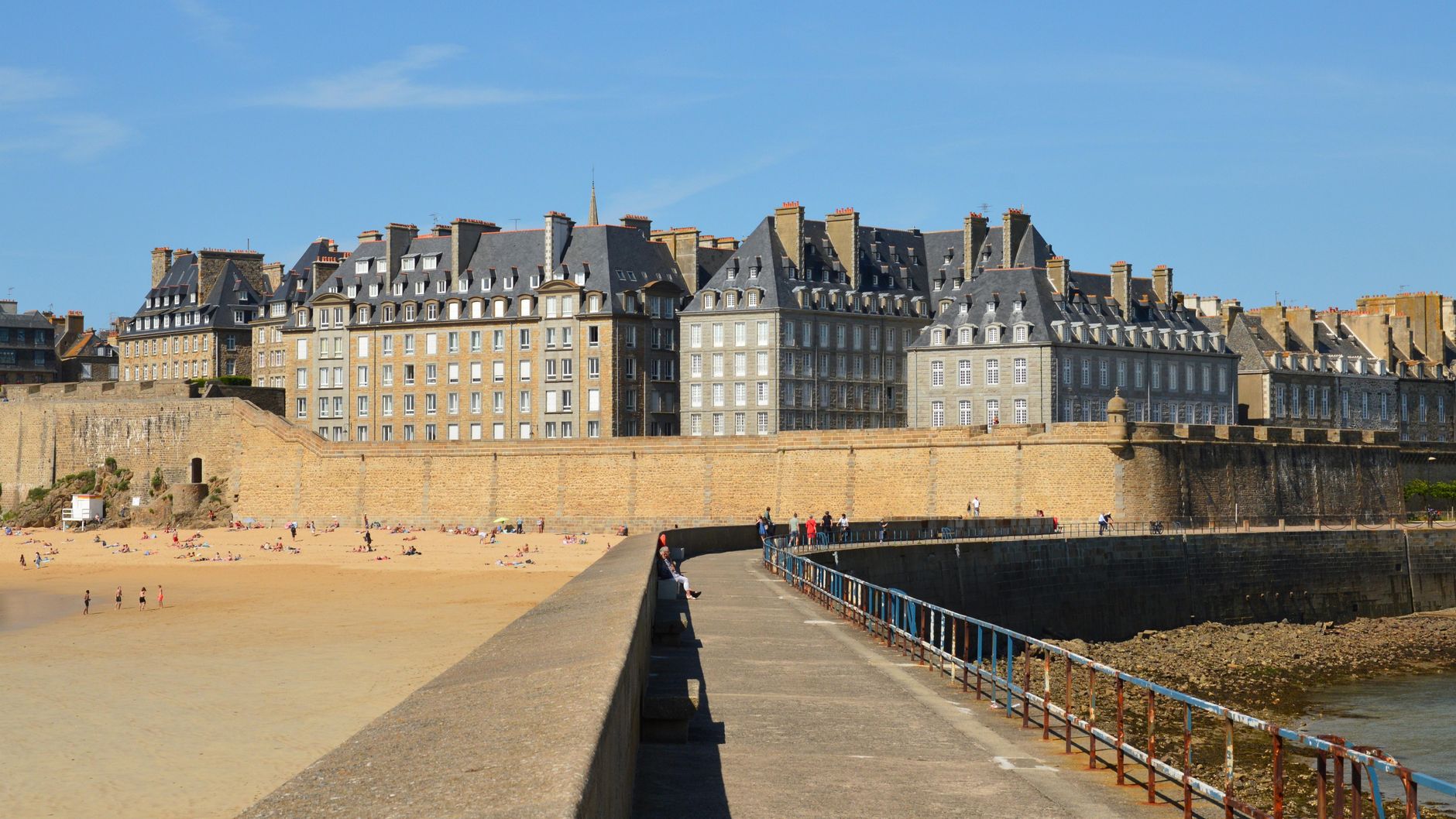
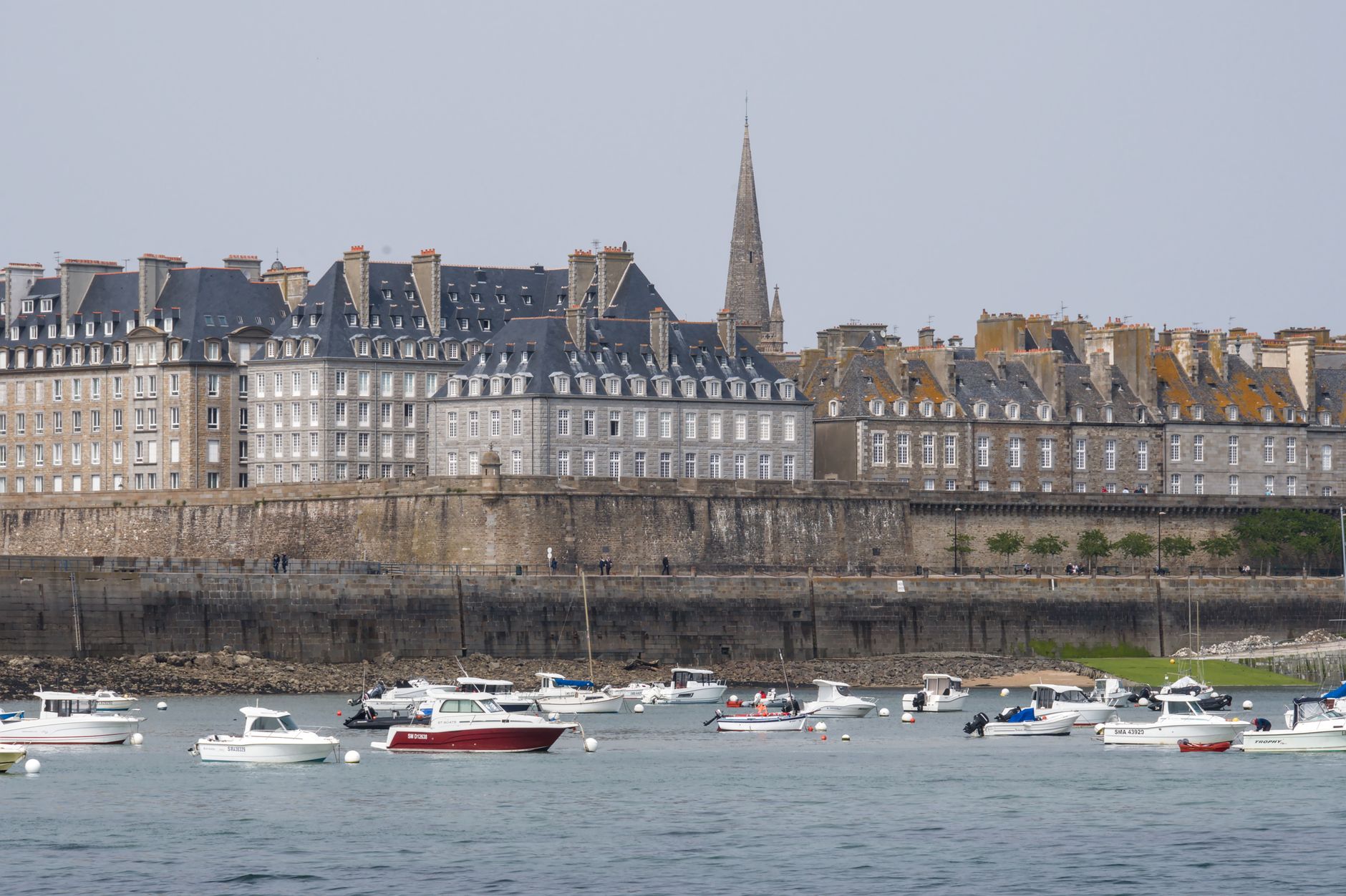
A dramatic coastline, intimate medieval streets and a maritime culture make this a memorable Breton stop. The town combines fortress architecture with a lively harborfront, markets and seafood stalls.
Highlights include walking the ramparts for sea views, visiting tidal islands with historic forts, and sampling oysters and galettes at market stalls or seaside creperies. The compact center means you see a lot without long transfers, ideal for a short break.
Quick Planning Tips
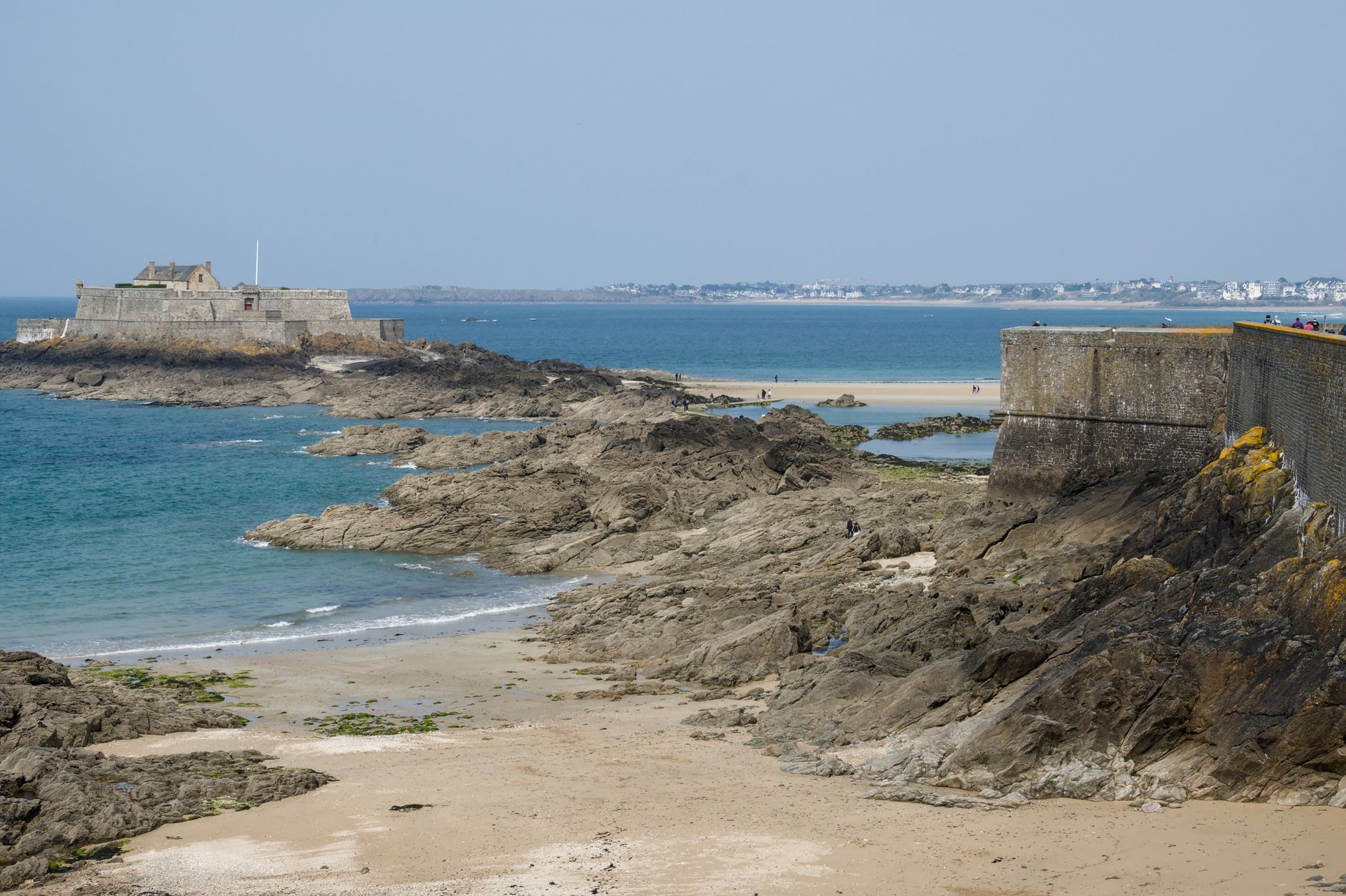
Check tide times—access to Fort National, Grand Bé and Petit Bé depends on low tide. Use the national railway (TER) for quick links to Rennes; trains run several times daily.
Bring layers and waterproofs: weather changes fast on the coast. Book accommodation well in advance for July and August. Carry cash for small market purchases; most places accept cards. English is widely understood in tourist spots, but learning a few French phrases helps.
Day 1
Morning: Start inside the walled Old Town (Intra-Muros). Walk the ramparts from Porte Saint-Vincent, then explore narrow streets and the Cathédrale Saint-Vincent. Stop at a café for a Breton galette.
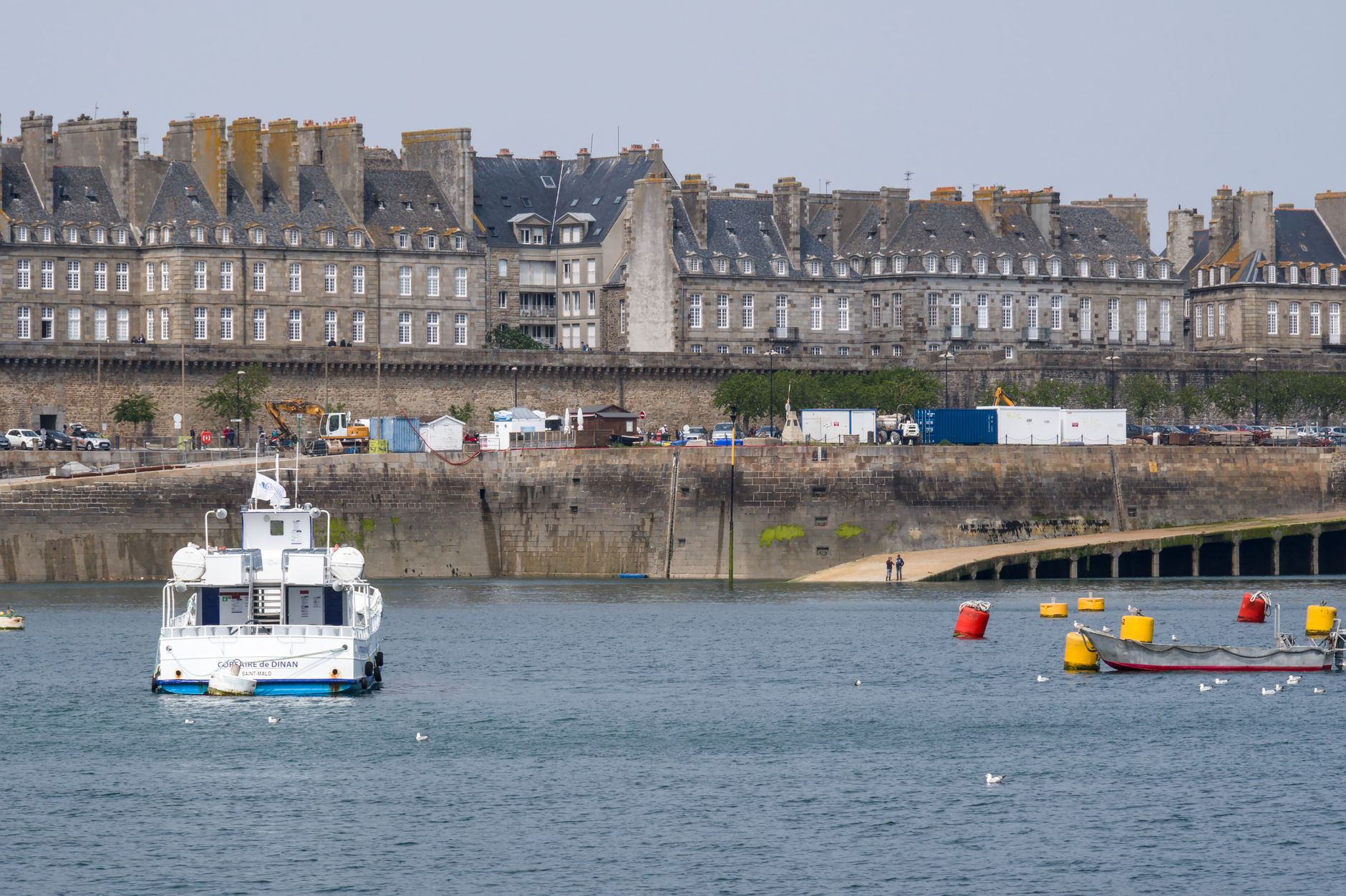
Afternoon: Visit the Musée d'Histoire de la Ville et du Pays Malouin to learn the maritime past. Wander the harbor and arcades along Quai Duguay-Trouin for shops and seafood restaurants.
Evening: Dinner at a creperie or a seafood brasserie. Sunset from the ramparts or Plage du Sillon is stunning; expect crowds in summer.
Day 2
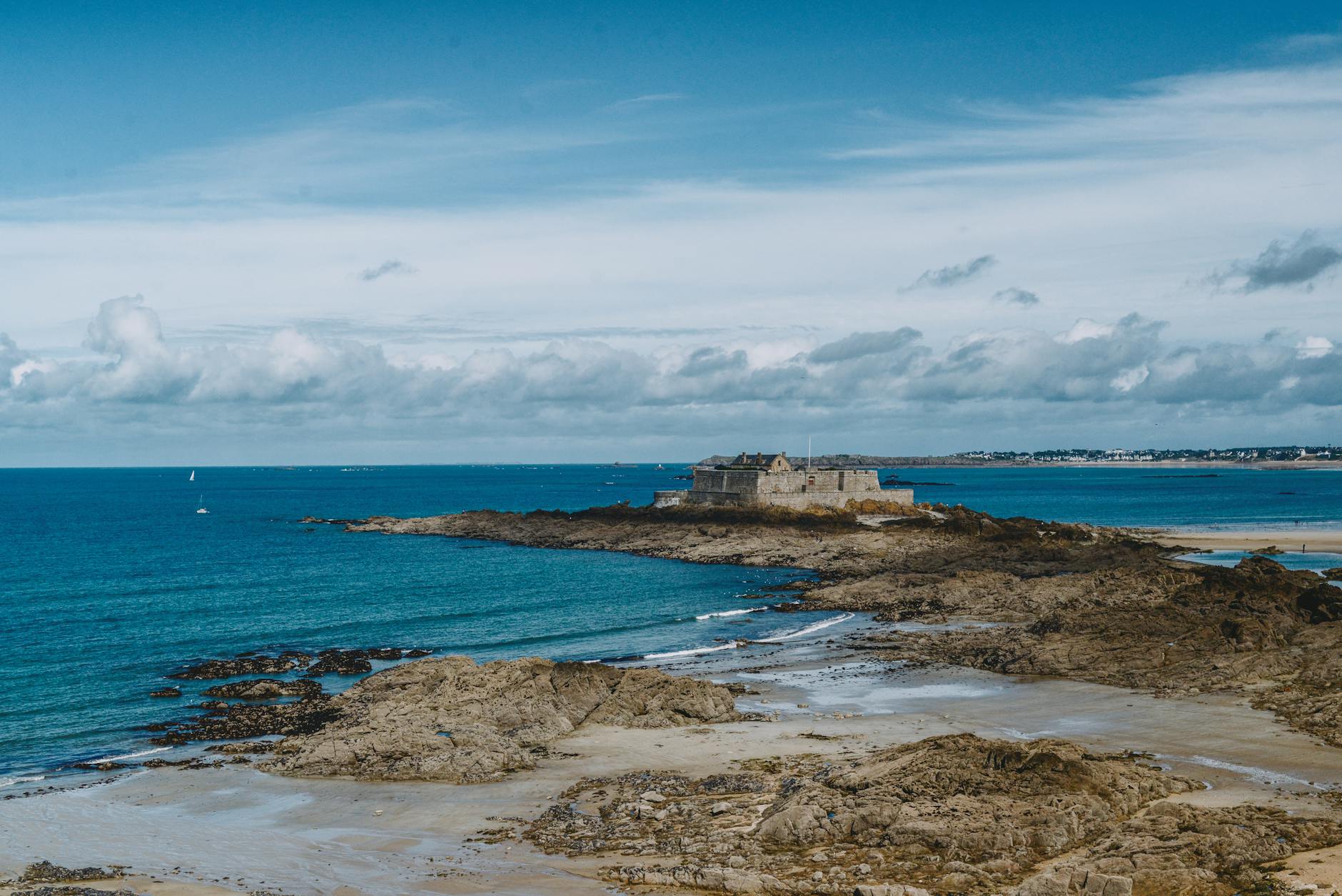
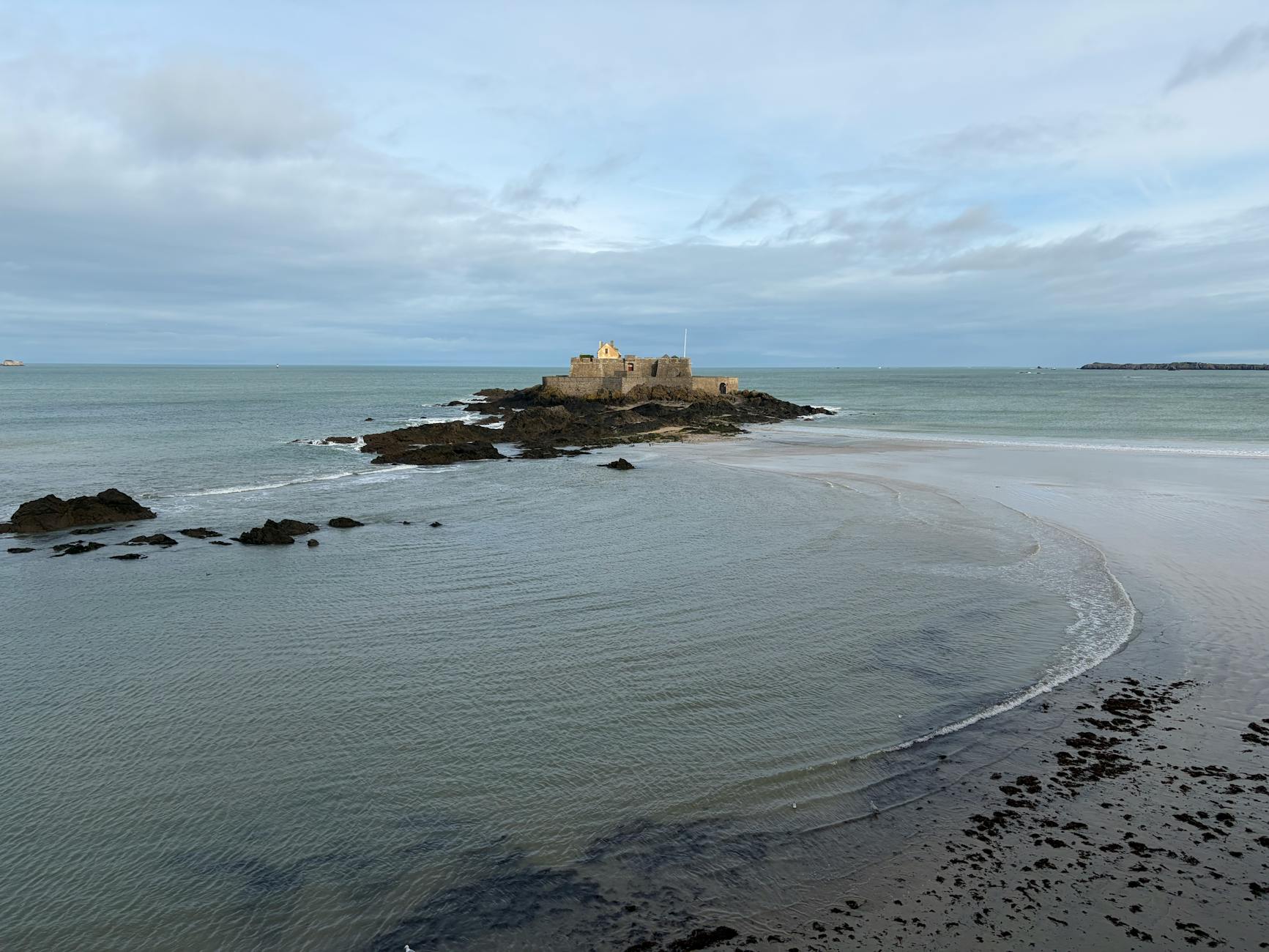
Morning: Walk or time your visit at low tide to reach Fort National, then continue to Grand Bé to see Châteaubriand’s tomb. These tidal walks are iconic and best early.
Afternoon: Cross to Saint-Servan and visit Tour Solidor and its maritime museum. Stroll the waterfront and grab lunch near the port.
Evening: Take a short ferry to Dinard for a different seaside vibe or stay for fresh oysters and cider back in the old town. Nightlife is low-key—focused on relaxed bars and late creperies.
Day 3
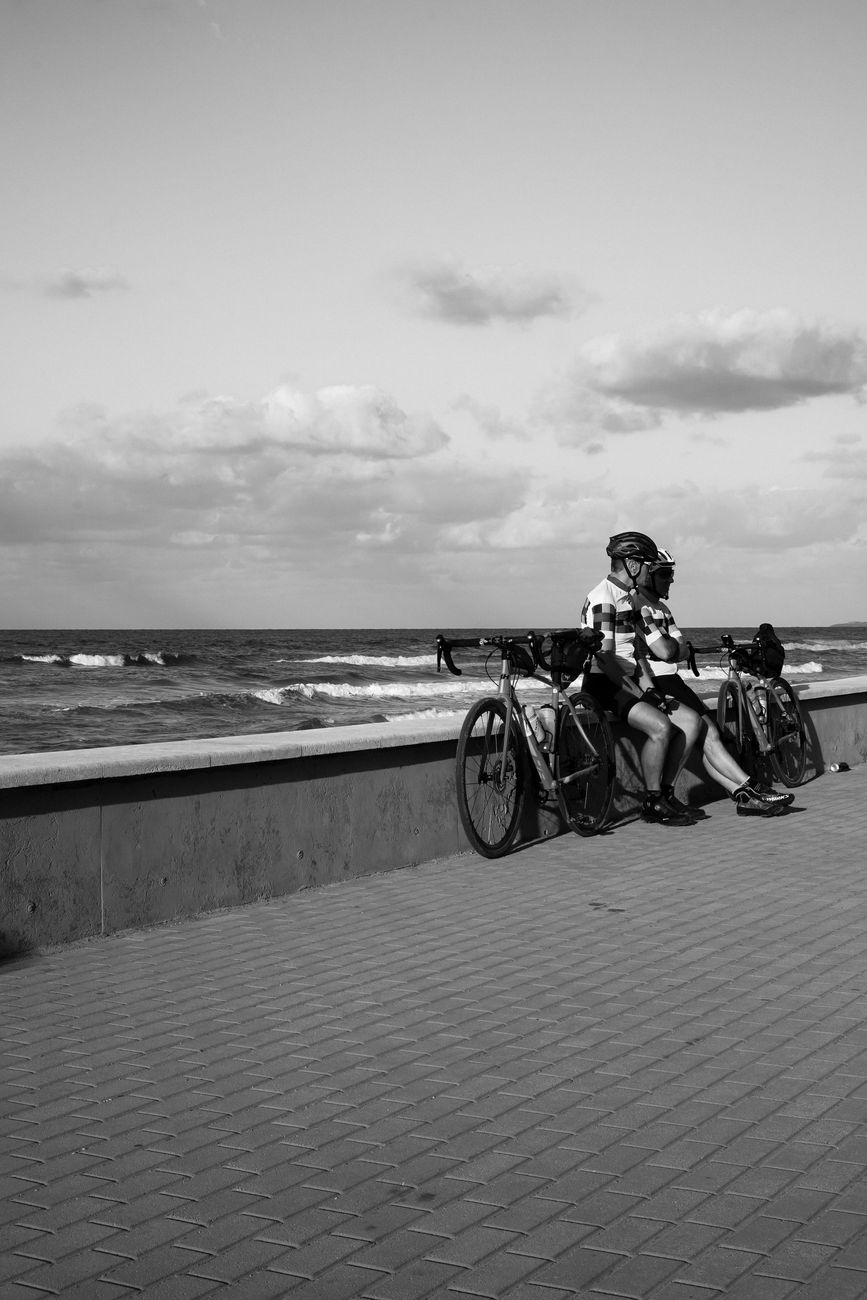
Morning: Visit Plage du Sillon for a long beach walk or rent a bike along the seafront. If markets are open, explore Les Halles for cheese, pastries and seafood.
Afternoon: Choose a half-day trip—train to Rennes for a lively regional capital, or a guided transfer to Mont Saint-Michel. Alternatively, spend the afternoon exploring Petit Bé by boat or relaxing in a seaside café.
Evening: Finish with a tasting menu or a simple plate of moules-frites and Breton cider. Take an evening stroll on the ramparts to close the trip.
Best Local Experiences
Walk the ramparts at sunrise to beat the crowds and see fishing boats return. Time a visit to Fort National and Grand Bé at low tide for dramatic access.
Eat oysters at a harbor stand, try savory and sweet galettes in a family-run creperie, and sample Breton cider from a local bar. For history, visit the maritime museum and the Demeure de Corsaire to see how privateers lived.
If you enjoy day trips, a train ride to Rennes or a guided tour to Mont Saint-Michel adds regional context and variety.
Where to Stay
Intra-Muros puts you in the heart of sights, restaurants and evening atmosphere—perfect for short stays and walking access to ramparts. Expect higher prices and limited parking.
Saint-Servan and the Sillon area offer quieter options with good sea views and easier parking, ideal for families and drivers. Look for hotels with tide-aware check-in info if you plan early morning island walks.
Book early for summer; consider a guesthouse or small hotel for local charm and breakfast options.
Food and Drink
Start days with coffee and a kouign-amann or pain au chocolat. For lunch choose a market stall or casual seafood shack—oysters and moules are regional highlights.
Dine at a creperie for galettes (savory buckwheat pancakes) and sweet crêpes with salted butter caramel. Pair meals with local cider or a Breton craft beer. For a special meal, book a seafood brasserie with views of the harbor.
Don’t miss morning markets for fresh shellfish and artisan products to take home.
Getting Around
The old town is best on foot—cobblestones and narrow lanes limit car access. Ramparts and most sites are walkable within 20–30 minutes.
Local buses connect neighborhoods; the TER train links to Rennes in about an hour. Ferries run between the harbor and nearby Dinard. Rent a car for flexible day trips to Mont Saint-Michel or the wider Brittany coast.
Always check tide times if walking to tidal islands or accessing seaside forts—access windows are limited and clearly posted.
Best Time to Visit
Late spring to early autumn (May–September) offers the warmest weather and open tourist services. July and August bring crowds and higher prices but long summer evenings.
Shoulder seasons—April to June and September—balance milder weather with fewer visitors. Winter has dramatic skies and lower prices; some attractions and restaurants may have limited hours.
Whatever season, check tides and local opening hours before planning island walks or specific visits.
Budget and Practical Tips
Currency is the euro; most places accept cards but carry small cash for markets. Expect mid-range prices in tourist areas; creperies and market meals are budget-friendly.
Wear sturdy shoes for cobbles and bring a windproof jacket. Reserve table for dinner on weekends in summer. Note tourist tax may apply to overnight stays and hotels often list it separately.
If driving, parking inside Intra-Muros is limited—use public lots outside the walls. Book trains and ferries in advance during peak season.
FAQ
How much time do I need to see the highlights?
Three days covers the walled city, main museums, ramparts and a coastal island visit with time for a half-day trip nearby.
Can I walk to Grand Bé and Fort National?
Yes, both are reachable on foot at low tide. Check local tide tables and avoid venturing at high tide.
Is it easy to day trip to Mont Saint-Michel?
Yes, Mont Saint-Michel is a popular half- or full-day trip by car or guided tour; trains plus buses can also connect you with planning.
Where are the best places to eat local seafood?
Harbor quays and market stalls offer fresh oysters; look for well-reviewed brasseries on Quai Duguay-Trouin and family creperies inside the old town.
Is Saint-Malo family friendly?
Yes—sandy beaches and flat promenades suit families, though watch tides and bring layers for cooler seaside winds.
Conclusion
Three days reveals the best of this fortified Breton port: historic ramparts, tidal islands, lively markets and memorable seafood. The town’s compact layout and good transport links make it ideal for a weekend break that feels full without being rushed. Time your island visits with tide tables, pack a windproof layer, and leave a half-day free for a nearby adventure—Rennes, Dinard or Mont Saint-Michel. Enjoy the mix of sea breeze, granite streets and Breton flavors.
How this guide was prepared
This guide was prepared through a structured research that combines destination research, geographic context, itinerary planning logic, and content review.