
3 Days in Cambridge: A Compact Weekend Itinerary
Three-day Cambridge guide: punting on the Cam, college tours, Fitzwilliam and markets. Practical itinerary, neighborhoods, and transit tips for a perfect…
A focused 3-day plan for seeing the best of Cambridge—colleges, museums, punting, and local food—without feeling rushed.
Cambridge is a compact, elegant city centered on its university colleges, leafy riverside, and lively markets. It suits first-time visitors who want history, architecture and relaxed outdoor time, couples looking for a romantic short break, and curious travelers drawn to museums and academic life. Three days works well because you can cover major colleges and the Fitzwilliam Museum on day one, reserve a day for the river, gardens and local neighborhoods, and use a final half-day for a museum, a punting finale or a short day trip. The scale means you can walk or cycle between highlights and still pause at cafés and markets without hurry.
Quick Answer
A focused 3-day plan for seeing the best of Cambridge—colleges, museums, punting, and local food—without feeling rushed.
Who This Guide Is For
This guide is best for first-time visitors, couples, solo travelers, and anyone planning 3-day city break, weekend break, cultural in Cambridge with a balance of highlights, local character, and reasonable spending.
How This Guide Was Prepared
This guide was prepared through a structured editorial workflow that combines destination research, geographic context, itinerary planning logic, and practical travel review.
Plan Your Stay in Cambridge
Use this itinerary as your starting point, then compare areas to stay, transport options, seasonal timing, and realistic daily costs before booking.
Why Visit
You come for world-class collegiate architecture and a relaxed riverside atmosphere. The city blends centuries-old traditions with independent shops, lively markets and accessible museums.
It’s also ideal for short trips: distances are small, public transport and bike hire make sightseeing efficient, and the river creates natural, scenic routes between sites.
Expect a mix of guided college tours, green spaces, and cafés filled with students and visitors; it’s cultural without feeling crowded like a major metropolis.
Quick Planning Tips
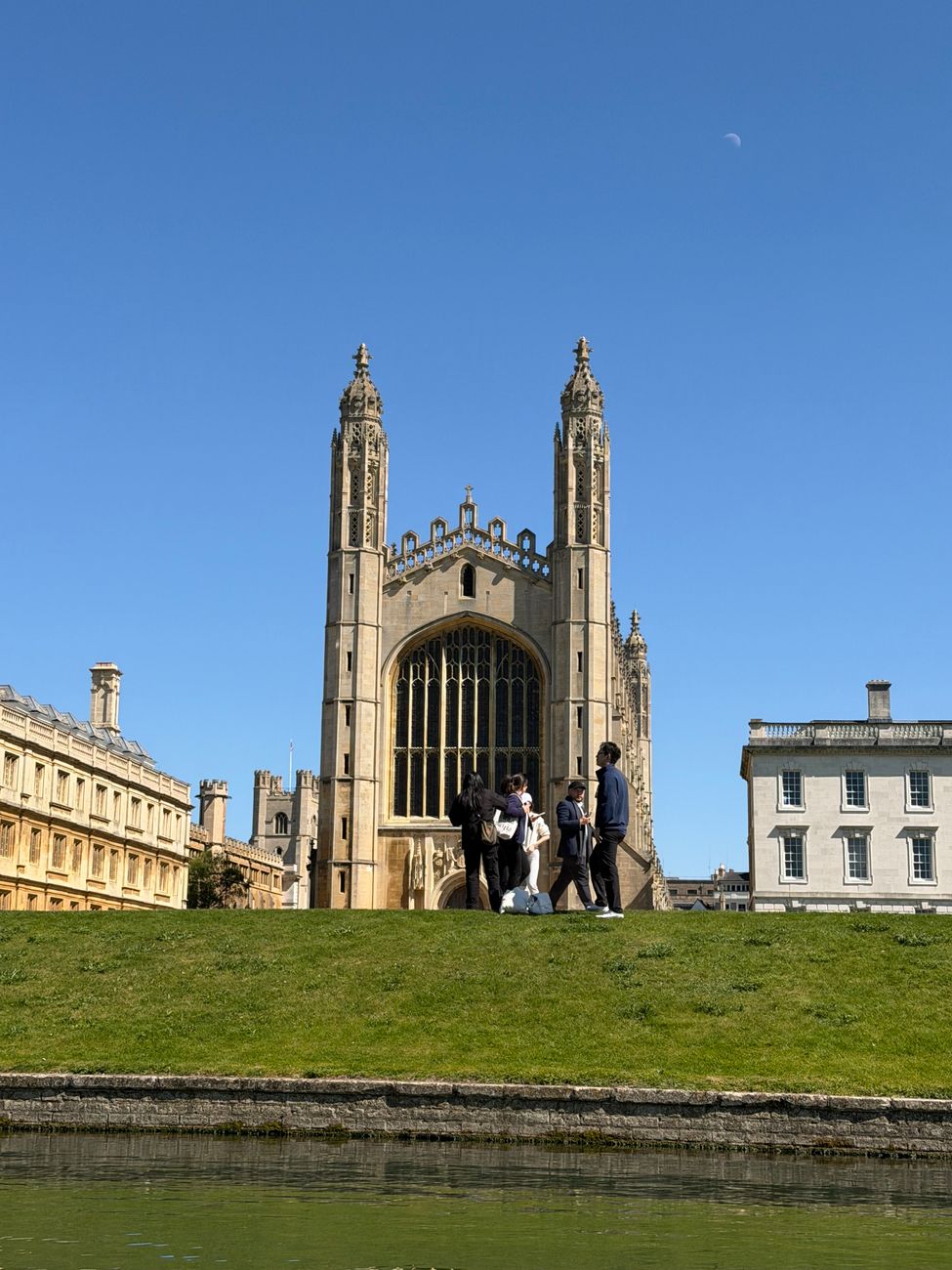
Book a college tour for at least one of the famous colleges—King's or St John's—because ticket access is limited for visitors.
Reserve a guided punt if you prefer a chauffeured history-focused trip; self-hire punts are great if you want to be hands-on.
Download a map app and consider renting a bike for one day; many highlights are faster and more enjoyable by cycle than by car.
Pack a waterproof layer—weather can change quickly—and comfortable walking shoes for cobbled streets.
Day 1
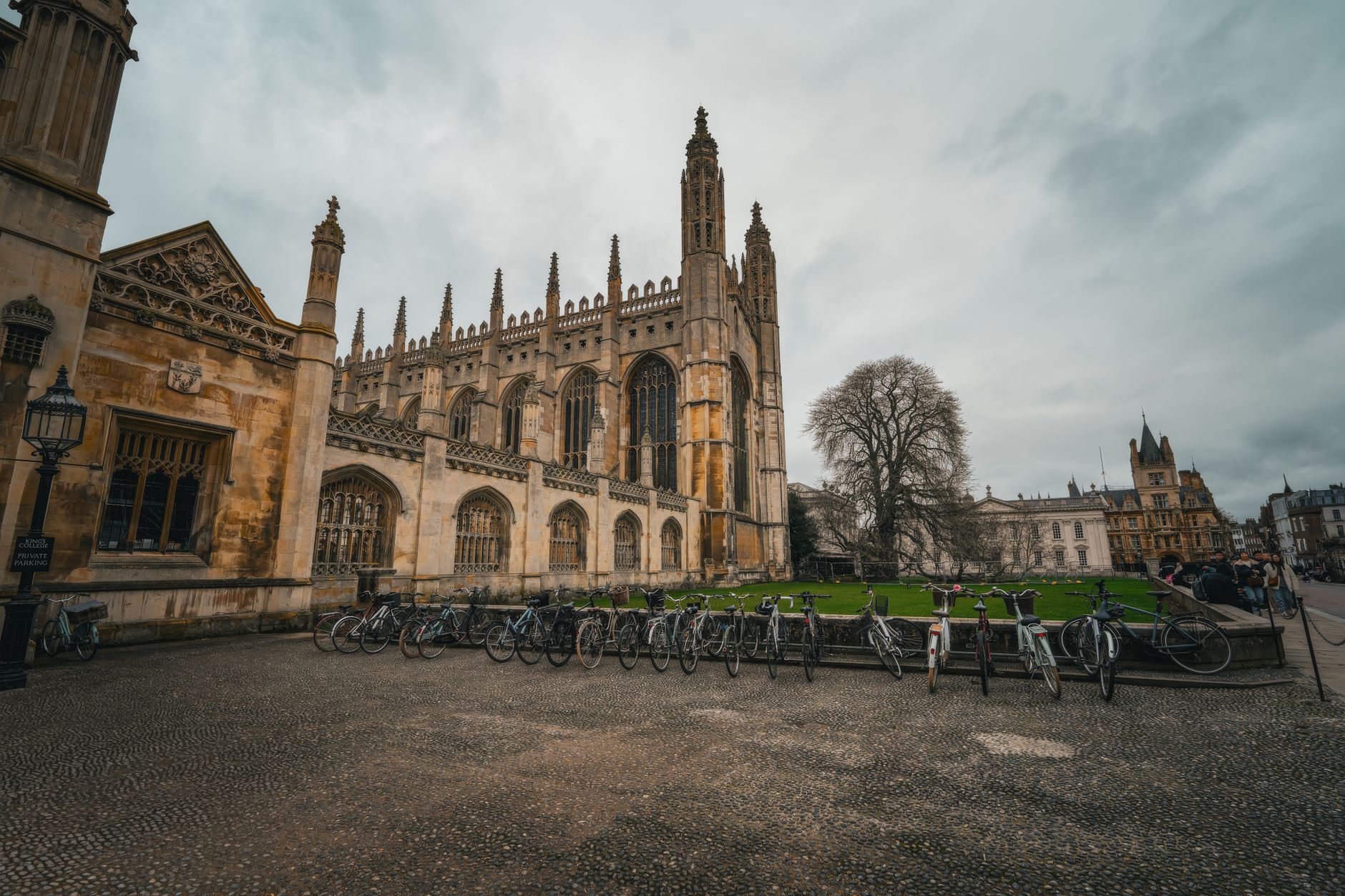
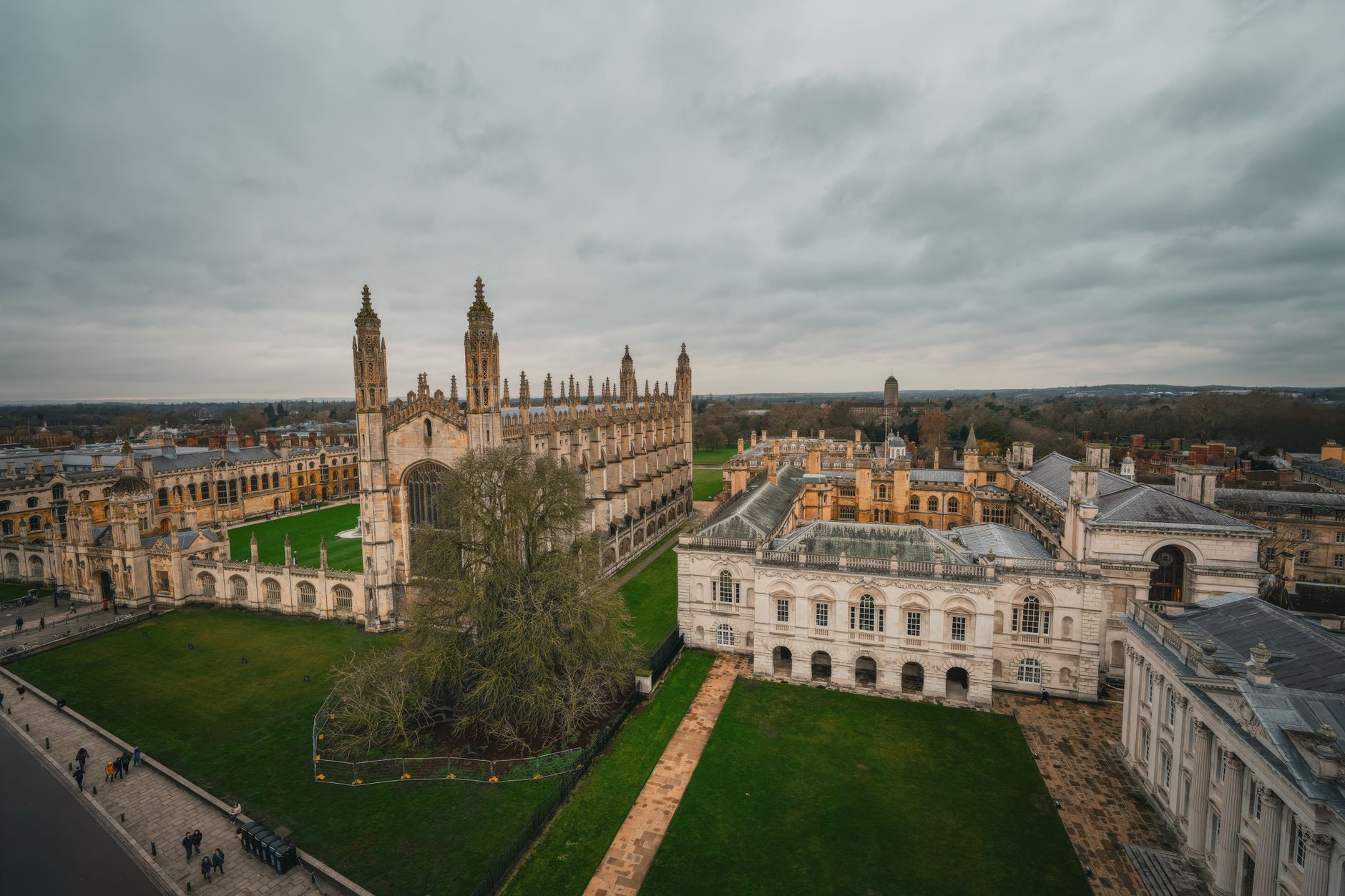
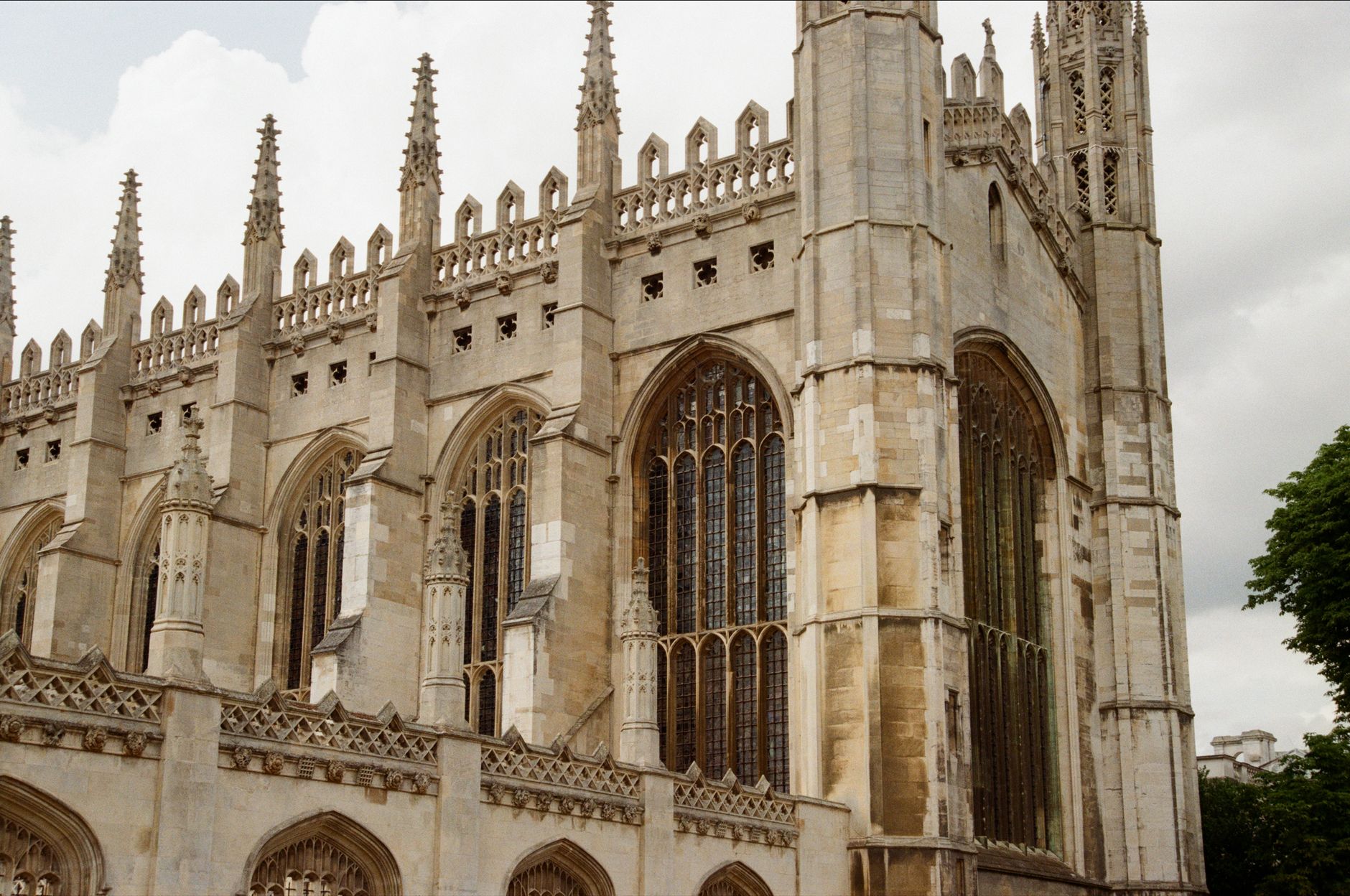
Morning: Start at King's College Chapel for the iconic view. Walk through the chapel and then along The Backs to photograph college lawns and bridges.
Lunch: Head to Market Square for street food—try local pies, sandwiches and coffee from independent vendors.
Afternoon: Visit the Fitzwilliam Museum for decorative arts and antiquities. Spend an hour or two here; special exhibits change seasonally.
Evening: Explore the historic alleyways around Trinity Lane and have dinner on King's Parade or nearby St. Mary's Passage.
Day 2
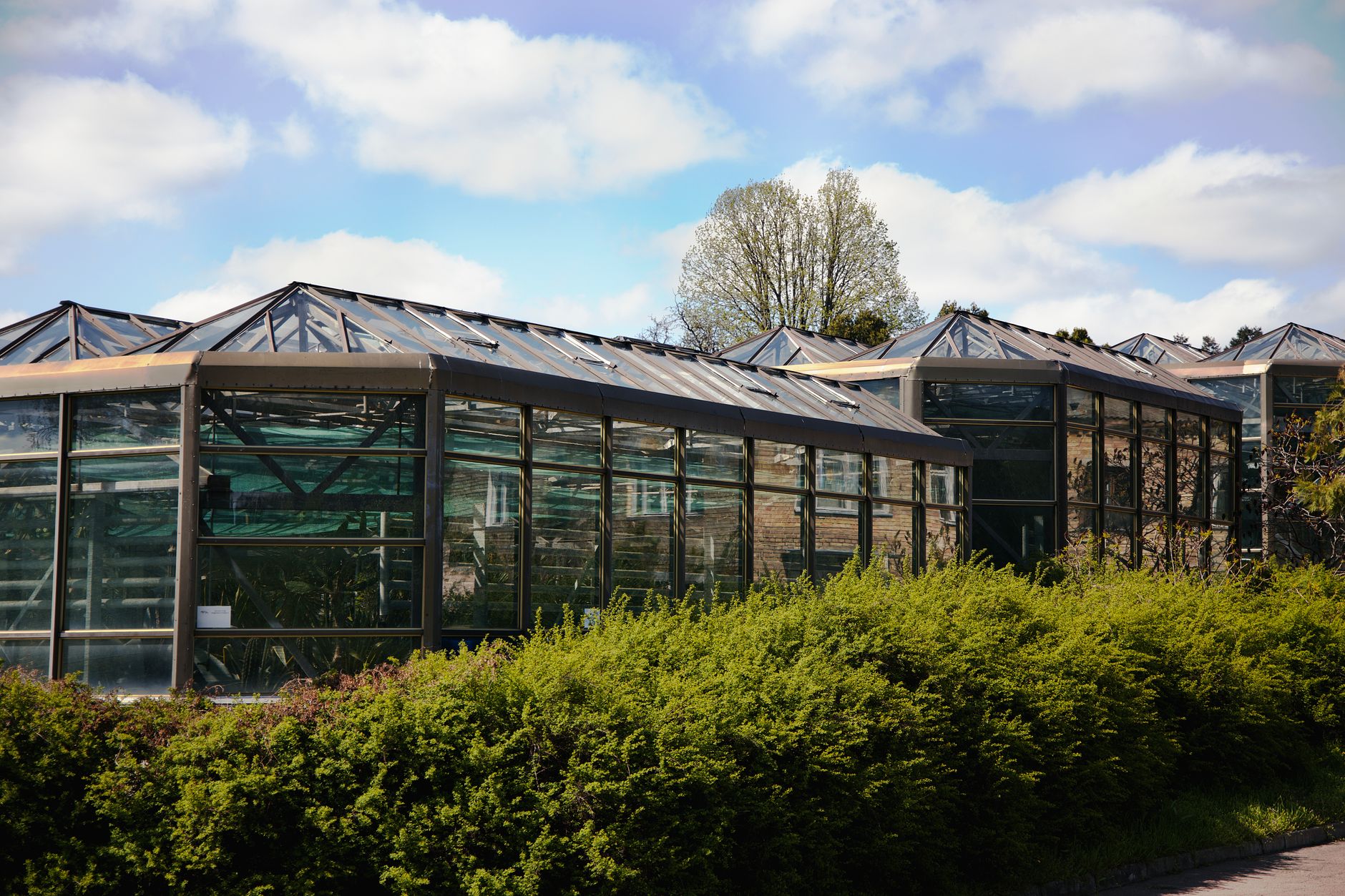
Morning: Rent a bike or walk to the Cambridge University Botanic Garden and enjoy varied plant collections and glasshouses.
Lunch: Head to Mill Road for diverse cafés and independent delis—this neighborhood has great international eats and local bakeries.
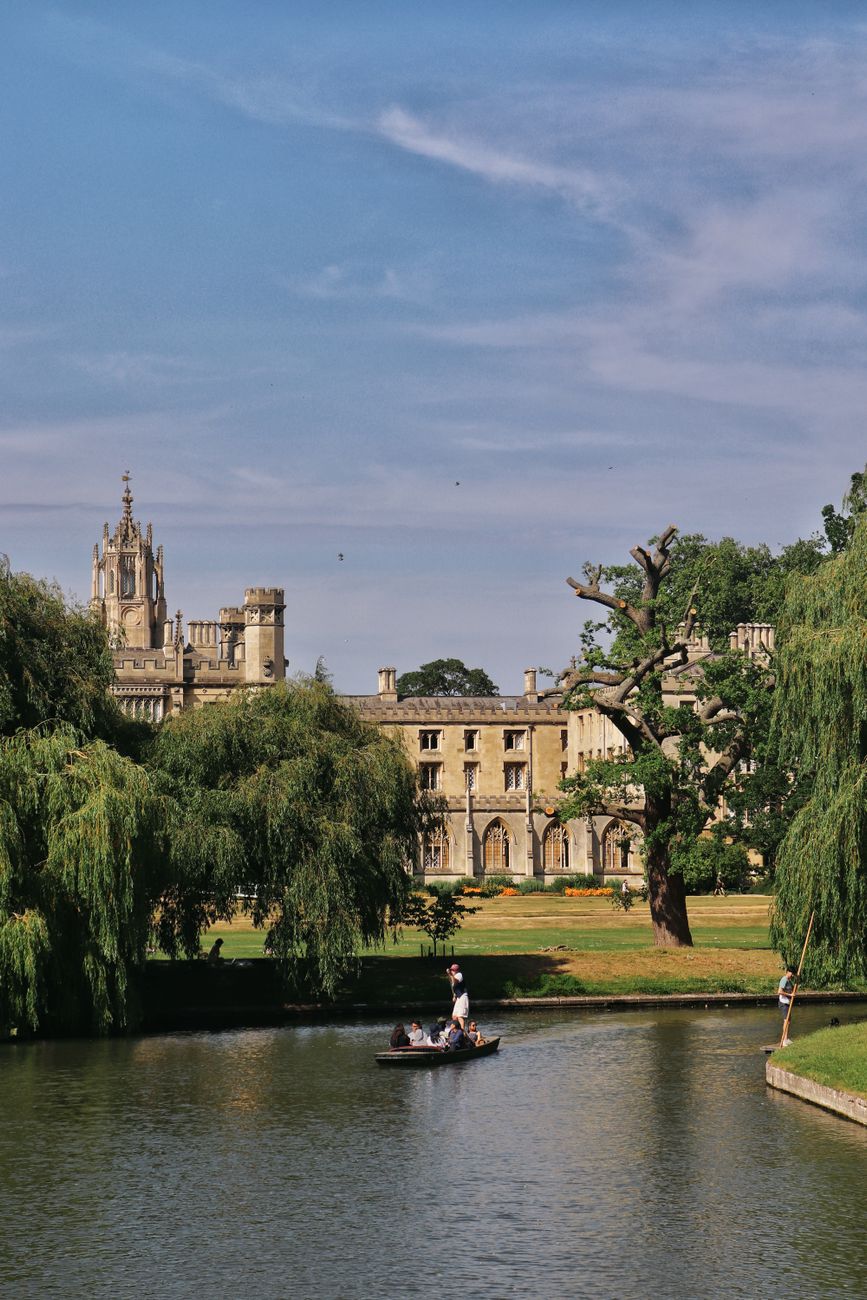
Afternoon: Book a punt on the River Cam. Choose a chauffeured tour for college history narration or a self-steer punt for a leisurely experience.
Evening: Return to the city center for a riverside pub dinner or a relaxed meal near Parker's Piece.
Day 3
Morning: Visit Kettle's Yard or the Round Church for quieter cultural stops. If you prefer science, try the Cambridge Science Centre or college museums.
Late morning: Walk along the Mathematical Bridge at Queen's College and cross to St John's College for more architectural highlights.
Afternoon: If time allows, take a short trip to nearby Audley End or Ely, or linger over coffee and people-watching in Market Square before departure.
Best Local Experiences
Take a guided college tour to learn about scholarship traditions and famous alumni.
Try punting at dusk when the river is quieter and the college facades glow.
Explore Mill Road for eclectic food, independent bookshops and a lively local scene away from the tourist core.
Visit the Fitzwilliam for free permanent galleries and occasional special exhibitions, then grab a pastry from a nearby café.
Where to Stay
For first-timers: stay near the city centre or Market Hill to be within walking distance of colleges, museums and restaurants.
For a quieter, more residential feel: look along Castle Hill or near Parker's Piece; both are short walks from the heart of town.
If you want riverside charm: choose accommodation near the River Cam or in the historic Jesus Lane area for scenic walks to local attractions.
Food and Drink
Breakfast and brunch: try independent cafés on Market Hill and along Mill Road.
Lunch: sample Market Square street food or grab a sandwich from an artisanal deli.
Dinner: choose from traditional pubs with hearty British fare, riverside bistros, or globally inspired restaurants on Mill Road.
Pubs and pubs with views: enjoy a pint by the Cam at an historic riverside pub; book ahead on busy weekends.
Getting Around
Central Cambridge is compact and best explored on foot or by bike. Many streets are pedestrian-friendly.
Trains: frequent services connect from London King's Cross (about 50 minutes) and other regional hubs; Cambridge station is a 15–25 minute walk to the city centre.
Buses: local buses and guided hop-on routes serve the suburbs and nearby attractions if you prefer not to cycle.
Taxis and ride-shares are readily available for late-night returns or luggage-heavy transfers.
Best Time to Visit
Late spring to early autumn (May–September) offers the best weather for punting and gardens. Summer brings festivals and longer daylight.
Autumn has fewer crowds and pleasant light for photography; winter is quieter but some college chapels and gardens may have reduced hours.
If you want vibrant student activity, visit when university term is in session; for fewer crowds, aim for term breaks or weekdays outside school holidays.
Budget and Practical Tips
Ticketing: budget for paid college or chapel entry and any special museum exhibits; many museum permanent collections are free.
Punting: expect to pay per-person for guided punts or an hourly rate for self-hire; split costs if travelling in a group.
Daily costs: moderate—cafés and markets keep lunches affordable; dinners vary by venue.
Practical: carry cash for some market stalls, but most places accept cards and contactless. Bring a reusable water bottle and a small umbrella.
FAQ
How far is Cambridge from London by train?
Fast trains from London King's Cross take about 50–60 minutes; there are also services from Liverpool Street and other regional lines.
Is punting suitable for beginners?
Yes. Chauffeured punts are best for a relaxed tour; self-hire punts are available if you want to try steering and aren’t afraid of getting a little wet.
Do I need to book college visits in advance?
For popular colleges like King's and St John's, booking timed tickets or joining a guided tour is recommended, especially in summer.
Can I walk to all main sights?
Most central attractions are within a 20–30 minute walk of each other; cycling shortens travel time further.
Are museums free?
Many permanent collections, like the Fitzwilliam’s permanent galleries, have free entry, though special exhibitions may charge.
What's the best neighborhood for nightlife?
The city centre around Market Hill and near the colleges has pubs and live music; Mill Road offers a more local, eclectic evening scene.
Conclusion
Three days gives a satisfying snapshot of college grandeur, riverside calm and local culture. Plan a balance of structured visits—chapels and museums—and unhurried time for punting, cafés and neighborhood walks. Travel light, book a college tour or punt in advance if possible, and leave room to wander: the best moments often come on quiet lanes and beside the Cam.
How this guide was prepared
This guide was prepared through a structured research that combines destination research, geographic context, itinerary planning logic, and content review.