
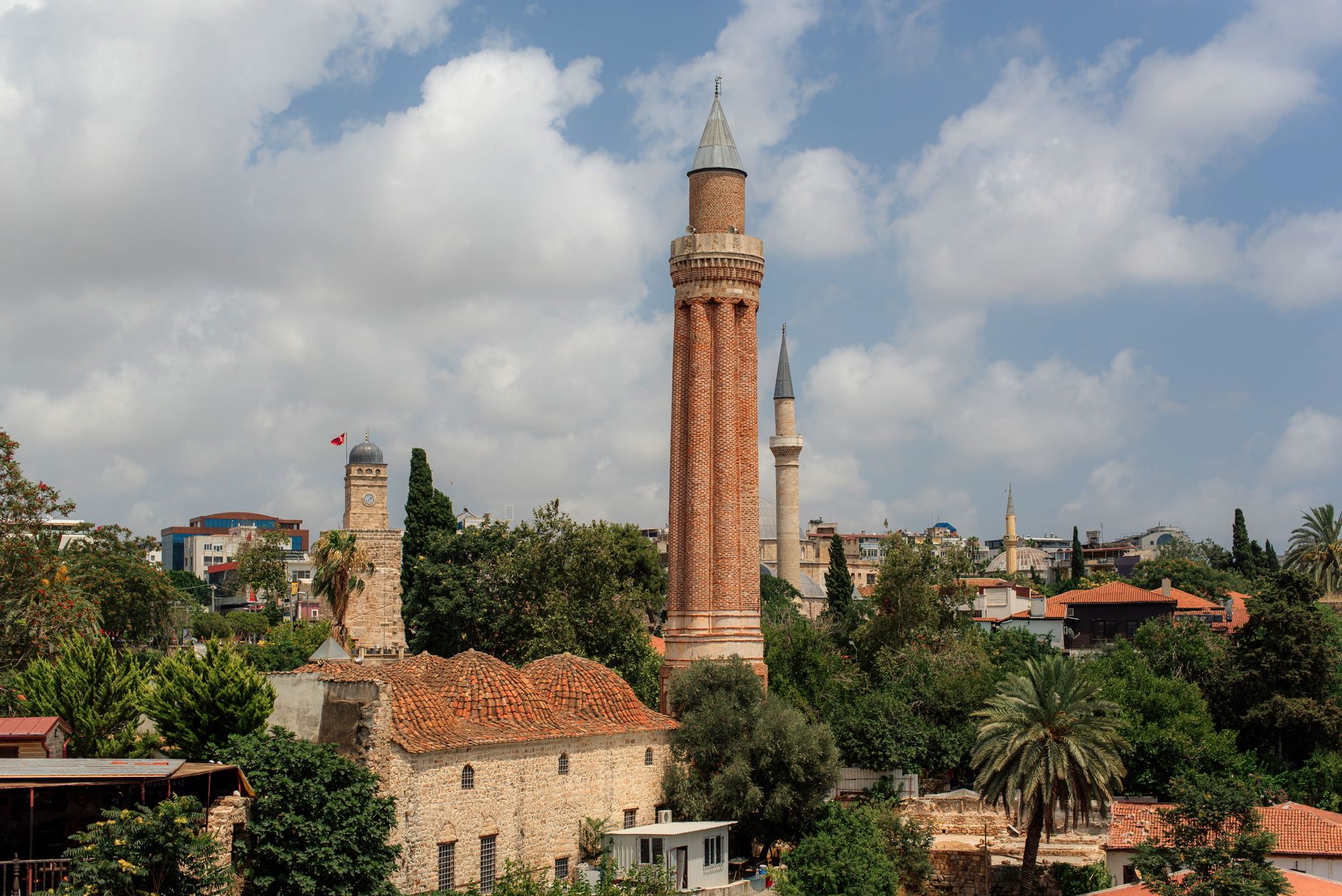
Side Travel Budget — Costs, Practical Tips & Low‑Impact Choices
Practical, sustainable budget guide to Side, Turkey. Daily cost ranges, neighbourhood choices, transport realities, booking tips, and local-first recommendations to support a 3-day itinerary and nearby day trips to Belek, Alanya and Antalya.
Clear, scan-friendly budget guidance for Side: what to expect to pay, where to stay, how to save without sacrificing authenticity, and practical booking and transport advice for a main 3-day plan.
Quick Answer
Clear, scan-friendly budget guidance for Side: what to expect to pay, where to stay, how to save without sacrificing authenticity, and practical booking and transport advice for a main 3-day plan.
Who This Page Is For
This page is for travelers planning a stay in Side who want clearer decisions about travel budget, local logistics, timing, budgeting, and practical trip planning.
How This Page Was Prepared
This page was prepared through a structured editorial workflow that combines destination research, geographic context, and practical travel-planning review.
Plan the Rest of Your Trip
Use this page together with the full itinerary and the related planning pages below to make better booking, timing, transport, and budget decisions.
Typical daily cost ranges per person (excluding international flights):
– Budget backpacker: €25–45 / 1,200–2,500 TRY — dorms or simple pensions, local markets, dolmuş rides.
– Midrange traveler: €55–95 / 2,700–4,700 TRY — small hotels near the harbor, guided ruin entry, a couple of restaurants.
– Comfortable traveler: €120–220 / 5,500–10,000 TRY — private transfers, table-service restaurants, guided day trips.
Expect prices to rise 25–60% in July–August. Shoulder seasons (April–June, September–October) give the best value and milder weather. See the full 3 days in Side itinerary for how these budgets play out day by day.
This page helps you estimate realistic daily costs in Side and choose budget-friendly, low-impact options that support local businesses. It’s designed to complement our main 3 days in Side itinerary by focusing on money, neighborhoods, transport realities, and sustainable choices. Use this page to decide where to sleep during your 3-day stay, which day trips are worth the price, and how to reduce environmental and social impact while traveling.
What This Page Helps You Decide
Use this guide to choose:
– Where to base yourself: Old Town (Eski Side) for walkability and ruins access, or Titreyengöl for lakeside budget hotels.
– How much to budget per day based on accommodation, meals, and two small excursions (ruins + waterfall or boat trip).
– Whether to book organized tours or use local dolmuş and independent guides for lower cost and more direct local benefit.
– When to travel: shoulder season for lower prices and lighter crowds.
Also helps you compare Side vs nearby towns like Belek, Alanya and Antalya for price, atmosphere and travel time from Antalya Airport.
Top Recommendations
Quick, practical moves that save money while keeping things authentic:
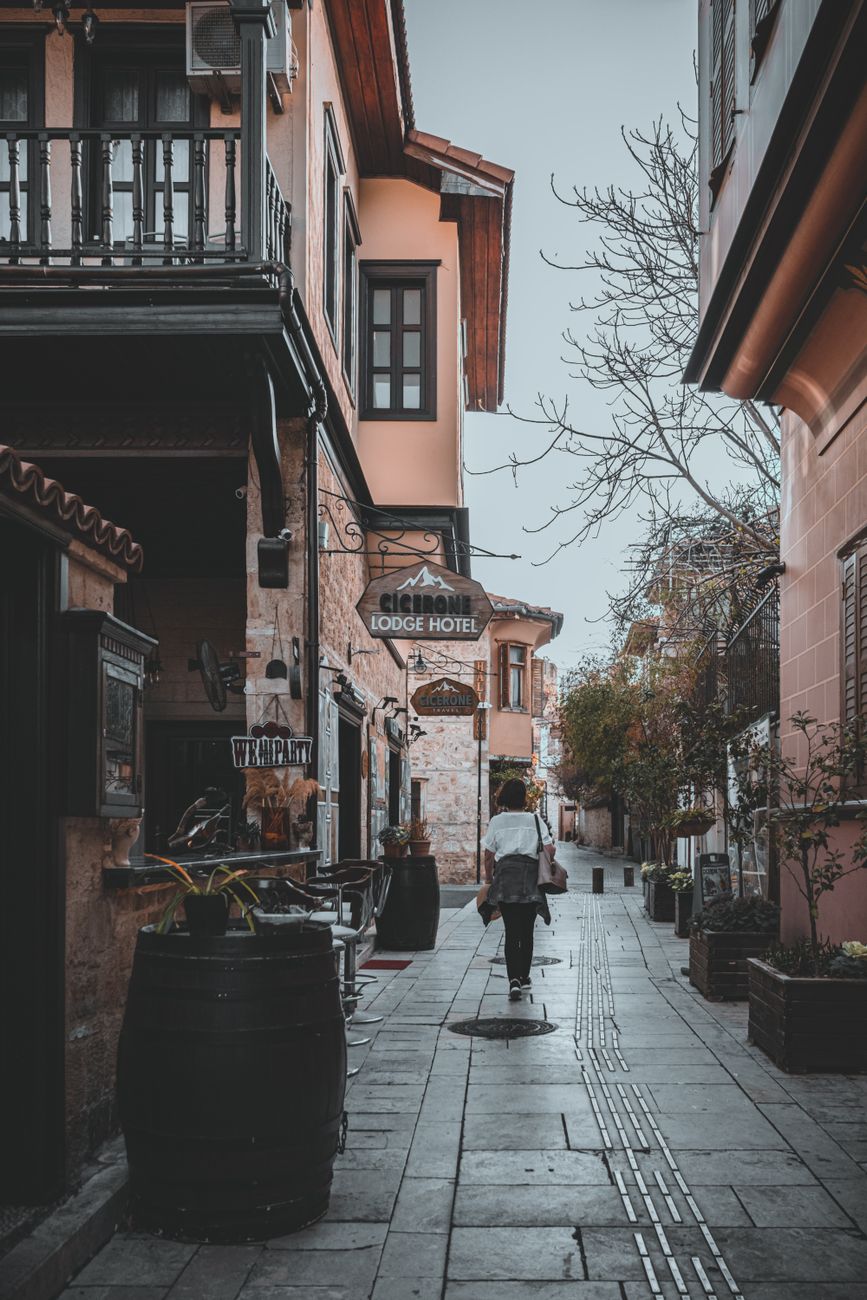
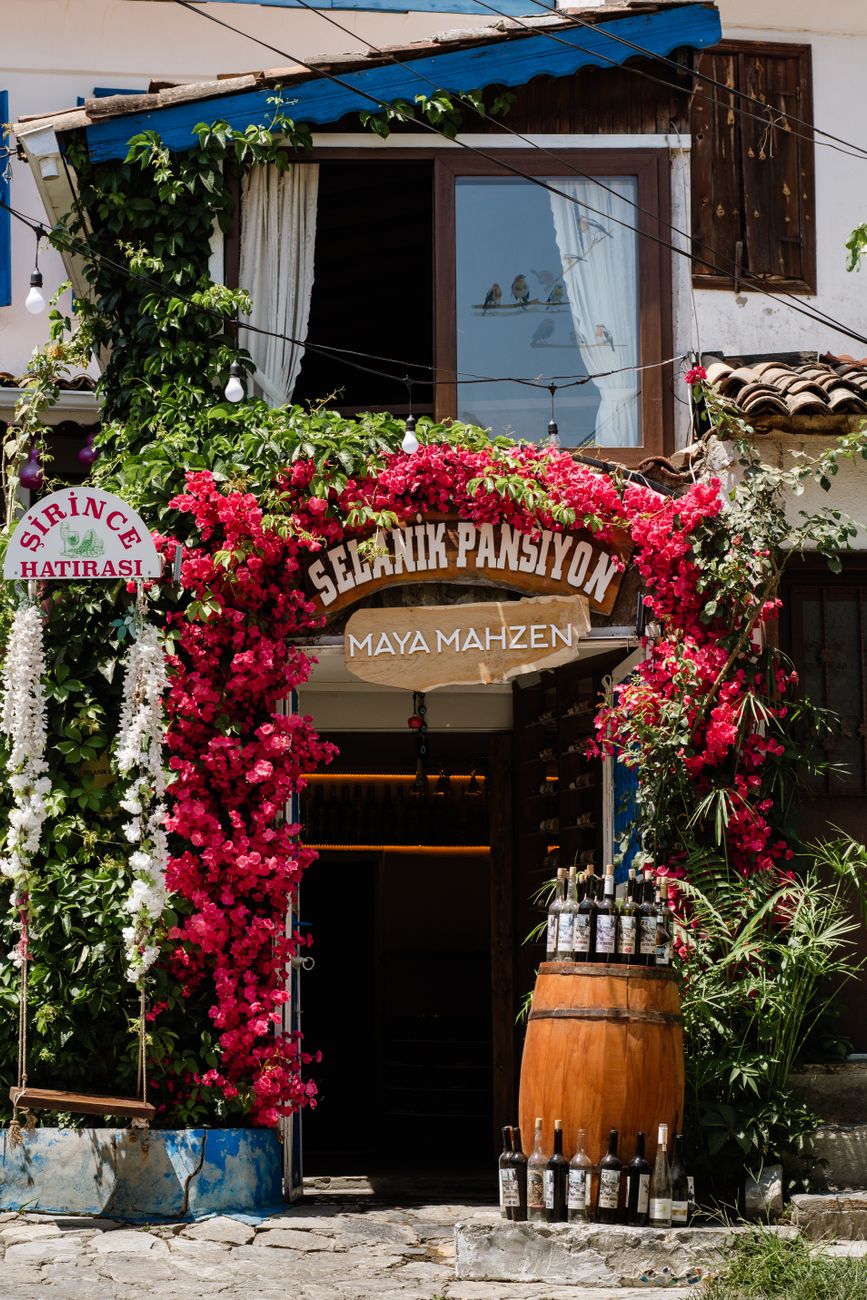
– Stay local: choose family-run pensions or small guesthouses in Eski Side or near Titreyengöl to keep spending in the community.
– Walk the harbor and buy breakfast from a bakery instead of hotel buffets.
– Use dolmuş (shared minibuses) to Manavgat, Alanya and Antalya — cheaper and frequent during daytime.
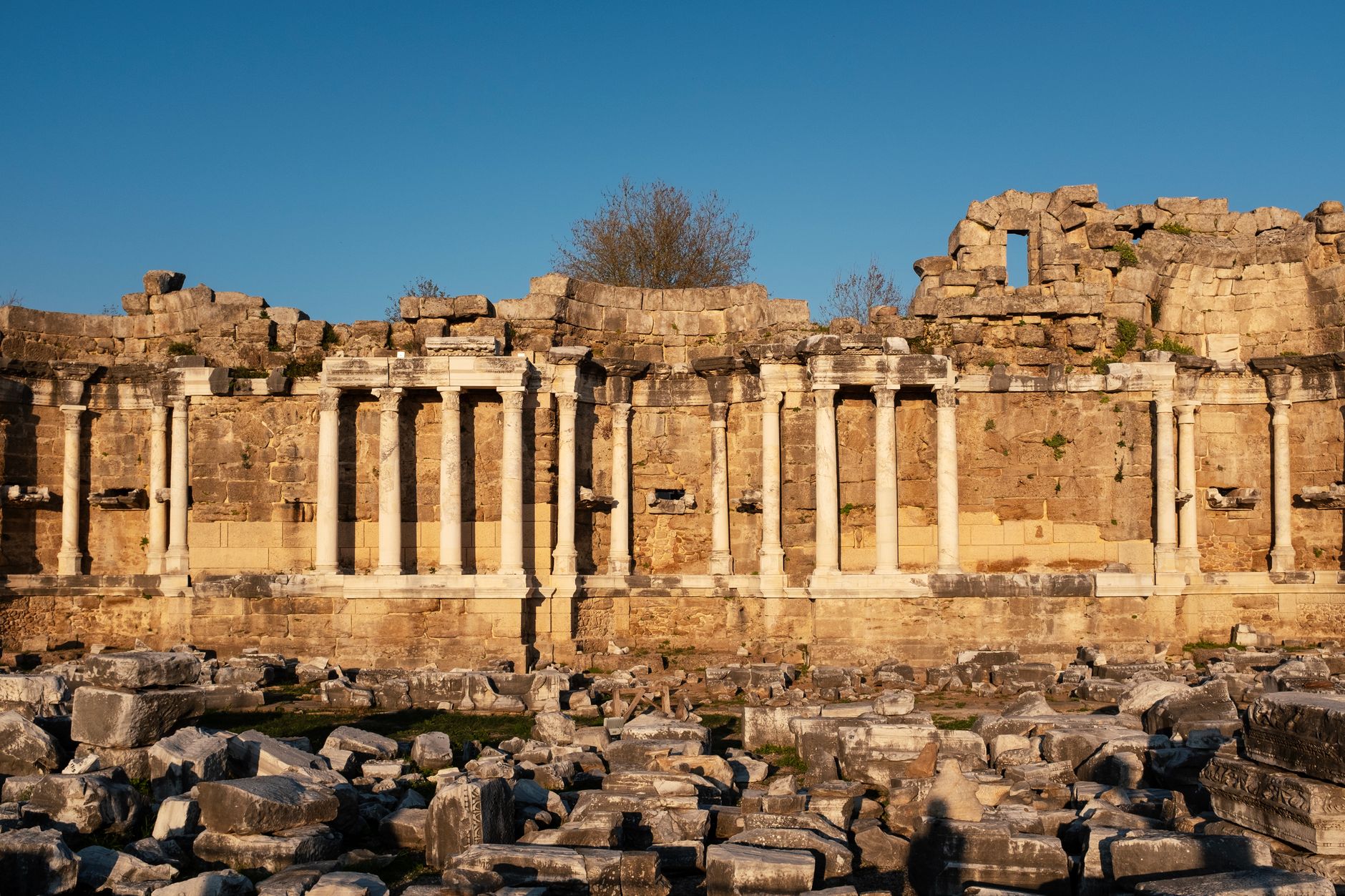
– Visit the Temple of Apollo and theater early or late to avoid peak fees and crowds.
– Book one responsibly-run guided tour (archaeology or boat trip) rather than multiple packaged excursions; look for guides with local reviews.
– Shop at the Wednesday market in Manavgat for fresh produce and affordable souvenirs made locally.
For more itinerary-specific tips, see our 3 days in Side page and consider short trips to Belek or Alanya if you want a different beach or nightlife vibe.
Local Context
Neighborhoods and transport realities to factor into any budget:
– Eski Side (Old Town): cobbled streets, ruins, restaurants. Most things are walkable; best for first-time visitors.
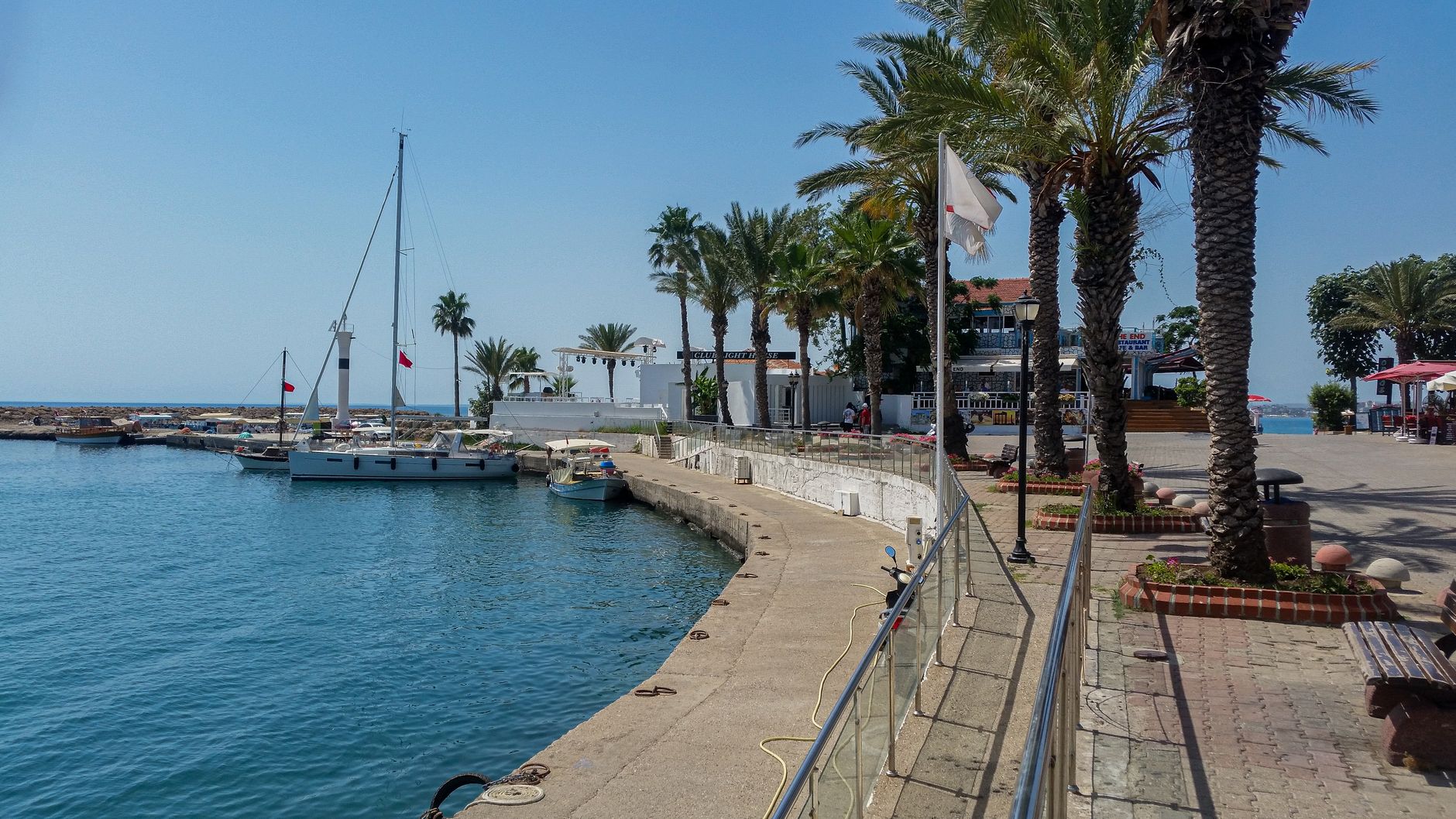
– Harbor and promenade: higher concentration of seafood restaurants and boat operators; prices can be higher but quality is local.
– Titreyengöl area: more midrange hotels and lakeside cafés; good value and family-friendly.
– Manavgat town: bigger market, cheaper groceries, and local bussing hub.
Practical transport notes:
– Antalya Airport is the main international gateway; transfer to Side typically takes around 1–1.5 hours by car or shuttle depending on traffic.
– Dolmuş services connect Side with Manavgat and Alanya; schedules thin after 21:00 so plan late returns accordingly.
– Renting a car offers flexibility for day trips (Aspendos, Konya is farther inland) but factor in parking and fuel. For single-day trips, local buses or shared tours are usually more economical.
How to Choose Well
Decide accommodation by prioritizing these attributes in order:
– Proximity to the Old Town if you want to minimize transport costs and walk to ruins.
– Locally owned property to maximize positive local impact.
– Refundable or flexible booking during shoulder season if dates are uncertain.
Booking and timing tips:
– Book airport transfers or shared shuttles in advance for arrival days; you can often save by taking a shared transfer rather than private taxi.
– Reserve popular guided trips (boat tours, Aspendos performances) a week in advance in high season; in shoulder months you can book closer to travel.
– When choosing day trips, weigh transit time: Antalya and Alanya are practical day trips, while Konya requires more travel time and is better as part of a longer inland visit.
Responsible and Local-First Tips
Natural and cultural protection:
– Respect archaeological sites: stay on paths, don’t climb or remove stones, and avoid picnicking on ruins.
– Use refillable water bottles — tap water is generally not recommended; many guesthouses provide filtered water.
Support local economy:
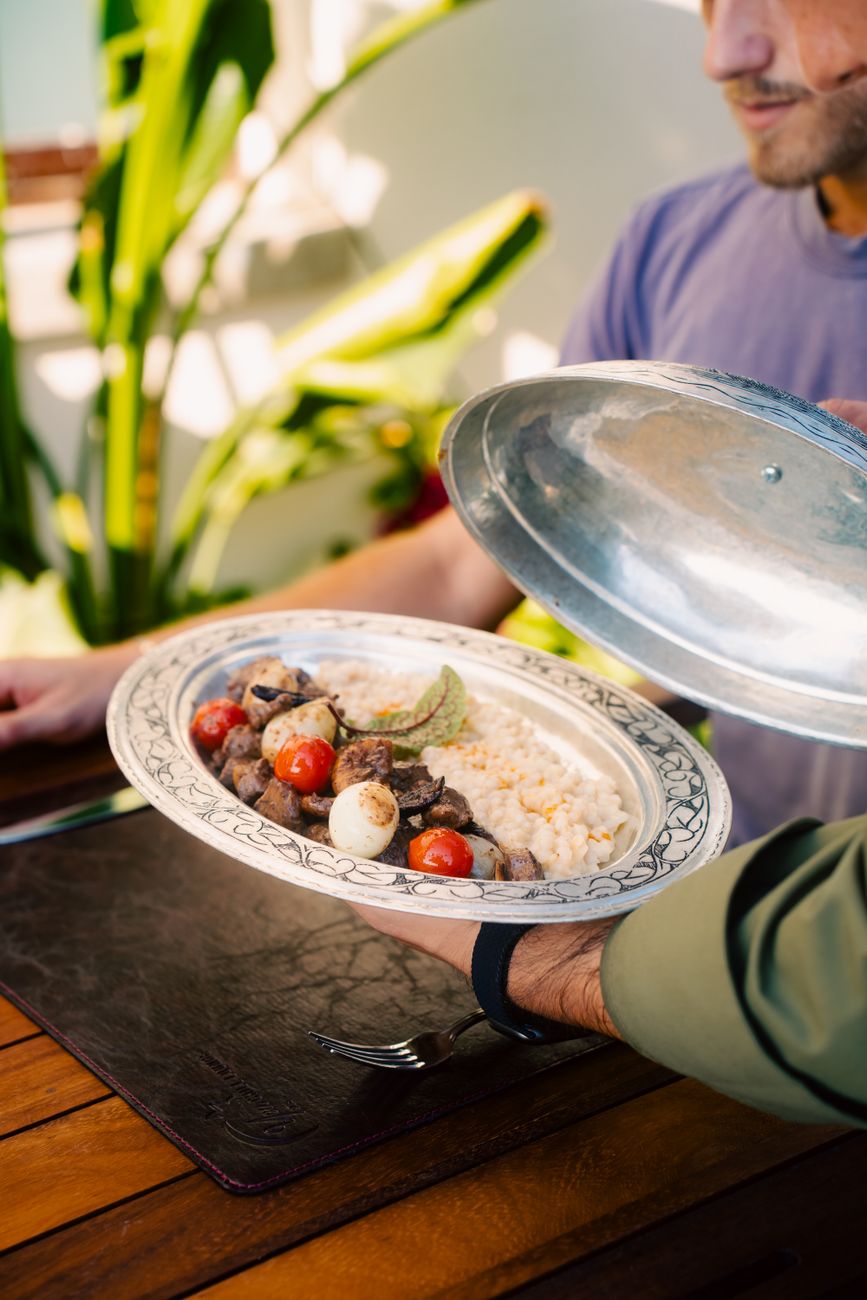
– Eat at lokantas and family-run restaurants instead of international chains.
– Hire local guides certified by Turkish tourist authorities; they share cultural context and income stays in the community.
Low-impact choices:
– Choose shoulder-season travel to reduce overcrowding and support year-round local income.
– Bring reusable cutlery and bags when shopping at markets; decline single-use plastics politely.
Etiquette basics:
– Dress modestly when visiting mosques; women should carry a scarf to cover their head when required.
– Learn a few Turkish phrases — simple greetings go a long way with small-business owners.
Common Mistakes to Avoid
Frequent errors that blow budgets or reduce authenticity:
– Relying only on hotel tour desks — they often sell higher-margin packaged trips.
– Staying too far from the Old Town to save a few euros; increased transport costs and missed walkable experiences can offset savings.
– Booking the cheapest boat or harbor excursion without checking reviews — low price can mean crowded or environmentally careless operators.
– Ignoring dolmuş schedules late at night and paying for expensive taxis home.
– Shopping only at tourist stalls on the main waterfront; take one detour to side streets or the Manavgat market for better prices and local crafts.
FAQ
How much should I budget for food per day?
Basic meals at lokantas cost around €3–7 each; a midrange restaurant meal is €10–20. For a full day mix of street food, cafés, and one sit-down dinner, plan €15–35 on a budget and €40–70 for midrange.
Is Side cheap compared with Antalya or Alanya?
Side tends to be cheaper than central Antalya for accommodation during shoulder months, but prices converge in high season. Alanya can be slightly cheaper for food and nightlife, while Belek skews pricier because of golf resorts.
Can I use public transport to reach Manavgat Waterfall?
Yes. Regular dolmuş and local buses run between Side and Manavgat town; from Manavgat you can reach the waterfall on foot or by a short local taxi. Expect low fares if you use shared transport.
Are credit cards widely accepted?
Cards are accepted at most hotels, restaurants, and larger shops. Small markets, bakeries and dolmuş drivers are cash-only. Carry some Turkish lira for markets and tips.
When is the cheapest time to visit?
Late April–June and September–October offer lower prices, cooler temperatures, and fewer crowds compared with July–August. Many locally run businesses remain open in these shoulder months but at reduced staffing — book key activities a few days ahead.
Any safety or conservation rules to know?
Don’t climb on the ruins or remove fragments. On beaches, avoid disturbing nesting areas (seasonal signage may be posted). Keep your belongings secure in crowded areas and use hotel safes for passports and valuables.
Conclusion
Side is easy to enjoy on a modest budget if you prioritize local stays, use dolmuş transport, visit ruins in shoulder season, and book only a couple of guided experiences. For specific day-by-day cost examples and a suggested route, see our 3 days in Side companion guide. If you want a different pace or more activities, consider a day trip to Belek, Alanya or Antalya — all reachable by regular buses from Side.
How this guide was prepared
This guide was prepared through a structured research that combines destination research, geographic context, itinerary planning logic, and content review.