
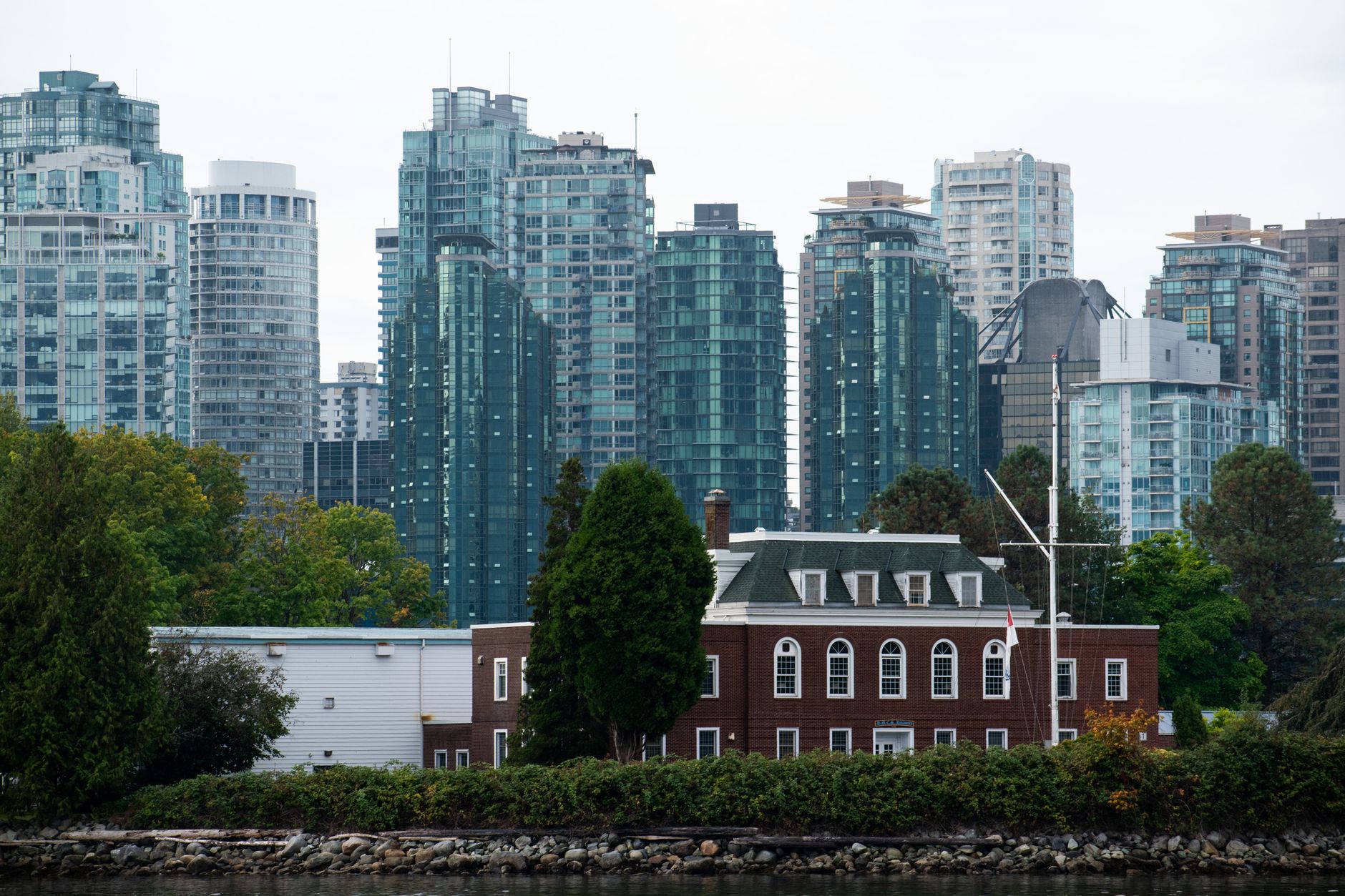
Getting Around Vancouver: Practical, Low-Impact Transport Guide
How to get around Vancouver sustainably: transit, walking, cycling, ferries and day-trip connections to Richmond, Surrey, Victoria, Kelowna and Kamloops.
Practical transport options for a 3-day Vancouver itinerary and nearby day trips, with sustainable choices, neighborhood tips, and booking advice.
Quick Answer
Practical transport options for a 3-day Vancouver itinerary and nearby day trips, with sustainable choices, neighborhood tips, and booking advice.
Who This Page Is For
This page is for travelers planning a stay in Vancouver who want clearer decisions about getting around, local logistics, timing, budgeting, and practical trip planning.
How This Page Was Prepared
This page was prepared through a structured editorial workflow that combines destination research, geographic context, and practical travel-planning review.
Plan the Rest of Your Trip
Use this page together with the full itinerary and the related planning pages below to make better booking, timing, transport, and budget decisions.
Best overall approach:
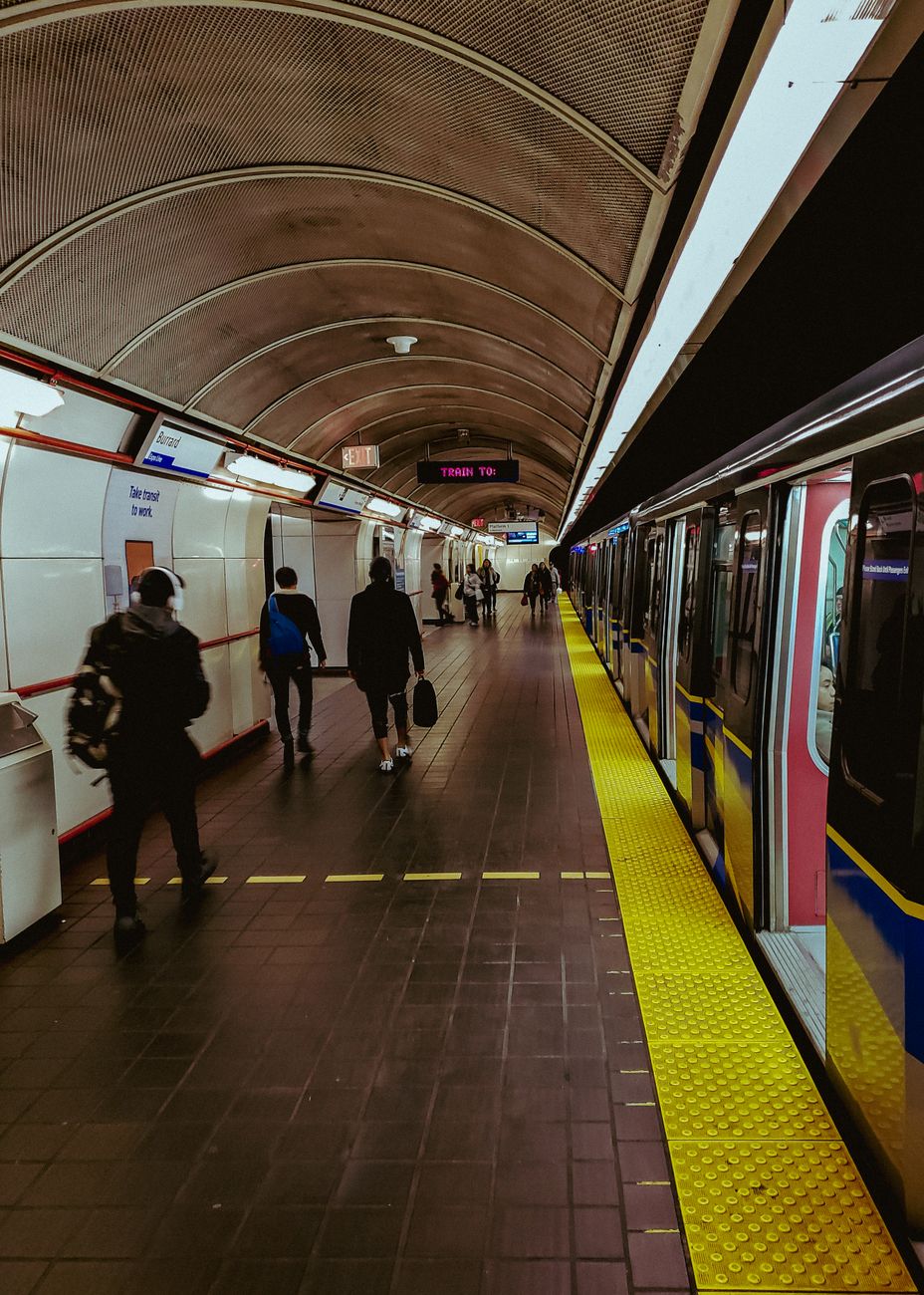
- Use the Canada Line for fast airport to downtown transfers and the SkyTrain network for most trips across the metro area.
- Take the SeaBus to North Vancouver for easy access to Lonsdale Quay and waterfront trails.
- Walk and cycle locally; use Mobi bike share or local rental shops for short trips.
- For Victoria, book BC Ferries early or consider a floatplane; for Kelowna and Kamloops, drive or take a coach/train service for regional travel.
If you're following the 3 days in Vancouver itinerary, prioritize walking, SkyTrain and SeaBus to save time and money.
This page gives practical, low-impact ways to move around Vancouver while supporting local businesses. It is written to complement the main 3 days in Vancouver itinerary and to help you plan sensible transfers to nearby destinations like Richmond, Surrey, Victoria, Kelowna and Kamloops.
You'll find neighborhood-level tips, seasonal realities, booking advice and sustainable options that reduce cost, carbon and friction during your trip.
What This Page Helps You Decide
Use this guide to decide:
- How to get from YVR to downtown and to your hotel.
- Whether to rent a car or rely on transit for your 3-day plan.
- When to choose bike share or taxis for short hops.
- How to plan day trips to Richmond, Surrey, Victoria, Kelowna or Kamloops.
It also helps with booking timing, seasonal considerations, and tips to favor local operators.
Top Recommendations
Practical picks you can use right away:
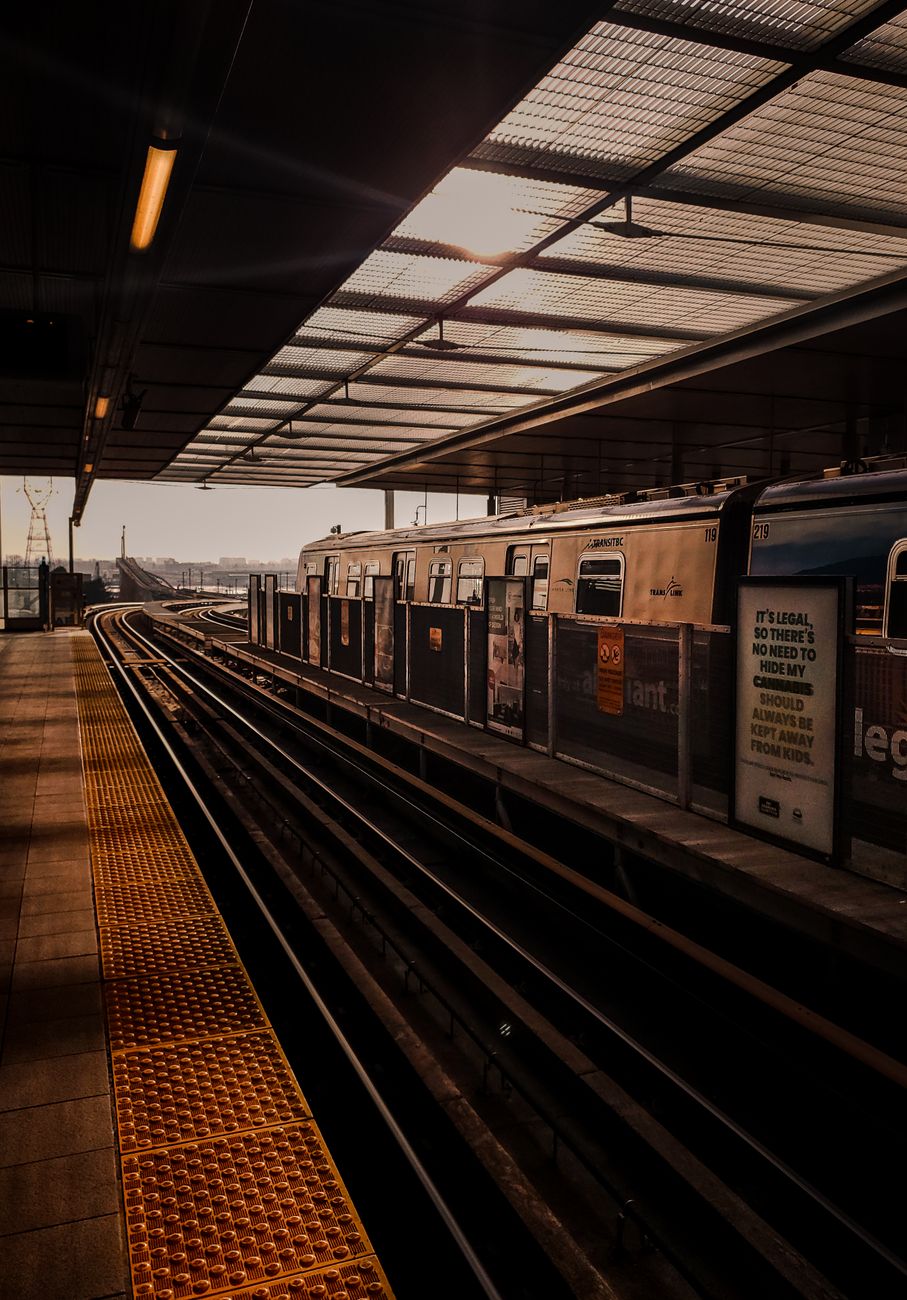
- Buy a reloadable Compass Card or register a contactless bank card for transit taps. This usually saves time over paper tickets.
- Take the Canada Line between YVR and downtown (about 25 minutes). Taxis and rideshares are handy late at night or with lots of luggage.
- Use the SeaBus between Waterfront and Lonsdale Quay for a scenic and reliable North Shore link; then connect to local buses or the free shuttle to nearby sights.
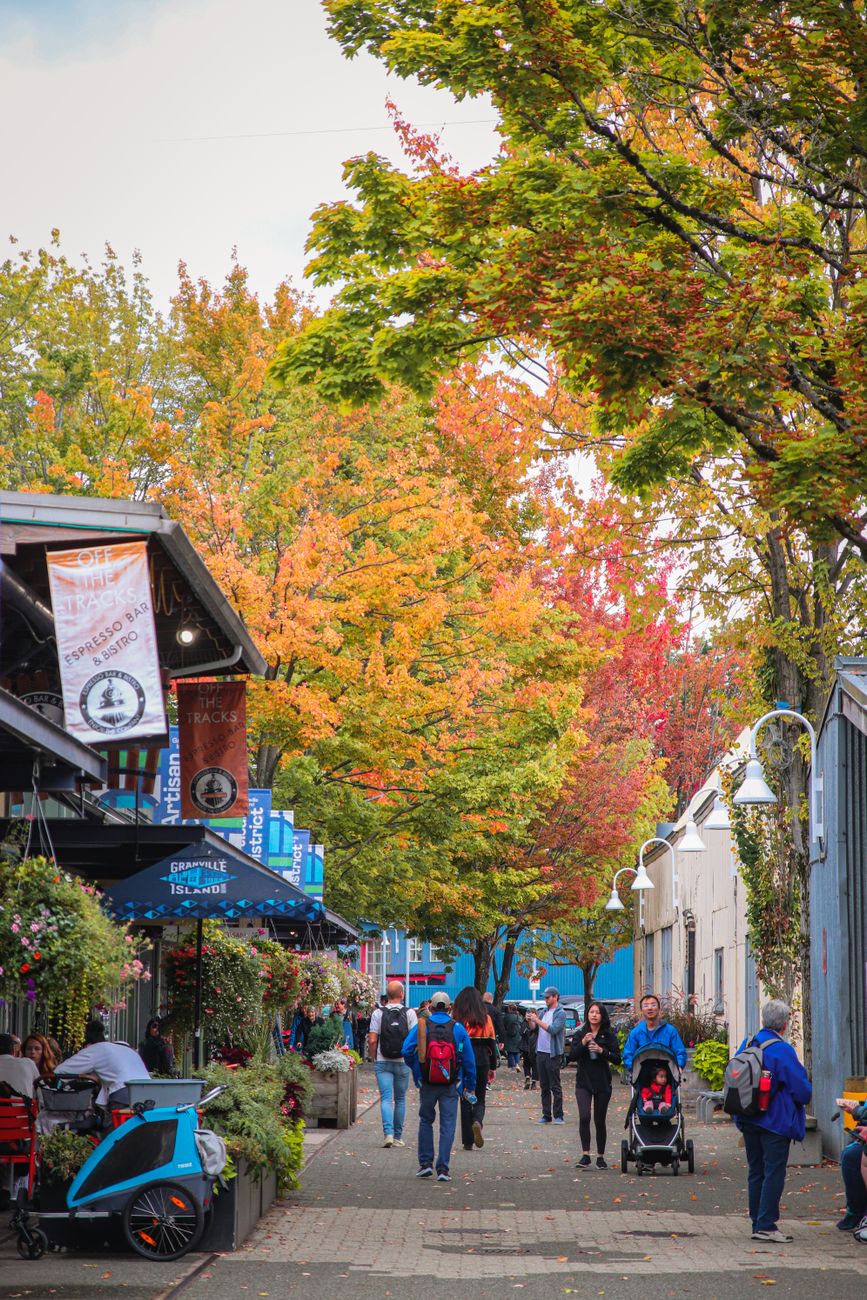
- Walk neighborhoods like the West End, Yaletown and Gastown; distances are short and walking supports local cafés and shops.
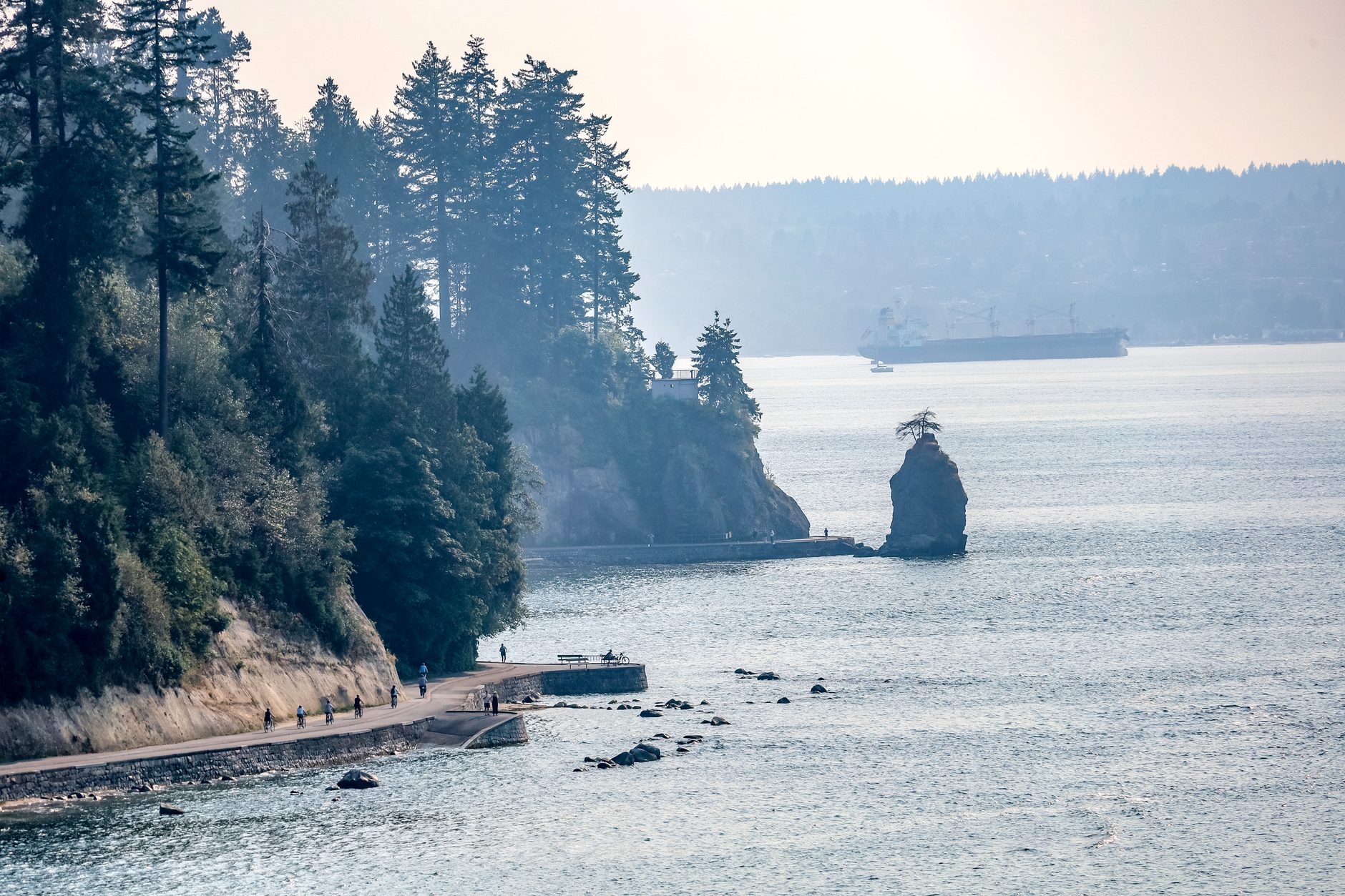
- Use Mobi by Shaw or local bike shops for short, low-impact trips; choose protected bike lanes on Hornby, Dunsmuir and the Seawall where possible.
- For day trips: take BC Ferries from Tsawwassen to Victoria and plan extra travel time to reach the ferry terminal; floatplanes depart from Coal Harbour for faster connections.
- If heading east or inland to Kelowna or Kamloops, compare coach and regional flights and consider an overnight to break long drives.
Booking notes: reserves ferries and floatplanes in advance during summer and long weekends; for local attractions check shuttle availability to reduce parking pressure.
Local Context
Neighborhoods and transit realities:
- Downtown, Coal Harbour and the West End are extremely walkable; many attractions on the 3-day plan are concentrated here.
- Gastown, Chinatown, and Yaletown are short transit or walking links from Waterfront station.
- East Vancouver neighborhoods like Mount Pleasant and Commercial Drive are served by frequent buses and SkyTrain connections on the Broadway corridor and the Expo Line.
- North Vancouver requires the SeaBus or driving to access Grouse and Capilano areas; parking is limited at popular sites.
Seasonal patterns:
- Winter is wet and cooler—plan waterproof layers and slightly longer transit times for heavy rain.
- Shoulder seasons (April–May and September–October) offer fewer crowds, lower accommodation rates and pleasant walking weather.
- Summer has the most frequent transit service and higher demand for bike share and ferries; book in advance for popular weekend day trips.
Transit realities:
- SkyTrain covers Metro Vancouver broadly: Canada Line to YVR and Richmond, Expo and Millennium lines reach Burnaby and Surrey, frequent buses fill gaps. Service frequency varies by line and time of day.
- Compass Card and contactless payments are the easiest way to manage fares; confirm current fare rules on TransLink before arrival.
How to Choose Well
Decisions by situation:
- If you have luggage or arrive at night: take the Canada Line, a licensed taxi, or a rideshare for door-to-door convenience.
- If you are on the 3-day downtown itinerary: rely on walking, SkyTrain and SeaBus to save time and support local businesses.
- If you plan day trips outside the metro area: compare BC Ferries, floatplanes and coach services for time and price. Ferries are more cargo- and car-friendly; floatplanes are fastest but costlier.
- If you value low impact and local spending: favor transit, bike share, walking tours run by local guides, and small ferries or water taxis around False Creek and Granville Island.
Quick pros and cons:
- SkyTrain/SeaBus: fast, low-emissions, predictable schedules.
- Car or rental: flexible for remote destinations but costs more and parking is limited near downtown and parks.
- Bike share: great for short trips and the Seawall; avoid peak commuting hours and be comfortable with mixed traffic in some neighborhoods.
- Organized tours/shuttles for mountain sites: reduce parking pressure and simplify logistics for groups.
Responsible and Local-First Tips
Make transport choices that benefit local communities and reduce impact:
- Use public transit and non-motorized travel where possible to cut emissions and support transit funding.
- Spend transit savings at local coffee shops, markets and independent restaurants rather than at chain outlets.
- Choose local guides and small operators for specialty trips like whale watching and Indigenous cultural tours; check credentials and community ties.
- Avoid driving into congested downtown areas; park once and walk or ride-share locally.
- Respect trail etiquette: stay on marked paths, carry out waste, and leave room for others on multi-use routes.
- If you rent a car for interior trips, consider car-share options like Modo or short-term rentals to avoid long-term parking and reduce idle miles.
Common Mistakes to Avoid
Practical errors visitors often make:
- Expecting to drive downtown quickly without accounting for traffic and scarce parking.
- Skipping a Compass Card or contactless setup and then paying more in time and overhead.
- Waiting until the last minute to book ferries, floatplanes, or specialty tours during summer or long weekends.
- Assuming bike lanes cover every route; some streets require confident urban cycling skills.
- Ignoring weather: rain gear and layered clothes are essential even in shoulder seasons.
- Treating tours and shuttle services as the same — pick small local operators to ensure revenue stays in the community.
FAQ
How do I get from Vancouver International Airport to downtown?
The Canada Line is the fastest, lowest-cost option and takes around 25 minutes to central stations. Taxis, rideshares and airport shuttles are available for late arrivals or heavy luggage.
Can I use credit or debit cards directly on transit?
Many SkyTrain and SeaBus services accept contactless payment cards; a reloadable Compass Card remains useful for frequent trips and transfers. Check TransLink for the latest payment options.
Is it easy to take a bike on public transit?
Bikes are allowed on SkyTrain and SeaBus but may be restricted during weekday peak hours. Folding bikes are always easiest on buses and transit; secure bike parking is available at many stations.
How should I plan a day trip to Victoria?
Book BC Ferries from Tsawwassen well in advance during summer and allow extra travel time to the terminal. Floatplanes from Coal Harbour are faster but more expensive and carry strict luggage limits.
Are taxis and rideshares reliable late at night?
Licensed taxis and rideshare apps operate across Vancouver; availability depends on demand and neighborhood. For late arrivals consider pre-booking a shuttle or using the Canada Line when it runs.
What is the best way to reach Capilano Suspension Bridge and Grouse Mountain?
Parking is limited at these North Shore sites. Use the SeaBus plus local buses, or choose a reputable shuttle or small-group tour to reduce local congestion and parking strain.
Conclusion
Choose transit, walking and cycling for the core 3-day Vancouver plan to save time and support the local economy. Book ferries and speciality tours ahead in high season, and favor local operators for regional trips to Richmond, Surrey, Victoria, Kelowna and Kamloops. For more day-by-day context, see the linked 3 days in Vancouver companion guide.
How this guide was prepared
This guide was prepared through a structured research that combines destination research, geographic context, itinerary planning logic, and content review.