
San Diego Travel Budget: Practical Costs & Money-Saving Tips for Your 3-Day Trip
Realistic daily budgets, transport realities, and sustainable saving tips for San Diego. Designed to support the '3 days in San Diego' itinerary and nearby day trips to Oceanside, Chula Vista, Irvine, Huntington Beach, and Santa Ana.
Clear, scan-friendly cost estimates and booking advice for lodging, food, transport, and attractions in San Diego — with local-first, low-impact tips to stretch your travel budget during a 3-day visit.
Quick Answer
Clear, scan-friendly cost estimates and booking advice for lodging, food, transport, and attractions in San Diego — with local-first, low-impact tips to stretch your travel budget during a 3-day visit.
Who This Page Is For
This page is for travelers planning a stay in San Diego who want clearer decisions about travel budget, local logistics, timing, budgeting, and practical trip planning.
How This Page Was Prepared
This page was prepared through a structured editorial workflow that combines destination research, geographic context, and practical travel-planning review.
Plan the Rest of Your Trip
Use this page together with the full itinerary and the related planning pages below to make better booking, timing, transport, and budget decisions.
Typical budget ranges per person per day (USD), on a moderate budget that supports local businesses:
- Low budget (hostel/shared room, grocery meals, public transit): $55–90/day
- Moderate budget (2-star hotel or private Airbnb, mix of cafés and one restaurant, transit + occasional rideshare): $120–180/day
- Comfortable budget (3-star hotel, restaurants, paid attractions): $200–300/day
Adjust for peak dates like summer weekends and Comic-Con. For the 3-day itinerary, plan roughly 3× your chosen daily budget plus transport to/from your arrival city and any special tours.
This page gives concise, realistic budget guidance to support the main 3 days in San Diego itinerary. It focuses on common traveler choices — where to sleep, how to get around, what to pay for attractions and food — and shows practical ways to lower costs while supporting local businesses.
Tips are grouped by expense type and by neighborhood, and include booking notes, seasonality, and sustainable recommendations so you can keep costs down without sacrificing authentic experiences.
What This Page Helps You Decide
This support page helps you choose between budget tiers and decide where to allocate money in a 3-day plan.
Use it to:
– Pick neighborhoods to stay in based on cost and convenience (Gaslamp Quarter, Little Italy, North Park, Mission Valley, or Ocean Beach).
– Decide whether to buy attraction tickets in advance (San Diego Zoo, USS Midway) or save with free/low-cost alternatives in Balboa Park and beaches.
– Plan day trips to nearby cities like Oceanside or Chula Vista and estimate transit costs.
See the main 3 days in San Diego itinerary for a day-by-day plan and to slot these budget choices into a schedule.
Top Recommendations
Where to spend and where to save for the best value:
Spend on:
– A centrally located room (Gaslamp Quarter, Little Italy, or Mission Valley) to cut transit time and ride-share costs.
– One high-value attraction like the San Diego Zoo or a harbor cruise if it fits your interests.
Save on:
– Meals: favor neighborhood markets, food halls (Liberty Public Market), and lunchtime prix-fixe menus.
– Transport: get a day pass for the San Diego MTS trolley and buses for frequent stops.
Smart booking moves:
– Book popular attractions 1–3 weeks ahead in shoulder seasons; 4–8 weeks for summer weekends.
– Use refundable rates or flexible Airbnb options if your dates might change.
Low-impact picks:
– Walk or bike short distances (Pacific Beach boardwalk, Embarcadero).
– Support local vendors at Little Italy Mercato or Hillcrest farmers’ market.
Local Context
Neighborhood realities:
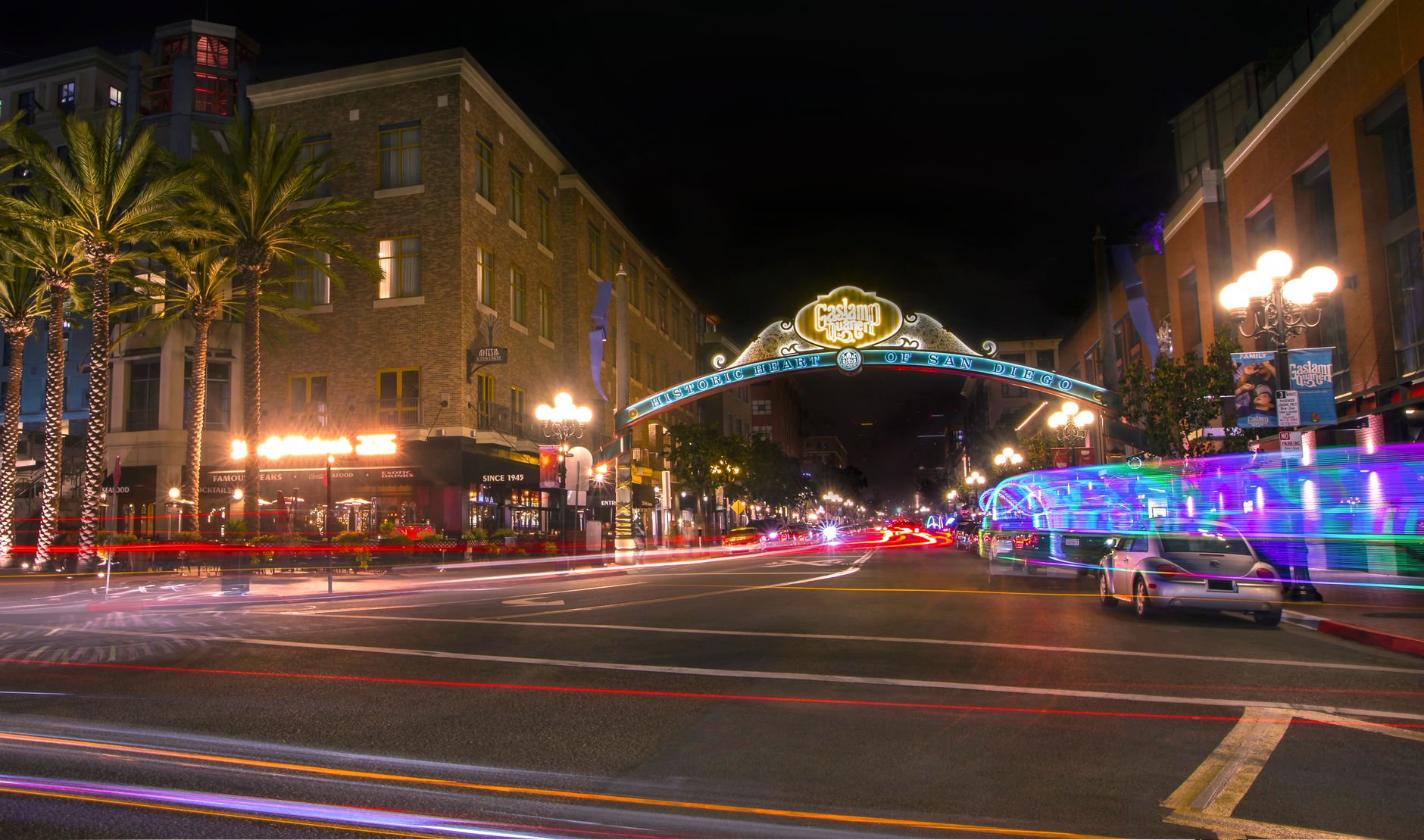
– Gaslamp Quarter: nightlife hub, close to Broadway transit and Amtrak station. Rooms can be pricier on weekends and event dates.
– Little Italy: excellent food and markets; compact and walkable for daytime exploration.
– La Jolla and Ocean Beach: scenic but further from downtown — expect longer transit times and higher parking fees.
– Mission Valley: typically cheaper hotels with good freeway access but less character.
Seasonal patterns:
– Peak: June–August and major event weekends (Comic-Con in July). Expect inflated prices and earlier sellouts.
– Shoulder season: March–May and September–November — best mix of lower rates and pleasant weather.
– Winter: mild and rainy on occasion; lowest room rates but shorter daylight hours.
Transport realities:
– San Diego MTS trolley + buses cover many central corridors; buy day passes for multiple trips.
– Coaster train connects to Oceanside and North County on weekends and weekdays — book early for holiday weekends.
– Rideshares are widely available but surge during events; parking downtown is often $20+ per day.
How to Choose Well
Match your priorities to practical choices:
If you want beach mornings and relaxed evenings:
– Stay near Pacific Beach or Ocean Beach. Expect to pay more for beachfront; save by cooking or choosing cafés.
If you want museums and restaurants in walking distance:
– Stay near Balboa Park, Hillcrest, or Little Italy.
If you’re minimizing cost and don’t mind transit:
– Consider Mission Valley hotels or an Airbnb in City Heights.
Booking checklist:
– Compare refundable vs. nonrefundable rates for hotels.
– Check transit time to your planned sights rather than just distance.
– Reserve parking if you drive; downtown lots fill early on event days.
Budgeting tip:
– Allocate one “splurge” (nice meal or paid attraction) and keep the other two days lighter with markets, parks, and free coastal walks — a useful approach for the 3-day itinerary.

Responsible and Local-First Tips
Spend locally and reduce impact:
- Eat at small, independent restaurants and food stalls. Little Italy, Barrio Logan, and North Park have many family-run places.
- Shop at farmers’ markets (Hillcrest, Little Italy Mercato) for picnic supplies.
- Favor public transit, walking, or bike-share for short hops. Use scooter/bike parking racks rather than locking to private property.
- Respect wildlife: stay back from seals and birds at La Jolla Cove; do not feed wildlife.
- Choose accommodations with clear sustainability practices or local hiring policies.
Community-minded choices:
– Tip service workers (15–20%) — local wages often rely on tipping.
– Book local guides for cultural and neighborhood tours to keep money in the community.
– Avoid single-use plastics; bring a refillable bottle and reusable utensils for market food.

Common Mistakes to Avoid
- Underestimating travel time: downtown to La Jolla, Coronado, or North County can be 30–60 minutes by car in traffic. Factor this into day trips to Oceanside or Irvine.
- Parking surprises: assume $15–35/day in downtown lots and higher near popular beaches on weekends.
- Booking late for peak dates: hotels and coastal rentals sell out for summer weekends and event weeks.
- Trying to do too much: plan one larger paid activity (zoo, USS Midway, harbor cruise) and keep other days low-cost.
- Ignoring local rules: leash laws, beach smoking ordinances, and tide warnings at cliffs can lead to fines or unsafe situations.
FAQ
How much should I budget for the San Diego Zoo?
General admission typically ranges from $60–70 for adults when bought in advance online. Add parking (~$25) or use transit/ride-share to save on parking. Buy timed-entry tickets for busy days.
Is San Diego cheap to visit compared with Los Angeles?
San Diego can be cheaper in shoulder seasons and for beach-focused travel. Dining and attractions are similar in price, but you can save by choosing fewer paid attractions and more free outdoor activities.
What’s the cheapest way to get from San Diego International Airport to downtown?
The public bus (MTS Route 992/923 shuttle connections) and the Blue/Green Trolley with a short transfer are the most affordable options (~$2.50–$6). Shared shuttles and ride-shares are faster but cost more.
Can I day-trip to Oceanside, Chula Vista, or Irvine on a budget?
Yes. Oceanside is reachable by the Coaster or Pacific Surfliner; book tickets in advance for weekend trains. Chula Vista is a short regional transit or drive south. Irvine and Huntington Beach are best reached by car or Metrolink/Amtrak connections; compare fares and factor in transfer times.
Any tips for traveling sustainably on a budget here?
Use public transit, buy food from markets, choose walking-friendly neighborhoods, and book smaller local operators for tours. These choices often cost the same or less than touristy alternatives and keep spending local.
Conclusion
For a 3-day trip, prioritize a central place to sleep, one paid attraction, and plenty of local food and free outdoor time. Use shoulder-season dates for lower rates, rely on transit and walking where possible, and support small businesses and markets to keep your trip both affordable and responsible.
For day-by-day planning that matches this budget guidance, consult the linked 3 days in San Diego itinerary and consider short, low-cost detours to Oceanside, Chula Vista, Irvine, Huntington Beach, or Santa Ana depending on your interests.
How this guide was prepared
This guide was prepared through a structured research that combines destination research, geographic context, itinerary planning logic, and content review.