
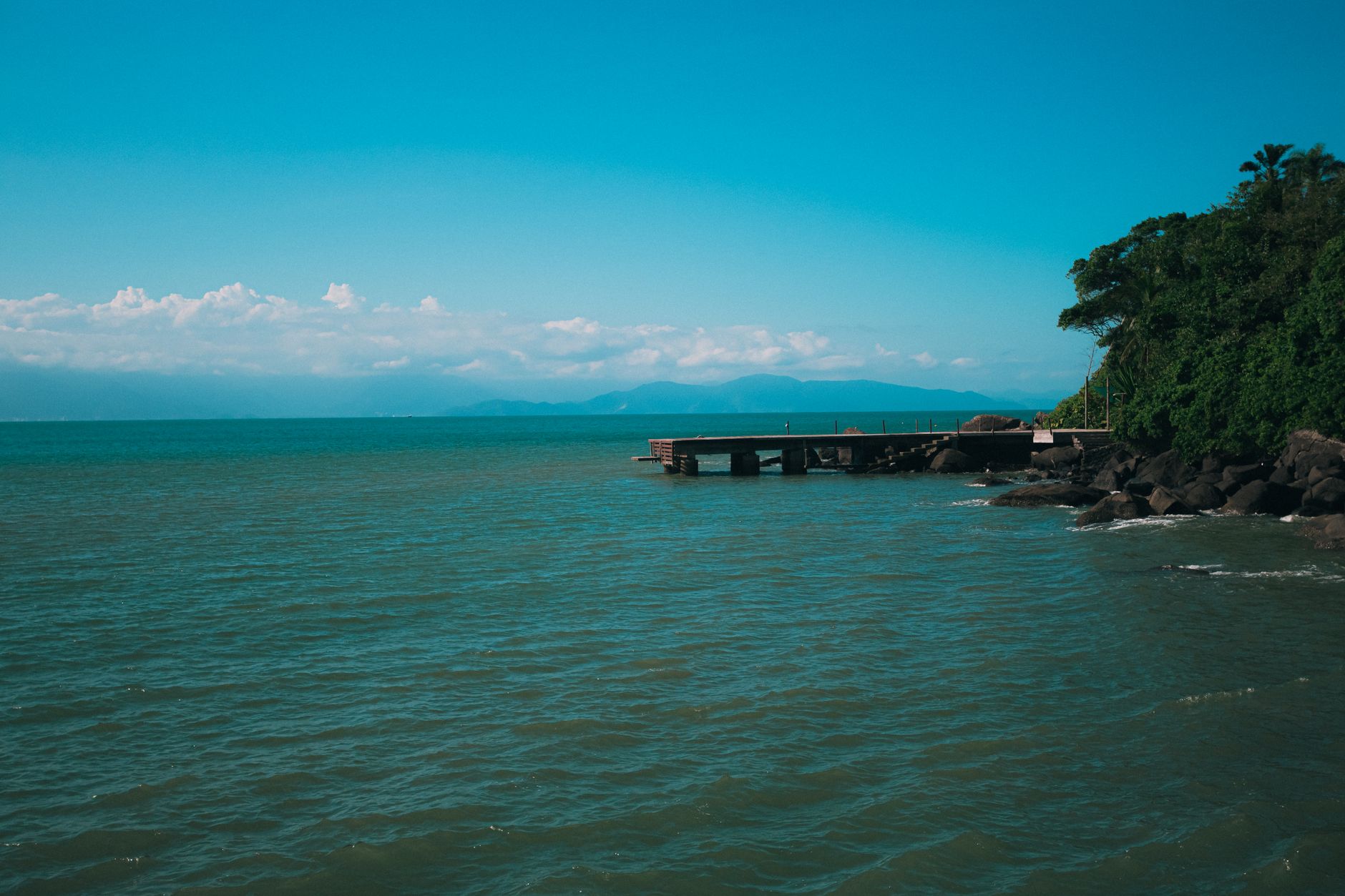
Ilhabela 3-Day Itinerary: Beaches, Trails, Costs & Tips
A practical 3-day Ilhabela guide with ferry logistics, beach and trail plans, estimated costs, and clear advice for avoiding crowds and closures.
A realistic 72-hour plan for Ilhabela that balances popular beaches, a trail day, and logistics so time is not wasted on ferry queues or closed roads.
Ilhabela is an island municipality with a strong outdoors focus: beaches, rainforest trails, waterfalls, and a small waterfront town called Vila. The pace is slower than the mainland and services spread unevenly — expect concentrated tourist infrastructure in Perequê and Vila and much sparser options on the north and eastern coasts. Noise levels rise on summer weekends (December–February) and boat traffic fills the bays; quieter weekdays give a much better sense of the place. The island suits people who plan around ferry timetables, accept dirt roads, and want lots of outdoor time rather than urban conveniences.
Is 3 days in Ilhabela enough?
Three days are enough to see the main beaches (Curral, Julião), hike a waterfall or climb a viewpoint, and make a day trip to Castelhanos or Bonete by boat or 4×4. The honest caveat: remote trails and an overnight in Bonete require extra time and a more flexible schedule.
Who This Guide Is For
Best for active travelers who accept rustic conditions, beach time, and short hikes; less suitable for travelers needing frequent public transit or city-style nightlife.
Local Tips for Ilhabela
Practical details that most travel sites skip — specific to Ilhabela.
- The São Sebastião–Ilhabela vehicle ferry (balsa) runs 24/7 but has long queues on Friday afternoons and Sunday evenings; passenger-only trips are faster and cheaper than boarding a car.
- Castelhanos road is a 4×4-only dirt track most of the year; book a guided 4×4 transfer (≈R$150–R$250 round trip) or join a boat transfer from the Vila pier (check WhatsApp numbers for daily departures).
- Many beach kiosks in Perequê and Curral accept cards, but smaller stands on Jabaquara or Bonete often take only cash — carry at least R$100 in small notes.
- Moto-táxi stands operate out of the Vila ferry terminal and Perequê; short hops cost R$10–25 and save time where buses are infrequent.
- The island enforces protected-area rules inside Parque Estadual de Ilhabela; some trails are closed after heavy rain and fines are real — check the park office in Vila or their WhatsApp to confirm access.
How This Guide Was Prepared
Ilhabela rewards planners who treat it like an island with limited infrastructure rather than a seaside suburb of São Paulo. Many guides focus only on the nicest beaches and forget ferry waits, seasonal road closures to Castelhanos, and the cash-only kiosks on small beaches. This guide was prepared through a structured research that combines destination research, geographic context, itinerary planning logic, and content review.
Plan Your Stay in Ilhabela
Use this itinerary as your starting point, then compare areas to stay, transport options, seasonal timing, and realistic daily costs before booking.
Why Visit
The coastline variety is unusual: short, easy beaches like Perequê sit next to long, surf-facing beaches such as Castelhanos that require a boat or 4×4 to reach. Trails lead from Vila into Atlantic Forest and up to viewpoints like Pico do Baepi for panoramas over São Sebastião channel. Seafood and coastal rhythms are accessible in small restaurants on Rua do Meio (Vila) and along Perequê, where fresh fish grills and local camarão dishes dominate. The island’s protection status keeps many interior valleys green and limits development, so expect more forest and fewer hotels than on nearby Guarujá or Santos.

Quick Planning Tips
Arrive by ferry from São Sebastião; the passenger-only option is fastest and the vehicle ferry adds wait time. Nearest airports are São José dos Campos (SJK) and Guarulhos (GRU); plan ground transfer to São Sebastião and allow extra time for traffic on the BR-101. Bring cash in small notes for beach kiosks and moto-taxis; cards are common in Vila and Perequê but less so on remote beaches. Avoid attempting the Castelhanos track after heavy rain and do not assume ride-hail apps will work — prebook transfers or note taxi stand locations.
Day 1
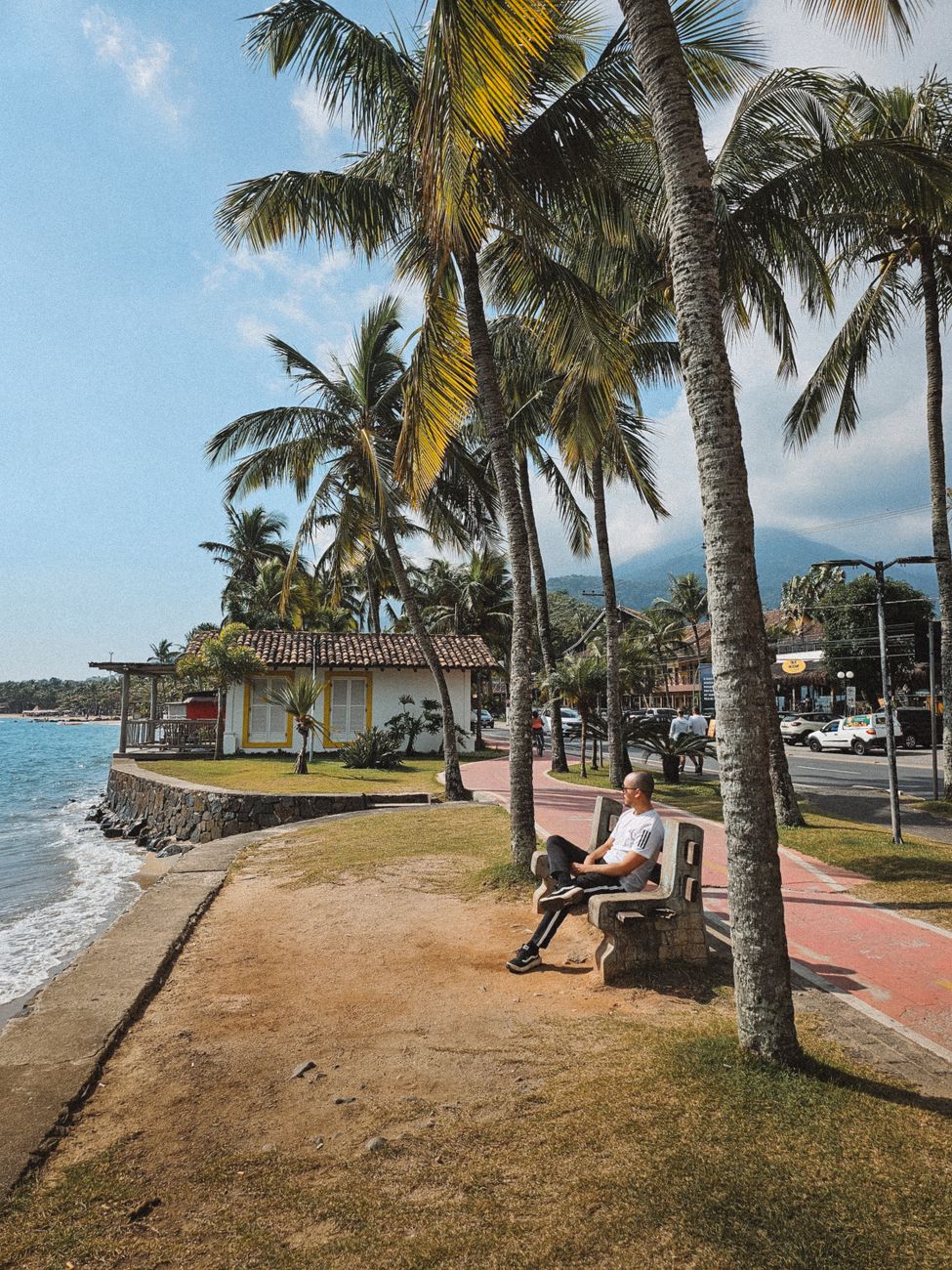
Start at the Vila waterfront (Centro Histórico) to register park info and check boat schedules at the pier; allow 30–45 minutes for orientation. Walk 5–10 minutes to Rua do Meio for an early coffee and a pastel or pão de queijo at a local padaria. From Vila, take the municipal bus or a short moto-taxi (10 minutes) to Praia do Perequê for a relaxed morning swim and stand-up paddle rentals; expect a 10–20 minute transfer. Lunch at Restaurante Coqueiral or a Perequê beachfront kiosk for grilled fish or moqueca (approx R$45–80 per person).
Day 2
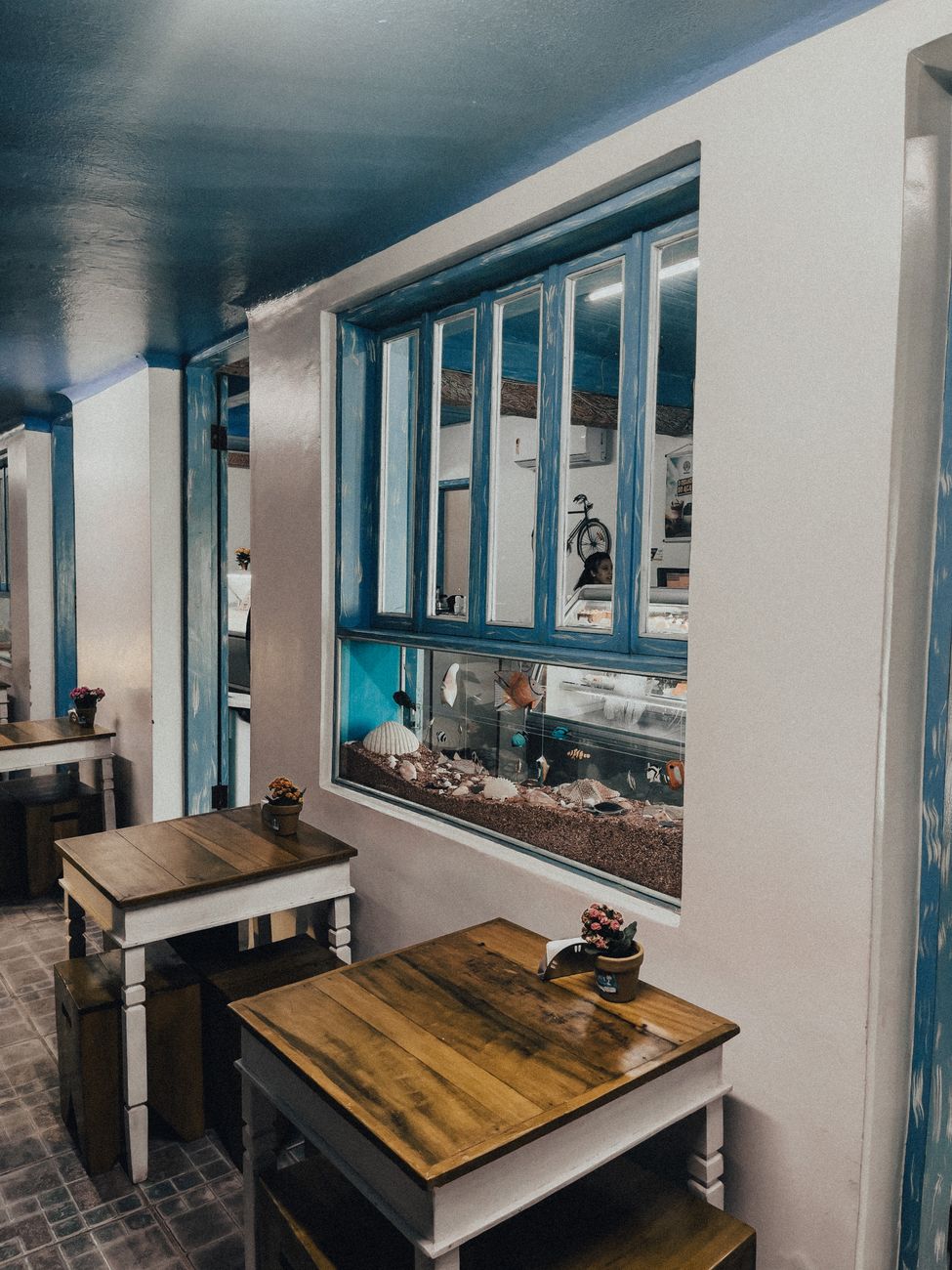
Dedicate this day to either Castelhanos (east coast) or a northern trail day — the two feel completely different. For Castelhanos, book a guided 4×4 pick-up from Perequê early (departure around 7:30–8:00) and expect 90–150 minutes one-way depending on track condition; beach time and a short walk to the higher viewpoint make a full day. Alternatively, take a morning boat from Vila pier to Bonete and plan a guided walk to waterfalls or time on the sand; boat transfers vary widely by operator. Return via the same route and use the evening to eat in Vila where many seafood restaurants stay open late.
Day 3
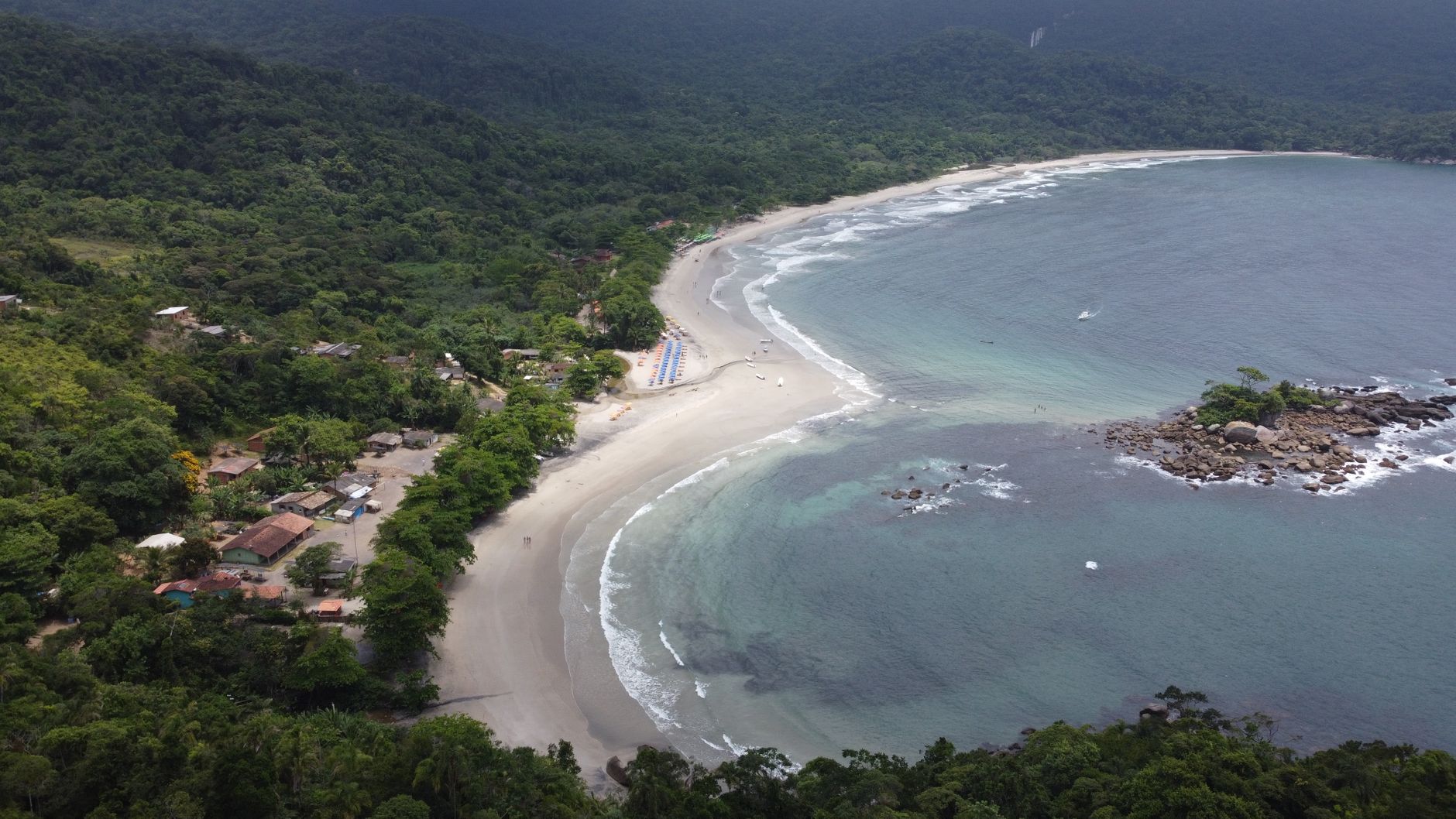
Use the final day for a short hike, a closer beach, and a relaxed exit. Morning: hike to Cachoeira da Toca or a short stretch of the Trilha do Bonete (pick a trail suited to available time) — a round trip can be 1.5–3 hours. Midday: return to Praia do Curral for lunch at a beachfront quiosque; walking from the Curral parking is typically 5–15 minutes. Afternoon: if catching an afternoon ferry, leave Curral at least 90–120 minutes before the scheduled departure to allow for road traffic and check-in; factor in time to refuel with snacks in Vila. Evening plan: if staying one more night, have dinner in Perequê where more casual seafront bars remain open.
Best Local Experiences
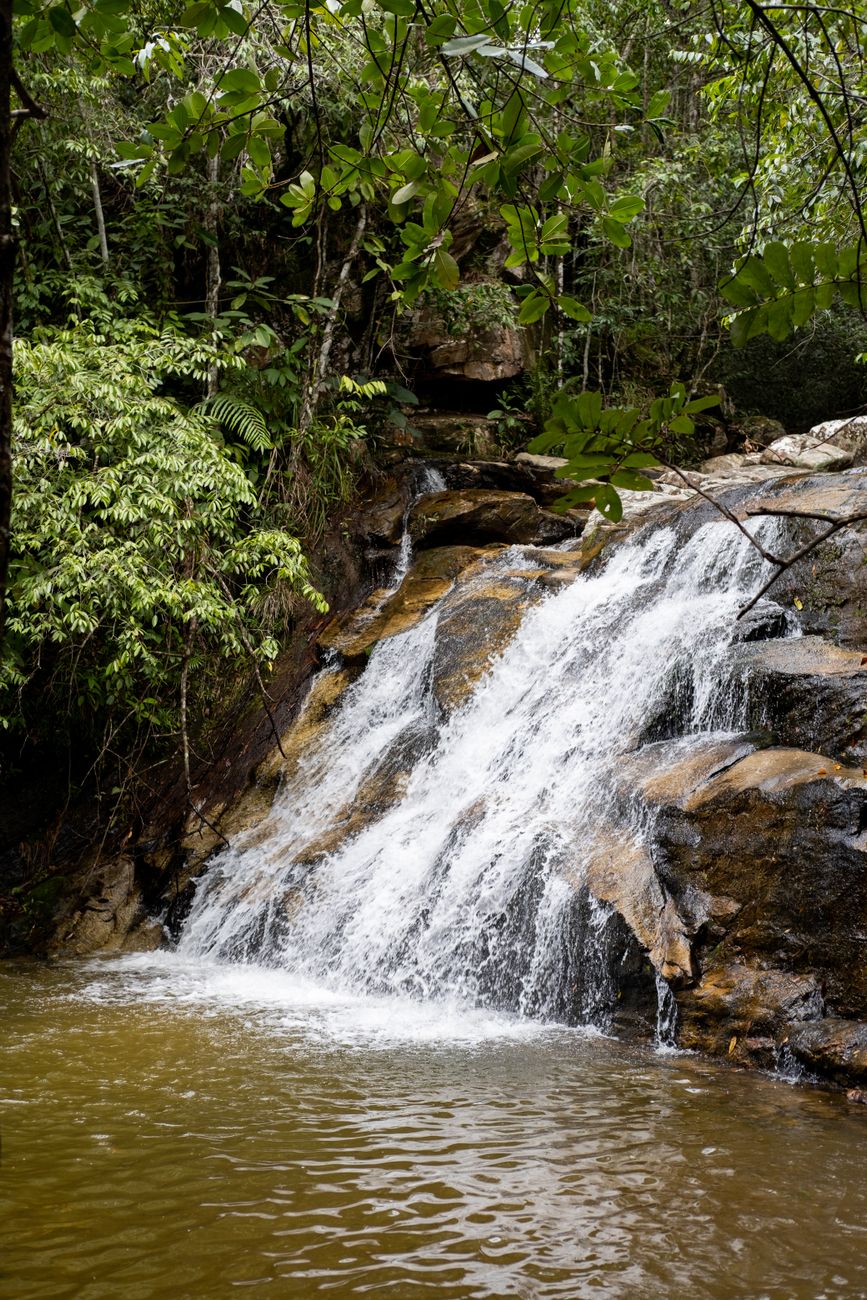
Boat transfer to Castelhanos is a must — either the public launch or a private transfer gives access to long surf beaches and a sandbar walk. The 4×4 track to Castelhanos is an experience itself; join a guided truck transfer to understand local safety rules. Morning market stalls along Rua do Meio and Praça Coronel Julião in Vila sell seafood, empadas, and local handicrafts on weekends. Trail to Pico do Baepi offers a steep climb with wide views over the channel and mainland; hire a guide if unsure about the route. Nightlife in Perequê centers on live samba or MPB nights at a handful of bars rather than clubs, which fits the island’s late-but-low-key scene.
Where to Stay
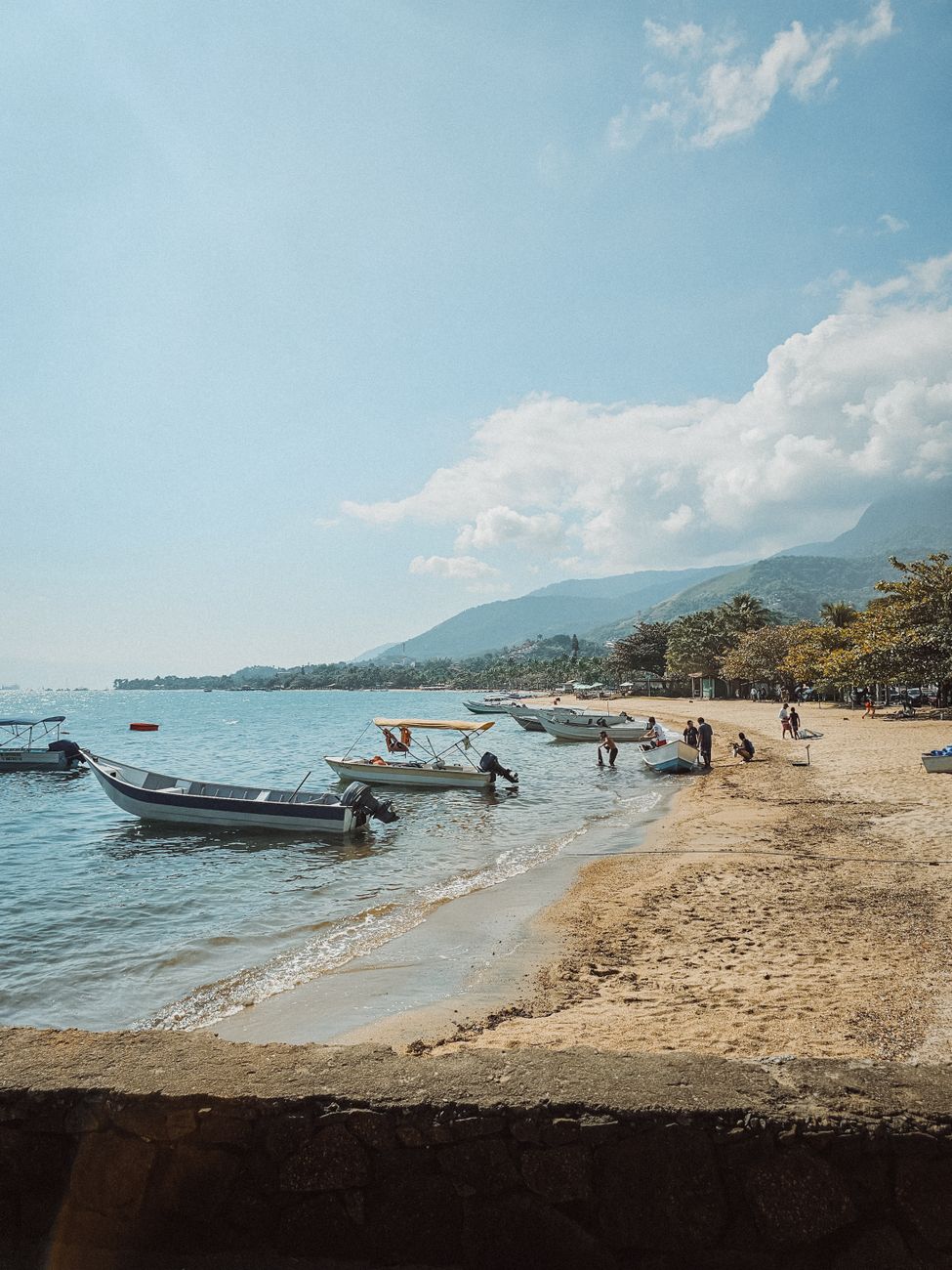
Vila (Centro Histórico): best for first-time visitors who want restaurants, the ferry terminal, and tour operators within walking distance. Expect pousada rates R$200–450/night (≈€36–80 or US$40–90) for mid-range rooms. Perequê: suits families and travelers wanting easy beach access and water sports rentals; mid-range pousadas and small hotels run R$250–500/night (≈€45–90 or US$50–100). Barra Velha and Curral: quieter and good for early beach walks; fewer restaurants in walking distance so a car or bike is helpful, with nightly rates around R$180–400 (≈€32–72 or US$35–80).
Food and Drink
Moqueca caiçara: a fish stew with coconut milk and dendê in many Vila restaurants; expect R$50–120 per portion. Camarão na moranga: shrimp in a pumpkin shell found in Perequê seafood houses for R$70–140. Street option: pastel or coxinha from Vila bakeries and market stalls for R$6–12 — good for a quick breakfast. Beach kiosk classic: grilled peixe (whole fish) served with rice and farofa at Curral or Perequê, roughly R$45–90. Dessert/drink: caldo de cana (sugarcane juice) or a cold caipirinha in Vila bars; juices R$6–10 and caipirinhas R$12–25.
Getting Around
Main access is by the São Sebastião–Ilhabela ferry (balsa) for passengers and vehicles; passenger trips take 10–15 minutes while vehicle boarding can add waiting time. Local transport includes municipal minibuses and vans (routes between Vila, Perequê, Curral and Pietro), moto-taxis from the ferry and Perequê, taxis found at stands in Vila, and private boat taxis for north-coast beaches. Single bus/minibus fares are roughly R$4–6; there is no island-wide day pass. Taxi from São Sebastião ferry terminal to Vila is typically R$20–50; a taxi from São José dos Campos airport to São Sebastião (before the ferry) can be R$300–450 depending on the operator. Use Google Maps and Moovit for schedules and WhatsApp to book boat or private transfers.
Best Time to Visit
High season: December–February brings hot weather (24–32°C) and crowded beaches, higher prices, and longer ferry queues. Shoulder months: March–May and September–November offer fewer crowds, lower prices, and comfortable temperatures around 20–28°C; these months are best for combining trails and beach time. Winter: June–August is cooler (16–22°C) with a higher chance of rain and choppier seas, but far fewer tourists and better prices. If visiting for specific boat access to Bonete or Castelhanos, check local operators; wind and swell affect departures more than the calendar date alone.
Budget and Practical Tips
Daily budget estimate (midrange traveler): accommodation R$200–400 (≈€36–72 / US$40–80), food R$70–150 (≈€12–27 / US$14–30), local transport R$30–120 (≈€5–22 / US$6–25), entry fees and transfers for one boat or 4×4 trip R$60–250 (≈€11–45 / US$12–55). Expect higher prices during December–January carnival season. Tipping: restaurants typically do not require a service charge but leaving 10% for table service is common; small change for countertop kiosks is appreciated. Bring reef shoes for rocky beach approaches and a small dry bag for boats.
FAQ
Is Ilhabela safe for solo travelers?
Daytime safety is generally fine on main beaches and Vila; standard precautions apply after dark in quieter areas and avoid walking isolated trails alone.
Can cars go on the ferry and how much is it?
Cars can board the São Sebastião–Ilhabela ferry; vehicle fares vary by size and season — expect significantly higher fees and longer waiting times than passenger-only crossings.
Is there a public transport card or app for the island?
No universal island card; use cash for minibuses and moto-taxis, and check Moovit or Google Maps for bus times; WhatsApp numbers are commonly used to book private boats.
Is a city card or tourist pass worth buying?
There is no widely used tourist card that covers transport and attractions; pay per activity and prebook transfers for Castelhanos or Bonete.
Are trails and waterfalls free to visit?
Many trails are free but some sites inside the state park may require registration or guided access; check park rules at the Vila park office.
Can day trips to Bonete be done from Vila?
Yes, day boat transfers run seasonally but an overnight is recommended; check operators for sea conditions and return times.
Are ride-hailing apps like Uber available?
Ride-hailing is unreliable on the island; plan to use taxis at stands, moto-taxis, or prebooked transfers.
How long should ferry wait time be on weekends?
Waits can be 30–90 minutes for vehicles on busy weekends; passenger queues are shorter but still expect extra time.
Conclusion
Three days let a traveler combine easy beach time, one substantial transfer to a remote beach, and a short hike without rushing. The most lasting impressions come from a single long beach day (Castelhanos or Bonete) plus a viewpoint like Pico do Baepi and an evening in Vila sampling fresh seafood. If time becomes tight, prioritize the ferry arrival, one boat/4×4 transfer to an east-coast beach, and dinner on Rua do Meio — those three experiences capture what most visitors remember.
How this guide was prepared
This guide was prepared through a structured research that combines destination research, geographic context, itinerary planning logic, and content review.