
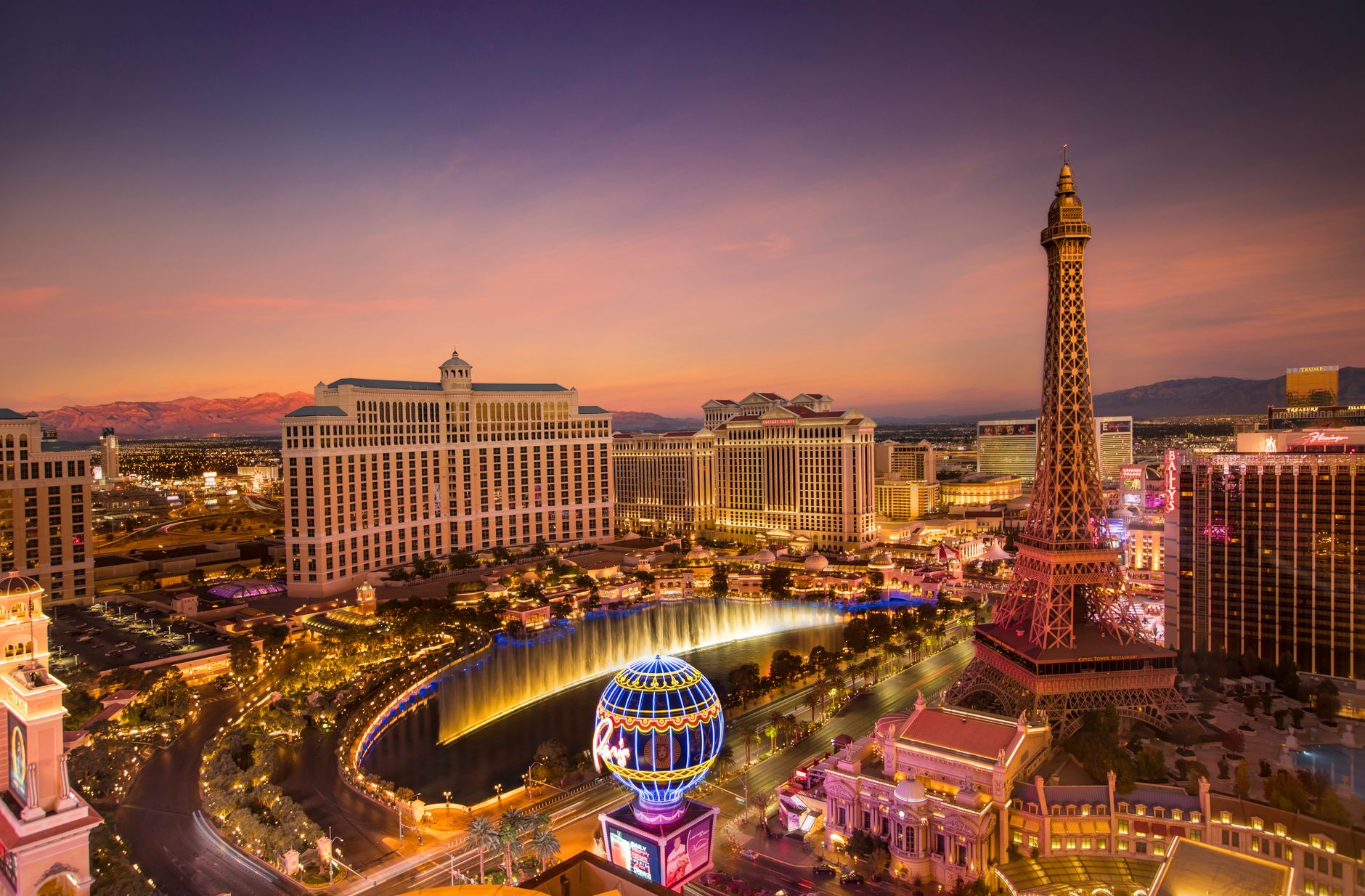
Las Vegas travel budget: realistic daily costs and money-saving tactics
Practical Las Vegas budget guide: daily cost ranges, transit tips (RTC, Monorail), saving tactics, tipping norms, and where to cut costs fast.
Clear daily budgets for Las Vegas with accommodation, food, transport, attractions and incidentals. Includes transit passes, free options like Fremont Street, and tipping norms.
Las Vegas travel budget?
Plan on about USD 80–300 per day depending on choices: budget travelers can manage around USD 80/day, mid-range about USD 150–200/day, and comfortable travel USD 250+/day. Use the RTC Deuce/SDX bus and Las Vegas Monorail to cut transit costs and avoid taxis during peak hours.
Who This Page Is For
Best for solo or small-group travellers who need exact daily budgets and local cost-saving moves for Las Vegas. Not for luxury-only travellers seeking resort-only planning.
Key Takeaways for Las Vegas
- Budget daily range: USD 80–120 (≈€74–110) including a budget motel or hostel off-Strip, simple meals, RTC bus passes, and cheap attractions.
- Mid-range daily range: USD 150–200 (≈€139–185) covers a mid-Strip hotel room or Downtown boutique, entrance to one show or attraction, and some ride-share trips.
- Comfortable daily range: USD 250–500 (≈€230–€460) includes nicer Strip hotels, a headliner show, paid tours (Red Rock Canyon, helicopter), and tipping at standard U.S. rates.
- Transit tools: RTC Deuce/SDX buses and the Las Vegas Monorail are the cheapest predictable ways to move along the Strip and Downtown; buy passes on the RTC app or Monorail website.
How This Page Was Prepared
This page was prepared through a structured editorial workflow that combines destination research, geographic context, and practical travel-planning review.
Plan the Rest of Your Trip
Use this page together with the full itinerary and the related planning pages below to make better booking, timing, transport, and budget decisions.
Expect to budget roughly USD 80–120 per day for a budget trip, USD 150–200 per day for mid-range travel, and USD 250+ per day for comfortable travel in Las Vegas. Key line items are accommodation (which varies most by day of week), food, transit (RTC Deuce/SDX, Monorail, rideshare), and one or two paid attractions such as a Strip show or Red Rock Canyon entry. Resort fees change the effective hotel price; always add USD 15–45 per night when comparing rates. Use the RTC app for bus passes and the Las Vegas Monorail site for multi-day tickets to reduce local transport costs.
This page answers: how much does a realistic day in Las Vegas cost, and where to cut expenses without missing core experiences? Many travellers underestimate hotel pricing swings, transit options, and what actually costs money on the Strip. Weekday room deals can hide steeper weekend rates, resort fees add $15–$45 per night even at economy properties, and tipping expectations increase daily outlays.
Common misconceptions include thinking the Strip is the only practical place to stay and assuming all attractions are expensive. Downtown and off-Strip neighborhoods like Spring Valley and Paradise have cheaper rooms but different trade-offs. Public transport options such as RTC Deuce/SDX buses and the Las Vegas Monorail make it possible to avoid frequent ride-shares. The following sections give concrete daily budgets, named passes and apps, precise money-saving tactics, and the local tipping norms so budgeting is realistic and verifiable.
What This Page Helps You Decide
Decide whether to stay on the Strip, Downtown, or off-Strip based on real cost trade-offs and transport time. This guide helps pick a daily budget tier (budget, mid-range, comfortable) with concrete dollar figures for accommodation, meals, transit, attractions, and incidentals. Also provides named ways to save money in Las Vegas: which transit pass to buy, where to eat cheaply, and which free or low-cost attractions reliably reduce daily spend. The goal is a realistic plan that aligns with a linked 3-day Las Vegas itinerary while keeping costs clear before booking.
Top Recommendations
Daily budget breakouts (USD with approximate EUR conversions at ≈0.92):
– Budget traveler (USD 80–120 / ≈€74–110 per day)
– Accommodation: USD 30–70 (budget motel off-Strip or hostel dorm) — add typical resort fee USD 15–30 where applicable.
– Food: USD 15–35 (fast-casual Strip food court meals, 24-hour cheap cafes, groceries from Smith's or 7-Eleven).
– Local transport: USD 5–15 (single RTC fares or 24-hour RTC pass when available).
– Attractions: USD 10–40 (Fremont Street free, Bellagio fountain free, cheap museum or self-guided walking tours).
– Incidentals: USD 10–20 (small tips, water, snacks).
– Mid-range traveler (USD 150–200 / ≈€139–185 per day)
– Accommodation: USD 90–160 (mid-Strip hotel room or boutique Downtown hotel; include resort fee USD 20–35).
– Food: USD 40–80 (mix of casual restaurants, one nicer dinner or buffet).
– Local transport: USD 10–30 (Monorail daily pass, RTC multi-day pass, occasional Uber/Lyft).
– Attractions: USD 40–150 (one show ticket, Neon Museum, or helicopter photo flight share).
– Incidentals: USD 15–30 (tips, small purchases).
– Comfortable traveler (USD 250–500+ / ≈€230–460+ per day)
– Accommodation: USD 200–400 (higher-end Strip resort including larger resort fees USD 30–45).
– Food: USD 100+ (steakhouse, paid buffets, specialty restaurants).
– Local transport: USD 15–50 (ride-shares for convenience, private tours).
– Attractions: USD 150–300 (headliner show, helicopter Grand Canyon tour, guided Red Rock trip).
– Incidentals: USD 50–150 (shopping, higher tips).
Money-saving tactics tied to Las Vegas:
– Buy RTC Deuce/SDX multi-day passes on the RTC app for frequent Strip/Downtown travel instead of repeated Lyft trips; this saves roughly USD 10–30 per day compared with rideshares when moving repeatedly.
– Use the Las Vegas Monorail multi-day pass for north Strip access (Monorail companies sell 1–3 day passes on their website); cheaper than repeated taxis when moving between MGM, Flamingo, and Wynn area stops.
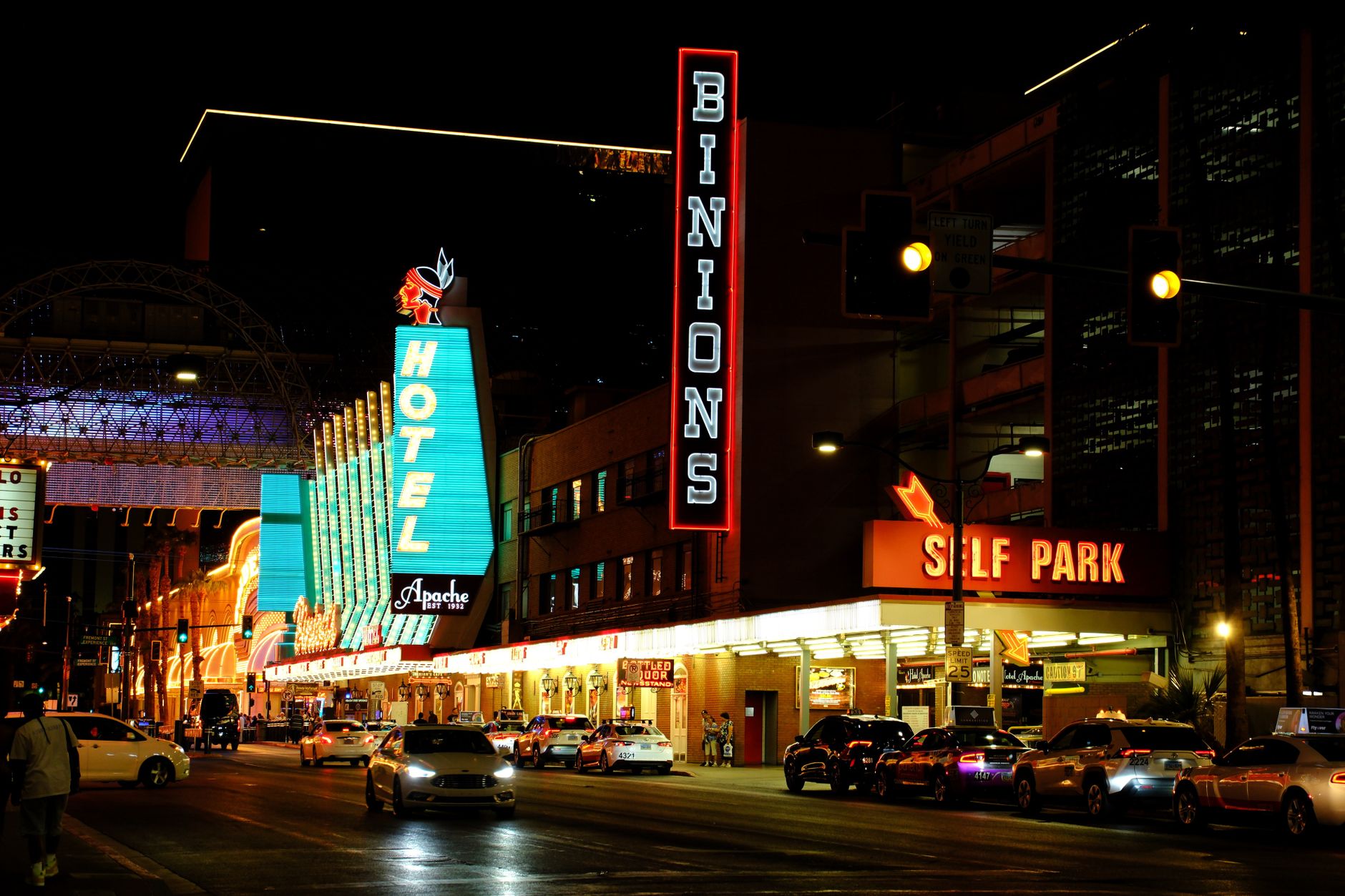
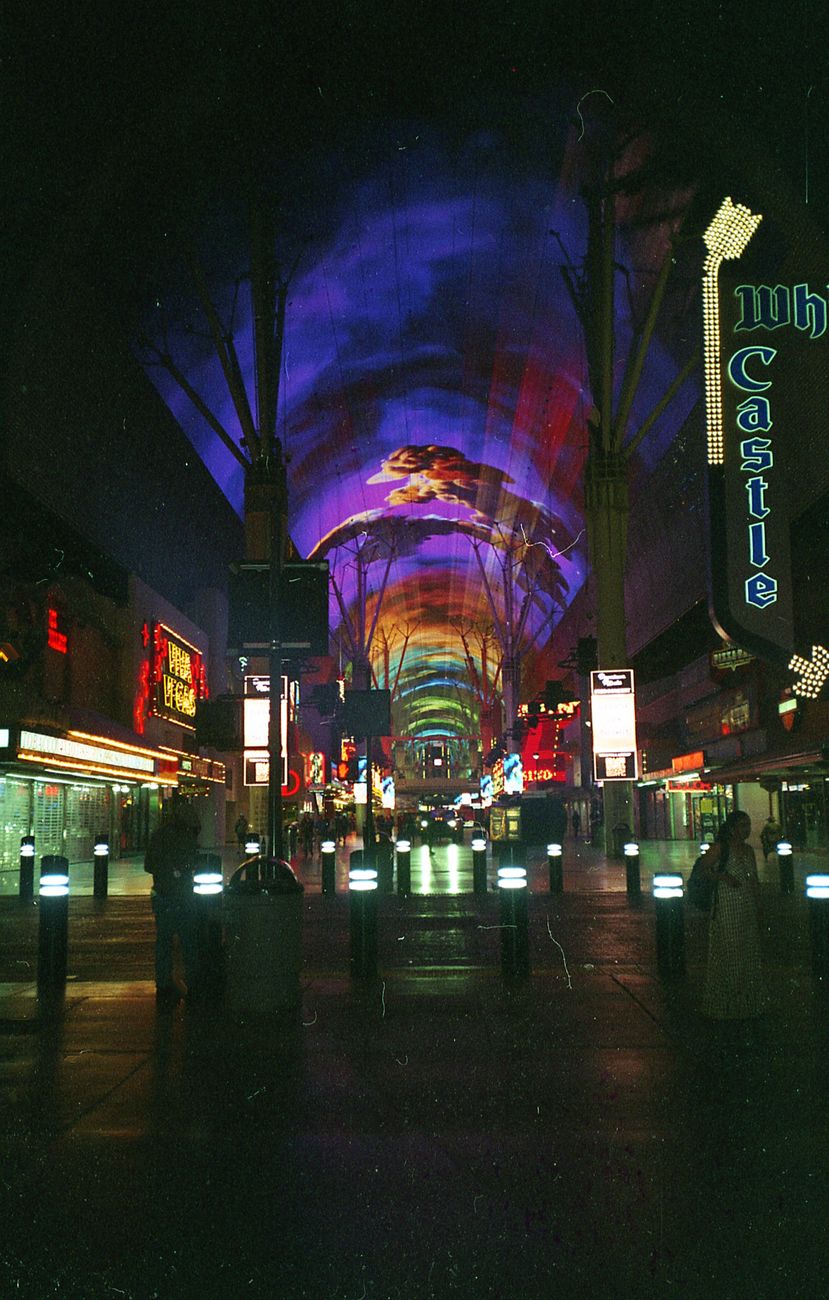
– Visit Fremont Street Experience for free live entertainment and light shows instead of paid Strip concerts.
– Book shows on discount sites (Tix4Tonight booths on Las Vegas Boulevard) or try day-of rush tickets for single-show savings of 30–60%.
– Shop for groceries at Smith's or Trader Joe's (Summerlin or Henderson locations) and cook or prepare picnics for one or two meals to cut food cost significantly.
– Take the free Tivoli Village shuttle if staying near Summerlin for access to groceries and dining without a car.
Tipping norms in Las Vegas (specifics):
– Sit-down restaurants: 15–20% of pre-tax bill; 20% for good service.
– Bars: USD 1–2 per drink or 15–20% of the tab.
– Taxis: round up or 10–15%; rideshare drivers typically expect 10–20% via the app.
– Hotel bellhop: USD 2–5 per bag; housekeeping USD 2–5 per night left daily; valet USD 2–5 when car returned.
Local Context
Las Vegas pricing depends heavily on season and day of week. Peak summer (June–August) brings extreme heat with daytime highs often exceeding 100–110°F (38–43°C), which reduces walking and increases spending on taxis, drinks, and cooled attractions. Holiday weekends and major convention dates (like CES in January) force hotel rates up dramatically.
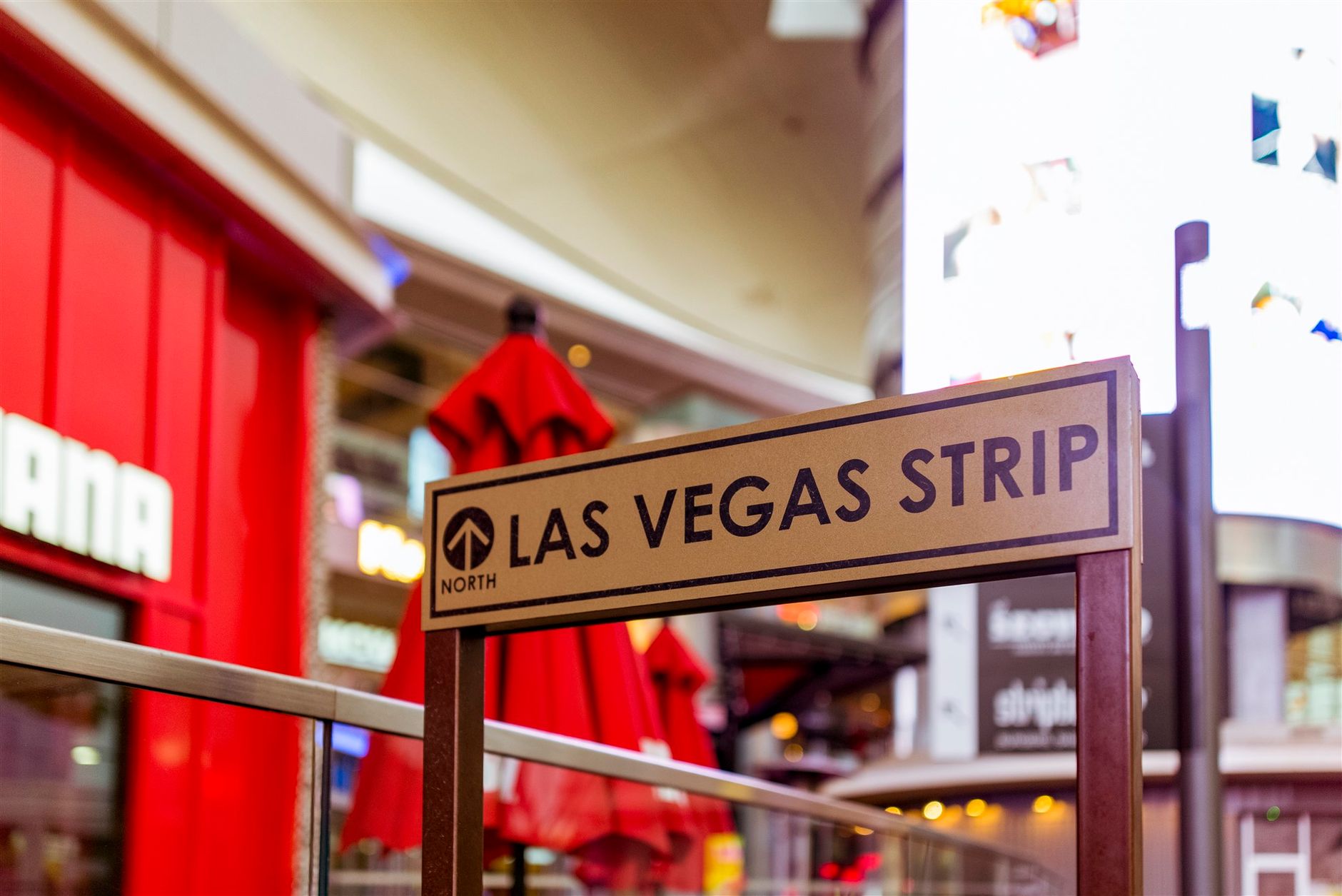
Neighborhood character affects value. The Strip (Las Vegas Boulevard) is convenient but adds resort fees and higher food prices. Downtown/Fremont Street and the Arts District (Main Street, Charleston Boulevard) offer lower room rates and cheaper local restaurants. Summerlin and Henderson neighborhoods are residential alternatives with lower nightly rates but require more transit time to central attractions.
Transit quirks matter. RTC buses (Deuce and SDX) run frequently along the Strip and to Downtown; the Las Vegas Monorail covers the east side of the Strip with stations near major casinos. Airport rides use Harry Reid International Airport access via taxi, Lyft/Uber and RTC Route 108; expect a 10–25 minute wait for rideshares during peak times. Always add resort fees and parking charges when comparing accommodation costs.

How to Choose Well
Weigh cost against convenience when picking a neighborhood. Staying on the Strip saves time but tends to increase out-of-pocket costs through resort fees (USD 15–45) and pricier restaurants. Choosing Downtown or the Arts District drops nightly rates by USD 30–100 on many dates but adds short transit time to the Strip.
Decide transportation by itinerary. If the plan includes multiple shows and Strip attractions, a Monorail pass plus occasional Uber may be best. For wandering between Fremont Street, the north Strip and casinos, buy an RTC Deuce/SDX pass if more than two bus rides per day are expected.
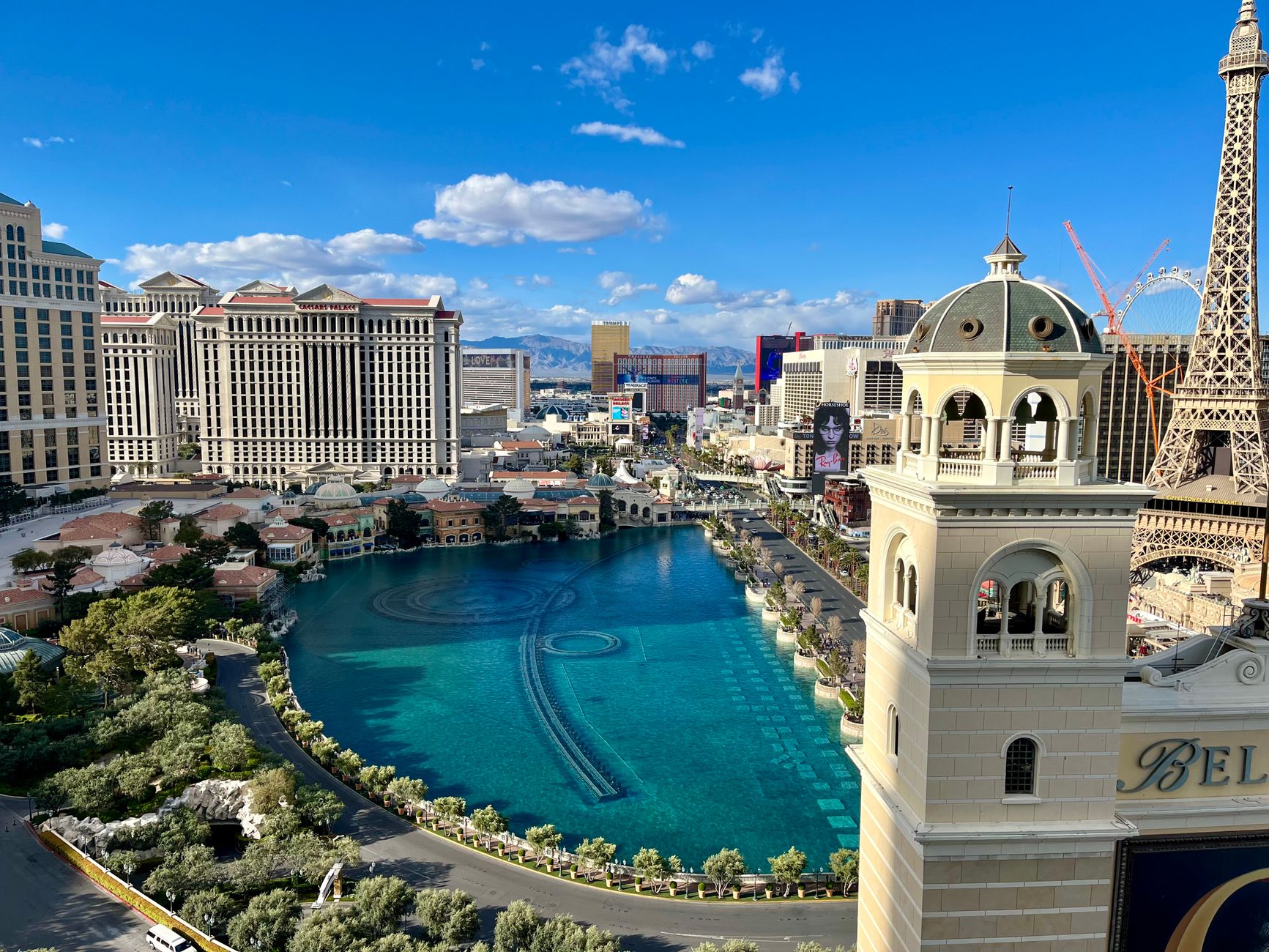
Pick attractions by price versus value. Free essentials: Bellagio fountains, Fremont Street Experience, and the wildlife habitat at the Flamingo. Paid items that absorb budget quickly: headliner shows (USD 70–250+), indoor helicopter or Grand Canyon tours (USD 200+). Balance one paid splurge with several free or low-cost activities to keep the daily budget on target.
Responsible and Local-First Tips
Support local small businesses: eat at neighborhood diners and cafés on Main Street or in the Arts District rather than only at corporate Strip chains. Named places: try Esther's Kitchen in the Arts District for pasta, and Eat. for breakfast near Downtown Third Street.
Buy souvenirs from Downtown Container Park vendors or local artisans at the First Friday Arts District event (first Friday of the month) instead of casino shops. Use reusable water bottles and refill at hotel water stations to reduce single-use plastic costs; Nevada tap water is safe in most hotels.
Use public transit to cut emissions and costs: the RTC Deuce and SDX buses and Las Vegas Monorail reduce car dependency. Tip service workers fairly: bellhops, housekeeping, and drivers rely on gratuities. When booking tours, choose locally run operators for Red Rock Canyon and Hoover Dam trips to keep revenue in the region.
Common Mistakes to Avoid
Overlooking resort fees when comparing room rates. A listed USD 50 room can become USD 70–95 after a USD 15–40 resort fee; always check the total rate including resort fee and taxes before booking.
Assuming ride-share is always cheaper than public transit. Multiple short trips along the Strip add up; an RTC Deuce/SDX pass or Monorail multi-day pass can be cheaper for heavy intra-Strip travel.
Expecting free parking everywhere. Many Strip hotels charge for self-parking or valet (USD 10–30 per day or higher for premium lots). Some Downtown hotels still offer free parking but check current policy before driving.
Buying show tickets weeks in advance for every performance. Some headline shows release discounted day-of seats or have Tix4Tonight booths that offer significant savings; for flexible schedules this can save USD 30–150 per ticket.
Ignoring seasonal heat when budgeting. Summer cooling expenses (more drinks, AC rideshare rides) can add USD 10–30 per day compared with spring or fall travel.
FAQ
How much does a basic day in Las Vegas cost?
A basic budget day can be USD 80–120 including a low-cost room off-Strip, cheap meals, RTC transit and free attractions. Add resort fees of USD 15–45 per night when calculating accommodation totals.
When are hotel rates cheapest?
Weeknights (Sunday–Thursday) typically have lower rates than Friday–Saturday. Avoid major conventions and events (CES, EDC, major boxing/MMA weekends) to get the best prices.
Is public transport useful on the Strip?
Yes. Use the RTC Deuce and SDX buses for regular stops along the Strip and to Downtown, and the Las Vegas Monorail for north-south trips; purchasing multi-day passes reduces per-ride cost.
What are must-know tipping rules?
Sit-down restaurants 15–20% pre-tax, bars USD 1–2 per drink, bellhop USD 2–5 per bag, housekeeping USD 2–5 per night, rideshare 10–20% via the app.
Are there free attractions worth seeing?
Yes: Bellagio fountains, Fremont Street Experience light shows, the Wildlife Habitat at the Flamingo, and free casino shows in some properties. Downtown Container Park is free to enter.
How to get from Harry Reid International Airport to the Strip cheaply?
Use Lyft or Uber which often undercut taxis; some RTC routes serve the airport but expect a longer trip. Compare app prices before booking.
Conclusion
The single most important budgeting fact: accommodation and timing drive your daily cost. Plan lodging first, add the resort fee and taxes, then layer food, transit and one or two paid attractions into the daily budget. Use RTC Deuce/SDX and the Monorail for reliable savings over multiple short rideshares, and incorporate one free highlight such as Fremont Street or the Bellagio fountains each day to stretch the budget.
For a concrete next step, align these daily figures to the main 3-day Las Vegas itinerary: pick where to stay for nights 1–3 (Strip, Downtown, or off-Strip), buy the appropriate RTC or Monorail pass, and reserve any paid show or tour one month in advance if dates are fixed.
How this guide was prepared
This guide was prepared through a structured research that combines destination research, geographic context, itinerary planning logic, and content review.