

Getting Around Osaka-shi
Practical guide to transport in Osaka-shi: fares, cards (ICOCA), metro lines, airport links, taxis and cycling tips for efficient travel.
Specific, practical transport advice for getting around Osaka-shi: which cards to buy, which metro and private lines to use, day-pass prices, and realistic taxi or bike options.
Getting around Osaka-shi?
Buy an ICOCA prepaid card (500 JPY deposit) on arrival and use Osaka Metro (Midosuji, Tanimachi, Chuo, Yotsubashi), JR Osaka Loop Line and Nankai Airport Line for most trips. Expect Osaka Metro single fares from 180 JPY and consider the Osaka Amazing Pass (1-day 2,800 JPY) only if visiting paid sights in a single day.
Who This Page Is For
This page is for first-time visitors and repeat travellers who need focused, verifiable transit choices in Osaka-shi. Local commuters already familiar with Osaka Metro patterns will find less new information here.
Key Takeaways for Osaka-shi
- ICOCA card requires a 500 JPY refundable deposit and stores value for use on JR, Osaka Metro, Hankyu, Hanshin and buses.
- Osaka Metro base single fare starts at 180 JPY (approx $1.25 / €1.12); fares rise with distance.
- Nankai Rapi:t from Kansai Airport to Namba costs about 1,430 JPY (approx $9.90 / €8.94); Airport Express is around 1,160 JPY.
- Osaka Amazing Pass 1-day costs 2,800 JPY (approx $19.30 / €17.50); 2-day version is about 3,600 JPY.
How This Page Was Prepared
This page was prepared through a structured editorial workflow that combines destination research, geographic context, and practical travel-planning review.
Plan the Rest of Your Trip
Use this page together with the full itinerary and the related planning pages below to make better booking, timing, transport, and budget decisions.
For most visitors, get an ICOCA prepaid card at Kansai Airport or major stations (500 JPY deposit). Use Osaka Metro lines — Midosuji Line for north-south city spine, Tanimachi Line for Osaka Castle and Tennoji, and Yotsubashi or Sennichimae to reach Namba and Dotonbori. For airport links, Nankai Rapi:t to Namba costs about 1,430 JPY; the Airport Express is about 1,160 JPY. Osaka Metro single fares start at 180 JPY. Buy an Osaka Amazing Pass (1-day 2,800 JPY) only if planning multiple paid attractions in one day; otherwise ICOCA plus occasional single tickets or day passes for private lines save money.
This page answers the practical question: how to move efficiently and cheaply around Osaka-shi for sightseeing, day trips and airport transfers. Many visitors underestimate the patchwork of operators — Osaka Metro, JR West, Nankai, Hankyu, Hanshin and Kintetsu all serve the metropolitan area, and fares, passes and platform assignments differ. Confusion about station names (Osaka Station vs Umeda Station, Namba vs Nankai Namba) wastes time. Riders also underprepare for peak-period crowding on the Midosuji Line and for last-train cutoffs around midnight.
What This Page Helps You Decide
Choose between pay-as-you-go (ICOCA), sightseer passes (Osaka Amazing Pass) and regional passes (Kansai Thru Pass) based on planned destinations and timing. Decide whether to take Nankai Rapi:t, JR Haruka, or limousine bus from Kansai Airport depending on budget, luggage and arrival time. Pick the right station to change trains: Shin-Osaka is best for shinkansen, Umeda for Hankyu/Hanshin connections, Namba for Nankai and city nightlife. Determine when to use taxis: late arrivals or heavy luggage justify a 13,000–18,000 JPY taxi from Kansai Airport to central Osaka, while most daytime arrivals prefer rail.

Top Recommendations
Use an ICOCA prepaid card for everyday convenience. ICOCA requires a 500 JPY deposit and can be topped up at machines in Kansai Airport, JR West and private-rail stations; it works on JR West, Osaka Metro, Hankyu, Hanshin, Kintetsu and most city buses. Carry cash for smaller bus-only routes that require exact change.
Take Osaka Metro for inner-city travel. Key lines: Midosuji Line (red) connects Umeda, Shinsaibashi and Namba; Tanimachi Line (purple) serves Tennoji and Osaka Castle Park; Chuo Line (green) crosses to Osaka Business Park. Single fares start at 180 JPY (approx $1.25 / €1.12) and increase by distance.
Use JR lines for regional links and circle service. JR Osaka Loop Line links Tennoji, Nishikujo and Osaka Station; JR Kyoto Line connects to Kyoto from Osaka Station. Buy single JR tickets at machines or use ICOCA.
Choose airport links deliberately. From Kansai Airport to Namba: Nankai Rapi:t limited express ≈ 1,430 JPY (approx $9.90 / €8.94); Nankai Airport Express ≈ 1,160 JPY (approx $8.00 / €7.25). From Kansai Airport to Shin-Osaka or Umeda, JR Haruka limited express plus ICOCA is convenient if holding a JR pass; Haruka fares vary but expect roughly 3,200 JPY to Shin-Osaka.
Consider passes only after mapping days. Osaka Amazing Pass (1-day 2,800 JPY / 2-day 3,600 JPY) bundles unlimited Osaka Metro/Hankyu/Hanshin/Hankai rides within the city plus free entry to selected sights. Kansai Thru Pass (2-day about 4,000 JPY) covers private railways and many buses but not JR; good for multi-city travel to Kobe, Nara and Kyoto when using non-JR lines.
Taxis and rideshare: taxis are metered. Typical fares: Kansai Airport to Namba/Umeda roughly 13,000–18,000 JPY (~$90–$125 / ~€80–€110) depending on route and highway tolls. Shin-Osaka to Namba usually 3,500–5,500 JPY. Rideshare apps are limited; use local taxis or licensed airport transfers instead.
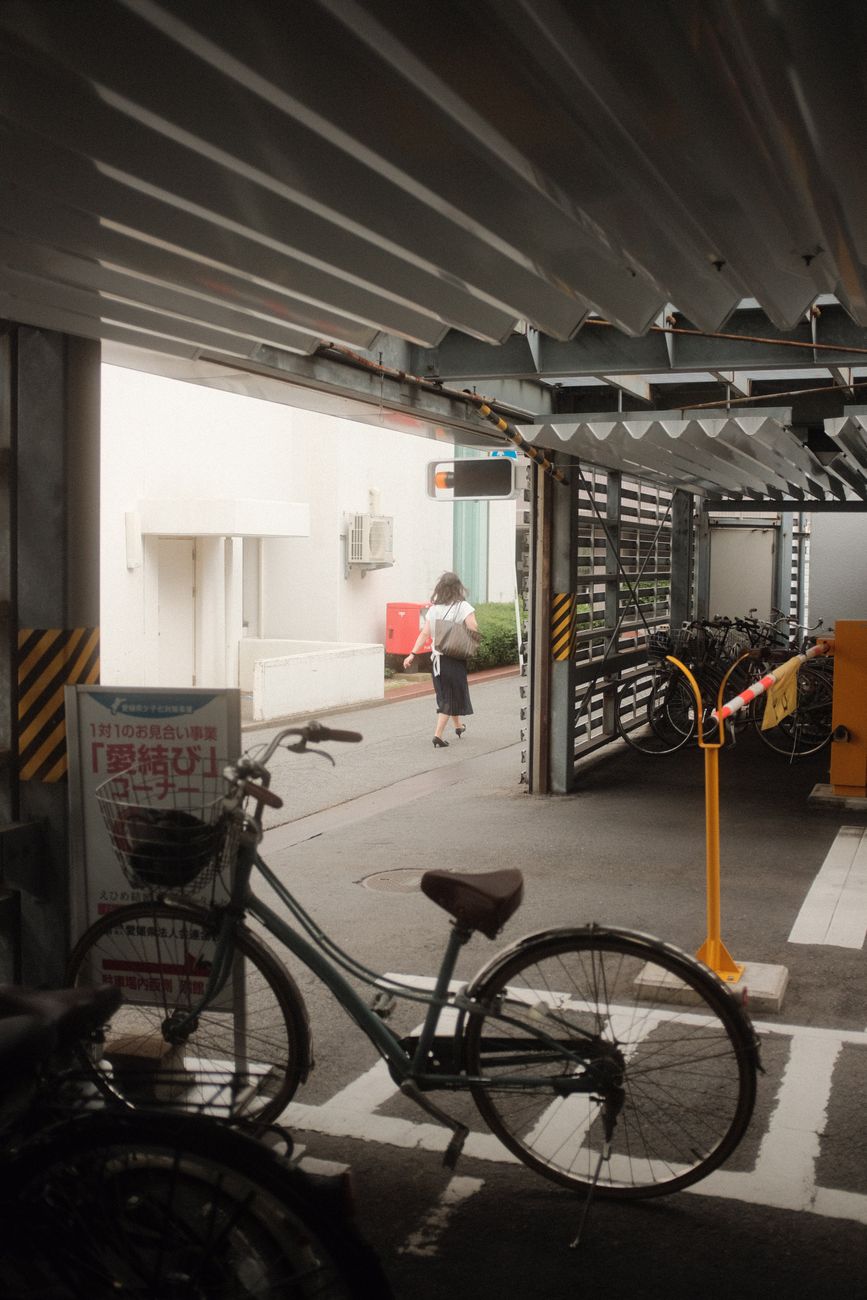
Walkability and cycling: Central areas — Dotonbori, Namba, Umeda and the riverside near Nakanoshima — are easy to walk in short stretches. For longer cross-neighbourhood travel, combine walking with metro trips. Bike share systems such as Docomo Bike Share (Hello Cycling) operate docking stations in Nakanoshima, Tennoji and Umeda; expect rates around 150–200 JPY per 30 minutes. Lock bikes only at designated parking to avoid fines.

Local Context
Many operators serve Osaka-shi because the metropolitan area grew around several private rail companies founded in the early 20th century. That means station names and platforms belong to different companies even when they are physically adjacent: Umeda is the Hankyu/Hanshin name, Osaka Station is JR West. Ticketing and pass rules follow company boundaries.
Rush hours on the Midosuji Line (weekdays 07:30–09:00 and 17:00–19:00) are crowded. Expect packed trains between Umeda, Honmachi and Namba; plan trips with extra time. Metro service typically ends around midnight; some private lines run their last trains slightly later, but late-night taxis are often the only option.
Seasonal patterns matter. Cherry blossom season (late March–early April) and Golden Week (late April–early May) dramatically increase crowding on lines to Osaka Castle Park and Tenmangu areas. Summer (July–August) brings heat and humidity; use air-conditioned trains but avoid cycling long distances midday. Winter is moderate; occasional snow closes some regional services but city metro runs normally.

How to Choose Well
Compare ICOCA versus day passes based on the itinerary. If plans include multiple paid attractions concentrated in one day—Umeda Sky Building, Osaka Museum of Housing and Living and Osaka Aquarium—the Osaka Amazing Pass can pay off at 2,800 JPY for a single day. If traveling to Kyoto, Nara or Kobe in consecutive days and using private railways, Kansai Thru Pass (multi-day) is often better than multiple ICOCA top-ups.
Weigh speed versus cost for airport links. Nankai Rapi:t is fastest to Namba for central nightlife; the JR Haruka limited express is faster to Shin-Osaka for shinkansen connections. Limousine buses are luggage-friendly and cheaper than taxis but slower in heavy traffic.
Decide on taxis by arrival time and luggage. For arrivals after 22:30 with multiple bags, a taxi (13,000–18,000 JPY from Kansai Airport) can be worth the cost compared with late-night transfers and carrying luggage through complex station complexes. For daytime arrivals, rail plus short taxi for last-mile is usually cheaper.

Responsible and Local-First Tips
Prefer IC cards and public transit to reduce per-person emissions and avoid adding to road congestion. Use ICOCA instead of multiple single paper tickets to reduce waste and speed up boarding. Patronize local businesses near transit hubs: buy a boxed lunch (ekiben) at Shin-Osaka Station or try takoyaki from a small counter like Konamon Museum in Dotonbori rather than large chain outlets.
Respect cycling and parking rules. Use designated bike parking at Tennoji Park, Namba Parks and Umeda; illegal parking leads to bike removal and fines. When using taxis, give precise addresses or station exits (e.g., "Namba Takashimaya, East Exit") to minimize detours. If taking Osaka Amazing Pass, choose local museums or small galleries included on the pass instead of only using it for big-name attractions.
Common Mistakes to Avoid
Buying the wrong pass. Many tourists assume a national JR Rail Pass covers urban subways and private railways; it does not. Confirm which operator serves each leg and whether a pass covers that operator.
Underestimating last trains. Metro and private lines generally stop around 00:30–01:00. Missing the last train between Namba and Umeda can force an expensive taxi or long wait for a night bus.
Misreading station names. Expect multiple station names at large complexes: Osaka Station (JR) connects to Umeda (Hankyu/Hanshin/Osaka Metro), but signage and exits differ. Allow an extra 10–20 minutes to switch companies and find the correct exit, especially with luggage.
FAQ
How much does a typical Osaka Metro ride cost? A: Minimum single fare on Osaka Metro starts at 180 JPY (approx $1.25 / €1.12); fares increase with distance.
Should a visitor buy an ICOCA or Osaka Amazing Pass? A: Buy ICOCA for pay-as-you-go convenience; buy Osaka Amazing Pass (1-day 2,800 JPY) only if planning to visit several paid attractions in one day or make unlimited metro trips in the city center that day.
What is the best way to get from Kansai Airport to central Osaka? A: For Namba, Nankai Rapi:t limited express costs about 1,430 JPY; for Shin-Osaka or Umeda, JR Haruka or airport limousine bus are good options depending on luggage and final station.
Are taxis in Osaka expensive? A: Taxis are metered; expect Kansai Airport to central Osaka (Namba/Umeda) roughly 13,000–18,000 JPY. Short inner-city rides are often 700–2,000 JPY depending on distance.
Can a JR Pass be used on Osaka Metro? A: No. A JR Pass covers JR trains only. Osaka Metro, Nankai and private rail companies require separate tickets or an IC card.
Is cycling practical in Osaka-shi? A: Cycling is practical for short neighbourhood trips. Use Docomo Bike Share docking stations; rates are roughly 150–200 JPY per 30 minutes and park only in designated spots.
Which apps help navigate Osaka public transport? A: Google Maps for routing, Navitime for Japan Travel for timetables, and the Osaka Metro official app for line updates. JR West app helps with shinkansen and limited-express reservations.
Conclusion
The single most important thing to remember: get an ICOCA card on arrival (500 JPY deposit) and use Osaka Metro plus JR Loop Line for most city travel, reserving passes like Osaka Amazing Pass for concentrated museum and attraction days. Plan around last-train times and the Midosuji Line rush hours, and choose Nankai Rapi:t or JR Haruka for airport transfers according to destination and luggage. For the 3 days in Osaka-shi itinerary, base at Umeda or Namba, use ICOCA for day-to-day travel, and reserve the Osaka Amazing Pass only if Day 2 contains several paid-entry sites.
How this guide was prepared
This guide was prepared through a structured research that combines destination research, geographic context, itinerary planning logic, and content review.