
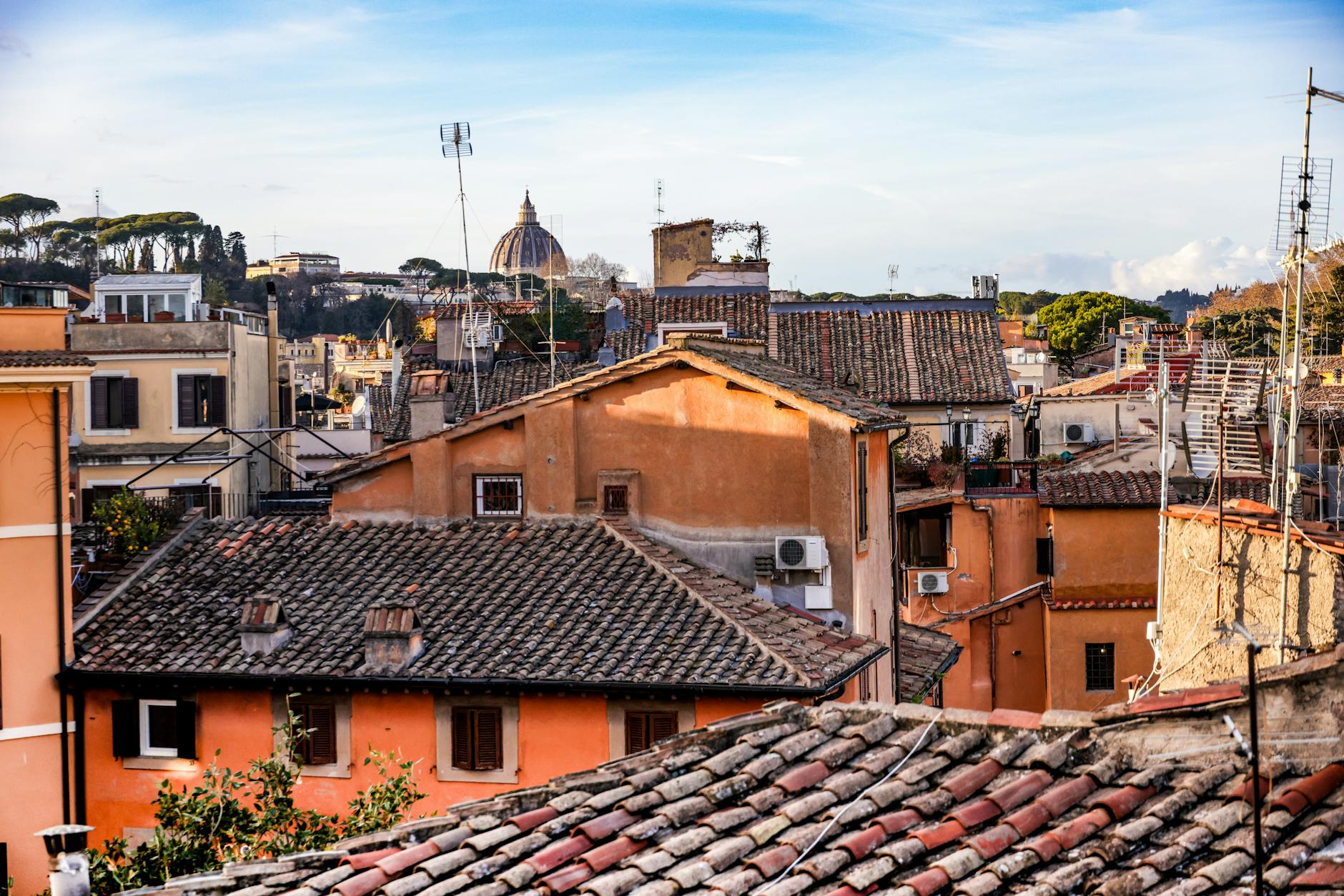
Best Time to Visit Rome — When to Go for Weather, Crowds, and Local Life
Decide when to visit Rome with a practical, neighborhood-focused guide to seasons, crowds, transport realities, local events, and sustainable tips — ideal for planning a 3-day Rome itinerary and nearby day trips to Orvieto, Assisi, Perugia, Cortona, or Ischia.
Best overall: April–June and September–October (pleasant weather, fewer crowds). For lower costs and quiet museums: November–February (except Christmas and Easter). If you want beach and island time or open-air festivals: July–August, but expect heat and crowds — consider Ischia only in summer and avoid peak weeks in mid-August (Ferragosto). For a 3-day visit, aim for shoulder months to maximize walking and local dining options.
Rome is year-round but very different by season: spring and autumn offer comfortable weather and thinner crowds; summer brings heat, long lines, and a lively night culture; winter is quieter, less expensive, and useful for museum visits. This page helps you choose the best window for your priorities — walking the Centro Storico, fitting a compact 3-day Rome itinerary, or adding day trips to nearby towns like Orvieto, Assisi, Perugia, Cortona, or the island of Ischia — while favoring low-impact choices and support for local businesses.
What This Page Helps You Decide
This page helps you choose when to schedule a short trip to Rome or plan timing within a longer Italian itinerary. Use it to:
– Pick the best month for weather vs. crowds.
– Decide whether to prioritize museum reservations, outdoor dining, or nearby day trips.
– Match your travel style (family, slower-paced local-first, or festival-driven).
– Coordinate dates with the 3 days in Rome guide and sustainable transport for day trips to nearby cities.
It assumes you want practical, low-impact choices: walking neighborhoods, local eateries, and public transit where possible.
Top Recommendations
If you can only pick one time:
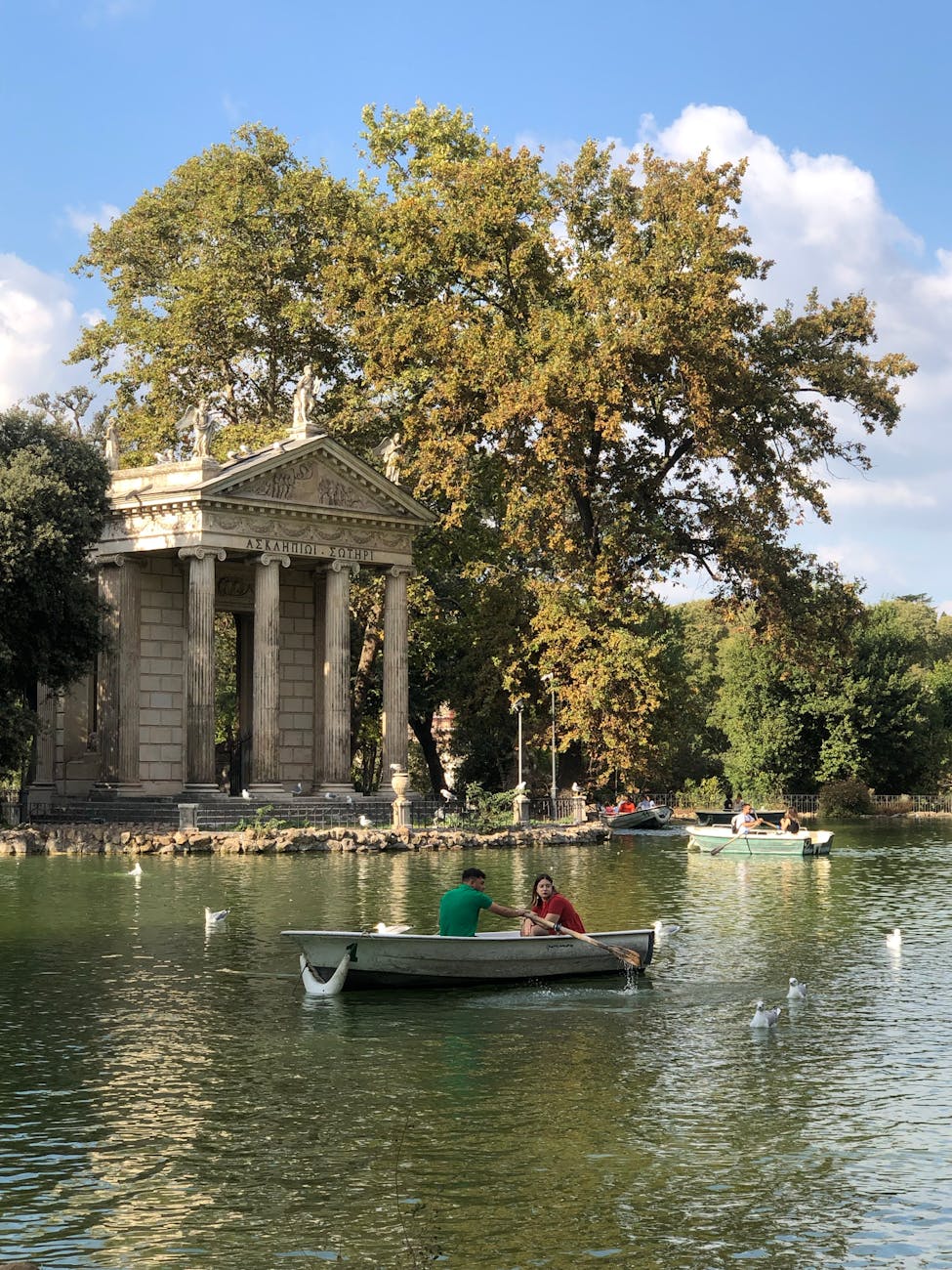
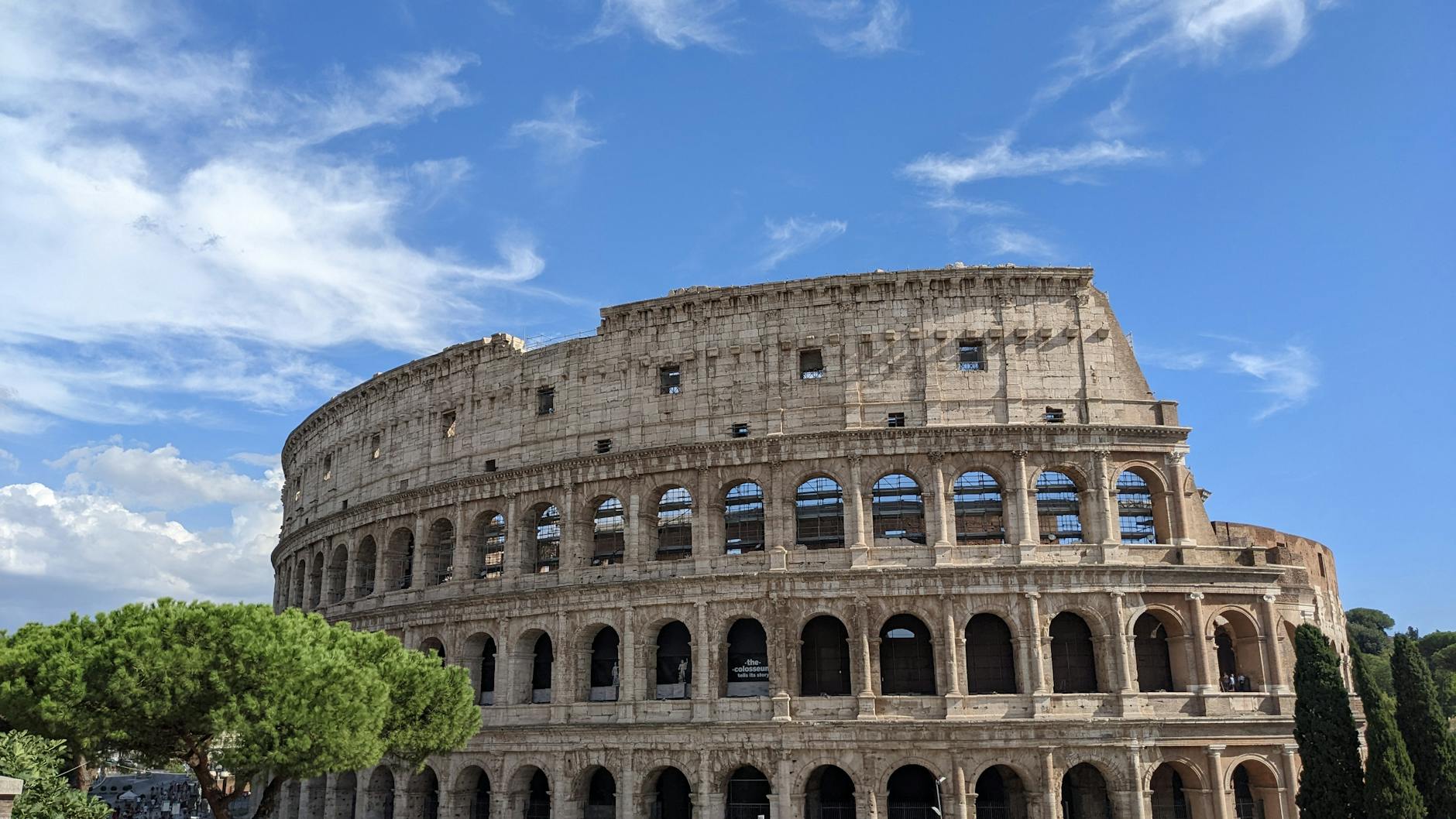
– April–June: Best combination of mild temperatures, blooming gardens (Villa Borghese), and manageable crowds. Great for walking between the Colosseum, Roman Forum, and Trastevere.
– September–October: Warm sea breezes, late sunsets, and harvest-season menus in neighborhood trattorie; ideal for evening aperitivo in Monti or Testaccio.
For lower prices and indoor cultural touring:
– November–February: Fewer tourists, museum lines shorter, good time to see the Vatican Museums without peak crowds (avoid Holy Week unless attending services).
If combining Rome with Ischia or Amalfi-style beaches, plan those coastal legs for June–September and keep Rome days in shoulder months when possible.
Local Context
Neighborhoods and seasons matter:
– Centro Storico, Campo de' Fiori, and Pantheon area: always busy; early mornings best for photos and fewer crowds.
– Trastevere: lively at night; quieter in winter — a good base for authentic dining.
– Prati and Vatican area: busy around museum opening times; choose accommodation here if you prefer calmer evenings.
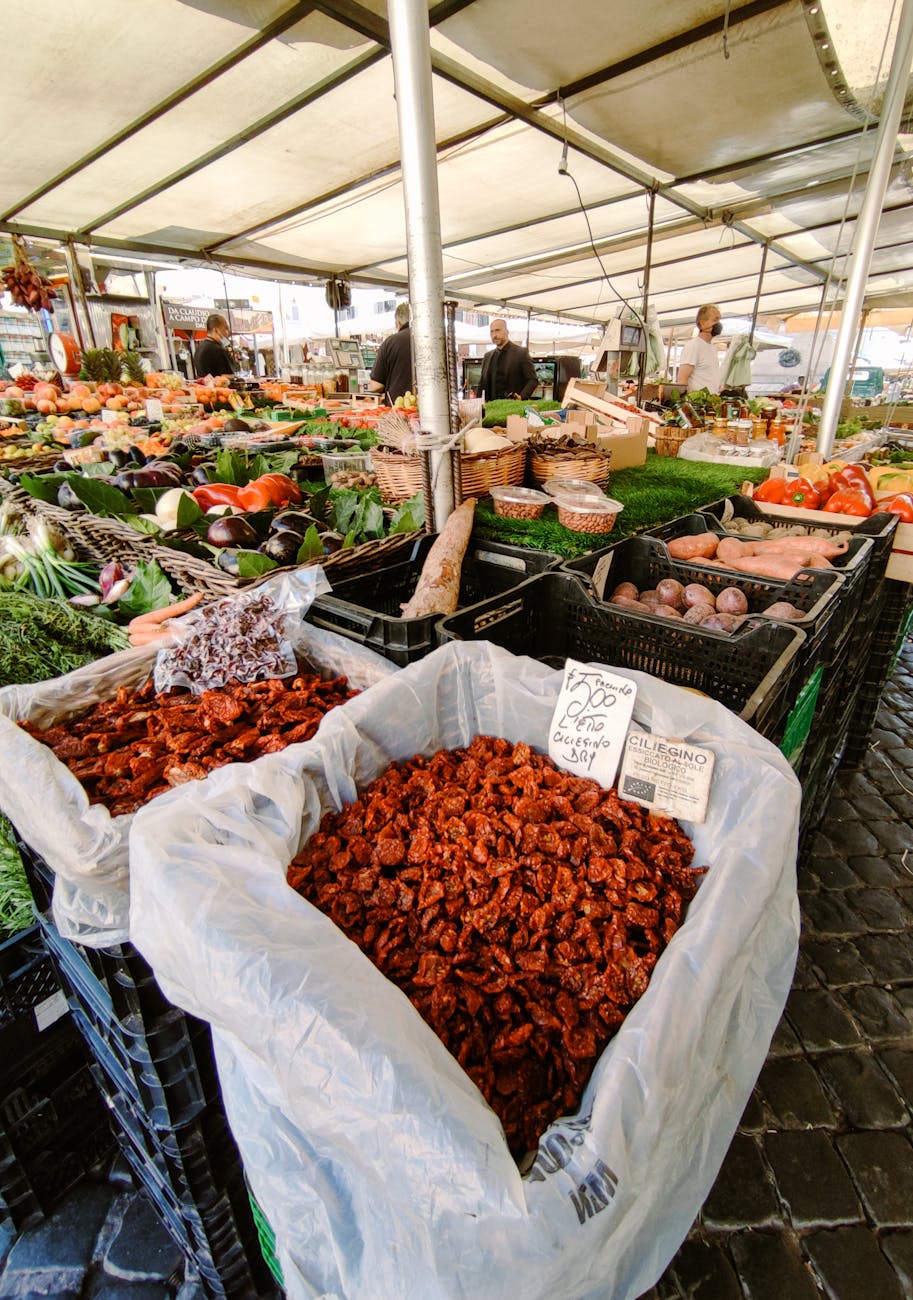
– Monti and Testaccio: strong food scenes and local markets; great for sustainable, small-business dining.
Transport realities:
– Rome’s metro is limited compared with surface transport; buses and trams fill gaps but can be slow in traffic. Validate bus tickets at the onboard machines or use the official app.
– Expect pickpockets in crowded areas and on trains — keep bags secured.
Seasonal notes:
– Late March–April may still bring occasional rain; bring a light rain jacket.
– Heat peaks in July–August with temperatures often above 32°C (90°F); aim for morning sightseeing and late dinners.
How to Choose Well
Match timing to your priorities:
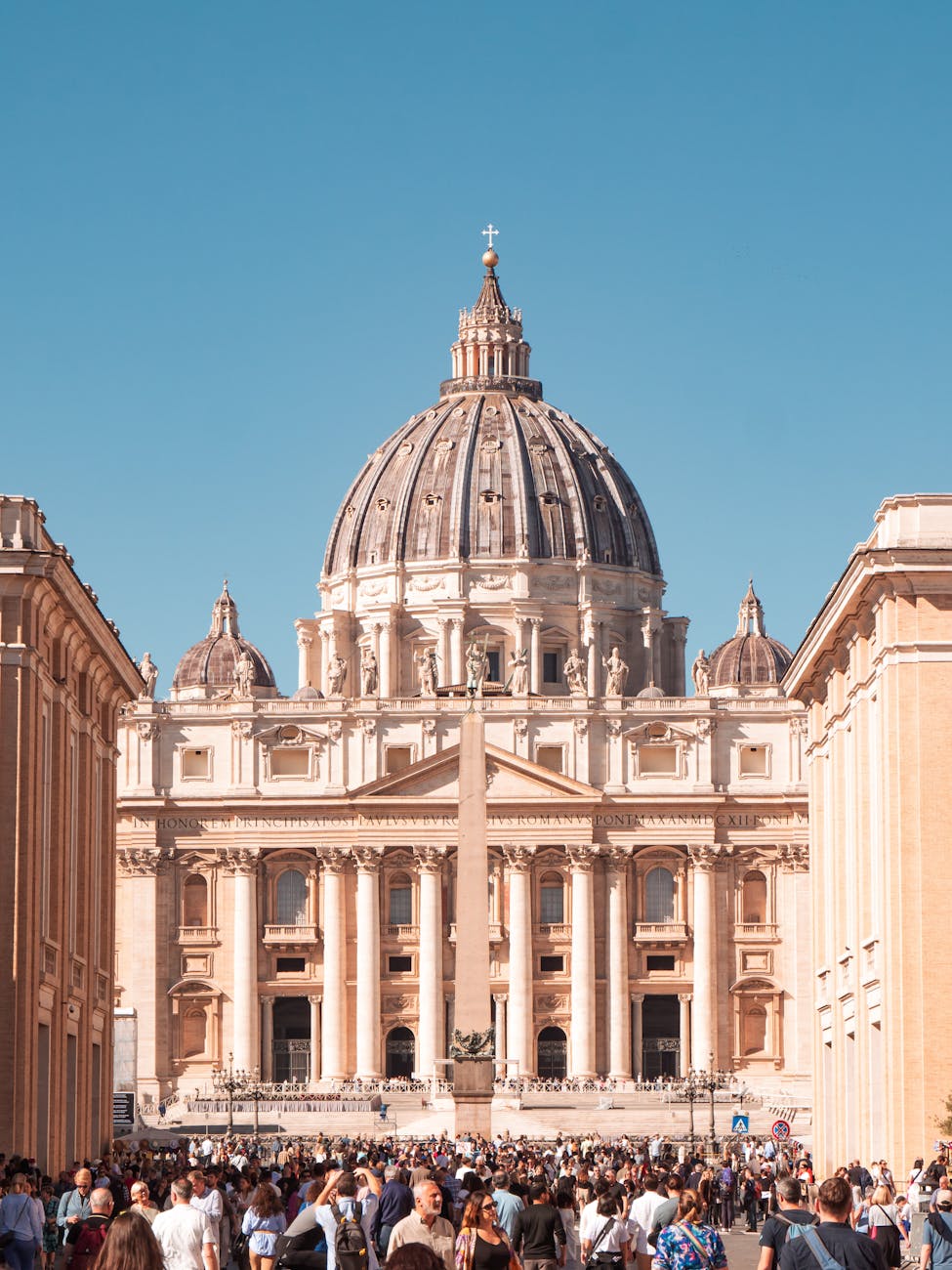
– Museums and churches: choose shoulder seasons or winter to avoid long waits; still book Vatican Museums and Colosseum timed tickets in advance.
– Walkable sightseeing: spring and autumn give the most comfortable walking weather for a 3-day Rome itinerary.
– Food and market experiences: mornings at Campo de' Fiori or Testaccio market are best; seasonal menus appear in autumn (wild mushrooms, truffles) and spring (artichokes).
Practical booking tips:
– Reserve Vatican Museums, Sistine Chapel, and Colosseum slots on official sites; for small-group access, book reputable local guides early for popular dates.
– Book accommodations 2–4 months ahead for shoulder season, earlier for peak summer and Holy Week.
– For day trips (Orvieto, Assisi, Perugia, Cortona): regional trains and regional buses run well in shoulder months; check timetables in advance and favor slower travel where possible to support local economies.
Responsible and Local-First Tips
Simple choices make a difference:
– Walk and use public transit: reduces congestion and supports local workers.
– Dine locally: choose neighborhood trattorie, osterie, and markets rather than restaurants immediately adjacent to major sights.
– Book sustainable tours: small-group walking tours or certified local guides who hire local staff and pay local fees.
– Spread visits: visit major monuments early, late, or on weekdays to reduce peak congestion.
– Reduce waste: carry a reusable water bottle (many public fountains have drinkable water), avoid single-use plastics, and bring a small tote for market purchases.
– Stay longer, travel slower: if your schedule allows, spending an extra night in a neighborhood benefits small businesses more than a single rushed day.
Common Mistakes to Avoid
Avoid these frequent errors:
– Trying to do too much: Rome is compact but walking and queues add up — plan realistic daily distances for a 3-day itinerary.
– Waiting to book key tickets: Colosseum and Vatican timed-entry slots sell out for popular dates; book ahead.
– Staying only in tourist-heavy streets: choose lodging in Trastevere, Monti, Prati, or Testaccio to support local businesses and enjoy evenings away from crowds.
– Underestimating summer heat: if traveling in July/August, plan early starts, midday rests, and indoor activities during peak heat.
– Relying on taxis for short hops: traffic can make taxis slow and expensive; prefer metro, tram, or walking where feasible.
– Eating only near landmarks: restaurants on main squares often charge a premium and offer lower-quality food; walk one or two blocks to find better, more authentic options.
FAQ
When is Rome least crowded?
Late November–February (excluding Christmas week and Easter) generally has the fewest tourists. January is especially quiet after Epiphany.
Is Rome too hot in August?
August can be very hot and many locals leave for coastal holidays around Ferragosto (mid-August). If you must travel then, prioritize early-morning sightseeing and evening dining; consider combining Rome with a beach stay on Ischia.
What months have the best weather for walking Rome?
April–June and September–October offer mild temperatures and comfortable evenings — ideal for a 3-day walking itinerary.
Should I book the Vatican Museums far in advance?
Yes. Book official timed tickets or guided early-access tours several weeks ahead for spring and autumn; in summer and around Easter, book months ahead.
Can I do day trips from Rome year-round?
Mostly yes. Orvieto, Assisi, Perugia, and Cortona are accessible year-round by train/bus, though schedules are slightly reduced in winter. Ischia is best in summer when ferry services are most frequent.
Any etiquette tips to blend in?
Dress modestly when entering churches, keep noise levels moderate in residential neighborhoods, tip lightly (service is often included), and ask before photographing people in markets. Speak a few words of Italian — locals appreciate the effort.
Conclusion
Choose dates that align with your priorities: comfort and local life in April–June or September–October; quieter museums and lower prices in winter; beaches and festivals in summer if you accept heat and crowds. Wherever you land, book major sites ahead, favor neighborhood restaurants and markets, and plan a realistic pace for your 3 days in Rome. If you have time, fold in a sustainable day trip to Orvieto, Assisi, Perugia, Cortona, or Ischia to support nearby communities and enrich your experience.
Plan the Rest of Your Trip
This page works best alongside the main itinerary for Rome.