
Best Time to Visit Istanbul — When to Go, Weather, Crowds & Practical Advice
Find the best months to visit Istanbul, seasonal weather, crowd patterns, transport realities, local etiquette, sustainable tips and booking advice to plan a 3-day trip.
Season-by-season guidance for choosing the best time to visit Istanbul. Practical advice on neighborhoods, transport, booking, and sustainable choices to pair with our 3 days in Istanbul itinerary.
Best overall months: April–May and September–October.
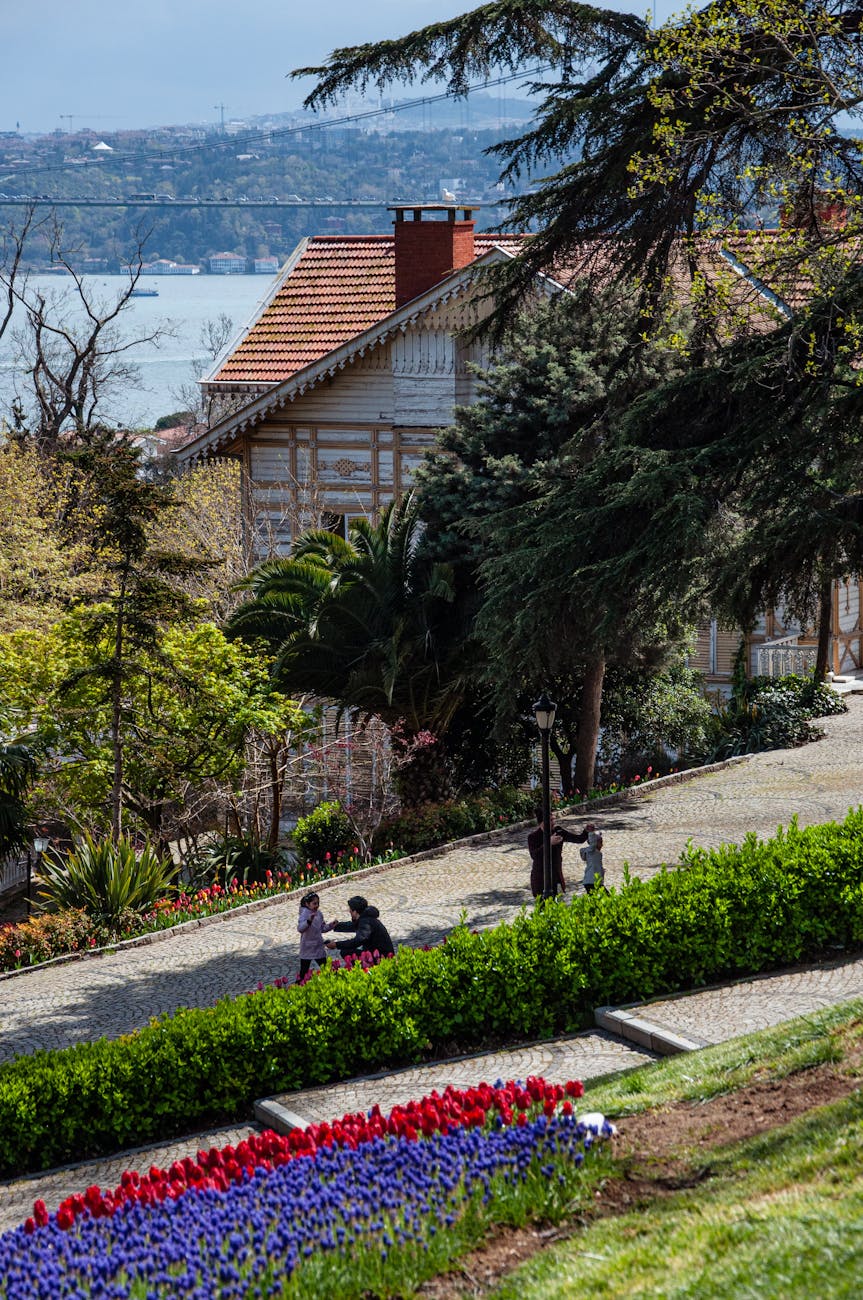
Why: mild weather, fewer long summer crowds, and active local life without the peak heat of July–August. April also brings the city’s tulip displays.
If you want beaches and long daylight: choose late June–early September but expect higher prices and crowds. For low prices and a local, quieter experience: November–March, when museums and cafés are less busy.
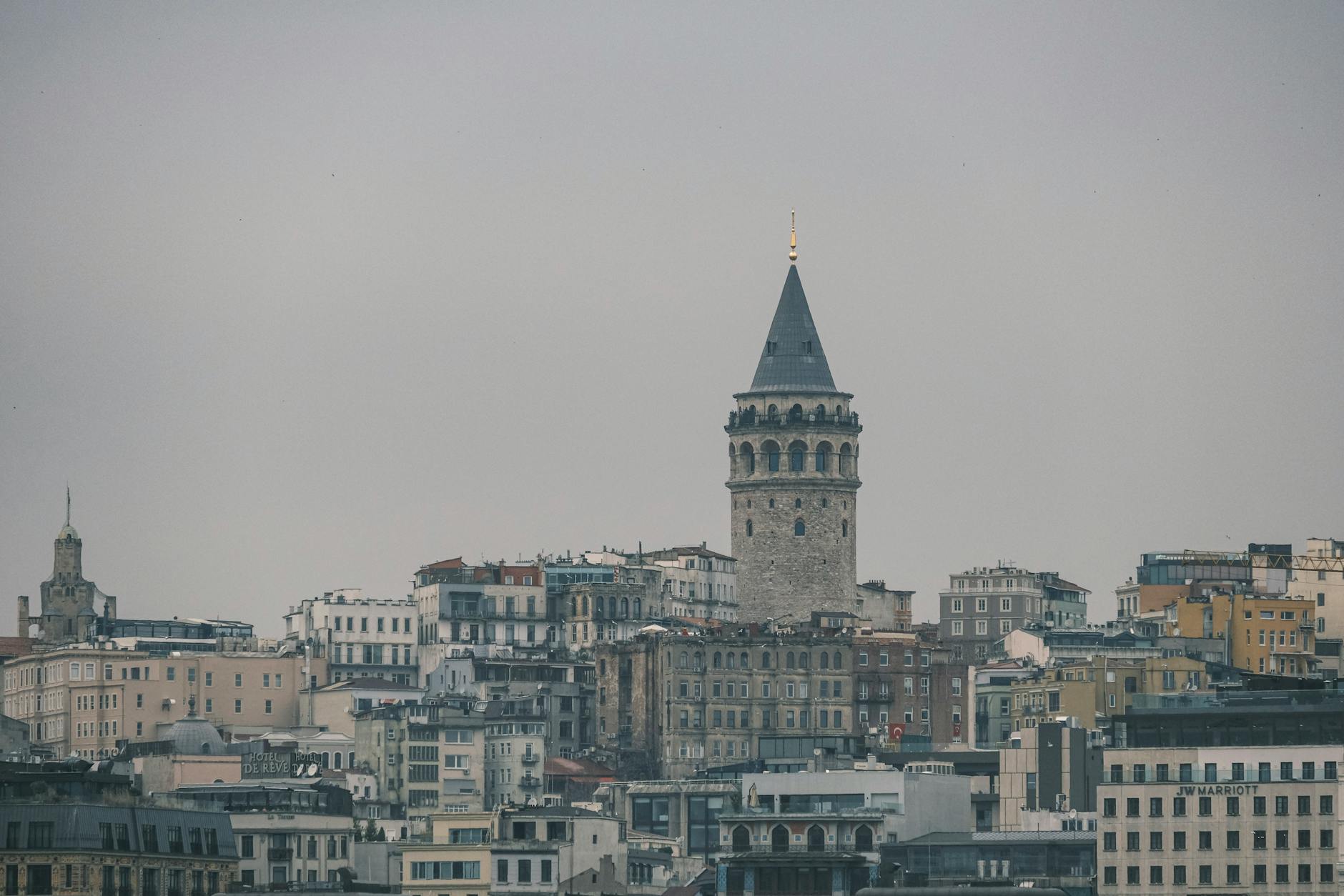
Plan your 3-day itinerary for spring or fall to hit outdoor highlights (Sultanahmet, Galata, a Bosphorus ferry and Kadikoy) without the worst crowds.
This page helps travelers decide when to visit Istanbul so a short city-focused itinerary like our linked 3 days in Istanbul guide feels relaxed, efficient, and locally grounded. It covers seasonal weather, crowd rhythms, neighborhood tradeoffs, transport realities (ferries, trams, metro, airports), and simple sustainable choices that put money into the local economy.
Use this support page to pick months, choose neighborhoods for your stay, and time day trips to nearby destinations such as Bursa, Izmir, Ankara, Kusadas, or Bodrum.
What This Page Helps You Decide
Quick outcomes this page will give you:
- Which month to book for pleasant weather and manageable crowds.
- Which neighborhood to choose as a base for a 3-day stay (Sultanahmet, Beyoğlu/Galata, Kadıköy, Beşiktaş).
- Whether to add a day trip to Bursa, the Princes' Islands, or a longer extension to Izmir or Ankara.
- Which transport passes and booking windows to prioritize.
If you’re planning the companion 3 days in Istanbul, use these recommendations to pick exact days, morning visit slots, and low-impact travel options for day trips.
Top Recommendations
Seasonal pick:
- Spring (April–May): best balance—cool mornings, tulips in parks (Emirgan), and lively outdoor cafés.
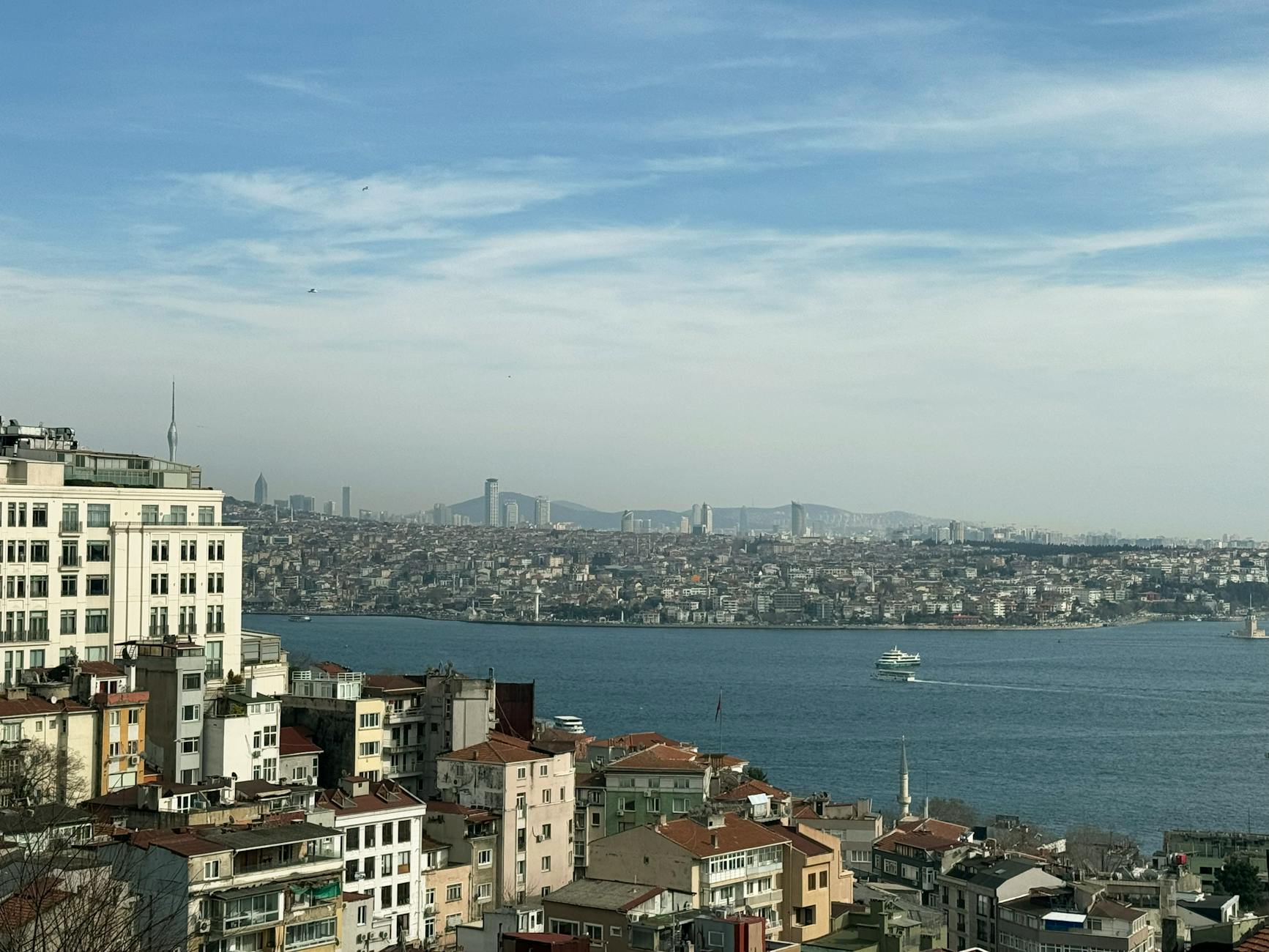
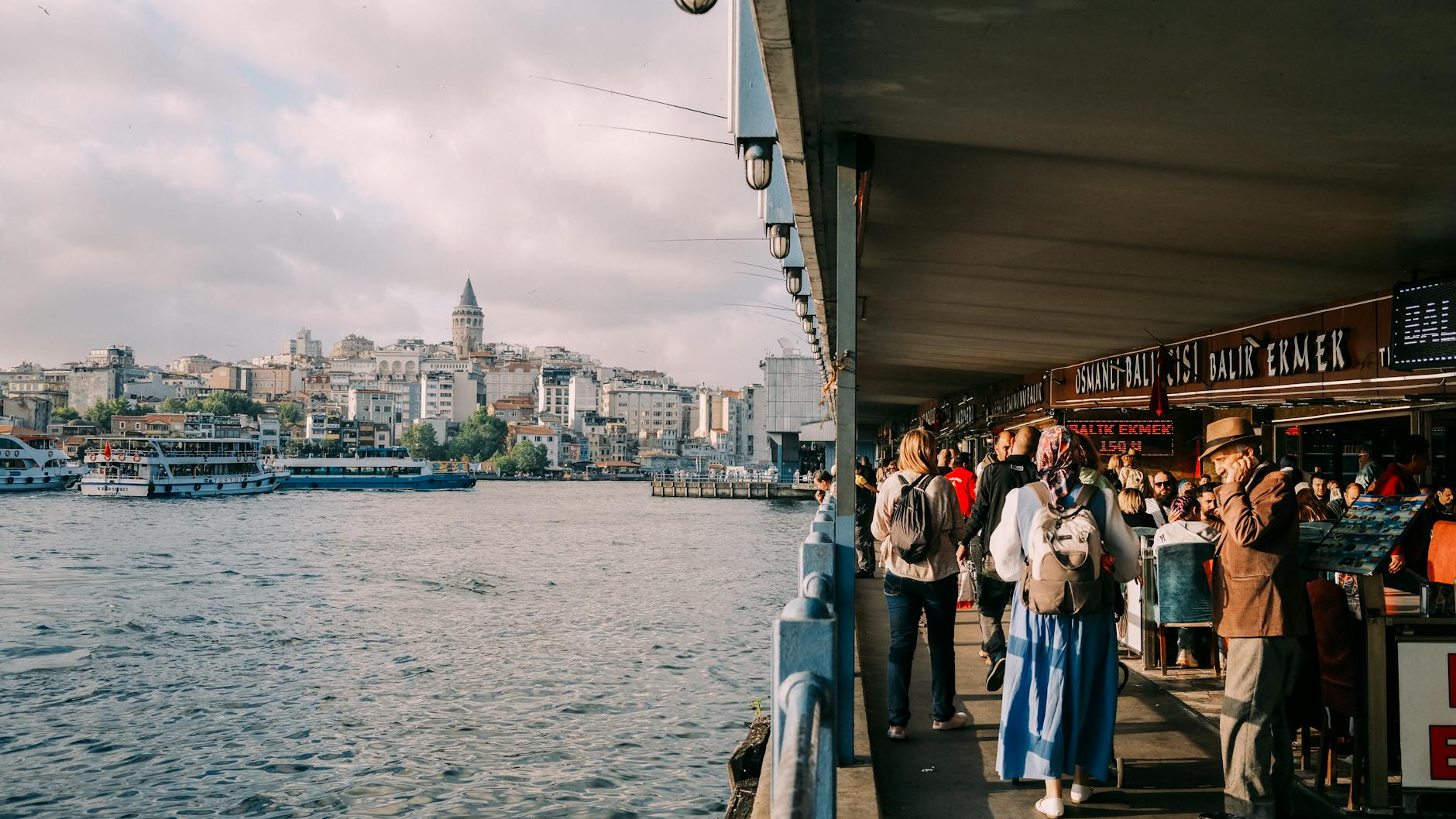
- Autumn (September–October): warm sea, pleasant walking, sunset light over the Golden Horn.
- Summer (June–August): long days for islands and beaches, but expect heat, humidity and crowds.
- Winter (November–March): lower prices, possible snow, museum time—dress for rain and wind.
Neighborhood and timing tips:
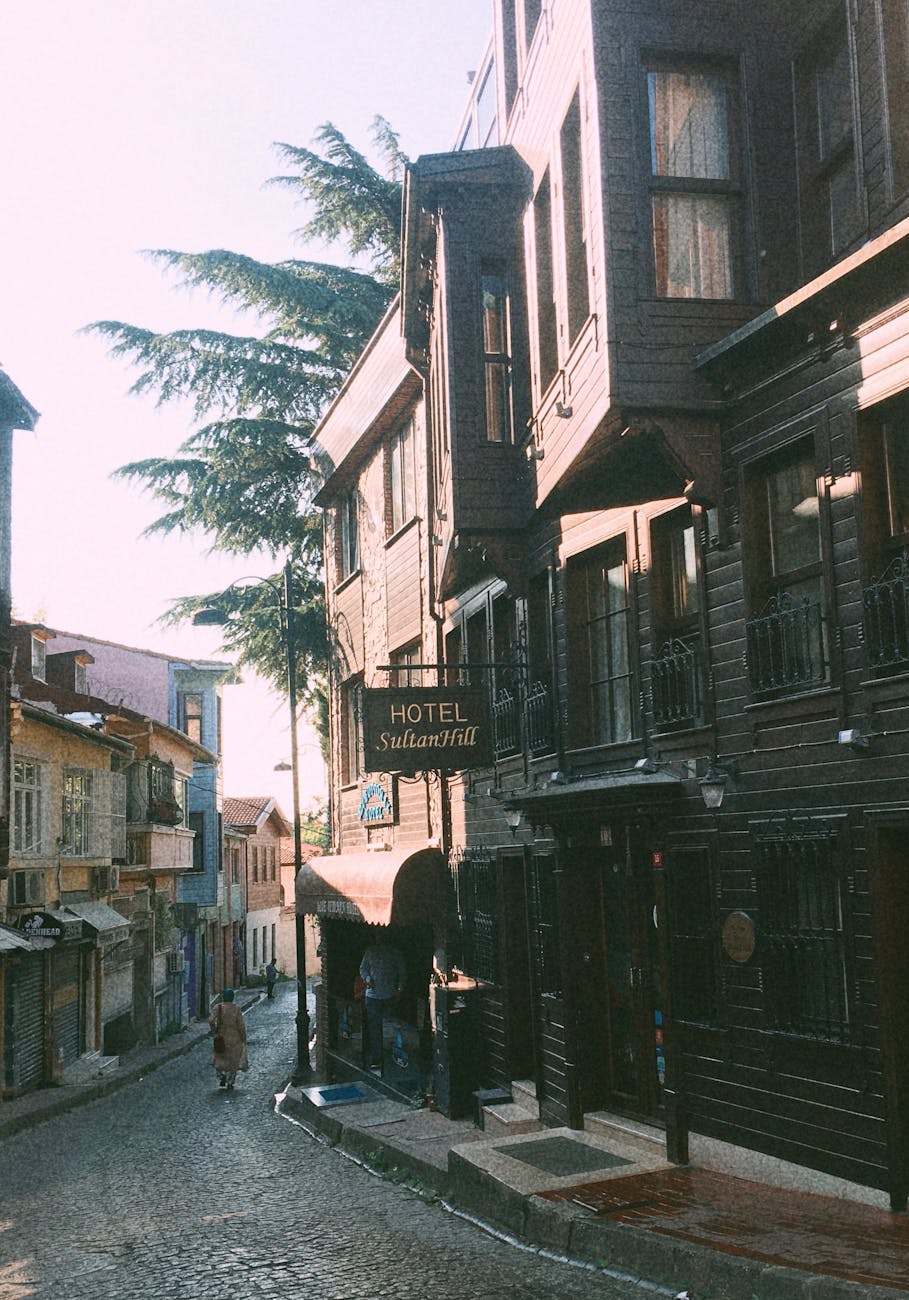
- First trip: stay in Sultanahmet for walking access to major sights; shift to Beyoğlu/Galata for nightlife and cafés; choose Kadıköy on the Asian side for an authentic local feel.
- For efficient movement: pick a hotel near a tram stop, ferry terminal, or Marmaray/metro station.
- Morning strategy: visit Topkapi, Hagia Sophia precinct, and Basilica Cistern early to avoid peak lines.
Booking advice:
- Reserve Topkapi Palace (and the Harem) tickets in advance in high season.
- Buy an Istanbulkart on arrival for seamless trams, ferries and buses.
- If you plan a Bosphorus cruise or a Princes' Islands trip, schedule afternoons on quieter weekdays when possible.
Local Context
Istanbul is a big, bi-continental city with neighbourhood rhythms that matter:
- Sultanahmet (historic): compact for major monuments but fills quickly with tour groups in summer.
- Beyoğlu / Galata / Karaköy: cafés, galleries, and nightlife; better for evenings and local dining.
- Kadıköy and Moda (Asian side): markets, ferries, a more local pace and good food scenes.
- Beşiktaş: ferry hub and lively neighborhood markets.
Transport realities:
- Two main airports (IST and SAW) — plan transfer time and traffic when arriving or leaving.
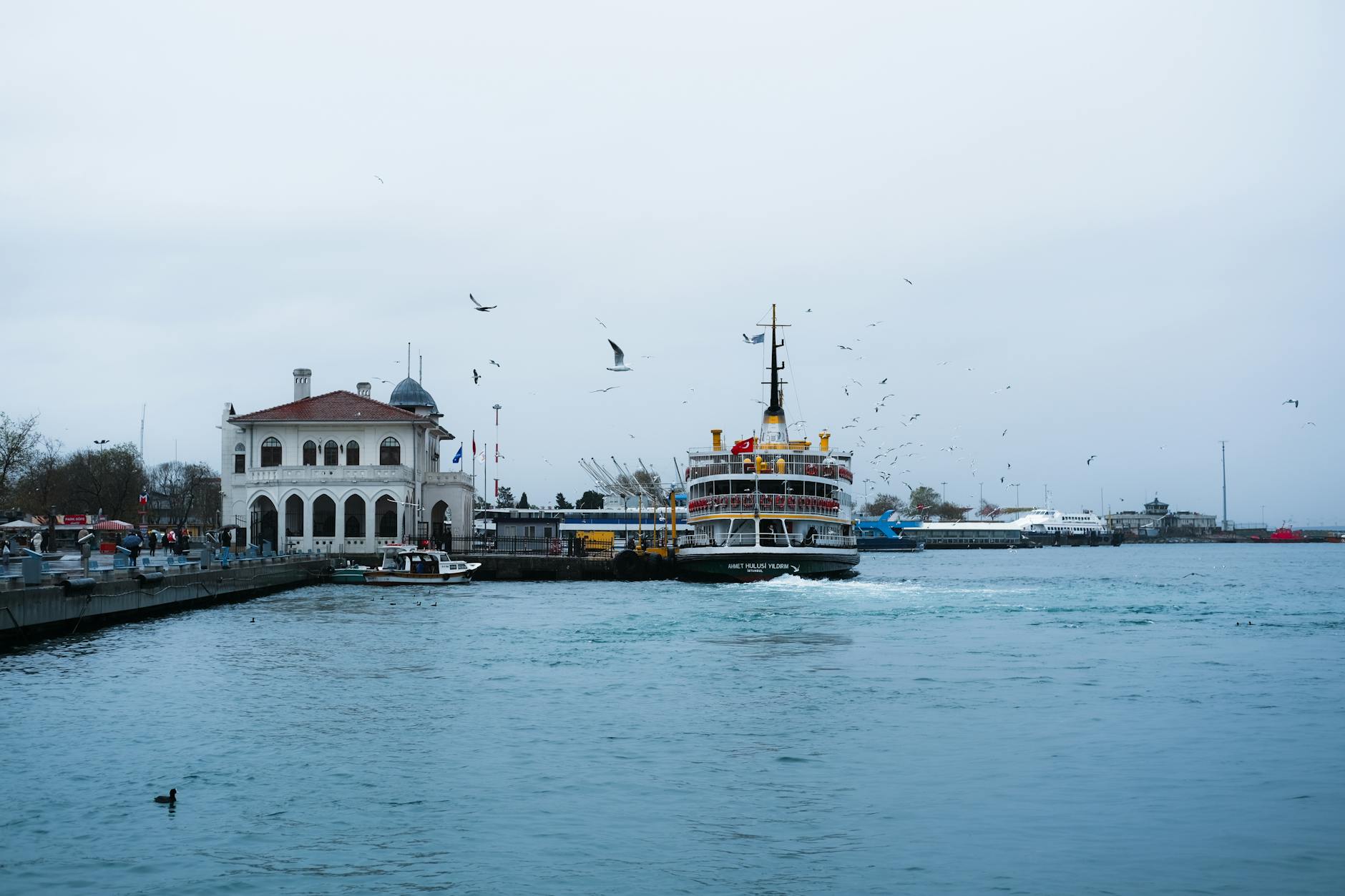
- Ferries across the Bosphorus are frequent, scenic, and use the same Istanbulkart as trams and buses.
- Trams and metros are reliable but can be crowded during rush hours; allow extra time when crossing the city.
Cultural notes and etiquette:
- Dress modestly when entering mosques, remove shoes, and be quiet during prayer times.
- In markets, polite haggling is normal for souvenirs; fixed-price shops and cafés expect payment with cards or cash.
- During religious holidays (including Ramadan), restaurant hours and attraction schedules may change—check ahead.
How to Choose Well
Match timing to what matters most to you:
- If you want photography, gentle light and fewer crowds: target April–May or September–October.
- If you want to swim or visit islands: late June–early September is best for sea temperatures.
- If budget and local interaction are priorities: November–March has lower rates and more local life.
Practical selection checklist:
- Pick a neighborhood near transit for short 3-day stays: Sultanahmet for sightseeing, Beyoğlu for cafes, Kadıköy for local markets.
- Book museums and any guided Harem or Bosphorus tours in advance during April–October.
- For day trips: choose public ferries or shared transport to keep impact low and support local operators.
Pair your choice with the 3 days in Istanbul plan: schedule outdoor walking routes for mornings, reserve one evening for a neighbourhood food walk, and keep one flexible afternoon for a short ferry or island trip.
Responsible and Local-First Tips
Practical ways to reduce impact and support local communities:
- Use public transport (trams, ferries, metro) and walk short distances rather than taking taxis for every trip.
- Buy food and souvenirs from small stalls, family-run lokantas, and cooperative artisans rather than large souvenir chains.
- Choose locally owned guesthouses or smaller hotels that employ local staff; look for eco-certifications when possible.
- Avoid peak cruise-ship arrival times at Eminönü and Sultanahmet to reduce pressure on local streets.
- Respect mosque etiquette and neighbourhood quiet at night—these behaviors help maintain positive local-tourist relations.
Low-impact day trips:
- Take scheduled ferries to the Princes' Islands rather than motorized private boats.
- Combine public trains/ferries for longer trips to Bursa or Izmir when feasible to lower per-person emissions.
Common Mistakes to Avoid
Avoid these pitfalls that disrupt a short city trip:
- Underbooking: don’t assume same-day tickets will be available for Topkapi Harem or Bosphorus cruises during high season.
- Transit miscalculation: allow extra time to cross from European to Asian side during rush hours—ferries and bridges get busy.
- Timing insensitivity: visiting major monuments late in the day (close to prayer times or on national holidays) can mean closures or restricted access.
- Eating only in tourist traps: seek local lokantas and markets for better food and to support neighbourhood businesses.
- Ignoring local etiquette: dressing casually in mosques or photographing people without permission causes offense and complications.
Simple fixes: buy an Istanbulkart on day one, book cornerstone tickets in advance, and choose off-peak hours for top sights.
FAQ
When are the quietest months to visit Istanbul?
Late November through February are the quietest. You’ll find fewer tourists and lower prices, but expect rain and shorter daylight.
Is spring or autumn better for a 3-day itinerary?
Both are excellent. Spring (April–May) has tulip displays and mild weather; autumn (September–October) offers warm days and clearer skies—either pairs well with the 3 days in Istanbul plan.
Does Ramadan affect visiting hours?
Yes. During Ramadan some businesses change daytime hours and many restaurants offer special iftars after sunset. Respect local customs and check opening hours for specific sites.
What transport card should I buy on arrival?
Get an Istanbulkart. It works on trams, metros, buses and most ferries and is the easiest, cheapest way to get around.
Are the Princes' Islands worth a day trip and when is best to go?
Yes—especially in late spring and early autumn when the sea is pleasant and island streets are quieter. Use scheduled public ferries and spend time walking or biking instead of motor vehicles.
How should I plan a day trip to Bursa or Izmir from Istanbul?
Treat these as multi-hour trips. Choose high-speed ferry plus local transport or intercity train/bus options, and book in advance during summer. If you care about sustainability, prefer scheduled public services over private transfers.
Conclusion
Choose spring (April–May) or autumn (September–October) for the best balance of weather, light and manageable crowds when pairing with a compact 3-day Istanbul itinerary. If you prefer quieter streets and lower prices, winter works well but plan for rain and shorter days.
Book key museum tickets and longer intercity travel early in summer, use an Istanbulkart for low-impact transport, and prioritize local restaurants and small shops to support neighborhood economies.
For extensions, consider a day or two in Bursa or an onward trip to Izmir, Ankara, Kusadas or Bodrum—book shared or public transport options and avoid peak cruise times to keep your visit sustainable and enjoyable.
How this guide was prepared
This guide was prepared through a structured research that combines destination research, geographic context, itinerary planning logic, and content review.