

Practical 3-Day Itinerary and Honest Tips for Puerto Vallarta
A tightly practical 3-day plan for Puerto Vallarta covering neighborhoods, transport, realistic costs, and what to skip to avoid wasting time.
A direct, no-fluff 72-hour plan for exploring Centro, Zona Romántica, the Marina and a coastal day trip, with clear transit, costs and meal picks.
First impressions are often a mix of sea air, street vendors and an immediate sense that neighborhoods behave differently. Centro (downtown) concentrates markets, the Malecón and the church—daytime is active with tourists and local shoppers. Zona Romántica and Los Muertos Beach are louder at night, with full restaurants and bars along Olas Altas. The Marina has new-build resorts, yacht charters and a different pace; Conchas Chinas and Amapas to the south feel more residential and quieter.
Expect heat and sudden rain depending on season, plus older buildings and narrow streets in Centro that slow cars. Many guides treat this simply as a resort town; the reality is a city where local bus routes, boats and informal commerce shape movement. Short stays work best when movement is planned by neighborhood rather than a long wish list. Practical travelers who want food, ocean activity and some nightlife will get a lot from three days; those planning wilderness hikes or multi-island snorkeling should add days.
Is 3 days in Puerto Vallarta enough?
Yes — three days is enough to get a solid, varied sense of Puerto Vallarta: a mainland historical day around the Malecón and Centro, an afternoon and evening in Zona Romántica and Los Muertos Beach, and a coastal/outdoor day to Marina, Boca de Tomatlán or a boat to Yelapa. Travelers will have to skip deeper excursions (Marietas Islands snorkeling or a multi-day trip to Sayulita) unless adding extra time.
Who This Guide Is For
Best for travelers who want a compact mix of beaches, seafood and a lively nightlife scene without luxury resort focus. Poor fit for those wanting a remote, quiet retreat or multi-day diving/eco-expeditions.
Local Tips for Puerto Vallarta
Practical details that most travel sites skip — specific to Puerto Vallarta.
- Buy ADO bus tickets at the Central Camionera or the ADO app for intercity trips; Guadalajara runs about 500–700 MXN one-way depending on service class.
- Official taxis at Licenciado Gustavo Díaz Ordaz airport (PVR) sell set fares to Centro—expect 350–450 MXN; Uber and DiDi operate in town but airport pickups can be limited.
- Local urbano buses run along Francisco Medina Ascencio and Avenida México; single fare is about 9–12 MXN—tell the driver your stop (e.g., 'Centro', 'Marina', 'Versalles').
- Water taxis leave from Boca de Tomatlán and the Marina to Yelapa and Quimixto; anticipate roughly 150–250 MXN one-way depending on season and negotiation at the dock.
- Vallarta Botanical Gardens (Jardín Botánico) charges roughly 150–250 MXN entrance and is open 9:00–16:30, so allow at least two hours and plan transport from south-side neighborhoods.
How This Guide Was Prepared
This guide treats Puerto Vallarta as a working coastal town with strong neighborhood personalities rather than a resort postcard. Many guides flatten the place into 'beach plus nightlife' and skip the logistics around buses, water taxis to Yelapa, and how to handle airport transfers; this one focuses on realistic timing, local costs, and how to avoid costly tourist assumptions. This guide was prepared through a structured research that combines destination research, geographic context, itinerary planning logic, and content review.
Plan Your Stay in Puerto Vallarta
Use this itinerary as your starting point, then compare areas to stay, transport options, seasonal timing, and realistic daily costs before booking.
Why Visit
Puerto Vallarta offers concentrated, different experiences in short distances: a walkable historical center with the Malecón sculptures and Church of Our Lady of Guadalupe; a lively concentrated dining and nightlife scene in Zona Romántica and Los Muertos Beach; and ready coastal access to boat trips—Yelapa and the Marietas departures are close enough for half- or full-day excursions.
Seafood is a standout reason: local catches like pescado zarandeado and ceviche are served in markets and on beach palapas. Art and galleries are another draw: the monthly ArtWalk and numerous small galleries in Zona Romántica are easy to fit into an evening. Practical advantages include an international airport (PVR) under 15 minutes from the Marina by car and a strong ADO bus connection for onward travel to Guadalajara or Mazatlán.

Quick Planning Tips
Fly into Licenciado Gustavo Díaz Ordaz International Airport (PVR) and arrange a transfer or use official airport taxis—expect 350–450 MXN to Centro. ADO buses connect the Central Camionera with Guadalajara and Tepic; buy tickets at the ADO counter or app for the best fares.
Bring cash for markets and small buses; many small vendors accept only pesos and some small restaurants add a service charge. Avoid the planning mistake of stacking long coastal trips in one day; Boca de Tomatlán boat windows depend on tides and the number of passengers, so book morning or mid-afternoon depending on destination. Pack reef-safe sunscreen for boat days and a light rain layer in summer months.

Day 1
Morning: Start at the Malecón for sculptures and ocean views. Walk from the Los Arcos end toward the Church of Our Lady of Guadalupe; the walk takes about 20–30 minutes depending on stops. Visit Isla Cuale and the Mercado Municipal Río Cuale for crafts and quick snacks—allow 45–60 minutes there.
Late morning: Continue into Centro to Calle Hidalgo for shops and El Centro plazas; most museums are within a short stroll. The Naval Museum is small but free or low-cost and can be a 30–45 minute visit.
Lunch: Eat at Mercado Municipal Río Cuale stalls or try El Arrayán on Calle Independencia for regional dishes—expect mains around 200–350 MXN. Transit: walking keeps the day compact; taxis between Centro and Zona Romántica are 50–120 MXN depending on time and traffic.
Afternoon: Head to Los Muertos Beach and the Los Muertos Pier for a dip or a beach palapa. Renting a chair runs 80–200 MXN depending on the vendor and any food/drink minimums.
Evening: Dinner along Olas Altas or on Playa Los Muertos; after dinner join Zona Romántica’s gallery or bar scene. Nightlife here is concentrated and walkable.

Day 2
Morning: Take a short bus or taxi to Marina Vallarta for a calmer start and a walk along the harbor. Many tour operators depart from the Marina for snorkeling around Los Arcos or the Marietas; choose a reputable operator and allow a half-day for boat logistics.
Late morning: Explore the Marina shops and the Malecon de la Marina; if not doing a boat tour, taxi to Conchas Chinas and walk the coastal path toward Amapas. The walk from the Marina to Conchas Chinas by car is about 15–25 minutes; on foot it is longer and hot.
Lunch: Try a marina seafood restaurant or pick a ceviche stand near the docks—seafood bowls and ceviche range 80–250 MXN.
Afternoon: Head south to Conchas Chinas for viewpoints and quieter beaches, or take a water taxi from Boca de Tomatlán to Yelapa for a very different mood. The water taxi from Boca to Yelapa is roughly 40–60 minutes depending on conditions and costs around 150–250 MXN one-way.
Evening: If in Yelapa, have fresh-caught fish at a beach palapa and return by water taxi; if staying in the city, dinner in the Marina or Zona Romántica offers a contrast in atmosphere to Centro.

Day 3
Morning: Reserve this day for Jardín Botánico or a slow morning in Conchas Chinas, depending on flight plans. Vallarta Botanical Gardens are about a 35–45 minute drive from Zona Romántica; allow at least two to three hours on site and factor in the return trip.
Late morning: For guests with afternoon flights, stick to activities close to the airport or the Centro/Marina corridor. ADO buses or private shuttles from the Central Camionera are an option for onward travel; for flights check traffic—airport transfers can take 25–45 minutes from Centro and longer from Conchas Chinas.
Lunch: Eat at a market or a casual seafood spot—pescado zarandeado is a good choice if available and typically 200–450 MXN depending on size.
Afternoon: If departure is late, spend last hours on Playa de los Muertos or in a seaside café along the Malecón; if checking out in the morning, plan transport to the airport with extra time for security and possible taxi queuing.
Departure note: For afternoon flights allow at least 3 hours before boarding time to reach PVR from Centro during high season or holiday weekends.
Best Local Experiences
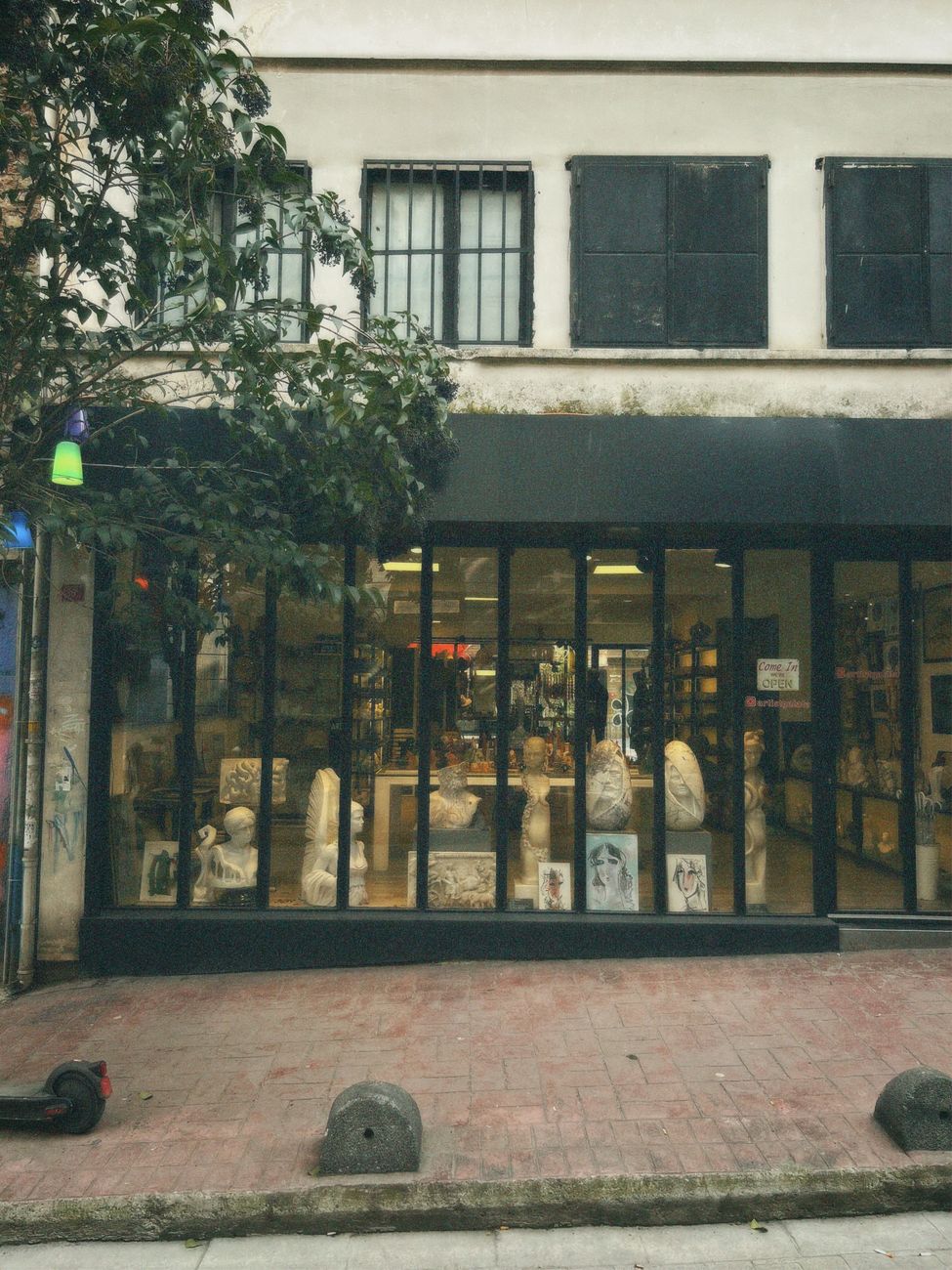
ArtWalk in Zona Romántica (October–May) where galleries stay open late and many host free receptions; times are weekly and listed by each gallery. Mercado Municipal Río Cuale for local produce, tortillerías and cheap seafood snacks; mornings are best for produce.
A morning boat to Los Arcos National Marine Park for snorkeling; operators depart from the Marina and Boca de Tomatlán. A twilight walk along the Malecón to catch street performers and sculpture details; evenings are louder but also the best time for photographed light.
A day trip to Yelapa for a beach with no road access—boats leave Boca de Tomatlán and sometimes the Marina; expect basic palapa restaurants. The weekly or monthly cultural events at the church plaza—local dances and seasonal festivals—appear on municipal schedules and are worth checking for specific dates.
Where to Stay
Zona Romántica / Emiliano Zapata: Suits people who want nightlife, restaurants and LGBTQ-friendly venues close at hand. Near Los Muertos Beach and Olas Altas. Expect mid-range hotel rooms from 1,200–3,000 MXN per night (about 67–167 USD / 63–158 EUR).
Centro (El Centro / Malecón): Suits sightseers who want walking access to markets, the Malecón and the church. Near Isla Cuale and Calle Hidalgo. Budget guesthouses start 700–1,500 MXN per night (39–83 USD / 37–79 EUR); mid-range 1,500–2,800 MXN (83–156 USD / 79–148 EUR).
Marina Vallarta: Suits travelers wanting a quieter marina, yacht charters and quicker airport access. Near the yacht club and upscale restaurants. Expect 1,800–4,500 MXN per night for mid-to-upscale hotels (100–250 USD / 95–236 EUR).
Conchas Chinas / Amapas: Suits people who prioritize quieter beaches and viewpoints but accept steep streets and longer taxis into town. Boutique hotels and vacation rentals range 2,000–5,500 MXN (111–305 USD / 105–290 EUR).
Food and Drink
Breakfast — Chilaquiles: Fried tortilla triangles topped with salsa, crema and cheese; find good versions at local breakfast cafés in Centro or Zona Romántica for 70–150 MXN.
Street food — Tacos de Pescado: Beer-battered or grilled fish tacos from beach stands and Mercado Municipal Río Cuale; expect 25–60 MXN per taco or 80–200 MXN for a small plate.
Local specialty — Pescado Zarandeado: A split, marinated and grilled fish common at beachfront palapas and marina restaurants; portions for two run 350–700 MXN depending on size.
Snack / Market pick — Ceviche: Fresh fish or shrimp cured in lime served in cups at mercado stalls for 60–180 MXN.
Dinner recommendation — El Arrayán (Centro) or La Palapa (Los Muertos Beach) for sit-down regional plates and seafood; mains commonly 200–450 MXN. Expect higher prices at beachfront dinner spots and service charges at some restaurants.
Getting Around
Transit modes include municipal urbano buses, collectivos, water taxis and taxis; Uber and DiDi operate locally but airport pickup rules vary. Buses run frequently along Francisco Medina Ascencio and Avenida México; single fare is about 9–12 MXN and drivers accept cash only. No citywide day pass is widely used; pay per ride or use taxis for short hops.
Water taxis depart Boca de Tomatlán and the Marina; trips to Yelapa or Quimixto are about 150–250 MXN one-way. Taxis in town are not metered—agree fares before the trip; short rides in Centro are commonly 50–120 MXN depending on distance and time. Taxi from PVR airport to Centro is typically 350–450 MXN; a shared shuttle can be cheaper (around 120–200 MXN per person). Apps: Uber and DiDi for car hires, ADO app for intercity bus tickets.
Best Time to Visit
High season runs December through April with daytime highs 26–32°C and dry conditions; expect crowds, higher hotel rates and busy restaurants. May and June transition to hotter weather and fewer crowds—days 28–34°C and prices begin to drop. July through October is rainy, with afternoon storms and higher humidity; temperatures 27–33°C and possible tropical disturbances—this period offers the best value for accommodation but more weather risk. November is pleasant with fewer tourists than high season and fall hotel rates easing.
For the least crowds and reasonable weather, late April to early June balances lower prices and mostly dry weather. Avoid major Mexican holidays if wanting quieter streets, since long weekends draw domestic tourism.
Budget and Practical Tips
Sample daily budget (mid-range): Accommodation 1,500 MXN (about 83 USD / 79 EUR), food 600 MXN (33 USD / 31 EUR), transport 150 MXN (8 USD / 8 EUR), entry fees and tours 300 MXN (17 USD / 16 EUR). Total about 2,550 MXN (~142 USD / 134 EUR) per day.
Tight-budget day: accommodation 700 MXN (39 USD / 37 EUR) in a guesthouse, food 300 MXN (17 USD / 16 EUR) buying market meals, transport 100 MXN (6 USD / 5 EUR). Higher-end day: boutique hotel 3,500 MXN (194 USD / 184 EUR), dinners and tours 1,200 MXN (67 USD / 63 EUR).
Entry fees: Vallarta Botanical Gardens 150–250 MXN; small museums 50–150 MXN; water tours to Marietas or private snorkeling 900–1,800 MXN per person. Tipping norm: restaurants generally expect 10–15% if service included; round up small bills at market stalls. Carry pesos for buses, markets and small vendors; many taxis and small businesses do not accept cards.
FAQ
Is Puerto Vallarta safe for solo travelers?
Most tourist areas like Centro, Zona Romántica and the Marina are generally safe in daylight and early evening; use common-sense precautions, avoid poorly lit streets late at night and keep valuables secure.
How do I get from PVR airport to downtown and how long does it take?
Official airport taxis run fixed fares to Centro (about 350–450 MXN) and take 25–40 minutes depending on traffic; shared shuttles and private transfers are alternatives that can be cheaper or faster.
Is public transit easy to use for tourists?
Yes—municipal buses and collectivos are cheap (9–12 MXN) and cover main corridors; buses require cash and a clear stop name; for door-to-door trips use taxis or ride-hailing apps.
Are water taxis to Yelapa reliable and how much do they cost?
Water taxis run from Boca de Tomatlán and cost around 150–250 MXN one-way; schedules depend on demand and tides—arrive early in high season.
Is a city card or pass worth buying?
There is no widely used city pass for general attractions; buying individual tickets and paying per bus ride is standard—passes are not necessary for a three-day visit.
Can credit cards be used everywhere?
Credit cards are widely accepted in restaurants, larger hotels and many shops, but markets, small eateries and buses typically require pesos cash.
How crowded will the Malecón be in high season?
Expect heavy foot traffic and limited parking December–April evenings; arrive early morning for quieter photos and late-afternoon for sunset but be prepared for crowds at those times.
Is tipping expected on water taxis or for boat tours?
Yes—tipping the crew 50–150 MXN per person on shorter tours is customary if service or assistance with gear is provided.
Conclusion
Three days will deliver a clear sense of neighborhood contrasts: the Malecón and Centro for market life and sculpture walks, Zona Romántica for dining and nightlife, and at least one coastal outing to Marina, Boca de Tomatlán or the Botanical Gardens for nature. Busy days reward early starts and a neighborhood-focused plan rather than chasing many distant sights. If time is tight, prioritize a morning Malecón walk, a Zona Romántica dinner and a single water taxi or garden visit—those three elements capture the most distinct local experiences.
How this guide was prepared
This guide was prepared through a structured research that combines destination research, geographic context, itinerary planning logic, and content review.