
3-Day Practical Guide to Cusco: Itinerary and Tips
A practical 3-day Cusco plan with transit tips, altitude advice, costs for Boleto Turístico and museums, neighbourhood suggestions and food picks.
A blunt, usable three-day plan for Cusco that balances acclimatization, archaeology and local life — with realistic costs, transit tips and food recommendations.
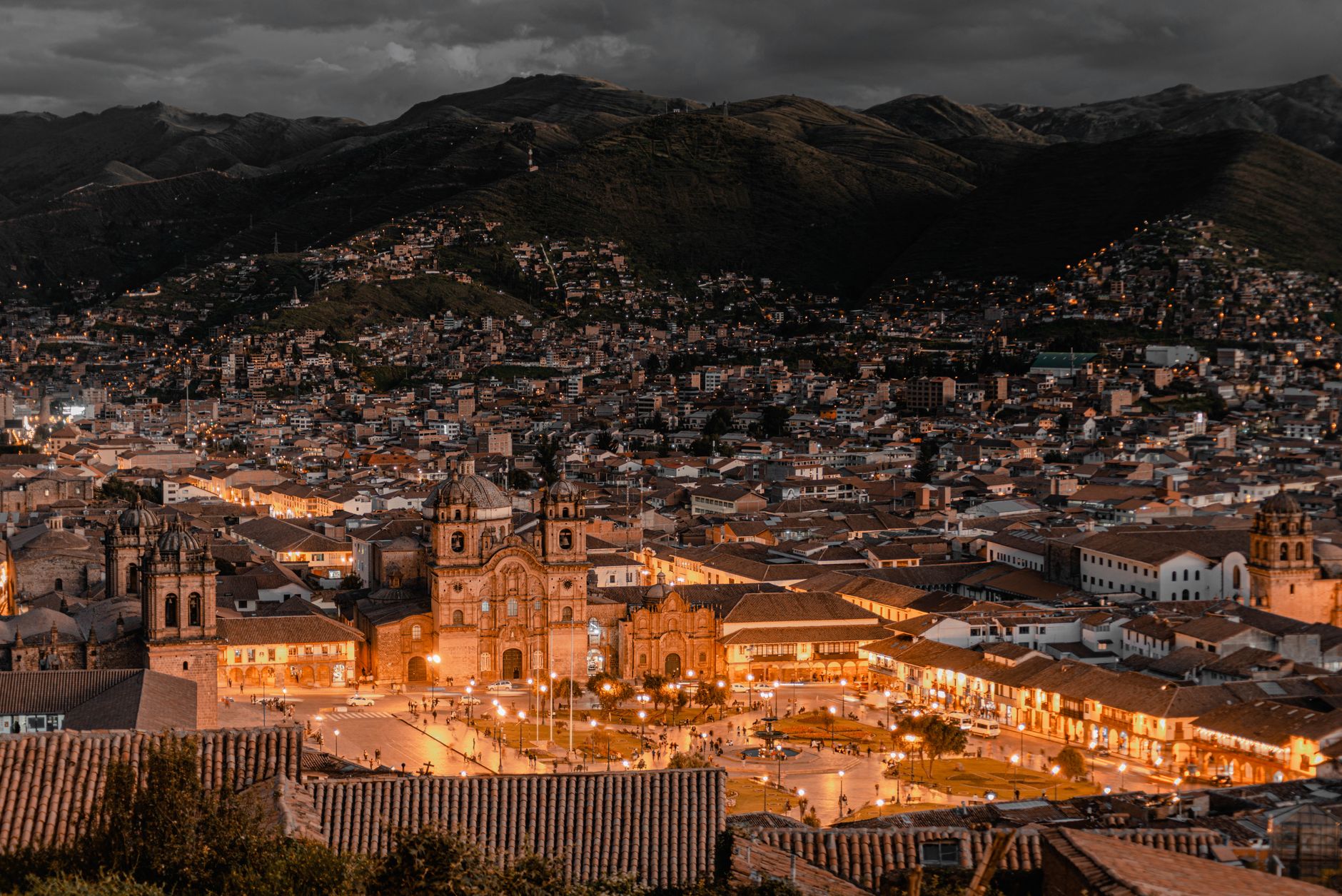
Arrival into the historic core presents steep streets, colonial stone and constant altitude reminders. Expect a compact grid around Plaza de Armas with heavy pedestrian traffic during daylight and a steady stream of travelers walking to day trips. The mood is noisy at midday, quieter after 22:00 in most residential streets.
Many first-time visitors treat the centre like a small town; it behaves more like a regional capital with crowded museums and tour kiosks. Noise, narrow sidewalks and frequent festivals can complicate simple walks. The place suits travelers who accept modest infrastructure, want accessible archaeology and enjoy markets and cafés that open early for tour departures.
Plan days for acclimatization first, then archaeology and markets. A three-day stay rewards those who prioritize fewer, well-timed visits over ticking off every site.
Is 3 days in Cusco enough?
Three days is enough to see central archaeology, the main museums and one Sacred Valley site if time-managed and using the Boleto Turístico. A caveat: a rushed schedule means skipping deeper day trips such as full Sacred Valley circuits or a multi-day trek to Machu Picchu.
Who This Guide Is For
Best for first-time visitors who want a compact taste of archaeology, markets and colonial architecture and can tolerate altitude. Not ideal for those seeking multi-day trekking or slow travel stays focused on Sacred Valley villages.
Local Tips for Cusco
Practical details that most travel sites skip — specific to Cusco.
- Buy the Boleto Turístico at the Oficina del Boleto Turístico on Portal de Carnes (Plaza Regocijo) — the full ticket (complete circuit) is about S/130 and saves money if visiting Sacsayhuamán, Qorikancha and several museums.
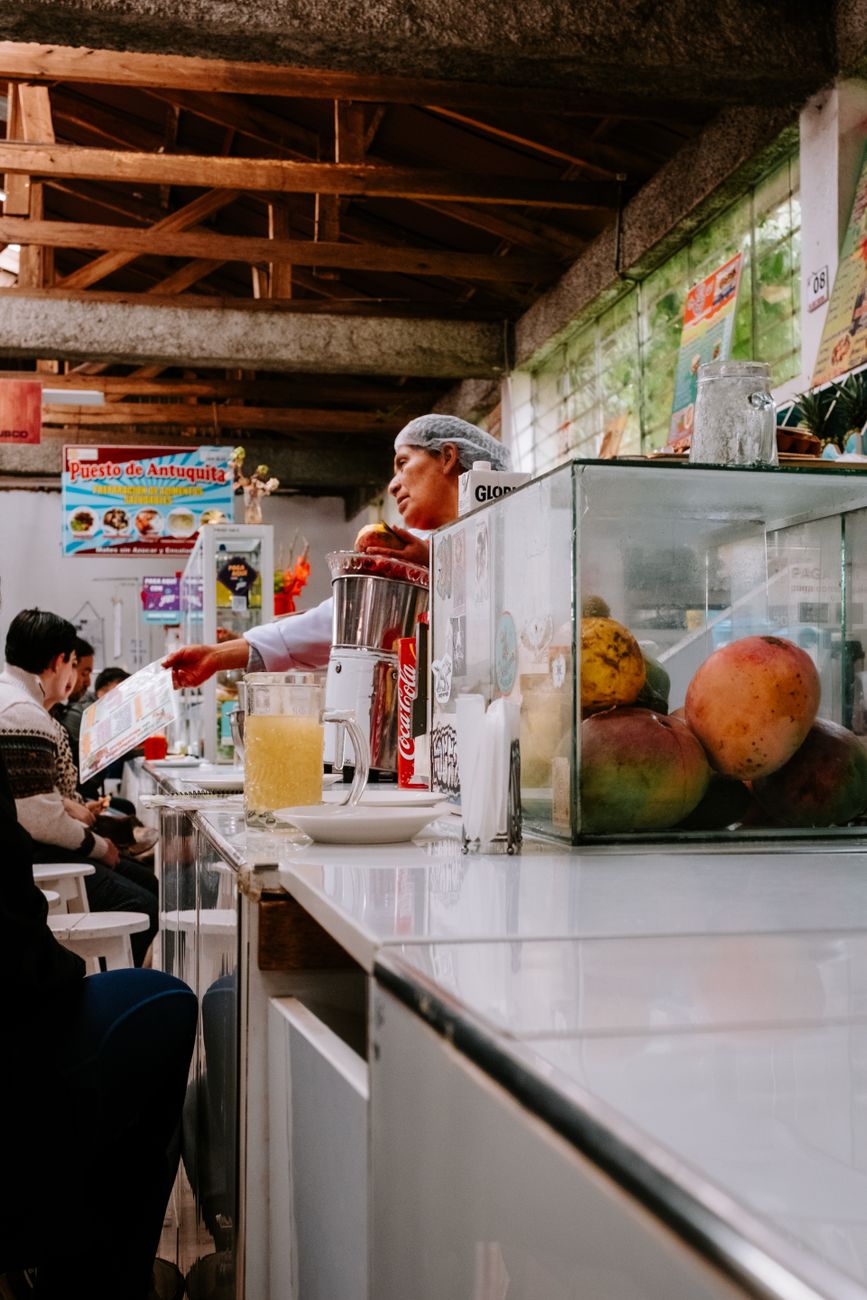
- San Pedro Market (Calle Santa Clara and Av. El Sol) opens before 7:00; fresh juices cost around S/3–6 and a sandwich or desayuno runes S/5–12, making it the cheapest reliable breakfast near the center.
- Alejandro Velasco Astete Airport to Plaza de Armas taxi fares are typically S/25–40 (cash); insist on the official taxi booth prices at arrivals to avoid inflated fares.
- Coca tea (mate de coca) is sold everywhere — expect S/1–3 per cup — and is the most common locally accepted remedy for altitude discomfort before medical options are considered.
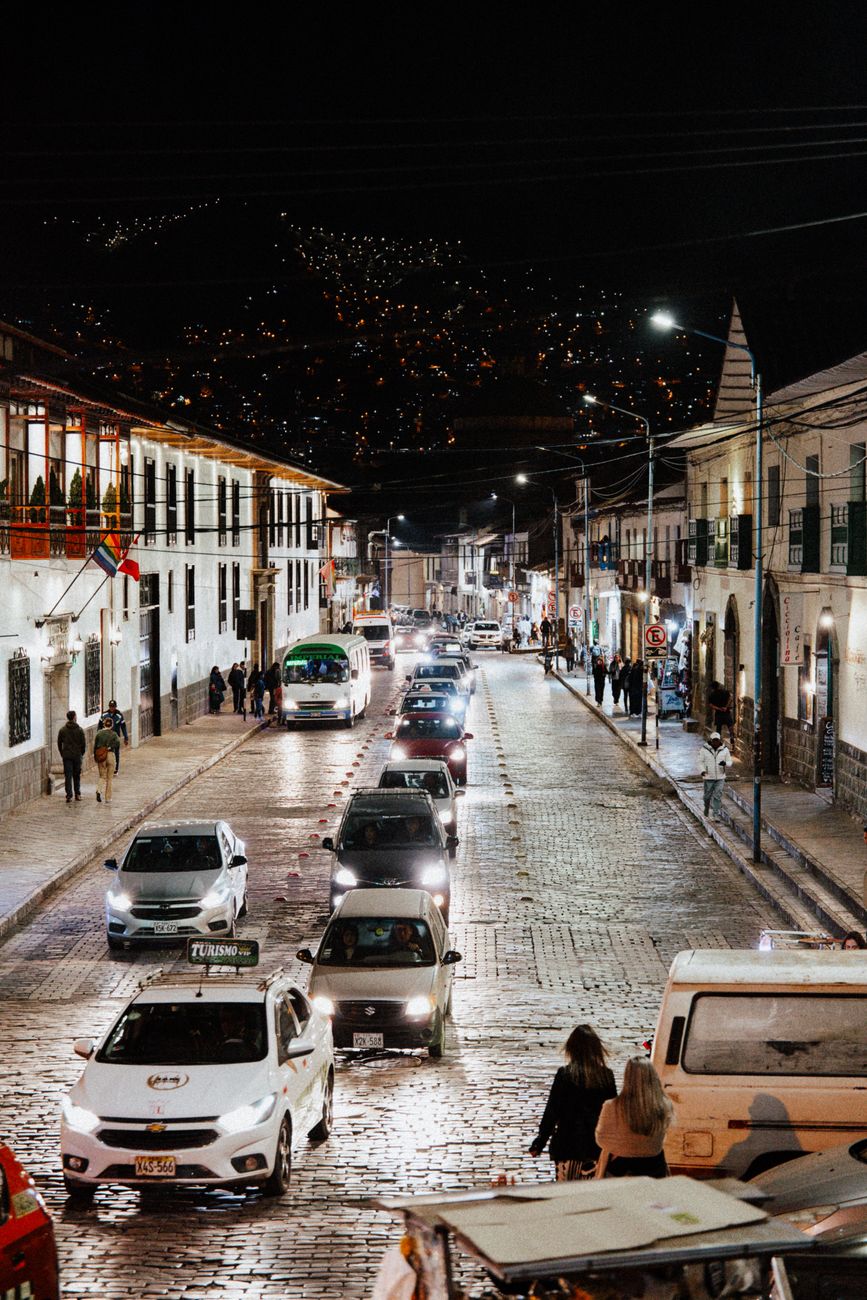
- Local colectivos and combis along Avenida de la Cultura and Avenida Ejército cost about S/1–2 per trip; they do not use a reloadable card so carry small bills and exact change.
How This Guide Was Prepared
This guide treats Cusco as a high-altitude regional capital with tourist overload, not as a postcard. Many guides compress too much into single days, ignore acclimatization and underplay logistical nuisances like museum hours and the Boleto Turístico sales points. The goal is a realistic, walkable three-day loop that exposes everyday neighbourhood life as well as key Inca sites. This guide was prepared through a structured research that combines destination research, geographic context, itinerary planning logic, and content review.
Plan Your Stay in Cusco
Use this itinerary as your starting point, then compare areas to stay, transport options, seasonal timing, and realistic daily costs before booking.
Why Visit
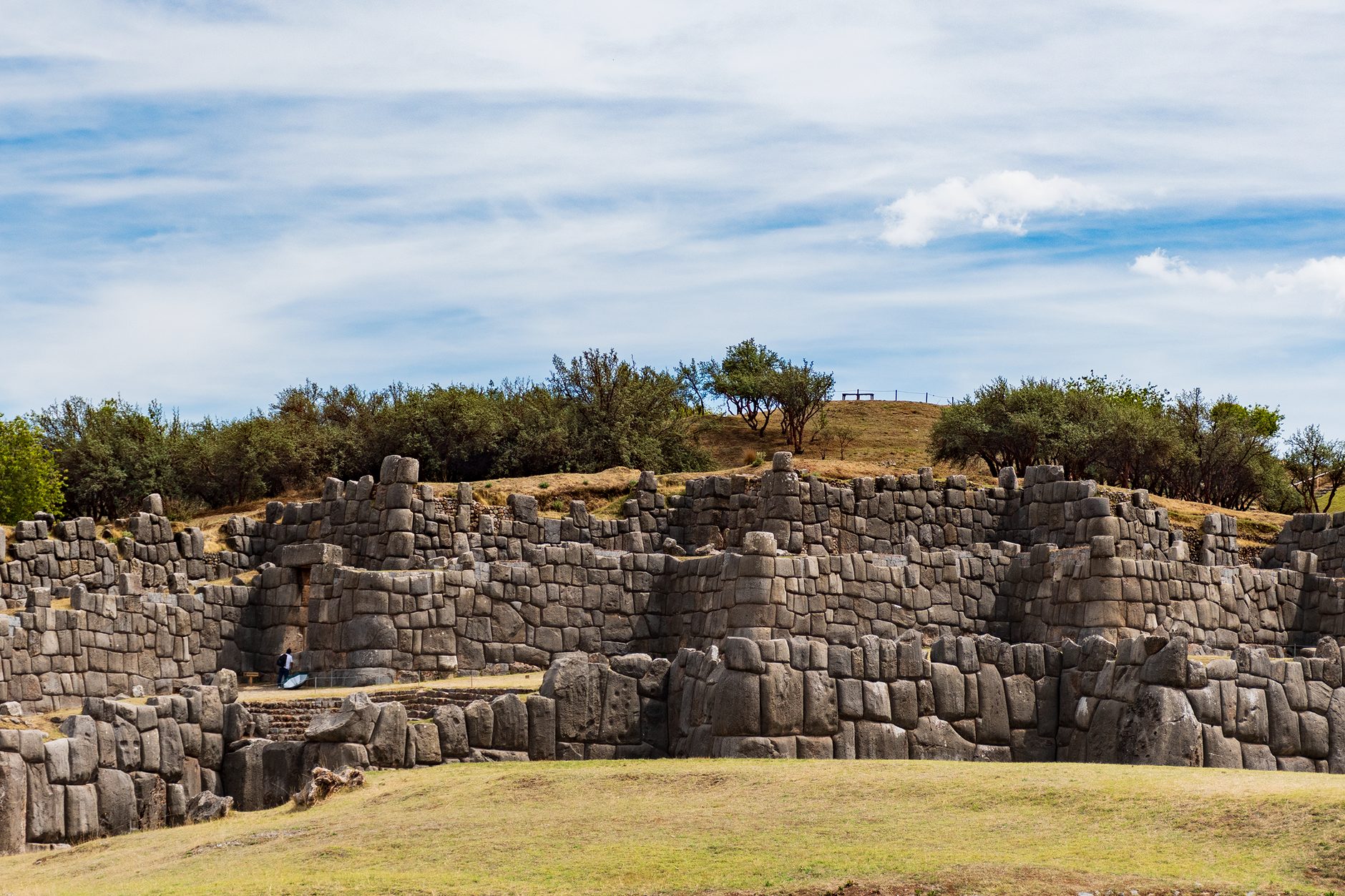
The central archaeology is unusually dense: sites like Sacsayhuamán, Q'enqo and Puka Pukara sit within a 10–20 minute drive of the main square, letting visitors see major Inca stonework without long drives. Museums on Avenida El Sol and Portal de Panes preserve artifacts and regional context in compact exhibits.
Market culture is direct and daily. San Pedro Market supplies local produce, traditional breads and small comedor stalls for cheap breakfasts and lunch, offering a practical way to observe local culinary life. The San Blas neighbourhood provides narrow streets with woodcarvers and galleries clustered near Plaza San Blas for afternoon strolls.
Altitude and location make it a logical base for short, single-day trips to the Sacred Valley or Humantay Lake. Visitors can combine archaeology, market life and a single longer day trip without changing hotels, which helps with acclimatization and logistics.
Quick Planning Tips
Book flights into Alejandro Velasco Astete Airport; it's about 3–4 km from Plaza de Armas and 10–20 minutes by car depending on traffic. Official taxi desk at arrivals posts fixed fares; expect S/25–40 to central hotels. Avoid accepting street offers from drivers inside the terminal.
Pay with cash for many small purchases: ATMs on Avenida El Sol and Plaza de Armas dispense soles. Cards work at larger hotels and restaurants, but combis and market stalls require small bills and coins. Currency exchange booths near Plaza de Armas are common but compare rates; banks offer more transparent fees.
Purchase the Boleto Turístico at the Oficina del Boleto Turístico or at major museums to save on combined entries. One planning mistake: lining up early at museums without checking opening hours — several close for lunch around 12:00–13:30 and reopen in the afternoon.
Day 1
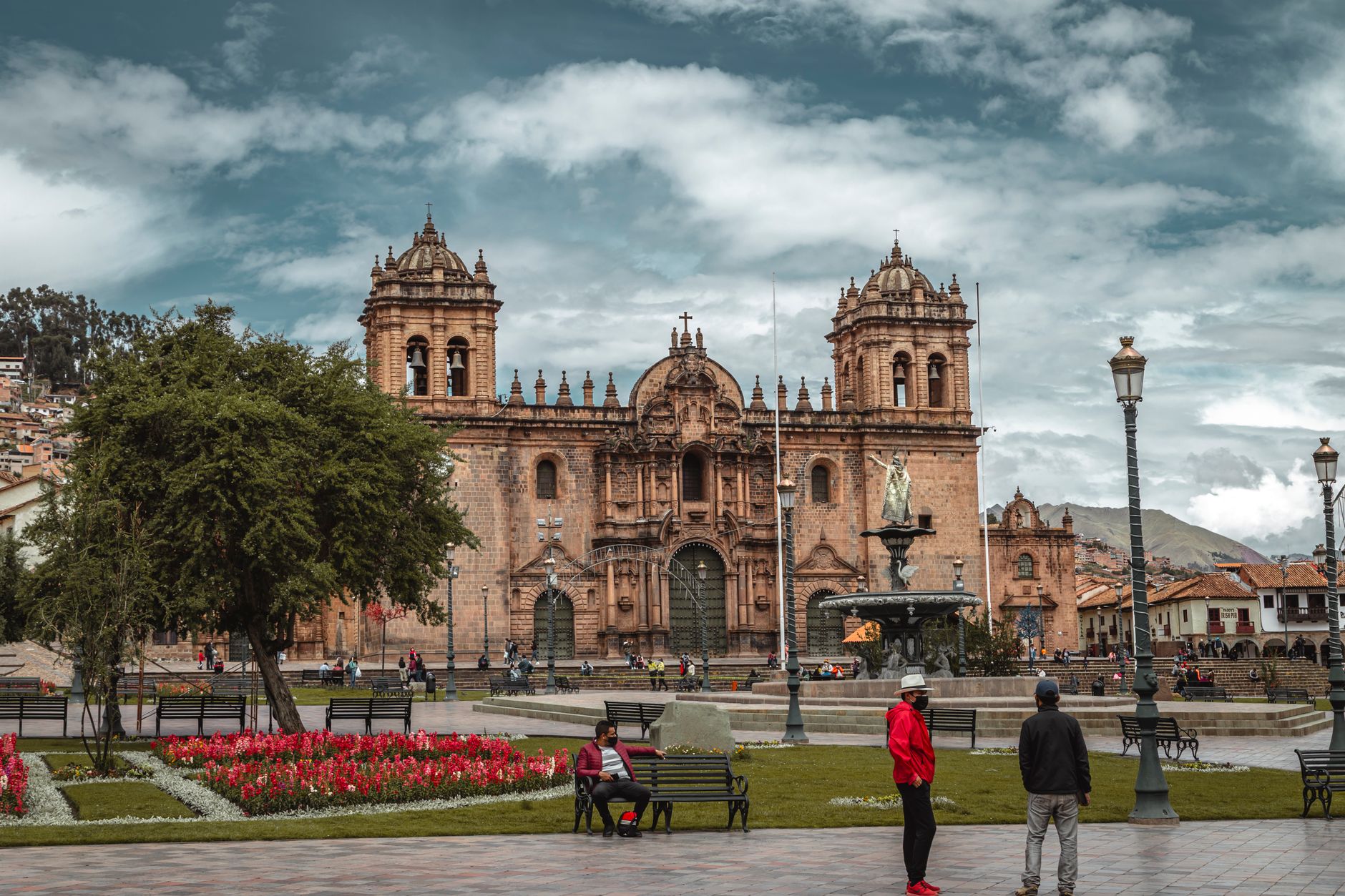
Morning: Plaza de Armas and Cusco Cathedral. Start at the main square to judge altitude and buy bottled water. The Cathedral (entry around S/30–50 or included on parts of the Boleto Turístico) takes 45–90 minutes depending on interest in colonial art.
Late morning: Qorikancha (Temple of the Sun) on Calle Santo Domingo is a short 5–10 minute walk from the square. Allow 45 minutes to an hour to see the Inca foundations under colonial church walls. The Boleto Turístico covers Qorikancha in most ticket variants.
Lunch: Walk two blocks to La Cusqueñita or the Mercado San Pedro comedor stalls. A lunch menu del día at a humble comedor is S/8–15 and a hearty way to try lomo saltado or aji de gallina.
Afternoon: Museo Inka on Plaza Nazarenas is a 3–5 minute walk; allow 1–1.5 hours to see artifacts and regional exhibits. Then climb to the San Blas viewpoint and Plaza San Blas, about a 10–15 minute uphill walk from the cathedral, to see artisan workshops and woodcarving shops.
Evening: Dinner in San Blas or near Plaza de Armas at a mid-range restaurant (S/40–80 per person). Finish with a slow walk back through the illuminated Plaza de Armas.
Day 2
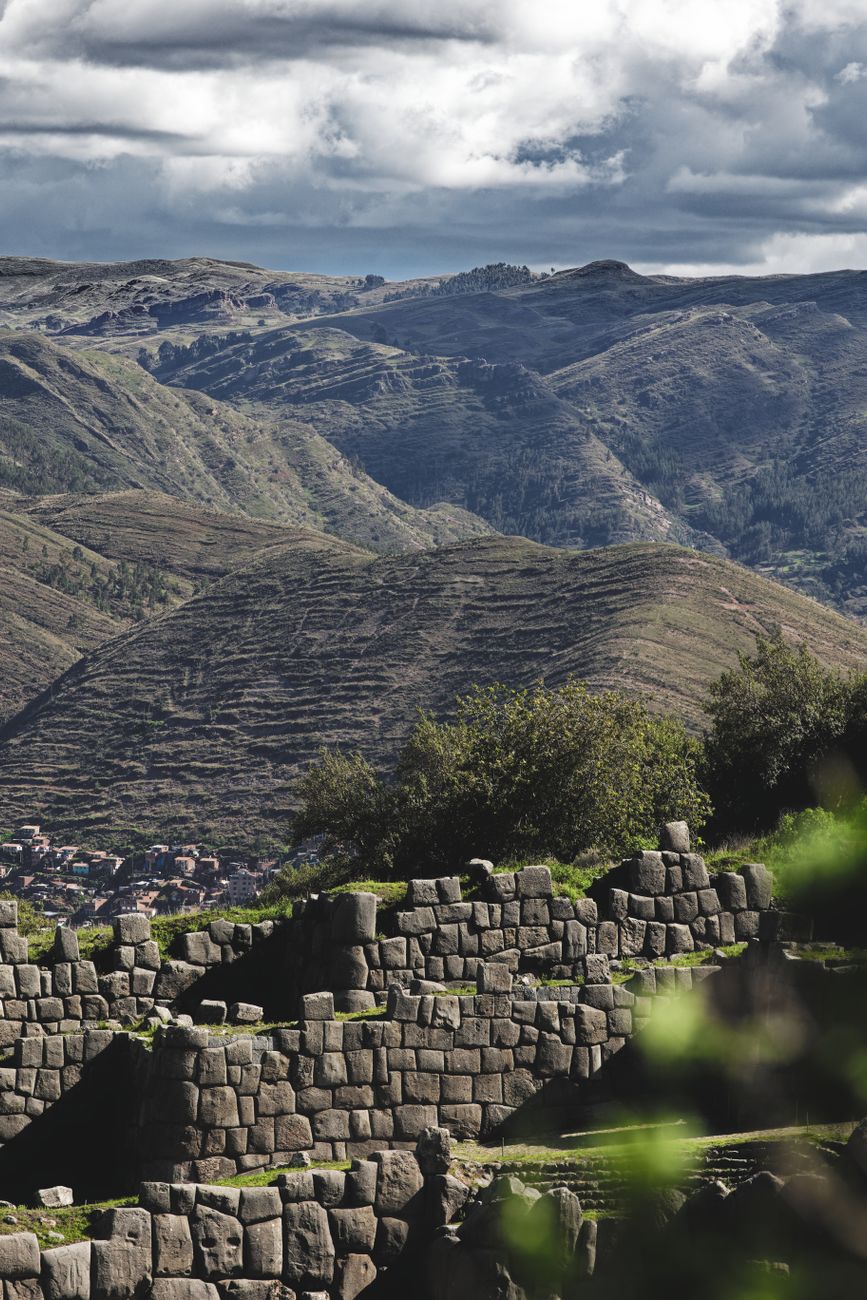
Morning: Reserve a morning slot for Sacsayhuamán, Q'enqo, Puka Pukara and Tambomachay using either a group shuttle or a private driver. Sacsayhuamán is 3 km north of Plaza de Armas—expect a 10–15 minute taxi ride. Spend 1–1.5 hours at Sacsayhuamán exploring terraces and ramps.
Midday: Q'enqo and Puka Pukara are nearby and can be combined; allow 30–45 minutes each. Visit Tambomachay last; its water channels are less crowded in early afternoon. These four sites are often bundled on the archaeological circuit of the Boleto Turístico.
Lunch: Return to the central area and eat at Pachapapa in San Blas for regional fare with roasted cuy options (mid-range S/45–80).
Afternoon: Explore Museo de Arte Precolombino and smaller speciality museums on Avenida El Sol if time allows. Alternatively, take the bus to Wanchaq district to see quieter residential streets and the Estadio Garcilaso if interested in local football culture. Transport between central sites and Wanchaq is a 10–15 minute taxi or combi ride.
Evening: Attend a short folklore show or dine at a restaurant near Plaza de Armas. Expect louder nightlife near the square; choose a quieter hotel street if sensitive to noise.
Day 3
Morning: Early start for the Sacred Valley half-day option (Pisac terraces and market) or for a longer Humantay Lake trip if already arranged. Pisac market and ruins can be done as a compact day trip: driving time to Pisac is about 45–60 minutes depending on traffic.
If staying local: use the morning to visit Museo de Sitio Qorikancha or the Regional Historical Museum to fill gaps. Allocate 1–2 hours per museum. Street-level walking between these museums and Plaza de Armas is 5–15 minutes.
Lunch: Eat at San Pedro Market or a nearby cafe; try an alpaca steak or aji de gallina with a jugo for about S/10–25. If catching an afternoon flight, choose a meal near the hotel and ask for a packed lunch.
Afternoon: For travelers checking out, store luggage at the hotel and take a final slow walk through San Blas artisan alleys or visit a nearby textiles shop on Calle Hatun Rumiyoc. Plan a taxi to Alejandro Velasco Astete Airport allowing 45–60 minutes before departure to account for city traffic and airport check-in.
Evening: If flight is late, spend the last evening on Plaza de Armas and pick up souvenirs at small shops that accept cards. Keep small change for a taxi to the airport.
Best Local Experiences
San Pedro Market: early-morning produce stalls, panaderías and cheap comedor lunches. Good for breakfast and observing local food supply.
Mercado de San Blas (artisan stalls around Plaza San Blas): woodcarvers and small galleries concentrated on narrow lanes—best mid-afternoon after museum visits.
Boleto Turístico circuit: using the full ticket allows seeing Sacsayhuamán, Qorikancha and several museums across two days without paying multiple individual fees.
Local festivals: Inti Raymi (June 24) transforms the city with processions and requires advance planning and tickets for main events; smaller saint-day processions happen monthly around neighborhood churches.
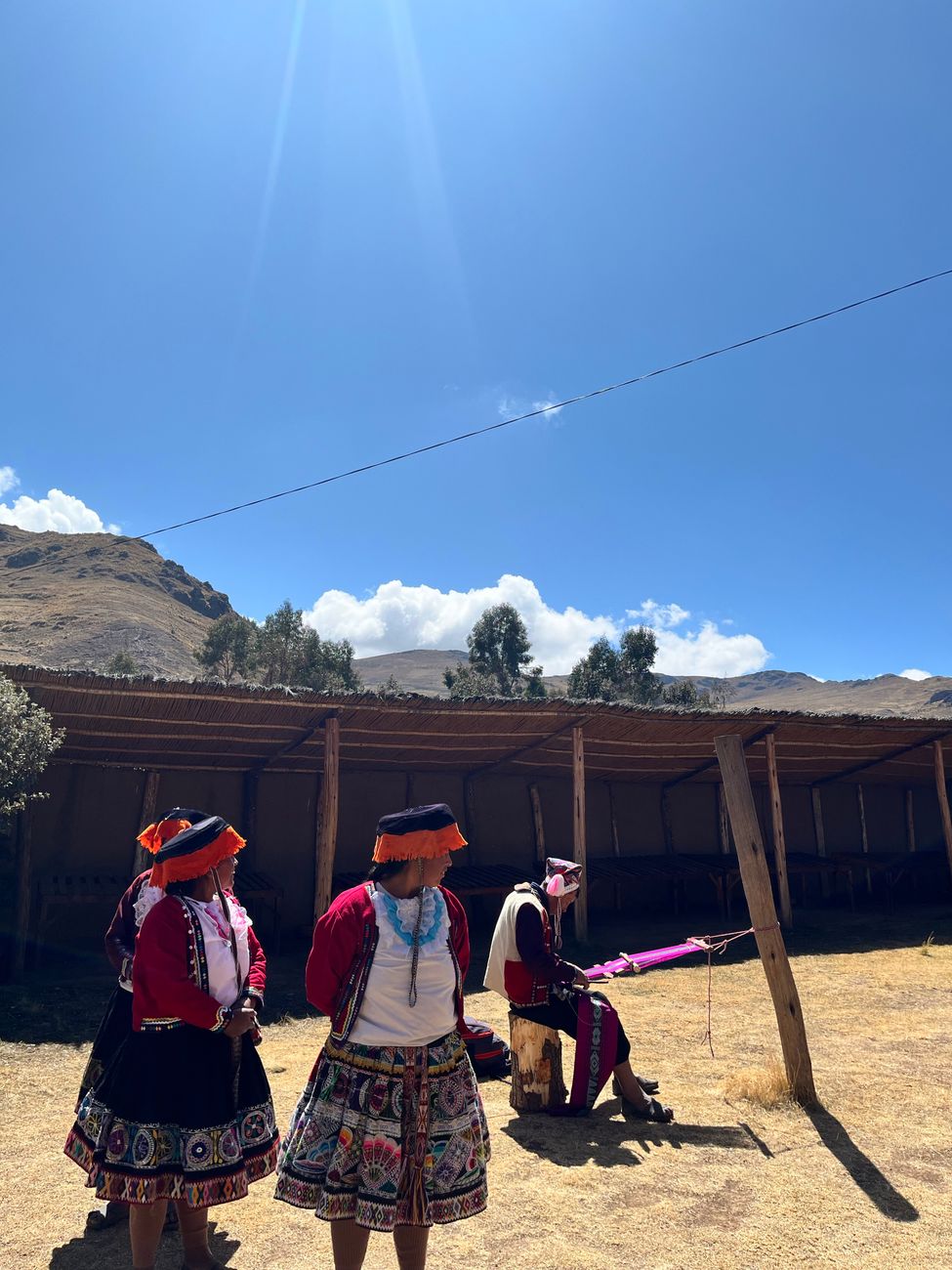
Textile workshops on Calle Tandapata and visits to a traditional comedor in San Sebastián district for roasts provide real encounters with regional cooking and craft skills.
Where to Stay
Centro Histórico (around Plaza de Armas): suits first-time visitors wanting quick access to Cathedral, museums and tour kiosks. Expect mid-range hotel prices S/120–300 per night (approx €30–80 / $30–90) for good three-star options; budget hostels are S/40–100.
San Blas (north of Plaza de Armas): suits travelers who want artisan workshops and a quieter, uphill atmosphere with narrow streets. Rooms here range from S/120–350 per night for boutique guesthouses; some hostels are S/50–90.
Wanchaq and San Sebastián (south/east): suit longer-stay visitors or those needing cheaper, roomier hotels and quicker access to bus terminals. Prices tend to be lower: S/80–160 per night for modest hotels (approx €20–40 / $20–45). Taxis to the central square are 10–15 minutes.
For safety and convenience, pick hotels that provide oxygen or have acclimatization advice at reception. Bookings during high season (June–August) should be made well ahead.
Food and Drink
Breakfast option: tamale and jugo at San Pedro Market — a tamale costs around S/3–6 and a fresh juice S/3–6. Simple, filling and available from early stalls.
Street food: anticuchos (beef heart skewers) sold at market stalls or evening stands for about S/5–10. Try them at San Pedro Market or street vendors near Plaza Regocijo.
Dinner recommendation: roasted alpaca or lomo saltado at Pachapapa (San Blas) or Morena Peruvian Kitchen; expect S/35–80 for a main dish at a mid-range restaurant.
Local dishes/drinks: cuy al horno (roasted guinea pig) as a festival or special-occasion dish available at some traditional restaurants (S/60–120); chupe de quinoa or ocopa for vegetarian options (S/12–30); and chicha morada as a non-alcoholic drink made from purple corn (S/3–6). For alcoholic drinks, try Cusqueña beer (S/7–12) or a pisco sour in a bar near Plaza de Armas (S/15–30).
Dessert and snacks: empanadas or picarones from street vendors for S/2–6. Use market comedores for the best value menus del día.
Getting Around
No metro system exists; transport is by combi minibuses, colectivos, city buses and taxis. Combi routes use Avenida de la Cultura, Avenida El Sol and Avenida de la Ejército; fares are around S/1–2. Colectivos to the Sacred Valley depart from Avenida de la Cultura and Calle Tandapata areas.
Taxis are plentiful but largely unmetered; use Beat or InDriver apps for clearer pricing and driver ratings. Typical short central trips cost S/5–15. Airport taxi from Alejandro Velasco Astete is S/25–40.
There is no unified reloadable transit card for Cusco like Lima’s; carry small bills and coins. Recommended apps: Beat, InDriver and Google Maps for route planning. For tourist sites, the Boleto Turístico is the best pass for entry fees across major sites; it can be bought in cash or by card at designated offices.
Best Time to Visit
Dry season (May to September) offers clear skies and stable weather with daytime temperatures around 15–20°C and nights dropping to 0–5°C; this is high season and the most crowded time, especially June–August.
Shoulder months (April and October) balance fewer crowds and acceptable weather; day temperatures 12–18°C and cooler nights. Expect more frequent short showers in April.
Wet season (November to March) brings regular afternoon rains, muddy trails and limited visibility on mountain vistas. Temperatures remain mild by day (12–18°C) but mornings can be cold. Value deals and fewer crowds are available in February and March, but some treks and services reduce operations.
Budget and Practical Tips
Daily budget breakdown (per person): budget traveller: accommodation S/40–100, food S/20–40, transport S/5–15, entry fees S/10–40 — total S/75–195 (approx €18–50 / $20–55). Mid-range traveller: accommodation S/120–250, food S/40–80, transport S/10–20, entry fees S/30–130 — total S/200–480 (approx €50–120 / $55–130).
Boleto Turístico prices: full circuit around S/130; archaeology-only or partial tickets are cheaper (approx S/60–80). Individual museum entries range roughly S/10–50. Keep cash for smaller museums and market purchases.
Tipping norms: tipping is appreciated but not mandatory. Leave S/5–10 for a good restaurant service or 10% where service is strong. Taxi tipping is uncommon; round up small fares.
Practical tip: carry photocopies of passport; some sites and hotels require identification for ticketing. Bring layers, a windproof jacket and a reusable water bottle that can be refilled.
FAQ
How serious is altitude sickness in Cusco?
Altitude sickness is common — Plaza de Armas sits around 3,400 m. Symptoms include headache, nausea and fatigue; rest, hydrate, chew coca leaves or drink mate de coca and avoid heavy exertion the first 24 hours. Seek medical help if symptoms worsen.
Is the Boleto Turístico worth buying for three days?
Yes if visiting at least two major archaeological sites (Sacsayhuamán, Qorikancha) and a couple of museums; the full ticket (~S/130) typically saves money versus individual entries.
Are taxis safe and should Uber be used?
Taxis are generally safe but often unmetered; use official airport taxis, Beat or InDriver for clearer fares. Uber availability is intermittent; rely on local apps for consistency.
Can an afternoon flight be caught after a morning museum visit?
Yes if leaving central hotels by 2–3 hours before departure for domestic flights, but allow extra time during peak traffic and security checks. Airport is 10–20 minutes drive without heavy traffic.
Is it safe to eat street food like anticuchos and tamales?
Yes if purchased from busy stalls with high turnover and cooked in front of customers. Use bottled water or purified water and prefer hot, freshly cooked items.
What transport options exist to Pisac or Ollantaytambo for a day trip?
Shared colectivos and tourist minibuses depart from Avenida de la Cultura and near Plaza Regocijo; private taxi or tour services are faster but cost more. Bus/colectivo to Pisac is roughly 45–60 minutes.
Conclusion
A three-day visit will leave a clear impression of monumental stonework, market life and colonial streets, provided time is allowed for acclimatization and realistic site pacing. Most visitors remember the steep switchbacks up to Sacsayhuamán, the early-morning market sounds and the tight artisan alleys in San Blas.
If time is tight, prioritise one archaeological circuit (Sacsayhuamán plus nearby ruins) and a morning at San Pedro Market; these convey the city's contrasts best and minimize transit stress.
How this guide was prepared
This guide was prepared through a structured research that combines destination research, geographic context, itinerary planning logic, and content review.