
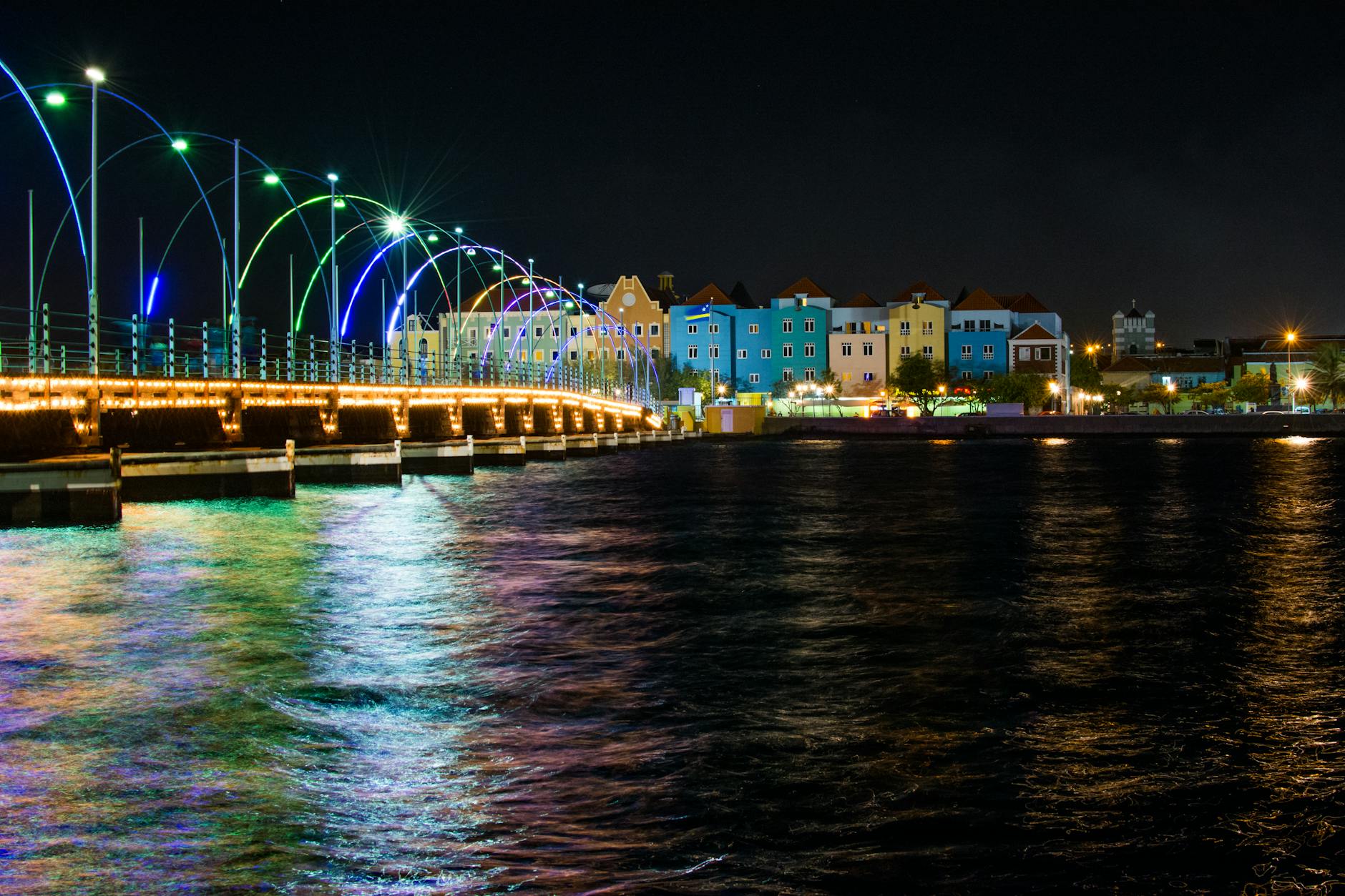
3 Days in Willemstad: A Colorful Caribbean City Break
Explore Willemstad in 3 days: colorful waterfronts, beaches, museums and local eats. Practical 72-hour itinerary, transit tips, must-dos and where to stay.
A practical, walkable 3-day itinerary to experience Willemstad’s pastel waterfronts, beaches, museums and local flavors—perfect for a weekend or short island escape.
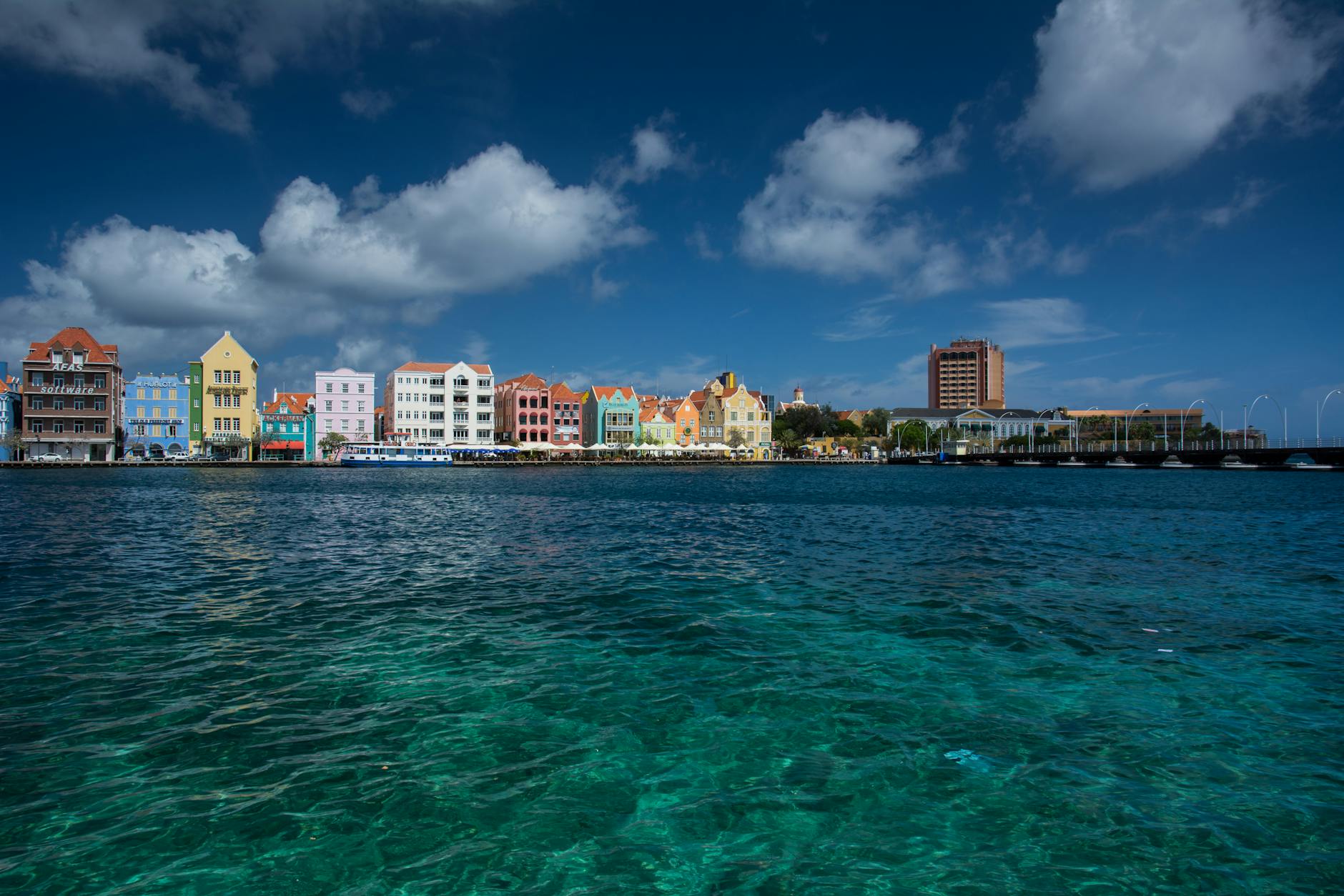
Willemstad is a compact, colorful Caribbean capital known for its Dutch colonial architecture, clear-water beaches nearby, and a lively blend of Dutch, Afro-Caribbean and Latin influences. It suits travelers who want culture and beach time in one short trip: history and museums in a walkable city center, lively neighborhoods for dining and nightlife, and easy day trips for snorkeling or hiking. Three days is ideal because you can cover the main districts—Punda and Otrobanda—sample local food, visit a museum or two, and still spare a full day for a beach or boat trip without rushing. The rest of this guide lays out a practical, neighborhood-focused 72-hour plan with transit and food tips.
Quick Answer
A practical, walkable 3-day itinerary to experience Willemstad’s pastel waterfronts, beaches, museums and local flavors—perfect for a weekend or short island escape.
Who This Guide Is For
This guide is best for first-time visitors, couples, solo travelers, and anyone planning 3-day city break, weekend break, island escape in Willemstad with a balance of highlights, local character, and reasonable spending.
How This Guide Was Prepared
This guide was prepared through a structured editorial workflow that combines destination research, geographic context, itinerary planning logic, and practical travel review.
Plan Your Stay in Willemstad
Use this itinerary as your starting point, then compare areas to stay, transport options, seasonal timing, and realistic daily costs before booking.
Why Visit
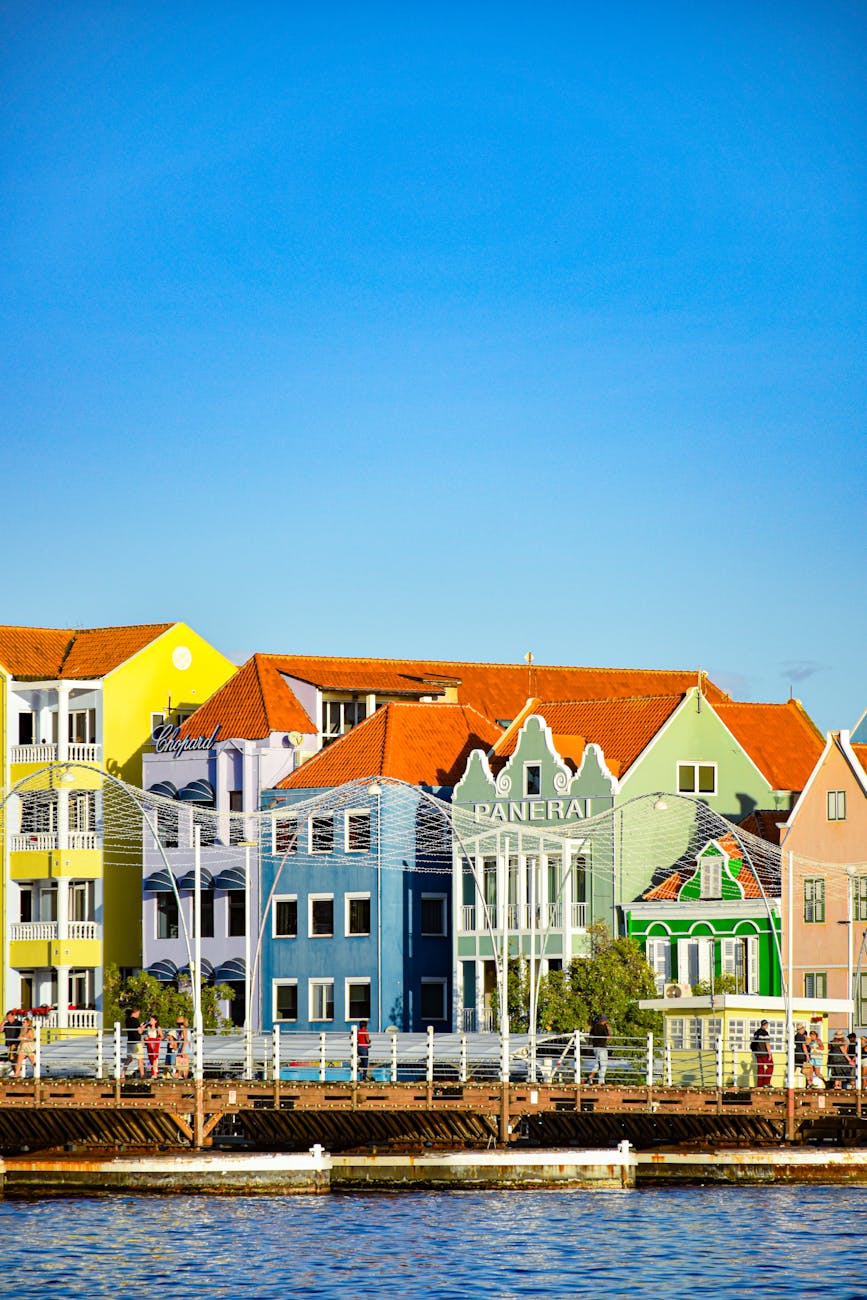
Historic waterfronts and pastel facades make for easy strolling and photography. Dutch colonial streets meet Caribbean markets, while the island’s coral reefs invite short day trips for snorkeling. The mix of museums, lively dining neighborhoods and short drives to beaches means you get variety in a compact itinerary. It’s a good pick for couples, solo travelers who like walking cities, and small groups wanting both culture and beach time.
Quick Planning Tips
Pack reef-safe sunscreen and light layers; evenings can be breezy near the water. Currency: Netherlands Antillean guilder (ANG) is official, US dollars widely accepted. Expect short walks in Punda and Otrobanda; rent a car for exploring beaches, Christoffel Park or eastern coast. Book any Klein Curaçao boat trip in advance—it’s a full-day commitment. For museums and distillery tours, check opening days; some close on Sundays.
Day 1
Morning: Start in Punda. Walk the Handelskade waterfront, cross the Queen Emma Pontoon Bridge to Otrobanda and back while watching the floating market boats. Visit the Curaçao Maritime Museum or stroll Scharloo’s painted mansions.
Afternoon: Lunch at Plasa Bieu for local dishes like keshi yena or stoba. Explore Kura Hulanda Museum in Otrobanda to understand Curaçao’s African and colonial history.
Evening: Head to Pietermaai for dinner and live music—this neighborhood has boutique hotels and a lively bar scene.
Day 2
Morning: Drive to Christoffel National Park early for hiking or a scenic drive; the views from Christoffel Mountain reward early starts. Alternatively, visit Shete Boka on the north shore for rugged coastline scenery.
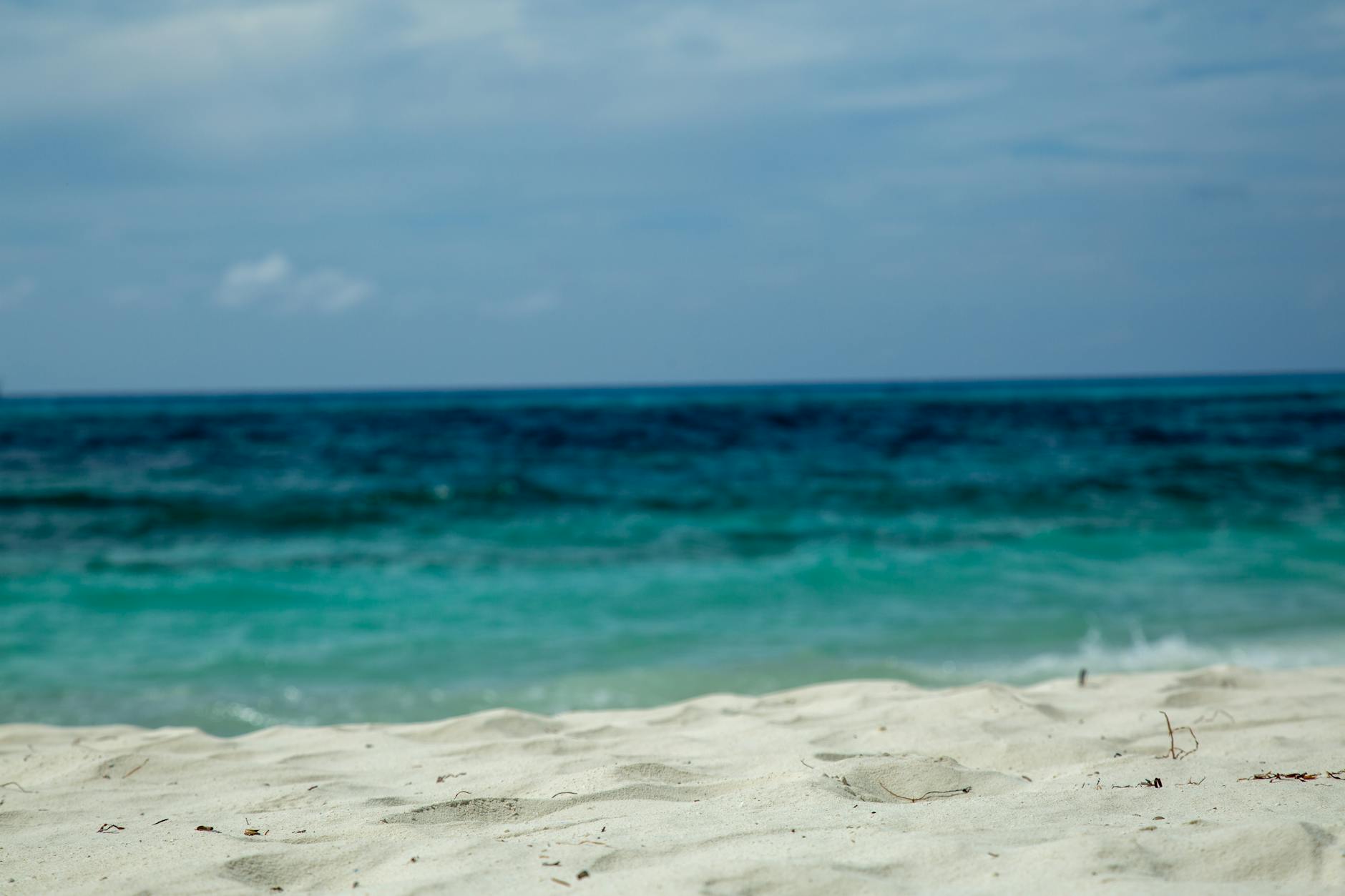
Afternoon: Return to the south coast beaches—Blue Bay or Jan Thiel for snorkeling and beach clubs. Rent a snorkel at a beach shop or join a short reef tour.
Evening: Sunset at the Queen Juliana Bridge viewpoint, then dinner near Rif Fort where there are restaurants with water views.
Day 3
Option A (full day): Book a boat trip to Klein Curaçao for pristine sand, turtles and shipwreck snorkeling—plan for a very early start and return late afternoon.
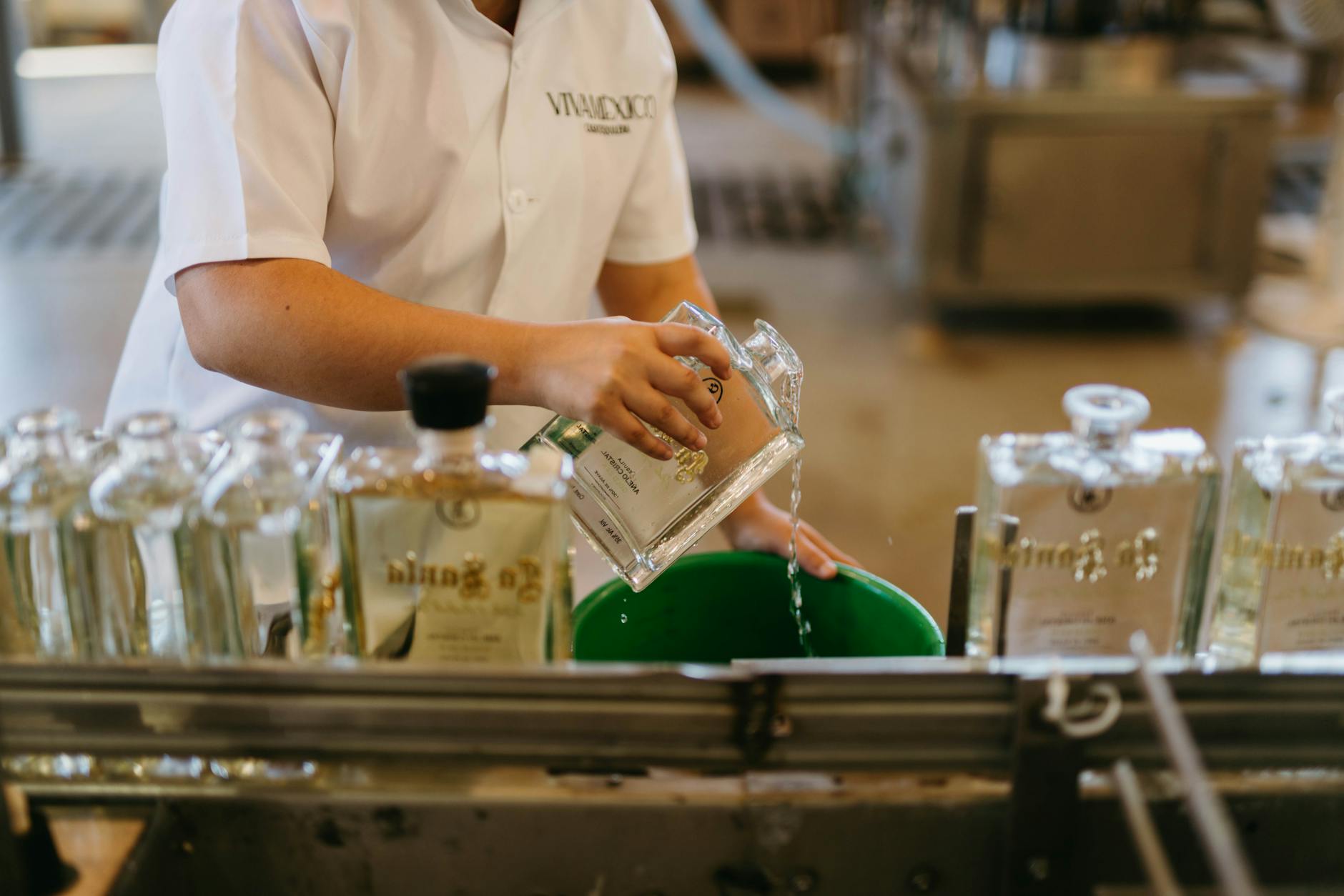
Option B (half day + city): Spend the morning at Curaçao Sea Aquarium or the Curaçao Liqueur Distillery tour, then enjoy a relaxed afternoon shopping in Punda and visiting Fort Amsterdam. Finish with a seaside dinner and one last sunset stroll.
Tip: Reserve your preferred option before arrival to avoid sold-out boat charters on weekends.
Best Local Experiences
Taste Blue Curaçao at Landhuis Chobolobo and try street-food at Plasa Bieu. Walk Scharloo for colonial mansions and local galleries. Snorkel at Tugboat or Director’s Bay for easy shore dives. Catch a sunset from the Queen Juliana Bridge or the Rif Fort terraces. If your trip overlaps a local festival or live music night in Pietermaai, join in—music and food are central to the island vibe.
Where to Stay
Punda: best for first-time visitors who want walkable access to museums, shops and the waterfront. Pietermaai: boutique hotels, nightlife and restaurants in a restored neighborhood. Jan Thiel: resort-style beaches and family-friendly options. Otrobanda: quieter, close to Kura Hulanda and local life. Book centrally if you prefer walking; choose a rental car if you plan many beach or national park trips.
Food and Drink
Must-try dishes: keshi yena (stuffed cheese), stoba (stews), fresh ceviche and pan bati sweets. Eat lunch at Plasa Bieu for affordable island staples. For upscale dining, try seafood at Rif Fort or restaurants in Pietermaai. Sample local rum, try a Blue Curaçao tasting and look for small bars serving cocktails with local fruit. Many places accept cards, but small cash payments are handy for market stalls.
Getting Around
The historic center is very walkable—Punda and Otrobanda are connected by the pedestrian Queen Emma Bridge. Taxis are available; agree fares before you ride. Public buses run main routes but can be sporadic; consider a rental car for beaches, Christoffel Park and west-coast sights. Ferries and organized tours handle island boat trips. Parking in tourist areas is usually easy; watch local parking signs.
Best Time to Visit
The island is warm year-round. Peak season runs December to April with drier weather and more visitors—book early for hotels and boat trips. Shoulder months (May–November) can be quieter and offer better deals, though brief rain showers are more likely. For snorkeling, aim for calm seas—late winter to spring often delivers good visibility.
Budget and Practical Tips
Expect mid-range prices: eating local is affordable, restaurants and tours cost more. Carry small cash for markets; credit cards are widely accepted in tourist areas. Tip around 10–15% in restaurants if a service charge isn’t included. Drink tap water in Willemstad is generally safe, but bring a reusable bottle and reef-safe sunscreen. Check visa requirements before travel and book Klein Curaçao or popular tours in advance to secure spots.
FAQ
Is Willemstad safe for tourists?
Yes. The city is generally safe, especially in tourist areas during the day. Use common precautions at night—avoid poorly lit streets and don’t display valuables.
How do I get from Hato Airport to the center?
The airport is about 20 minutes by car. Taxis wait outside arrivals; many hotels offer transfers. Renting a car at the airport is convenient for island exploration.
Can I do a day trip to Klein Curaçao from Willemstad?
Yes. Several operators run full-day boat trips; expect an early departure and return late afternoon. Book ahead, check cancellation policies and bring sun protection.
What language do locals speak?
Dutch and Papiamentu are official; English and Spanish are widely spoken in tourism areas.
Is snorkeling good directly from beaches?
Yes. Beaches like Tugboat, Director’s Bay and Jan Thiel offer good shore snorkeling; guided trips reach richer reefs.
Conclusion
Three days in Willemstad gives a balanced taste of colorful city life, museums and Caribbean sea time. Follow this itinerary to combine iconic sights with local food, one memorable day-trip and practical tips for getting around. Book signature experiences early and leave a little room for lazy beach hours—Willemstad rewards both planning and unplanned discoveries.
How this guide was prepared
This guide was prepared through a structured research that combines destination research, geographic context, itinerary planning logic, and content review.