
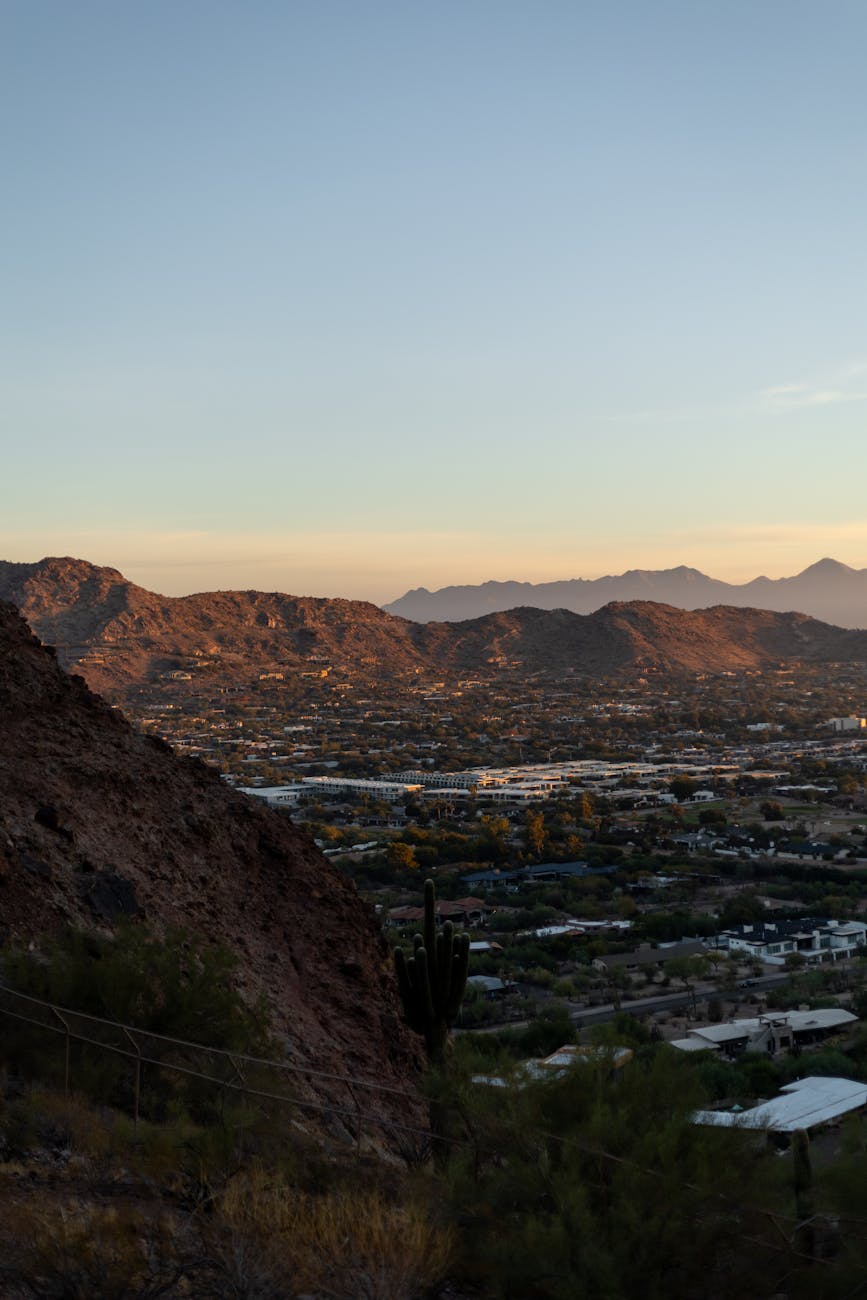
3 Days in Phoenix: A Practical Itinerary
Plan 3 days in Phoenix: a sunny weekend itinerary with desert hikes, museums, Roosevelt Row art, Sonoran eats, and practical transit and packing tips.
A compact 3-day guide mixing desert hikes, museums, Roosevelt Row art, and local eats—perfect for a weekend escape with practical neighborhood routes and transit tips.
Phoenix is a sun-drenched desert metropolis with a thriving arts scene, sprawling parks, and easy access to iconic hikes. It suits travelers who want a blend of outdoor adventure, Southwestern culture, and approachable urban comforts — mornings on the trails, afternoons at museums, and evenings sampling Sonoran-inspired restaurants. Three days works especially well because you can cover downtown highlights, a major hike and a botanical or museum visit, plus a neighborhood food-and-art crawl without rushing.
This guide is organized for search-friendly weekend planning: practical neighborhoods to base yourself in, a sensible Day 1–3 itinerary, transit tips (Sky Harbor, light rail, rideshares), and standout local experiences like sunset viewpoints and where to find the best Sonoran hot dog. Read on for neighborhood maps, transit notes, and where to book ahead.
Quick Answer
A compact 3-day guide mixing desert hikes, museums, Roosevelt Row art, and local eats—perfect for a weekend escape with practical neighborhood routes and transit tips.
Who This Guide Is For
This guide is best for first-time visitors, couples, solo travelers, and anyone planning 3-day city break, weekend escape, urban outdoors in Phoenix with a balance of highlights, local character, and reasonable spending.
How This Guide Was Prepared
This guide was prepared through a structured editorial workflow that combines destination research, geographic context, itinerary planning logic, and practical travel review.
Plan Your Stay in Phoenix
Use this itinerary as your starting point, then compare areas to stay, transport options, seasonal timing, and realistic daily costs before booking.
Why Visit
A mix of desert landscapes and a surprisingly dense arts and food scene makes this a flexible destination. Outdoor options range from short scenic walks to challenging summit hikes; museums cover Native American art, modern galleries, and science for families.
The urban core has revitalized neighborhoods with murals, breweries, and acclaimed restaurants, while nearby suburbs like Tempe and Scottsdale add nightlife and shopping without a long drive. It’s a great pick for active travelers, culture seekers, and food-focused weekenders.
Quick Planning Tips
Fly into Phoenix Sky Harbor (15–20 minutes to downtown). If you want one easy day without driving, stay downtown or Roosevelt Row where light rail and rideshares are plentiful.
Bring sun protection, a refillable water bottle, and comfortable hiking shoes. Book Desert Botanical Garden and popular restaurant reservations in advance, especially on weekends and during spring wildflower season.
If you’ll hike Camelback or South Mountain at sunrise, start early (before 8 AM) to avoid heat and crowds.

Day 1
Morning: Start downtown with coffee and a breakfast sandwich, then visit the Heard Museum to learn about Native American art and cultures. The Arizona Science Center is a short walk for interactive exhibits if you’re with kids.
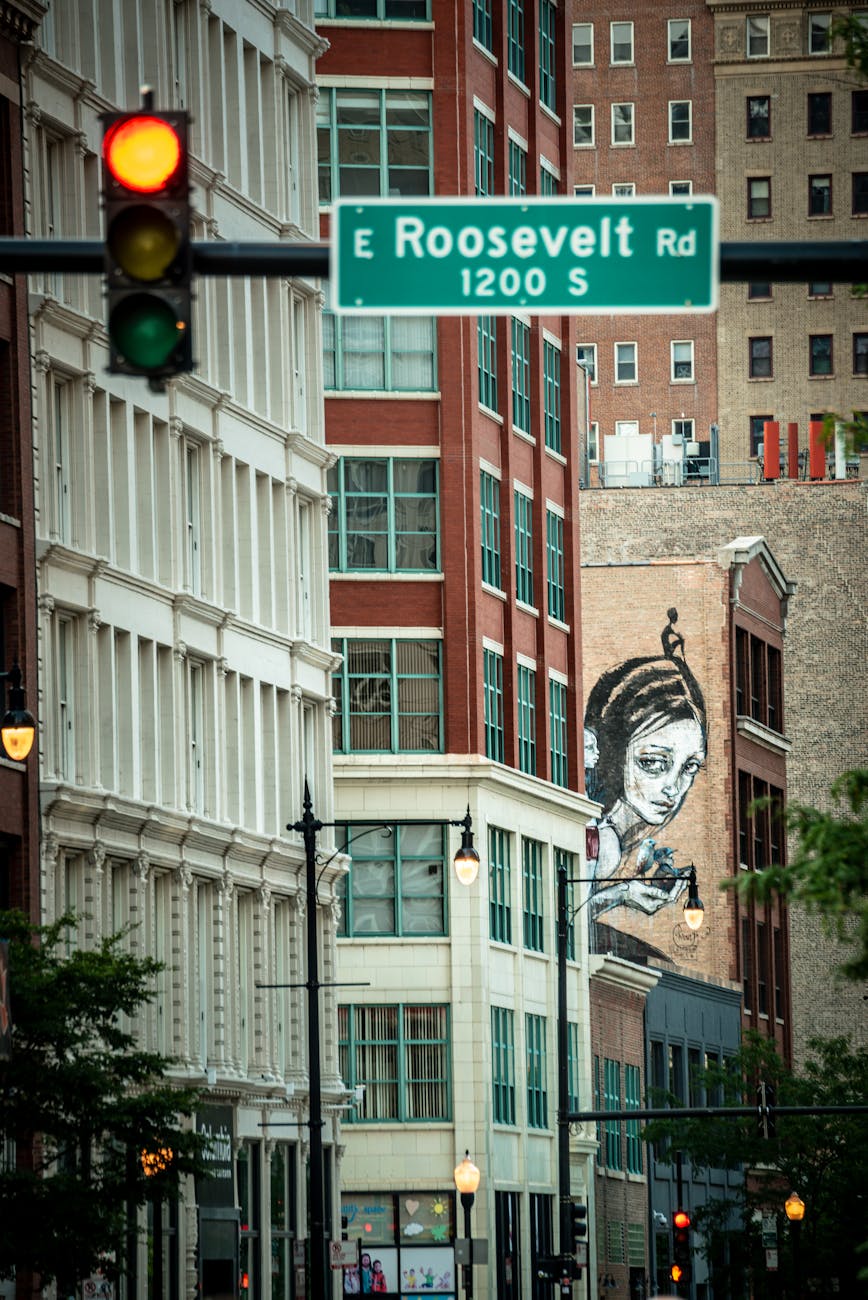
Afternoon: Walk Roosevelt Row for murals, galleries, and lunch at a local taco spot or food hall. Stop by the Phoenix Art Museum for a global collection and temporary exhibitions.
Evening: Dinner on a lively restaurant strip (Roosevelt Row or nearby Midtown), then catch live music or a game at Footprint Center or Chase Field depending on season.
Day 2
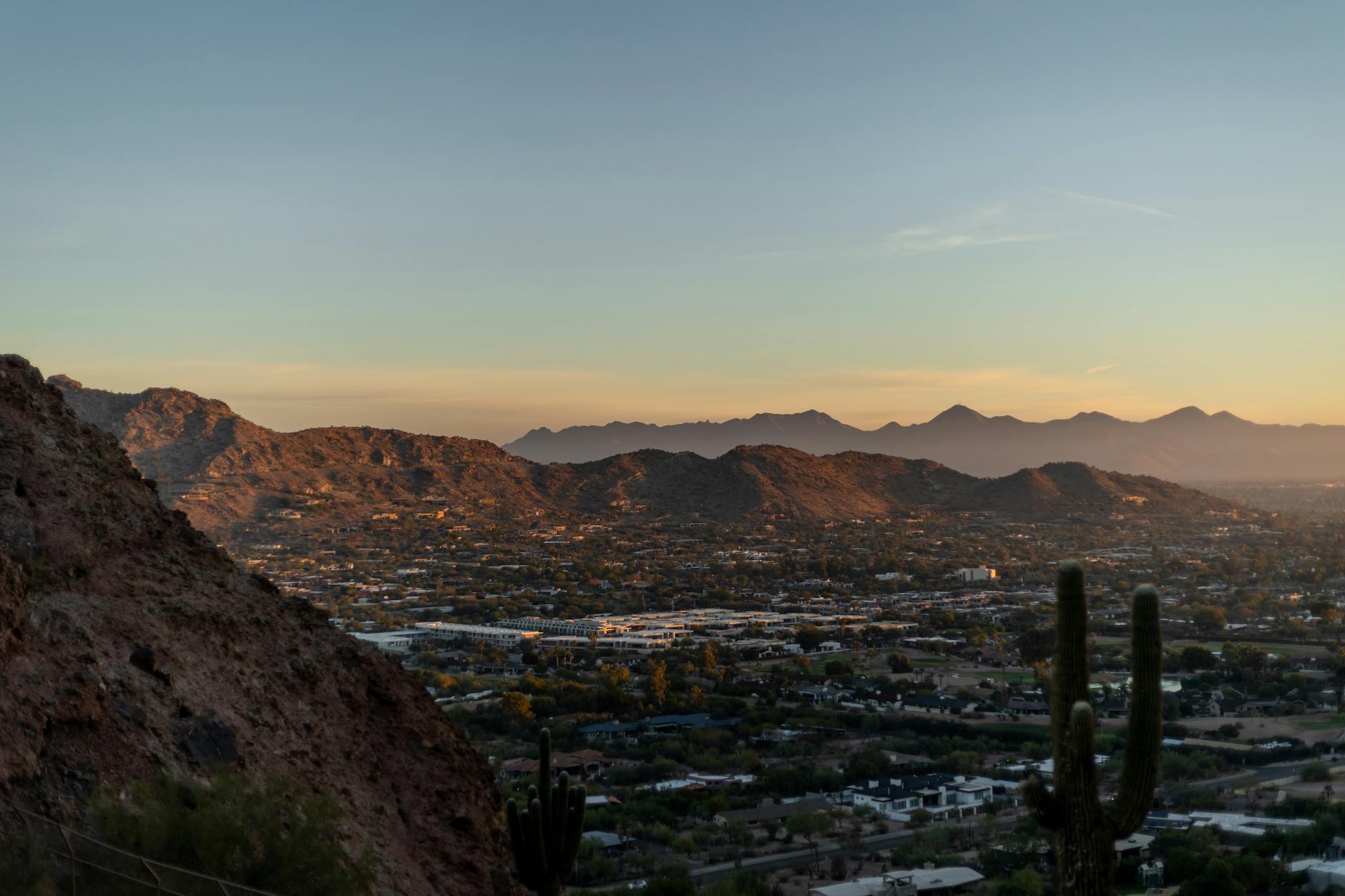
Morning: Head out early for Camelback Mountain (Echo Canyon Trail) for a sunrise hike and panoramic city views. Bring water and plan for steep sections.
Late morning/afternoon: Recover at Desert Botanical Garden—beautiful walks through curated desert landscapes—and grab lunch in nearby Papago Park or the Biltmore area.
Evening: Drive or ride to South Mountain Park for Dobbins Lookout at sunset, or enjoy an Arizona craft-brewery crawl on Grand Avenue back in town.
Day 3
Morning: Explore Arcadia and its coffee shops, or visit the Musical Instrument Museum in north Phoenix for an hour or two.
Afternoon: Stroll Heritage Square for Victorian architecture, then cross the Roosevelt Row markets or Grand Avenue’s galleries. If time remains, take a short drive to Old Town Scottsdale for shopping and southwestern galleries.
Evening: Finish with a memorable dinner—try a chef-driven Sonoran tasting, a classic wood-fired pizza, or casual Mexican favorites—then a sunset rooftop drink to close out the trip.

Best Local Experiences
Sunrise hike on Camelback or a quieter trail in South Mountain for expansive city and desert views.
Strolling Roosevelt Row’s First Friday art walk (monthly) for pop-up galleries, food trucks, and live music.
Evening desert programs at the Desert Botanical Garden or rooftop bars for sunset cocktails.
Catch a spring-training baseball game (Cactus League) in March or a college/pro game depending on season. Local farmers markets and small-batch breweries on Grand Avenue offer relaxed daytime options.

Where to Stay
Downtown/Roosevelt Row: Best for walkability to museums, restaurants, and the light rail. Ideal for first-time visitors who want nightlife and easy transit.
Biltmore/Arcadia: Upscale hotels and leafy streets, close to dining and midtown restaurants; convenient if you plan more driving.
North Phoenix or Camelback area: Choose these for quieter, resort-style stays and proximity to hiking.
Book within neighborhoods you’ll use most: driving between scattered suburbs can add time.
Food and Drink
Start with Sonoran specialties: try a Sonoran hot dog and savory carne asada tacos. Iconic stops include Pizzeria Bianco for wood-fired pizza and local taquerias around Roosevelt Row.
Craft breweries cluster along Grand Avenue and in central neighborhoods; many offer laid-back patios. For an elevated night, try a modern Southwestern tasting menu in the Biltmore or Midtown.
Don’t skip morning coffee culture in Arcadia, and finish a day with churros or a local date shake if traveling in season.
Getting Around
Phoenix Sky Harbor is minutes from downtown; taxis, rideshares, and light rail connect the airport and central neighborhoods. The Valley Metro light rail covers downtown and continues east to Tempe and Mesa—handy for shorter trips without a car.
Rent a car if you plan multiple hikes or want to visit dispersed attractions like South Mountain, the Musical Instrument Museum, or suburban Scottsdale. Parking is plentiful but check event days downtown when spaces fill up.
Stay hydrated and factor in extra time when traveling in summer heat.
Best Time to Visit
Late fall through early spring (November–March) offers mild days and cool evenings—ideal for hiking and outdoor dining. Spring brings wildflowers and comfortable temperatures; book early for spring training in March.
Summer is extremely hot (often 100°F/38°C+), but offers lower hotel rates and fewer crowds if you’re prepared for early-morning activities and indoor afternoons. Monsoon season (July–August) creates dramatic skies and brief storms—good photography conditions but plan around afternoon storms.
Budget and Practical Tips
Many hikes and public parks are free; museums and botanical garden require tickets—buy online for entry windows to avoid lines. Look for free museum nights or discounted passes if you’ll visit several institutions.
Tipping follows U.S. norms (15–20% in restaurants). Pack sunscreen, a hat, and a refillable water bottle; hydration is essential. If visiting multiple neighborhoods, consider a short-term car rental for flexibility—rideshares can add up.
Plan reservations for popular restaurants and check event schedules (sports, concerts) that affect lodging and parking.
FAQ
Is 3 days enough to see the highlights?
Yes. With sensible pacing you can cover downtown museums, a major hike, the Desert Botanical Garden, and a neighborhood food-and-art crawl in three days.
Do I need a car for a 3-day trip?
Not strictly if you stay downtown and use light rail and rideshares, but a car is more convenient for trails, South Mountain, and attractions outside the core.
How hot does it get in summer?
Summers are very hot with daytime temps often above 100°F (38°C). Plan early hikes, hydrate, and favor indoor afternoons.
Are there good options for families?
Yes. Arizona Science Center, Desert Botanical Garden, and easy trails make for family-friendly days, plus splash pads and parks in several neighborhoods.
Can I visit Scottsdale or Tempe during a 3-day stay?
Absolutely. Tempe is an easy light-rail ride away; Scottsdale is a short drive and pairs well for an evening or half-day of shopping and dining.
Any safety or health tips?
Carry water, wear sun protection, avoid strenuous midday activity in summer, and tell someone your hiking plans on less-traveled trails.
Conclusion
Three days here deliver a satisfying blend of desert outdoors, cultural institutions, and a lively food scene. Base yourself in a walkable neighborhood, plan an early hike, and balance museum time with evenings sampling Sonoran flavors. With a little advance booking and sun-smart planning, you’ll leave with a clear sense of why the city mixes big-sky landscapes and urban energy so well.
How this guide was prepared
This guide was prepared through a structured research that combines destination research, geographic context, itinerary planning logic, and content review.