
A compact, practical 3-day guide to Dubai that balances iconic skyscrapers, historic creek-side neighborhoods, seaside leisure and desert adventure — with transport tips, timing, and food recommendations to make every hour count.
Introduction
Dubai is a city of dramatic contrasts: ultramodern skylines next to reed-lined waterways, luxury hotels next to spice markets, and desert dunes on the city’s doorstep. This three-day itinerary is designed to give you a thorough taste of what makes Dubai compelling — the must-see landmarks, local neighborhoods, food to try, and the practical know-how to move around efficiently.
Over 72 hours you’ll hit the icons (Burj Khalifa, Palm Jumeirah, Dubai Marina), explore Old Dubai along the creek, experience a desert safari or the city’s arts scene, and leave room for a memorable meal or sunset cruise. Each day includes realistic timing, ticket advice and alternatives so you can tailor this plan to your pace.
Why Visit
Dubai packs glamorous architecture, world-class shopping and genuinely interesting cultural corners into a compact and well-connected city. Highlights that reward a short visit:
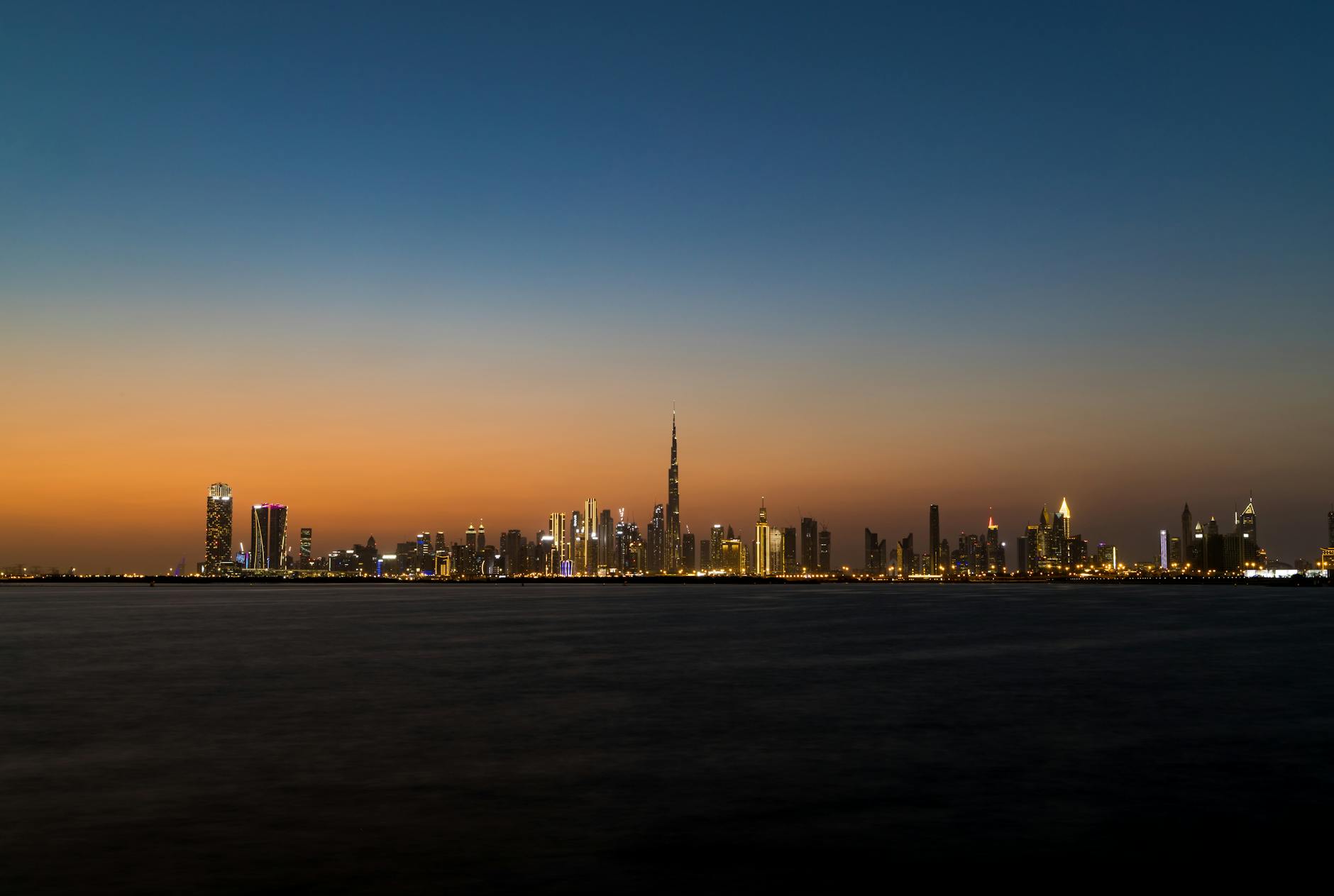
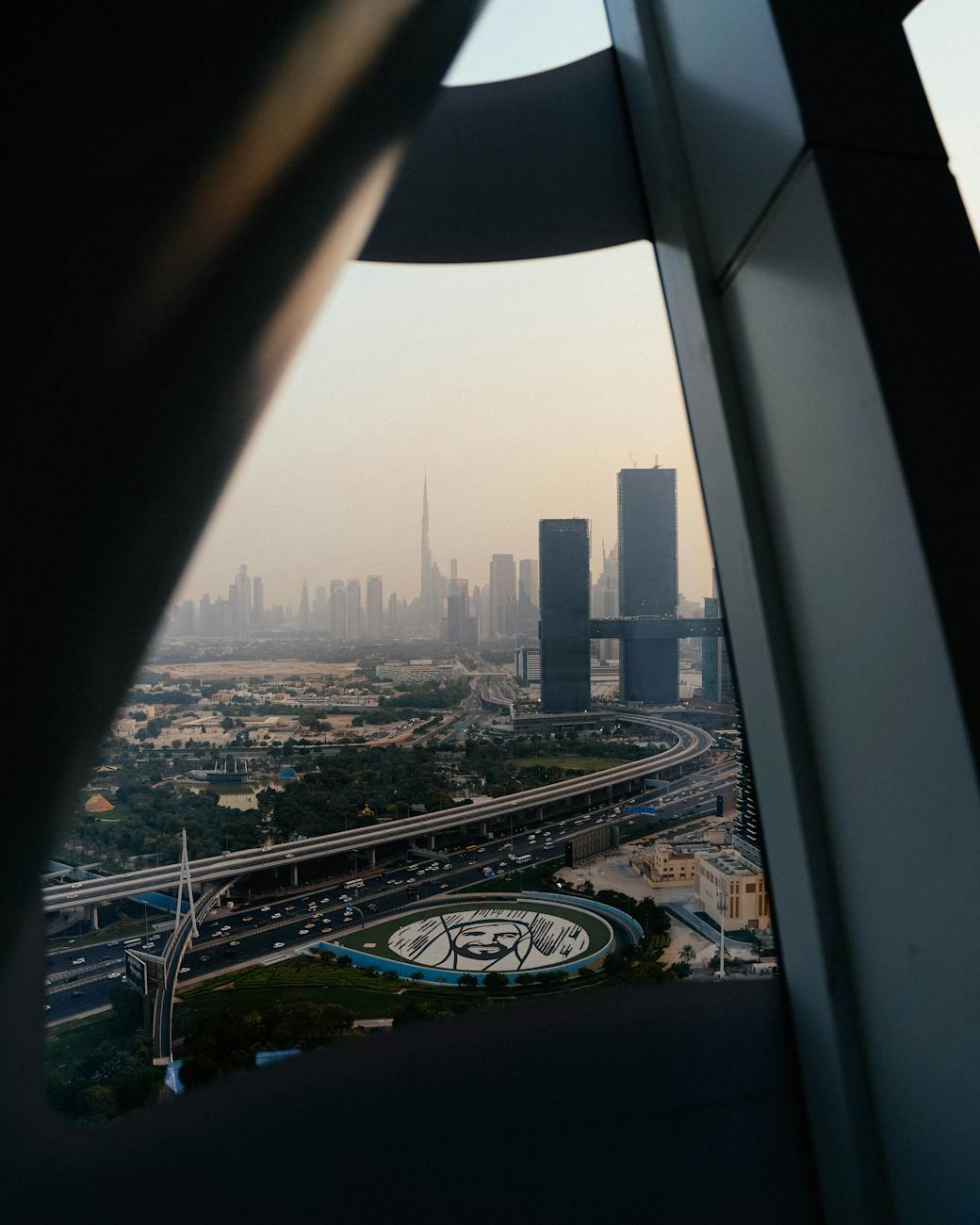
- Skyline and views: Burj Khalifa and Dubai Frame give panorama-level context to the city’s scale.
- Heritage and markets: Old Dubai (Al Fahidi, Spice Souk, Gold Souk) reveals mercantile roots and photographic alleyways.
- Beaches and leisure: JBR, La Mer and Kite Beach offer seaside options within the city; Palm Jumeirah is a singular man-made island to explore.
- Unique experiences: Desert safaris, dhow cruises, and attractions like the Museum of the Future or Miracle Garden are experiences you can’t recreate anywhere else.
Put simply: Dubai delivers both bucket-list attractions and easy, everyday conveniences — good transit, safe streets, and abundant dining choices — so a short trip feels full and doable.
Quick Planning Tips
Before you arrive, a few practical points make a big difference to your trip.
- Visas: Many nationalities get visa-on-arrival; check UAE government entry rules for your passport. Allow time for any pre-clearance electronic visas.
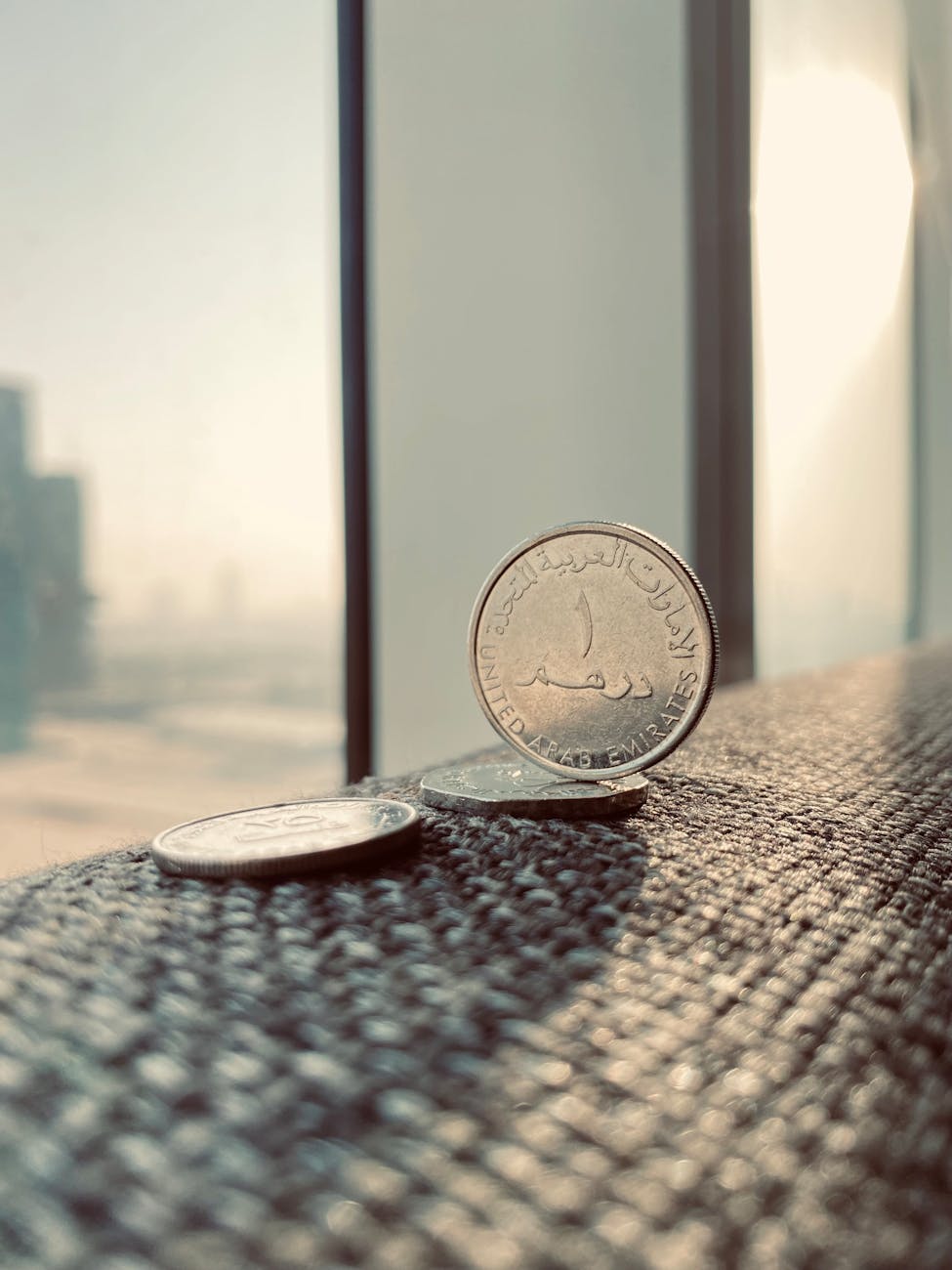
- Currency and payments: United Arab Emirates dirham (AED). Credit cards are widely accepted; carry small change for taxis and markets.
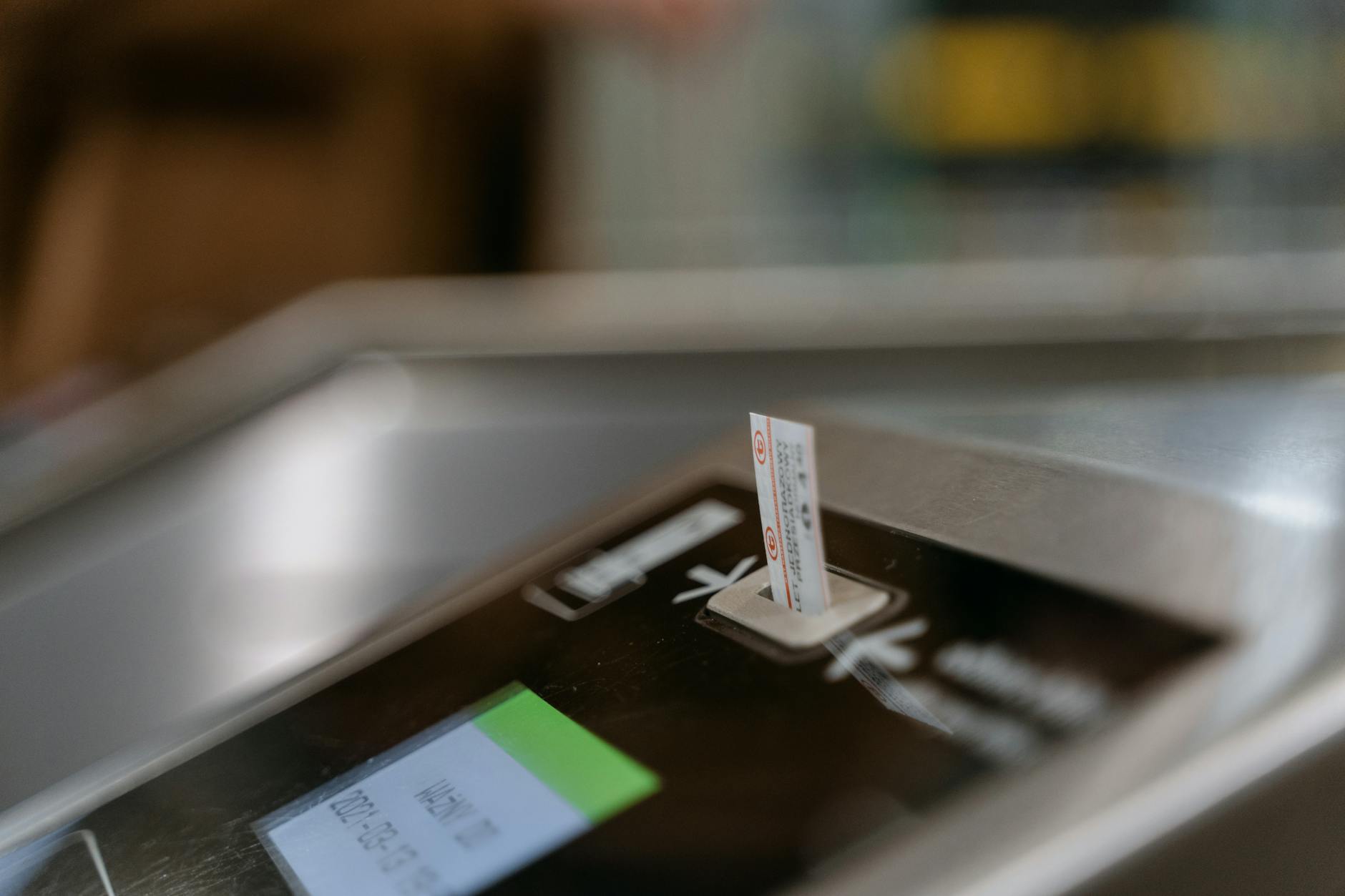
- Transport card: Buy a Nol card for metro, tram and some buses — available at metro stations and convenience stores.
- Timing: Many attractions are busiest late afternoon and evening. Book Burj Khalifa and Museum of the Future timed entries online in advance.
- Dress code: Dubai is tolerant but conservative in public spaces. Dress modestly in cultural sites and traditional neighborhoods; swimwear is fine at beach and pool areas.
- Weather: Summers (June–Sep) are extremely hot; for comfortable sightseeing plan travel between October and April.
Day 1 — Downtown Dubai & Old Dubai: Icons and Heritage
Start with the city’s emblematic contrasts: skyscrapers and creekside souks. Timing and walking help you cover a lot without feeling rushed.
- Morning — Downtown Dubai: Arrive at Dubai Mall early to beat crowds, visit the Dubai Aquarium & Underwater Zoo if traveling with family, then head up to At The Top Burj Khalifa (book the 8–10am slot for clearer skies). Enjoy panoramic views and return to street level for coffee with a fountain-side view.
- Lunch: Eat in Souk Al Bahar or the Dubai Mall food court (wide options) — try Emirati or Levantine mezze for a regional introduction.
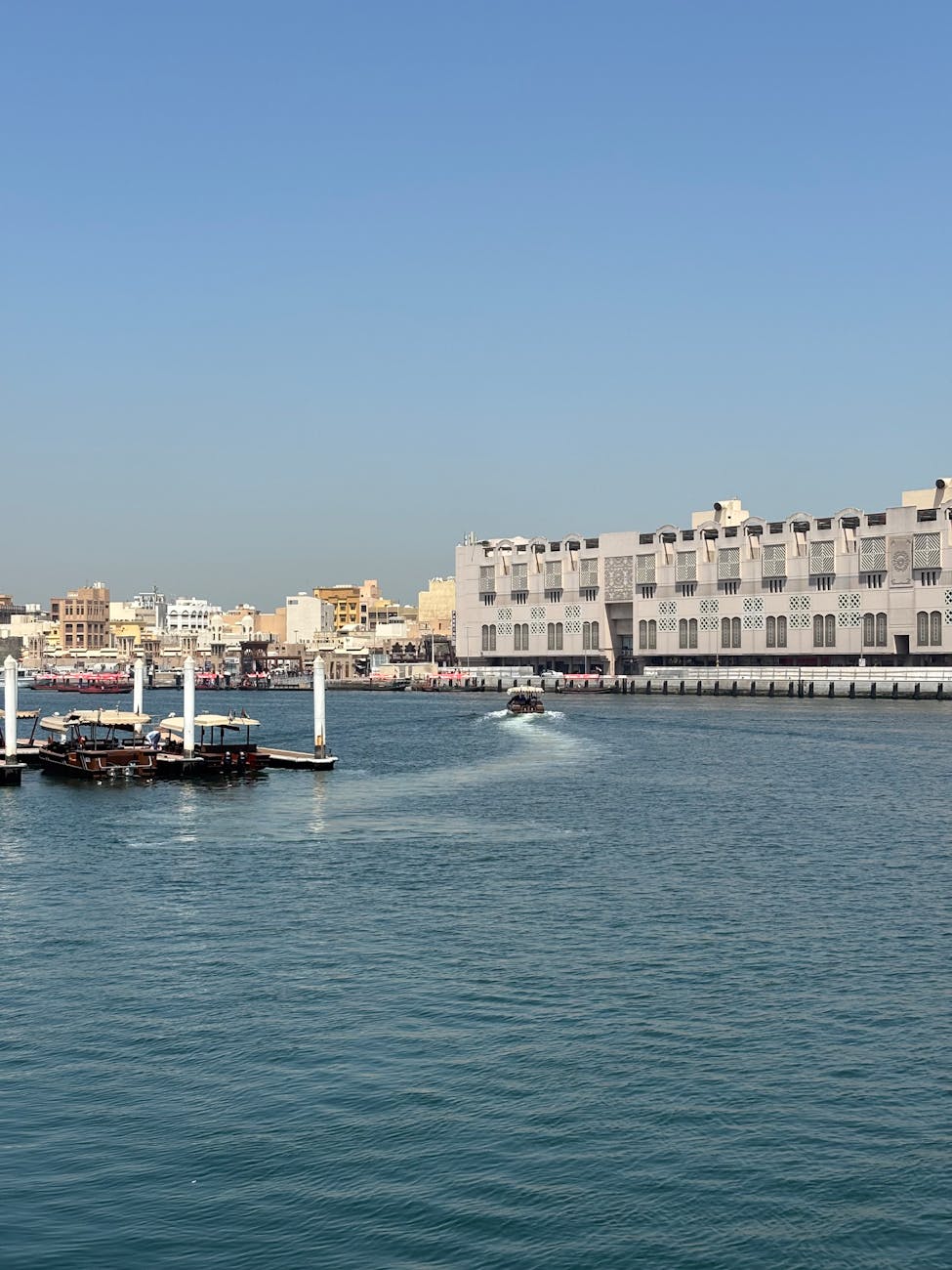
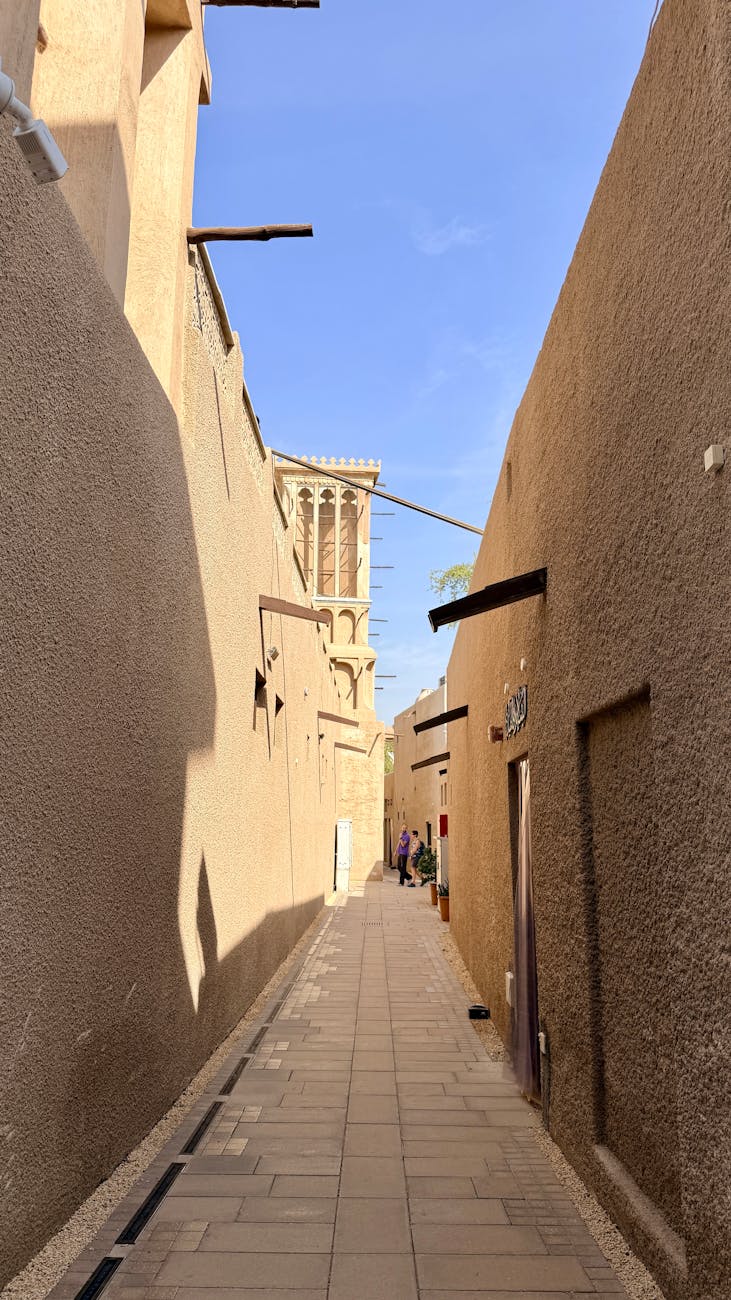
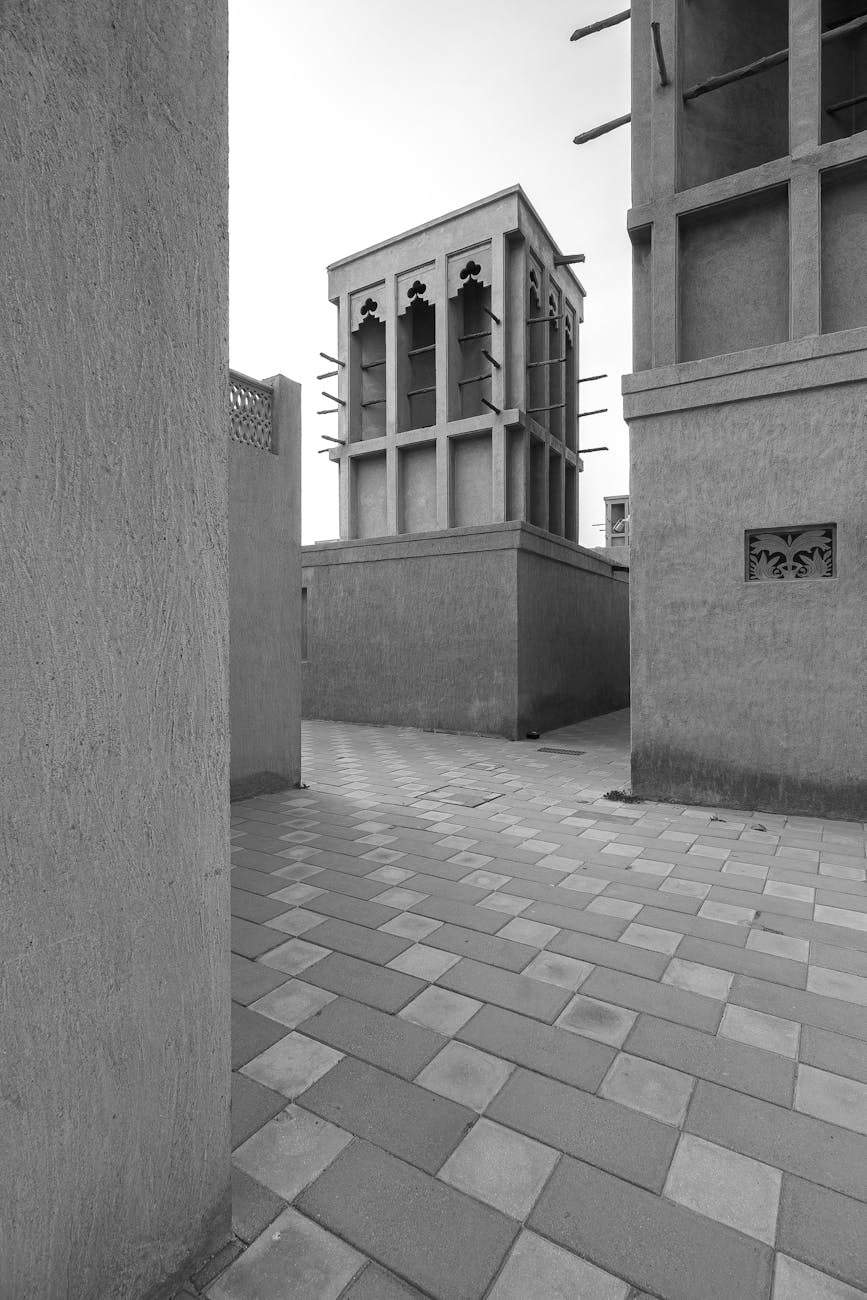
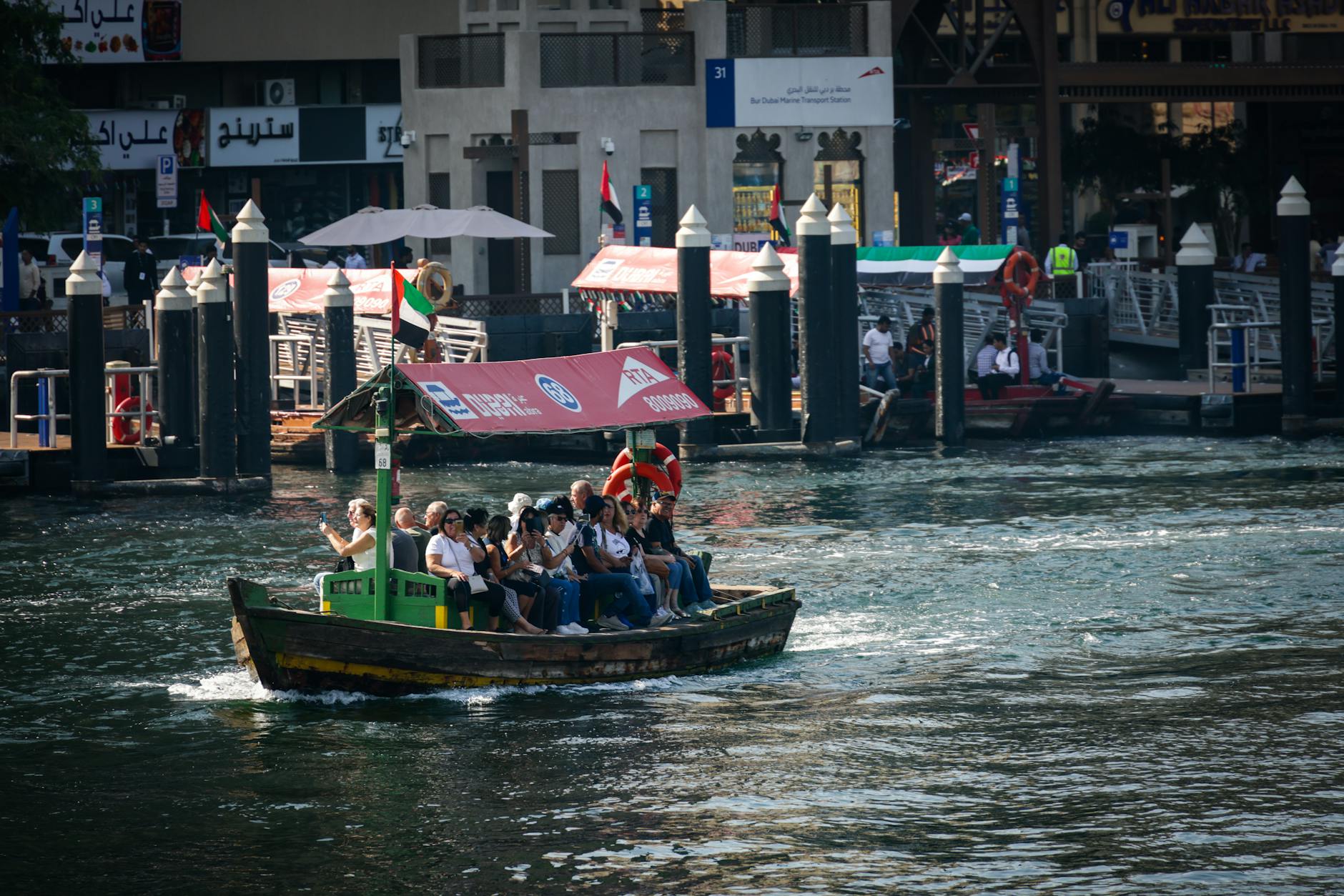
- Afternoon — Al Fahidi and Dubai Creek: Take a 15–20 minute taxi to Al Fahidi Historical Neighbourhood (Al Bastakiya). Walk narrow lanes, visit the Coffee Museum and Arabian Tea House, then cross Dubai Creek on an abra (traditional boat) to Deira.
- Late afternoon — Souks: Explore the Gold Souk and Spice Souk in Deira. Practice your bargaining skills politely and look for frankincense, saffron, and traditional jewelry.
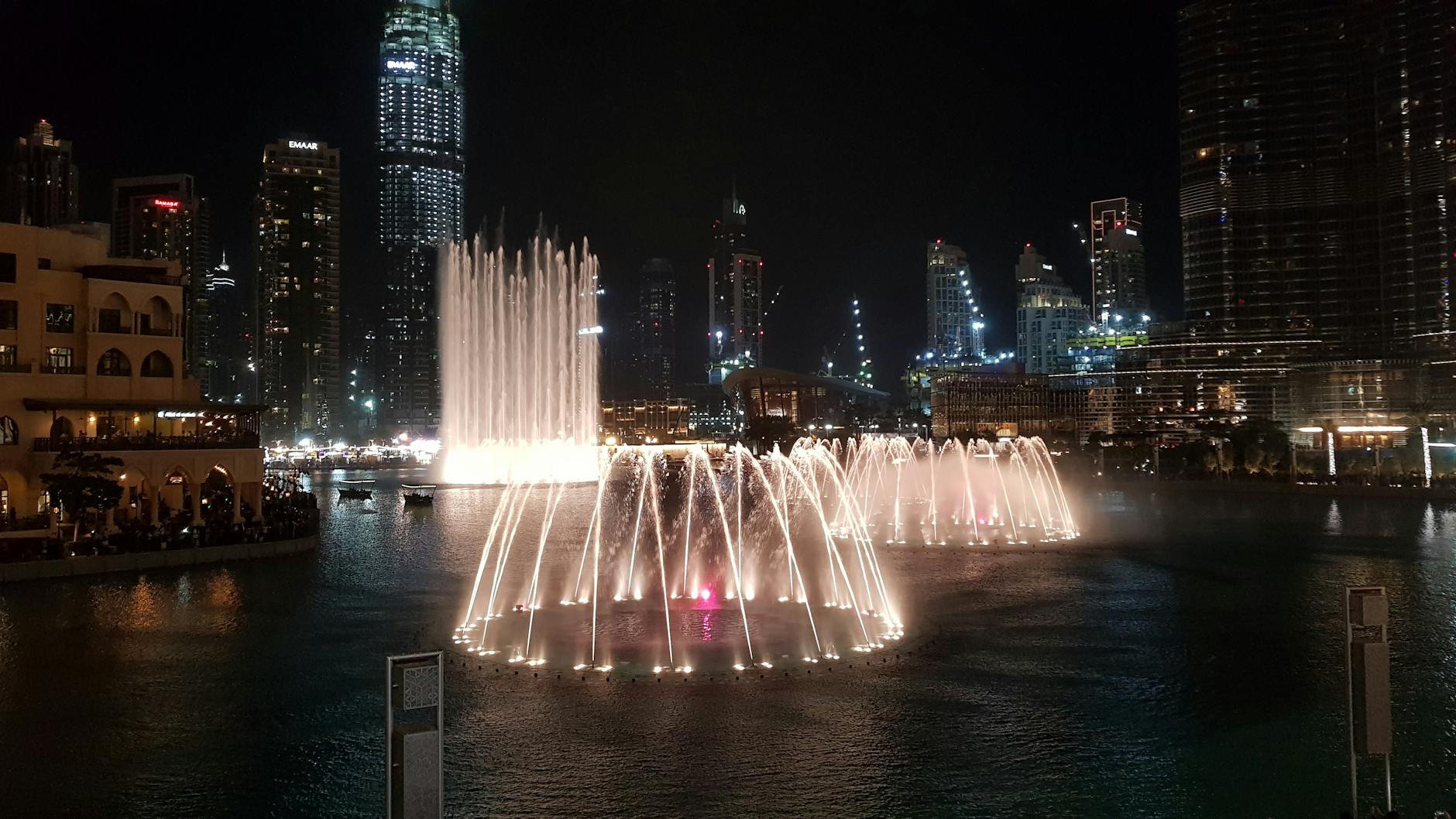
- Evening: Return to Dubai Mall/Downtown for the Dubai Fountain show at sunset, and consider dinner at a restaurant with fountain views or a creekside dhow cruise for a relaxed evening.
Timing tip: The abra ride is inexpensive and atmospheric; carry small cash and expect the souks to be busier around late afternoon.
Day 2 — Sea, Sand and Palm: Marina, JBR and The Palm
Day two showcases Dubai’s seaside lifestyle: palms, beach promenades, and modern leisure developments.
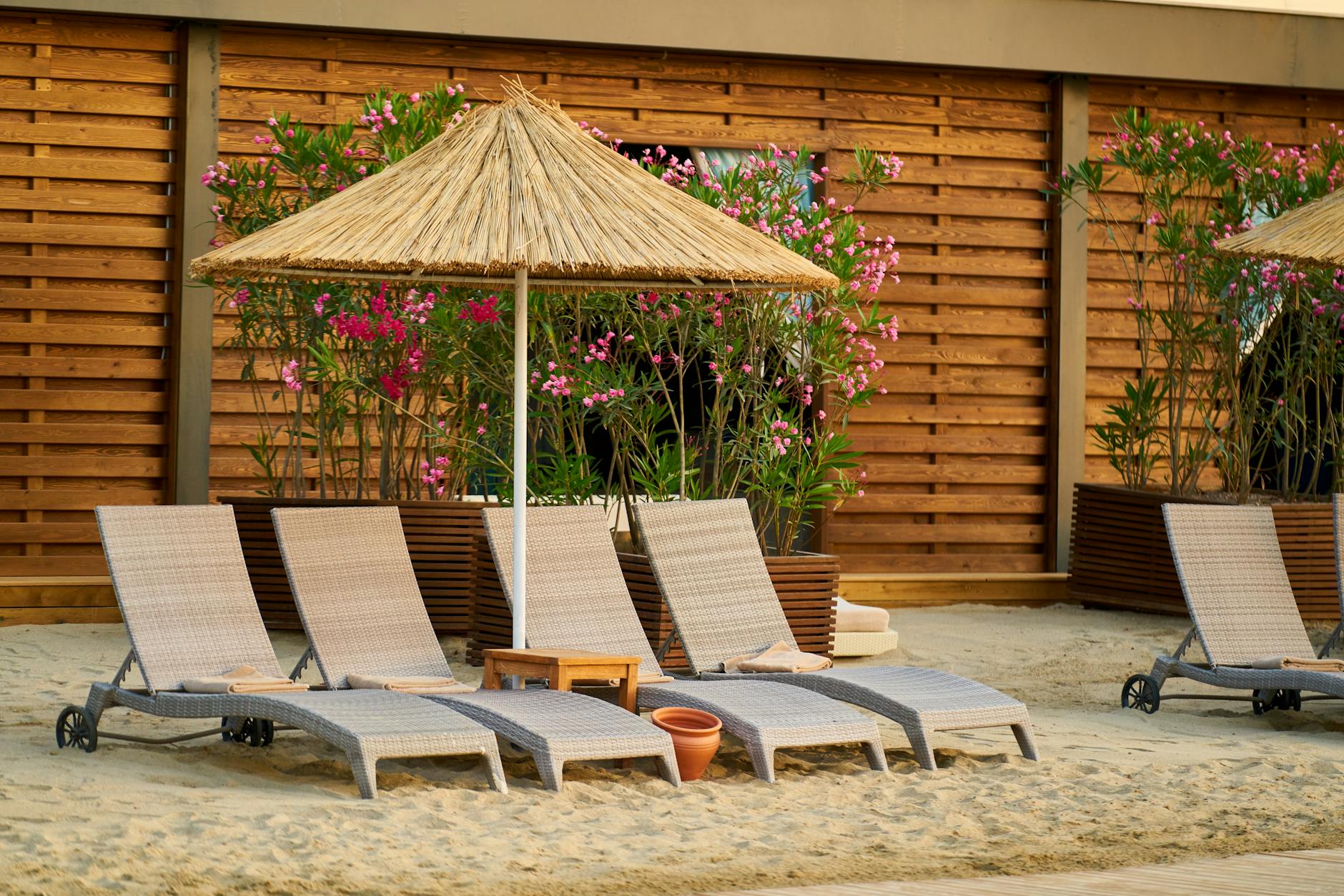
- Morning — JBR and La Mer: Start at Jumeirah Beach Residence (JBR) for a beach walk and breakfast with sea views. Alternatively visit La Mer for colorful public art, beach clubs and all-day cafés.
- Late morning — Dubai Marina: Walk the Marina promenade, see the yachts, and if you like architecture, take the Marina tram or a short taxi to Palm Jumeirah.
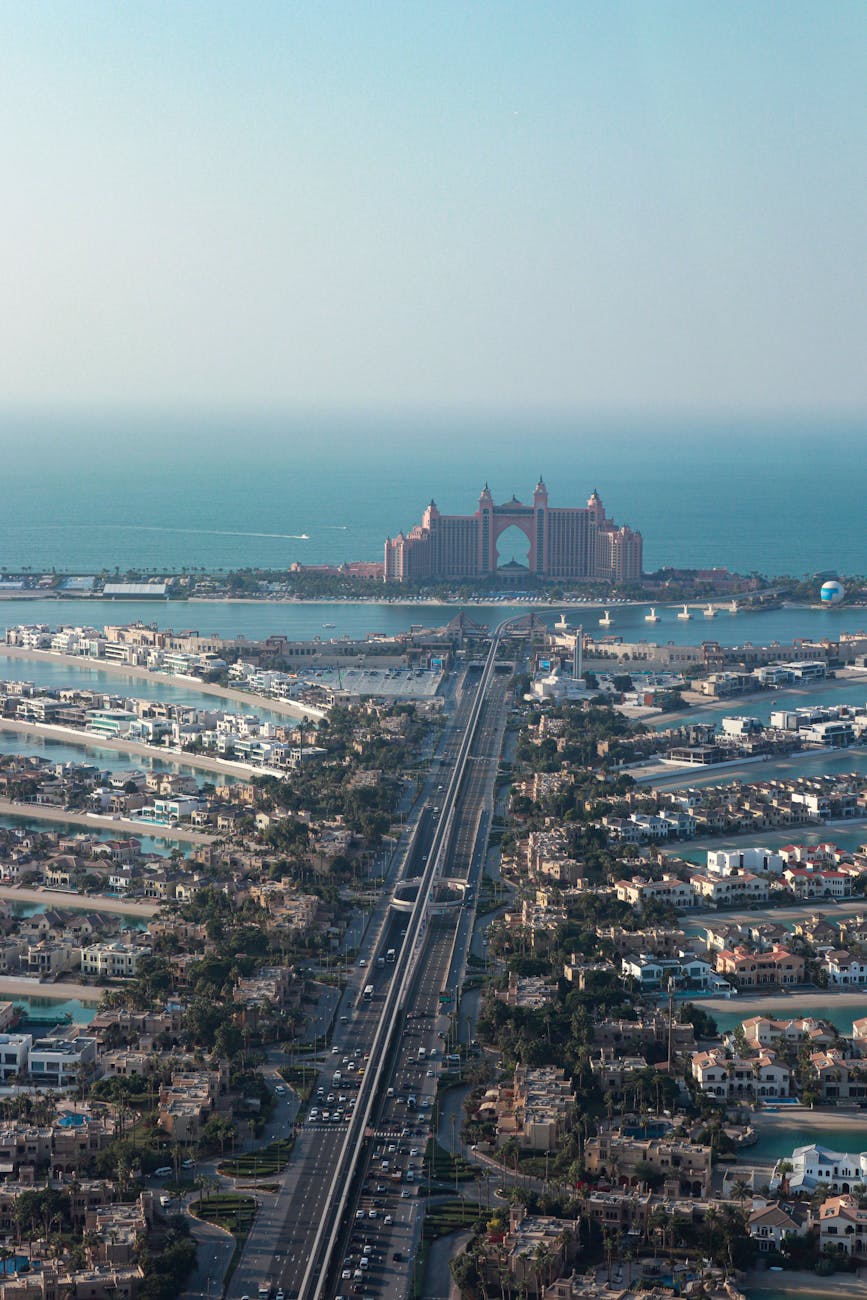
- Midday — Palm Jumeirah & Atlantis: Explore the Palm’s trunk and boardwalk, visit Atlantis The Palm (Aquaventure or The Lost Chambers Aquarium if interested) or have lunch with a sea view at The Pointe.
- Afternoon — Mall of the Emirates: If you want indoor entertainment, head to Mall of the Emirates for shopping or Ski Dubai (indoor snow park) — a fun contrast to the beach.
- Evening: Take a sunset dhow cruise or a Marina dinner cruise for lit-skyline views. For nightlife, Dubai Marina and Bluewaters Island have lively bars; for a more elevated experience book a rooftop lounge near the beach or Downtown.
Alternative: Swap the indoors for an organized half-day yacht charter from Dubai Marina for a private coastal cruise around the Palm and Marina.
Day 3 — Culture, Innovation and Desert Adventure
Mix culture and adrenaline on your final day so you leave with varied memories.
- Option A — Museum and Arts Morning: Start at the Museum of the Future (book timed entry), then visit Alserkal Avenue in Al Quoz for contemporary galleries and cafés. Stop by the Dubai Frame to see the city’s “old vs new” panorama.
- Option B — Miracle Garden or Global Village (seasonal): If visiting Nov–Apr, Miracle Garden is a colorful morning outing; Global Village is an evening activity (seasonal), mixing food from around the world, crafts and live shows.
- Afternoon: Relax at Kite Beach or return to your favorite café for a leisurely lunch. Use this time to shop for last-minute souvenirs or revisit a neighborhood you loved.
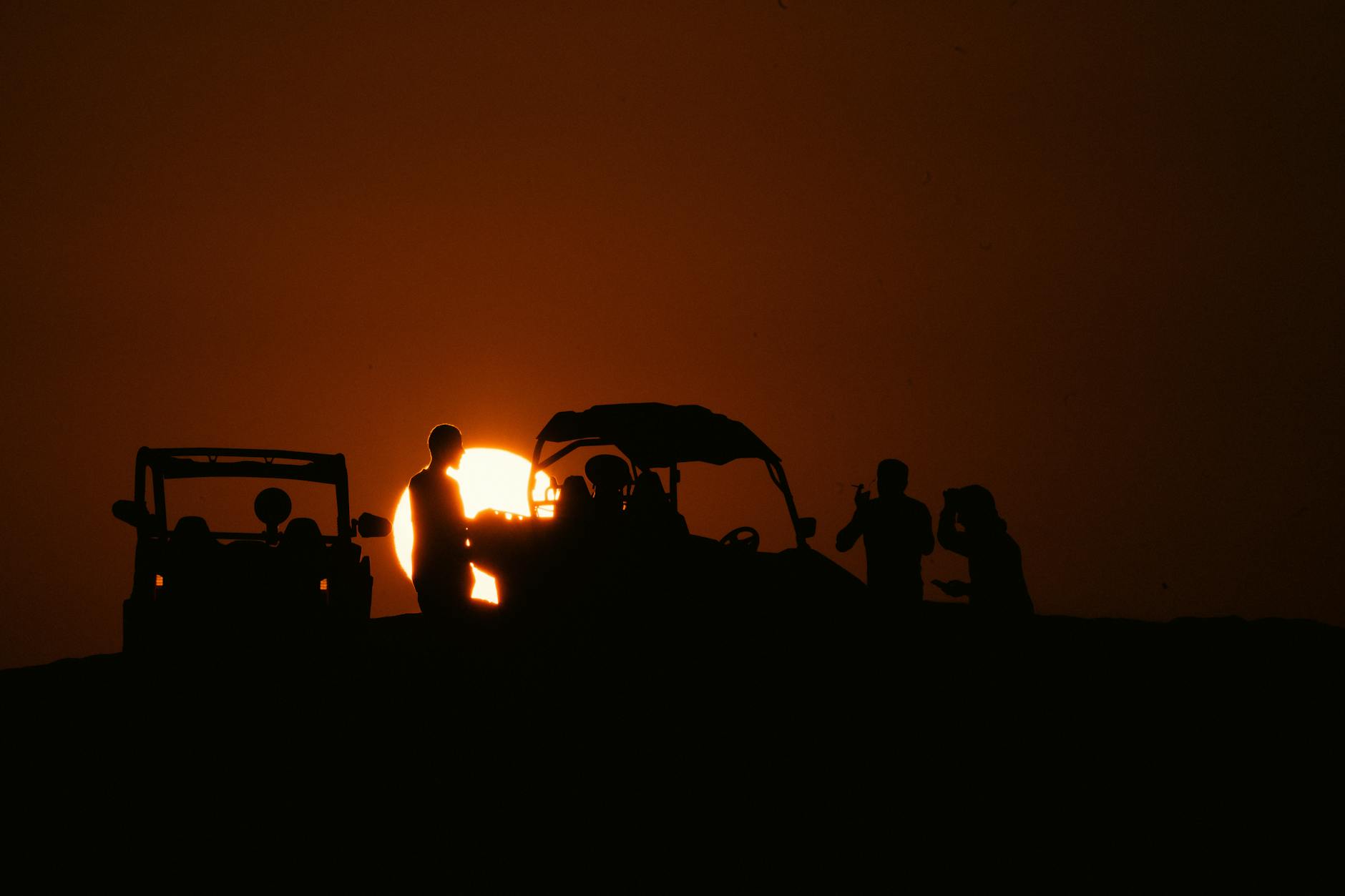
- Evening — Desert Safari: Finish with a late-afternoon desert safari (4–7 hours). Most tours include dune bashing, camel rides, sandboarding and a BBQ dinner with cultural performances — a classic way to cap a Dubai trip.
Timing note: Museum of the Future and desert safaris sell out on weekends — reserve in advance. If you prefer a gentler ending, book a sunset at Kite Beach and a seafood dinner on the Jumeirah shore.
Best Local Experiences
Beyond the attractions, these local experiences make a Dubai trip memorable.
- Abras on Dubai Creek: Short, cheap and atmospheric. Ride at golden hour for great photos.
- Friday brunch: A Dubai institution — long, social meals that run from late morning into afternoon at hotels and restaurants. Book in advance.
- Traditional souk shopping: Explore the textile markets, gold and spice souks — practice polite bargaining and ask for weighed receipts.
- Desert dining: Reserve a small-camp or private-safari dinner for a quieter experience than big tourist camps.
- Local cafés and shawarma joints: Seek out places like Al Tawasol or Al Mallah for authentic shawarma and fresh juices in areas such as Al Satwa and Satwa Road.
- Art and design scene: Spend an hour in Alserkal Avenue’s galleries, or a morning at Etihad Museum to learn modern UAE history.
Where to Stay
Choose a base that matches your interests — sightseeing, beach time, or nightlife — and you’ll spend less time commuting.
- Downtown Dubai: Best for first-time visitors who want easy access to Burj Khalifa, Dubai Mall and central metro links. Expect modern hotels and higher prices.
- Dubai Marina / JBR / Bluewaters: Ideal for beach lovers and night life; marina promenades, beach access and many restaurants nearby.
- Jumeirah / Jumeirah Beach: More low-key, close to Jumeirah Mosque and public beaches — a good family choice.
- Deira / Al Rigga: Budget-friendly and closer to traditional markets and the creek; good for longer stays on a budget.
- Alserkal Avenue / Al Quoz: Boutique hotels and guesthouses for art-minded travelers; less tourist-heavy.
Tip: Dubai is spread out. Prioritize proximity to the attractions you plan to do every day. Hotels near metro stations give the best balance of convenience and cost.
Food and Drink
Dubai’s food scene blends Gulf cuisine with global flavors. Here are reliable picks and local specialties to try.
- Must-try dishes: Shawarma, luqaimat (sweet dumplings), camel milk ice cream, mandi and Arabic mezze (hummus, tabbouleh, mutabbal).
- Local favorites: Al Fanar serves Emirati classics, Arabian Tea House in Al Fahidi offers relaxed heritage dining, and Bu Qtair near Jumeirah is a no-frills seafood institution.
- Street food and casual: Ravi in Satwa for Pakistani food, Al Mallah for shawarma and juices, and the many Indian, Persian and Levantine restaurants across the city.
- Fine dining and rooftop bars: At.mosphere (Burj Khalifa) for a splurge, Pierchic for seafood on a pier, and rooftop lounges in Downtown and Marina for skyline cocktails.
- Dietary notes: Halal meat is ubiquitous. Vegetarian and vegan options are broadly available, and most chefs accommodate dietary restrictions.
Budget tip: The city’s best value meals can be found in older neighborhoods (Deira, Satwa) and at shared food halls in malls.
Getting Around
Dubai’s transport system is efficient and straightforward if you plan ahead.
- Metro: Red and Green lines cover key tourist areas including Downtown, Mall of the Emirates and Dubai Marina (via tram). Metro runs roughly 5:30am–12am (later on weekends).
- Nol card: Required for metro, tram and many buses. Buy and top up at stations or convenience stores.
- Taxis and ride apps: Taxis are metered and relatively affordable; Careem and Uber operate widely. Fares are reasonable for short to medium distances.
- Tram and abra: Dubai Tram serves Marina and JBR; the abra is the cheapest and most scenic way to cross Dubai Creek.
- Driving: Car hire gives flexibility but expect heavy traffic at peak times and expensive parking at some attractions.
- Walking: Downtown, Marina and Old Dubai are very walkable; bring comfortable shoes and sunscreen for outdoor walks.
Best Time to Visit
Timing affects comfort and what you can do outdoors.
- Peak season (November–March): Cooler temperatures (20–30°C / 68–86°F), comfortable for beach and outdoor sightseeing. Expect higher hotel and flight prices and larger crowds.
- Shoulder months (April and October): Warmer but still manageable. Early mornings and late afternoons are best for outdoor activities.
- Low season (June–September): Very hot (often 40°C+ / 104°F). Indoor attractions and hotel deals are excellent; mornings and evenings are the only comfortable outdoor times.
- Special events: Dubai Shopping Festival (Jan–Feb) and Dubai Food Festival are big draws; Global Village and Miracle Garden run seasonally (usually Nov–Apr).
Recommendation: For a first visit, aim for November–March to enjoy the full range of outdoor and rooftop experiences.
Budget and Practical Tips
Dubai can be as budget-friendly or as luxurious as you make it. Here are realistic cost expectations and smart saving tips.
- Daily budget (approx.): Budget traveler: 200–350 AED (accommodation in budget hotel/hostel, public transport, street food). Mid-range: 450–900 AED (3-star/4-star hotel, mix of taxis and metro, mid-range dining). Luxury: 1,200+ AED (5-star hotels, upscale dining, private transfers).
- Attraction costs: Burj Khalifa (At The Top) 159–400+ AED depending on level/time; Museum of the Future 145–300 AED; Desert safari 150–450 AED depending on inclusions.
- Tips to save: Use the metro and Nol card, eat in local restaurants in Deira or Al Satwa, book attractions and tours in advance for online discounts, and look for combined attraction passes.
- Connectivity: Buy a local eSIM or SIM at the airport for data; free Wi‑Fi is common in hotels and many cafés.
- Safety and health: Dubai is generally very safe. Stay hydrated, use sunscreen, and keep copies of travel documents. Respect local customs during Ramadan.
FAQ
Answers to common short-visit questions.
- Do I need a visa for Dubai? It depends on your nationality. Many countries have visa-on-arrival privileges; check UAE government visa information before travel.
- Is Dubai safe for solo travelers? Yes — it’s widely considered safe for solo travelers of any gender, though normal precautions apply (avoid poorly lit areas late at night, be respectful of local customs).
- Can I drink alcohol? Yes in licensed venues (hotels, bars, restaurants). Public drinking is prohibited and penalties can be severe for public intoxication.
- How much time do I need at Burj Khalifa? Plan 1.5–2 hours including security checks, elevator ride, time at the observation deck and photos. Book timed tickets to avoid long lines.
- Is tipping expected? Tipping is appreciated: 10–15% in restaurants if service charge isn’t included; small tips for taxi drivers and hotel staff are customary.
- Can I visit during Ramadan? Yes, but expect different opening hours; avoid eating, drinking or smoking in public during daylight hours out of respect.
Conclusion
In three days Dubai offers a concentrated mix of futuristic architecture, coastal leisure and cultural discovery. Follow this itinerary to see the city’s signature sights while leaving space for spontaneous experiences — a café in Al Fahidi, a sunset at Kite Beach, or a night in the desert. Book key attractions in advance, plan your neighborhoods by proximity, and prepare for heat if you visit outside winter months. With that done, you’ll return home having seen Dubai’s highlights and tasted what makes the city unique.
Have a favorite neighborhood or special interest (art, food, architecture)? Adjust the days to linger where you want: Dubai rewards curiosity.
More City Guides Near Dubai
If you are planning a longer regional trip, these nearby destinations also work well for a short city break.