

Responsible Travel in Orlando: Low-Impact, Local-First Tips
Practical, sustainable advice for a low-impact visit to Orlando: where to stay, how to get around, best neighborhoods, seasonality, and local-first experiences that pair well with our 3 days in Orlando itinerary.
A compact support page for the main 3 days in Orlando itinerary with neighborhood-focused lodging tips, transport realities, booking advice, and sustainable actions to make your visit better for locals and the environment.
Quick Answer
A compact support page for the main 3 days in Orlando itinerary with neighborhood-focused lodging tips, transport realities, booking advice, and sustainable actions to make your visit better for locals and the environment.
Who This Page Is For
This page is for travelers planning a stay in Orlando who want clearer decisions about responsible travel, local logistics, timing, budgeting, and practical trip planning.
How This Page Was Prepared
This page was prepared through a structured editorial workflow that combines destination research, geographic context, and practical travel-planning review.
Plan the Rest of Your Trip
Use this page together with the full itinerary and the related planning pages below to make better booking, timing, transport, and budget decisions.
Stay in walkable neighborhoods (Lake Eola, Thornton Park, Winter Park, College Park, Mills 50) rather than inside a resort complex when possible.
Mix one theme-park day with two local days of neighborhoods, parks, and a nature outing (Wekiwa Springs or a guided Econ River paddle). Use SunRail or rideshares for some trips, and consider a single rental car only if you plan day trips to Tampa, Clearwater, or Daytona.
Book theme-park tickets and popular restaurants in advance, travel in shoulder months (April–May, late October–November) if you can, and prioritize local guides and markets for authentic, lower-impact spending.
This page is a practical, scan-friendly companion to the main 3 days in Orlando guide. It focuses on responsible choices that reduce environmental impact and increase local benefit while still letting you see the city and nearby destinations like Kissimmee, Lakeland, Daytona Beach, Tampa and Clearwater.
Use this page to refine where you sleep, how you move, which local businesses to support, and when to visit so your short itinerary feels deliberate, low-impact, and rewarding for both you and residents.
What This Page Helps You Decide
If you’re using the 3 days in Orlando itinerary as a base, this page helps you refine:
- Where to sleep for walkability, transit access, and local spending.
- Whether to add an extra day for nature or a nearby city: Kissimmee for airboating, Lakeland for museums, Daytona for the coast, Tampa/Clearwater for beaches.
- How many full park days to buy and whether to time them for weekday mornings.
- When to visit to avoid peak heat, school holidays, and hurricane-season risk.
- Which local businesses and small tour operators to prioritize for authentic experiences.
Top Recommendations
Neighborhoods and lodging
– Choose Lake Eola/ Downtown for walkability to restaurants and the farmers market. Winter Park (Park Avenue) is peaceful and garden-focused. College Park and Thornton Park offer neighborhood cafes and short drives to main attractions.
– Seek small B&Bs, locally owned guesthouses, or hotels with verified green practices (energy / water programs) over large chain resorts when possible.
Transport and timing
– Use SunRail for weekday corridors and Lynx buses for some routes; check schedules before relying on them. Reserve rideshares for short hops and avoid unnecessary multiple car hires.
– Visit theme parks on weekday mornings, and plan one park day only if you value lower-impact travel and local time.
Local-first experiences
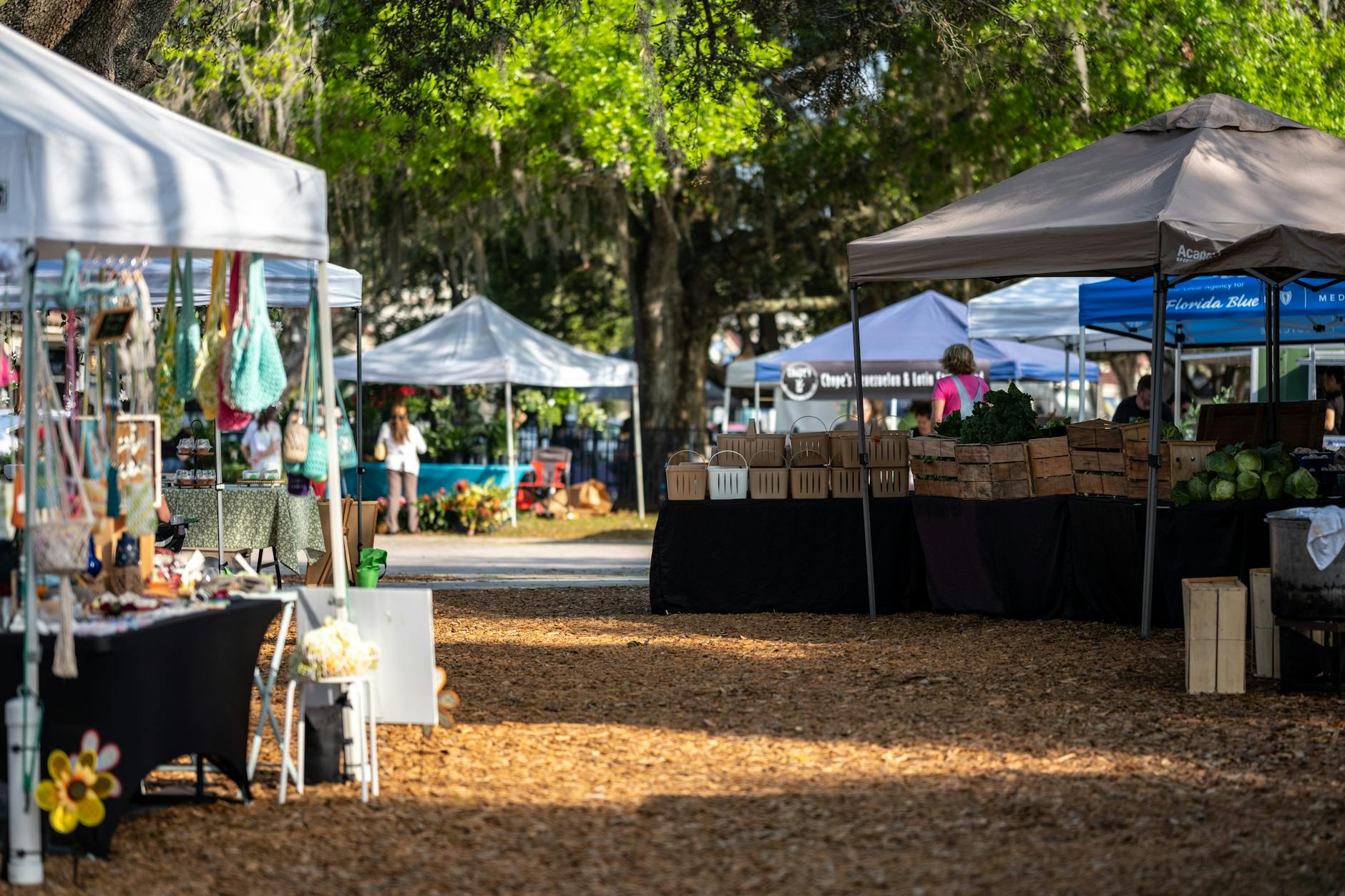
– Start a morning at the Orlando Farmers Market at Lake Eola or the Winter Park Farmers Market, then walk to East End Market for local food vendors.
– Book a guided canoe or kayak trip on the Econ or a low-impact visit to Wekiwa Springs State Park to see Florida’s freshwater habitats responsibly.
Day trips and sequencing
– Slot a day trip to Kissimmee for airboat or wildlife tours that support licensed local operators. For beaches, combine Tampa or Clearwater with a public-transit or shared-ride plan if you’re minimizing driving.
Booking tips
– Reserve park tickets, shows at the Dr. Phillips Center, and popular restaurants at least 2–6 weeks out depending on season. Choose timed entry where offered to reduce queues and wait times.

Local Context
Seasonality and weather
– Peak crowds and heat: June–August and major US holiday weeks. Expect high humidity and afternoon thunderstorms in summer.
– Shoulder months: April–May and late October–November offer milder temperatures, fewer crowds, and better value on lodging.
– Hurricane season runs June–November; travel insurance and flexible booking are advisable during these months.
Transport realities
– Orlando is historically car-centric. Downtown and some neighborhoods are walkable; outside those areas, transit options are limited.
– SunRail serves a north-south commuter corridor with limited service; Lynx buses cover many routes but schedule frequency varies. I‑Drive trolleys operate along International Drive but can be slow in peak traffic.
Local norms and etiquette
– US service norms: tipping 15–20% in restaurants and for many service providers is customary.
– Respect local nature rules at springs and parks: no litter, no disturbing wildlife, and follow posted guidelines for swimming and launches.
Economic impact
– Much tourist spending historically concentrates at theme parks. Shifting lodging and meals to local neighborhoods helps distribute benefits to small businesses and independent workers.

How to Choose Well
Deciding where to stay
– If your trip pairs with the 3 days in Orlando itinerary and you want local life: choose Lake Eola or College Park for walking and public transit access.
– If you want quieter streets and gardens: Winter Park offers a small-town feel and direct SunRail/Amtrak connections nearby.
Deciding whether to rent a car
– Rent a car only if you plan multiple day trips (Tampa, Clearwater, Daytona) or travel with a family and luggage. For an in-city focused visit, rely on SunRail, buses, and occasional rideshares.
Picking tours and operators
– Favor small, licensed local operators for airboat, eco-paddle, and wildlife tours. Ask about group size, wildlife-disturbance policy, and any local-community contributions.
Timing and booking
– Reserve restaurants and performances 2–6 weeks ahead. For theme parks, buy tickets and secure any required dated reservations as soon as your dates are fixed.
Balancing parks with local days
– If your schedule is tight, pick one park day and use the other days to explore neighborhoods and a natural area. This reduces cost, crowd exposure, and environmental footprint while still giving the "Orlando" experience.
Responsible and Local-First Tips
Everyday choices that help
– Carry a reusable water bottle and refill at cafés and public fountains to reduce plastic waste.
– Spend at farmers markets, independent cafés (Milk District, East End Market), and family-run restaurants rather than only national chains.
– Book small-group eco-tours and state-park entries rather than large, high-impact operators.
Low-impact travel actions
– Limit the number of long-distance drives. Combine errands into single drives and use shared rides for short hops.
– Choose accommodations with water- and energy-conservation measures, or local guesthouses that reinvest in the community.
Nature and wildlife etiquette
– When visiting Wekiwa Springs, the Econ, or coastal areas nearby, keep a respectful distance from wildlife, stay on marked trails, and pack out what you bring in.
Support local workers
– Tip fairly, ask staff about local suppliers and seasonal recommendations, and buy souvenirs from local artisans rather than souvenir megastores.
Common Mistakes to Avoid
- Trying to do too many theme parks in a short trip — consider one park day and more neighborhood time.
- Assuming public transit will replace a car everywhere — check SunRail and Lynx schedules before planning.
- Booking nonrefundable plans during hurricane season without insurance or flexible options.
- Eating only at chain restaurants near attractions instead of sampling local markets and neighborhood kitchens.
- Underestimating summer heat and not planning for afternoon storms — pack sun protection and a lightweight rain layer.
- Forgetting to check attraction sustainability practices or whether a tour is licensed and locally run.
FAQ
Is it necessary to rent a car for 3 days in Orlando?
Not necessarily. If your 3-day plan focuses on downtown neighborhoods, one park day, and a nature outing close to the city, you can use SunRail, Lynx buses, bikes, and rideshares. Rent a car if you plan day trips to Tampa, Clearwater, or extended exploration outside the metro area.
Which neighborhoods are best for supporting local businesses and walkability?
Lake Eola (downtown), Winter Park (Park Avenue), College Park and Thornton Park offer the most immediate walkability to cafés, local shops, and farmers markets. Mills 50 and the Milk District are good for experimental dining and local culture.
When is the best time to visit to avoid crowds and heat?
Shoulder months—April–May and late October–November—balance milder weather and smaller crowds. If you visit June–August, expect heat and afternoon thunderstorms; plan early mornings and indoor breaks.
How can I visit theme parks responsibly?
Limit total park days, use timed-entry where possible, bring refillable water bottles to reduce single-use plastics, choose weekdays and mornings, and buy tickets in advance to avoid last-minute travel that increases emissions.
What sustainable day trips are nearby?
Wekiwa Springs State Park and guided Econ River paddles are excellent for low-impact nature time. For coastal time, consider traveling to Clearwater or Daytona Beach using shared rides or a single rented car combined with public transit segments to reduce drives.
Conclusion
Use these choices to make your visit to Orlando more local-focused and lower impact while still enjoying the highlights in our 3 days in Orlando guide. Prioritize walkable neighborhoods, a mix of one park day with local and natural experiences, and day trips to nearby cities when they fit your sustainable travel goals. Small decisions—where you eat, how you move, and which operators you support—make trips better for both you and the places you visit.
How this guide was prepared
This guide was prepared through a structured research that combines destination research, geographic context, itinerary planning logic, and content review.