

Best Things to Do in Lisbon — Practical, Local-First Guide
A practical support page for the 3 days in Lisbon itinerary: top neighborhoods, markets, viewpoints, day trips to Cascais and Setúbal, transport tips, and sustainable, local-first recommendations.
Clear, scan-friendly suggestions for what to see and do in Lisbon — neighborhood-focused, season-aware, and designed to support a 3-day itinerary with low-impact travel choices and smart booking advice.
Quick Answer
Clear, scan-friendly suggestions for what to see and do in Lisbon — neighborhood-focused, season-aware, and designed to support a 3-day itinerary with low-impact travel choices and smart booking advice.
Who This Page Is For
This page is for travelers planning a stay in Lisbon who want clearer decisions about things to do, local logistics, timing, budgeting, and practical trip planning.
How This Page Was Prepared
This page was prepared through a structured editorial workflow that combines destination research, geographic context, and practical travel-planning review.
Plan the Rest of Your Trip
Use this page together with the full itinerary and the related planning pages below to make better booking, timing, transport, and budget decisions.
Top picks for most visitors:
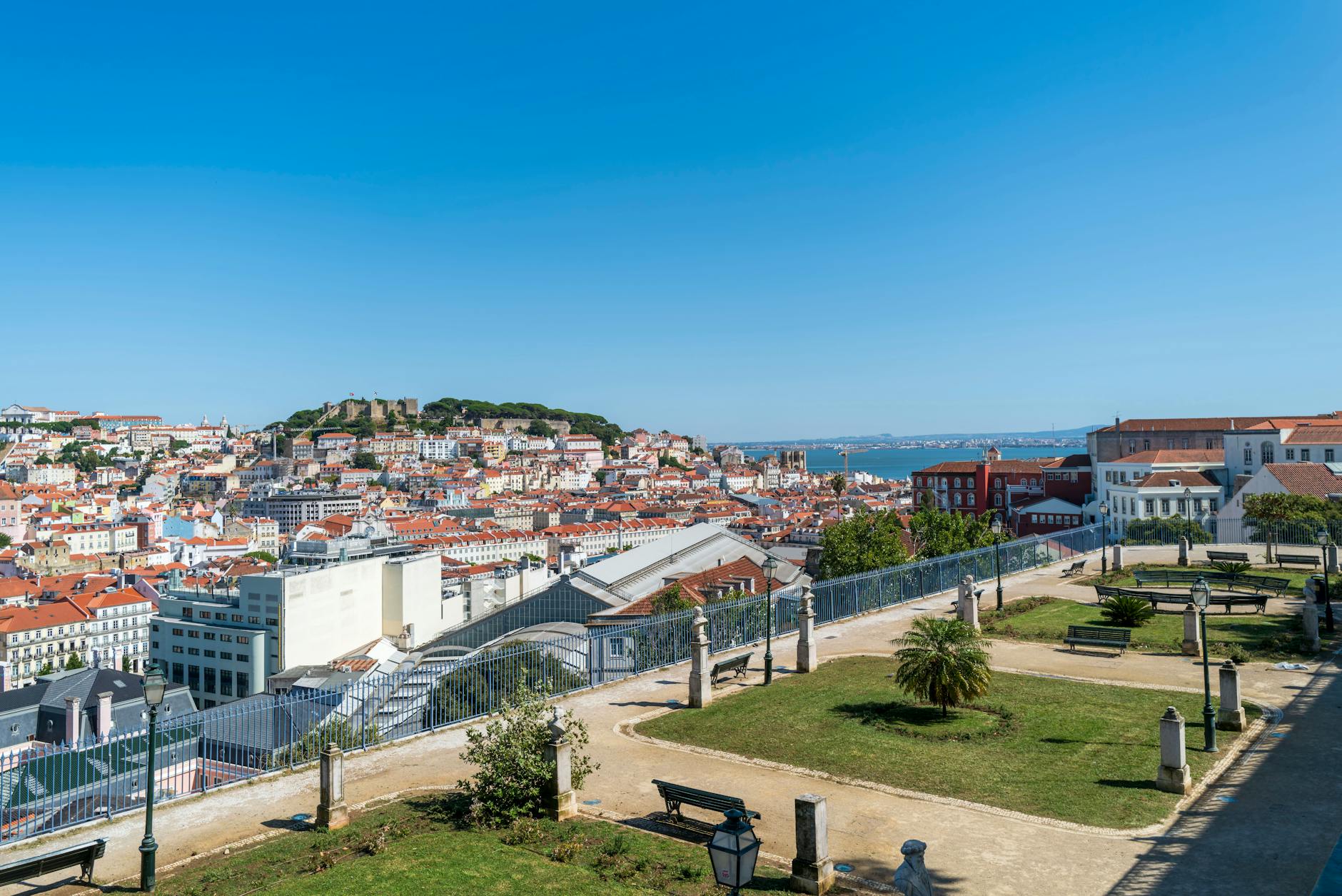
- Walk Alfama and catch a sunset from Miradouro da Senhora do Monte or Miradouro de Santa Luzia.
- Visit Belém: Jerónimos, Belém Tower, and a pastéis de nata from a local bakery.
- Ride a short section of Tram 28 early in the morning to avoid crowds.
- Eat at Time Out Market for a taste of local producers in one place.
- Spend a day trip on the Cascais coastal train or dedicate a full day to Sintra’s palaces.
When short on time, prioritize neighborhoods rather than squeezing in every museum — pick one major monument and leave room for wandering and local cafés.
This page is a compact, practical companion to the longer 3 days in Lisbon itinerary. It highlights the city's best things to do with an emphasis on neighborhood-based days, public transport, and local-first choices. Use this as a decision tool to pick which museum, viewpoint, market, or nearby town to add to each day of your main plan.
If you want a ready-made schedule, see the linked 3 days in Lisbon guide for a step-by-step plan and timing tips.
What This Page Helps You Decide
Use this page to quickly choose:
- Which neighborhoods to base each day on the 3-day itinerary.
- Morning versus afternoon activities based on opening hours and light for photos.
- Which landmarks and museums to prebook (and which you can see without a ticket).
- The best nearby towns for a day trip depending on time and mobility.
Practical outcomes: a shortlist of must-book tickets, a sensible order to visit neighborhoods, and low-impact transport options.
Top Recommendations
Neighborhoods and experiences to include in your 1–3 day plan:
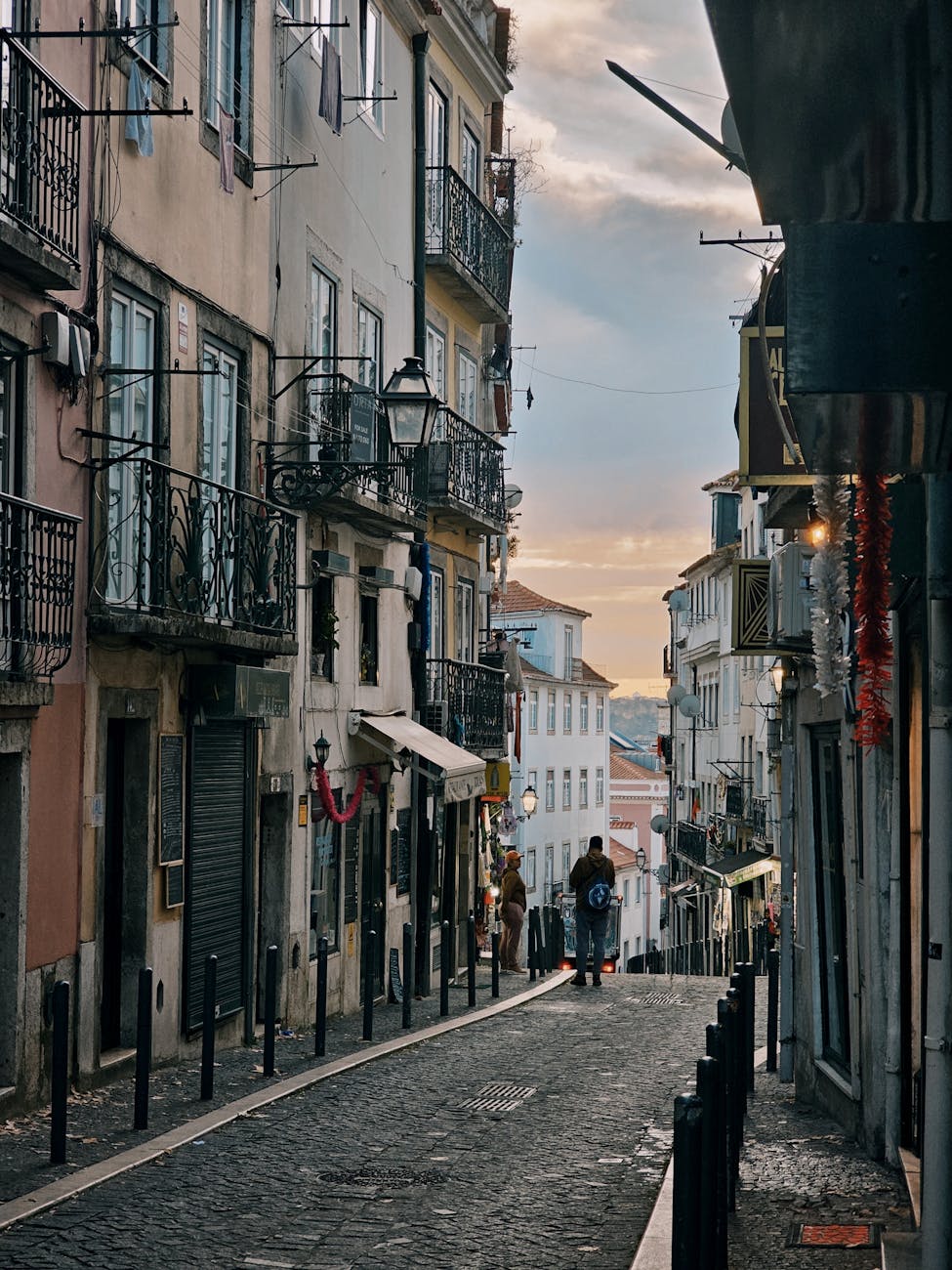
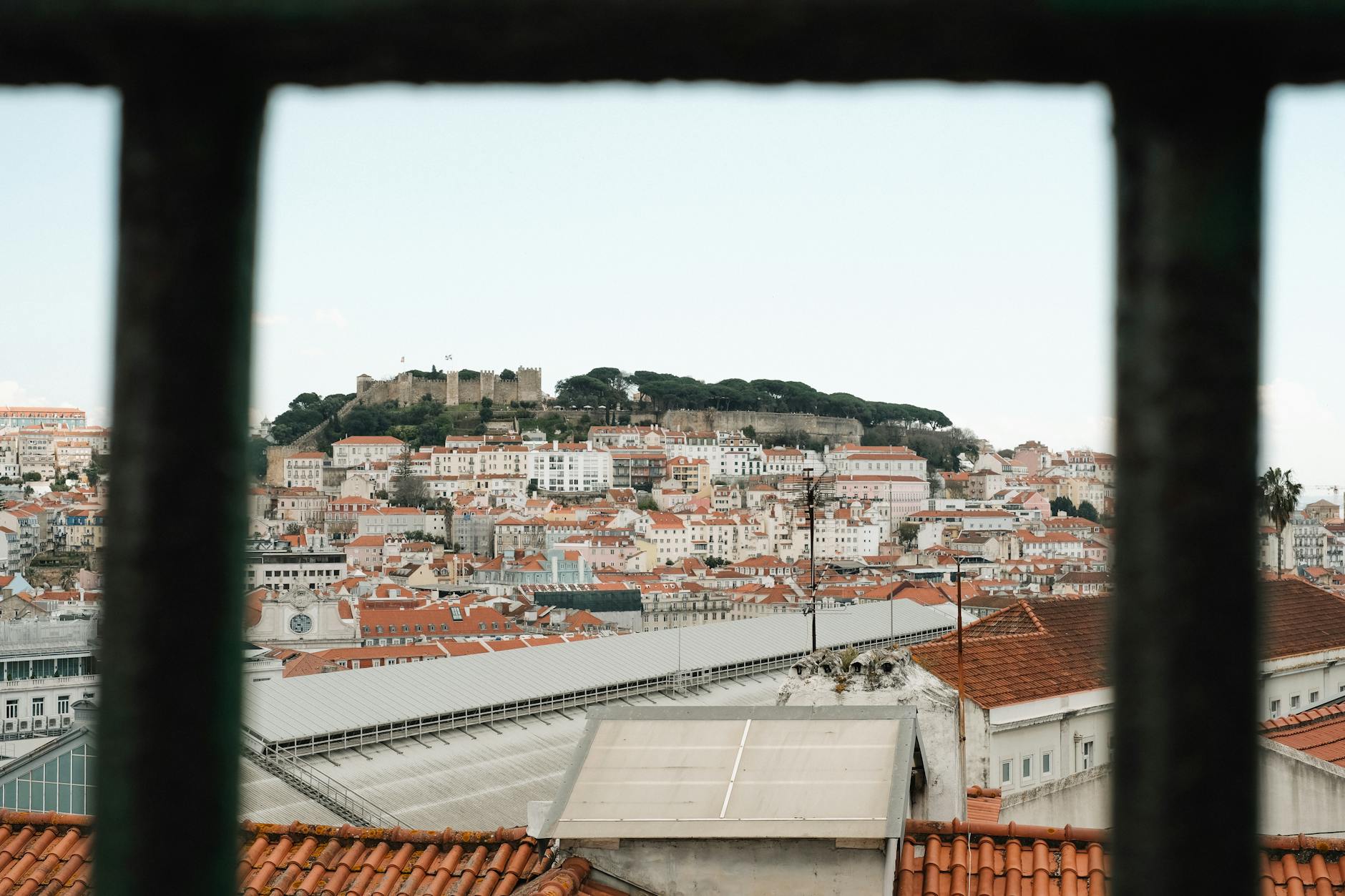
- Alfama (morning): São Jorge Castle, narrow alleys, small fado houses. Best early to avoid afternoon crowds.
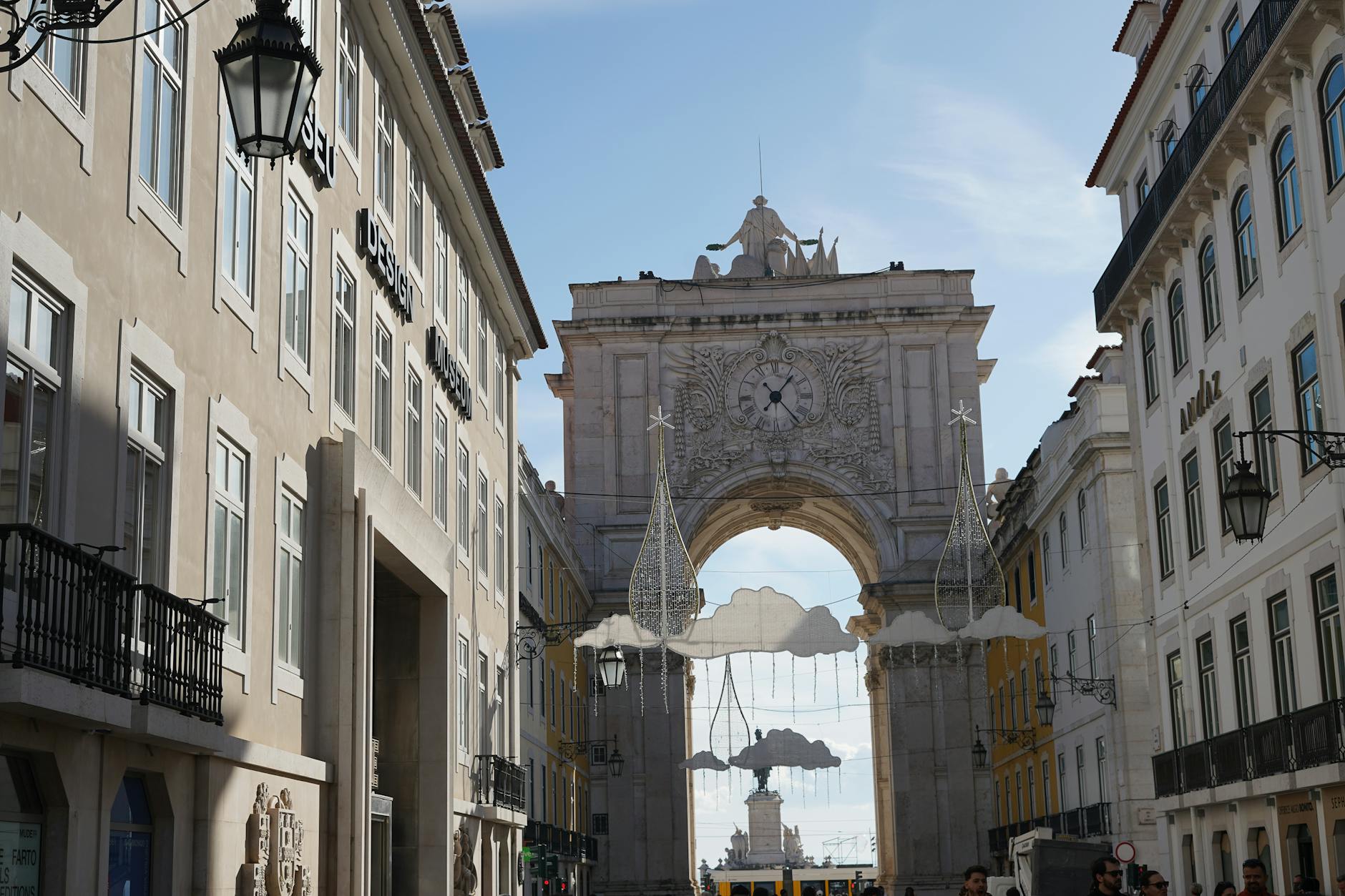
- Baixa and Chiado (midday): Praça do Comércio, Santa Justa lift, pastry shops and bookshops.
- Belém (half day): Jerónimos Monastery, Belém Tower, MAAT. Book timed entries for Jerónimos on busy days.
- Bairro Alto and Principe Real (evening): local bars, small-plate dining, Saturday markets in Principe Real.
- LX Factory (afternoon): independent shops, the Sunday market, and sustainable designers.
- Parque das Nações (family/modern): Oceanário and waterfront walks; quieter in shoulder season.
Suggested day trips depending on interests:
– Cascais: 30–40 minutes by coastal train for beaches and seafood — use the train rather than driving.
– Sintra (full day): trains from Rossio; buy palace tickets in advance and arrive early.
– Setúbal: seafood and estuary nature; combine with local ferries and small producers.
Food and markets:
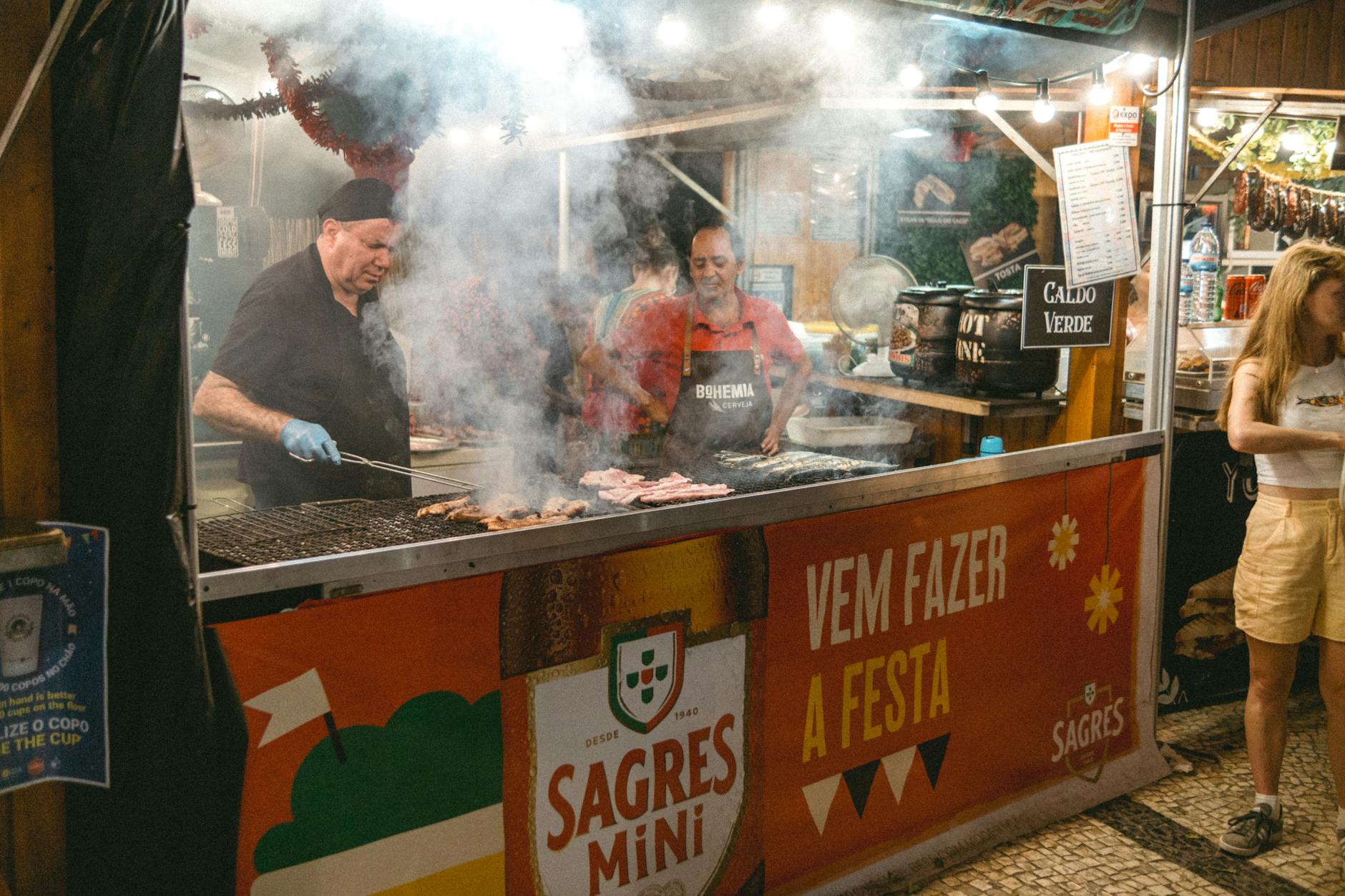
– Time Out Market for producers and a quick tasting overview.
– Mercado de Campo de Ourique or Mercado de Alvalade for lower-impact, local shopping.
Transport and bookings:
– Use the Viva Viagem card for trams, metro, and trains; validate each trip.
– Avoid buying tickets from touts; use official kiosks or online bookings for monuments.
Local Context
Lisbon is a city of steep hills, cobbled streets, and micro-neighborhood identities. Expect:
- Alfama and Mouraria: winding lanes, traditional fado evenings, small family-run restaurants.
- Baixa and Chiado: formal squares, historic cafés, and busy pedestrian streets.
- Bairro Alto: vibrant nightlife after 10pm; quieter streets during the day.
- Belém: spread-out monuments along the Tagus, often windy and cooler than the city center.
- Cais do Sodré and Príncipe Real: younger crowds, markets, and sustainable shops.
Seasonal notes:
– Shoulder seasons (April–June and September–October) give the best light, fewer crowds, and easier bookings.
– July–August can be hot and crowded; book timed tickets and early entrances.
– Winter is mild but many small businesses close some weekdays — check opening hours.
Etiquette and realities:
– Speak a few words of Portuguese; greetings and thank-yous go a long way.
– Keep conversation volumes moderate in residential areas and near fado houses.
– Wear sturdy shoes; many streets are uneven.
How to Choose Well
Match activities to your time, mobility, and interests:
- Short on time (1 day): Choose one neighborhood (Alfama or Belém), a viewpoint, and a food market. Focus on walking and one museum.
- Standard stay (3 days): Follow the main 3 days in Lisbon itinerary and add one nearby town like Cascais or Sintra depending on whether you prefer beaches or palaces.
- Slower pace: Add LX Factory, smaller neighborhood markets, and an evening fado performance.
Booking priorities:
– Prebook Jerónimos Monastery, São Jorge Castle, and Sintra palaces on busy days.
– Reserve dinner for popular restaurants, especially in Bairro Alto and Chiado.
Mobility and accessibility:
– If hills are a problem, center days around Baixa/Chiado and Parque das Nações and use funiculars or taxis for steeper climbs.
– Trams and older buildings often lack full accessibility; check venues ahead.
Responsible and Local-First Tips
Small behaviors make a big difference:
- Prefer trains and ferries for day trips (Cascais, Sintra, Setúbal) rather than renting a car when possible.
- Spend with neighborhood businesses: bakeries, family restaurants, and independent shops in Principe Real and Campo de Ourique.
- Choose markets and producers that list origin and sustainable practices.
- Avoid souvenir stalls on the most tourist-heavy streets; purchase traditional crafts from certified ateliers.
- Respect church and fado house etiquette: quiet voices, no flash photography during performances, and modest dressing in religious sites.
Low-impact choices:
– Refill a water bottle — Lisbon’s tap water is safe.
– Walk or cycle along the riverfront; rent e-bikes from reputable providers.
– Book smaller-group walking tours led by local guides who give revenue back to neighborhoods.
Common Mistakes to Avoid
Avoid these common missteps:
- Trying to see everything in one day. Lisbon rewards slowing down and exploring one neighborhood at a time.
- Riding Tram 28 as a full guided experience. It’s useful but crowded; combine a short tram ride with walking tours instead.
- Skipping train day trips. Trains to Cascais and Sintra are efficient and reduce private car use.
- Buying pasteis de nata at the busiest storefront in Belém without checking smaller bakeries that use local ingredients.
- Ignoring opening hours: many museums close on Mondays or have reduced hours in low season.
- Paying cash only: carry a small amount of euros for market stalls and tips, but most places accept cards.
FAQ
How many days do I need in Lisbon?
Three days gives a solid introduction and matches the linked 3 days in Lisbon itinerary. It covers Alfama, Baixa/Chiado, Belém, and one shorter excursion; add more days for Sintra or the Algarve towns listed below.
Is Lisbon walkable?
Yes, but expect steep hills and cobbles. Wear comfortable shoes, plan for short uphill sections with funiculars or local taxis if needed, and group sights by neighborhood.
Which day trips are easiest by public transport?
Cascais (train from Cais do Sodré, ~30–40 minutes) and Sintra (train from Rossio, ~40 minutes) are straightforward. Setúbal is reachable by train/bus; check seasonal ferry schedules for estuary trips.
When should I prebook attractions?
Prebook Jerónimos Monastery, São Jorge Castle on peak days, and palaces in Sintra. For popular restaurants and fado shows, reserve in advance — especially in summer.
Is Lisbon safe at night?
Lisbon is generally safe, but standard precautions apply: watch belongings in crowded areas, avoid poorly lit alleys alone, and be mindful of nightlife noise in residential zones. Use licensed taxis or rideshare apps late at night.
Any local etiquette I should know?
Greet with “Bom dia” or “Boa tarde,” ask before taking photos of people, and keep voices low in fado houses and churches. Tipping is appreciated but not mandatory; 5–10% for good service is common.
Conclusion
Use this page to tailor the 3 days in Lisbon itinerary to your pace and priorities. Favor neighborhood-focused days, public transport for nearby towns like Cascais and Setúbal, and local businesses for food and souvenirs. If you want a ready schedule, follow the main 3-day guide and slot in one recommended day trip based on whether you prefer beaches (Cascais) or palaces (Sintra).
Enjoy Lisbon thoughtfully — the best experiences come from small, local choices rather than checking off every landmark.
How this guide was prepared
This guide was prepared through a structured research that combines destination research, geographic context, itinerary planning logic, and content review.