

Lisbon Travel Budget: Practical Costs, Where to Save, and Low-Impact Choices
Clear, practical Lisbon budget guide for planning costs, transport, neighborhoods, and sustainable day trips. Perfect as a support page for our 3 days in Lisbon itinerary and nearby destinations like Cascais and Setúbal.
Realistic daily budgets, transport tips, neighborhood guidance, and local-first saving strategies to help you plan affordable, low-impact time in Lisbon. Ideal companion to the 3 days in Lisbon itinerary.
Quick Answer
Realistic daily budgets, transport tips, neighborhood guidance, and local-first saving strategies to help you plan affordable, low-impact time in Lisbon. Ideal companion to the 3 days in Lisbon itinerary.
Who This Page Is For
This page is for travelers planning a stay in Lisbon who want clearer decisions about travel budget, local logistics, timing, budgeting, and practical trip planning.
How This Page Was Prepared
This page was prepared through a structured editorial workflow that combines destination research, geographic context, and practical travel-planning review.
Plan the Rest of Your Trip
Use this page together with the full itinerary and the related planning pages below to make better booking, timing, transport, and budget decisions.
Expect a range: budget travelers can manage on modest daily costs, while a comfortable city visit requires more. Focus on off-peak seasons, use Lisbon's public transport, eat at small local tascas, and favor day trips by regional train to keep costs and impact low.
This page gives straightforward, practical cost guidance for Lisbon with a focus on low-impact choices and local spending. Use it alongside the main 3 days in Lisbon itinerary to convert sightseeing into a realistic daily plan. You'll find quick budgets, neighborhood trade-offs, transport realities, and tips for affordable day trips to nearby destinations like Cascais and Setúbal.
What This Page Helps You Decide
Use this guide to quickly decide:
- How much money to set aside per day depending on travel style.
- Which neighborhoods balance price, convenience, and authenticity.
- Whether to buy transport passes, a Lisbon Card, or single tickets.
- Which day trips are budget- and planet-friendly (train to Cascais, ferry to Cacilhas/Setúbal).
If you plan to follow the 3 days in Lisbon itinerary, use these cost choices to pace which attractions to buy in advance and where to save.

Top Recommendations
Practical actions to keep your Lisbon trip affordable and locally beneficial:
- Buy a rechargeable Viva Viagem card and use zapping credit or a 24-hour pass for frequent short hops. It’s cheaper and better than taxis for most routes.
- Choose neighborhoods for value and character: Campo de Ourique, Intendente, and Anjos tend to be cheaper and more local; Chiado and Baixa are central but costlier; Alfama and Bairro Alto deliver atmosphere but can be noisy.
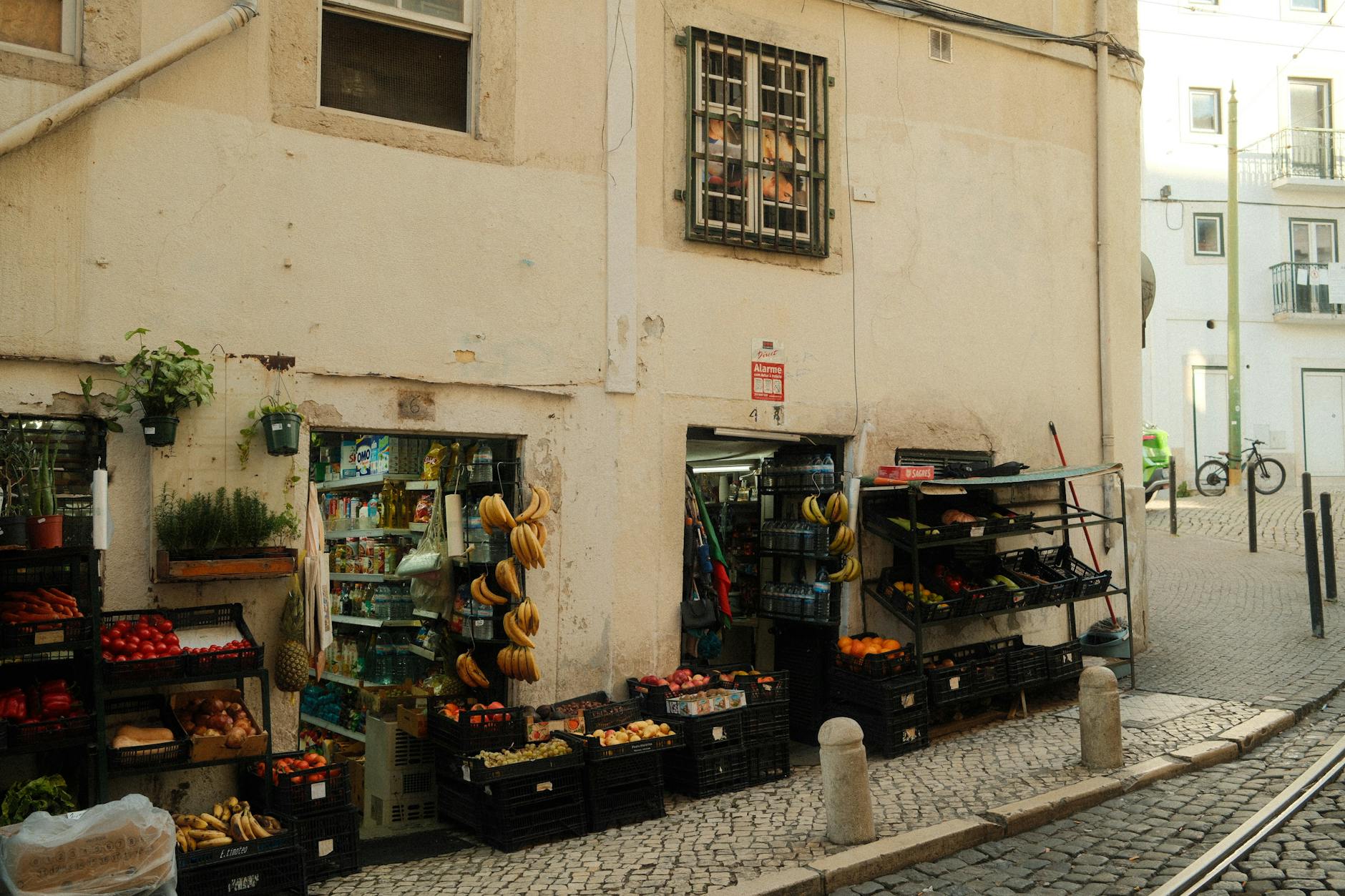
- Cook one meal in if staying in an apartment — local groceries and markets like Mercado da Ribeira save money and support local vendors.
- Prioritize free or low-cost experiences: wandering Alfama, viewpoints (miradouros), Sunday church concerts, and public parks.
- Take the local train to Cascais for an inexpensive seaside day; avoid packaged coach tours that concentrate spending with a single operator.
These choices preserve local jobs and spread spending into smaller businesses instead of multinational chains.
Local Context
Seasonality and crowd patterns
- High season (June–August) brings hot weather, bigger crowds, and higher prices. Book accommodation early if travelling then.
- Shoulder seasons (April–May, September–October) give milder weather, lower rates, and more available bookings at local guesthouses.
- Winter is mild but shorter opening hours and some seasonal closures occur.
Transport realities
- Lisbon is very walkable but very hilly; comfortable shoes are essential. Expect cobblestones and steep streets.
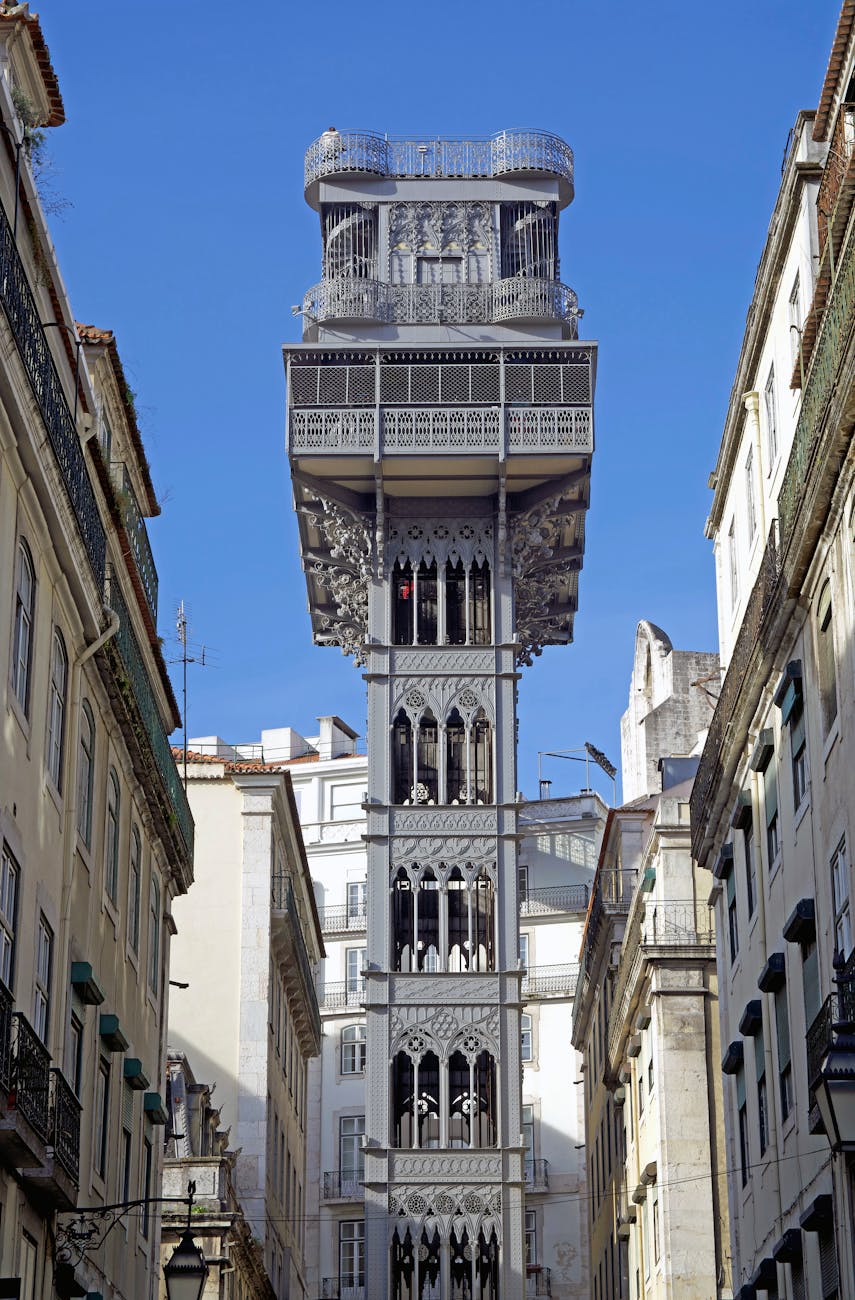
- Historic trams (like the famous 28) are charming but often packed and slow; for regular travel the metro, buses, and commuter trains are faster and cheaper.
- Ferries and trains are efficient for short coastal or river crossings — good low-impact options for day trips.
Local etiquette and safety
- Greet people with a simple "Bom dia" or "Boa tarde"; English is common in tourism areas but a few Portuguese phrases go a long way.
- Modest tipping is customary for good service; rounding up or 5–10% in sit-down restaurants is appreciated but not mandatory.
- Respect quiet hours and residential areas: Bairro Alto’s nightlife is lively but neighbors live there year-round.
How to Choose Well
Budget tiers (approximate per person, per day) — use these to plan against the 3 days in Lisbon itinerary:
- Low budget (€45–75): dorm or simple private room, groceries and takeaway from markets, mostly walking and occasional public transport, free sights and viewpoints.
- Mid budget (€90–160): small hotel or well-located guesthouse, mix of casual restaurants and a few nicer meals, entry fees for one or two paid attractions, day trip by train.
- Comfort (€170+): central hotel, several paid guided tours, taxis when needed, and nicer meals.
Choosing accommodation
- Book places with a simple kitchen if you want to save on food and support local markets.
- If you want to be central for a short stay and follow the 3 days in Lisbon route, choose Chiado/Baixa for walking distance to many attractions, but expect higher rates and earlier booking requirements.
Transport and tickets
- Decide quickly on transport strategy: single tickets for infrequent riders, a 24-hour travel pass for a packed day, or zapping credit for mixed transport.

Responsible and Local-First Tips
Small choices that concentrate benefit locally and reduce impact:
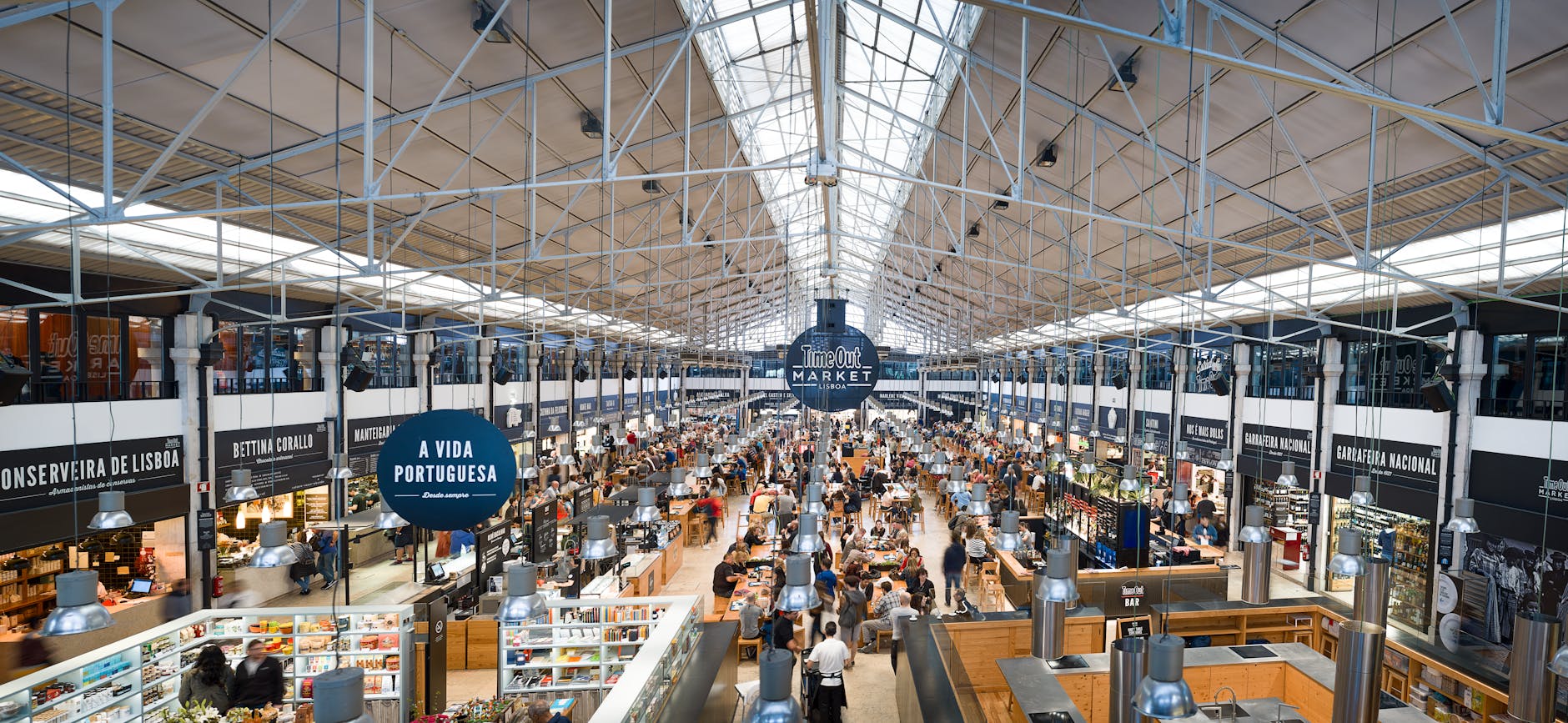
- Eat at neighborhood tascas, family-run cafés, and the Time Out Market stalls run by local chefs — these keep money in the community.
- Prefer trains and ferries for nearby day trips; they use existing infrastructure and require less carbon per passenger than private cars.
- Book walking tours with local guides or small companies; they return revenue directly to resident experts.
- Buy fewer but better souvenirs from local artisans (e.g., azulejos, textiles) rather than mass-produced trinkets.
- Avoid adding to noise and crowd pressure in small residential streets late at night; spread visits to popular viewpoints across mornings and late afternoons to reduce peak pressure.
Common Mistakes to Avoid
Quick list of avoidable pitfalls:
- Don’t assume tram 28 is the fastest way to get around — it’s scenic but slow and crowded.
- Avoid booking last-minute hotels in high season near top attractions; prices spike and options thin quickly.
- Don’t overbuy attraction passes without checking which sights are included — some passes don’t cover seasonal or timed-entry tickets.
- Avoid relying solely on taxis for day trips; trains to Cascais and intercity services to Coimbra or the Algarve are usually cheaper and more sustainable.
- Don’t eat only in tourist-heavy streets; walk two blocks away and you’ll find better prices and more authentic cooking.
FAQ
How much should I budget per day in Lisbon?
It depends on style. For a frugal traveler expect roughly €45–75 per day; for a comfortable mid-range trip €90–160; for a more premium experience €170+. These ranges include accommodation, food, public transport, and modest entry fees.
Is public transport cheap and easy to use?
Yes. Lisbon’s integrated network of metro, buses, trams, and commuter trains is cost-effective. Buy a rechargeable card (Viva Viagem) and choose between zapping credit or a 24-hour pass depending on how much you’ll travel that day.
Are day trips like Cascais expensive?
No. Cascais is an inexpensive and quick train ride from Cais do Sodré and makes for a low-cost seaside day. Setúbal and the Arrábida coast are also doable with public transport and local ferries/buses if you plan ahead.
Should I buy the Lisbon Card?
Only if you plan many paid entries (museums, tram rides, and public transport) and can use it fully. Compare the sum of attractions you want to see with the card price before buying.
Where should I stay to follow the 3 days in Lisbon itinerary on a budget?
Choose Chiado or Baixa if you want walking access but expect higher prices. For better value and a local feel try Campo de Ourique, Intendente, or Anjos and plan short metro or tram rides into the central loop.
Any safety or etiquette tips for budget travelers?
Keep valuables secure in busy areas, be mindful of pickpockets on crowded trams and trains, and respect quiet hours in residential neighborhoods. Use reusable water bottles and buy local goods to reduce waste.
Conclusion
Lisbon can be both affordable and richly local if you pick the right neighborhoods, prioritize public transport, and support small businesses. Use the budget ranges and transport strategies here to finalize choices for the 3 days in Lisbon itinerary, and favor train or ferry day trips to Cascais, Setúbal, or further afield when time allows. Thoughtful planning keeps your visit low-impact and helps the city’s communities thrive.
How this guide was prepared
This guide was prepared through a structured research that combines destination research, geographic context, itinerary planning logic, and content review.