
Where to Stay in Tokyo: Neighborhoods, Practical Tips, and Sustainable Choices
Decide where to stay in Tokyo with clear, practical guidance on neighborhoods, transport, booking tips, and low-impact options. Ideal as support for a 3-day Tokyo itinerary and nearby day trips to Yokohama, Kawasaki, and Chiba.
A concise, scan-friendly guide to choosing the best neighborhood in Tokyo for your 3-day itinerary. Covers transit realities, seasonal booking advice, sustainable stays, and neighborhood-by-neighborhood recommendations.
Quick Answer
A concise, scan-friendly guide to choosing the best neighborhood in Tokyo for your 3-day itinerary. Covers transit realities, seasonal booking advice, sustainable stays, and neighborhood-by-neighborhood recommendations.
Who This Page Is For
This page is for travelers planning a stay in Tokyo who want clearer decisions about where to stay, local logistics, timing, budgeting, and practical trip planning.
How This Page Was Prepared
This page was prepared through a structured editorial workflow that combines destination research, geographic context, and practical travel-planning review.
Plan the Rest of Your Trip
Use this page together with the full itinerary and the related planning pages below to make better booking, timing, transport, and budget decisions.
Short picks by priority:
– First-time, central access: Shinjuku or Tokyo Station (Marunouchi) — best for connections and the first day of a 3-day route.
– Trendy, youth culture: Shibuya or Harajuku — lively but noisy at night.
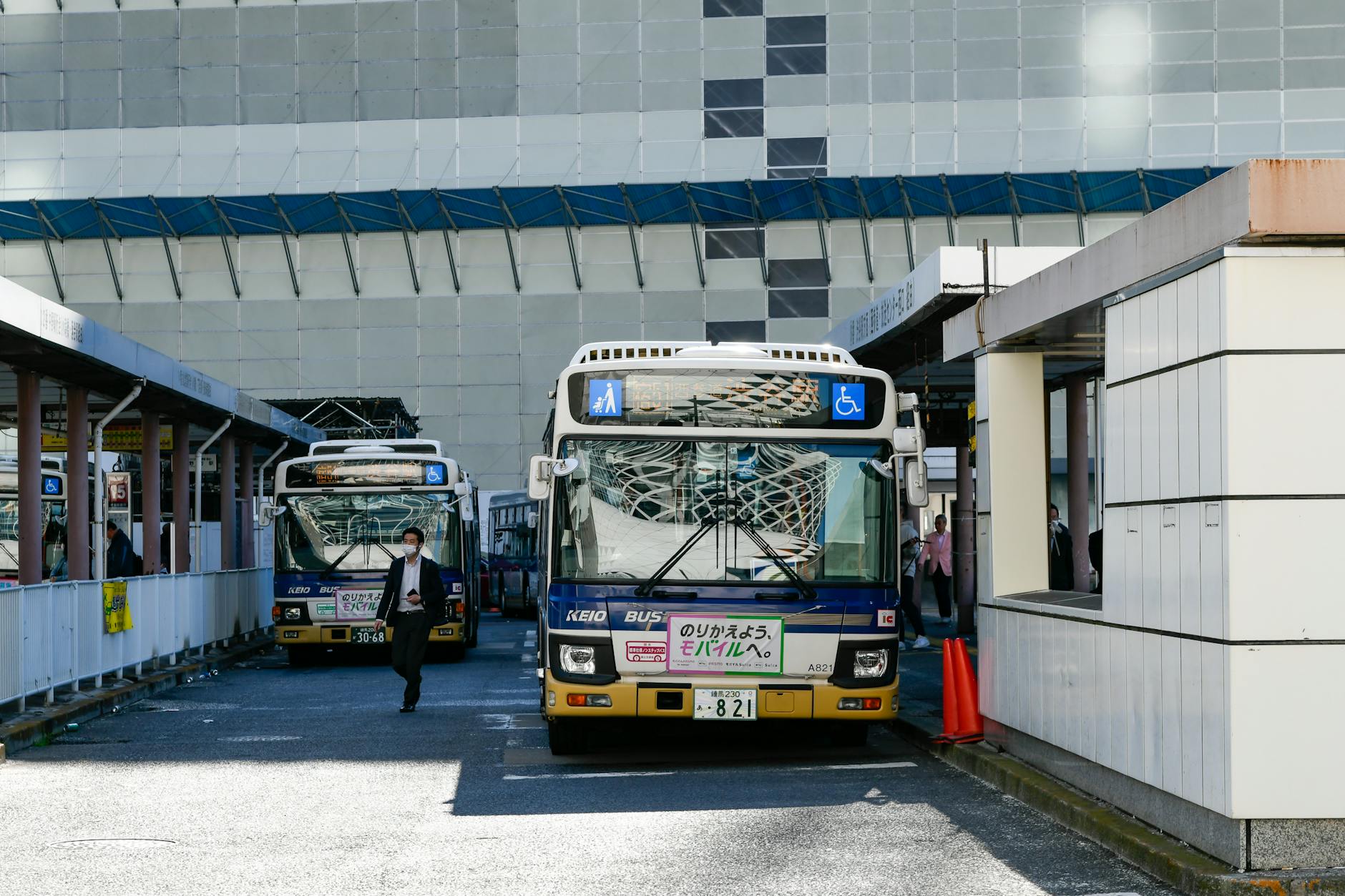
– Budget and traditional feel: Asakusa or Ueno — lower cost guesthouses and easy museum access.
– Business and day-trip hub: Tokyo Station area — fastest bullet-train and suburban JR access to Yokohama, Kawasaki, and Chiba.
– Waterfront and family-friendly: Odaiba — open spaces and accessible attractions.
If you plan day trips (Yokohama, Kawasaki, Chiba, Takayama, Hamamatsu), prioritize Tokyo Station or Shinagawa for quicker long-distance transfers.
This page helps you pick a neighborhood in Tokyo that matches your 3-day plan, travel pace, and values. Tokyo is vast but highly connected; choosing the right base saves transit time and reduces stress so you can enjoy local streets, markets, and small businesses. Expect strong public transit, compact hotels, and a mix of global and neighborhood businesses. Use this guide together with the main "3 days in Tokyo" itinerary to align daily routes with lodging choices and consider nearby extensions to Yokohama, Kawasaki, or Chiba for day trips.
Sustainable angle: favor family-run guesthouses, certified green hotels, or business hotels that participate in energy-saving practices, and plan stays during shoulder seasons (late May, early December) to reduce crowds and support local businesses year-round.
What This Page Helps You Decide
This page helps you choose where to stay based on:
– The first two days of your 3-day Tokyo itinerary (sightlines, morning starts, and ease of returning). Link your lodging choices to the main "3 days in Tokyo" guide so you minimize backtracking.
– Transport priorities: proximity to JR stations, Tokyo Metro lines, and late-night options.
– Budget, family needs, and noise tolerance.
– Sustainability preferences: support small businesses, low-impact hotels, and neighborhoods with local markets.
It also points to practical next steps: when to book, luggage-forwarding options, and which neighborhoods to avoid if you value quiet evenings.
Top Recommendations
Neighborhoods with short practical notes and who they suit best:
- Shinjuku (best all-round hub)
- Why: Unrivaled transit connections (JR, Metro, Odakyu). Plenty of hotels at all price points.
- Tips: Choose a hotel near the south or west exit for easier access to skyscraper district and evening food streets.
- Shibuya / Harajuku (youthful, central)
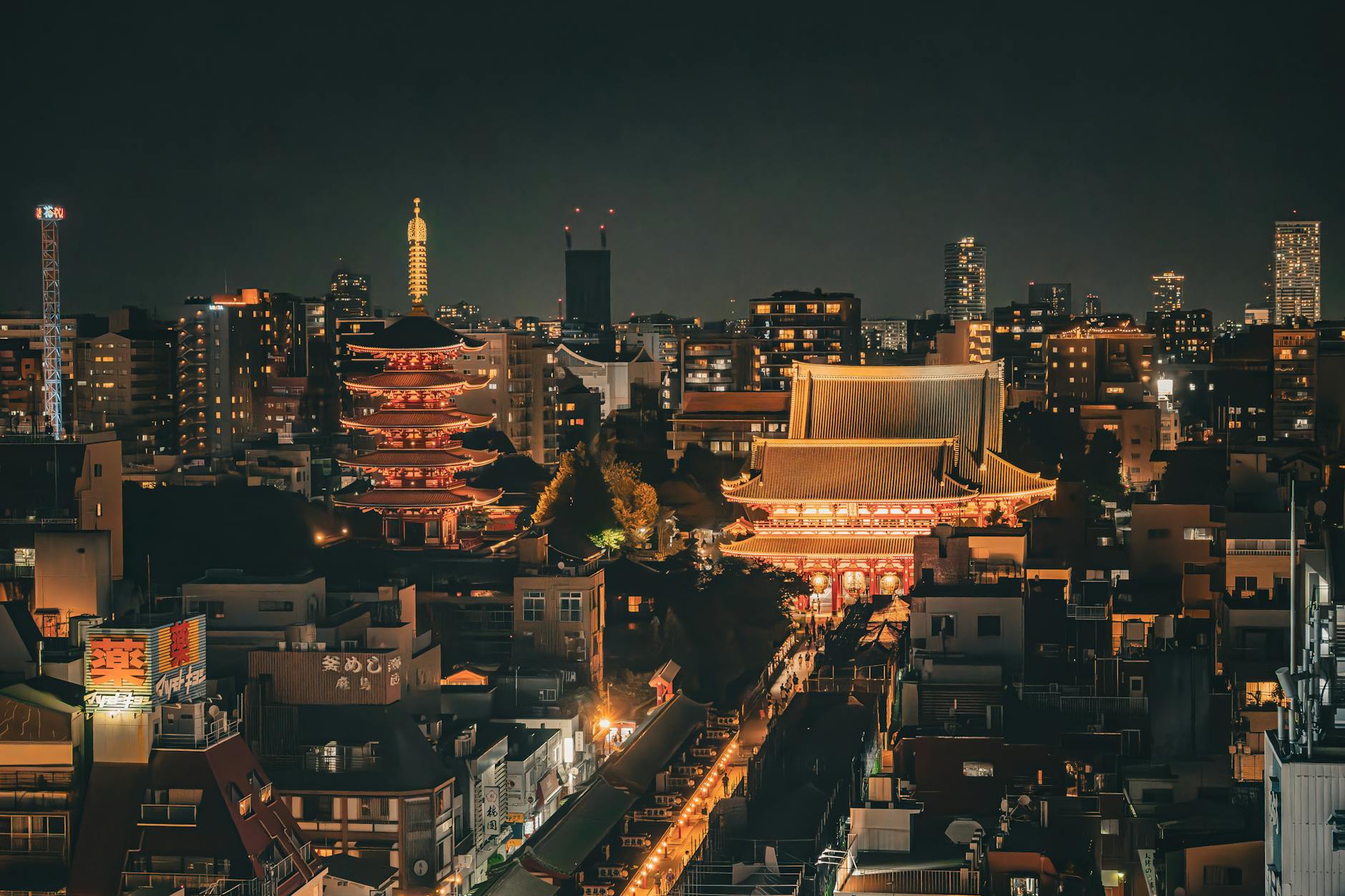
- Why: Great for walking to Meiji Shrine, fashion districts, and cafes.
- Tips: Expect crowds; book early for weekend stays and consider quieter residential pockets in Tomigaya.
- Tokyo Station / Marunouchi (business and bullet-train access)
- Why: Fast access to Narita Express, Shinkansen at nearby stations, and ideal for day trips to Yokohama or Takayama.
- Tips: Rooms can be smaller and pricier; business hotels nearby often offer better value.
- Asakusa / Ueno (budget and traditional)
- Why: Lower-cost guesthouses, traditional streets, museums in Ueno Park.
- Tips: Great for travelers who prefer ryokan-style stays; quieter after evening shrine visits.
- Odaiba (family-friendly, waterfront)
- Why: Open spaces, malls, and attractions for families. Quieter nights.
- Tips: More isolated by transit—good if you plan to stay put or have cars; check monorail schedules.
- Ikebukuro (value and shopping)
- Why: Good mid-range hotels and department stores, strong JR and Metro links.
- Tips: North-side residential neighborhoods can be pleasantly quiet.
Booking advice:
– Shoulder seasons (late May, mid-October to November) offer better rates and lighter crowds.
– Book 4–8 weeks ahead for spring cherry blossom and Golden Week travel, and 2–3 months ahead if you need a specific room type.
– Consider business hotels for clean, efficient stays and local guesthouses for direct local support.
Local Context
Tokyo's scale: neighborhoods can feel like small cities. Travel realities:
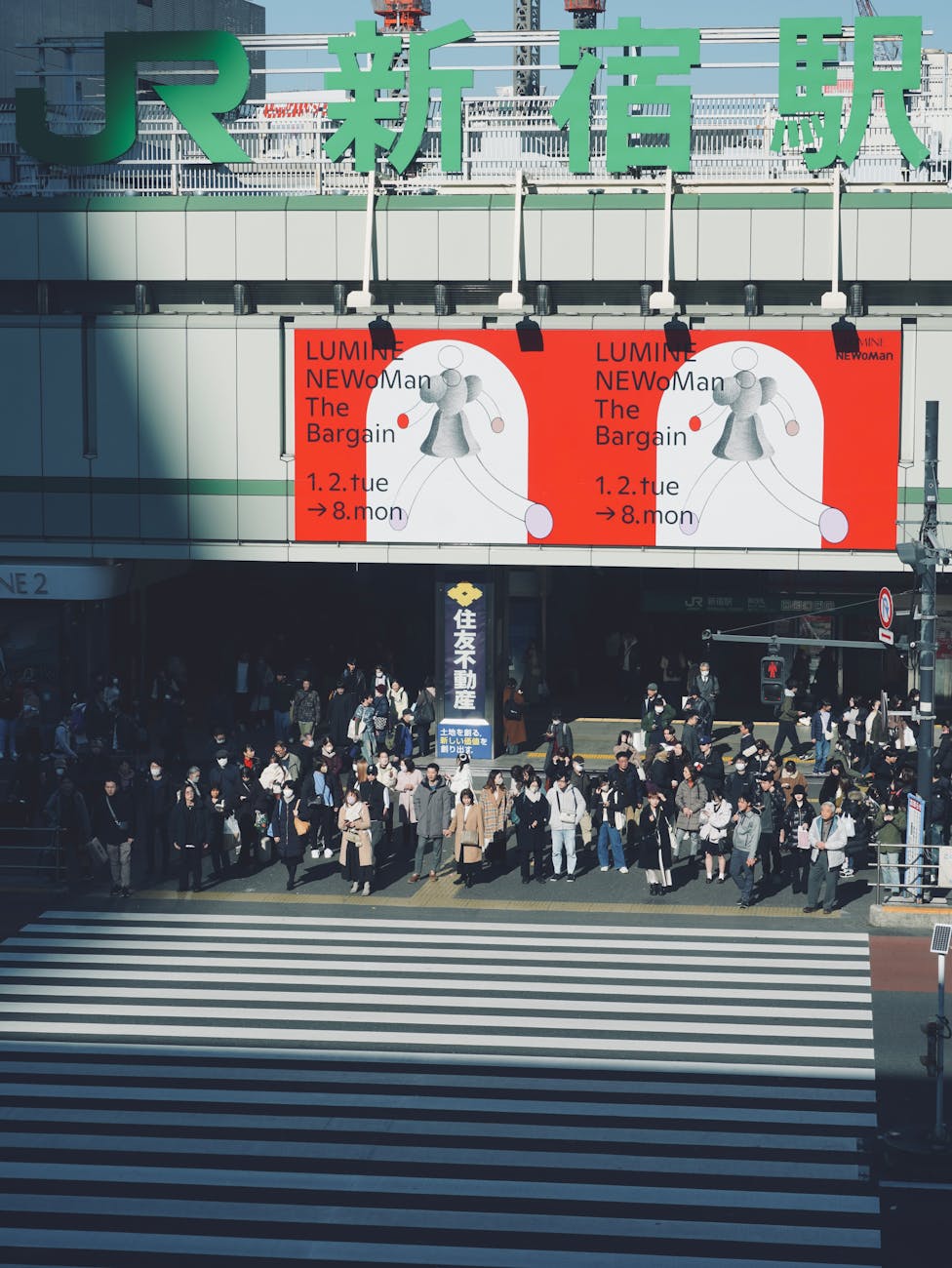
– Trains and subways are the fastest way around; get a Suica or Pasmo IC card on arrival.
– Last trains usually run around midnight; plan late-night returns or budget for taxis, which are expensive.
– Luggage forwarding (takuhaibin) is reliable for moving bags between hotels or from airports to your city hotel.
Seasonal patterns:
– Cherry blossom season (late March–early April) and autumn foliage (late November) draw crowds and raise prices.
– Rainy season (June) brings humidity; winter is cool and less crowded.
Local etiquette:
– Keep phone calls low-volume on trains, queue politely, and follow signage at temples and shrines.
– Many small restaurants are cash-preferred—carry some yen even though cards are increasingly accepted.
Sustainability context:
– Many neighborhood businesses are small and locally owned; choosing them directs tourist spending into the local economy.
How to Choose Well
Use this quick checklist when booking:
– Map your day 1 in the "3 days in Tokyo" guide and pick a neighborhood that minimizes one-way travel time to morning attractions.
– Prioritize proximity to a JR line if you plan day trips to Yokohama, Kawasaki, Chiba, or further to Takayama and Hamamatsu.
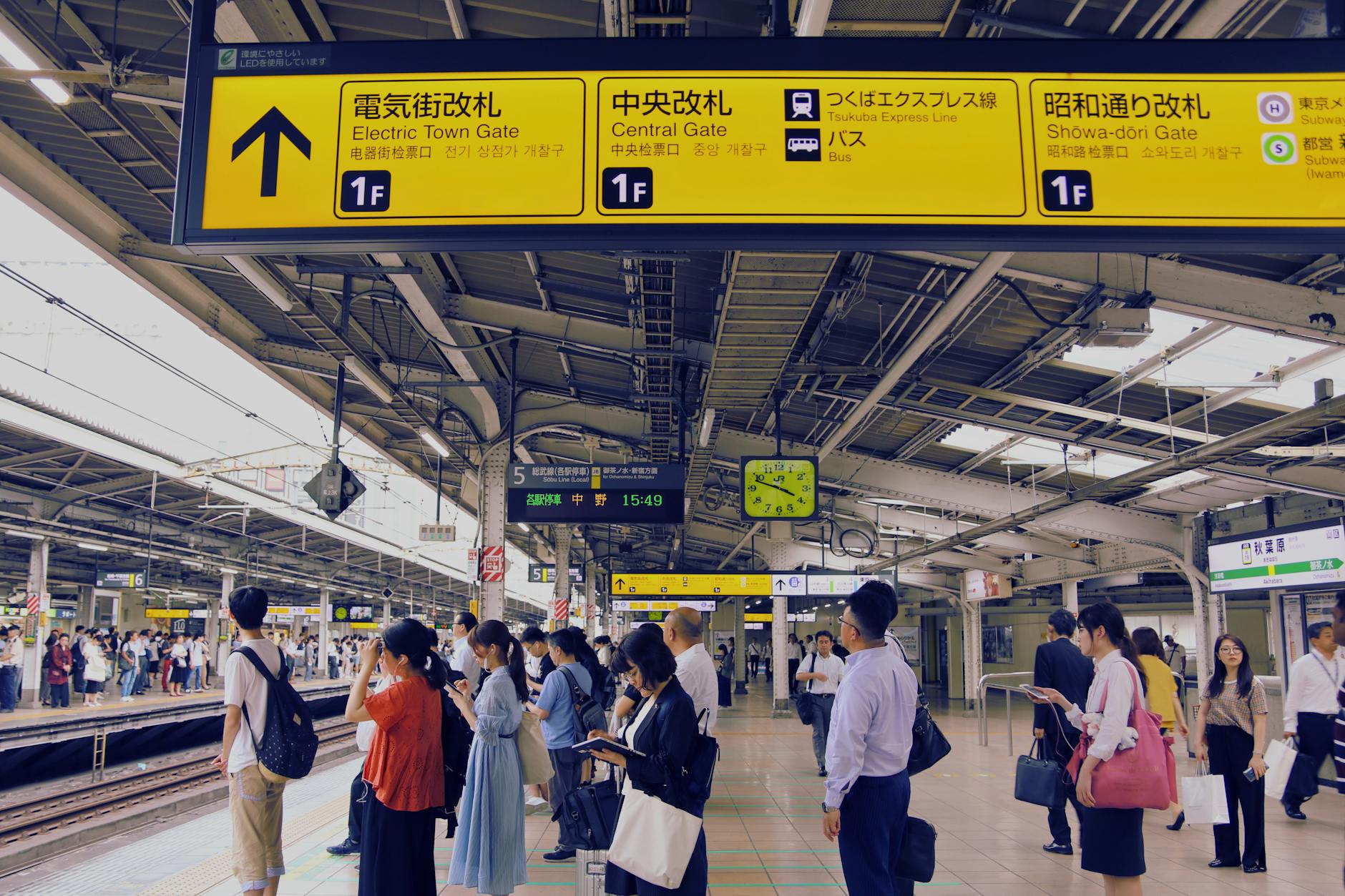
– Check exact station exits—some stations have multiple exits that add 10–20 minutes walking.
– Look for flexible check-in/early luggage storage if you arrive early; many hotels and guesthouses will hold bags.
– Consider lodging with sustainability credentials or family-run properties where tourist spending stays local.
– Book refundable rates when traveling during shoulder or unpredictable seasons.
Practical booking notes:
– For weekend nightlife, book at least one month in advance. For sakura or Golden Week, book 2–3 months ahead.
– If you’re light-sensitive to noise, choose rooms that explicitly list "quiet side" or face inner courtyards.

Responsible and Local-First Tips
Sustainability and local-first choices that make a difference:
– Stay in small guesthouses, family-run ryokan, or certified eco-hotels to funnel spending locally.
– Eat at neighborhood izakaya, family restaurants, and markets rather than global chains.
– Use public transit and walk when possible; avoid short taxi hops.
– Use a refillable water bottle; many convenience stores sell filtered water and most hotels provide drinking water.
– Respect local rules at onsen and sento (tattoo policies, washing protocols). If you have tattoos, look for tattoo-friendly facilities.
– Offset longer-distance travel and choose rail day trips over domestic flights when feasible.
Community-minded actions:
– Shop at small markets and artisans rather than large duty-free stores.
– Tip: tipping is not customary in Japan—show appreciation by buying a small local product or leaving a positive review to help the business.
Common Mistakes to Avoid
Watch for these frequent booking and planning errors:
– Picking a hotel purely for price without checking its proximity to the lines you’ll use most.
– Underestimating station exit walking times—some transfers add 10–20 minutes on foot.
– Ignoring last-train schedules and assuming taxis are affordable late at night.
– Overpacking; narrow hotel rooms and crowded trains make heavy luggage a hassle.
– Failing to arrange luggage forwarding for multi-city travel, which makes moving between Tokyo and destinations like Takayama or Hamamatsu easier.
– Assuming English everywhere—download offline maps and basic phrases or use a translation app.
Avoid these, and your stay will be smoother and more considerate to local neighborhoods.
FAQ
What neighborhood is best for a 3-day first-time Tokyo itinerary?
Shinjuku or Tokyo Station area are the most practical bases. They minimize transit time to many major sights and make day trips to Yokohama or Chiba straightforward. Plan day 1 from your chosen base using the "3 days in Tokyo" guide to reduce backtracking.
Is Shibuya noisy at night for families?
Shibuya and Harajuku are lively and can be noisy near the station and main thoroughfares. Opt for nearby residential pockets like Tomigaya or wider streets away from the crossing for quieter nights.
Are there budget-friendly neighborhoods that still feel authentic?
Yes. Asakusa and Ueno offer lower-cost guesthouses and ryokan with traditional street scenes and affordable local eateries. They’re well-connected by subway and good for museum visits.
How do I manage luggage between Tokyo and other cities like Takayama or Hamamatsu?
Use Japan’s reliable takuhaibin (luggage forwarding) to send bags ahead to hotels or stations. It’s affordable and common—book at your hotel front desk or at convenience store counters.
Can I rely on credit cards everywhere?
Cards are widely accepted in larger hotels, department stores, and chains, but many small restaurants, market stalls, and older ryokan prefer cash. Carry some yen and a Suica/Pasmo for transit.
Is it easy to find sustainable or eco-certified hotels?
Yes—search for hotels with eco labels or local guesthouses that advertise recycling, energy-saving measures, or community programs. Contact properties directly to confirm practices.
Are Tokyo neighborhoods safe at night?
Tokyo is generally safe, but exercise normal precautions: watch belongings on crowded trains, avoid poorly lit back streets late at night, and note the last-train times to avoid surprise taxi fares.
How far in advance should I book during cherry blossom season?
Book 2–3 months ahead for popular neighborhoods and specific room types. For shoulder seasons, 4–6 weeks is often sufficient.
Conclusion
Choose your Tokyo base by matching the first day of the "3 days in Tokyo" itinerary to a neighborhood that reduces transit time and supports the experiences you value. Prefer small, locally run places or certified eco-hotels when possible, book ahead for peak seasons, and use luggage forwarding to travel lighter between cities like Yokohama, Kawasaki, Chiba, Takayama, or Hamamatsu. With the right location and a few practical preparations, your stay will be efficient, lower-impact, and more connected to local neighborhoods.
How this guide was prepared
This guide was prepared through a structured research that combines destination research, geographic context, itinerary planning logic, and content review.