
Tokyo Travel Budget: Practical Costs, Smart Choices, and Sustainable Tips
Clear daily budgets, neighborhood cost guidance, transport realities, and sustainable tips to support a 3-day Tokyo itinerary. Practical booking advice and nearby day-trip cost notes for Yokohama, Kawasaki, Chiba, Hamamatsu and Takayama.
Realistic per-day budgets, where to save without missing the experience, transport realities, and local-first tips to support your 3-day Tokyo plan and nearby day trips.
Quick Answer
Realistic per-day budgets, where to save without missing the experience, transport realities, and local-first tips to support your 3-day Tokyo plan and nearby day trips.
Who This Page Is For
This page is for travelers planning a stay in Tokyo who want clearer decisions about travel budget, local logistics, timing, budgeting, and practical trip planning.
How This Page Was Prepared
This page was prepared through a structured editorial workflow that combines destination research, geographic context, and practical travel-planning review.
Plan the Rest of Your Trip
Use this page together with the full itinerary and the related planning pages below to make better booking, timing, transport, and budget decisions.
Typical per-person daily budgets for Tokyo (values approximate):
- Backpacker / Tight budget: ¥5,000–¥9,000 (~US$35–$60) — hostel or capsule, konbini meals, free shrines and parks, lots of walking.
- Midrange: ¥12,000–¥25,000 (~US$85–$185) — business hotel, mix of casual restaurants and occasional sit-down, subway and occasional taxi.
- Comfortable: ¥30,000+ (~US$220+) — private hotel, regular dining out, occasional paid attractions and taxis.
These ranges assume sensible use of IC cards, avoiding taxis during rush hour, and pre-booking for busy dates like sakura season and Golden Week.
This page gives clear, practical budgeting guidance to support a short Tokyo stay—especially useful alongside the 3 days in Tokyo itinerary. It focuses on what costs most (accommodation, transit, meals), where your money goes by neighborhood, and how to make low-impact choices that still feel authentic. Use this as a quick reference while you book hotels, buy transport cards, and plan day trips to nearby cities such as Yokohama, Kawasaki, Chiba, or longer rail hops to Hamamatsu and Takayama.
What This Page Helps You Decide
Use this page to quickly choose:
- A realistic per-day budget for your travel style.
- Which neighborhoods to prioritize for lower lodging costs without losing convenience (Shinjuku/Ikebukuro vs. Ginza/Omotesando).
- Whether buying a Japan Rail Pass or regional pass makes sense for included day trips.
- When to book and when to travel to lower costs and environmental impact.
If you want a day-by-day plan tied to costs, see the companion 3 days in Tokyo itinerary for exact routes and timings.
Top Recommendations
Essentials to save money and time:
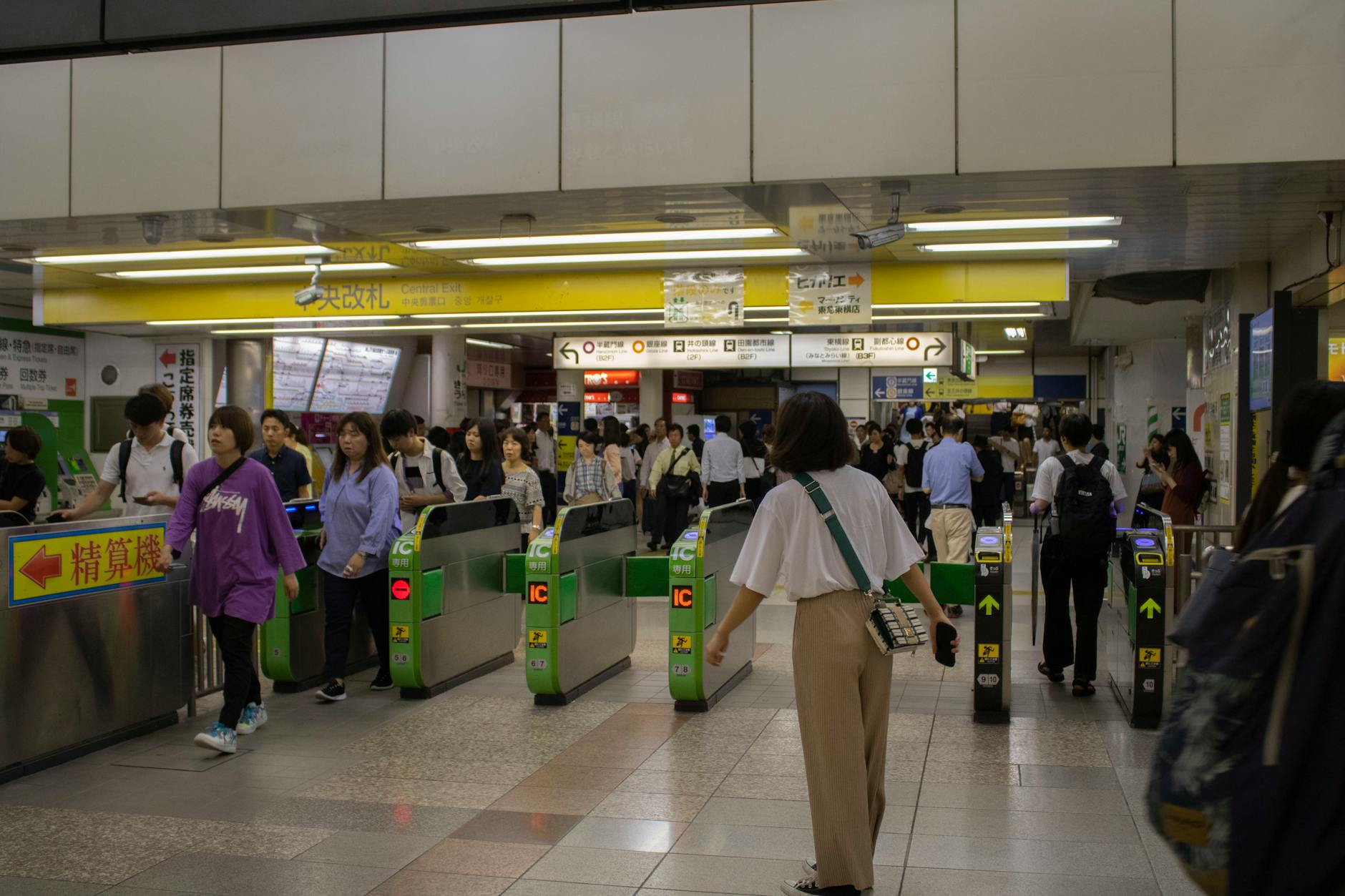
- Buy an IC card (Suica or Pasmo) on arrival for subway, buses, and many shops. It saves time and reduces single-ticket waste.
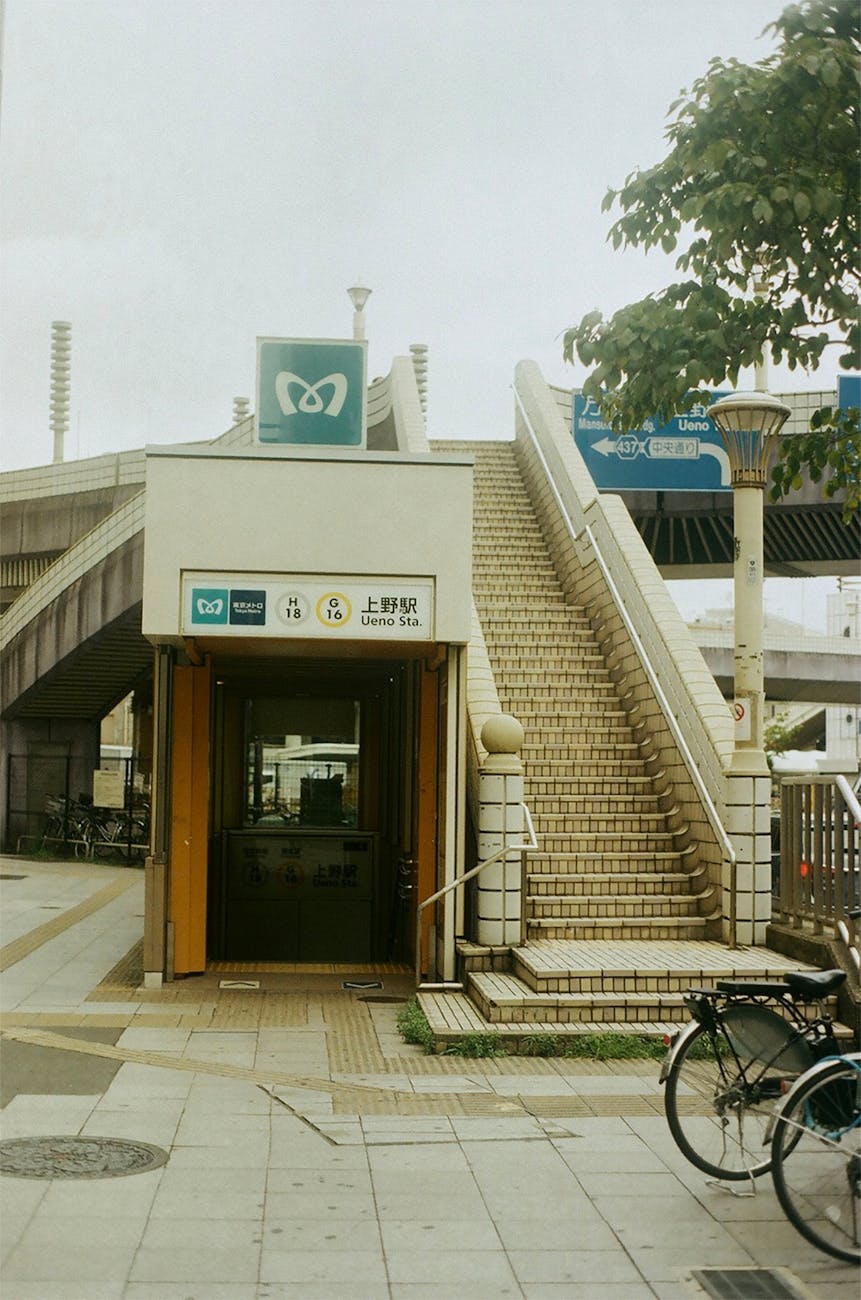
- Base yourself in a well-connected neighborhood: Shinjuku, Ueno, or Ikebukuro often give the best value for 3 nights and fast access to the main itinerary.
- Eat locally: konbini bentos, standing ramen counters, and neighborhood izakaya lunches are inexpensive and authentic.
- Avoid taxis for routine travel; Tokyo trains are fast and reliable. Use taxis only late at night or with heavy luggage.
- For day trips: Yokohama and Kawasaki are cheap local-train hops; consider a regional JR or limited express ticket if heading to Hamamatsu or Takayama from Tokyo.
Booking tips:
– Reserve hotels early for late March–April (cherry blossom), Golden Week, and Obon. Shoulder seasons (late Nov, Feb) usually offer lower rates.
– Use local credit cards or international cards with no foreign-transaction fees. Carry some cash for small vendors.
Local Context
Neighborhoods and seasonal cost realities:
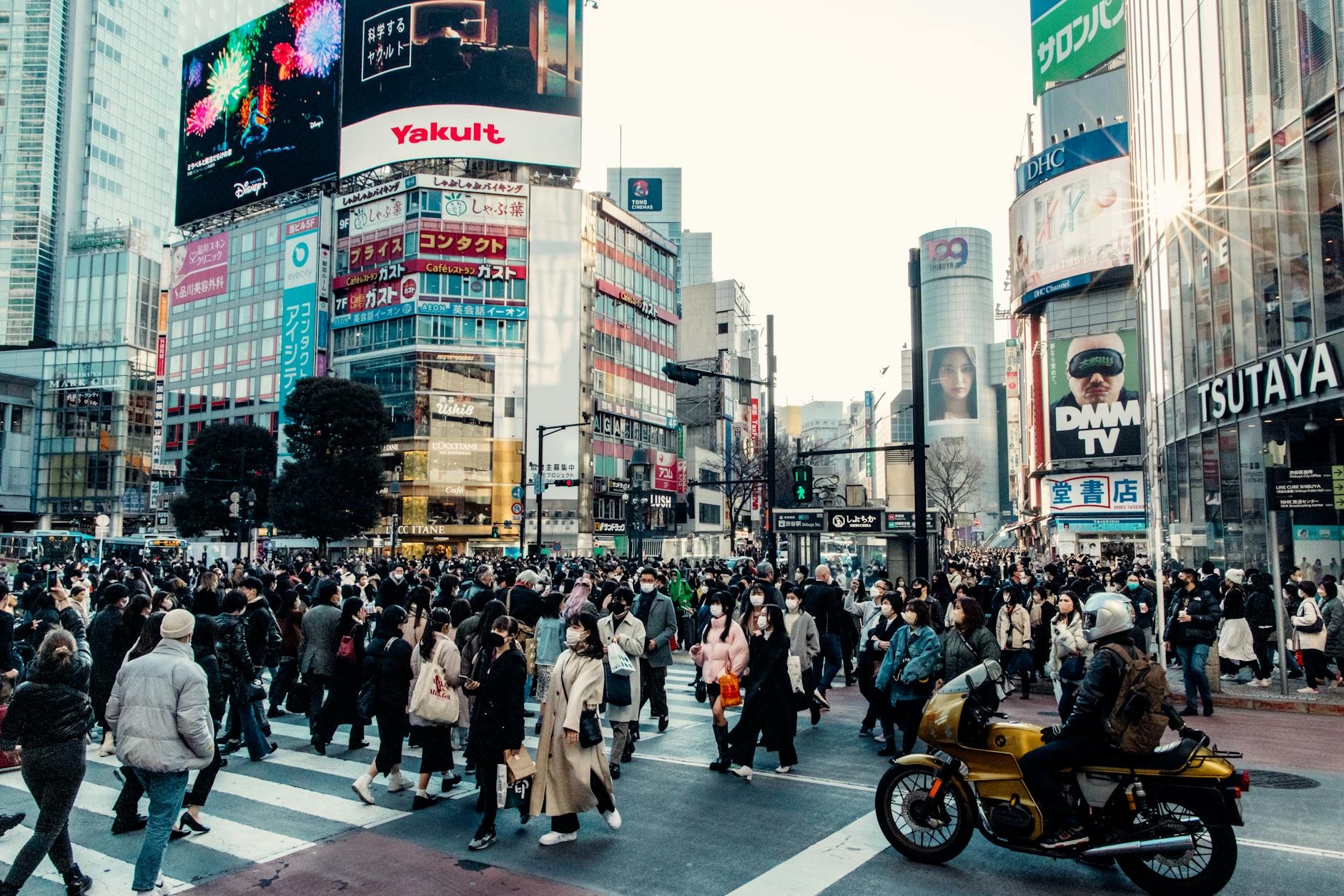
- Shinjuku and Shibuya: central, highest accommodation turnover and many budget options if you book ahead. Nightlife can increase food and drink prices.
- Ginza and Marunouchi: premium area—expect higher hotel and dining costs.
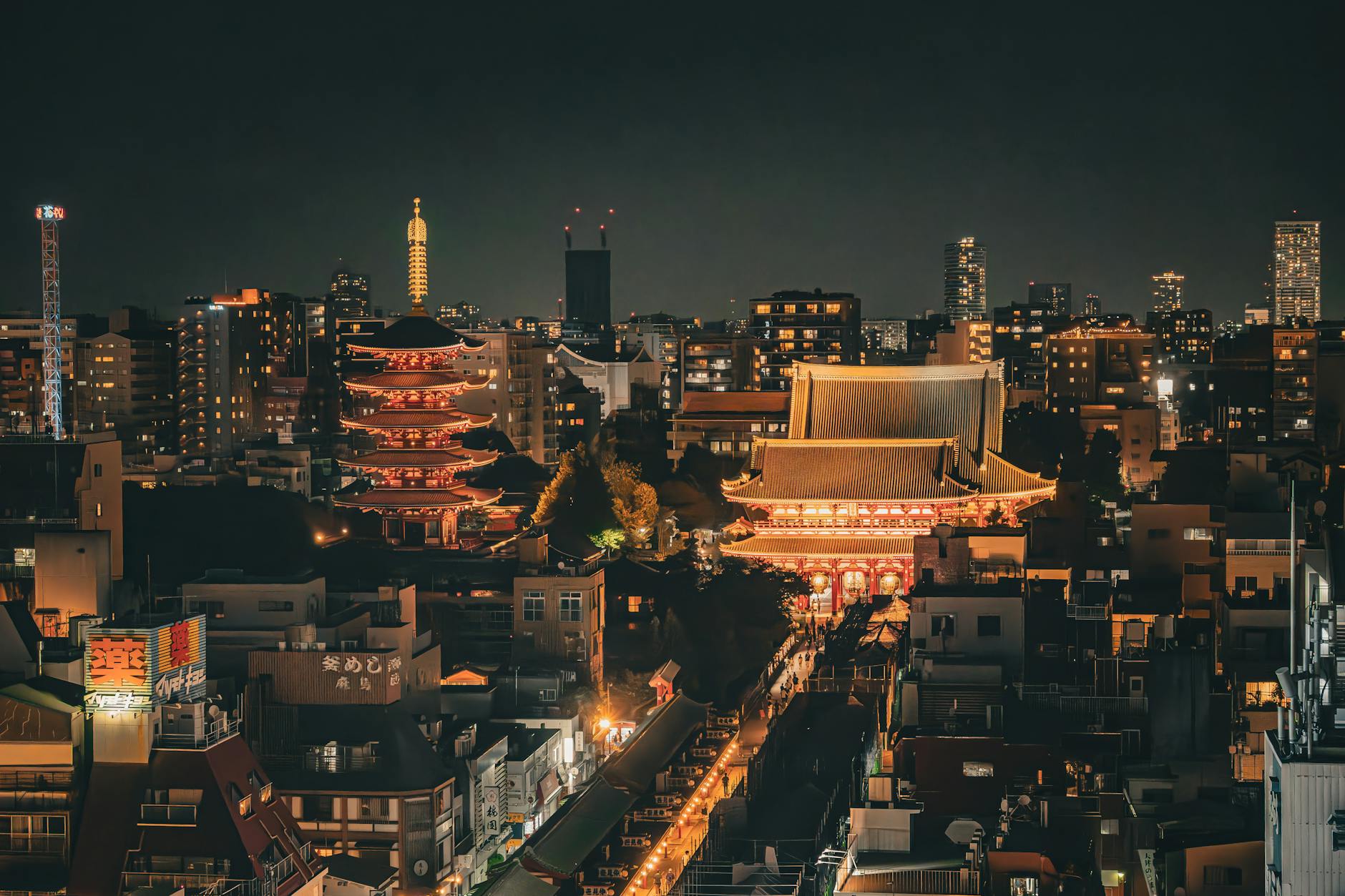
- Asakusa and Ueno: good value for traditional sights and cheaper guesthouses. Great for museum days in your 3-day plan.
- Shimokitazawa, Kichijoji, Nakameguro: quieter, local neighborhoods with boutique cafes and moderate prices; pleasant if you prefer low-impact stays.
Seasonal notes:
– Cherry blossom (late March–early April) and autumn leaf season (mid-Nov to early Dec) bring price spikes and crowds. Book 2–3 months ahead.
– Rainy season (June) and mid-winter (Jan–Feb) are lower-cost times to visit; still comfortable with fewer tourists.
Transport realities:
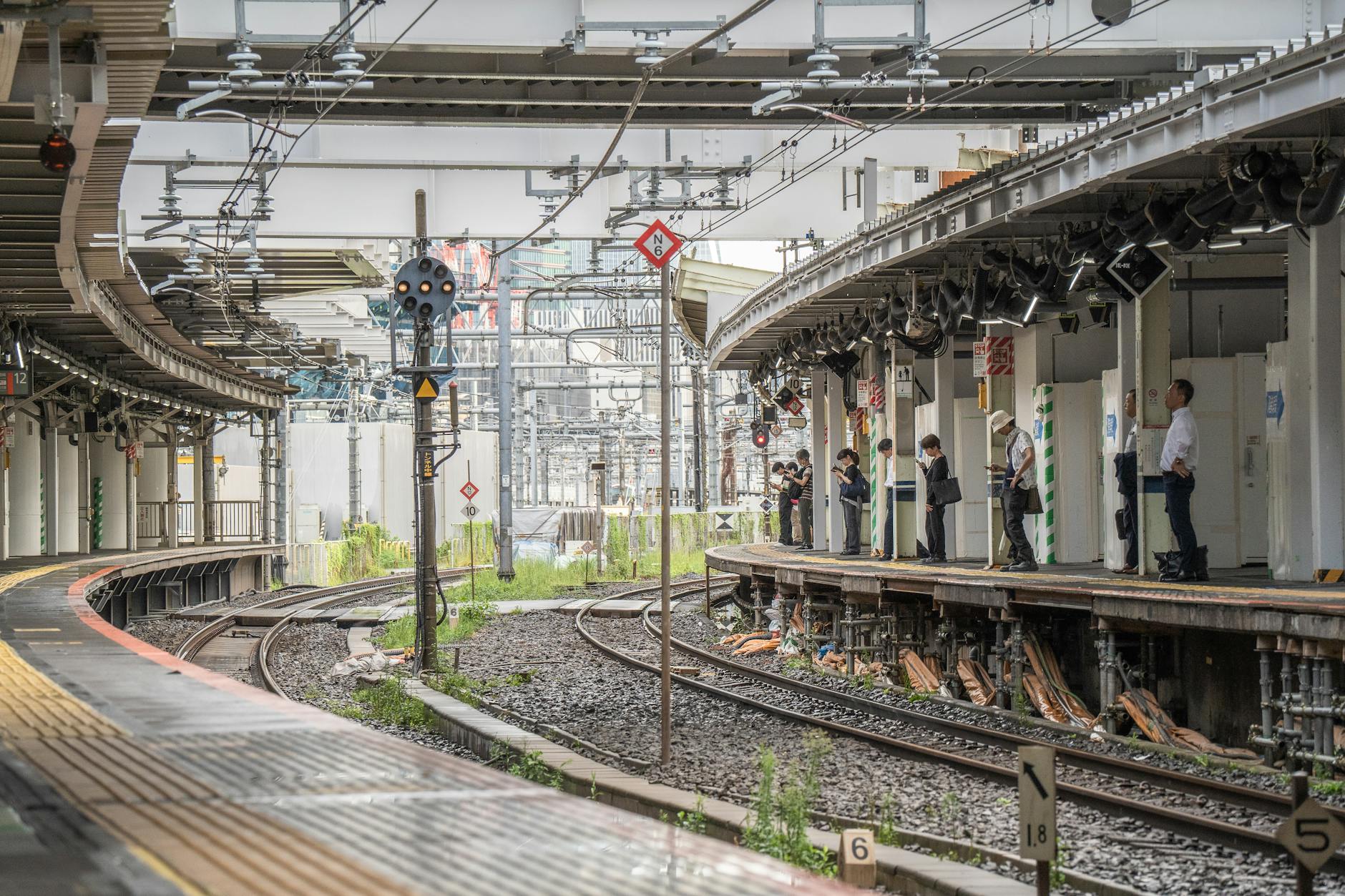
– Rush hours (weekday mornings ~7:30–9:30 and evenings ~17:00–19:00) are very crowded. Avoid long luggage during those windows.
– IC cards work across Tokyo and nearby cities like Yokohama and Kawasaki. Shinkansen and limited express tickets must be reserved separately.
How to Choose Well
Decide by asking three quick questions:
1) How many long-distance hops will I take? If none or only Yokohama/Kawasaki day trips, skip a national JR Pass. For Takayama or Hamamatsu, calculate single Shinkansen fares vs. a regional pass.
2) How do you value time vs. cost? Business hotels near major stations cost more but save morning transit time—useful for a packed 3-day plan.
3) How important is local experience? Choose smaller guesthouses in neighborhoods like Kichijoji or Nakameguro to support local businesses.
Practical filters when booking:
– Price, station proximity (within 10–15 minutes walk), luggage storage, and cancellation policy.
– Check if breakfasts are included—many business hotels add strong value.
– For eco-minded travelers, favor properties with reusable toiletries and waste separation policies.
Responsible and Local-First Tips
Sustainable choices that also save money:
- Use public transport and walk: reduces emissions and helps you discover small businesses.
- Spend locally: choose neighborhood cafes, family-run eateries, and small shops. A few extra yen circulates directly in the community.
- Avoid single-use plastics: carry a reusable bottle (many stations have refill points) and a cutlery set for takeout.
- Respect capacity limits and avoid visiting fragile sites during peak hours. Support small museums and community-run projects with paid entry when available.
- Consider off-peak travel windows (weekdays in shoulder months) to reduce crowding and get cheaper rates.
Common Mistakes to Avoid
Watch out for these frequent errors:
- Buying a national JR Pass without calculating extra-cost journeys. For a Tokyo-only 3-day trip, it's usually unnecessary.
- Over-relying on taxis. They are convenient but expensive and add little time advantage within central Tokyo.
- Underbooking during peak seasons: hotels fill fast for sakura and Golden Week.
- Expecting universal card acceptance: carry some cash; use 7-Eleven ATMs for international withdrawals.
- Packing big luggage without planning: coin lockers fill during peak times and trains have limited space during rush hours.
Small planning moves solve most issues: pre-buy a Suica, reserve hotels early, and use luggage forwarding (takkyubin) for hands-free travel.
FAQ
How much cash should I carry each day?
For most travelers, ¥5,000–¥10,000 per day covers food and small purchases; carry more if you plan to shop or dine at pricier restaurants. Credit and debit cards are widely accepted, but cash remains useful for small vendors and rural day trips.
Is the Japan Rail Pass useful for a 3-day Tokyo stay?
Generally no. If your trip includes long-distance travel to Takayama or Hamamatsu immediately before/after Tokyo, compare point-to-point Shinkansen fares and regional passes—sometimes regional passes pay off.
Cheapest ways to get from Narita and Haneda to central Tokyo?
From Narita: Keisei Skyliner (~36–41 min to Ueno), Narita Express (~60–90 min to Tokyo/Shinjuku), and cheaper local trains. From Haneda: Keikyu Line and Tokyo Monorail are fast and affordable. Consider booking airport transfer or reclaiming costs into your budget.
How can I save on meals without missing authentic food?
Eat at standing ramen counters, bakeries, and konbini bento for lunches. Visit depachika (department store food halls) for high-quality, affordable dinners. Look for set lunches (teishoku) at local restaurants.
Any etiquette I should budget for (tips, fees)?
Tipping is not customary. Service charges may appear at high-end restaurants but are rare. Carry cash for small temple donations or community-run attractions.
Can I use my IC card outside Tokyo?
Yes—Suica and Pasmo work across most major cities, including Yokohama and Kawasaki, but not on some limited express or private lines where separate tickets may be required.
Conclusion
A smart Tokyo budget balances time, comfort, and local impact. Base in a well-connected neighborhood, favor public transport and local eateries, and avoid unnecessary long-distance passes if your trip is Tokyo-centered. Use the 3 days in Tokyo itinerary to allocate time efficiently, and plan day trips to Yokohama, Kawasaki, or Chiba with single-ticket fares; consider regional passes only for longer hops to Hamamatsu or Takayama. With a few pre-booking steps and sustainable choices, you can keep costs reasonable while supporting local businesses and having an authentic experience.
How this guide was prepared
This guide was prepared through a structured research that combines destination research, geographic context, itinerary planning logic, and content review.