
Best Time to Visit Seoul — When to Go for Weather, Crowds, and Local Life
Practical, sustainable guidance on the best months to visit Seoul for sightseeing, food, festivals, and low-impact travel. Tips on neighborhoods, transport, holidays, and how this fits with a 3 days in Seoul itinerary.
Choose the right season for your 3-day Seoul itinerary: spring and autumn for mild weather and fewer crowds, winter for crisp cityscapes and budget deals, summer if you don’t mind heat and monsoon rains. Practical local tips for transport, booking, and responsible choices.
Quick Answer
Choose the right season for your 3-day Seoul itinerary: spring and autumn for mild weather and fewer crowds, winter for crisp cityscapes and budget deals, summer if you don’t mind heat and monsoon rains. Practical local tips for transport, booking, and responsible choices.
Who This Page Is For
This page is for travelers planning a stay in Seoul who want clearer decisions about best time to visit, local logistics, timing, budgeting, and practical trip planning.
How This Page Was Prepared
This page was prepared through a structured editorial workflow that combines destination research, geographic context, and practical travel-planning review.
Plan the Rest of Your Trip
Use this page together with the full itinerary and the related planning pages below to make better booking, timing, transport, and budget decisions.
Best overall months: mid-March to May and mid-September to November. These shoulder seasons give mild weather, clearer skies, and manageable crowds—ideal for a 3-day exploratory itinerary. Winter (December–February) offers clear air, lower prices, and festive illuminations but is cold. Summer (June–August) is hot and humid with a monsoon period in June–July; travel then is possible but expect rain and higher indoor crowds.
This page helps you pick which months and neighborhoods work best for the kind of Seoul trip you want. It assumes you may pair this with our main plan, 3 days in Seoul, and links naturally to nearby cities like Goyang, Incheon, Suigen, Busan, and Jeju if you want to extend your route. Advice favors low-impact choices—public transit, small local businesses, and times that avoid crowds when possible.
What This Page Helps You Decide
Use this page to choose dates that match weather tolerance, crowd comfort, and festival interests. It helps you decide:
- When to book your flights and hotels relative to Seoul’s holidays and festivals.
- Whether to prioritize museums and palaces (best in shoulder seasons) or winter markets and street food (best in winter).
- If you should add nearby stops like Goyang (day trip), Incheon (airport transit and coastal parks), Busan or Jeju (longer stays).
For concrete daily plans, pair your chosen dates with our 3 days in Seoul guide to pick neighborhoods and time your palace visits, market walks, and Han River rides.
Top Recommendations
Match your priorities to these seasonal picks:
- Best for sightseeing and comfortable weather: Late April–May and late September–October. Clear skies, pleasant temperatures, and good foliage or blossoms.
- Best for culture and food with fewer crowds: Early May weekdays and mid-November weekdays. Many museums and markets are quieter.
- Best for budget travel and winter atmospheres: December–February. Expect cold; look for hotel deals and enjoy winter treats like hotteok and indoor markets.
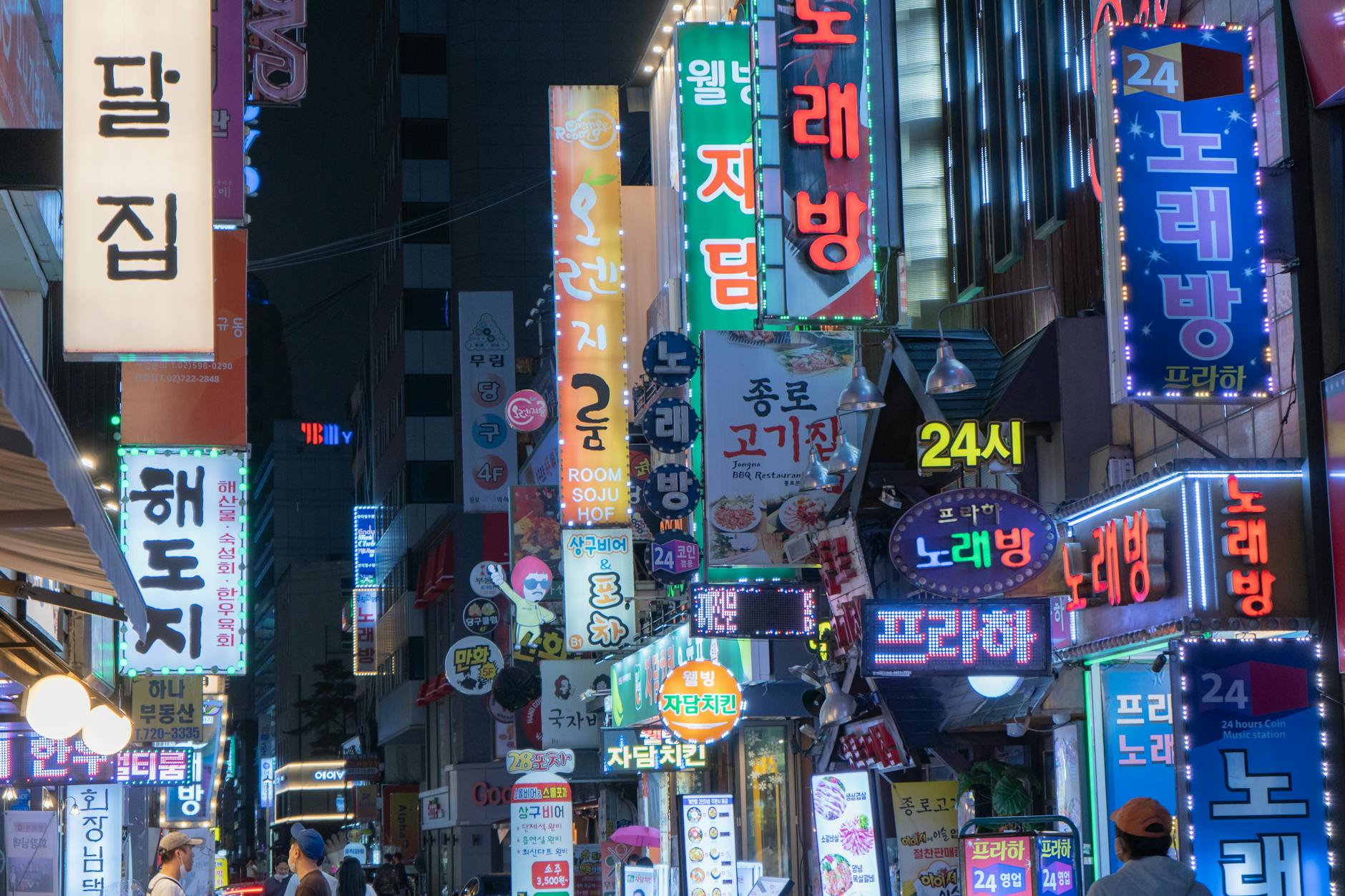
- Best for festivals and nightlife: Autumn festival season (Sept–Nov) and spring cultural events; avoid planning major travel during Seollal (Lunar New Year) and Chuseok (autumn harvest holiday) unless you want to experience the holidays and arrange reservations well in advance.
Neighborhood lodging tips:
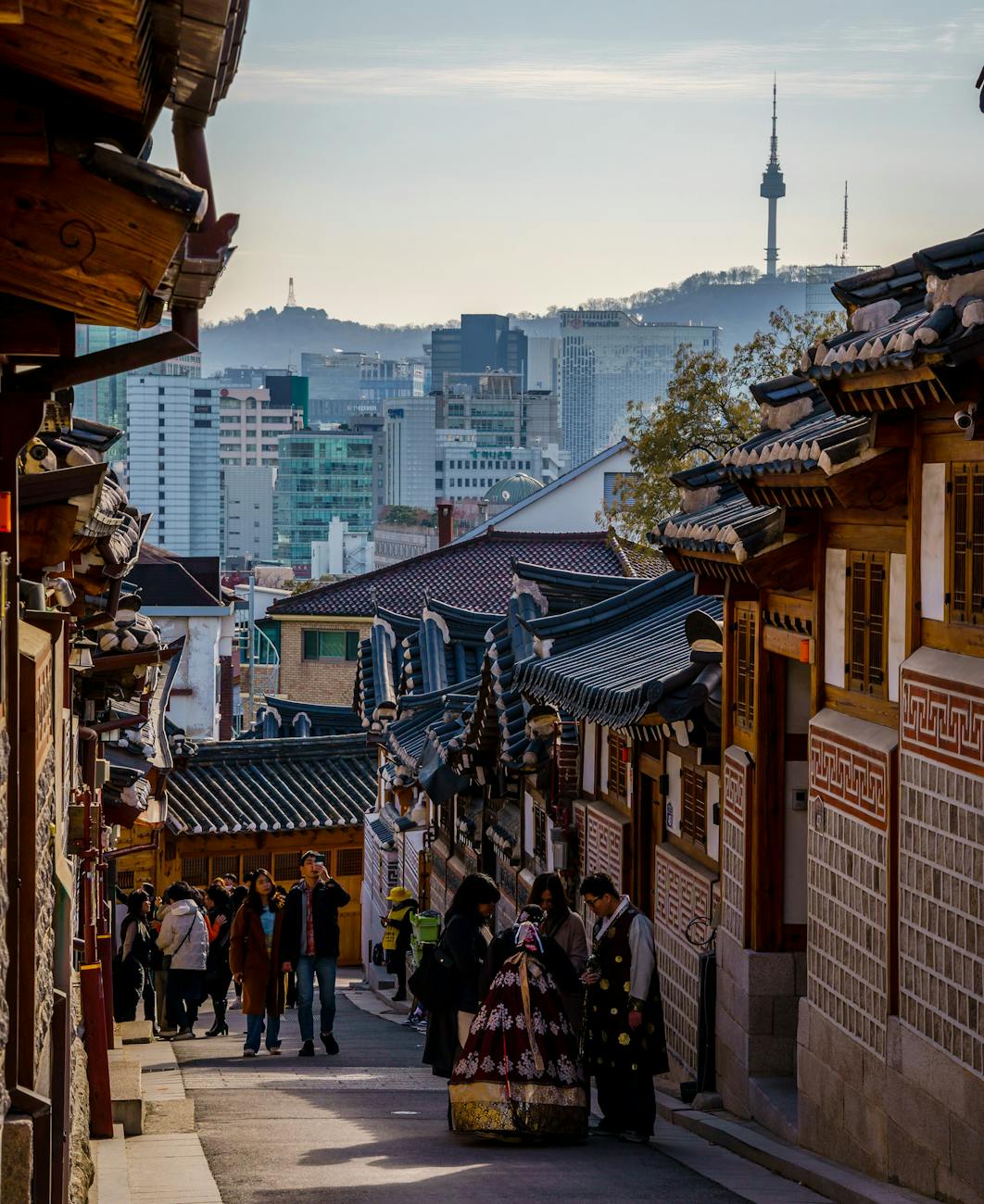
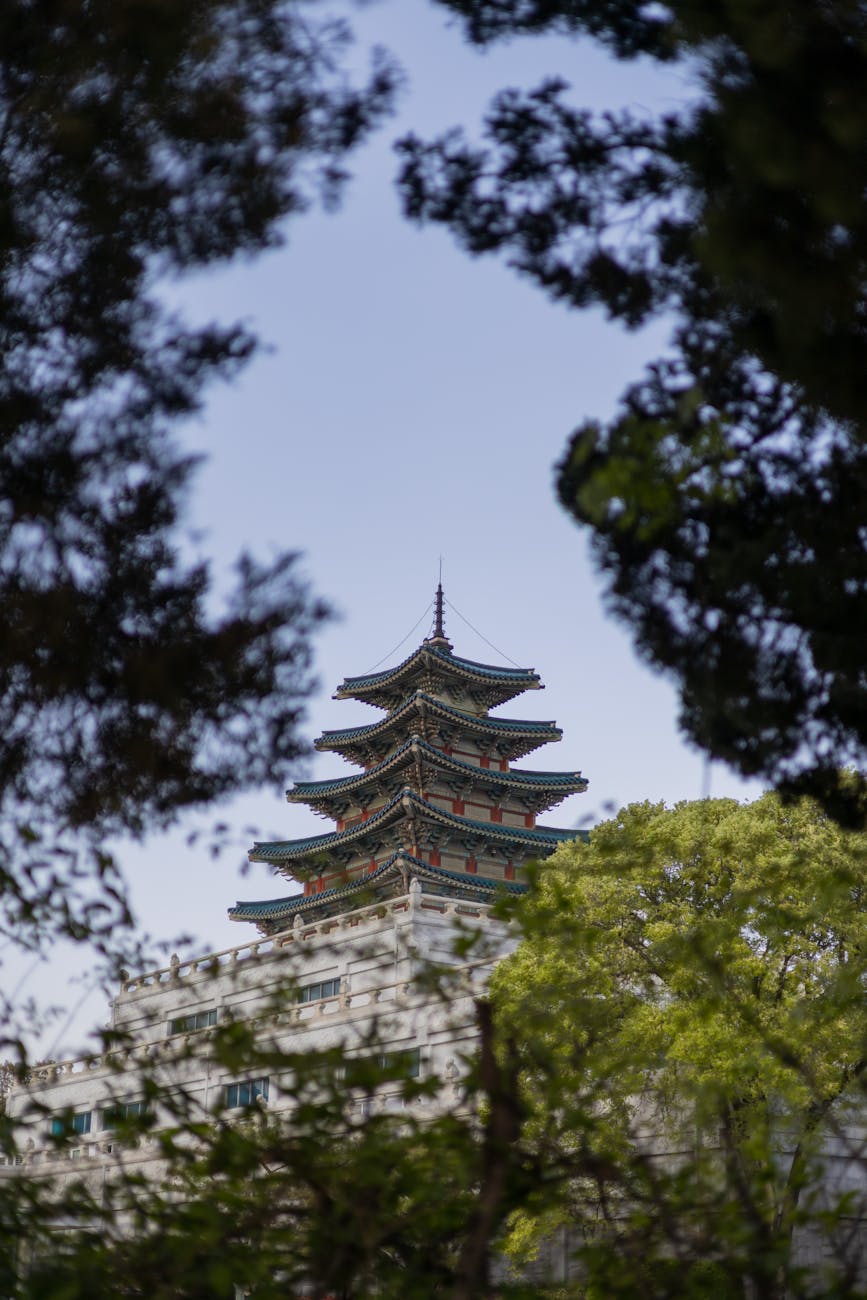
- Jongno / Insadong: Best for palaces and traditional culture—walkable to Gyeongbokgung and Bukchon.
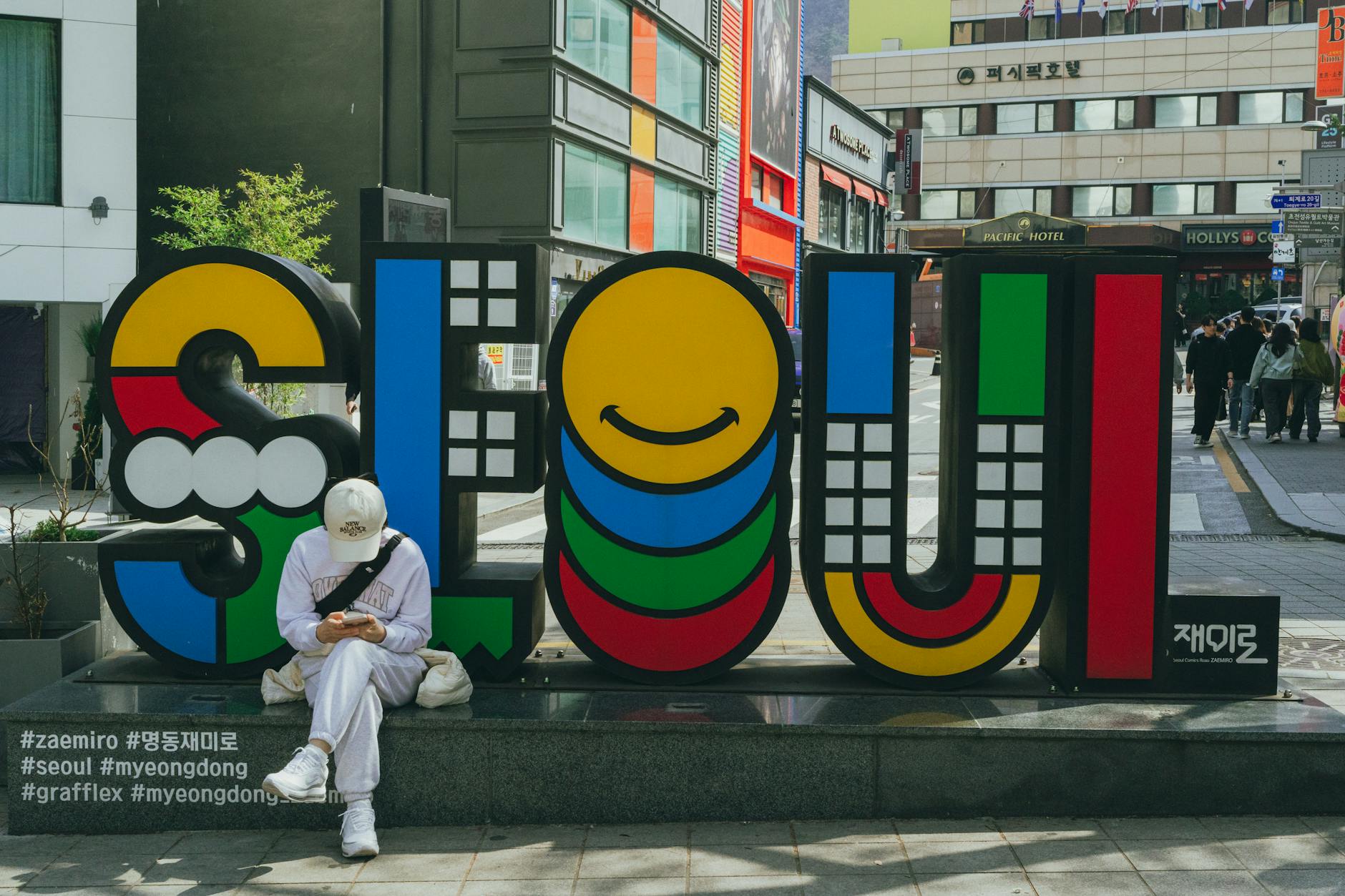
- Myeongdong / Chungmuro: Central for short itineraries and shopping; busier and tourist-oriented.
- Hongdae / Yeonnam-dong: Youthful cafés, live music, and local designers—good for evening food and local spending.
- Gangnam / Seongsu-dong: Modern Seoul, design cafés, and onward transport to southern stations for KTX to Busan or flights from Gimpo.
Booking tips:
- Reserve accommodation at least 6–8 weeks in shoulder seasons and 12+ weeks for peak holiday periods.
- Get a T-money card on arrival for seamless subway/bus travel. Use AREX from Incheon Airport or take the Airport Bus depending on luggage and budget.
Local Context
Seoul’s weather and rhythms are shaped by four distinct seasons. Spring has cherry blossoms and scattered rain; summer brings humidity and the jangma (monsoon) season with occasional heavy rain; autumn is cool with clear skies and strong foliage colors; winter is cold with occasional snow. Public holidays like Seollal and Chuseok cause intense domestic travel, shop closures, and higher hotel prices.
Transport realities:
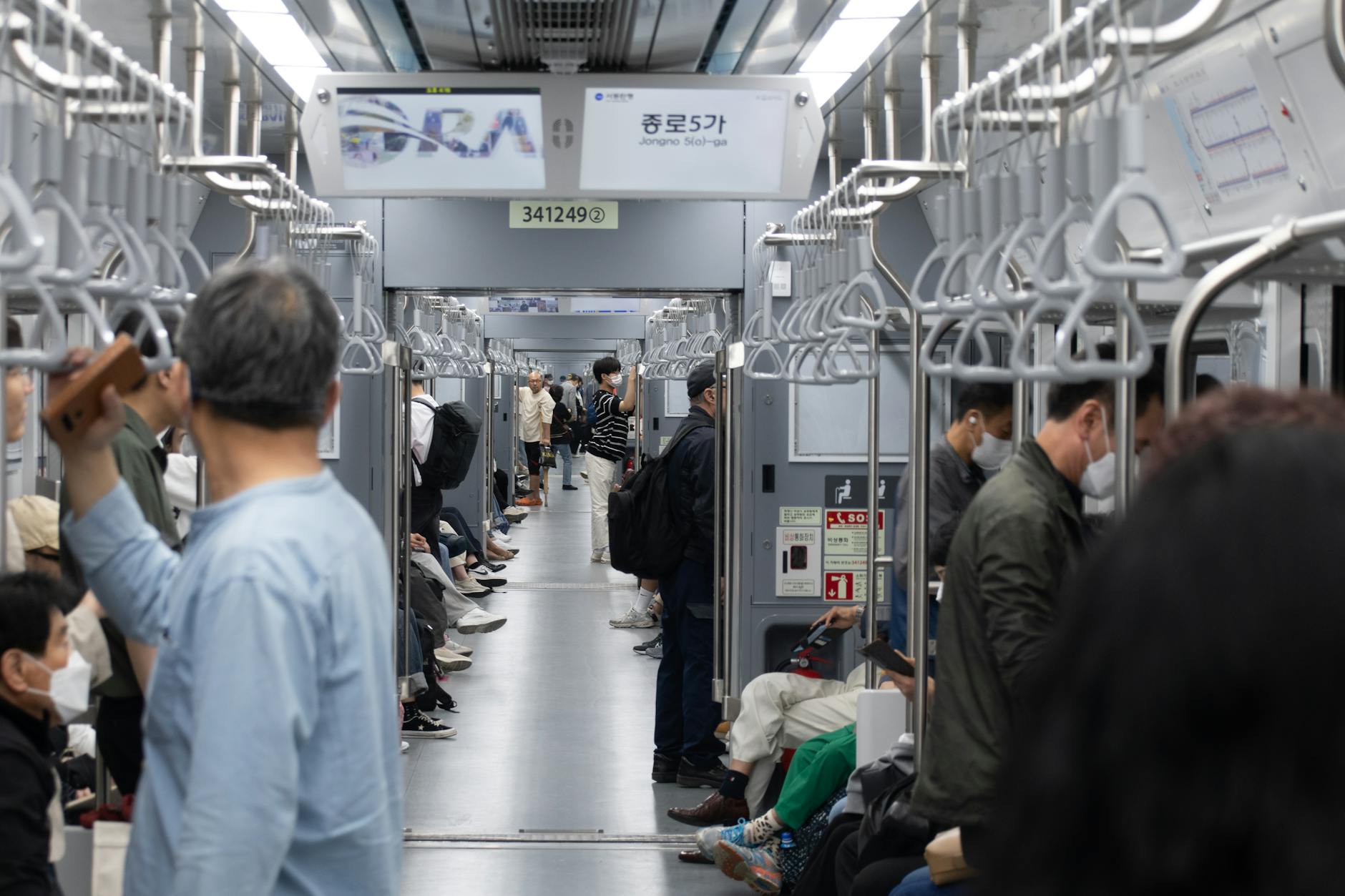
- The subway is extensive, fast, and the most reliable way to move between neighborhoods. Expect rush-hour crowding on weekdays (roughly 7:30–9:30 and 17:30–19:30).
- Incheon International Airport has AREX trains to Seoul Station and Gimpo for domestic flights to Busan and Jeju. KTX trains depart from Seoul Station and occasionally Yongsan for high-speed connections to Busan.
- Taxis are plentiful but surge during holidays and late-night weekends; prefer official taxis and contactless payment.
Local etiquette:
- Remove shoes at traditional guesthouses and some temples. Speak softly on public transit and avoid eating on the subway.
- When giving or receiving items, use both hands where possible—this is common polite practice.
- Support small businesses by buying from market vendors and independent cafés in neighborhoods like Seongsu-dong and Yeonnam-dong.
How to Choose Well
Decide using these practical filters:
- Time available: For a 3-day stay follow our 3 days in Seoul itinerary and pick shoulder-season dates for comfortable walking between palaces, markets, and neighborhood cafés.
- Weather tolerance: If you’re sensitive to heat and humidity, avoid June–August. If you enjoy winter cityscapes and indoor food culture, pick December–February.
- Crowd tolerance: Avoid national holidays and weekends in peak cherry blossom windows and major autumn weekends if you want quieter palaces and markets.
- Budget: Winter and late summer can offer lower airfares and hotel deals, but check domestic holiday timing.
Practical booking sequence:
1. Lock flights around your chosen season. 2. Reserve a centrally located base (Jongno, Myeongdong, or Hongdae) for short trips. 3. Buy a T-money card at the airport convenience store. 4. Book any palace or museum timed entry in advance for peak days.
Responsible and Local-First Tips
Make choices that benefit local people and reduce impact:
- Use public transit, walk, or rent a shared bike along the Han River instead of relying on taxis.
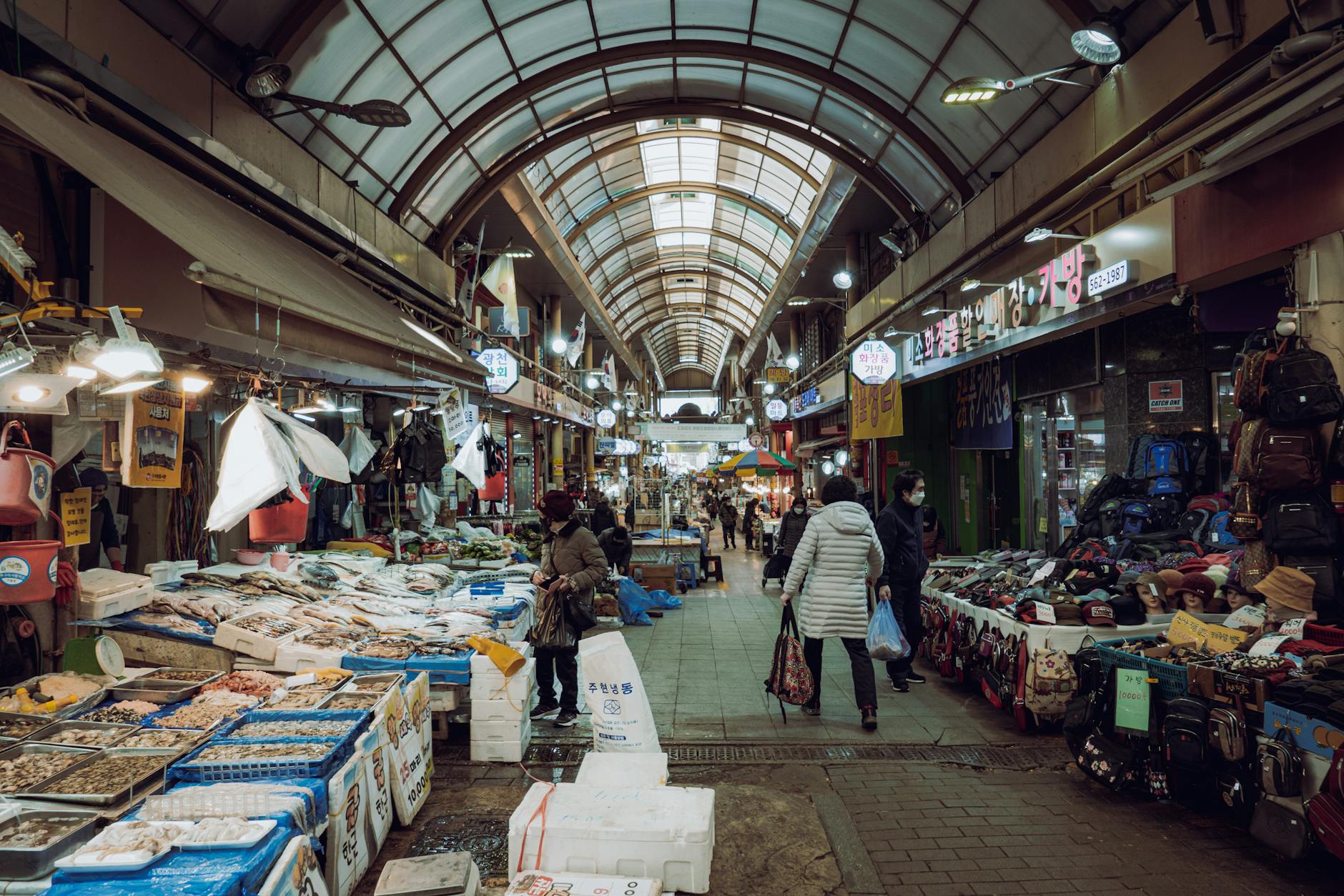
- Eat at market stalls, small family-run restaurants, and local cafés to keep spending in neighborhood economies—Gwangjang Market and Mangwon Market are great examples.
- Choose small guesthouses, hanok stays, or locally owned B&Bs rather than large international chains when possible.
- Travel off-peak when sites are less crowded; this spreads tourist income across the year and reduces strain on local infrastructure.
- Pack reusable cutlery, a lightweight tote for market shopping, and a refillable water bottle—many cafés offer filtered water.
Respectful behavior:
- Ask before photographing people closely, especially in domestic settings.
- Follow posted rules at shrines and temples, and observe quiet zones in memorial sites.
Common Mistakes to Avoid
Save time and money by avoiding these missteps:
- Booking during Seollal or Chuseok without checking opening hours and train availability. Many shops close and intercity trains fill weeks in advance.
- Underestimating Seoul’s summer humidity—carry water and schedule indoor museum or cafe breaks for the hottest afternoons.
- Staying only in one tourist district (e.g., Myeongdong) and missing diverse neighborhood experiences in Seongsu-dong, Yeonnam-dong, and Ikseon-dong.
- Relying on cash only—while cash is accepted, T-money and cards are far more convenient for transit and many vendors.
- Not reserving popular palace or hanbok rental times in peak blossom or foliage windows; bookings fill quickly on weekends.
FAQ
When are cherry blossoms in Seoul?
Cherry blossoms usually peak from late March to mid-April depending on the year and temperature. Blossom timing varies; check forecasts a few weeks before travel and avoid planning only on the peak day—blossom panels can be crowded.
Is autumn or spring better for a first visit?
Both are excellent. Spring brings blossoms and lighter crowds early on; autumn offers clearer skies and dramatic foliage. For walking around palaces and neighbourhoods comfortably, choose April or October.
Should I worry about Seoul’s monsoon season?
Expect increased rain in June–July. It’s manageable with flexible indoor plans (museums, markets, cafés). Bring waterproof shoes and a compact umbrella.
Are hotels and attractions closed during Seollal or Chuseok?
Some small businesses and museums close; public transport runs but trains and buses are extremely busy. If you want to experience local holidays, book transportation and accommodation well in advance.
What transport card should I get?
Get a T-money card at the airport convenience store or subway station for seamless payment on subways, buses, some taxis, and certain cafes. Load with cash and top up at machines or convenience stores.
Can I day-trip to Busan or Jeju from Seoul?
Busan is reachable by KTX in about 2.5–3 hours—ideal for an overnight or extended trip. Jeju requires a flight (from Gimpo or Incheon) and is best as a multi-day stop. Pair these with longer itineraries rather than a short 3-day Seoul stay.
Conclusion
For a 3-day visit, pick mid-spring (April–early May) or mid-autumn (late September–October) for the most comfortable, low-impact experience. Book neighborhoods that fit your pace—Jongno for culture, Hongdae for youth and nightlife, Gangnam for modern Seoul—and use public transit, local eateries, and small guesthouses to keep your visit sustainable and beneficial to the local economy. If you need a daily plan once your dates are set, see our companion page 3 days in Seoul for a neighborhood-focused itinerary and suggested day trips to Goyang, Incheon, Suigen, Busan, or Jeju.
How this guide was prepared
This guide was prepared through a structured research that combines destination research, geographic context, itinerary planning logic, and content review.