
Where to Stay in Seoul: Neighborhoods, Practical Tips & Local-First Choices
Decide where to stay in Seoul with neighborhood-by-neighborhood advice, transport realities, sustainable options, and quick links to a 3-day Seoul itinerary and nearby destinations.
Practical, low-impact advice to pick the best neighborhood for your 3-day Seoul plan. Includes transit realities, seasonal tips, hanok and guesthouse options, and how to support local businesses.
Quick Answer
Practical, low-impact advice to pick the best neighborhood for your 3-day Seoul plan. Includes transit realities, seasonal tips, hanok and guesthouse options, and how to support local businesses.
Who This Page Is For
This page is for travelers planning a stay in Seoul who want clearer decisions about where to stay, local logistics, timing, budgeting, and practical trip planning.
How This Page Was Prepared
This page was prepared through a structured editorial workflow that combines destination research, geographic context, and practical travel-planning review.
Plan the Rest of Your Trip
Use this page together with the full itinerary and the related planning pages below to make better booking, timing, transport, and budget decisions.
First-time visitors: base yourself in Jongno (near Gyeongbokgung/Insadong) or Myeongdong for easy access to core sights and Metros. Young, budget, or nightlife-focused travelers: Hongdae or Hapjeong. Business travelers or those wanting modern Seoul: Gangnam/COEX. Diverse dining and international feel: Itaewon. For a quieter, local-first base: Seochon or Yeonnam-dong.
If you’re following the 3-day Seoul itinerary, aim for a hotel or guesthouse within one or two subway transfers of City Hall (Lines 1/2) to limit time spent on trains.
This page helps you pick where to stay in Seoul based on how you plan to use your time, your travel style, and the sustainable choices you want to make. It’s written to support the 3 days in Seoul itinerary — if you’re following that plan, pick a base that minimizes transit time to your top sights. Nearby destinations like Goyang, Incheon, Suigen, Busan, and Jeju are easy add-ons by train or plane; choose accommodation that makes these day trips or transfers simple.
What This Page Helps You Decide
This support page helps you choose a neighborhood based on:
- Priorities: sightseeing, nightlife, family time, or business meetings.
- Transport: subway access, transfer times to Incheon Airport or KTX stations for Busan/Jeju.
- Accommodations: hanok guesthouses, small guesthouses, mid-range hotels, and larger international hotels.
- Season and crowd levels: best shoulder-season picks to reduce impact and avoid heavy crowds.
Use these outcomes to pick a stay that aligns with the 3-day Seoul itinerary or makes day trips to nearby cities simple.
Top Recommendations
Neighborhood picks with who they suit and why:
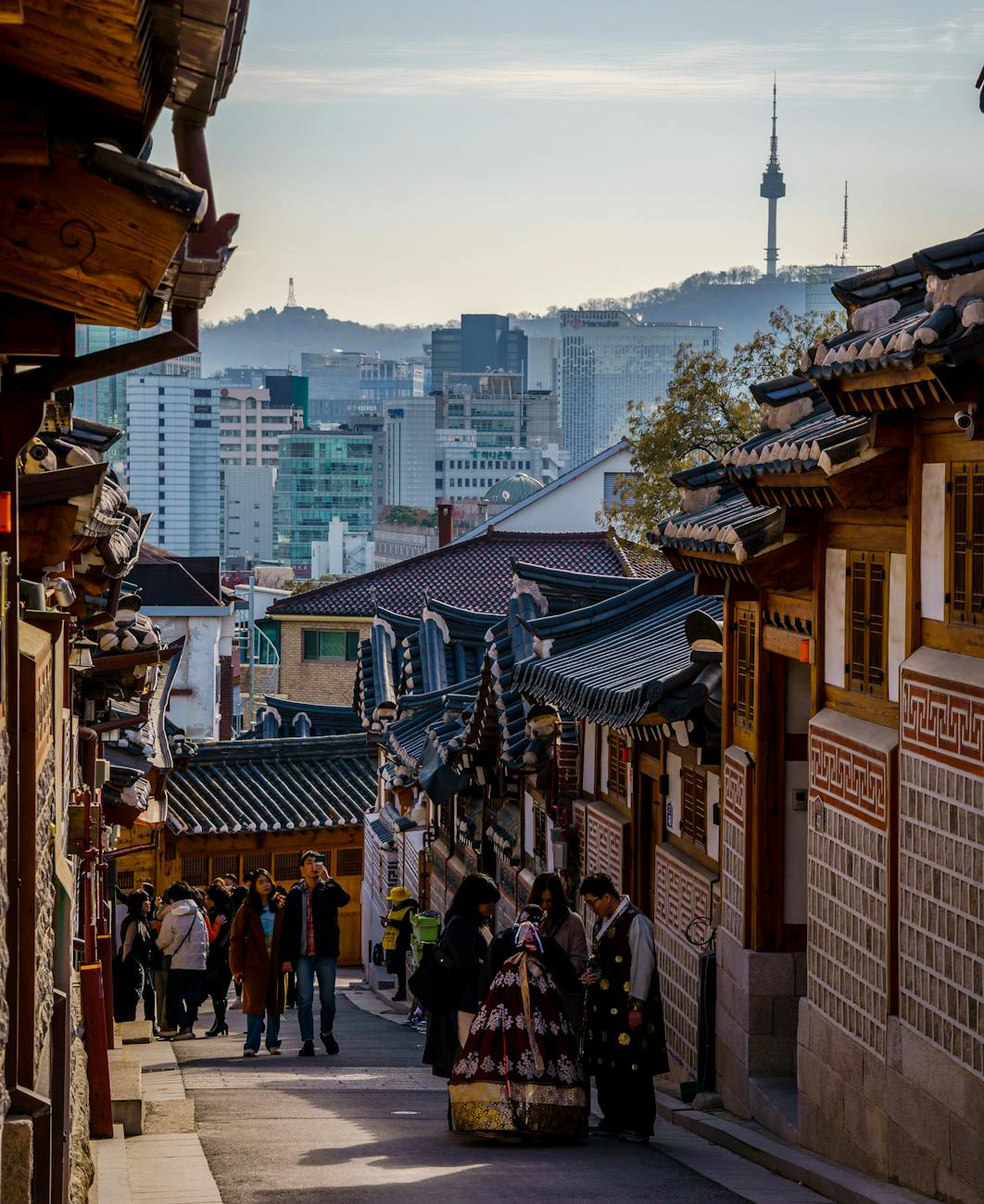
- Jongno / Gyeongbokgung / Insadong: Best for first-timers who want historic Seoul and short walks to museums and palaces. Quiet mornings in hanok areas if you choose a guesthouse.
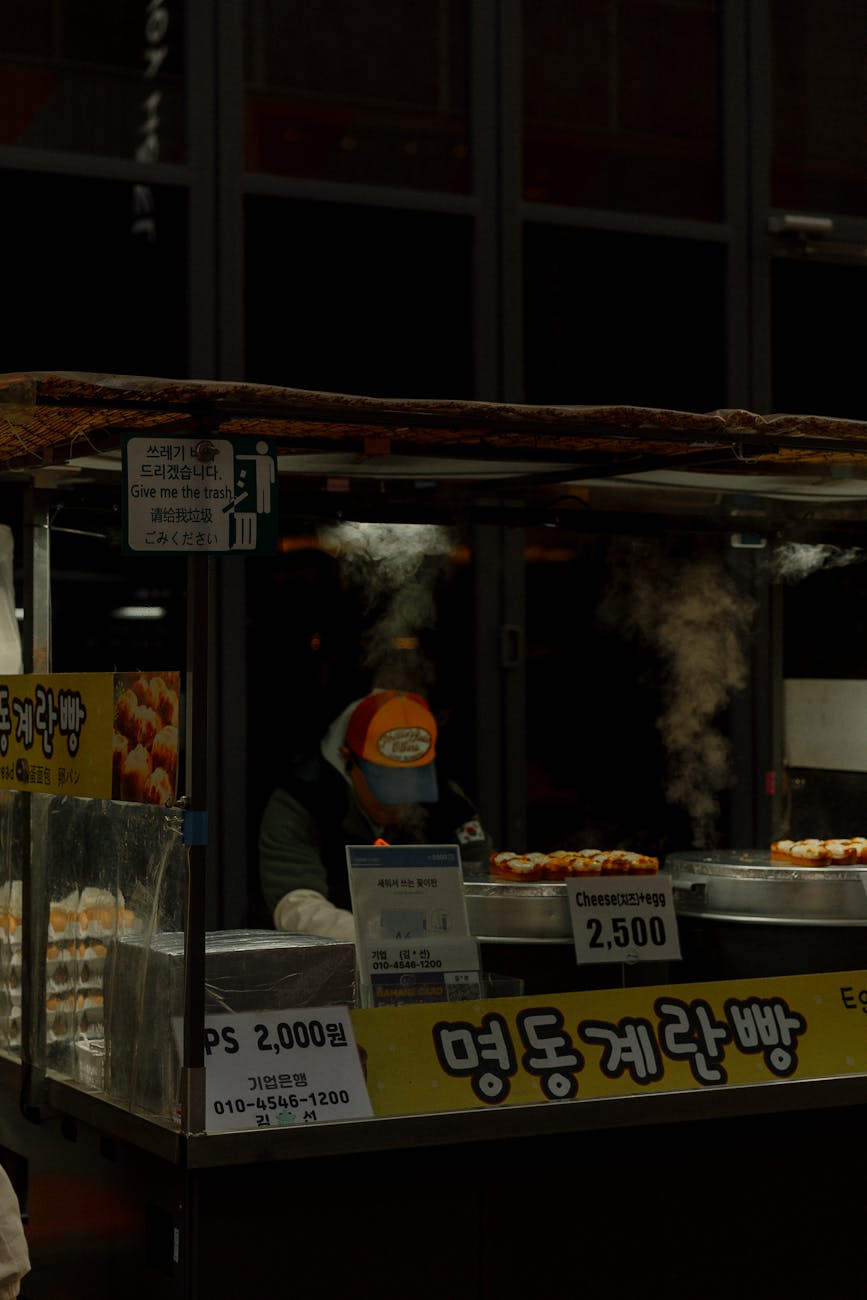
- Myeongdong / City Hall: Great for shopping, central Metro links, and easy access to the 3-day loop. Busy at night; prefer shoulder-season stays to avoid peak crowds.
- Hongdae / Yeonnam-dong: Young, artsy, and lively. Excellent for budget stays, street food, and indie cafes. Good for late nights but quieter pockets are available (Yeonnam-dong).
- Gangnam / Samseong (COEX): Best for business travelers and upscale shopping. Good subway links (Line 2, Bundang Line); expect taller hotel prices.
- Itaewon: International dining, LGBTQ+-friendly, convenient for late flights. Good for travellers who want global cuisine and nightlife.
- Seochon / Buam-dong: Local-first, small restaurants, traditional shops, and a slower pace—ideal for travelers who prefer neighborhood discovery over downtown bustle.
Booking advice: for shoulder-season visits (April–May, September–November) reserve 4–6 weeks ahead. For peak cherry blossom and autumn foliage weekends, book 2–3 months ahead. Filter for properties with flexible cancellation when travel plans include nearby day-trips.
Local Context
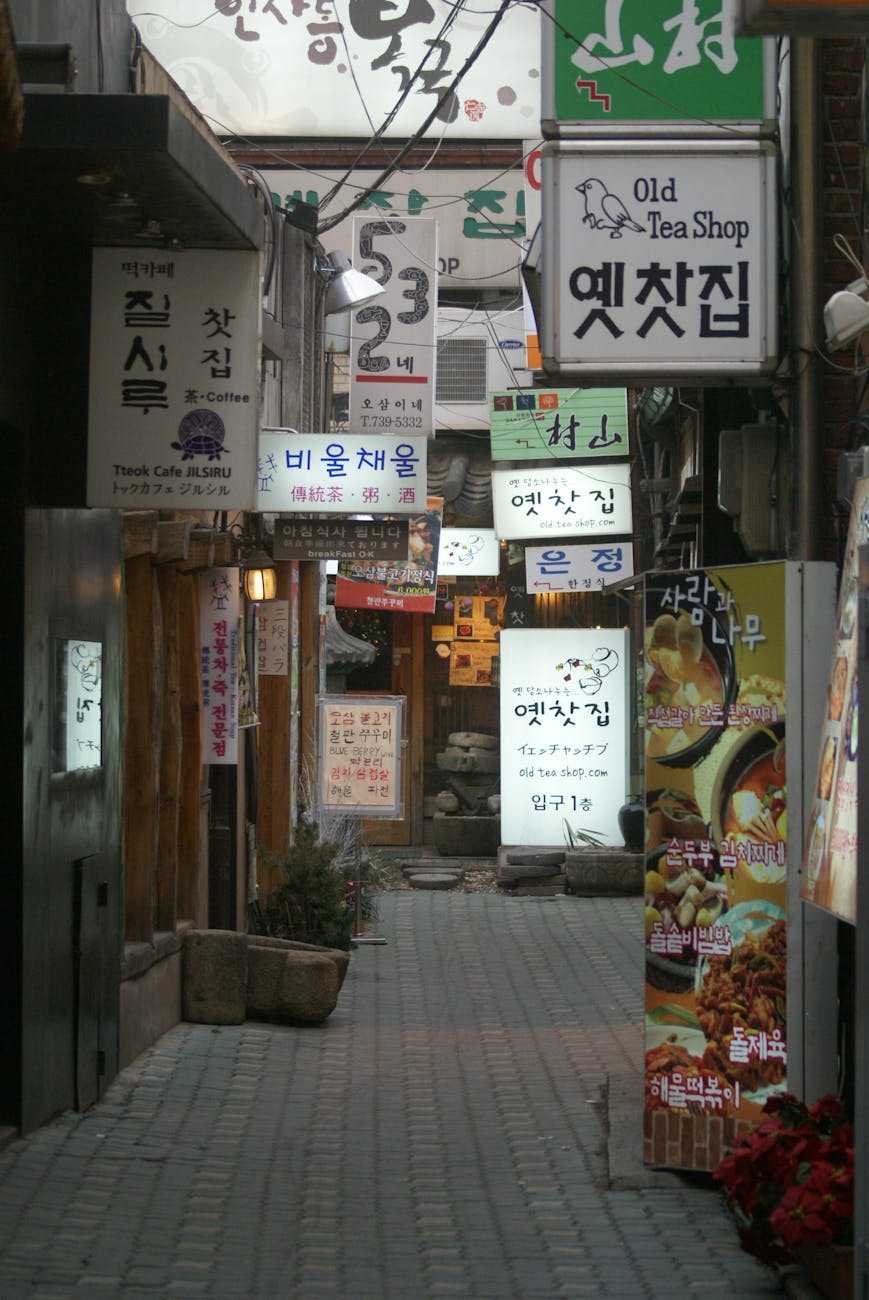
Seoul is dense but highly walkable along subway corridors. The Metro runs broadly from ~5:00 to ~24:00; late-night travel relies on taxis or night buses. T-money transit cards are accepted on buses, subways, and most taxis.
Seasonal notes:
– Spring (Apr–May) and autumn (Sep–Nov) are shoulder seasons with comfortable weather and fewer crowds.
– Summers are hot and humid with occasional heavy rain; pick air-conditioned accommodations and plan indoor museum time.
– Winter can be cold and dry; choose centrally heated lodging.
Accommodation types: hanok guesthouses for cultural stays, minbak/guesthouses for budget options, boutique hotels in older neighborhoods, and international chains in business districts. Respect local noise norms—buildings can be thin, especially in older hanok areas.
How to Choose Well
Checklist to narrow choices quickly:
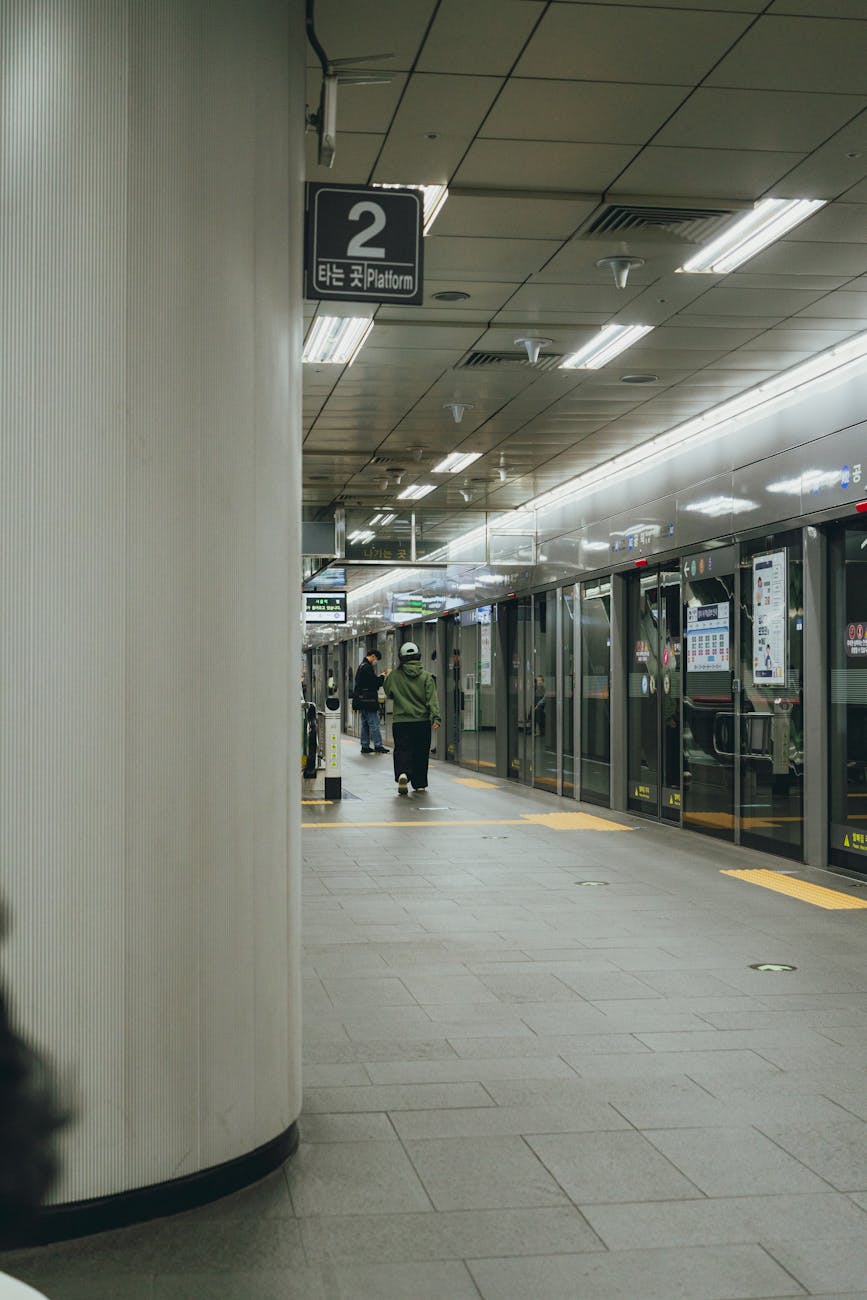
- Transit proximity: pick a place within a 5–10 minute walk of a subway station on a main line (Line 1, 2, 3, 4, or Airport Railroad) for mobility.
- Transfer needs: if you plan a day trip to Busan or Jeju, consider staying near Seoul Station or a direct Airport Railroad link.
- Noise and comfort: check reviews for soundproofing and elevator access if mobility is a concern.
- Local ownership: favor guesthouses or small hotels that support local businesses; hanok stays often benefit homeowners directly.
- Sustainability filters: look for hotels with energy-saving policies, waste reduction, and local-sourcing statements.
- Booking timing: use refundable rates for uncertain travel and book earlier for cherry blossom and autumn weekends.
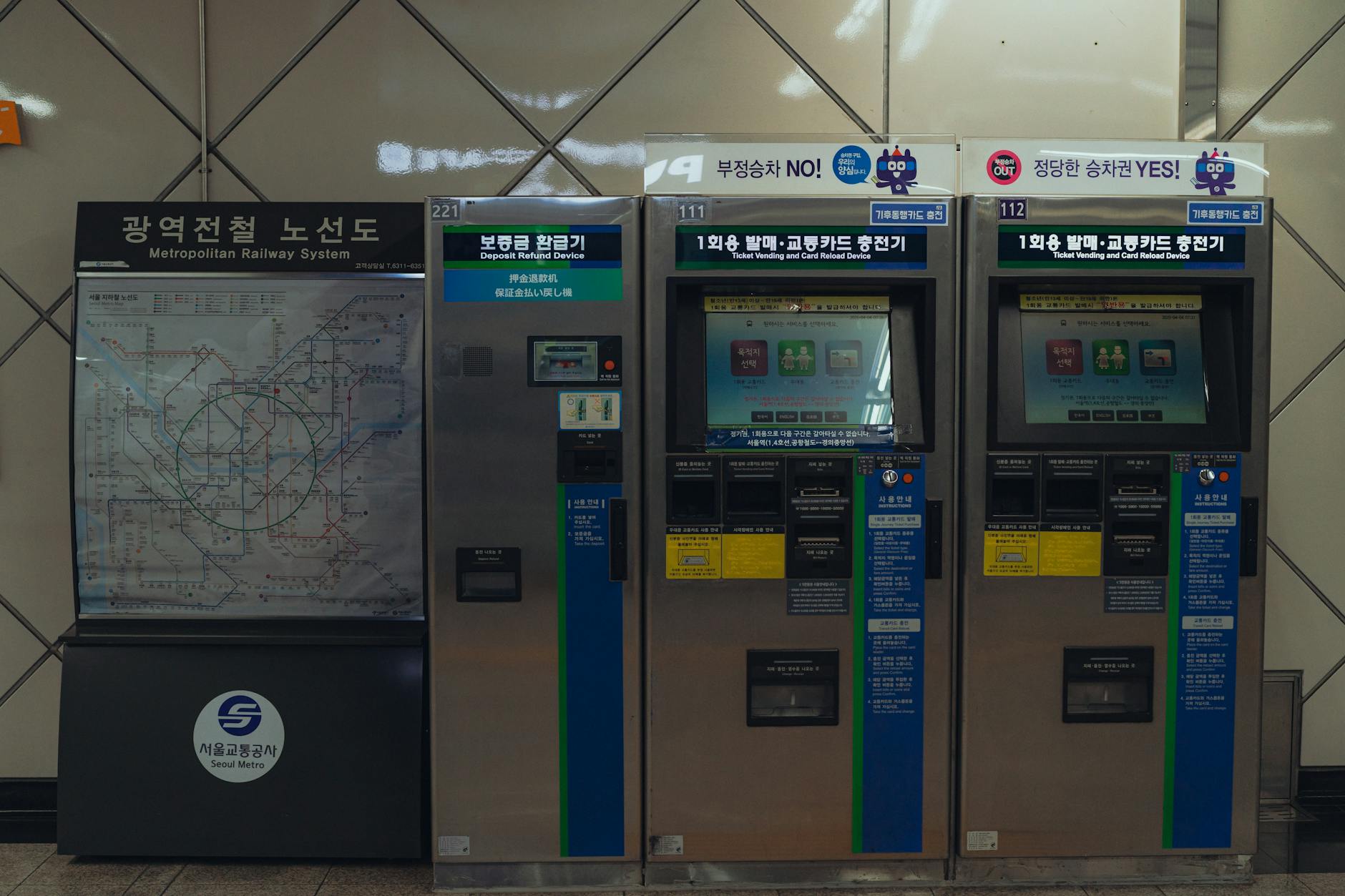
Practical tip: use the Seoul subway map to estimate door-to-door times rather than straight-line distance.

Responsible and Local-First Tips
Support local economies and reduce impact:
- Eat at neighborhood restaurants and markets (Gwangjang, Tongin) rather than international chains.
- Choose hanok guesthouses and family-run guesthouses to keep tourism dollars local.
- Travel off-peak: shift city visits to weekday mornings or shoulder seasons to avoid crowding fragile sites like Bukchon.
- Use public transport and walk between nearby sights. When taking taxis, prefer licensed cabs or ride apps with clear pricing.
- Reduce waste: bring a reusable bottle and shopping bag; many cafes will fill bottles and markets accept small bags.
Cultural note: Korean hosts value politeness—remove shoes in hanok and smaller guesthouses, and speak softly in shared spaces.
Common Mistakes to Avoid
- Booking 'Myeongdong' without checking which side of the district you’re on—some blocks are far from the subway.
- Choosing Gangnam thinking it's 'central'—it’s well connected but farther from north-side palaces and Insadong.
- Underestimating transfer times to Seoul Station or Incheon Airport when planning early trains or flights.
- Expecting English fluency everywhere; have addresses in Korean (ask your hotel to prepare a card) for taxis and directions.
- Overlooking quiet hanok areas for cheap prices only—they may have stricter house rules and stairs.
- Relying on late-night subway travel—the Metro stops around midnight, so plan for taxis or night buses if out late.
FAQ
What’s the best neighborhood for a 3-day Seoul itinerary?
Jongno/Myeongdong areas are the most time-efficient. They sit within short subway or walking distance of main attractions listed in the 3 days in Seoul itinerary.
Is Seoul safe to walk at night?
Yes—Seoul is generally safe. Standard precautions apply: watch belongings, avoid poorly lit side streets, and use licensed taxis for late-night travel.
Can I stay in a hanok? Are there downsides?
Yes. Hanok stays offer cultural immersion and support local owners. Downsides can include stairs, thin walls, and stricter house rules (no shoes indoors, quiet hours).
How do I get from Incheon Airport to central Seoul?
Options: Airport Railroad (AREX) express or all-stop trains to Seoul Station, intercity buses, or taxis. AREX is reliable; book a later taxi if arriving after midnight.
Do hotels provide local transit cards?
Many hotels or convenience stores sell or top-up T-money cards. You can also buy them at subway stations and convenience stores.
When should I book for cherry blossom or autumn peak weekends?
At least 2–3 months ahead for good location and price. For shoulder seasons, 4–6 weeks is often sufficient.
Are there family-friendly neighborhoods?
Yes—Gangnam, Seodaemun (near Seoul Station), and the northern Han River parks are family-friendly with parks and larger hotel rooms.
How do I support local businesses during my stay?
Eat at neighborhood restaurants, buy souvenirs from small shops and markets, and book local-guided experiences rather than large international tours.
Conclusion
Choose a base that minimizes transit time for your 3-day Seoul plan and aligns with your travel values. For concentrated sightseeing follow the 3 days in Seoul itinerary from Jongno or Myeongdong; pick Hongdae or Gangnam if your priorities are nightlife or business. Favor hanok and family-run guesthouses to keep tourism benefits local, and travel in shoulder seasons where possible to reduce crowding. If you plan day-trips, confirm proximity to Seoul Station or the Airport Railroad for easy connections to Goyang, Incheon, Suigen, Busan, and Jeju.
How this guide was prepared
This guide was prepared through a structured research that combines destination research, geographic context, itinerary planning logic, and content review.