
Best Things to Do in Seoul — Practical, Local-First Guide
A practical, low-impact guide to the best things to do in Seoul: neighborhoods, markets, parks, cultural sites, day trips, transport tips, and sustainable recommendations to pair with our 3 days in Seoul itinerary.
Quick, practical choices for first-time and returning travelers who want authentic food, neighborhood walks, markets, parks, and easy day trips from Seoul — with sustainable, low-impact tips and booking notes to pair with the 3 days in Seoul itinerary.
Quick Answer
Quick, practical choices for first-time and returning travelers who want authentic food, neighborhood walks, markets, parks, and easy day trips from Seoul — with sustainable, low-impact tips and booking notes to pair with the 3 days in Seoul itinerary.
Who This Page Is For
This page is for travelers planning a stay in Seoul who want clearer decisions about things to do, local logistics, timing, budgeting, and practical trip planning.
How This Page Was Prepared
This page was prepared through a structured editorial workflow that combines destination research, geographic context, and practical travel-planning review.
Plan the Rest of Your Trip
Use this page together with the full itinerary and the related planning pages below to make better booking, timing, transport, and budget decisions.
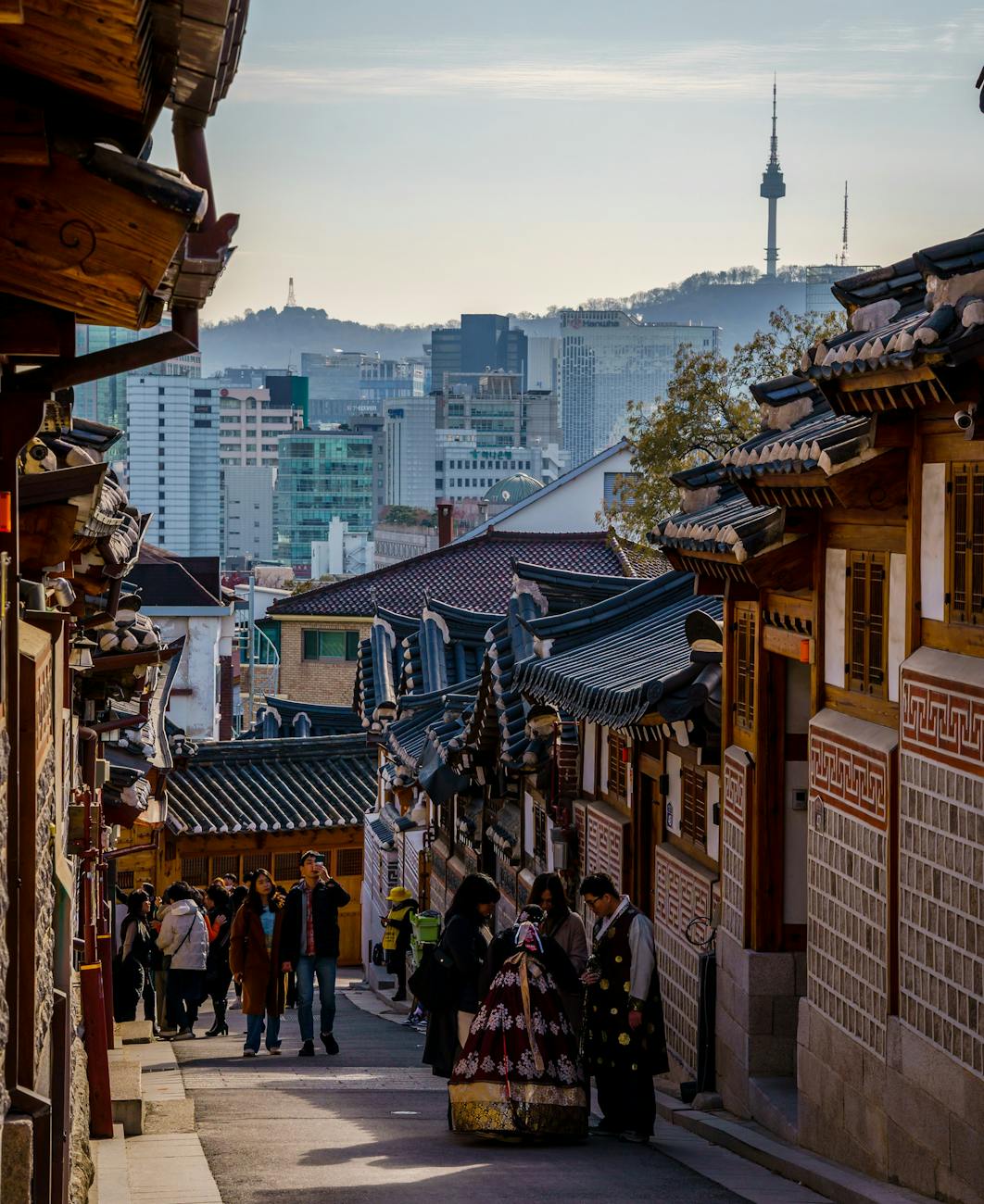
If you have limited time, focus on: a palace visit (Gyeongbokgung) and Bukchon for history and hanok streets; Insadong and Gwangjang Market for food and crafts; Hongdae or Myeongdong for youthful energy and street food; an evening walk or picnic on Hangang Park; and a half-day hike in Bukhansan for a nature break. Use public transit (T-money), book palace time slots in peak season, and pair this list with the 3 days in Seoul itinerary for pacing.
Seoul is a compact, layered city where traditional palaces, bustling markets, contemporary design, and leafy riverside parks sit within short subway rides of each other. This page gives clear, low-impact choices you can plug into a main itinerary like our 3 days in Seoul guide, or use to extend your stay with short trips to nearby cities such as Goyang, Incheon, Suigen, Busan, or Jeju.
Expect efficient public transit, walkable neighborhoods, and strong seasonal differences: spring and autumn are best for comfortable walking, summer brings heat and monsoon showers, and winter is cold with occasional snow. Read on for neighborhood-led recommendations, transport realities, and practical booking and etiquette tips that favor local businesses and low-impact travel.
What This Page Helps You Decide
Use this page to:
- Choose activities that fit your pace: slow cultural mornings, market afternoons, and relaxed riverside evenings.
- Decide which neighborhoods to prioritize depending on interests: history/art (Jongno/Bukchon/Insadong), nightlife/young culture (Hongdae/Hapjeong), design and coffee (Seongsu), or shopping (Myeongdong/Dongdaemun).
- Pick responsible options that support small vendors and reduce impact: local eateries, markets, public transit, and non-motorized exploration.
If you want a suggested schedule, see our main 3 days in Seoul guide for a day-by-day plan you can swap activities in and out from this list.
Top Recommendations
Priority picks by interest and time:
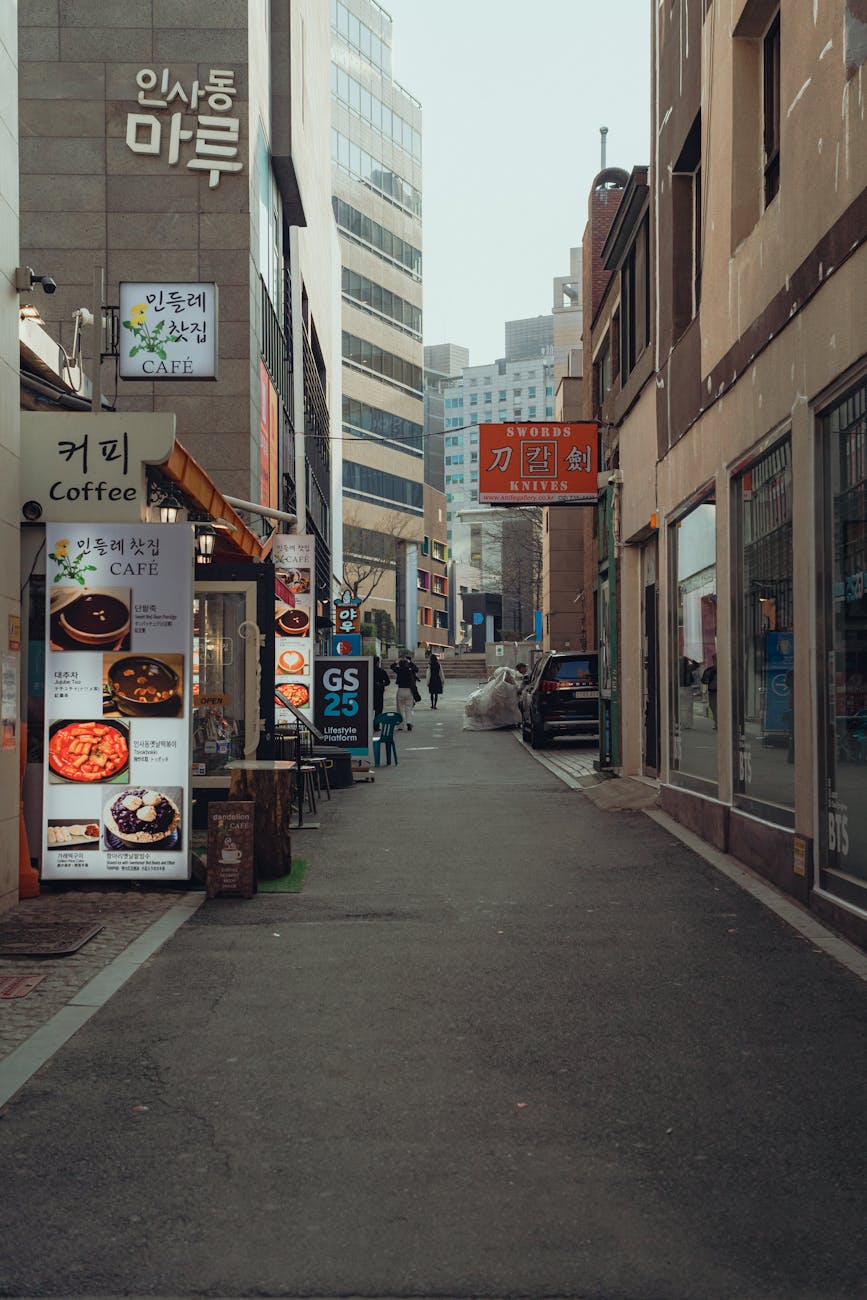
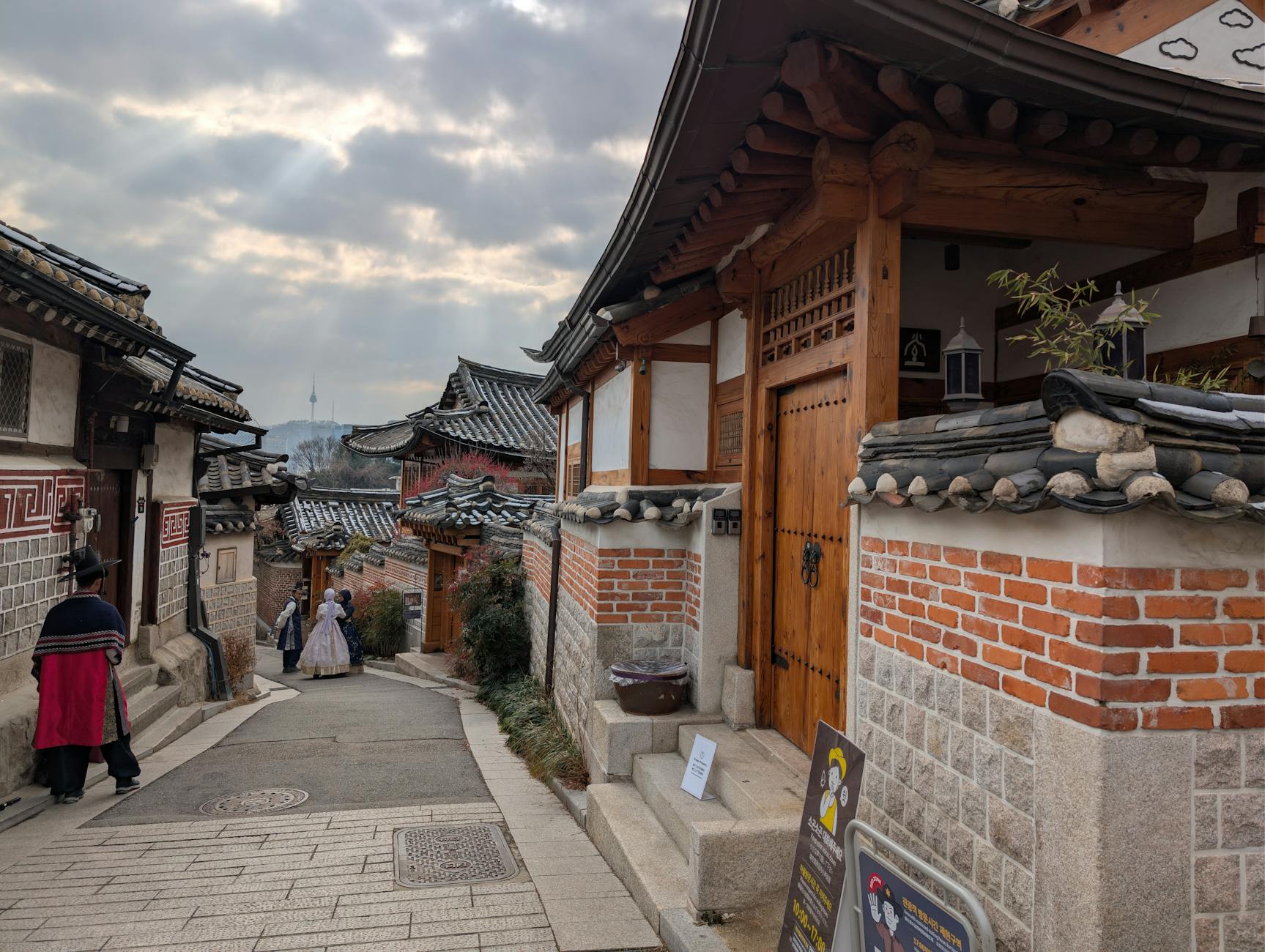
- History & Palaces (half to full morning): Gyeongbokgung and the National Folk Museum — arrive early to avoid crowds; hanbok rentals give free palace entry and make photos easier. Explore nearby Bukchon Hanok Village on foot.
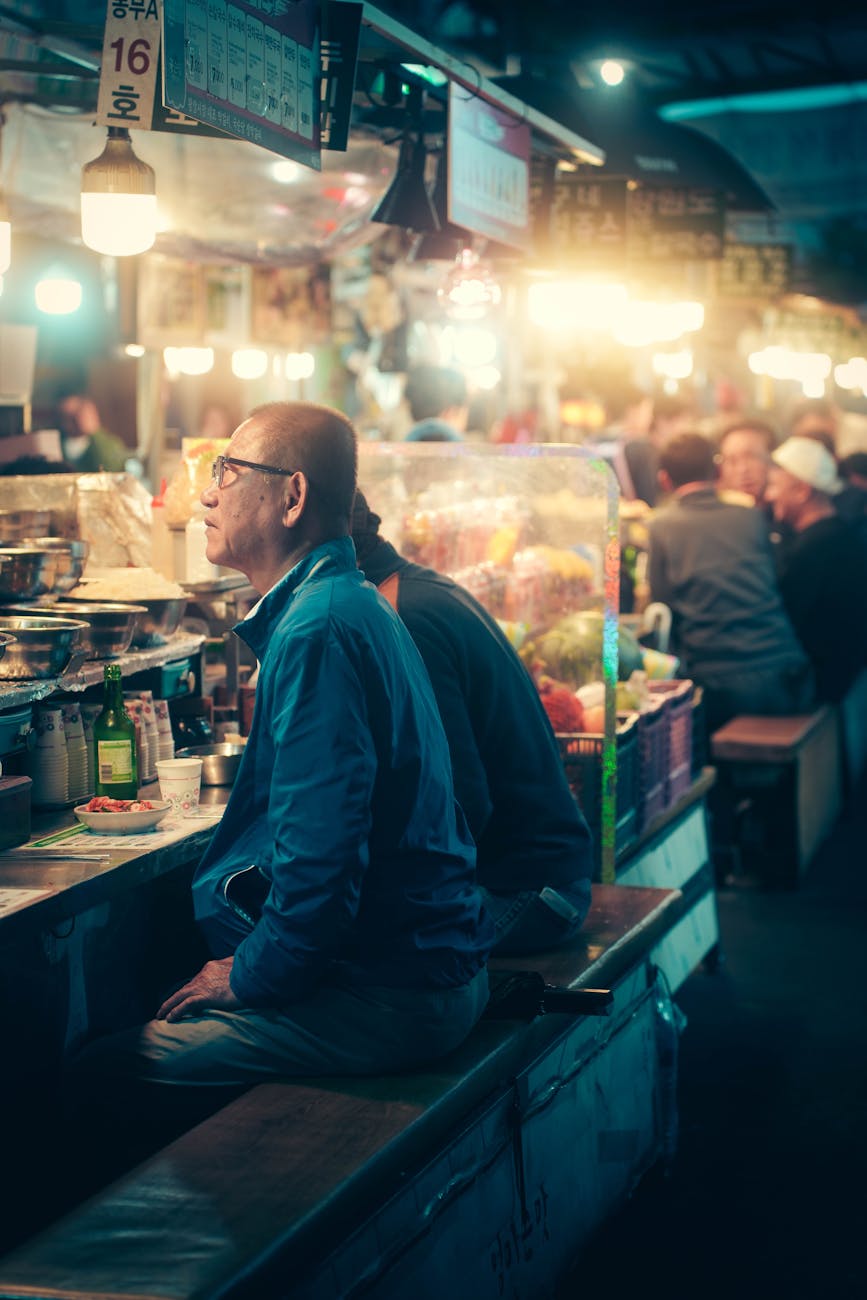
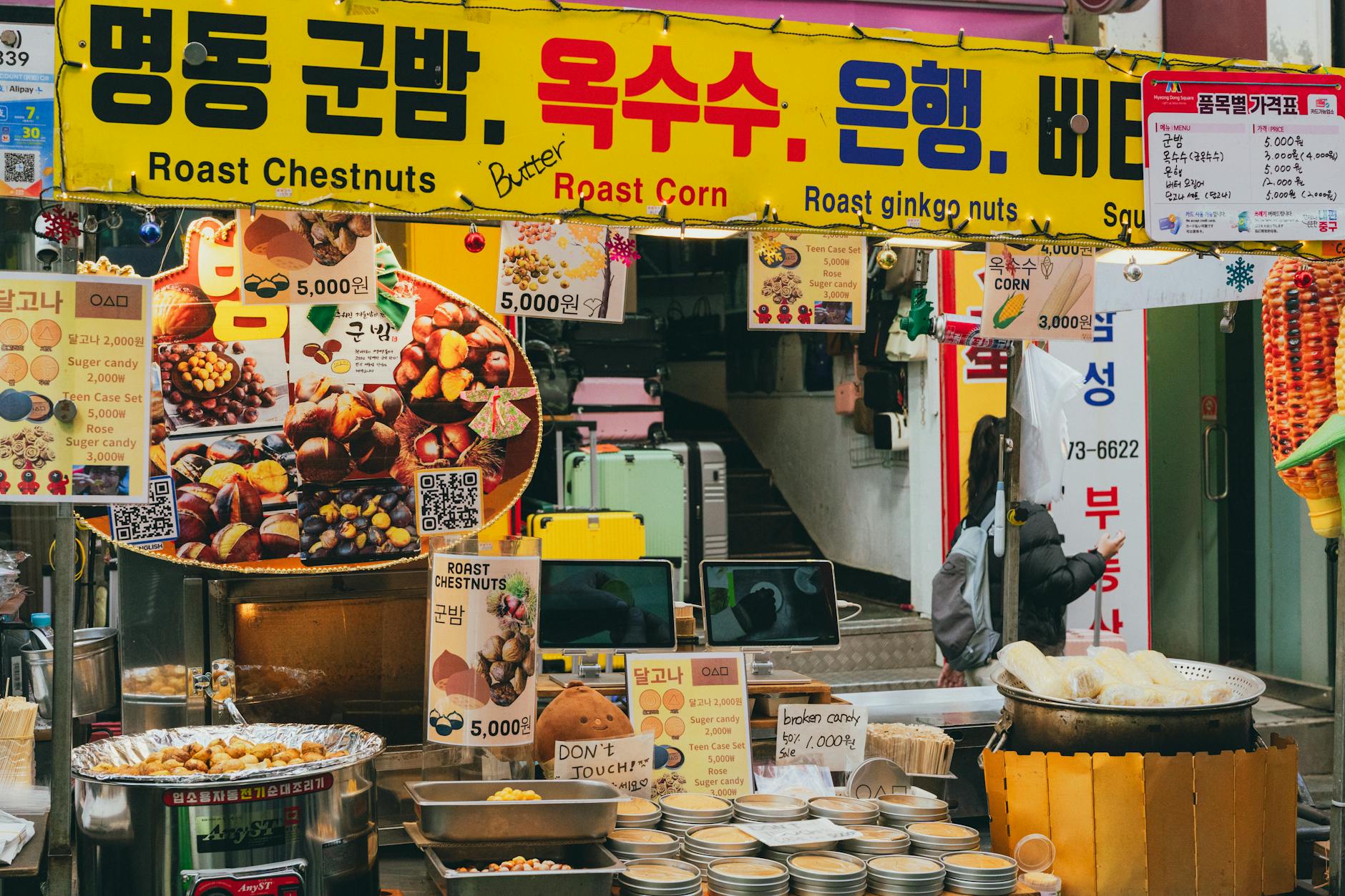
- Markets & Food (2–3 hours): Gwangjang Market for bindaetteok and raw seafood stalls; Namdaemun for everyday goods; Myeongdong for quick street food. Eat at small stalls to support local vendors.
- Contemporary Neighborhoods (2–4 hours): Hongdae for street performance culture and independent shops; Seongsu-dong for artisanal cafés and shoe workshops; Itaewon for diverse restaurants.
- Design & Night Walks (1–2 hours): Dongdaemun Design Plaza (DDP) and Cheonggyecheon stream for evening lights and relaxed strolls.
- Parks & Nature (half to full day): Hangang Park for cycling, picnic rentals, and river ferries; Bukhansan National Park for a half-day hike—choose a trail that matches your fitness and check seasonal conditions.
- Temple & Quiet (1–2 hours): Jogyesa Temple for a calm urban temple visit; practice respectful photography and quiet.
- Easy Day Trips (half to full day): Incheon for the historic port and Chinatown; Goyang (Ilsan) for Lake Park and flower festivals; Suigen for local markets and smaller-city atmosphere; longer trips to Busan or Jeju are best for multi-day extensions.
Booking tips: reserve palace entry or special exhibitions online during peak seasons, book popular Korean cooking classes in advance, and use the Seoul Museum Pass if you plan multiple museum entries.
Local Context
Neighborhood notes and transport realities:
- Jongno / Bukchon / Insadong: historic center with many short walking routes; narrow alleys may be crowded mid-day. Good for mornings.
- Myeongdong / Namdaemun / Dongdaemun: high-footfall shopping districts; evenings are lively. Expect heavier crowds on weekends.
- Hongdae / Hapjeong / Sangsu: younger scene, live music, and late-night food. Best for nightlife and independent boutiques.
- Seongsu-dong: former industrial area with cafés, small designers, and slower pace — great for afternoon coffee and supporting local makers.
- Hangang riverside: stretches across the city; different parks have different atmospheres (Yeouido for festivals, Banpo for the fountain, Ttukseom for water sports).
Transport realities:
- Subway is the fastest for most trips; buses cover where the subway doesn’t. Get a T-money card for convenience and small discounts.
- Taxi is affordable for short off-subway hops late at night; use apps or hotel front desks to avoid misunderstandings.
- Walking is practical in many neighborhoods but expect hills near Namsan and Bukchon.
Respectful local etiquette:
- Speak quietly on public transport; keep phone calls to a minimum on trains.
- When visiting temples and palaces, cover shoulders and knees; remove shoes where requested.
- Tipping is not customary; round up or leave small change only in informal food stalls if you wish.
How to Choose Well
Match activities to energy, weather, and timing:
- Short mornings (2–4 hours): palace + Bukchon, a temple visit, or a neighborhood coffee crawl in Seongsu.
- Market-focused afternoon: Gwangjang plus a stroll over to Jongno for crafts and tea houses.
- Active half-day: Bukhansan trail to suit your fitness — pick a lower summit if you prefer fewer stairs.
- Evening plans: Hangang Park picnic or Banpo Bridge fountain, then Dongdaemun or Hongdae for late food.
Consider who you’re with:
- Families: gentle riverside time, interactive museums, and kid-friendly market snacks.
- Solo travelers: neighborhood walks (Bukchon, Seongsu) and small-group classes (cooking, tea ceremony).
- Travelers with mobility constraints: choose flat neighborhoods (Seoul Station, Myeongdong, Insadong) and check elevator/escalator access at stations.
Booking and pacing tips:
- Reserve popular experiences (hanbok rentals, cooking classes) 2–7 days in advance, more in peak season.
- Plan one high-energy activity per day and pair it with a low-energy option (market, café, park).
Responsible and Local-First Tips
Aim to leave a positive footprint:
- Use public transit and rental bikes instead of taxis when possible; it reduces emissions and supports local transport systems.
- Eat at small markets and family-run restaurants to keep spending local. Try seasonal dishes and regional specialties.
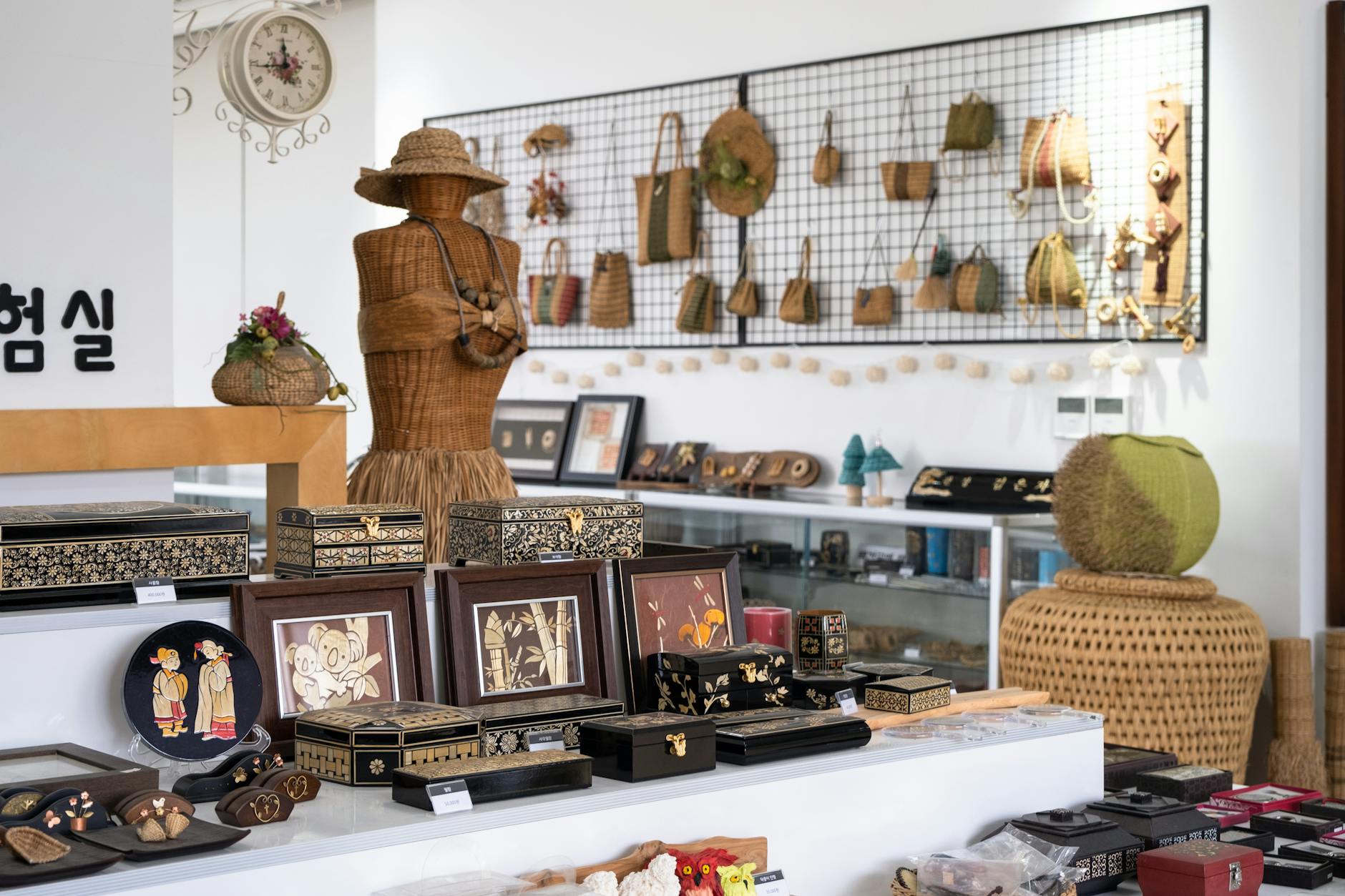
- Shop mindfully: buy directly from artisans in Insadong or Seongsu rather than mass-produced souvenirs.
- Avoid animal-based tourist shows and photo ops that exploit animals.
- Respect household and religious sites: ask before taking close-up photos and follow posted rules.
- Visit during shoulder seasons (April–May, September–October) to reduce pressure on infrastructure and enjoy milder weather.
If you plan day trips, take regional trains or express buses to reduce carbon compared with air travel for short hops. When extending to Busan or Jeju, prioritize multi-day stays to justify the travel footprint.
Common Mistakes to Avoid
Don't make these common errors:
- Overpacking too many neighborhoods into one day. Seoul's subway is fast but changing lines and walking between stops costs time.
- Eating only at international chains in Myeongdong — some of the best bites are in smaller markets and side streets.
- Forgetting weather when planning outdoor activities: monsoon season (June–July) and winter cold can derail hikes and picnics.
- Assuming all places accept cards — small market stalls and street vendors often prefer cash or T-money.
- Not checking seasonal opening times for parks, palaces, and festivals. Some sites have reduced hours in winter.
Practical corrections:
- Start busy attractions early (palaces, markets) and reserve guided or specialty tours ahead during peak travel weeks.
FAQ
What are the must-see neighborhoods if I have only one day?
Prioritize Jongno for palaces and traditional streets in the morning, Insadong and Gwangjang Market for midday food and crafts, and end with an evening at Hangang Park or Dongdaemun for nighttime lights.
Is Seoul safe to walk at night?
Yes, Seoul is broadly safe with well-lit streets and active late-night districts. Standard precautions apply: watch belongings in crowded areas and pick licensed taxis or app services late at night.
How do I get around and which pass should I buy?
Get a rechargeable T-money card for subway, buses, and many taxis. For museum-heavy itineraries, consider a Seoul Museum Pass. For day trips, check Korail or intercity bus schedules and book seats for holidays.
Can I wear hanbok in palaces and is it practical?
Yes. Many palaces offer free entry to visitors wearing hanbok. Rent hanbok near Gyeongbokgung for photos; choose comfortable rental options if you plan to walk a lot.
Are English signs and help widely available?
Major subway stations, museums, and tourist areas have English signage and staff, but smaller markets and eateries may have limited English. Carry a map app, phrasebook, or use translation apps and have addresses in Korean when taking taxis.
Conclusion
Seoul rewards travelers who balance big sights with neighborhood exploration and who favor local businesses and public transit. Pair the ideas here with the 3 days in Seoul itinerary to create a pace that suits you, and consider nearby cities like Goyang, Incheon, Suigen, Busan, or Jeju for longer extensions. Travel in shoulder seasons, book key experiences early, and choose small vendors to make your visit more sustainable and rewarding.
How this guide was prepared
This guide was prepared through a structured research that combines destination research, geographic context, itinerary planning logic, and content review.