
Responsible Travel in Benidorm — Practical, Local-First Advice
Practical, sustainable tips for visiting Benidorm: when to go, where to stay, low-impact transport, local markets, and day-trips to Calp, Alicante, Elche, Valencia and Murcia. Support local businesses and avoid common pitfalls.
A compact, practical guide to low-impact travel in Benidorm: neighborhood choices, seasonal timing, public transport, market picks, easy day-trips, and tips that steer visitors toward locally owned businesses and natural areas.
Quick Answer
A compact, practical guide to low-impact travel in Benidorm: neighborhood choices, seasonal timing, public transport, market picks, easy day-trips, and tips that steer visitors toward locally owned businesses and natural areas.
Who This Page Is For
This page is for travelers planning a stay in Benidorm who want clearer decisions about responsible travel, local logistics, timing, budgeting, and practical trip planning.
How This Page Was Prepared
This page was prepared through a structured editorial workflow that combines destination research, geographic context, and practical travel-planning review.
Plan the Rest of Your Trip
Use this page together with the full itinerary and the related planning pages below to make better booking, timing, transport, and budget decisions.
Yes—Benidorm can be a responsible short-break if you choose shoulder-season timing, favor public transport and walkable neighborhoods, spend at local markets and family-run restaurants, and visit protected areas like Sierra Helada with respect.
If you have a main itinerary (see 3 days in Benidorm), add one low-impact day-trip—Calp for rock-and-beach conservation or Alicante by bus for museums—rather than cramming in long drives.
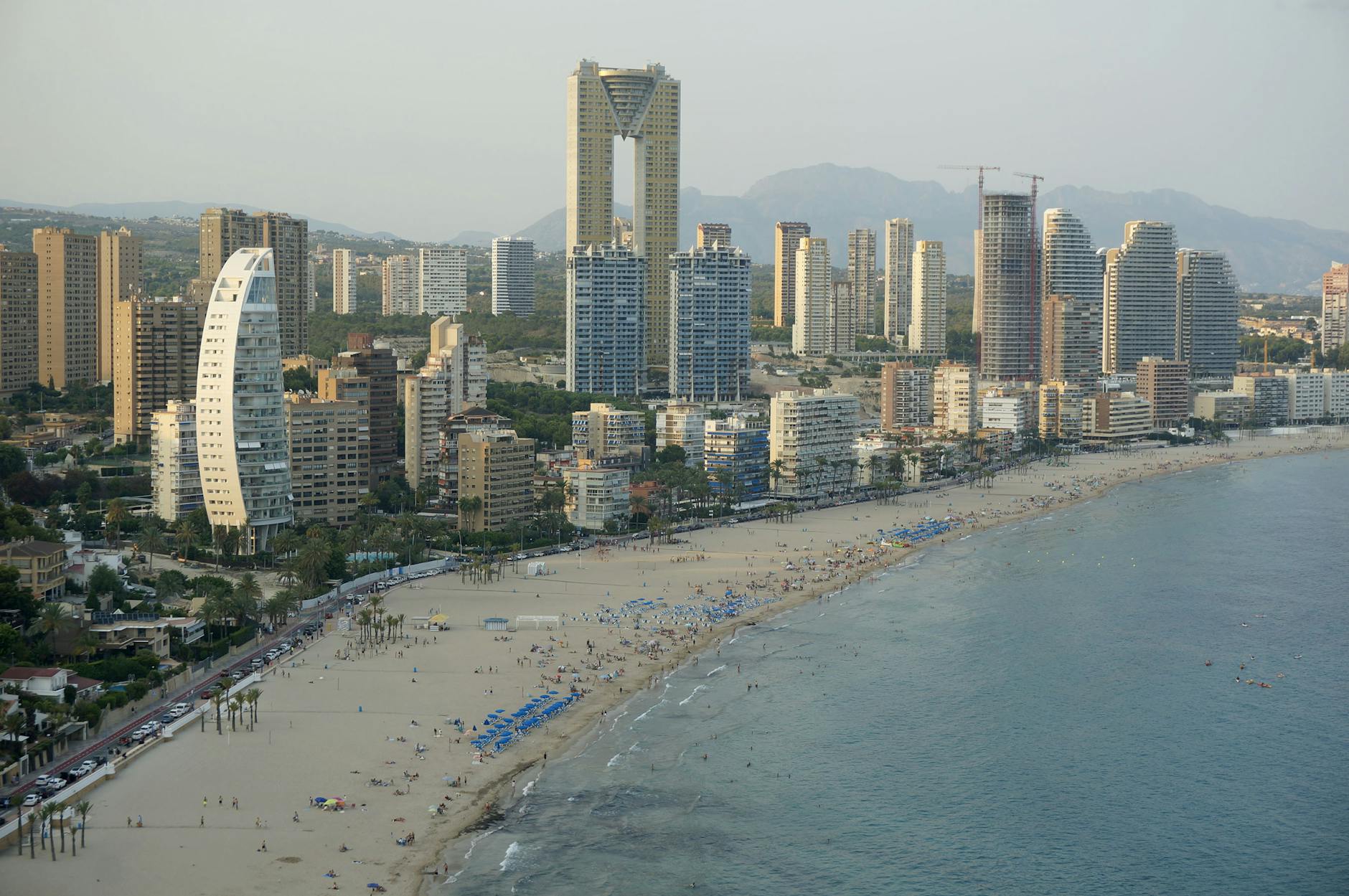
Benidorm is often seen as a high-density beach destination, but with a bit of planning it becomes a great base for low-impact stays and locally minded experiences. This page focuses on practical decisions that support the local economy, protect the coast and natural areas, and help you get the most from a short itinerary—especially if you’re using our companion 3 days in Benidorm guide.
Expect two contrasting faces: the long sandy promenades of Levante and Poniente and the compact, characterful Old Town with its steep lanes, small tapas bars and sea views. The surrounding region—Calp’s rock, Alicante’s port, Elche’s palms, Valencia’s city and Murcia’s orchards—also makes easy, sustainable day-trips.
What This Page Helps You Decide
Use this page to quickly decide:
- Where to base yourself (Levante vs Poniente vs Old Town) depending on priorities.
- When to travel for quieter beaches, lower prices and better local-season produce.
- Which transport mode to choose for day trips to Calp, Alicante, Elche, Valencia or Murcia.
- How to pick accommodations, tours and restaurants that support local owners and low-impact practices.
If you’re already following the 3 days in Benidorm itinerary, this page will help you refine choices for sustainability and convenience.
Top Recommendations
Stay and move:
- Base: Choose Poniente for quieter, wider beaches and family-owned cafés; Levante for nightlife and immediate beach access; Old Town for compact evenings and local restaurants. Book small guesthouses or apartment rentals that list local owners rather than large global platforms when possible.
- Timing: Travel in shoulder months (April–June, September–October) to avoid crowds and to find local produce on menus.
- Transport: Use intercity buses (Alsa services) for Alicante and Calp day-trips. Within town, walk the promenades and use the local bus network; cycle rentals are useful for short coastal rides.
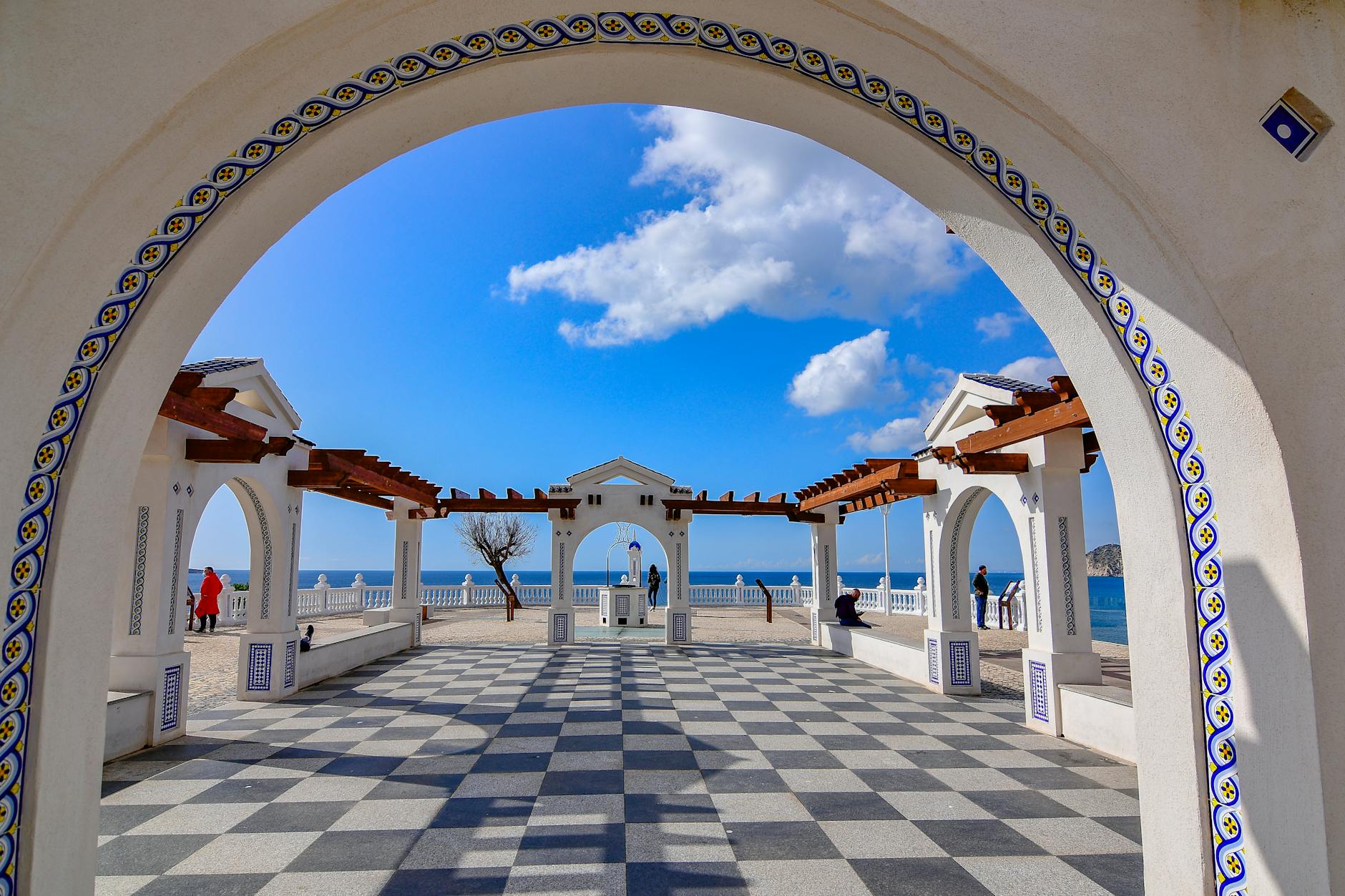
- Nature: Reserve a morning for Sierra Helada Natural Park trails and an evening for a sunset at Balcón del Mediterráneo. Respect marked paths and nesting restrictions around Isla de Benidorm.
Money and experiences:
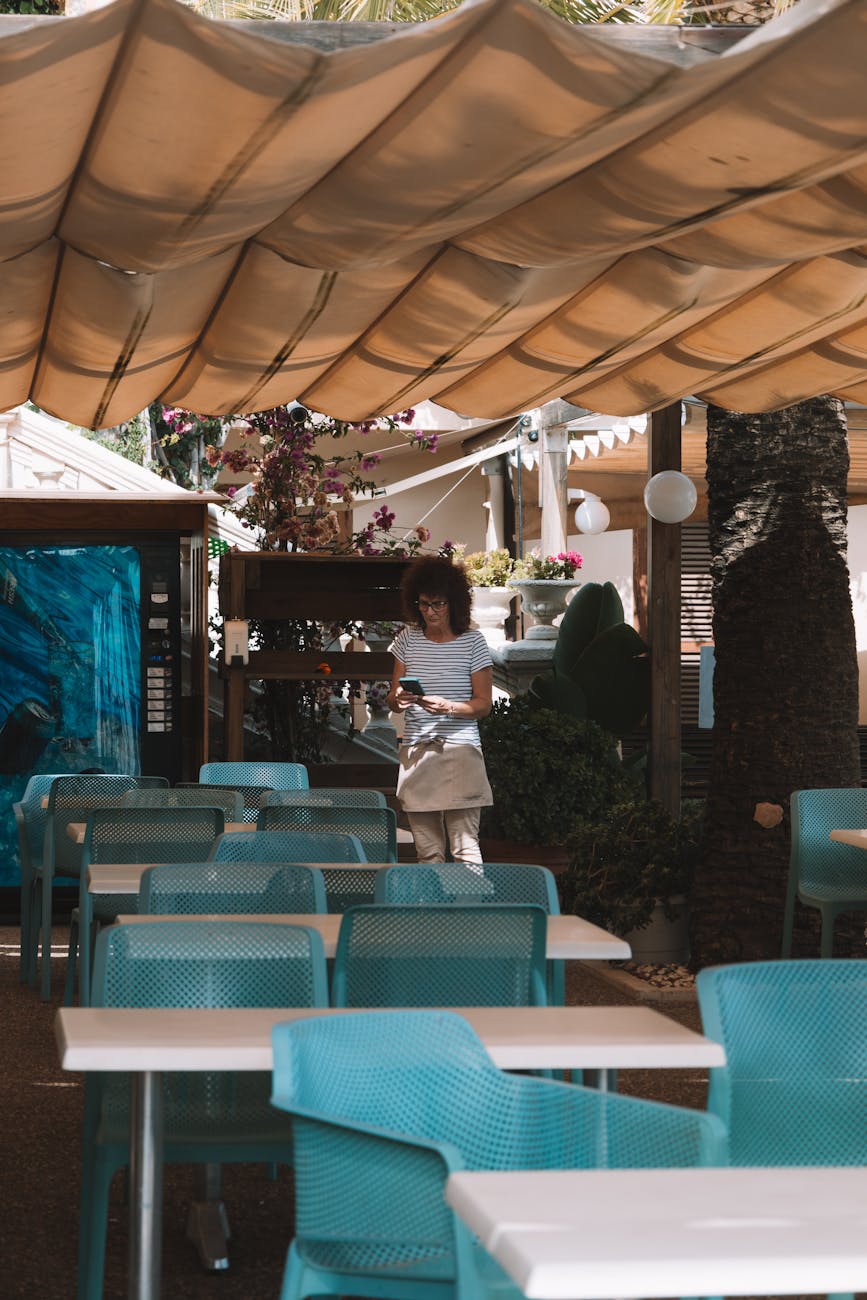
- Eat at the Mercado Municipal or family-run tapas bars in the Old Town to keep spending local.
- Book activities directly with small operators (boat trips, kayak rentals, guided hikes) rather than large agencies; ask about environmental practices.
- Consider one slower day to enjoy beaches, markets and a local café instead of stacking long-distance day-trips.
Nearby day-trips to include from your 3-day plan: Calp (for natural beaches and the Peñón de Ifach), Alicante (museums and tram connections), Elche (historic palm groves), Valencia (city culture—train or bus), and Murcia (regional cuisine and orchards).

Local Context
Neighborhoods and character:
- Levante: Busy, younger crowds, beachfront hotels, easy access to bars and active water-sport hires.
- Poniente: More residential, calmer promenades, sunsets; good for families and low-key dining.
- Old Town (Casco Antiguo): Narrow alleys, tapas bars, small artisan shops—best for supporting local businesses.
- Rincon de Loix: High-rise hotels and nightlife; choose carefully if you want to avoid large holiday complexes.
Seasonal patterns and capacity:
- High season (late June–August) brings strong crowding and higher prices; municipal services stay busy.
- Shoulder months balance open businesses and lower impact—many restaurants switch menus to local seasonal produce.
Transport realities:
- Intercity buses (Alsa) are frequent to Alicante and other towns; check timetables in advance and buy returns locally to support the company or a local travel shop.
- Taxis are plentiful but can be expensive for short distances; prioritize walking and buses for short hops.
- Car use is useful for reaching remote coves, but parking and traffic are heavier in summer; if renting, prefer hybrid/electric choices and avoid peak arrival/departure times.

How to Choose Well
Accommodations:
- Prefer small hotels, family-run pensions or locally managed apartments. Look for clear local ownership in listings and read recent reviews for sustainability practices.
Eating and drinking:
- Use Mercado Municipal for breakfast or picnic supplies. Choose restaurants that list local fish and produce and ask about sourcing.
Activities and tours:
- For boat or kayak trips to the Isla de Benidorm, pick operators that limit passenger numbers and follow marine protection rules.
- For Sierra Helada and coastal hikes, pick guided walks from local conservation groups where available—this helps fund conservation work.
Booking and timing:
- Book popular experiences in shoulder season or reserve online in advance for weekends in spring/fall.
- If you plan day-trips to Calp or Alicante, check return bus schedules (and earlier last buses in low season) so you aren’t stuck late.

Responsible and Local-First Tips
Spend locally:
- Eat at family-run bars, buy produce from the municipal market and choose local guides. Small purchases (bakery, café, market stalls) disproportionately benefit neighbourhood livelihoods.
Low-impact transport:
- Walk the promenades, use local buses and join small-group boat trips. Avoid unnecessary short taxi rides between Levante and Poniente.
Protect nature and culture:
- Stick to marked trails in Sierra Helada. Do not collect shells or disturb nesting birds on Isla de Benidorm.
- Respect quieter residential streets after 22:00; sound carries easily in the Old Town.
Waste and water:
- Bring a refillable bottle—tap water is safe in Benidorm—and carry a small bag for any waste; use recycling bins when available.
Seasonal and respectful behaviour:
- Ask before photographing people in small bars or market stalls. Tip in cash at local cafés when service is informal.
Supporting conservation:
- Consider a small donation or purchase to local conservation groups if you take a guided hike. That helps maintain trails and wildlife protections.
Common Mistakes to Avoid
- Choosing a tower-block hotel without checking local reviews: many large hotels isolate guests from local businesses.
- Trying to do too many long day-trips in a short visit: pick one or two to reduce transit time and carbon footprint.
- Assuming buses run late-night or year-round: check timetables in shoulder and low seasons.
- Booking a boat trip without confirming group size and environmental practices: ask about marine-life rules and maximum passenger numbers.
- Ignoring local quiet hours: residents expect lower noise after 22:00 in neighbourhoods like the Old Town and Poniente.
Avoid these and your visit will feel more authentic and less impactful.
FAQ
When is the best time to visit Benidorm for fewer crowds and local markets?
Aim for April–June or September–October. Beach weather is pleasant, businesses are open, and you’ll find local seasonal produce on menus with fewer crowds than July–August.
How do I get to Benidorm from Alicante or Valencia sustainably?
Use the intercity bus services (Alsa) between Alicante and Benidorm. From Valencia, take the train or bus to Alicante then a direct bus—book returns in advance for shoulder season. Using public transport reduces emissions and avoids summer parking hassles.
Is Benidorm family-friendly and suitable for slow travel?
Yes. Poniente and parts of Levante are family-friendly with calmer beaches and shallow water. For slow travel, base yourself in Poniente or the Old Town and plan one relaxed day for markets and a beach rather than rushed day-trips.
Are there eco-friendly outdoor activities here?
Yes—guided hikes in Sierra Helada, small-group kayak trips around Isla de Benidorm and low-impact snorkeling with responsible operators. Ask about group size and environmental guidelines before booking.
How can I balance nightlife with being respectful of residents?
Stay closer to Levante if you want lively evenings. If you’re in Old Town or Poniente, be mindful of noise after 22:00. Use local bars rather than large tourist chains to keep evening money in the community.
What day-trips fit best with a short stay?
Choose one nearby: Calp for natural scenery and beaches; Alicante for museums and the harbor; Elche for palm groves. Each is accessible by bus—avoid trying to visit multiple cities in a single day unless you accept long transit times.
Conclusion
Benidorm rewards travelers who prioritize local businesses, shoulder-season timing and low-impact transport. Choose a neighborhood that matches your pace—Poniente for calm, Levante for energy, Old Town for local flavor—book small, local operators for activities, and limit long day-trips to one per visit to keep your trip relaxed and sustainable.
For a practical, step-by-step plan that fits this approach, see our main 3 days in Benidorm guide. If you plan to explore further, Calp, Alicante, Elche, Valencia and Murcia all make excellent, manageable extensions using public transport or short drives.
How this guide was prepared
This guide was prepared through a structured research that combines destination research, geographic context, itinerary planning logic, and content review.