
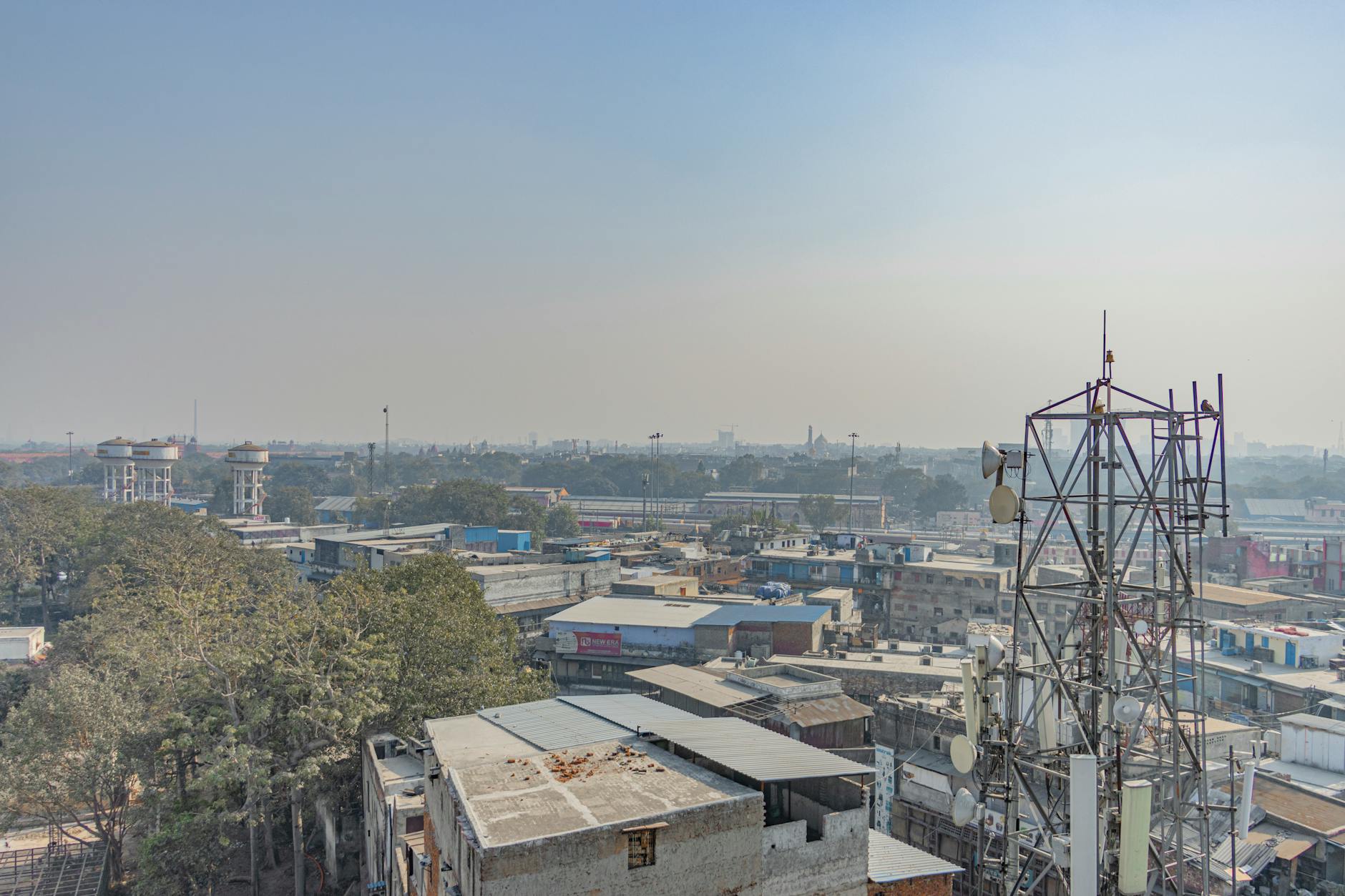
Best Things to Do in New Delhi — Practical, Local-First Guide
A practical, low-impact guide to the best things to do in New Delhi: history, markets, parks, food, and smart day trips. Tips on seasons, transport, booking, and local-first choices to pair with our 3 days in New Delhi itinerary.
Curated, sustainable suggestions for exploring New Delhi’s monuments, markets, parks and neighborhoods. Use this as a companion to our main 3 days in New Delhi itinerary and for sensible day trips to Agra, Gurgaon, Noida and Faridabad.
Quick Answer
Curated, sustainable suggestions for exploring New Delhi’s monuments, markets, parks and neighborhoods. Use this as a companion to our main 3 days in New Delhi itinerary and for sensible day trips to Agra, Gurgaon, Noida and Faridabad.
Who This Page Is For
This page is for travelers planning a stay in New Delhi who want clearer decisions about things to do, local logistics, timing, budgeting, and practical trip planning.
How This Page Was Prepared
This page was prepared through a structured editorial workflow that combines destination research, geographic context, and practical travel-planning review.
Plan the Rest of Your Trip
Use this page together with the full itinerary and the related planning pages below to make better booking, timing, transport, and budget decisions.
Top things to do if you only have limited time:
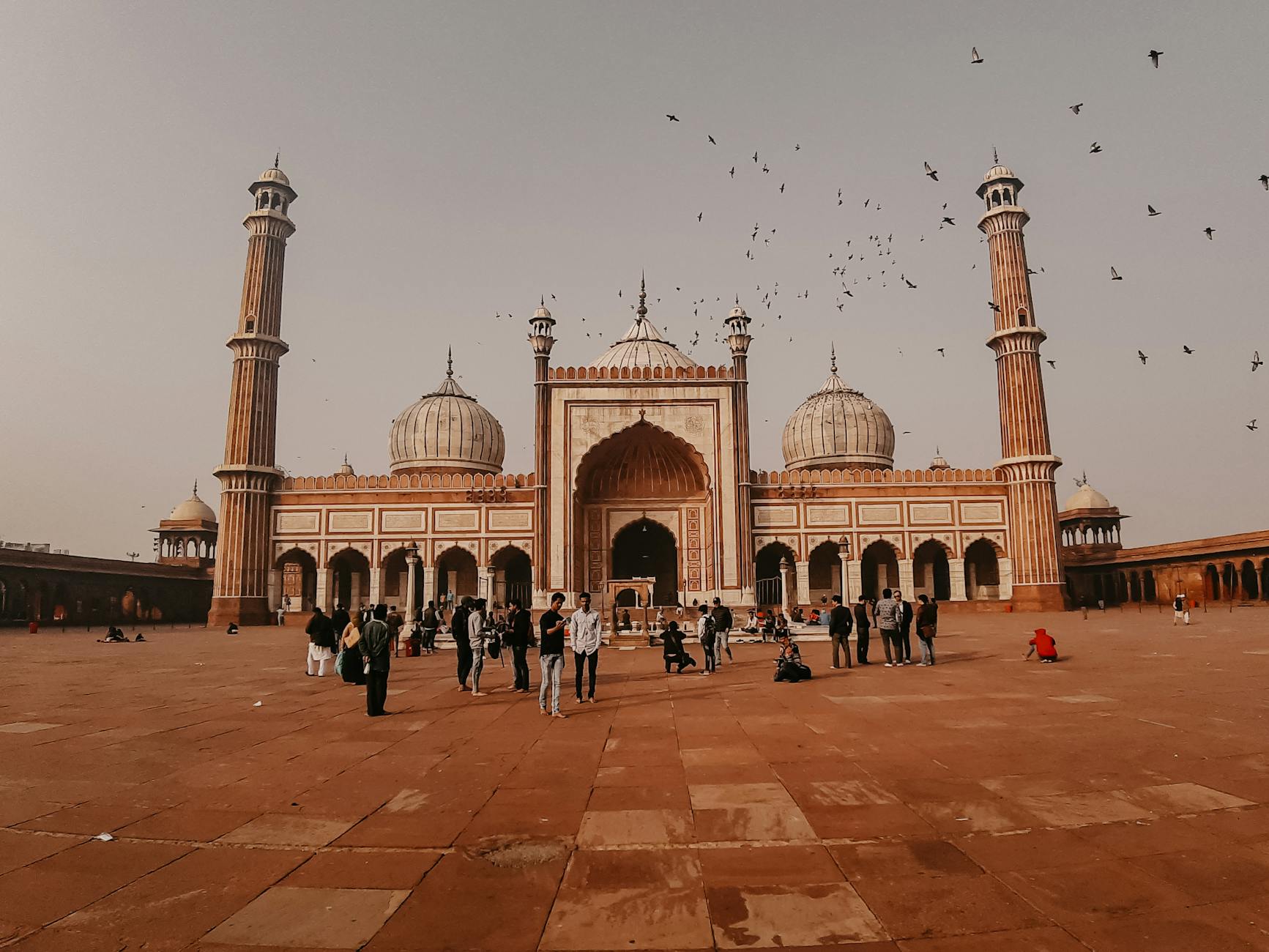
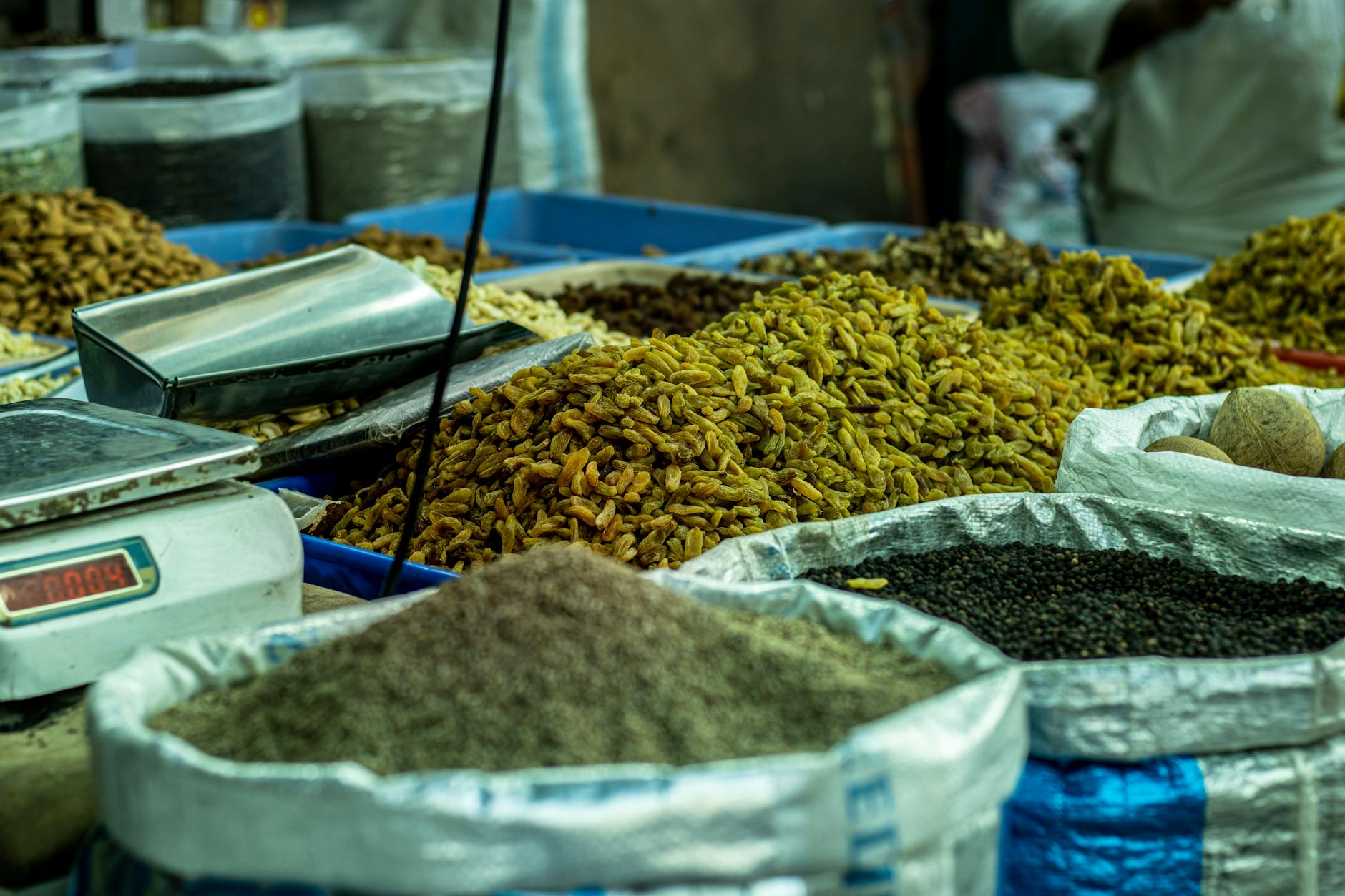
– Morning: Old Delhi heritage walk — Chandni Chowk, Jama Masjid, and a guided spice-market tour.
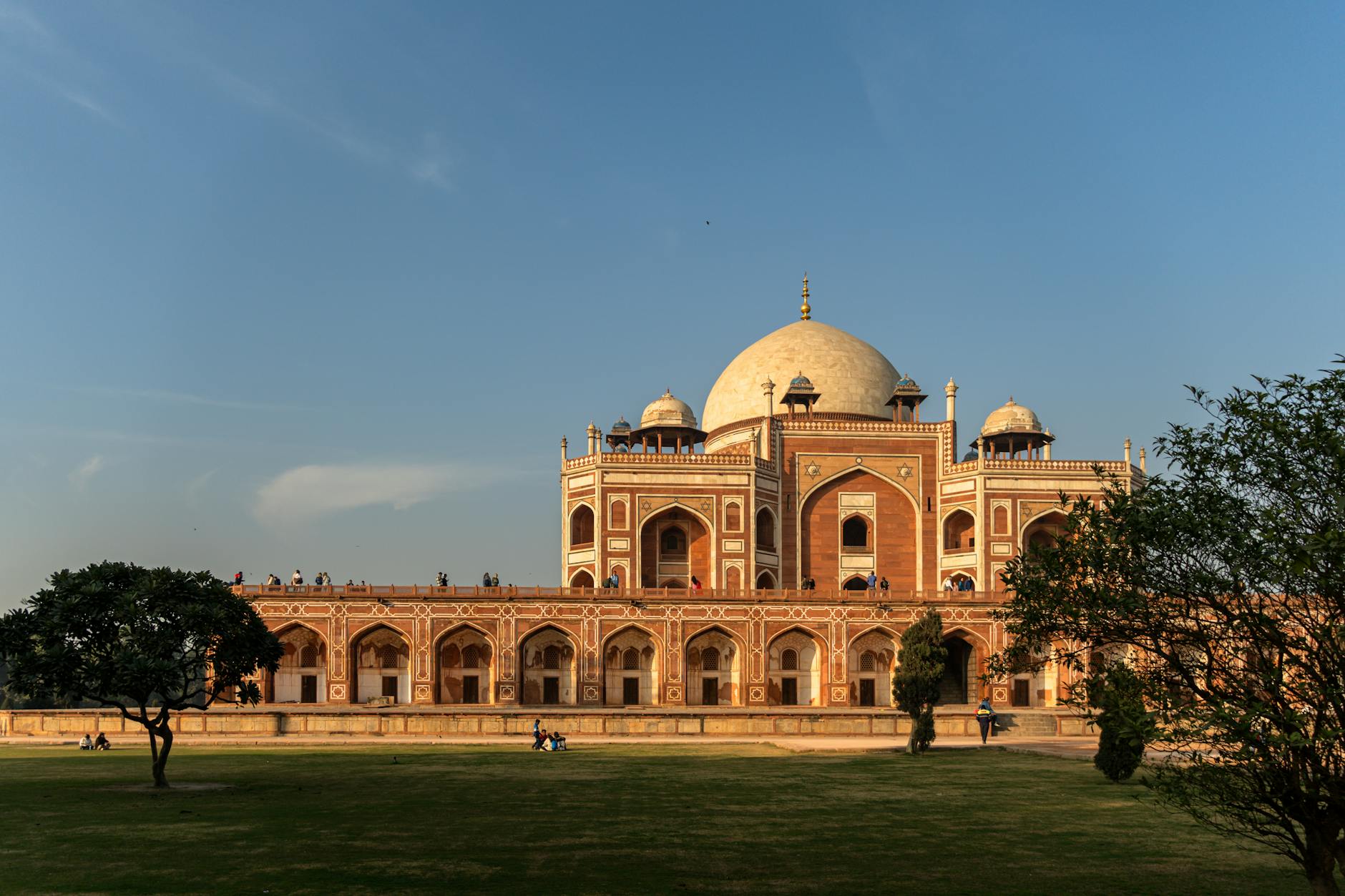
– Midday/afternoon: Humayun's Tomb and Lodhi Gardens for architecture and green space.
– Evening: Dine at a small, local restaurant in Hauz Khas Village or Khan Market, or visit Dilli Haat for crafts.
For a direct complement to this list, see our 3 days in New Delhi itinerary for timing and routes.
New Delhi combines imperial monuments, busy bazaar streets, leafy parks and contemporary neighborhoods. This support page lists practical, low-impact options for sightseeing, eating, shopping and short day trips. It’s designed to help you pick experiences that match a three-day visit or to slot into a longer India trip. Wherever possible, the suggestions favor paying local guide fees, small businesses, and public transport over high-impact options.
What This Page Helps You Decide
Use this page to:
– Pick the right neighborhoods and experiences to match your interests (history, food, parks, shopping).
– Decide which attractions to book in advance and which to visit on arrival.
– Choose sustainable, locally beneficial options and practical transport routes.
If you’re building a short trip, consult our main 3 days in New Delhi itinerary for an ordered schedule and exact time estimates. For outward day trips, see the notes below on Agra and Gurgaon/Noida connections.
Top Recommendations
Heritage and history
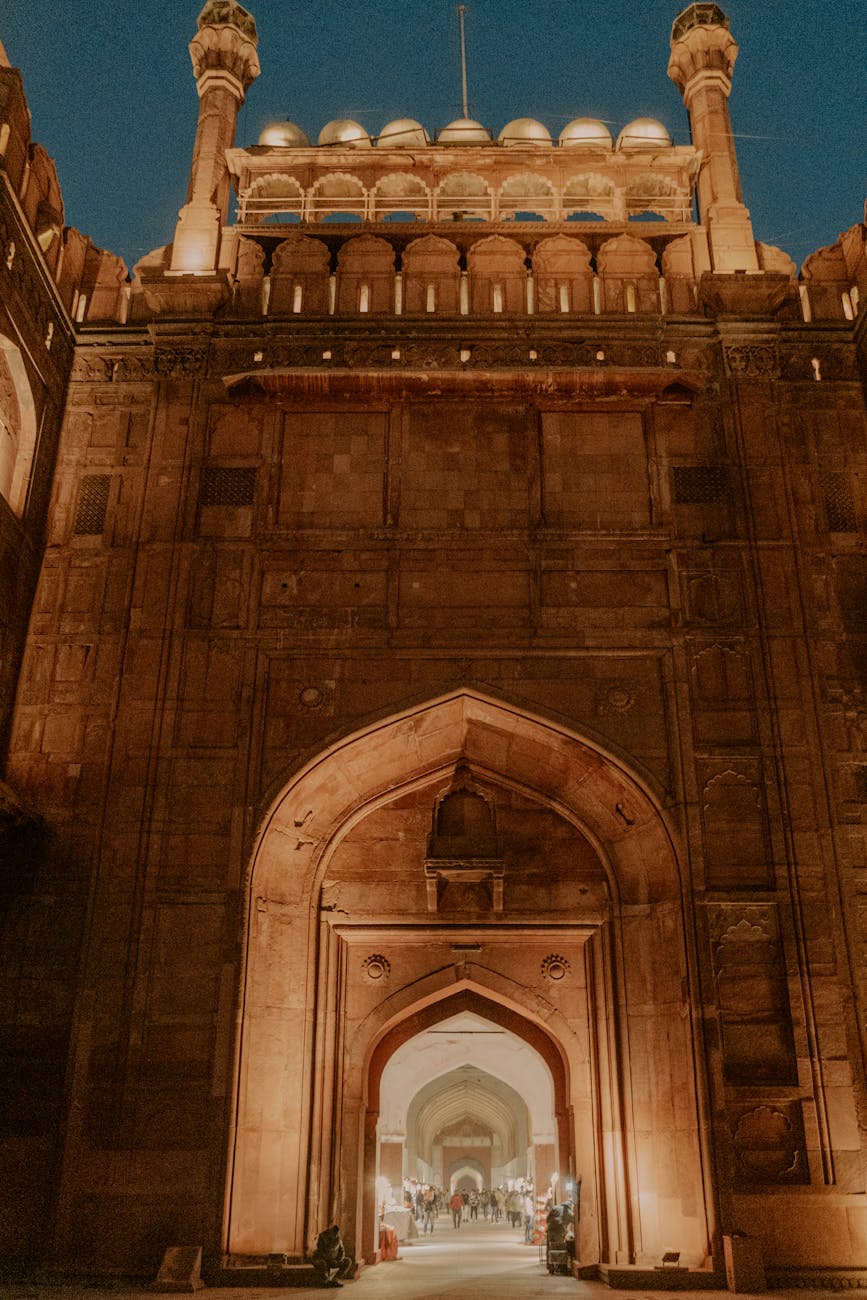
– Red Fort and Humayun’s Tomb are must-sees for Mughal architecture. Buy tickets online to skip queues and visit early morning for softer light and fewer crowds.
– Qutub Minar and Mehrauli Archaeological Park provide quieter ruins and a pleasant walk in South Delhi.
Markets and food
– Old Delhi (Chandni Chowk): guided walking tour to taste street food safely and learn market etiquette. Choose licensed guides or small family-run food tours.
– Khan Market and Connaught Place for bookstores, cafés, and sustainable retail.
Green spaces and neighborhoods
– Lodi Gardens and Lodhi Estate for morning walking, birding and picnic-friendly lawns.
– Hauz Khas Village for contemporary galleries, sunset over the reservoir and local designers.
Cultural experiences
– Attend a morning aarti at Bangla Sahib or plan a respectful visit to the Lotus Temple (quiet reflective spaces).
Day trips
– Agra (Taj Mahal) is doable as an early-start day trip by train or private car; pair with an overnight stay where possible to reduce rushed driving.
Practical tip: Favor off-peak hours (early morning or late afternoon) to reduce exposure to heat and crowds, and to support low-impact visits.
Local Context
Neighborhoods and feel
– Old Delhi: dense, loud, excellent for food and markets. Streets are narrow and best explored on foot with a guide.
– Lutyens' Delhi and Connaught Place: formal, planned avenues, museums and government buildings.
– South Delhi (Hauz Khas, Mehrauli, Khan Market): creative hubs, independent shops and evening dining.
Seasonal patterns
– Winter (Nov–Feb): cool, often clear but can have smog/fog in December–January — bring layers.
– Summer (Apr–Jun): hot; schedule outdoor monument visits early or late.
– Monsoon (Jun–Sep): heavy showers can affect walking tours.
Transport realities
– Delhi Metro covers most tourist areas (rapid, inexpensive). Carry a smart card or use the app for convenience.
– Auto-rickshaws: cheap for short hops; insist on the meter or use app-based fares.
– Expect travel times to be longer than map distances suggest because of traffic; leave buffer time for airport and Agra connections.
Local etiquette and security
– Dress modestly at religious sites; remove shoes where required.
– Many monuments have security checks and bag restrictions; carry ID and book timed tickets online when possible.
How to Choose Well
Match activities to your energy and the day:
– History-first day: Red Fort, Raj Ghat, and Humayun’s Tomb with a relaxed afternoon in Lodhi Gardens.
– Food and markets day: Chandni Chowk morning walk, afternoon rest, evening at Hauz Khas or Dilli Haat.
– Art and neighborhoods day: National Museum or Crafts Museum, then Khan Market and a gallery in South Delhi.
Booking and timing tips
– Book major monuments online through official portals; arrive early for cooler light and fewer tourists.
– Reserve popular restaurants or guided walks in advance, especially weekends and shoulder-season holidays.
– For Agra: prefer an overnight stay over a single rushed day if you want museum time and less transit stress.
Transport choices
– Use Metro for long city transfers; reserve taxis or app rides for late evenings or when traveling with luggage.
– Walk in contained neighborhoods (Lodi, Hauz Khas, Connaught Place) to reduce impact and support small cafés.
Responsible and Local-First Tips
Support local providers
– Hire registered local guides or neighborhood specialists rather than large, impersonal operators.
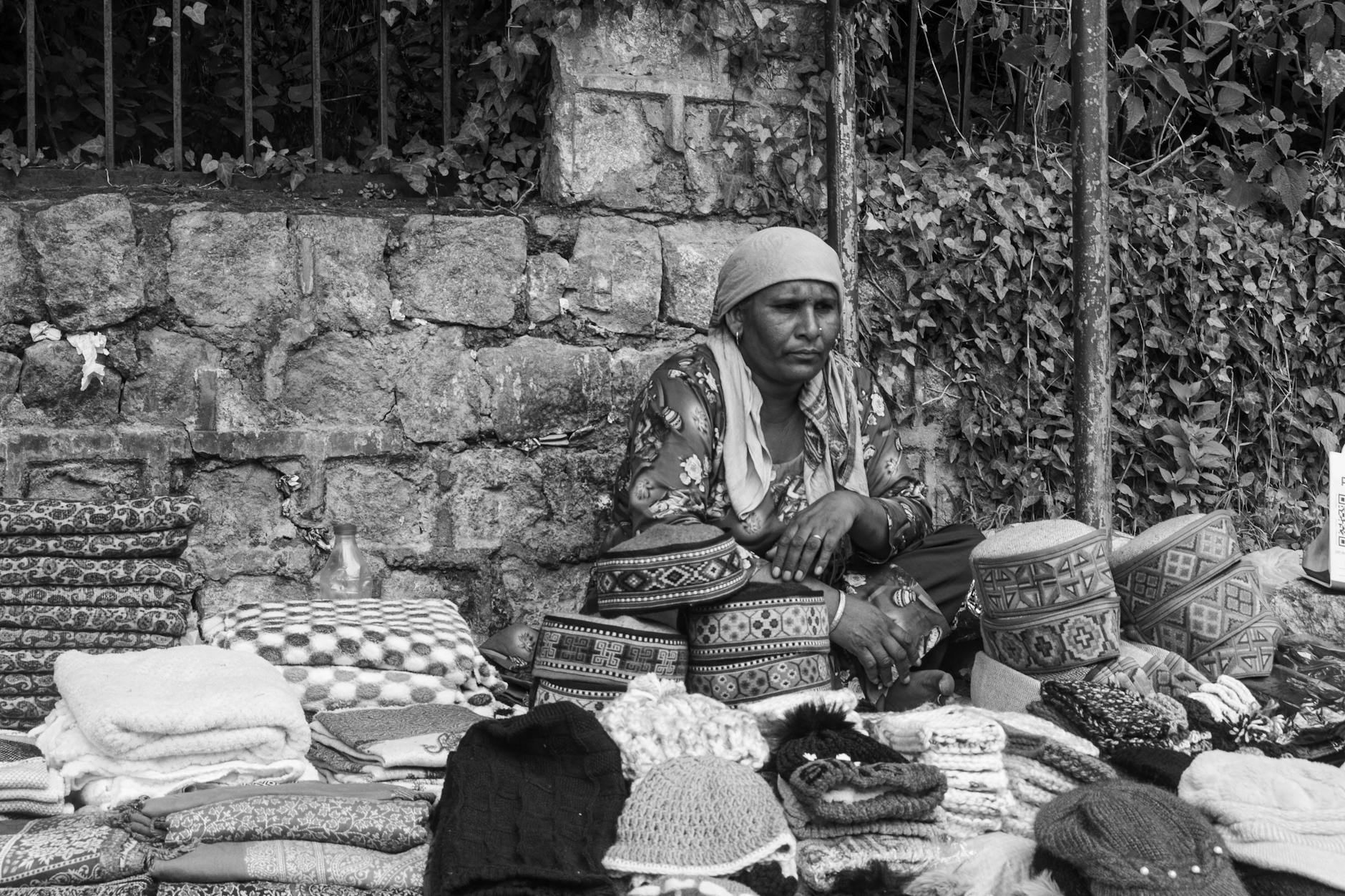
– Buy crafts at Dilli Haat or cooperatives where artisans receive fair pay.
Low-impact choices
– Use Delhi Metro, buses, cycle-rickshaws or walk short distances to reduce emissions.
– Carry a refillable water bottle and avoid single-use plastics; many cafés and hotels will refill filtered water.
Respectful behavior
– Ask before photographing people, especially in religious settings or markets.
– Dress modestly at religious sites and remove shoes where requested.
Waste and wildlife
– Do not feed birds or monkeys at monuments and parks; it changes animal behavior and local ecosystems.
Local economy
– Tip guides and drivers when appropriate and buy food and goods from family-run stalls and small cafés to spread tourism benefits.
Common Mistakes to Avoid
- Trying to squeeze too many major monuments into one day; Delhi is spread out and traffic can double travel time.
- Skipping Metro smart cards or apps; lines and token purchases waste time.
- Eating widely without caution — choose busy stalls, ask locals for recommendations, and prefer cooked hot items.
- Haggling to the point of disrespect; encourage fair pricing for artisans and small vendors.
- Ignoring seasonal air quality forecasts during winter; have masks and indoor plans if AQI is poor.
- Assuming everything is open every day — check monument holidays and festival closures before you go.
FAQ
What is the best time of year to visit New Delhi?
October–March offers cooler weather and clearer skies for sightseeing; late September–November and February–March are shoulder-season sweet spots with fewer crowds. Winters can have smog; check AQI forecasts.
How do I get around safely and affordably?
Use the Delhi Metro for most tourist transfers, walk neighborhood clusters (Lodi, Hauz Khas, Connaught Place), and use app taxis for late-night trips. Keep small change for autos and tips.
Is street food safe?
Choose busy, well-frequented stalls with high turnover, prefer hot-cooked items, and bring basic stomach remedies. Joining a local, licensed food tour reduces risk and supports a small business.
Can I visit the Taj Mahal as a day trip from New Delhi?
Yes — it’s common. Early morning by train or a private driver is fastest. For less rush and lower emissions per traveler, consider an overnight in Agra so you can visit at sunrise without a forced return the same day.
Do I need to prebook tickets or tours?
For Red Fort, Humayun’s Tomb, and Qutub Minar, book timed tickets online when possible. Popular guided walks and Dilli Haat workshops are best reserved in advance, particularly on weekends.
Any dress or behavior rules I should know?
Dress modestly at religious sites (cover shoulders and knees), remove shoes where required, and always ask permission before taking close-up photos of people.
Conclusion
New Delhi rewards slow, neighborhood-based exploration more than checklist tourism. Use Metro and walking, book key monuments in advance, and prioritize local guides and small businesses. If you’re working from a short schedule, pair choices on this page with our 3 days in New Delhi itinerary for an efficient, low-impact plan. For nearby options, consider a focused day trip to Agra or short urban visits to Gurgaon, Noida and Faridabad; Chandigarh is a longer route best combined with a northbound itinerary.
How this guide was prepared
This guide was prepared through a structured research that combines destination research, geographic context, itinerary planning logic, and content review.