
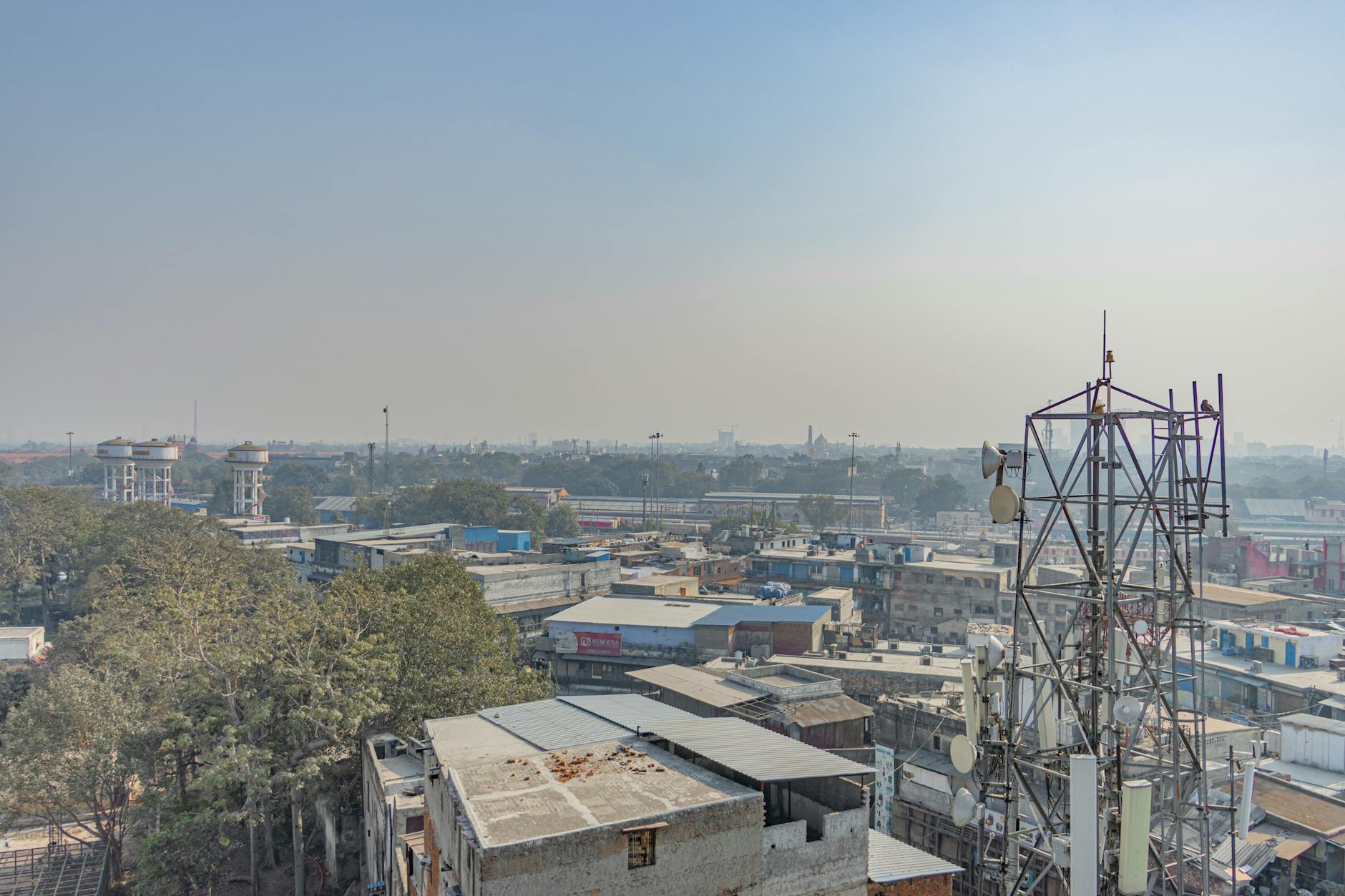
New Delhi Travel Budget — Practical Costs, Savings & Local Tips
Realistic daily budgets, neighborhood cost guidance, transport and food prices, and sustainable tips to plan a money-smart stay in New Delhi. Supports the main 3 days in New Delhi itinerary.
Compact, practical budget guide for New Delhi: per-day cost ranges, neighborhood choices, transport realities, seasonal savings, and local-first tips to help you support small businesses and keep costs low while seeing the city's highlights.
Quick Answer
Compact, practical budget guide for New Delhi: per-day cost ranges, neighborhood choices, transport realities, seasonal savings, and local-first tips to help you support small businesses and keep costs low while seeing the city's highlights.
Who This Page Is For
This page is for travelers planning a stay in New Delhi who want clearer decisions about travel budget, local logistics, timing, budgeting, and practical trip planning.
How This Page Was Prepared
This page was prepared through a structured editorial workflow that combines destination research, geographic context, and practical travel-planning review.
Plan the Rest of Your Trip
Use this page together with the full itinerary and the related planning pages below to make better booking, timing, transport, and budget decisions.
Typical daily budgets (per person, approximate):
– Backpacker: ₹1,200–2,000 (US$15–25) — hostel bed, street food, Metro and short auto fares.
– Budget traveler: ₹2,500–5,000 (US$30–60) — basic private hotel, restaurants, Metro and occasional taxi.
– Mid-range: ₹5,000–10,000 (US$60–120) — 3-star hotel, sit-down meals, taxis, some guided tours.
Prices vary by season and neighborhood. Use central locations like Connaught Place, Khan Market or Hauz Khas to cut transit time and costs if your main 3-day plan focuses on central monuments and markets.
This page gives clear, practical budget guidance for New Delhi to support the main 3 days in New Delhi itinerary and nearby side trips to Noida, Gurgaon, Faridabad, Agra, and Chandigarh. It focuses on what you’ll actually spend on accommodation, food, transport and tickets, and how to lower costs without sacrificing local experiences. The advice favors low-impact choices—using public transport, buying from small vendors, and choosing shoulder-season travel when possible.
What This Page Helps You Decide
Use this page to:
– Choose a neighborhood that fits your budget and daily itinerary (see the 3 days in New Delhi guide for itinerary pairing).
– Forecast per-day spending and set a realistic total budget.
– Decide when to splurge (guided tours, monument entry for international visitors) and where to save (public transport, street food).
– Pick sustainable options that support local vendors and reduce environmental impact.
If you plan day trips to Agra or Chandigarh, read routing and transport notes below so you can budget for trains or private transfers.
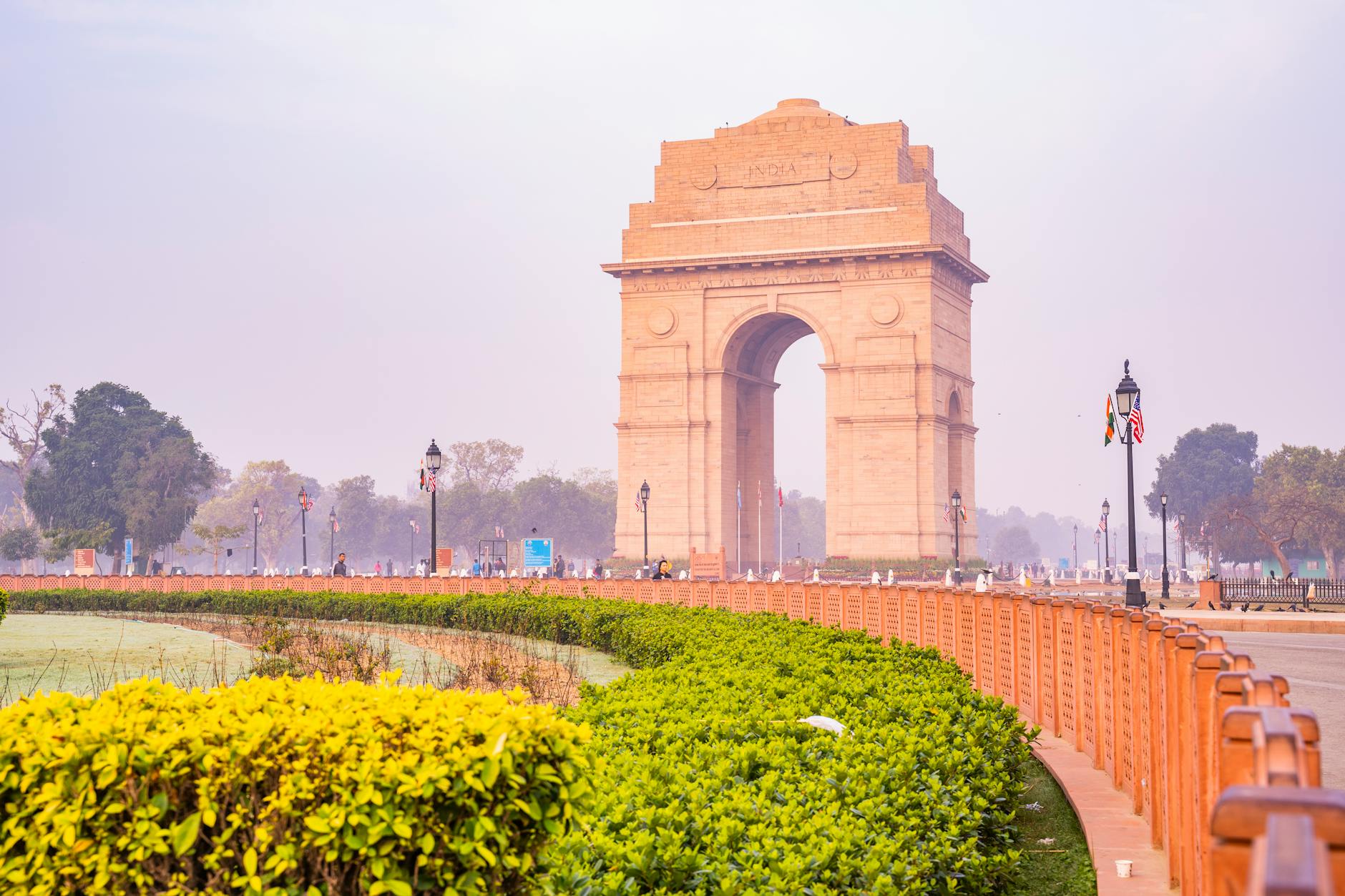
Top Recommendations
Practical, local-first choices to keep costs down and support small businesses:
– Stay centrally when possible: Connaught Place, Paharganj (budget), Karol Bagh, Hauz Khas Village or Khan Market reduce taxi time and let you walk to many sights.
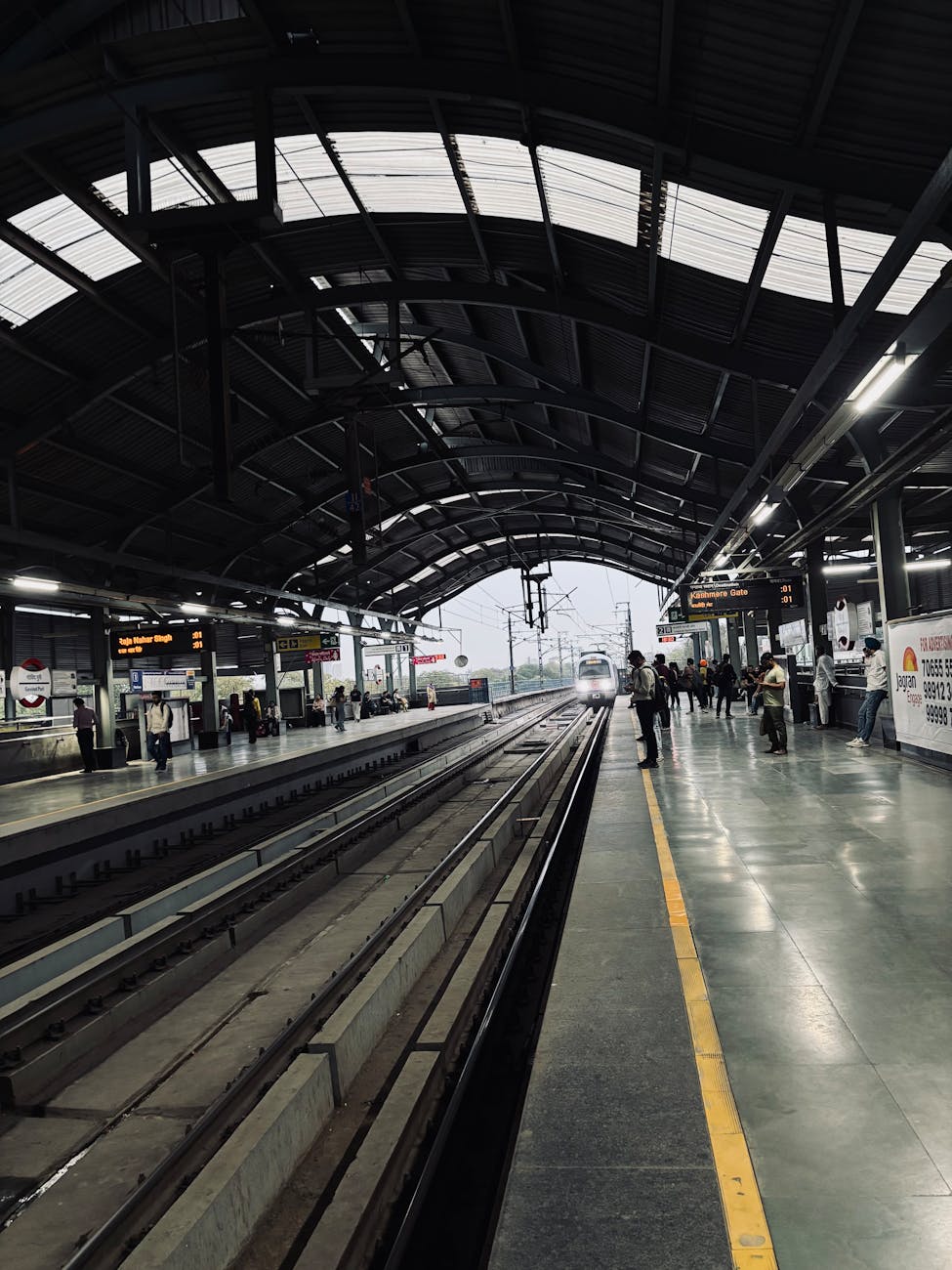
– Use Delhi Metro for most trips; it’s fast, affordable (roughly ₹10–60 per ride) and reduces emissions.
– Eat street food at busy stalls with turnover—try parathas in Old Delhi, chaat in Bengali Market or local thalis for value and taste.
– Book long-distance travel (Agra, Chandigarh) in advance using IRCTC for trains or reputable private coaches; consider early morning departures to avoid peak traffic.
– For attractions, prebook tickets online when available to avoid long queues and unpredictable crowd surges.
Local Context
Neighborhoods and seasonal realities:
– North/Central: Paharganj and Karol Bagh are budget-focused, close to New Delhi Railway Station. Connaught Place and Khan Market are central with more dining and mid-range hotels.
– South Delhi: Hauz Khas, Lodhi Estate and Greater Kailash are livelier at night with boutique shops and pricier stays.
– Suburbs and satellite cities: Gurgaon (Gurugram) and Noida are modern business hubs — plan extra travel time from them; Faridabad has fewer traveler facilities.
Seasonal patterns:
– High season: October–March (pleasant weather; higher prices).
– Low season: April–June (very hot; prices fall and some travelers save more).
– Monsoon: July–September can be humid; shoulder months (Sep–Oct and Feb–Mar) balance weather and crowd levels.
Transport realities:
– Delhi traffic can add 30–90 minutes to short trips during peak hours. Allow time when planning airport transfers or day trips to Agra.
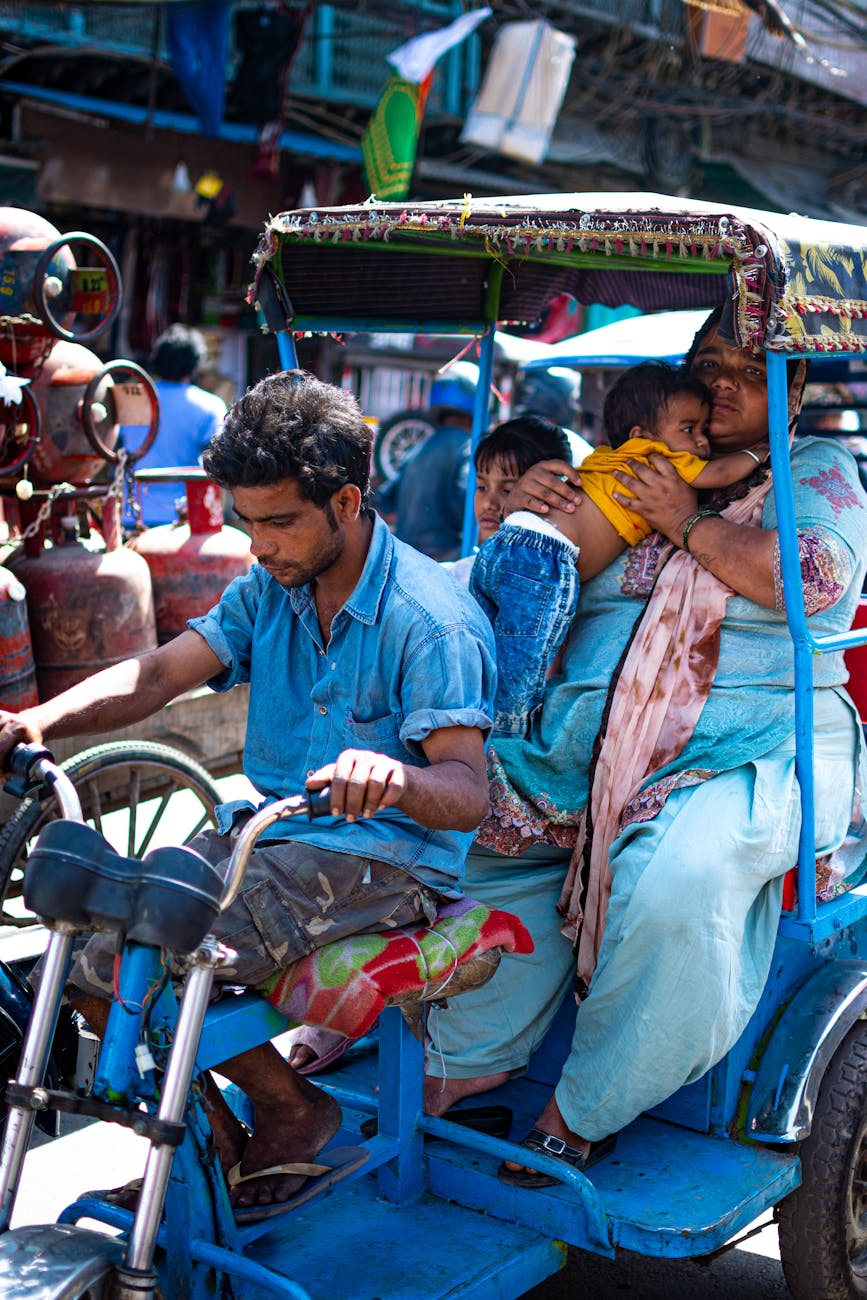
– Ride-hailing apps (Uber, Ola) are reliable. Auto-rickshaws are cheap for short distances—insist on the meter or use app-booking. Metro covers most tourist corridors.
How to Choose Well
Pick accommodation and transport based on where your days start and end in the 3-day itinerary:
– If you plan early visits to Old Delhi, choose Paharganj or Chandni Chowk area to minimize morning travel.
– For art, cafes and nightlife (Hauz Khas, Khan Market), stay in South Delhi.
– For business or airport convenience, Gurgaon and Noida hotels are fine but budget extra travel time and cost.
Booking tips:
– Compare refundable rates and book cancellation-protected rooms for uncertain schedules.
– Prebook entrance tickets (Red Fort, Qutub Minar, Humayun’s Tomb) during peak season; foreigner fees can be higher—check current rates.
– For Agra: a day trip by early train (Gatimaan or Shatabdi) or private car—budget accordingly (trains cheaper; private car costs more but is door-to-door).
Responsible and Local-First Tips
Sustainability and local economy practices that also save money:
– Use Metro, cycles or walking for short hops to lower carbon impact and fare costs.
– Eat at family-run dhabas and small cafés; they offer authentic food and keep money circulating locally.
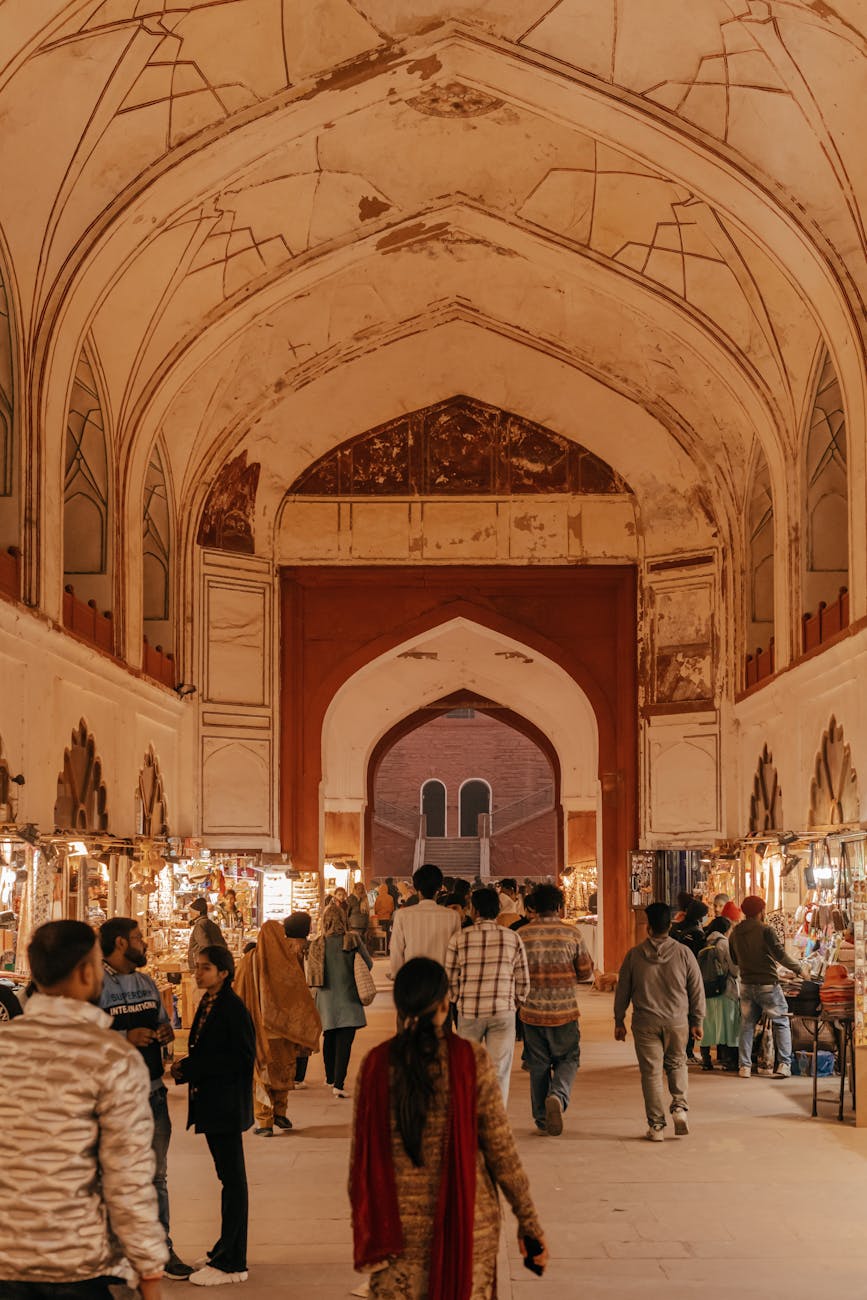
– Buy handicrafts from recognized cooperative stalls (Dilli Haat) or neighborhood artisans rather than airport or chain stores.
– Minimize single-use plastics—carry a reusable water bottle and use filtered water stations; many cafés offer refills.
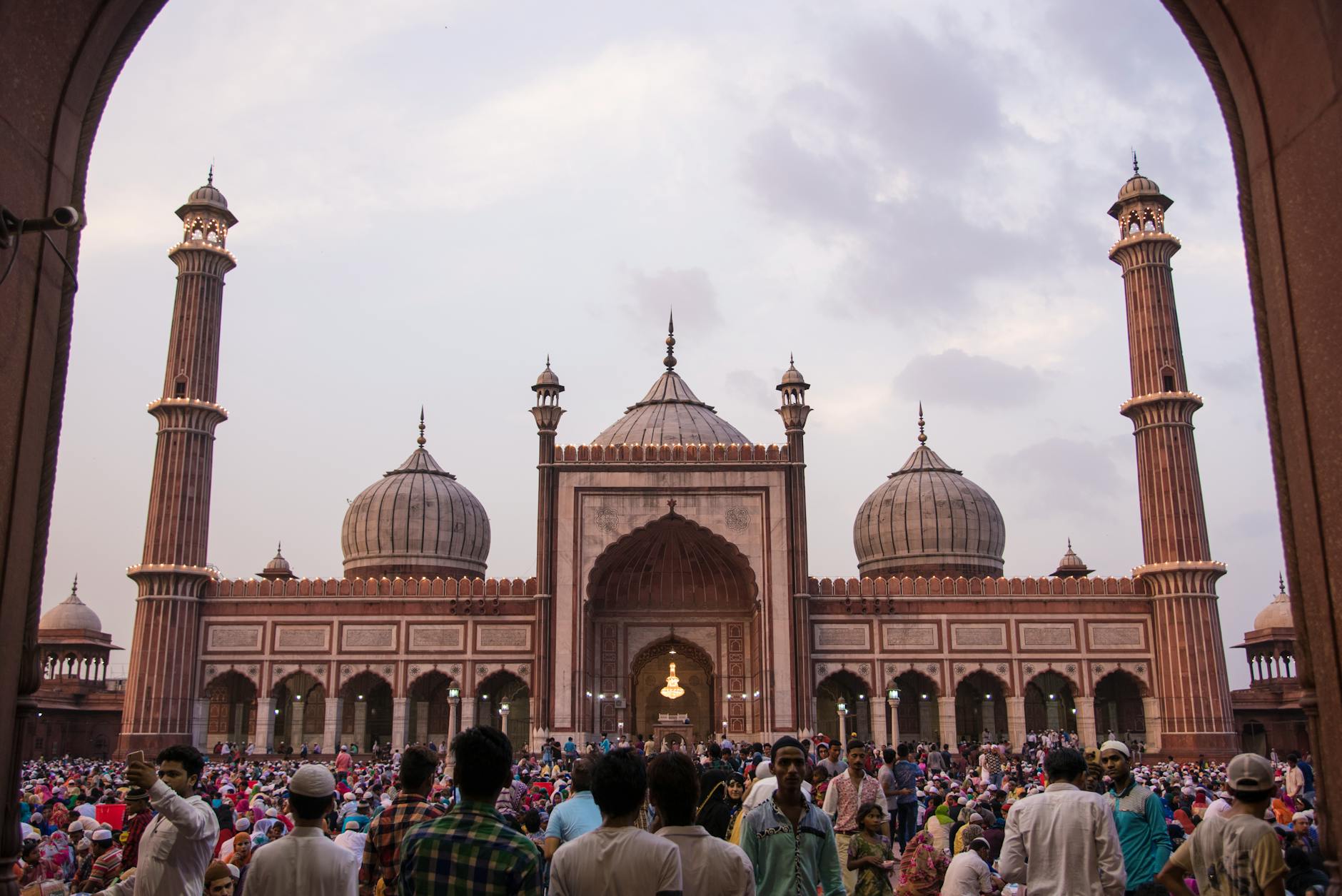
– Respect religious sites: cover shoulders and knees when entering mosques and temples, remove shoes where required, and ask before photographing people.
These choices often result in better local experiences and lower daily expenses.
Common Mistakes to Avoid
Frequent budget pitfalls:
– Underestimating travel time: Delhi traffic is heavy, especially between suburbs and central areas. Always add buffer time for airport/train transfers.
– Using cash only at markets: small vendors prefer cash, but many mid-range places accept UPI/payments—carry a mix.
– Overpaying for autorickshaws: insist on the meter or use app-based autos; negotiate fares only when absolutely necessary.
– Ignoring monument closure days: many sites close one weekday—check opening hours before you go.
– Not supporting local guides: cheap group tours can feel efficient but hiring a registered local guide for a few hours supports livelihoods and deepens understanding.
FAQ
How much should I budget per day for food in New Delhi?
Street food and local stalls can cost ₹100–300 per day for multiple meals; modest restaurants ₹300–800; a mid-range restaurant meal for two can be ₹800–2,000. Choose busy vendors for safety and freshness.
Is cash or card better?
Both. Metro, larger restaurants, and hotels accept cards and UPI apps. Carry small notes (₹10–500) for street vendors, autorickshaws and temple donations. Keep some ID with you at all times.
How do I get from IGI Airport to central Delhi on a budget?
The Airport Metro Line (Orange Line) connects to central hubs like New Delhi and Rajiv Chowk; it’s affordable and fast. Shared airport shuttles and prepaid taxi booths are safe alternatives if you have a lot of luggage.
Can I do Agra as a day trip from New Delhi on a budget?
Yes. Fast trains (Gatimaan, Shatabdi) are cost-effective if booked early; private cars are pricier but give flexibility. Factor in monument entry fees, local transport in Agra, and a 3–4 hour roundtrip travel time each way.
Any safety tips for solo travelers on a budget?
Stay in well-reviewed accommodations, avoid isolated areas at night, use Metro and app taxis after dark, keep luggage secure, and share your itinerary with someone back home. Dress respectfully at religious sites.
Where can I find affordable, reliable local guides?
Look for licensed guides through monument ticket desks, local guesthouses, or trusted platforms with verified reviews. Short 2–3 hour walks led by neighborhood guides often provide excellent value and support local incomes.
Conclusion
A practical New Delhi budget balances central lodging, Metro use, and eating with local vendors. Pair this page with the 3 days in New Delhi itinerary to allocate time and money efficiently, and consider side trips to Agra, Gurgaon, Noida, Faridabad or Chandigarh when you plan extra days. Small choices—using public transport, buying from artisans, and traveling shoulder-season—yield both financial savings and more authentic, lower-impact experiences.
How this guide was prepared
This guide was prepared through a structured research that combines destination research, geographic context, itinerary planning logic, and content review.