
Marseille: Practical 3-Day City Guide and Itinerary
A candid 3-day Marseille guide with exact routes, transit tips, meal picks, realistic timing, and where to skip so three days are used efficiently.
A pragmatic 72-hour plan to see Marseille’s port, historic streets, coastal views and the Calanques with exact transit, meal and timing advice for realistic travel.
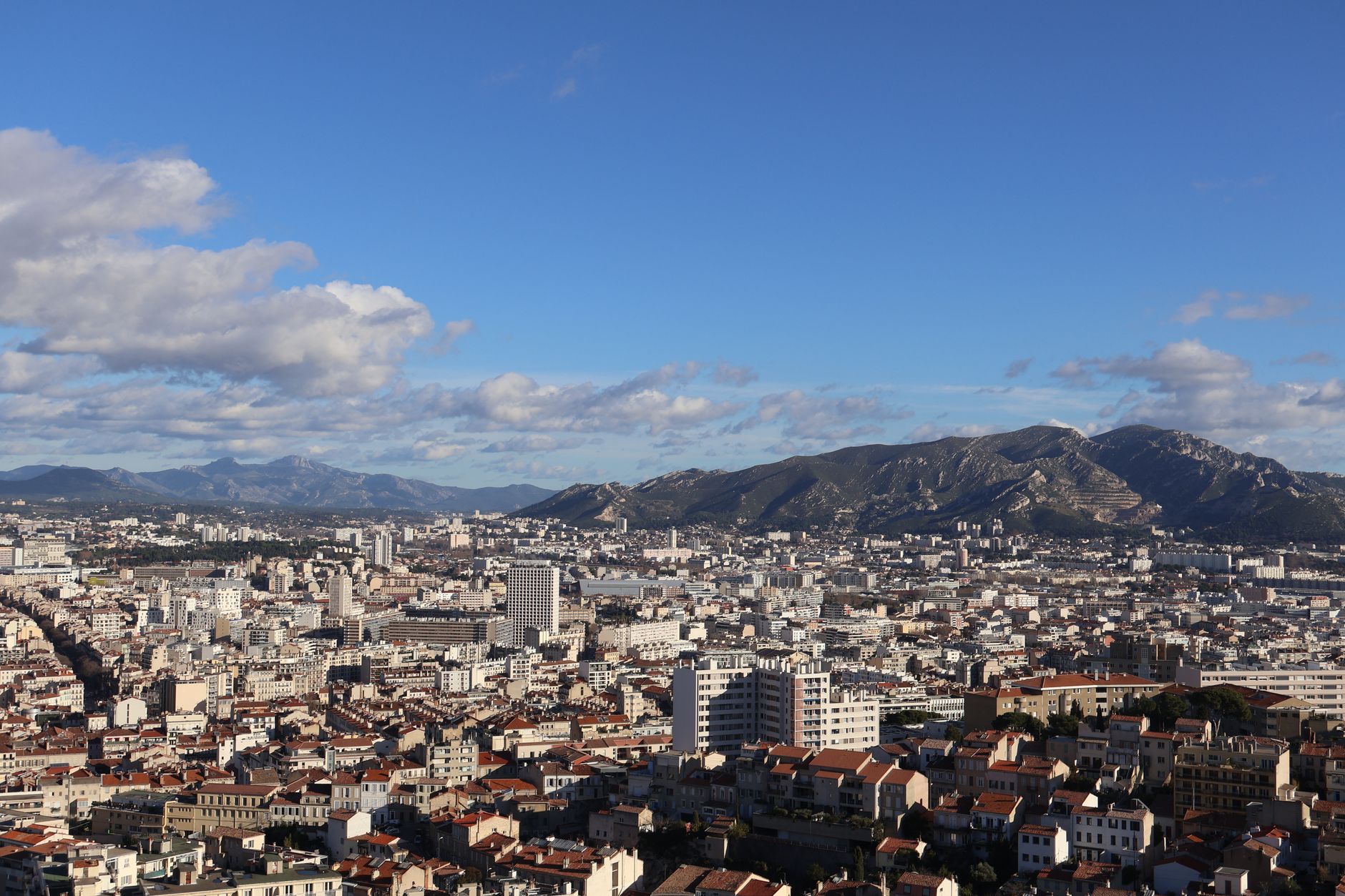
First impressions are of a working harbour: ferry horns, fishermen, and traffic mixing with cafés. The city feels uneven—grand 19th-century façades on Rue de la République sit beside rougher streets in northern districts. Streets in Le Panier climb sharply and tile pavements can be slick after rain, so shoes and realistic walking times matter. Many visitors expect a smooth, polished centre; instead expect active trade, short-term renovation sites, and lively markets that close earlier than tourist brochures suggest.
Is 3 days in Marseille enough?
Three days are enough to cover the Vieux-Port, Le Panier, Notre-Dame de la Garde, a half-day boat trip to Château d'If or the Frioul islands, and a Calanques visit if weather permits. The trade-off is skipping deep exploration of northern neighbourhoods and museums beyond MuCEM or the Musée des Civilisations de l'Europe et de la Méditerranée.
Who This Guide Is For
Best for first-timers who want a mix of maritime history, coastal walks and markets; less suitable for museum-focused travellers or those wanting a deep, slow exploration of every arrondissement.
Local Tips for Marseille
Practical details that most travel sites skip — specific to Marseille.
- Buy a single RTM t+ ticket at Métro ticket machines or the RTM app for around €1.80; machines accept cards and cash but the app avoids queues.
- Ferries to Château d'If and the Frioul islands depart from Quai de la Fraternité at Vieux-Port; the round trip typically costs around €10–€15 depending on the company and season.
- The Marché des Capucins (Place des Capucins) runs mornings and is the best place for North African spices and seafood stalls; many vendors close by early afternoon.
- MuCEM ticket is about €11 for standard adult entry—buy online for a timed slot to avoid the midday line at J4 and the footbridge from Fort Saint-Jean.
- Take the Navette Aéroport (airport shuttle) from Marseille-Provence Airport to Gare Saint-Charles for about €11; it runs roughly every 15–30 minutes and avoids city taxi fares during peak traffic.
How This Guide Was Prepared
This guide treats Marseille as a working port city with rough edges rather than an icon to be polished for postcards. Many guides ignore the practical friction—crowds at the Vieux-Port, steep hills in Le Panier, and inconsistent opening hours—so this plan sets realistic travel rhythms and exact routes to save time. Expect honest trade-offs between walking, boats and short metro hops. This guide was prepared through a structured research that combines destination research, geographic context, itinerary planning logic, and content review.
Plan Your Stay in Marseille
Use this itinerary as your starting point, then compare areas to stay, transport options, seasonal timing, and realistic daily costs before booking.
Why Visit
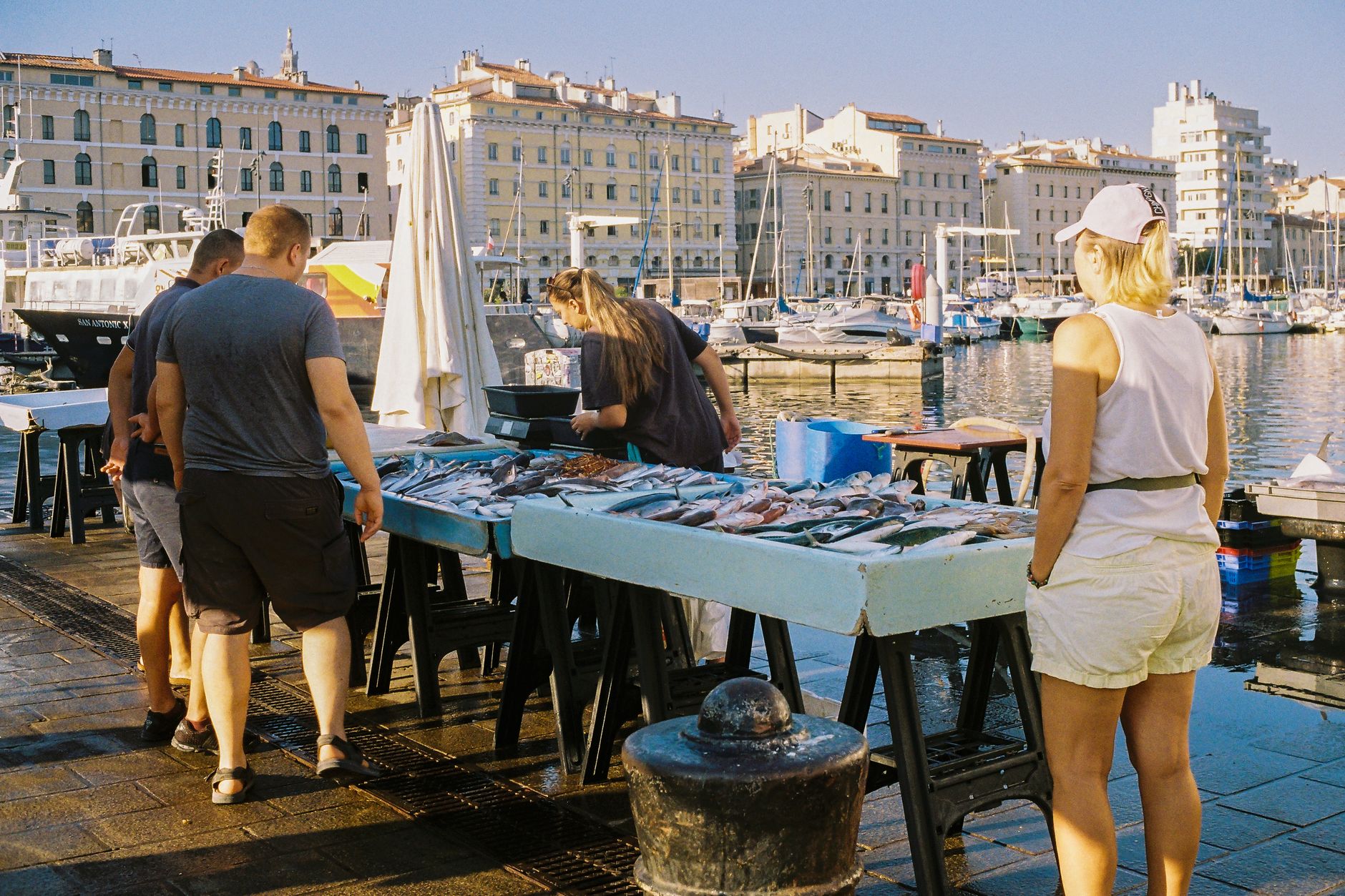
The port is the clearest reason: Vieux-Port is both transport hub and meeting point, with daily fish auctions and ferry links to Château d'If and Frioul. Coastal walking is another strength: the Corniche and the access points for the Calanques offer immediate sea views without long drives. Markets and food culture are specific draws; Marché des Capucins near Noailles shows Marseille’s Mediterranean food mix in one place. Architectural contrasts matter too: La Major cathedral and the concrete post-war docks around Joliette create an unusual cityscape that feels different from Aix-en-Provence or Nice.
Quick Planning Tips
Fly into Marseille-Provence Airport and take the Navette Aéroport to Gare Saint-Charles for about €11 and a 25–35 minute ride depending on traffic; avoid taxis from the airport unless carrying heavy bags. Buy RTM t+ single tickets at Métro stations or via the RTM app (around €1.80) and consider a 24-hour RTM pass if doing many short hops. Book any MuCEM or Château d'If ferry tickets online for morning slots in high season to skip midday queues. Avoid planning a Calanques hike after rain; paths get muddy and some coastal buses suspend service during bad weather.
Day 1
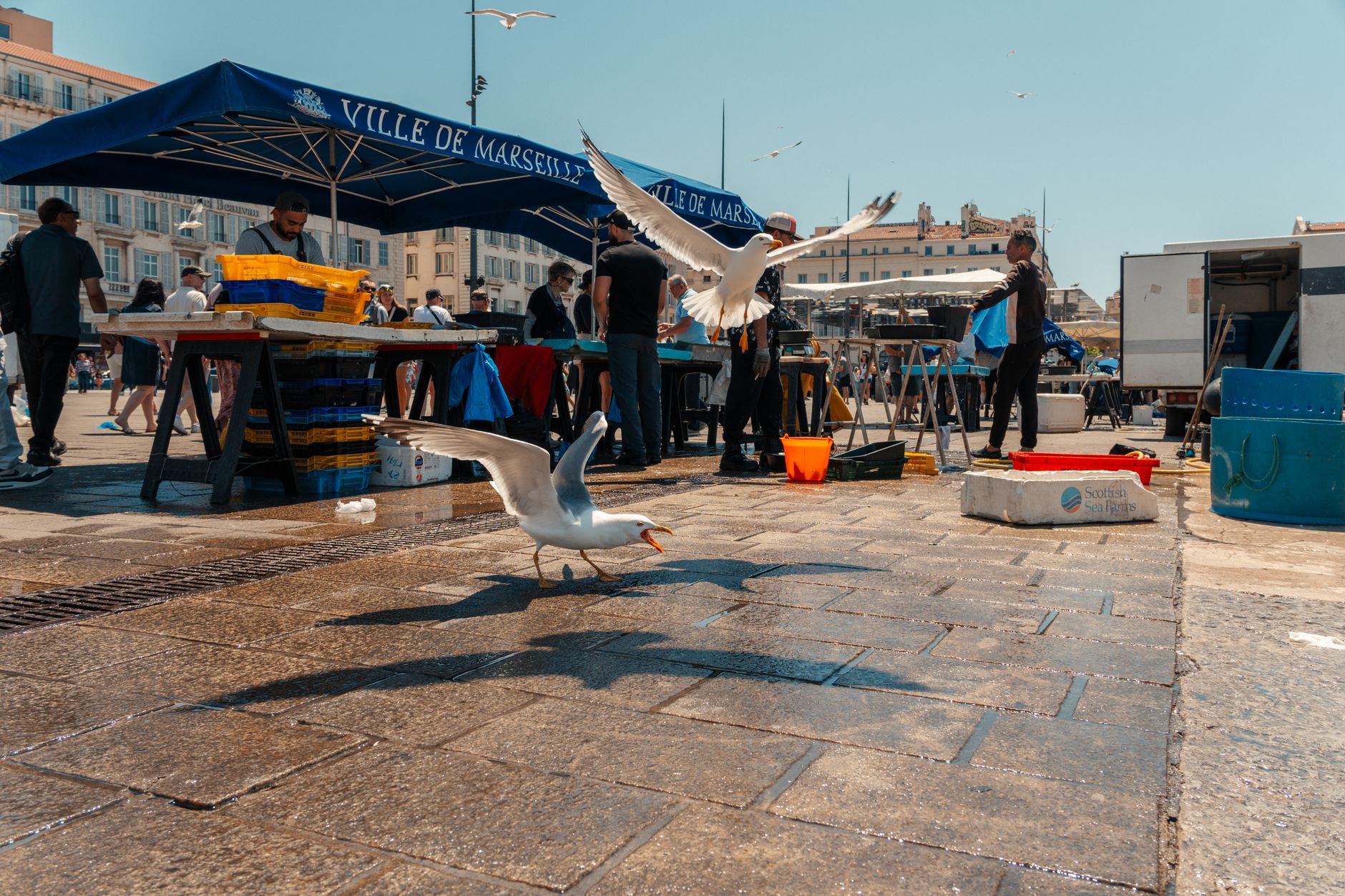
Start at Vieux-Port: arrive by Métro to Vieux-Port Hôtel de Ville or walk from Gare Saint-Charles in 10–15 minutes. Spend an hour at the fish stalls along Quai des Belges and grab a coffee facing the harbour. Walk 10 minutes east to Le Panier via Rue de la Loge; expect narrow lanes and stairs, and budget 45–60 minutes to see Vieille Charité and local artisan shops. From Le Panier walk 15 minutes down to MuCEM and Fort Saint-Jean at J4; allow 90 minutes for the museum and rooftop walk—purchase timed tickets if possible.
Day 2
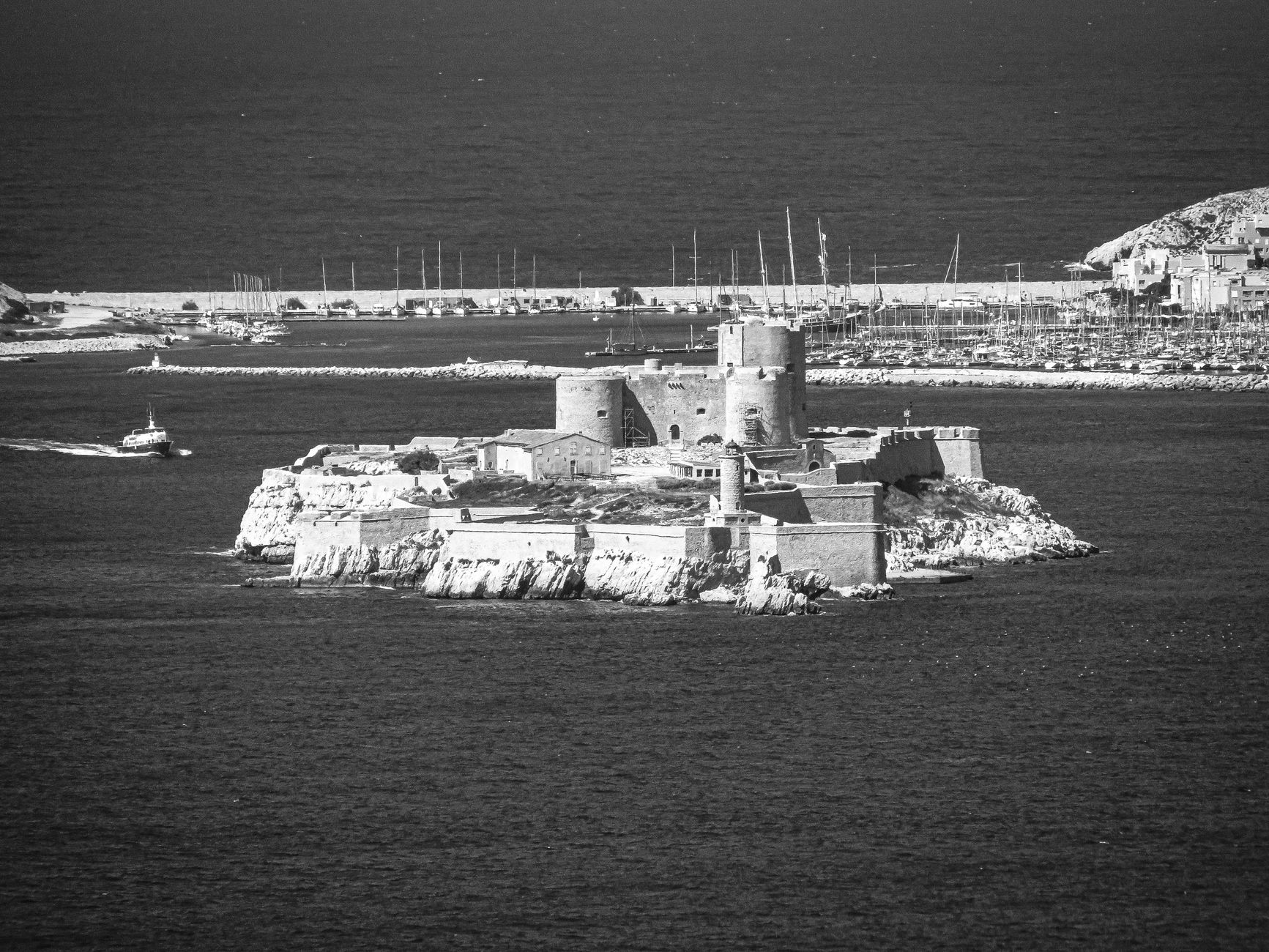
Dedicate a day to islands and coastal scenery. Catch the morning ferry from Quai de la Fraternité for Château d'If and the Frioul archipelago; the round-trip ferry takes about 3–4 hours with time on the islands. Château d'If requires roughly 60–90 minutes to tour the fortress and enjoy views of the harbour. Return to Vieux-Port and walk 10 minutes to La Corniche; the Corniche Kennedy drive and adjacent footpaths provide a 30–45 minute coastline walk to the Vallon des Auffes small port.
Day 3
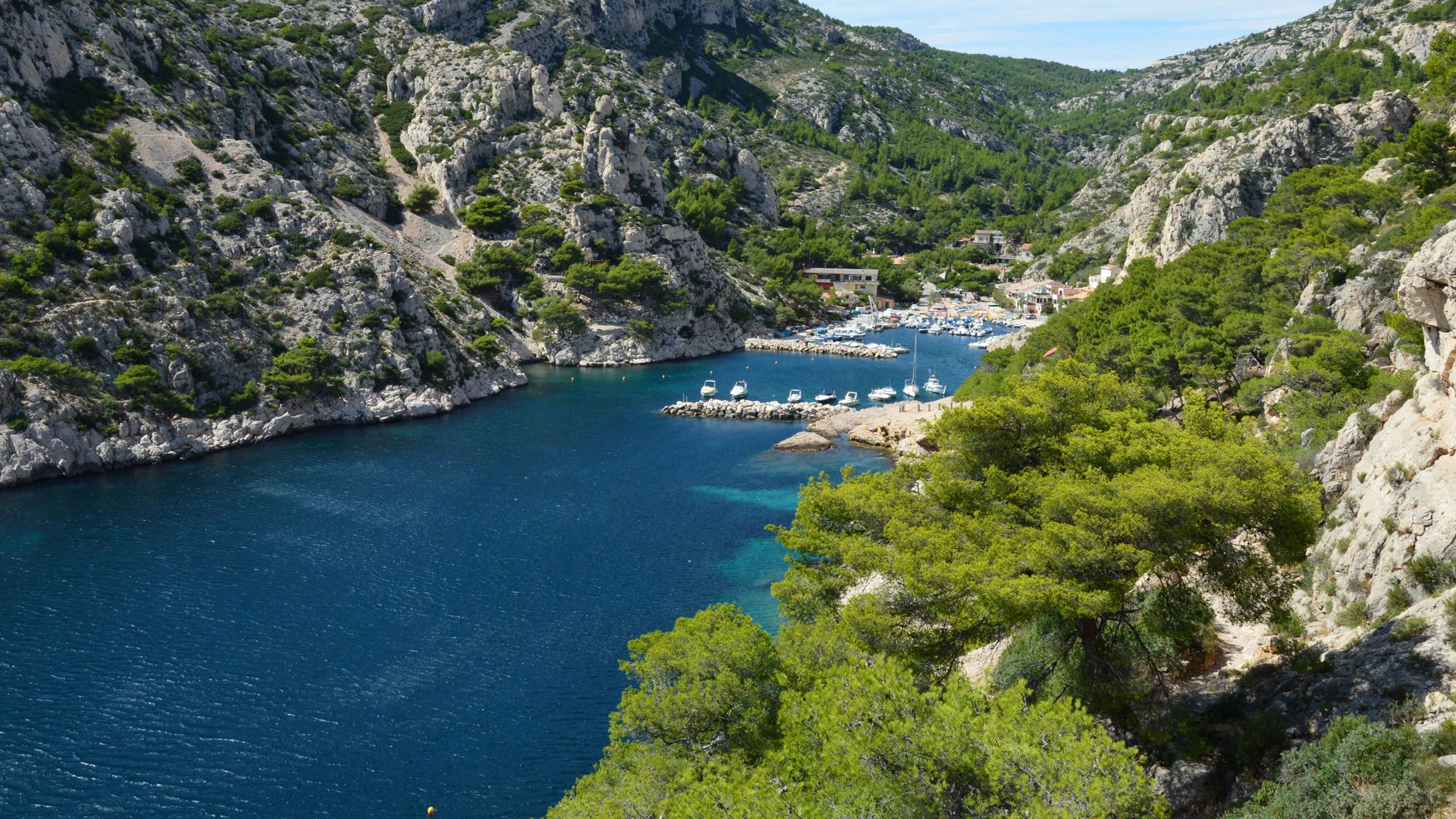
Reserve the third day for either a Calanques half-day by boat from the Vieux-Port or a local neighbourhood day exploring Noailles, Cours Julien and the Plaine. If choosing the Calanques, book an early boat to Sormiou or Morgiou; boats run 1.5–3 hours depending on the stop, and a typical tour costs €20–€35. Plan to be back by mid-afternoon for a walk through Noailles and the Marché des Capucins where spices, olives and fresh bread are plentiful.
Best Local Experiences
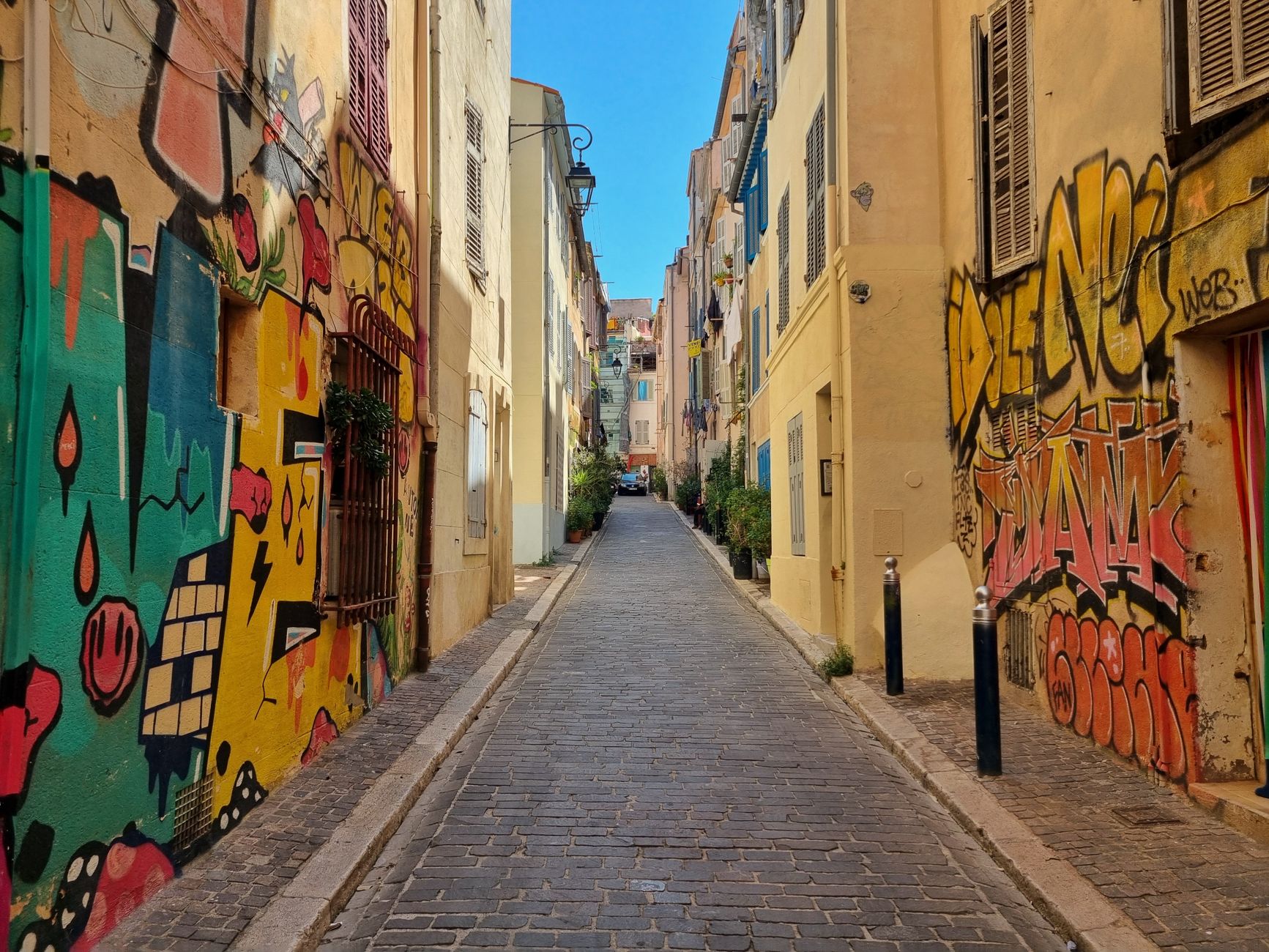
Take the ferry to Château d'If for a compact castle tour and clear harbour views. Walk the Corniche Kennedy from Pointe-Rouge toward Vallon des Auffes for coastal panoramas and seafood stops. Spend a morning at Marché des Capucins (Place des Capucins) for North African produce, spices and small eateries. Explore Cours Julien for street art, independent boutiques and evening tapas-style dining. Hike or take a boat into the Calanques (Sormiou, Morgiou, En-Vau) for limestone coves and swimming when conditions permit. Attend a Sunday brass or jazz set at a local bar in La Plaine for an authentic late-night scene.
Where to Stay
Vieux-Port: Suited to first-time visitors who want instant access to ferries, cafés, and nightlife; rooms range from €90–€220 per night (≈€100–€240). Expect noise in evenings and premium prices for views. Le Panier/Old Town: Suited to walkers and photographers who want atmospheric narrow streets and proximity to MuCEM and Le Panier attractions; small guesthouses and apartments cost roughly €70–€160 per night (≈€75–€170). Streets are steep and some buildings lack elevators. La Joliette/Euroméditerranée: Suited to travellers who prefer newer hotels, shopping at Les Terrasses du Port, and quick links to the ferry terminals; nightly rates are about €80–€180 (≈€85–€195). Hotels here are more modern and quieter at night.
Food and Drink
Bouillabaisse: A fish stew originally from the port; expect €30–€60+ at traditional places such as Le Miramar or Chez Fonfon. Bouillabaisse includes several local fish and a side rouille and croutons. Panisse: Chickpea fritter common as street food; find them at Noailles markets and small kiosks for about €2–€4. Pastis: An anise-flavoured aperitif typical of the region; order at cafés for €2.50–€6 per small glass. Navette: A sweet boat-shaped biscuit from Marseille sold in bakeries like Maison Émile; around €3–€6 for a small pack. Breakfast option: Tartine with café crème at local boulangeries such as La Boulangerie du Cours Julien—around €6–€10. For dinner, try a seafood platter at a harbour restaurant (expect €20–€40 for a mixed plate) or a modest three-course bistrot meal for €18–€30.
Getting Around
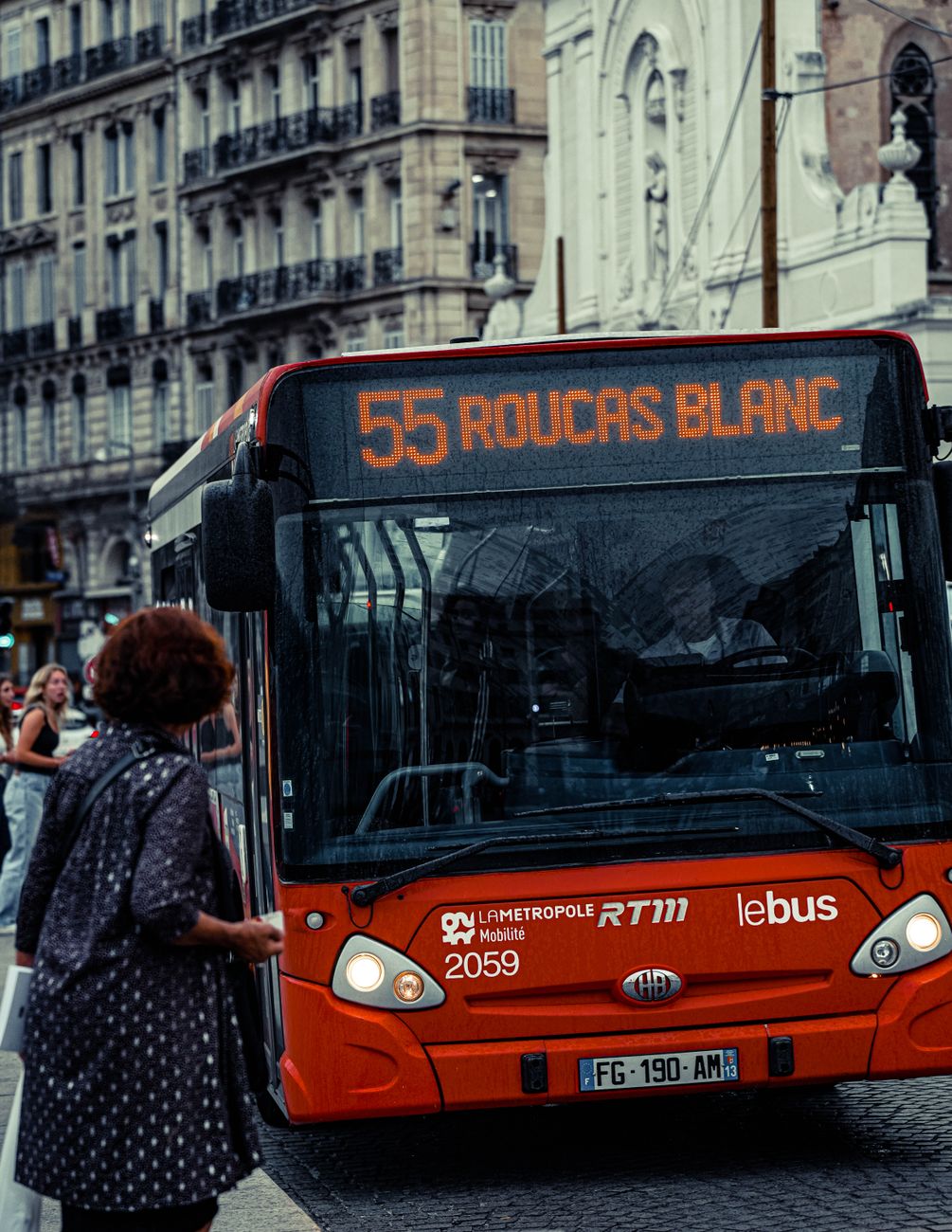
Use RTM public transport: Metro lines M1 and M2, trams T1, T2 and buses covering the city. Single t+ ticket costs around €1.80; buy at machines, tobacconists or the RTM app. A 24-hour RTM pass is sensible if planning repeated short hops; check the RTM app or ticket machines for current pricing. Regional services use the ZOU! network for trains to nearby Aix-en-Provence and Toulon—use the SNCF or ZOU! app for timetables. The Navette Aéroport shuttle runs to Gare Saint-Charles for about €11. Taxis and ride-hailing are common but expect higher fares to/from the airport in peak traffic; a taxi from Saint-Charles to Vieux-Port is roughly €8–€12 off-peak.
Best Time to Visit
Spring (April–June) offers mild temperatures around 15–25°C, quieter attractions than July–August and blooming garrigue—good value for coastal walks. Summer (July–August) sees highs of 28–33°C, crowded ferries and beaches, and higher accommodation prices; book weeks in advance if travelling then. Autumn (September–October) has warm sea temperatures and comfortable daytime 18–26°C conditions, with fewer crowds and several boat services still running. Winter (November–March) is milder than inland France but can be windy and wet, with daytime highs around 8–14°C; museums stay open and prices drop, but some seasonal ferries may reduce frequency.
Budget and Practical Tips
Daily budget estimate per person (mid-range): accommodation €90–€140 (≈€95–€150), food €30–€60, transport €5–€10, entry fees €10–€25. Expect a three-day total roughly €390–€700 depending on hotel choices and activities. Many attractions accept cards but small markets and food stalls often prefer cash for small purchases—carry some euros. Tipping: service is usually included on restaurant bills; leaving €1–€3 at cafés or rounding up for good service is normal. Bring sunscreen and a reusable water bottle; tap water in Marseille is potable but tastes different due to mineral content.
FAQ
Is Marseille safe for tourists?
Most central areas and main tourist routes are safe in daylight; exercise usual caution at night around some busier streets, keep wallets secure and avoid poorly lit backstreets after dark.
How long is the ferry to Château d'If?
Ferries leave from Vieux-Port and take about 20–30 minutes each way; allow 2–3 hours total for the trip including time on the island.
Is a city card worth buying?
The MuCEM combined tickets and tourist passes rarely pay off unless planning multiple paid museums and several transport trips; calculate based on the specific museums intended and ferry costs.
What’s the best way to get from the airport to the centre?
Take the Navette Aéroport to Gare Saint-Charles for about €11 or a taxi for €35–€50 depending on traffic and luggage; shuttle is usually faster in peak hours.
Can the Calanques be visited in a single afternoon?
Boat trips provide quick access to coastal coves in an afternoon; hiking to popular calanques requires 2–4 hours on foot depending on the trail and fitness level.
Which transit app should be used?
Use the RTM app for local tickets and timetables, and SNCF Connect or ZOU! for regional train times and ticketing to Aix-en-Provence and Toulon.
Are there good vegetarian options?
Markets like Capucins and many bistro menus include vegetable-based dishes, salads and mezze; inform staff about dietary needs since many seafood-focused restaurants specialise in fish.
Is French necessary to get by?
Basic French helps with markets and small cafés; staff in tourist areas usually speak some English but politeness in French opens doors and speeds service.
Conclusion
Three days will leave a clear impression of the harbour city: its market flavours, steep streets of Le Panier, the basilica views and one good coastal outing. Time is best spent prioritising either island/coastal exploration or deeper museum and neighbourhood visits; trying to do both intensively will feel rushed. If short on time, prioritise a morning at Vieux-Port and a midday MuCEM visit, then a late-afternoon ascent to Notre-Dame de la Garde for a compact, memorable slice of the city.
How this guide was prepared
This guide was prepared through a structured research that combines destination research, geographic context, itinerary planning logic, and content review.