
3 Days in Jerusalem: A Practical Itinerary for Culture, History & Food
A 3-day Jerusalem itinerary for first-time visitors: Old City highlights, markets, museums, neighborhoods, food tips and transit advice for a perfect…
A focused, walkable 3-day plan that balances sacred sites, museums, and market life with local food and practical transit tips.
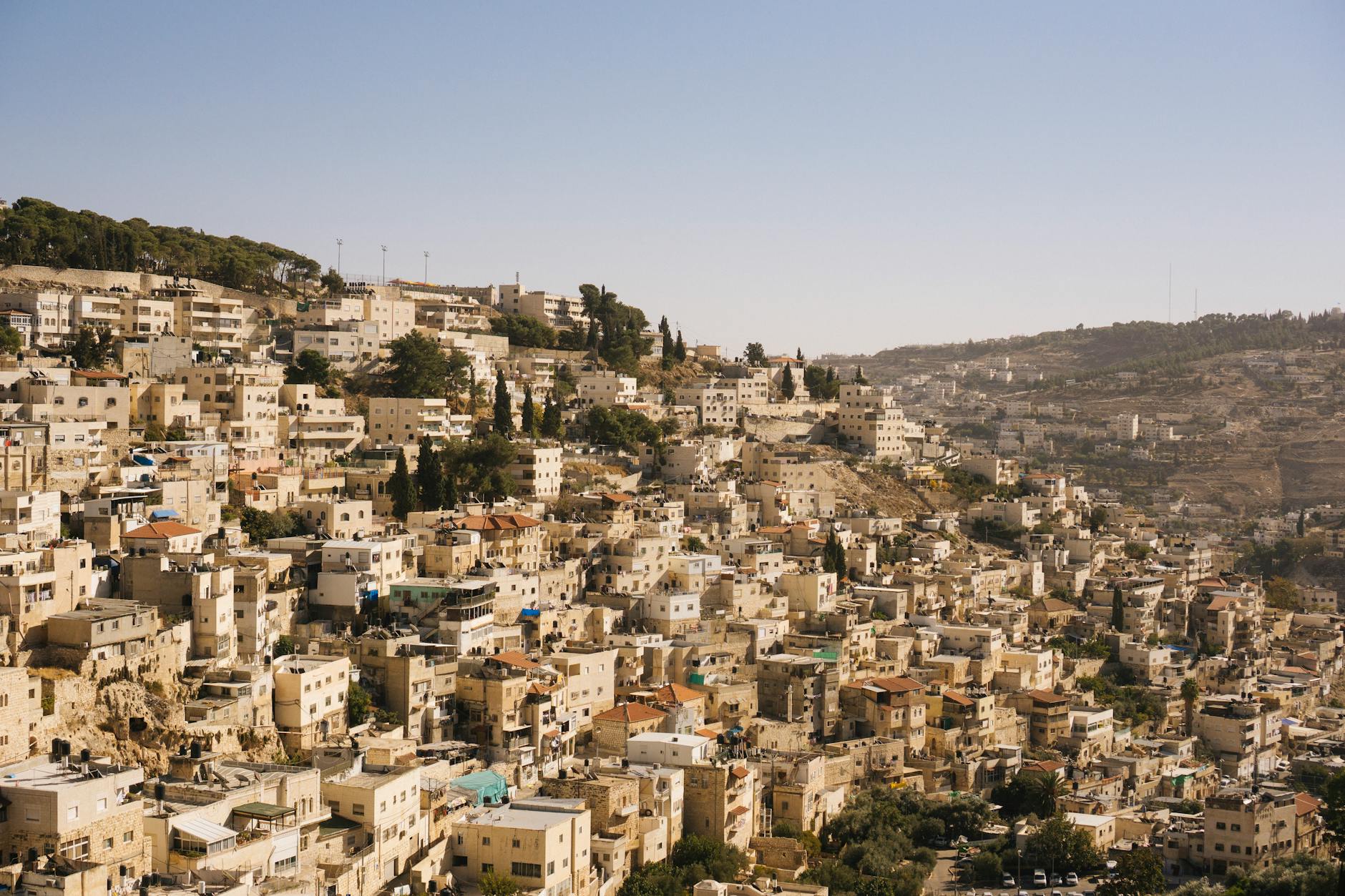
A compact, ancient-meets-modern city built on layered history, deep religious significance, lively neighborhoods and bustling markets. It suits curious travelers who want sacred sites and serious museums, food lovers who enjoy markets and street bites, and walkers who like steep streets and panoramic viewpoints. Three days works well because the core Old City and nearby historic quarters take a full day, a second day covers major museums and memorials, and a third day lets you explore markets, neighborhoods like Ein Kerem or the Mount of Olives and take a short half-day trip nearby. This plan keeps walking distances realistic and reserves time for pauses, meals and transit between sites.
Quick Answer
A focused, walkable 3-day plan that balances sacred sites, museums, and market life with local food and practical transit tips.
Who This Guide Is For
This guide is best for first-time visitors, couples, solo travelers, and anyone planning 3-day city break, cultural, historic in Jerusalem with a balance of highlights, local character, and reasonable spending.
How This Guide Was Prepared
This guide was prepared through a structured editorial workflow that combines destination research, geographic context, itinerary planning logic, and practical travel review.
Plan Your Stay in Jerusalem
Use this itinerary as your starting point, then compare areas to stay, transport options, seasonal timing, and realistic daily costs before booking.
Why Visit
This is a city where world heritage and daily life intersect: sacred spaces that matter to multiple faiths, cutting-edge museums, and a lively modern culture. Expect a compact center ideal for walking, striking viewpoints, and a culinary scene rooted in Levantine flavors. It’s rewarding for history buffs, religious pilgrims, photographers, and food-focused travelers. Short distances make a 72-hour visit satisfying: you can see the Old City highlights, a top museum, a major memorial and sample neighborhoods without feeling rushed.
Quick Planning Tips
Book accommodations near the city center or a reliable light-rail stop to save transit time. Download an offline map and check opening hours—many sites close early on religious holidays and during Shabbat (Friday sundown to Saturday sundown). Carry a reusable water bottle and modest clothing for religious sites: shoulders and knees should be covered. Cash and card both work; small vendors prefer cash. For border day trips, verify visa rules in advance. Mornings are best for major attractions to avoid crowds and midday heat.

Day 1
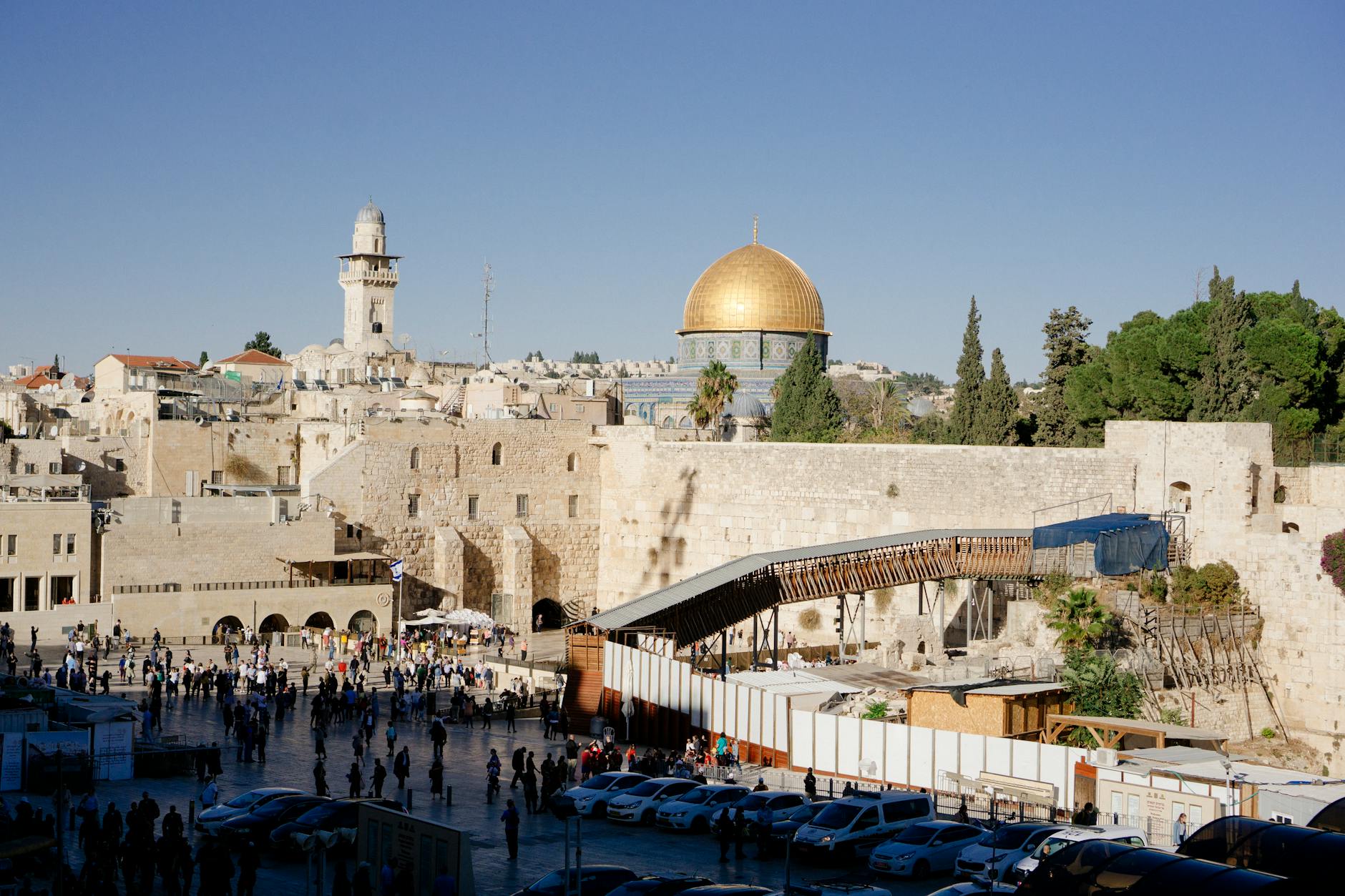
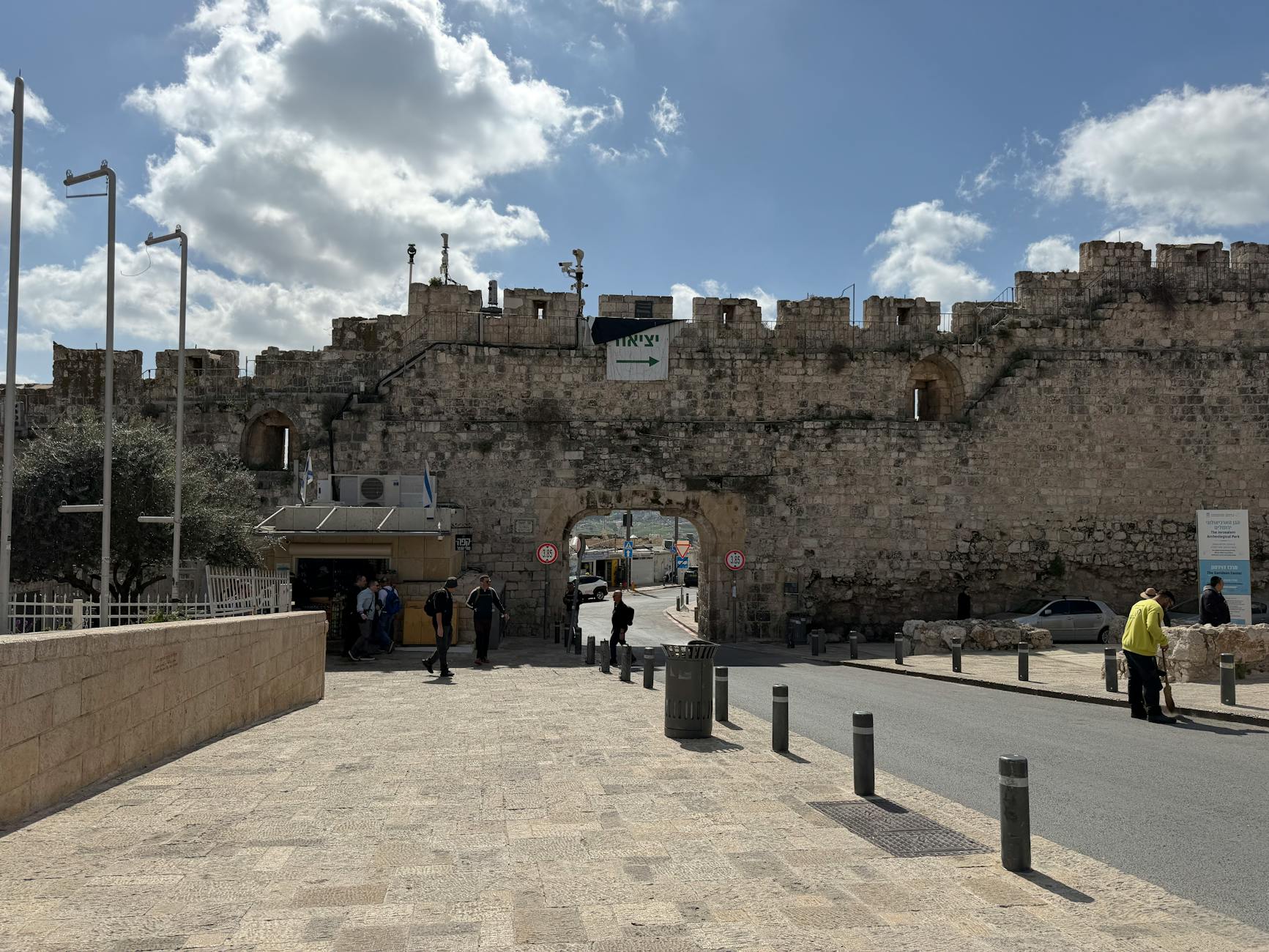
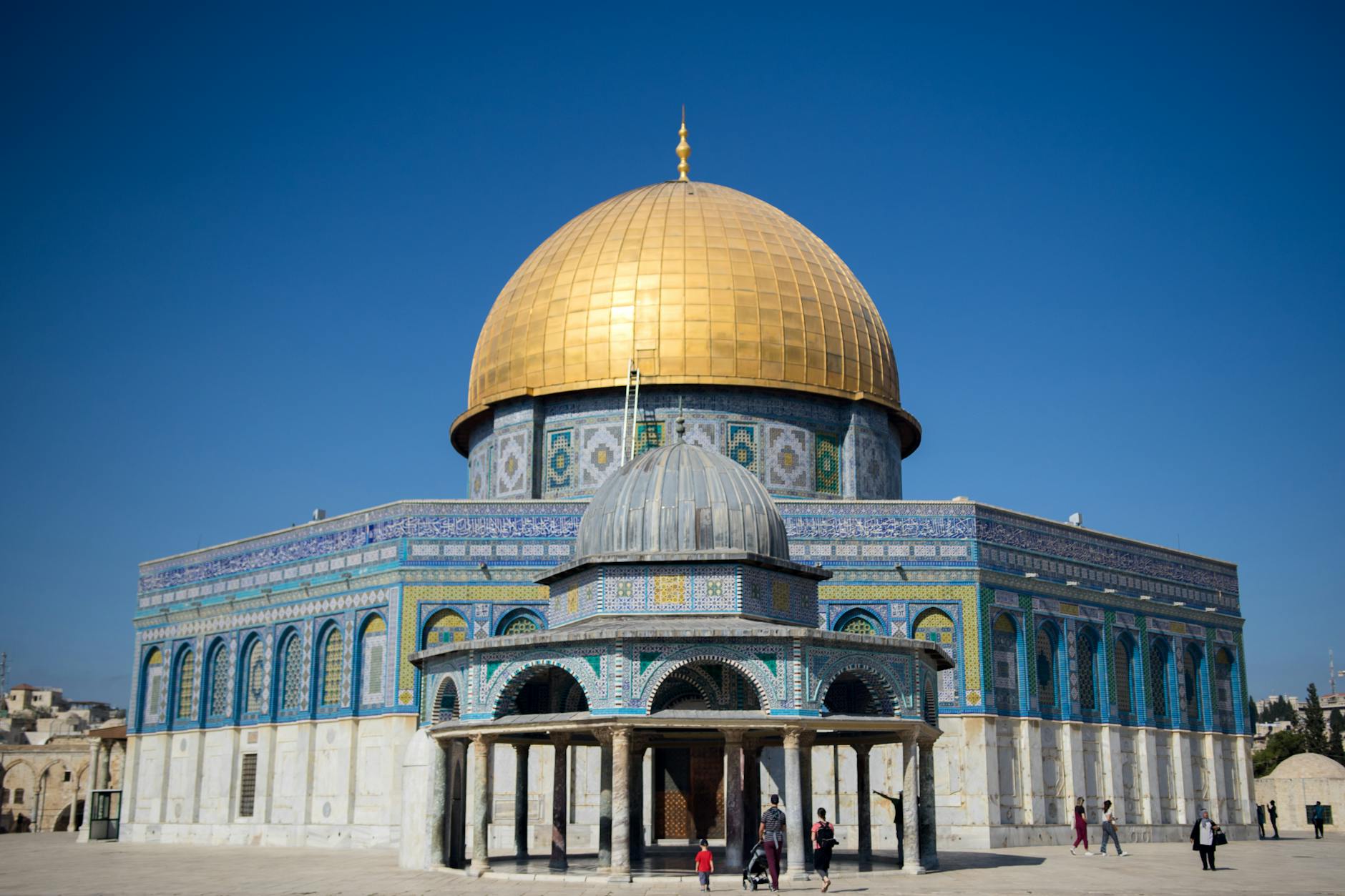
Morning: Start at Jaffa Gate and enter the Old City. Walk the Armenian, Christian and Jewish Quarters, visiting the Church of the Holy Sepulchre and the Western Wall. Climb the Tower of David for a panoramic orientation. Lunch: Eat at a courtyard restaurant near the Christian Quarter or grab falafel in the Muslim Quarter. Afternoon: Explore the Temple Mount area viewpoint (respect local rules) and the Cardo archaeological street. Evening: Stroll Mamilla Promenade for shops and sunset views over the Old City; dinner on Ben Yehuda Street for a lively after-hours scene.
Day 2
Morning: Visit the Israel Museum to see the Dead Sea Scrolls at the Shrine of the Book and the model of ancient Jerusalem. Midday: Head to Yad Vashem for a powerful, reflective visit—reserve timed entry and expect several hours. Lunch: Café near the museum or a boxed lunch in the Independence Park area. Afternoon: Return to the city center to explore Mahane Yehuda Market’s alleys and sample pastries, halva and fresh juices. Evening: Join a guided food tour in the market or dine at a trendy restaurant in the German Colony.
Day 3
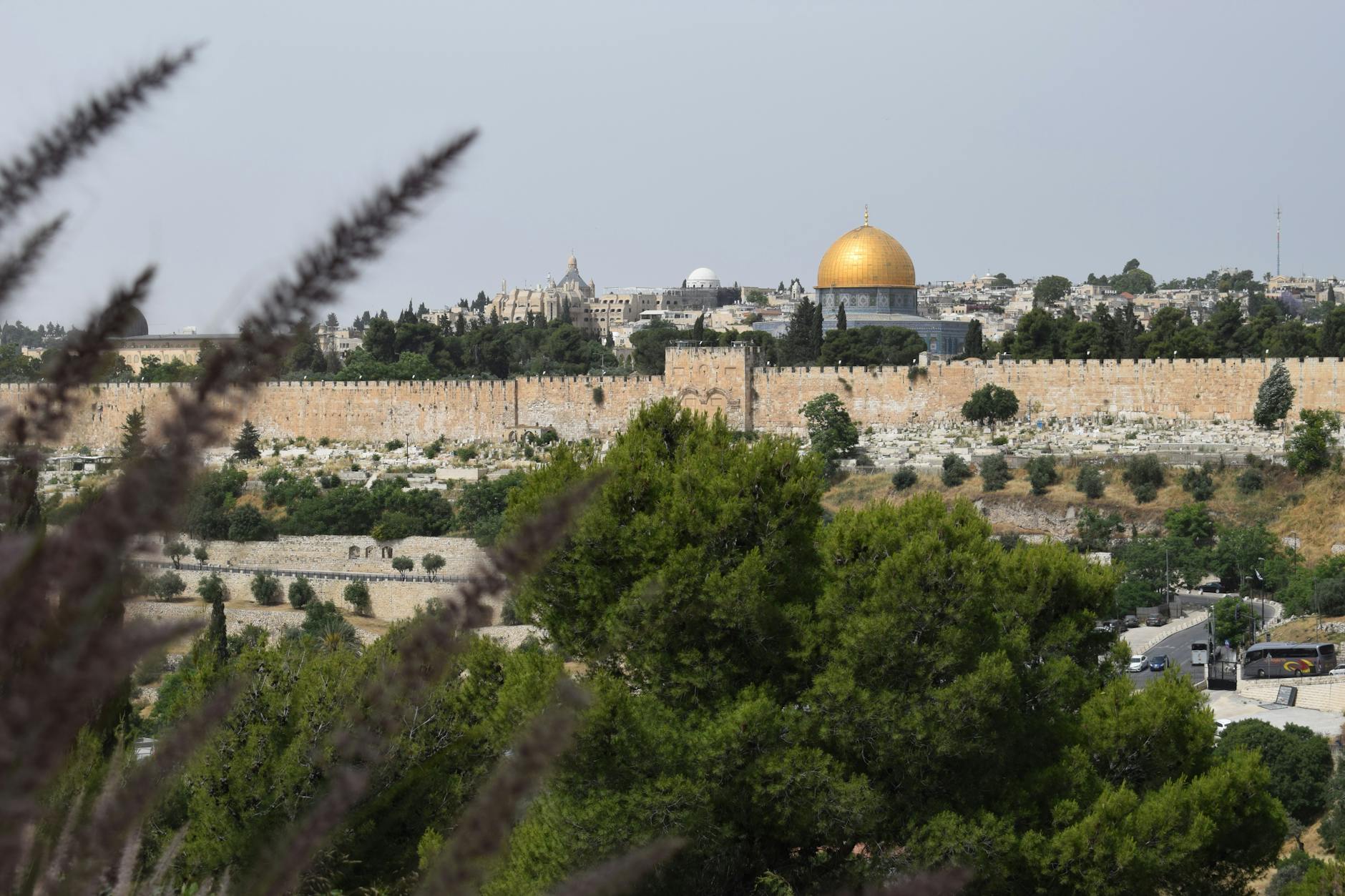
Morning: Walk the Mount of Olives for sunrise views over the Old City and visit key viewpoints; continue downhill to the Garden of Gethsemane. Midday: Explore the City of David archaeological park; consider Hezekiah’s Tunnel if you want a wet and adventurous experience—bring water shoes. Lunch: Try a mezze spread in the nearby neighborhood of Ein Kerem or a local café. Afternoon: Free time for shopping, visiting lesser-known museums, or a short drive to the Dead Sea or Bethlehem if you prefer an organized half-day trip. Evening: Relax with a low-key meal and a rooftop view.
Best Local Experiences
Walk the Mahane Yehuda Market in the morning and again at night when it turns into a lively food-and-music scene. Attend a guided Old City walking tour that covers religious sites and hidden alleys. Experience a rooftop sunset over the Western Wall Plaza or Mount of Olives viewpoint. Try a cooking workshop for traditional Jerusalem dishes, or attend a Shabbat dinner if you have an invitation. Visit a neighborhood like Ein Kerem for art galleries and quiet streets, and stroll the modern promenades around Mamilla and the First Station for cafés and people-watching.

Where to Stay
Stay near the Jaffa Gate or Mamilla for immediate Old City access and easy walking. The city center and German Colony offer boutique hotels and good dining options within a short light-rail or taxi ride. For budget travelers, consider guesthouses in the Nachlaot neighborhood—quiet streets and local bakeries. If you want museum access and a greener feel, hotels near the Israel Museum and Knesset are convenient. Book early for holiday seasons and check whether hotels observe Shabbat services or closures.
Food and Drink
Start with market staples: fresh hummus, falafel, shawarma and sabich. Try local bakeries for bourekas and rugelach. Explore Mahane Yehuda for street snacks and modern eateries—don’t miss tahini-based dishes and locally roasted coffee. For sit-down meals, sample modern Israeli cuisine in the German Colony or upscale restaurants near Mamilla. Look for Arabic-style sweets in the Old City and kosher and non-kosher options across neighborhoods. Tap water is drinkable; many places offer filtered water or bottled.
Getting Around
The city center and Old City are best explored on foot; expect uneven, cobbled streets and stairs. Use the light rail to connect major neighborhoods like the Central Bus Station, City Center and Mount Scopus area. Shared taxis (sheruts), buses and affordable private taxis cover longer trips. For border crossings or day trips to neighboring countries, arrange transport through a licensed tour operator and check visa requirements. Bring comfortable shoes, and factor in walking time between clustered attractions.
Best Time to Visit
Spring (April–May) and autumn (September–November) offer mild weather and lower crowds. Winter is cooler with occasional rain but fewer tourists; summer can be hot, especially for outdoor walking. Check the religious calendar—high holidays, Easter/Passover and Ramadan-related dates affect opening hours and crowd levels. For festivals and market nightlife, late spring and early fall are particularly lively.
Budget and Practical Tips
Expect a range of prices: street food is affordable, mid-range restaurants are moderate, and top hotels can be expensive. Buy a Rav-Kav or single-use public transport ticket for buses and light rail; taxis are metered but negotiate longer trips. Many museums offer reduced or free entry on specific days—check websites. Respect local customs in religious areas: modest dress and quiet behavior. Carry ID and let your accommodation know about arrival times if you plan to check in after Shabbat starts.
FAQ
Is Jerusalem safe for tourists?
Yes, most visits are trouble-free. Stay aware in crowded areas, follow local guidance near sensitive sites, and check travel advisories for current updates.
Can I visit religious sites if I’m not of that faith?
Generally yes. Many sites welcome visitors but require modest dress and respectful behavior; some areas have restricted access at certain times.
Is it possible to observe Shabbat as a visitor?
Yes. Expect many businesses and public transport to close from Friday sundown to Saturday sundown; plan logistics in advance and enjoy special services or meals if invited.
How do I get from the airport to the city?
Take the train from the airport to the central station or a taxi; shared shuttles and private transfers are common. Pre-book during peak times.
Are English tours and signs widely available?
Yes. Many museums, guided tours and major sites offer English services; street signs and menus often appear in English as well.
Can I visit nearby cities like Tel Aviv or the Dead Sea on a short trip?
Yes. Tel Aviv is about an hour by car or bus; the Dead Sea is a similar drive. Organized half-day or full-day trips are convenient options.
Conclusion
Three days provides a rewarding balance of the Old City’s sacred sites, top museums and lively neighborhood life. With sensible planning—early starts, comfortable shoes and attention to local schedules—you’ll leave with panoramic views, memorable meals and a deeper sense of a city shaped by millennia. Use this itinerary as a flexible framework: swap a museum for a half-day trip, linger at a favorite market stall, and let local guides add stories that bring the layers of the city to life.
How this guide was prepared
This guide was prepared through a structured research that combines destination research, geographic context, itinerary planning logic, and content review.