
Best Things to Do in Chiang Mai — Practical, Sustainable Picks
Practical, local-first guide to the best things to do in Chiang Mai: temple routes, markets, day trips (Doi Suthep, Doi Inthanon, Mae Kampong), low-impact activities, transport tips, and how to use a 3-day Chiang Mai itinerary.
A concise, easy-to-scan support page to help you pick activities in Chiang Mai that fit a 3-day plan. Focus on local markets, neighborhood walks, short day trips, responsible animal experiences, and how to travel sustainably around the city.
Quick Answer
A concise, easy-to-scan support page to help you pick activities in Chiang Mai that fit a 3-day plan. Focus on local markets, neighborhood walks, short day trips, responsible animal experiences, and how to travel sustainably around the city.
Who This Page Is For
This page is for travelers planning a stay in Chiang Mai who want clearer decisions about things to do, local logistics, timing, budgeting, and practical trip planning.
How This Page Was Prepared
This page was prepared through a structured editorial workflow that combines destination research, geographic context, and practical travel-planning review.
Plan the Rest of Your Trip
Use this page together with the full itinerary and the related planning pages below to make better booking, timing, transport, and budget decisions.
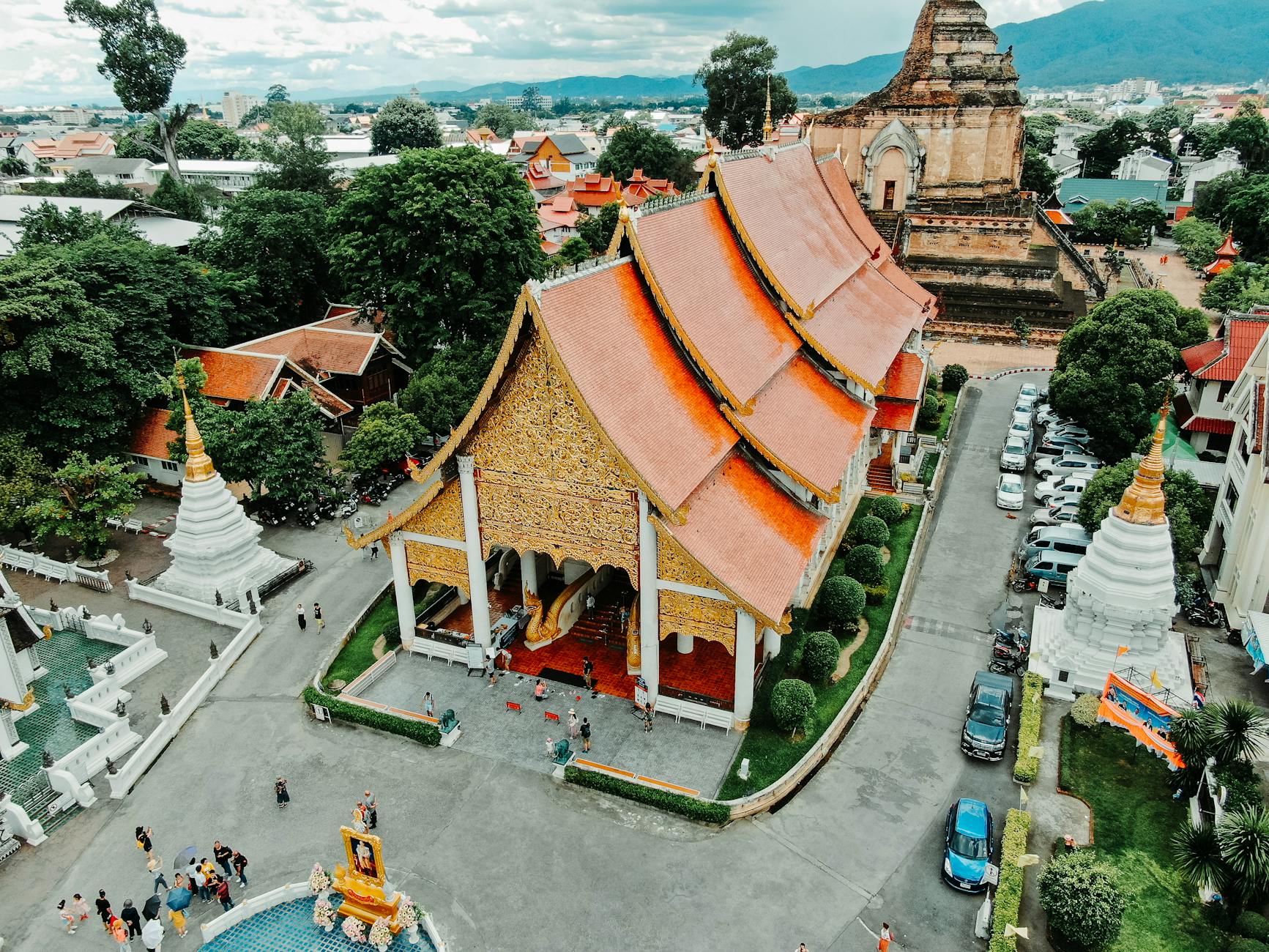
If you have 3 days in Chiang Mai, prioritize: a half-day Old City temple loop (Wat Phra Singh and Wat Chedi Luang), an evening market (Sunday Walking Street or Night Bazaar), a day trip to Doi Suthep plus hippie village or Mae Kampong, and a low-impact nature activity like a Thai cooking class using local markets or a responsible elephant sanctuary visit. Use this page to swap or reorder activities depending on weather, mobility, and your interest in hiking versus culture.
This page helps you choose the best things to do in Chiang Mai with a focus on low-impact, locally beneficial options that fit into a 3-day plan. It pairs neighborhood walks, morning markets, an accessible temple loop, and nearby day trips while noting seasonality, transport realities, and respectful local etiquette.
What This Page Helps You Decide
Use this page to decide: which neighborhoods to base yourself in (Old City for walking; Nimman for cafes and evening life), which markets to visit for food and crafts, which day trips match your pace, and which animal or trekking experiences are ethical.
It also helps with practical choices:
– When to book transport and tours (shoulder season and weekdays reduce crowds).
– How to adjust plans for rainy season (May–October) and cool season (November–February).
– What to prebook versus book locally to support small businesses.
Top Recommendations
Core daytime activities
– Old City temple loop: Wat Phra Singh, Wat Chedi Luang, small lane cafes. Start early to avoid heat and crowds.
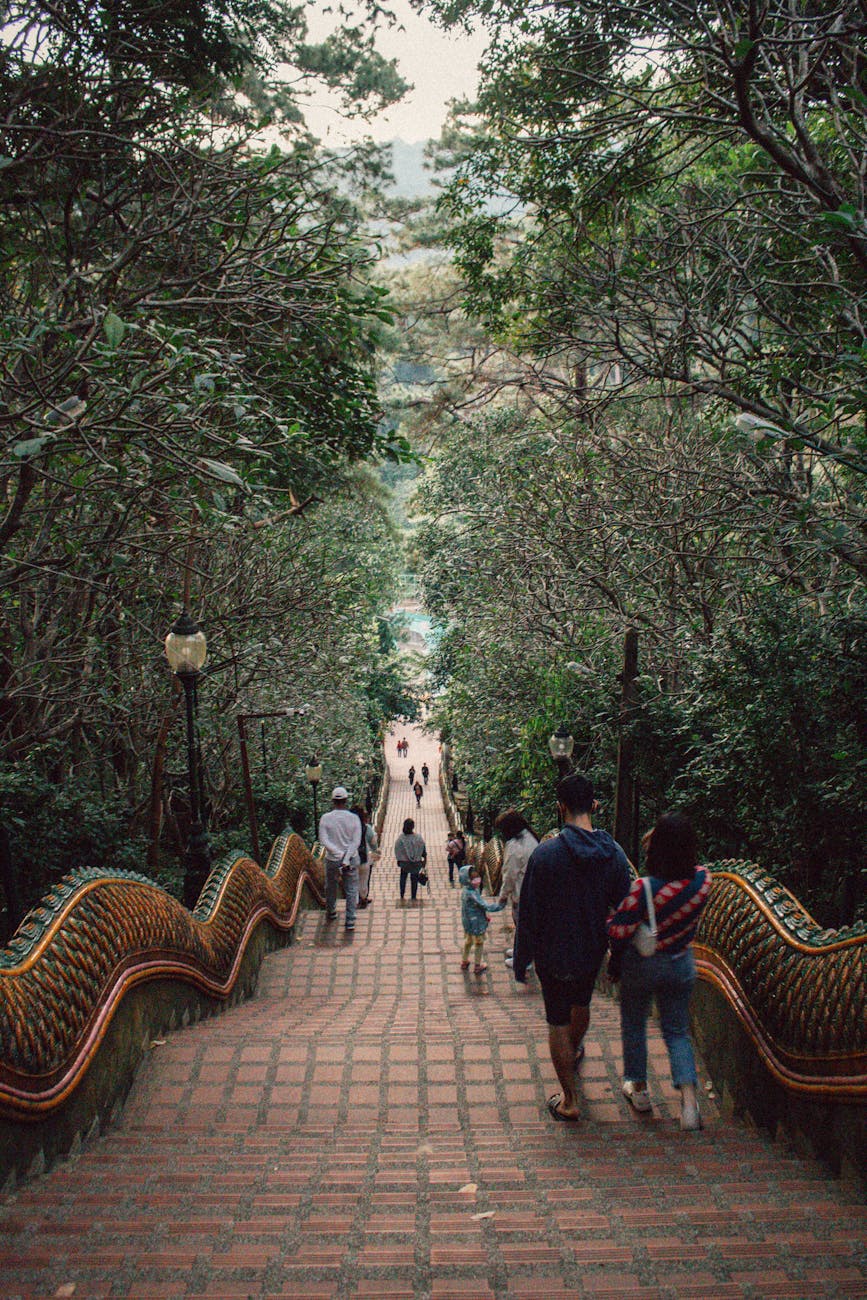
– Doi Suthep + Hmong village: go early for light and cooler temperatures; combine with a stop at Bhubing Palace or the viewpoint.
– Markets: Warorot (local produce and textiles) by day; Sunday Walking Street for handicrafts, food, and live performance.
Low-impact outdoor options
– Mae Sa Valley or Bua Thong (Sticky) Waterfalls for short hikes outside peak crowds.
– Samoeng Loop for a scenic drive that supports small roadside stalls and coffee farms.
Authentic urban experiences
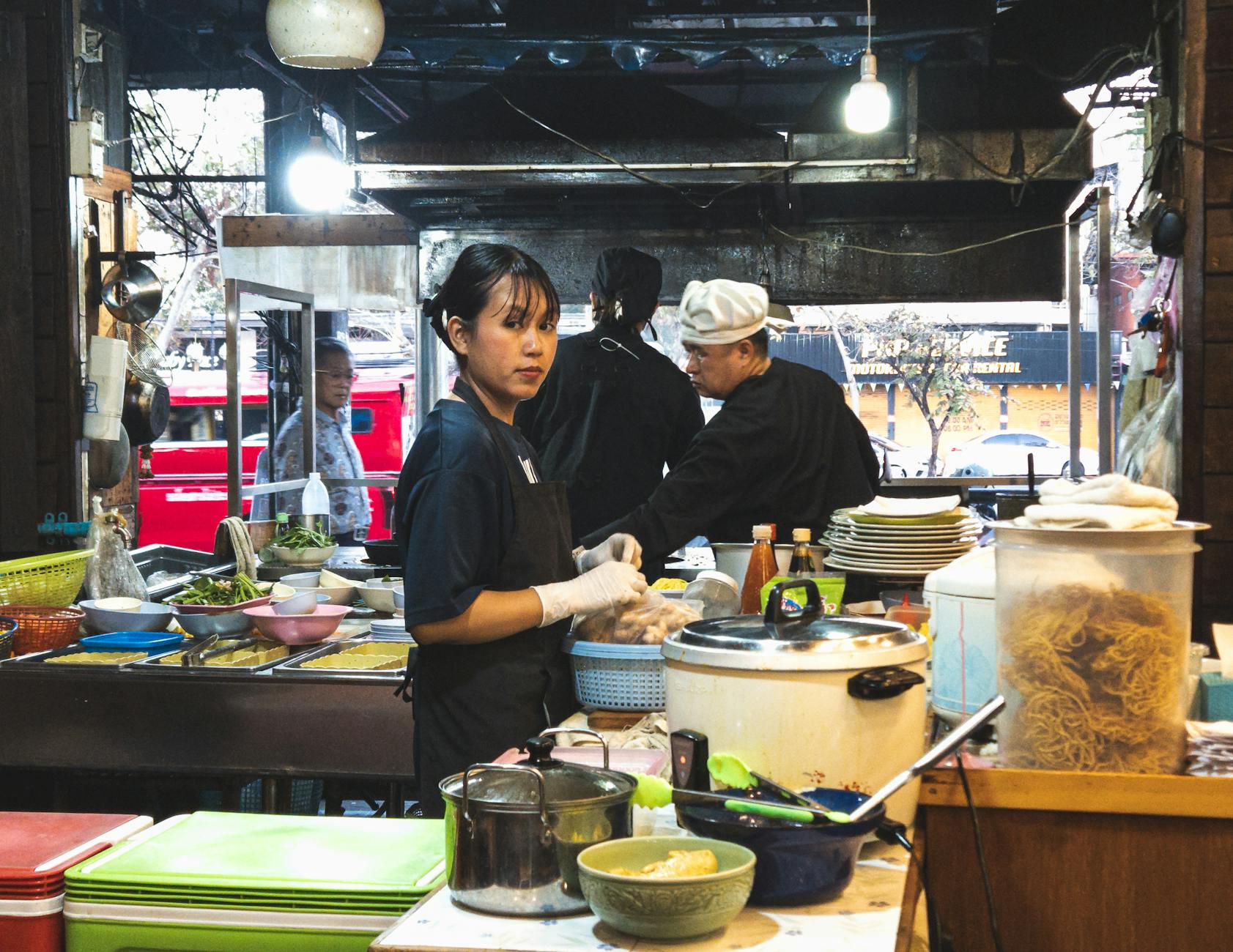
– Morning visit to Chiang Mai Gate Market for khao soi and local breakfast.
– A hands-on cooking class that sources ingredients from local markets (choose small operators who emphasize community suppliers).
Responsible wildlife/activity choices
– Choose sanctuaries that prioritize rescue and rehabilitation (e.g., Elephant Nature Park and smaller local rescues). Avoid elephant rides and performances.
Pairing with a 3-day itinerary
– Day 1: Old City and markets; evening street market. Day 2: Doi Suthep + nearby village. Day 3: Day trip (Doi Inthanon, Mae Kampong, or sticky waterfalls). See our 3 days in Chiang Mai itinerary for timing and logistics.
Local Context
Neighborhoods and transport
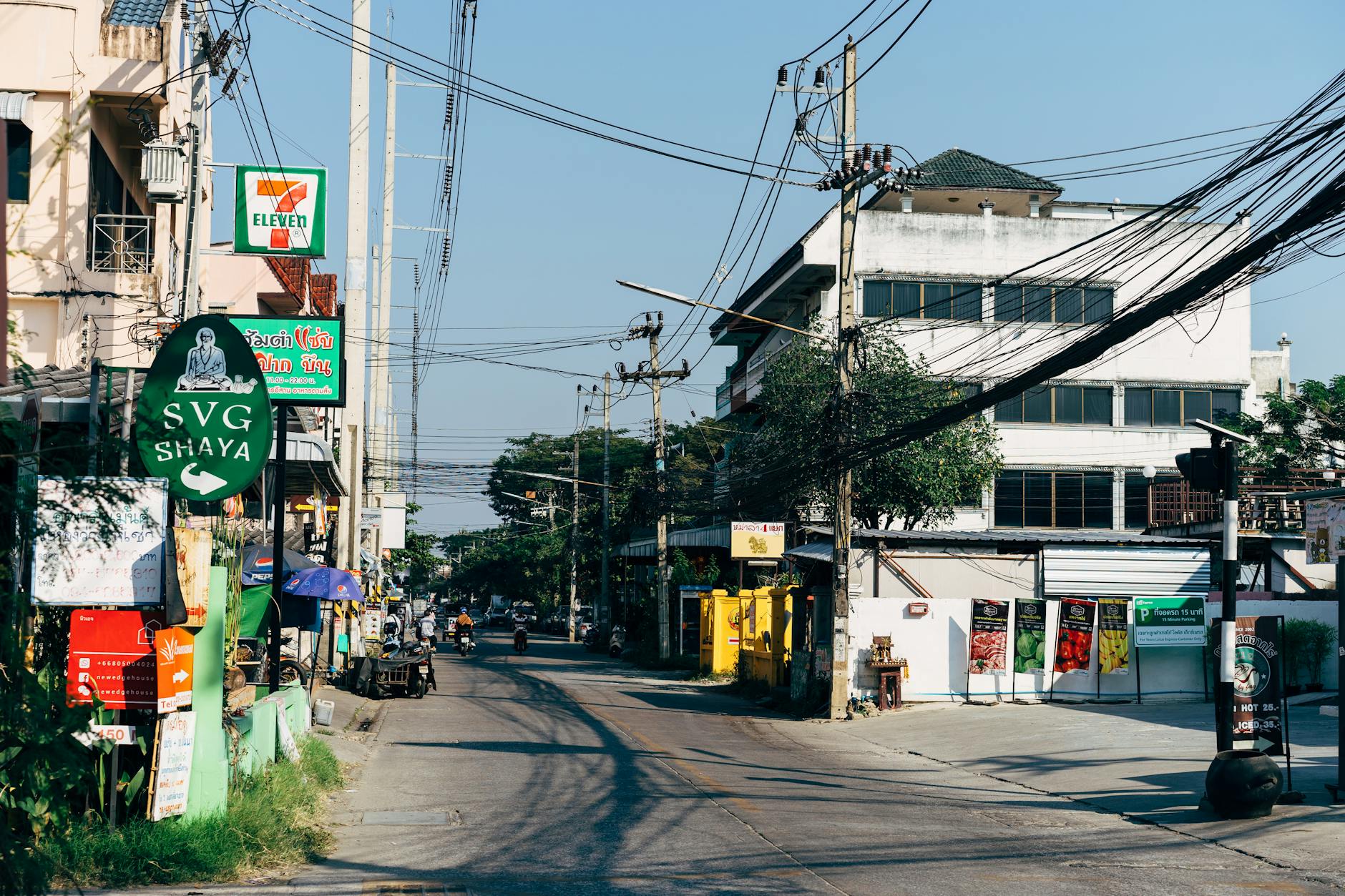
– Old City: compact, walkable, best for sightseeing and morning markets.
– Nimman: café culture, boutique stores, and nightlife; better for digital nomads and evening dining.
– Riverside: quieter guesthouses and small restaurants; good for sunset walks.
Transport realities
– Grab and local taxis are easy for short rides; agree on price for red songthaews (shared trucks) or tuk-tuks before boarding.
– Renting a scooter is common but assess road comfort and insurance; avoid riding at night on winding mountain roads.
Seasonal patterns
– Cool season (Nov–Feb): busiest; mornings and evenings are crisp—book key activities in advance.
– Hot season (Mar–May): plan indoor/late-afternoon activities and hydrate.
– Rainy season (May–Oct): Doi Inthanon and waterfall trails can be slippery; choose flexible day trips and waterproof layers.
Local etiquette
– Dress modestly at temples (shoulders and knees covered). Remove shoes at temple entrances.
– Learn basic Thai greetings and use wai respectfully; bargaining is normal at markets but be polite and reasonable.

How to Choose Well
Match activities to pace and values:
– Prefer culture and food: choose Old City, Warorot Market, and a market-to-table cooking class.
– Prefer scenery and light hiking: plan a day to Doi Suthep and a half-day to Bua Thong or Mae Sa Valley.
– Prefer community-first experiences: book homestays or village-guided walks in Mae Kampong and rural coffee farms.
Booking advice
– Book high-demand activities (Doi Suthep mornings, elephant sanctuaries, popular cooking schools) at least a few days ahead in high season.
– For last-minute or budget options, book locally the day before—this often supports small operators and avoids platform fees.
Accessibility and energy levels
– Many Old City streets are flat and accessible; temples have steps. Plan extra time for uphill temples like Doi Suthep if mobility is limited.
Responsible and Local-First Tips
Practical steps to keep your visit positive:
– Choose small guides and family-run businesses for tours, meals, and classes.
– Bring a reusable water bottle and avoid single-use plastics—many cafes and markets will refill.
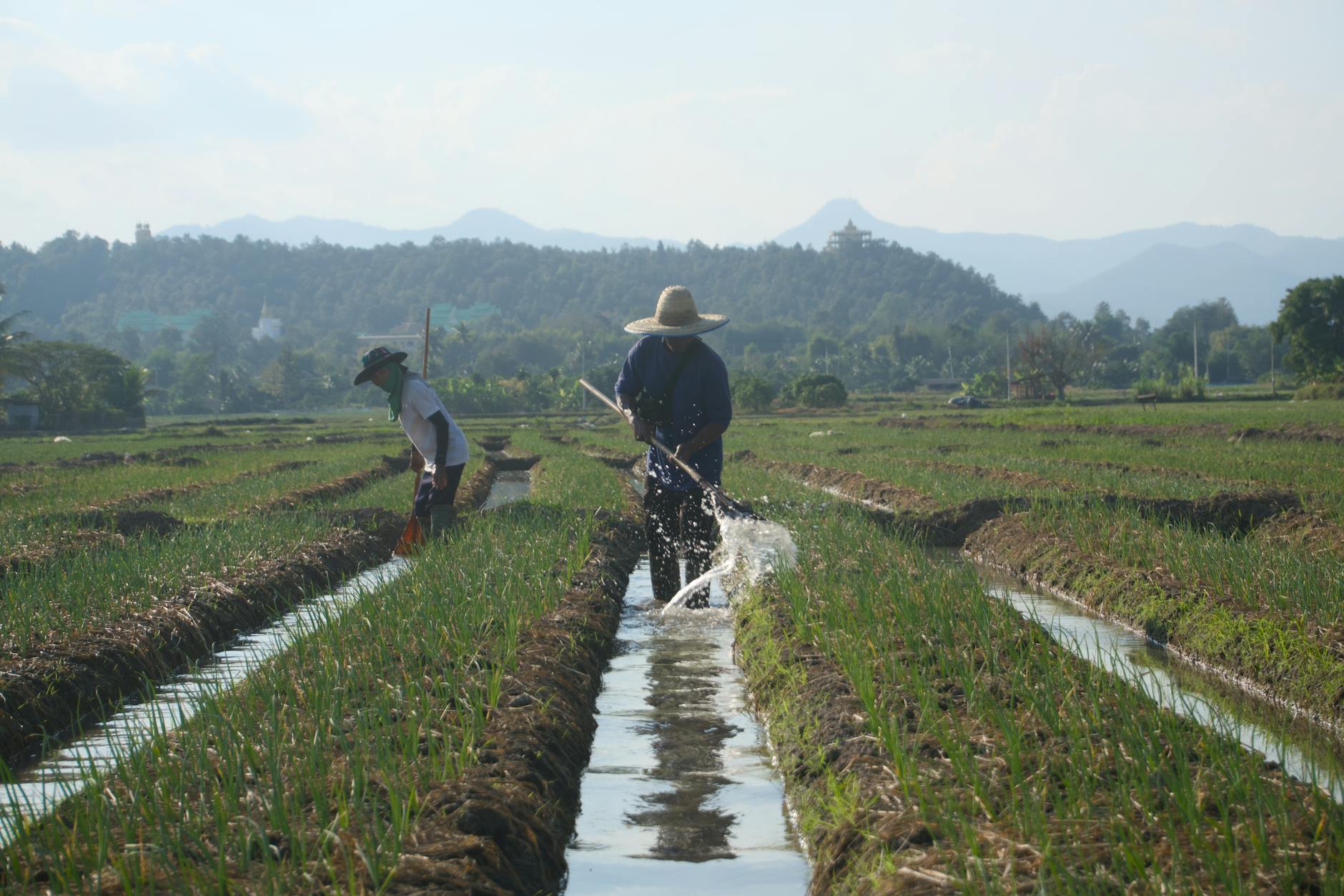
– When visiting villages or farms, ask permission before photographing people and buy local products directly.
– Support ethical wildlife experiences: verify rescue credentials, ask how funds support care, and avoid places offering rides or performances.
– Offset travel impacts by choosing slower transport where feasible (shared songthaews, trains for longer moves) and by staying in locally owned guesthouses.
Spending locally
– Tip in cash to street vendors and guides where appropriate; purchase food and crafts at local markets rather than chain stores.
Common Mistakes to Avoid
Avoid these frequent missteps:
– Overpacking your days: Chiang Mai rewards a slower pace; build in time for markets and unplanned discoveries.
– Booking the first available elephant or animal experience without vetting its practices.
– Underestimating travel time: mountain roads (Doi Suthep, Doi Inthanon) can add extra travel time, especially in rush hour or bad weather.
– Not checking opening days: Sunday Walking Street operates only on Sunday evenings and some cooking schools close on major Thai holidays.
– Assuming English is universal: learn basic Thai phrases and carry address cards in Thai for taxi drivers.
Simple fixes
– Reserve one activity per morning and one per afternoon; keep evenings free for markets or local eating.
– Confirm pickup times and meeting points the day before any tour.
FAQ
What are the must-see temples for a short visit?
Wat Phra Singh and Wat Chedi Luang in the Old City are compact and historically rich; add Doi Suthep for the hilltop view. Start early to avoid crowds and heat.
Is Chiang Mai expensive compared to Bangkok?
Chiang Mai is generally cheaper for accommodation, food, and local services. Nimman and riverside boutique hotels can be pricier; markets and small eateries are budget-friendly.
Are elephant experiences ethical in Chiang Mai?
Some sanctuaries focus on rescue and rehabilitation. Check whether the organization prohibits riding and prioritizes veterinary care and natural behavior. Read recent reviews and ask how revenue supports animal welfare.
How do I get to Doi Inthanon and should I go instead of Doi Suthep?
Doi Inthanon is 1.5–2 hours by car from Chiang Mai and is better for cooler temperatures, waterfalls, and short trails. Doi Suthep is closer (30–45 minutes) and pairs well with Old City half-days. Choose Doi Inthanon for more nature and hiking, Doi Suthep for culture and views.
When is the best time to visit markets?
Morning for Warorot and Chiang Mai Gate Market; evening for Sunday Walking Street and Night Bazaar. Weekdays are less crowded than weekends.
Conclusion
Chiang Mai fits comfortably into a 3-day plan when you prioritize a mix of Old City culture, a mountain temple or nearby natural area, and places that support local livelihoods. Use this page alongside our 3 days in Chiang Mai itinerary to slot activities by time of day and season. Favor small operators, verify animal welfare, and leave room for slow discoveries: the city rewards those who move at a gentle pace.
How this guide was prepared
This guide was prepared through a structured research that combines destination research, geographic context, itinerary planning logic, and content review.