
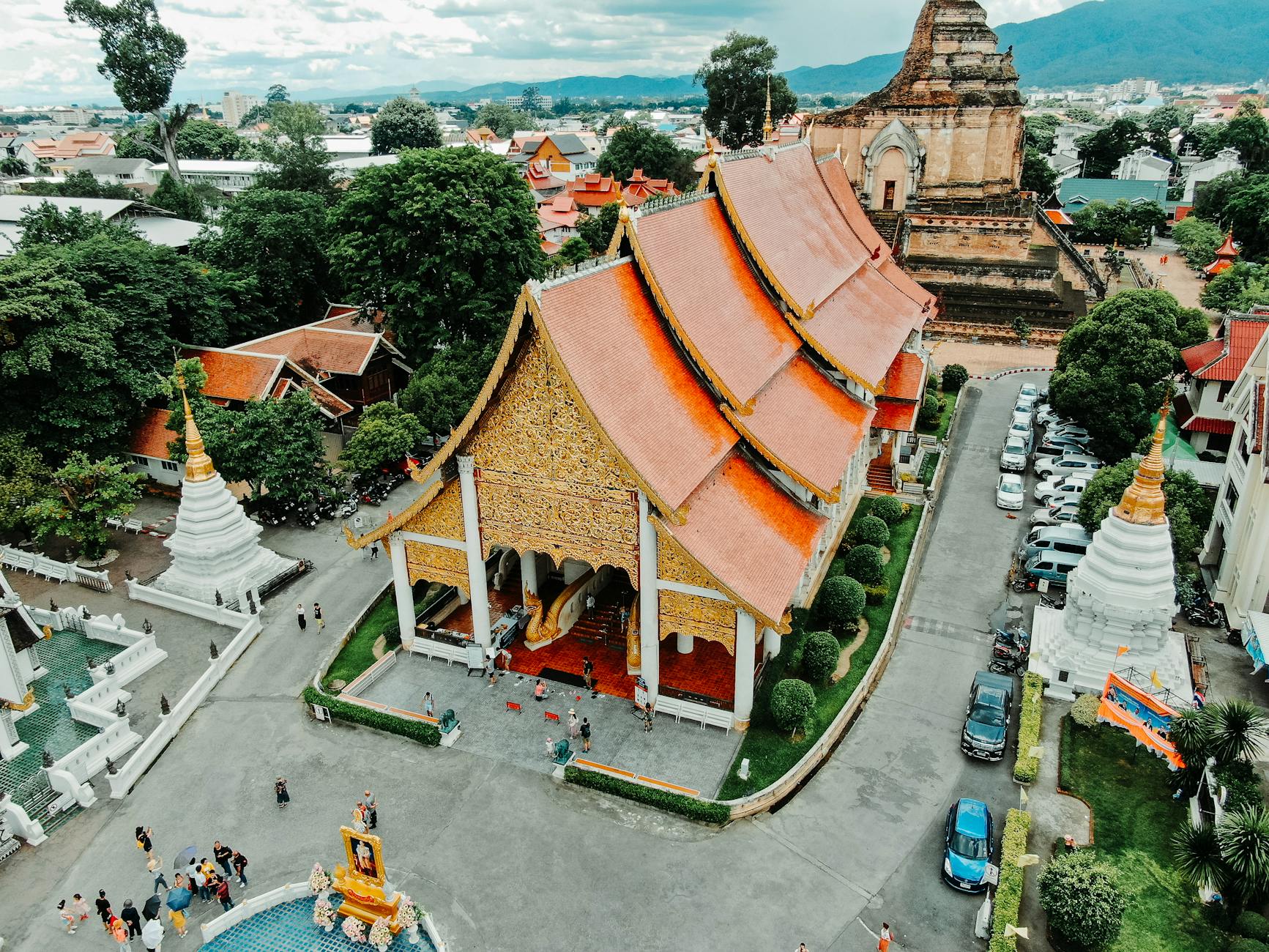
Chiang Mai Travel Budget — Practical Costs and Smart Choices
Precise, practical Chiang Mai budget guide for travelers supporting a 3-day Chiang Mai itinerary. Daily cost ranges, transport realities, neighborhood tips, sustainable choices, and booking advice to keep spending low-impact and local-first.
Cost ranges, neighborhood tips, and low-impact recommendations to help you plan a realistic daily budget for Chiang Mai and link sensibly to a 3-day itinerary and nearby destinations like Chiang Rai and Bangkok.
Quick Answer
Cost ranges, neighborhood tips, and low-impact recommendations to help you plan a realistic daily budget for Chiang Mai and link sensibly to a 3-day itinerary and nearby destinations like Chiang Rai and Bangkok.
Who This Page Is For
This page is for travelers planning a stay in Chiang Mai who want clearer decisions about travel budget, local logistics, timing, budgeting, and practical trip planning.
How This Page Was Prepared
This page was prepared through a structured editorial workflow that combines destination research, geographic context, and practical travel-planning review.
Plan the Rest of Your Trip
Use this page together with the full itinerary and the related planning pages below to make better booking, timing, transport, and budget decisions.
Typical daily cost ranges (per person):
– Backpacker / shoestring: 700–1,200 THB per day — dorm bed, street food, songthaew rides, free/low-cost temples.
– Comfortable mid-range: 1,500–3,000 THB per day — private guesthouse or boutique hotel, occasional taxi/Grab, paid attractions, modest restaurants.
– Comfortable with extras / small splurge: 3,500–6,000 THB per day — nicer hotels, guided day trips, more meals at Western-style cafes or tourist restaurants.
Festival periods (Yi Peng/Loy Krathong in November, Songkran in April) raise prices and availability; book early. For a compact visit, use our 3 days in Chiang Mai guide to align budget with activities.
This page gives clear, realistic costs and decision points for Chiang Mai travelers who are planning a short stay—especially those using our 3 days in Chiang Mai itinerary as a base plan. It focuses on everyday spending, transport realities, neighborhood choices, and low-impact ways to keep money in the local economy.
Read this before you book accommodations, day trips, or airport transfers so you can make choices that match your budget and sustainability priorities.
What This Page Helps You Decide
Use this page to decide:
– How much to budget per day for lodging, food, and transport during a 3-day trip.
– Whether to stay inside the Old City, in Nimmanhaemin, or near the Night Bazaar based on walking convenience and cost.
– When to accept an inexpensive group minivan or to book a private transfer for day trips (Chiang Rai, Doi Inthanon).
– Which months to plan for lower costs and less environmental impact.
If you need a sample daily spend tied to activities, open our 3 days in Chiang Mai itinerary for itemized examples and timing.
Top Recommendations
Neighborhood choice and lodging
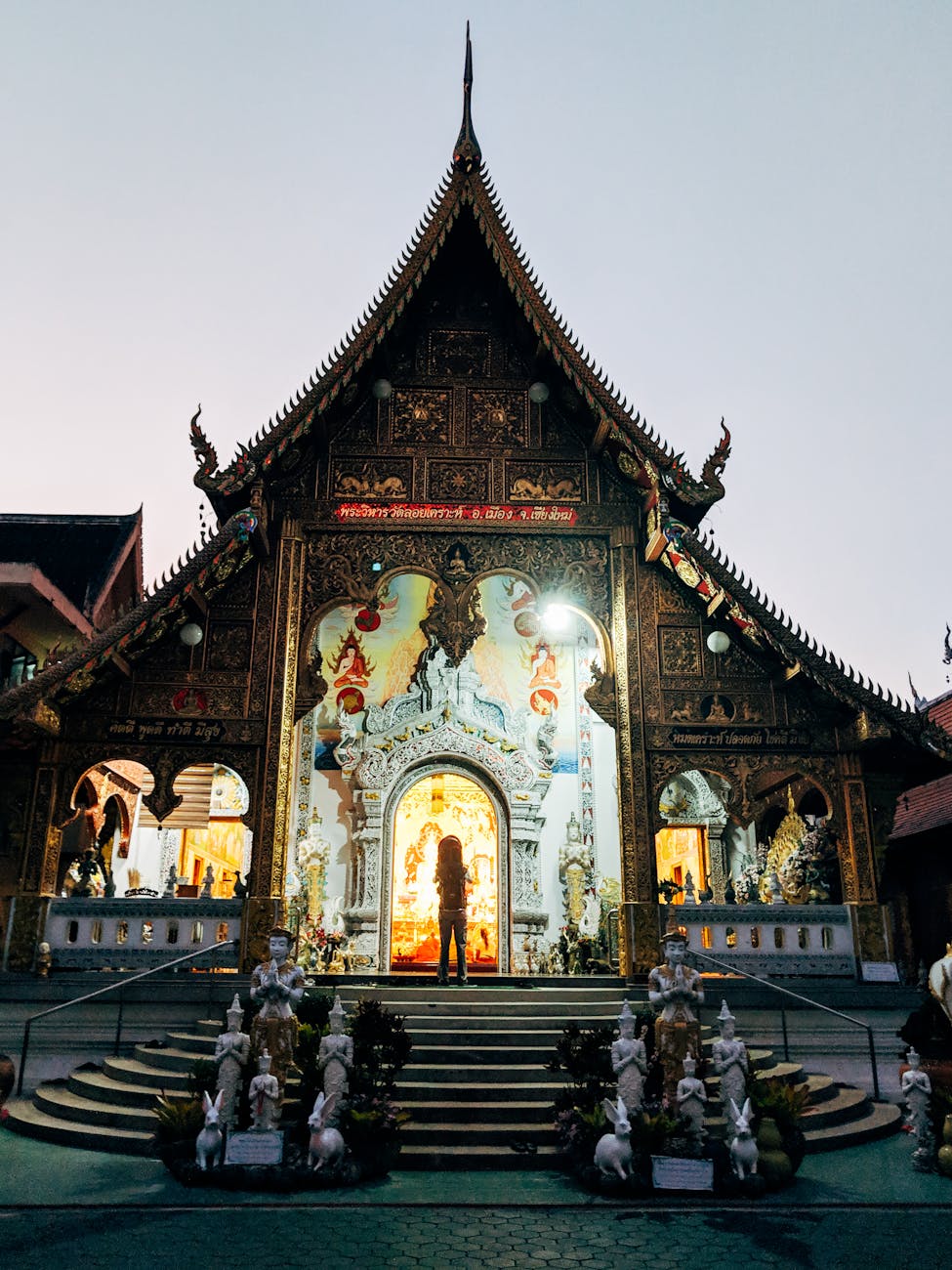
– Old City: Best for first-time visitors who want to walk to major temples and markets. Expect mid-range prices and many family-run guesthouses.
– Nimmanhaemin: Creative cafés and boutiques; pricier but convenient for modern dining and nightlife.
– Chiang Mai Gate / Warorot: Good for early-morning market visits and very affordable food options.
Eating and daily costs
– Street and market meals: 40–120 THB. Try khao soi, sai oua (northern sausage), and mango sticky rice at local stalls.
– Cafés and mid-range restaurants: 120–400 THB per meal.
Transport
– Short rides: red songthaews (shared trucks) 20–60 THB per person; negotiate a private hire rate beforehand.
– Taxis and Grab: 100–300 THB for common inner-city trips; airport transfers 180–300 THB depending on time.
– Bike or e-bike rental: 150–300 THB/day for low-impact local travel.
Day trips and bookings
– Doi Suthep: Shared songthaew or tuk-tuk for around 80–150 THB per person round-trip if shared; Grab or private taxi 300–600 THB.
– Chiang Rai day return: Bus or minivan 200–350 THB each way; private car more expensive. Consider an overnight in Chiang Rai to reduce rushed travel.
Booking tips
– Reserve accommodation early for November and April. Shoulder months with fewer tourists include late-February to March and parts of September.
– Book long-distance buses and trains at Arcade Bus Station or via official counters to avoid extra fees.

Local Context
Seasons and crowding
– Cool season (Nov–Feb): best weather, higher prices and crowds, especially around Loy Krathong/Yi Peng in November.
– Hot season (Mar–Apr): hotter, Songkran in April brings crowds and higher short-term prices.
– Rainy season (May–Oct): lower prices and fewer tourists; expect intermittent heavy rain and muddy trails for treks.
Transport realities
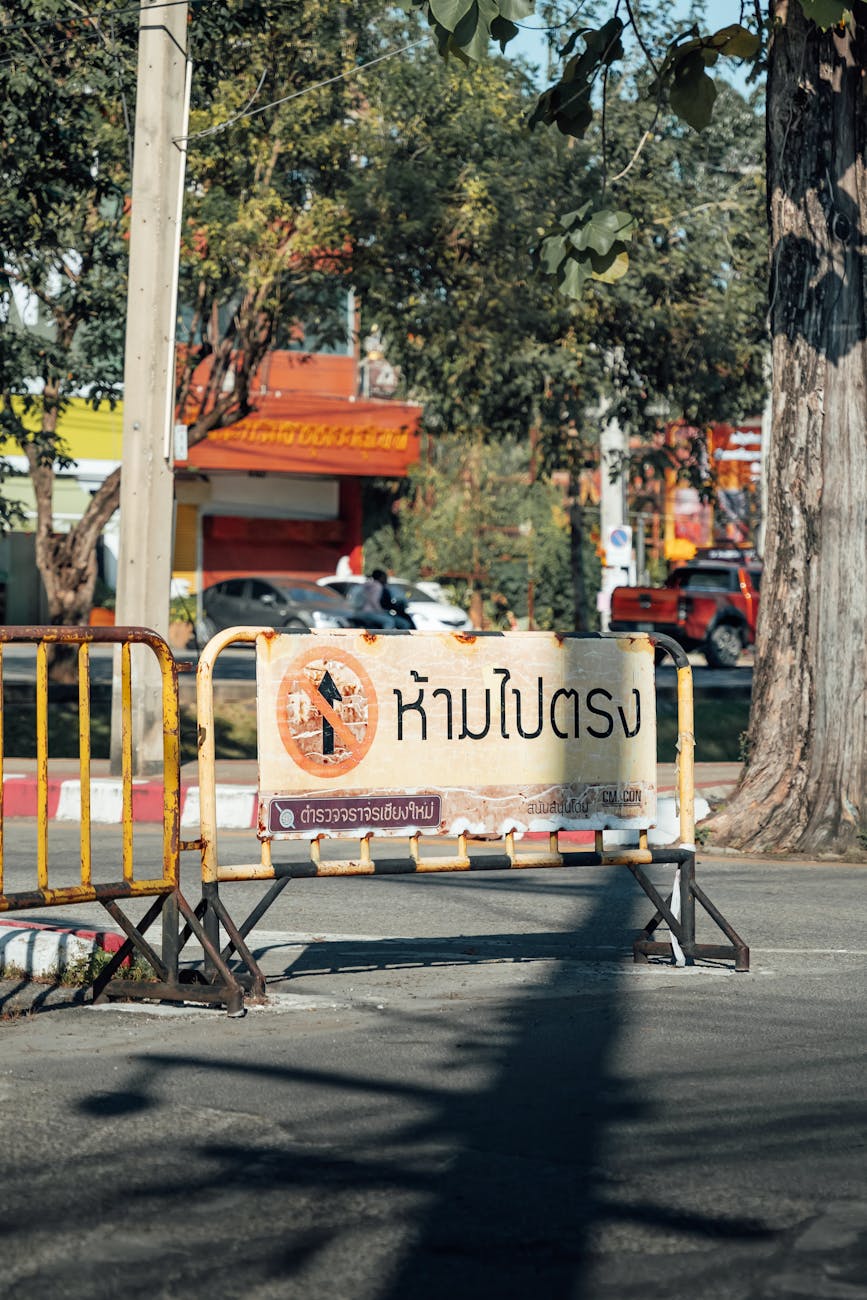
– Chiang Mai has no metro; most visitors rely on walking in the Old City, red songthaews, tuk-tuks, and Grab. Expect slower journeys in peak hours.
– Arcade Bus Station handles most intercity buses; trains are limited but useful for certain routes to Bangkok.
Local etiquette
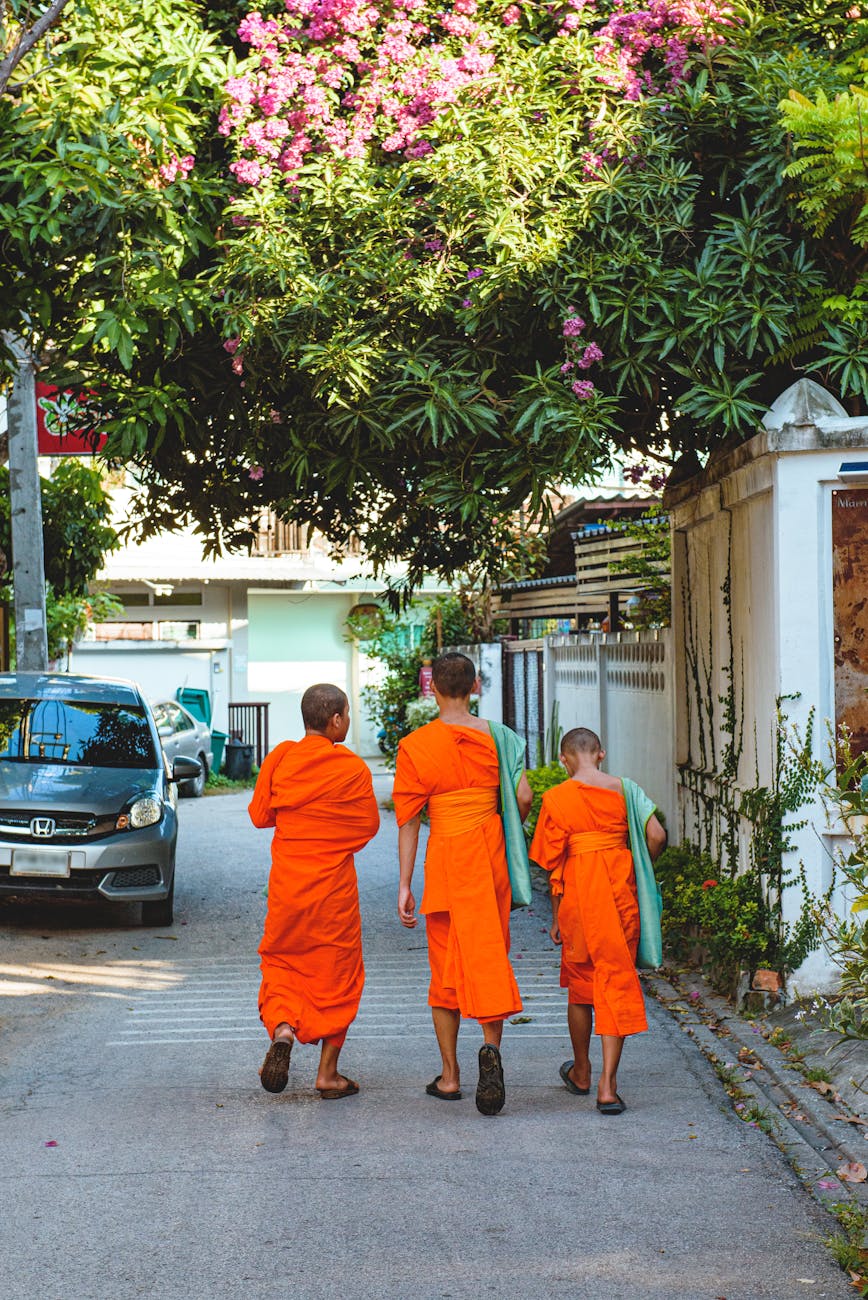
– Dress modestly for temples: cover shoulders and knees, remove shoes when required.
– Bargain gently at markets; don’t haggle over tiny purchases in front of stall owners.
– Wai (palms-together greeting) is appreciated but not mandatory; smile and be polite.
How to Choose Well
Match your priorities to choices:
– Lowest possible spend: stay in dorms or homestays near the Old City, eat at markets, use songthaews and walk. Avoid private day tours.
– Balanced comfort: choose a locally run guesthouse or boutique hotel in Nimmanhaemin or the Old City, book one guided day tour through a community operator.
– Minimal environmental impact: favor walking, bikes, and public transport; stay in small family-run accommodation; hire licensed guides for treks.
Compare total trip costs, not only nightly rates. Cheaper lodgings further from the Old City can add taxi costs and time—factor that into your daily budget. When booking day trips, ask whether fees support local guides or conservation efforts.
Responsible and Local-First Tips
Support local businesses and minimize impact:
– Eat at market stalls and neighborhood restaurants run by families; ask hosts for their recommended stalls.
– Book tours with operators that pay local guides and workers fairly; avoid elephant riding attractions and choose sanctuaries with transparent welfare practices.
– Use refillable water bottles—many guesthouses provide filtered water.
– Choose homestays or small guesthouses over large international chains when possible; that keeps revenue local.
– Travel slightly off-peak (shoulder months) to reduce pressure on popular sites and conserve resources.
Small gestures matter: carry reusable cutlery, say thank you in Thai (“khop khun ka/khrap”), and leave natural sites cleaner than you found them.
Common Mistakes to Avoid
- Underestimating travel time: inner-city rides can take longer than GPS suggests in rush hours.
- Booking last-minute during festivals: prices spike and quality options sell out quickly for Loy Krathong and Songkran.
- Over-reliance on tuk-tuks without agreeing a price first — insist on the meter or a set fare.
- Assuming all elephant attractions are ethical: ask for transparent animal welfare policies and certification.
- Ignoring small fees: temple donations, national park entrance fees, and tourist taxes add up—factor them into day-trip budgets.
FAQ
How much should I budget for three days in Chiang Mai if I want comfort without luxury?
For a relaxed three-day trip with a private mid-range guesthouse, some sit-down meals, and one paid day trip, plan on roughly 4,500–9,000 THB per person total (about 1,500–3,000 THB per day).
Can I do Chiang Mai cheaply and still support local businesses?
Yes. Choose market meals, family-run guesthouses, and community-run tours. Avoid large international tour operators and book directly with local guides when possible.
Is it worth renting a scooter?
Scooters can be convenient and cheap (200–300 THB/day) but traffic and helmet-enforcement vary. If you’re inexperienced, prefer bikes, songthaews, or Grab for safety and lower local impact.
How do festivals affect budget and availability?
Yi Peng/Loy Krathong (Nov) and Songkran (Apr) increase prices and fill rooms fast. Book months in advance for travel during these times or pick shoulder months like late Feb–Mar to avoid the worst crowds.
What's the cheapest reliable way to get from the airport to the Old City?
The airport taxi counter offers fixed fares (about 150–250 THB depending on time). Grab is often comparable. Avoid haggled private drivers in arrivals.
How much should I budget for a day trip to Chiang Rai?
Public minivans or buses typically cost 200–350 THB one-way. Organized private tours are 1,500–3,500 THB+ depending on inclusions. Consider an overnight stay in Chiang Rai to reduce travel fatigue and support local lodging.
Conclusion
Chiang Mai is flexible: you can do it on a tight budget or enjoy mid-range comforts without overspending if you plan seasonally and choose neighborhoods intentionally. Use this budget guide alongside our 3 days in Chiang Mai itinerary to align lodging location, transport choices, and day trips with your money and sustainability goals. When possible, favor local providers and shoulder-season travel to help keep more money with Chiang Mai’s communities and reduce environmental pressure.
How this guide was prepared
This guide was prepared through a structured research that combines destination research, geographic context, itinerary planning logic, and content review.