
3 Days in Doha: A Practical Itinerary
Three-day Doha itinerary covering museums, Souq Waqif, the Corniche and The Pearl. Practical tips on transit, neighborhoods, food and where to stay for a…
A tightly paced 3-day plan to experience Doha’s museums, markets, waterfront and modern islands—ideal for first-timers and short Gulf city breaks.
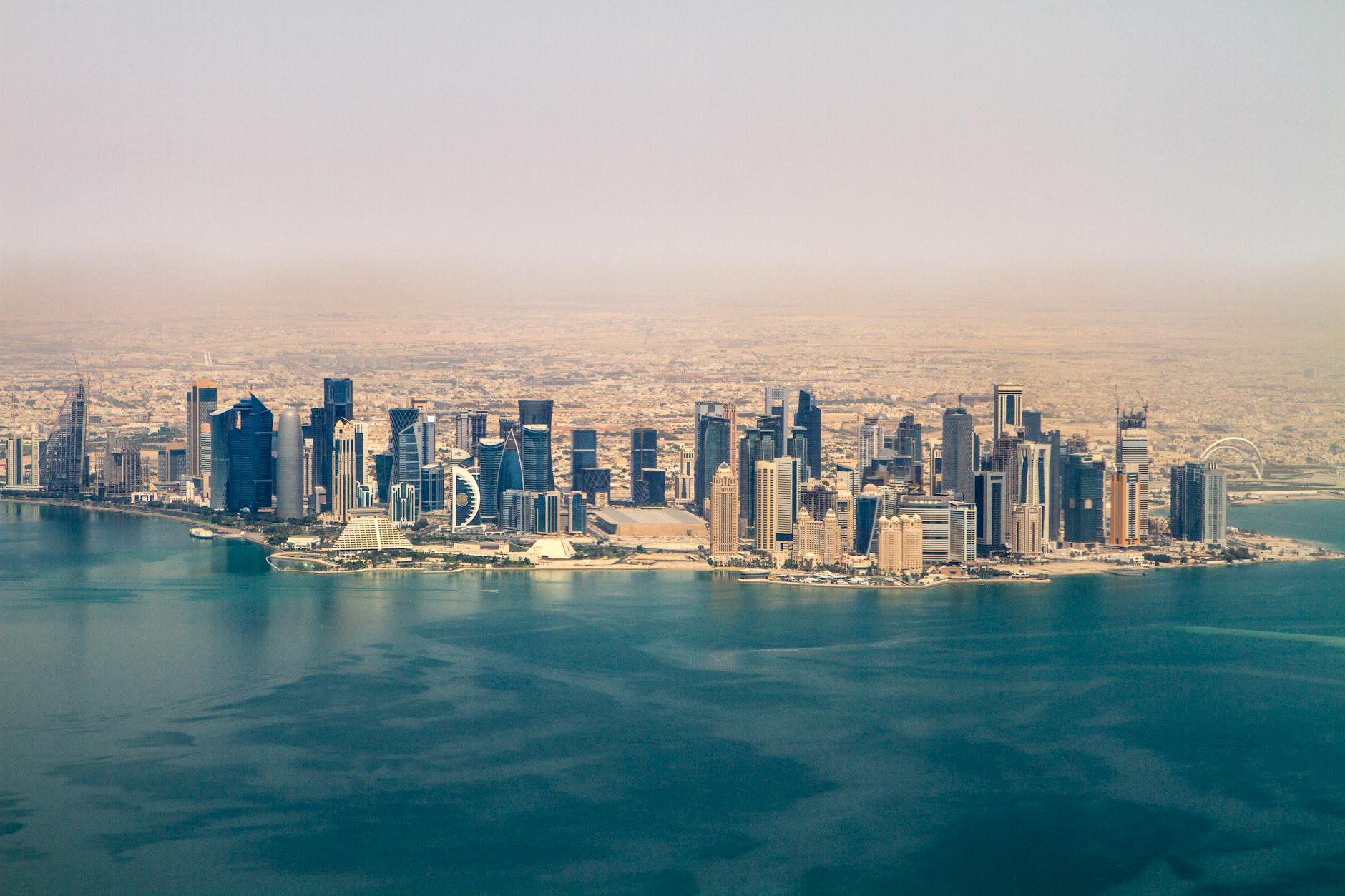
Doha is a compact, modern Gulf capital with dramatic skyline views, striking new museums and a lively old quarter. It suits museum-lovers, architecture fans, families and food-focused travelers who want a short, stylish city break. Three days is ideal because you can cover the best museums and waterfront in one day, explore Souq Waqif and Katara in another, and use the third day for The Pearl or a park and a relaxed city stroll. Public transit plus short taxi rides make moving between neighborhoods quick, so a long weekend delivers a full, manageable taste of the city without rushing.
Quick Answer
A tightly paced 3-day plan to experience Doha’s museums, markets, waterfront and modern islands—ideal for first-timers and short Gulf city breaks.
Who This Guide Is For
This guide is best for first-time visitors, couples, solo travelers, and anyone planning 3-day city break, Weekend break, Cultural trip in Doha with a balance of highlights, local character, and reasonable spending.
How This Guide Was Prepared
This guide was prepared through a structured editorial workflow that combines destination research, geographic context, itinerary planning logic, and practical travel review.
Plan Your Stay in Doha
Use this itinerary as your starting point, then compare areas to stay, transport options, seasonal timing, and realistic daily costs before booking.
Why Visit
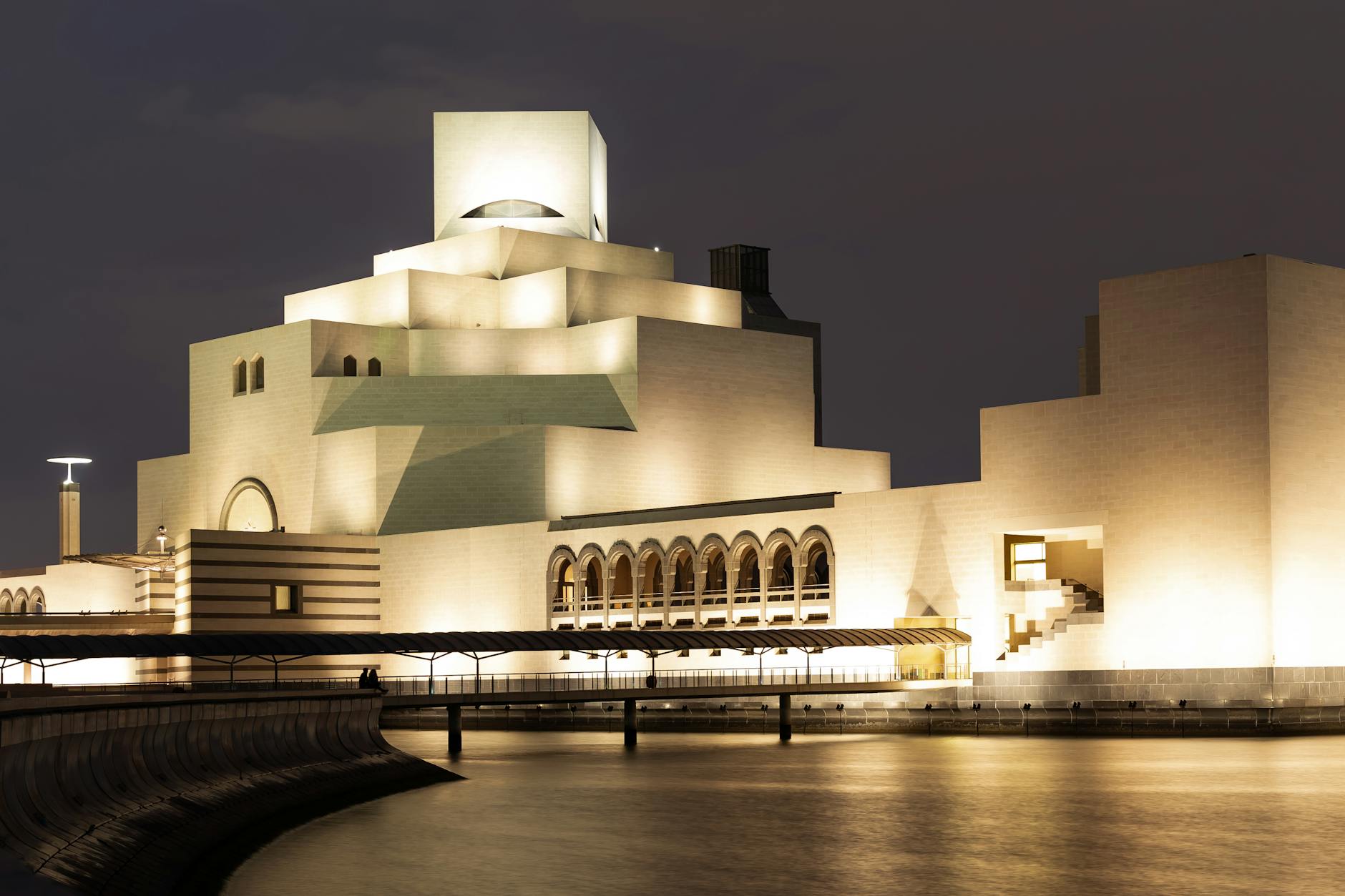
You’ll find a surprising mix: high-energy modern architecture, world-class cultural institutions, and a preserved old town with lively markets. The museum scene—led by the Museum of Islamic Art and the National Museum of Qatar—is globally significant. Add the waterfront Corniche for walking and skyline photos, The Pearl for island-style dining and marinas, and cultural events at Katara for performance and galleries. The city’s compact layout means top sights are reachable in short bursts, perfect for a focused three-day trip.
Quick Planning Tips
Book museums and popular restaurants in advance, especially on weekends. Download a local map and the Karwa Taxi app; ride-hailing services work well for short hops. Carry a bottle of water and light layers—air conditioning is strong indoors. Respect local customs: modest dress in public and awareness of prayer times helps. Plan museum visits for mornings to avoid heat and to get good light for photos along the Corniche at sunrise or sunset.
Day 1
Morning: Start at the Corniche for a waterfront walk and skyline photos, then head to the Museum of Islamic Art (MIA). Allow 1.5–2 hours for collections and the park.
Afternoon: Lunch at the MIA café or nearby West Bay. Visit Souq Waqif’s alleyways, spice stalls and falcon souq; try karak tea and street snacks.
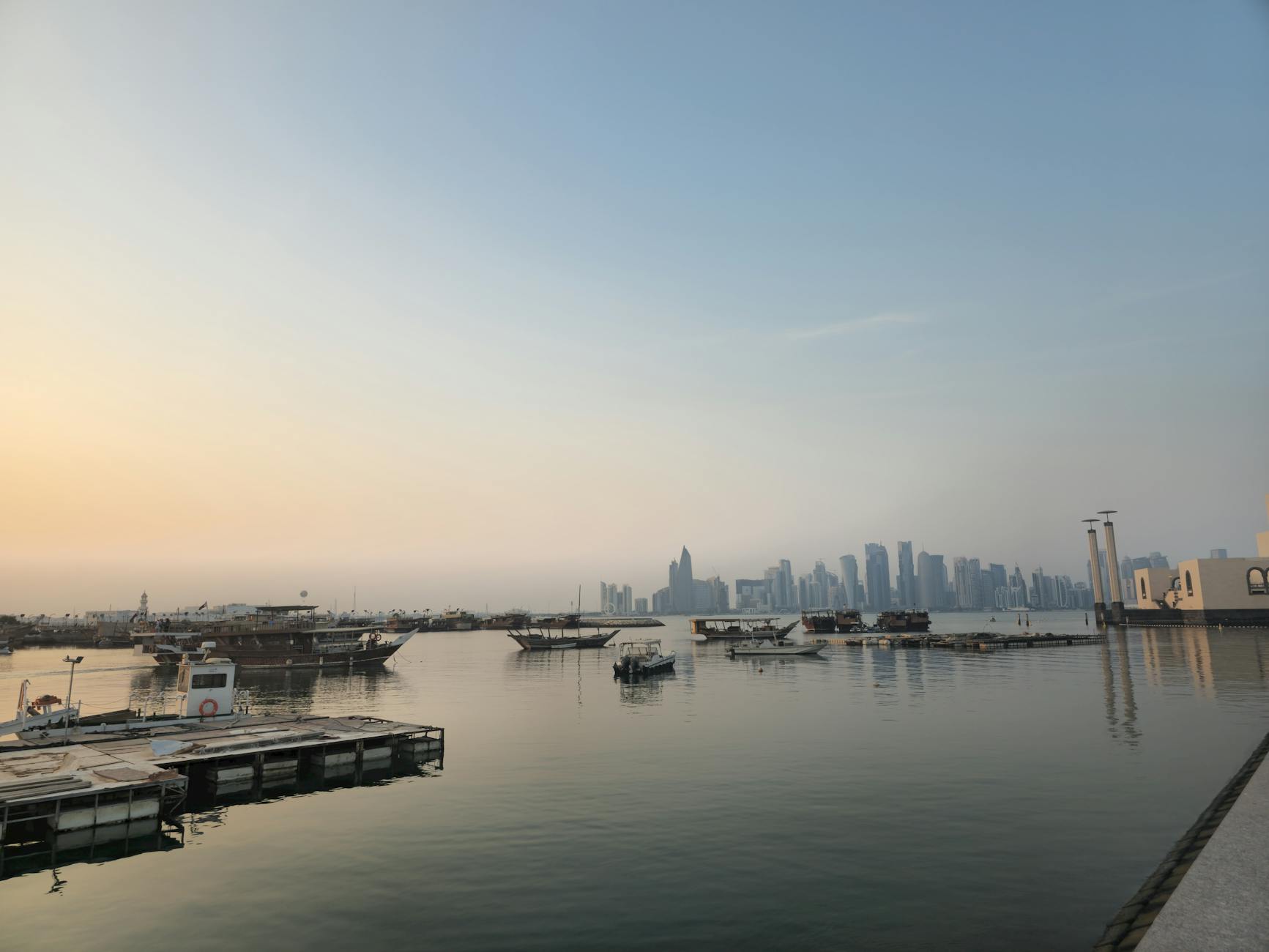
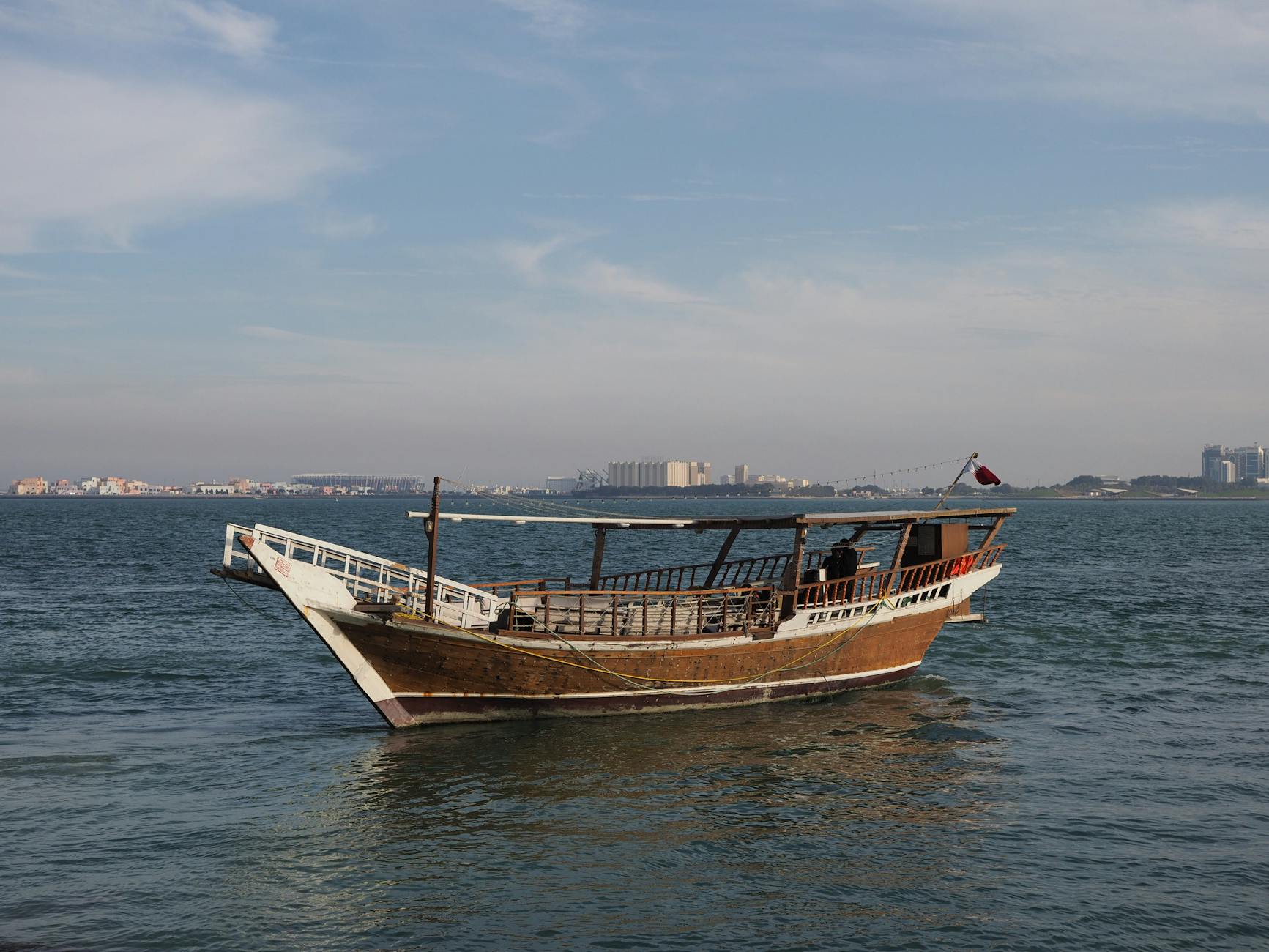
Evening: Dine in Souq Waqif or take a traditional dhow cruise from the Corniche for skyline views at sunset. Short taxi rides connect all stops.
Day 2
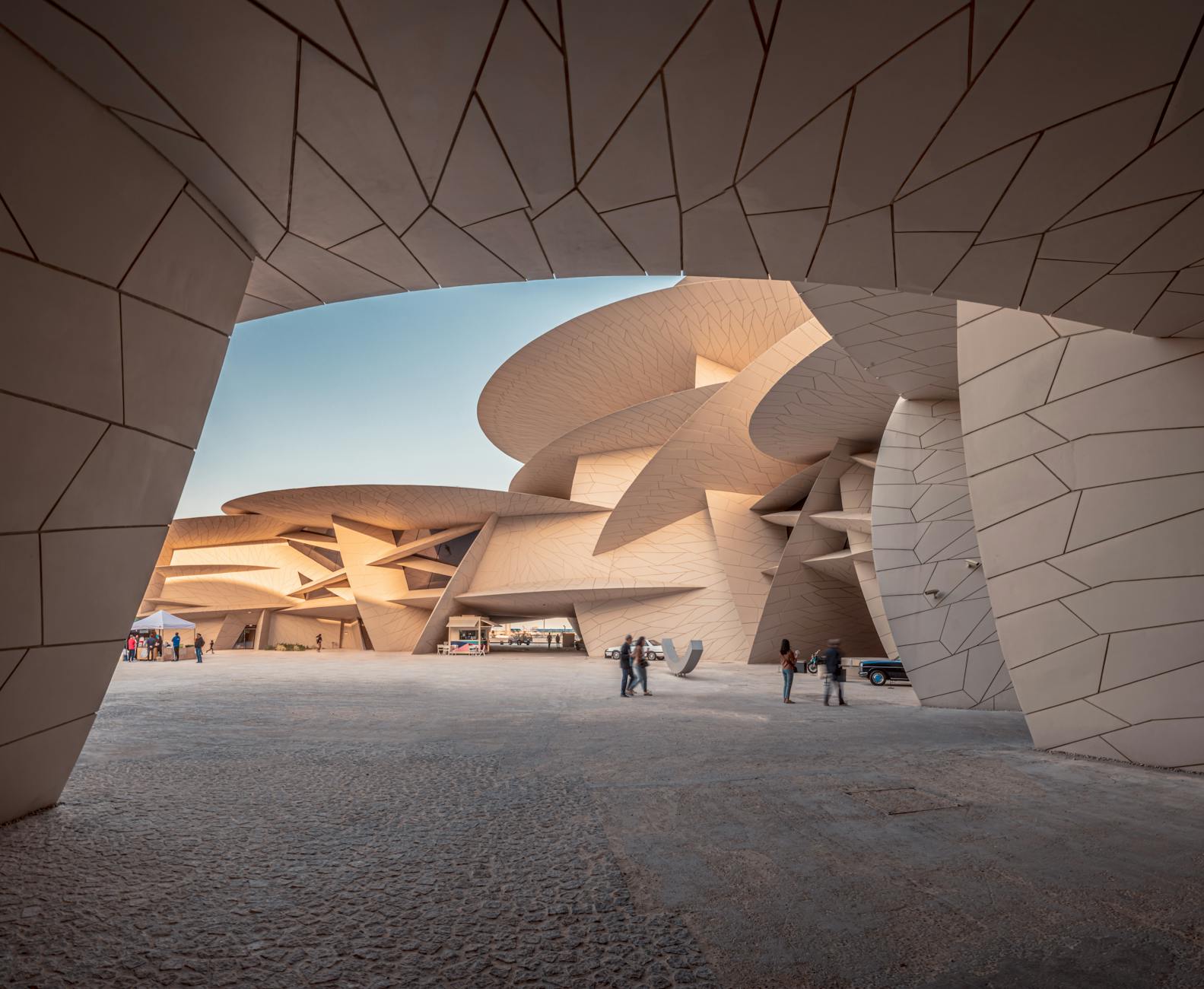
Morning: Explore the National Museum of Qatar to understand the country’s history and architecture. Allocate 2 hours.
Afternoon: Wander Msheireb Downtown for modern heritage and the Msheireb Museums; grab lunch in the neighborhood. Continue to Katara Cultural Village for galleries, the amphitheatre and beachside cafés.
Evening: Head to The Pearl-Qatar for waterfront dining and a marina stroll. Book a seafood restaurant or try Levantine options on the island.
Day 3
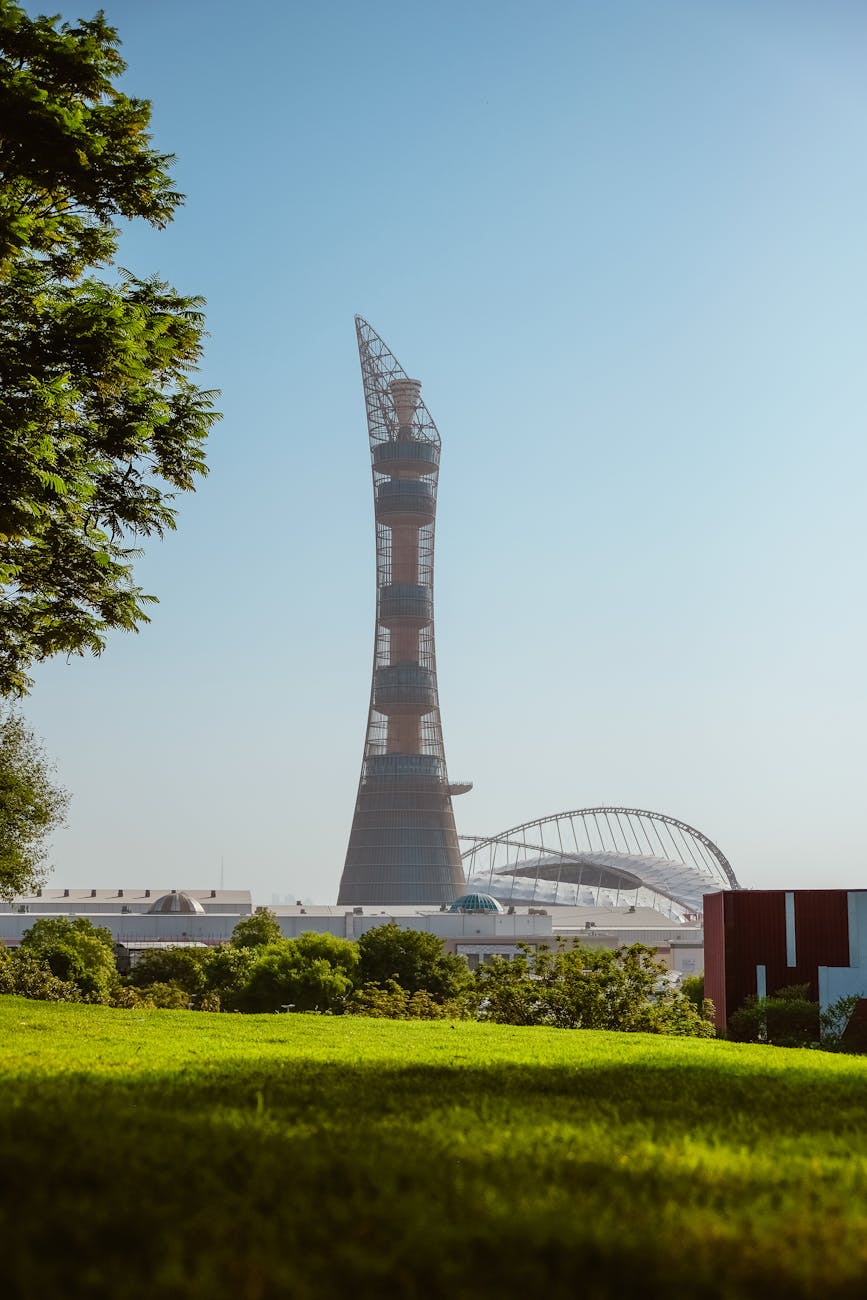
Morning: Choose between Aspire Park for relaxed green space and a coffee or Villaggio Mall for indoor time if the heat is strong.
Afternoon: Visit Lusail Marina for modern development views or return to a favorite spot for missed experiences—more shopping, museum deep-dive, or a short desert tour if you want an excursion.
Evening: Finish with a memorable meal—try a modern Qatari restaurant or a rooftop bar in West Bay for skyline lights.
Best Local Experiences
Take a sunset dhow cruise for city skyline photos and a calm sea breeze. Explore Souq Waqif at night for food, live music and falcon displays. Visit a traditional kahraba or tea spot for karak tea and local pastries. Attend a performance or exhibition at Katara if dates align. For a hands-on food experience, join a short cooking class to learn Qatari dishes like machboos or enjoy a guided food walk through Souq Waqif.
Where to Stay
West Bay: convenient for business travelers and skyline views; walkable to high-rise dining. Souq Waqif/Old Doha: best for atmosphere, markets and evening life. Msheireb Downtown: central and modern, ideal for museum access. The Pearl-Qatar: luxury island living and marinas if you prefer a resort-style stay. Choose a location that matches your priorities—culture and markets, or skyline and business hubs—to cut transit time.
Food and Drink
Try local dishes: machboos (spiced rice with meat), harees, fresh seafood and karak tea. Souq Waqif offers casual eats and shisha cafés; The Pearl provides upscale seafood and international cuisine. Don’t miss street snacks and date shops. Breakfast cafés are common in modern districts; lunch is often the main meal. Tipping around 10% in restaurants is customary when service charge is not included.
Getting Around
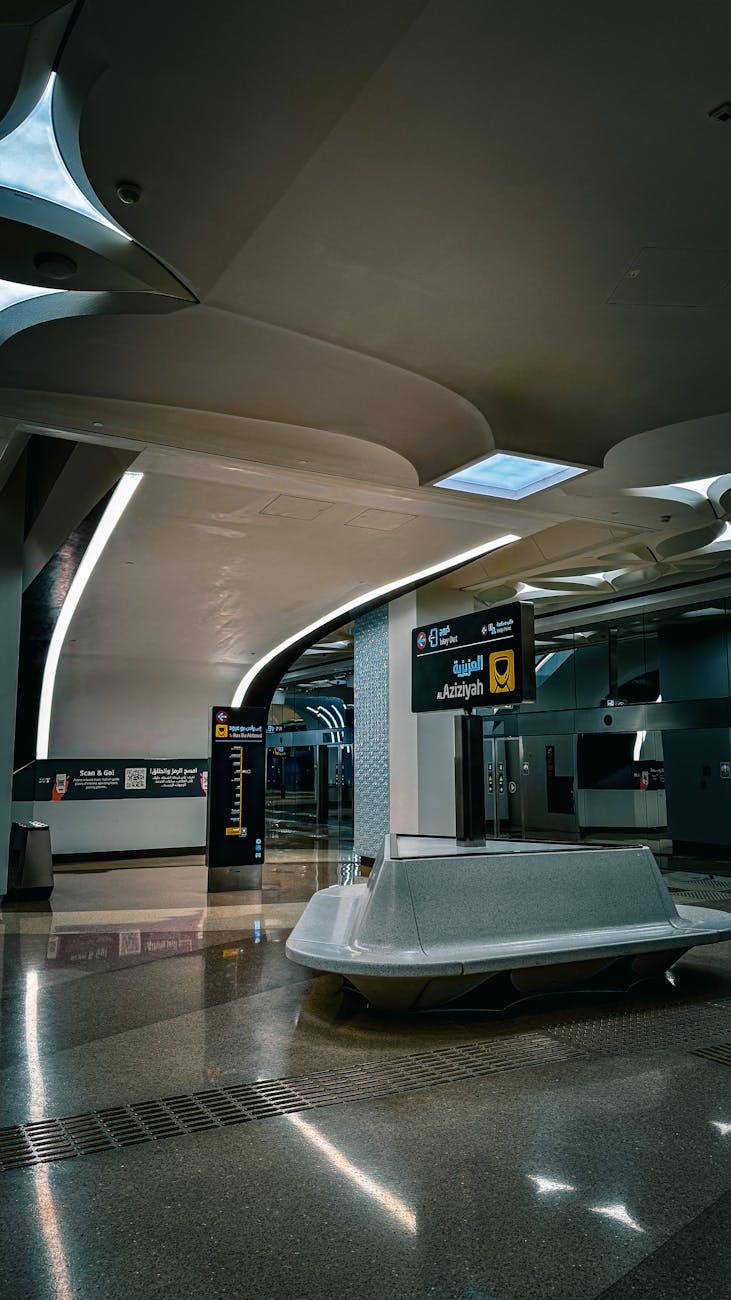
The Doha Metro (Red, Green and Gold lines) connects major hubs; stations are clean and air-conditioned. Karwa taxis and ride-hailing apps cover areas the metro does not. Taxis are relatively affordable for short distances; expect higher fares late at night. Walking is pleasant along the Corniche and in compact districts like Msheireb and Souq Waqif. For The Pearl and Lusail, use taxis or ride-hailing for the shortest journeys.
Best Time to Visit
Peak season is November through March: cooler days and many outdoor events. April and October can still be pleasant for shorter trips. Summer is very hot and best for indoor activities like museums and air-conditioned malls. Avoid scheduling major outdoor plans in July–August; plan early morning or late afternoon activities when visiting in shoulder months.
Budget and Practical Tips
Currency is Qatari Riyal (QAR). ATMs and card payments are widely available. Expect mid-range prices for dining and higher-end rates for luxury hotels. Carry a reusable water bottle and refill in hotels or cafes. Dress modestly in public and be mindful during Ramadan—many restaurants modify hours. Buy a local SIM or eSIM for navigation and ride apps. Museum tickets vary; many have online booking and timed entries—reserve peak slots in advance.
FAQ
Is 3 days enough to see Doha?
Yes. Three full days cover major museums, Souq Waqif, the Corniche, and The Pearl with time to relax or add a short excursion.
How do I get from Doha International Airport to the city center?
The Hamad International Airport is a short taxi ride to central Doha; the Doha Metro and airport bus options also connect to the city.
Is Doha family-friendly?
Very. Museums, parks like Aspire, and family restaurants make it easy to travel with children.
Do I need a visa?
Visa rules vary by nationality—check Qatar’s official visa portal before travel. Many nationalities have visa-free or visa-on-arrival arrangements.
Is English widely spoken?
Yes, English is commonly used in hotels, restaurants and tourist services.
Conclusion
A three-day visit delivers a balanced view of Doha’s cultural depth, waterfront charm and modern development. Prioritize one museum-heavy day, a market and cultural village day, and a relaxed day for islands or parks. With straightforward transit and concentrated neighborhoods, a long weekend will leave you with clear highlights, great photos and an appetite to return for deeper exploration.
How this guide was prepared
This guide was prepared through a structured research that combines destination research, geographic context, itinerary planning logic, and content review.