
Pisa in 3 Days: Practical Itinerary and Local Tips
A realistic 3-day guide to Pisa: timed-entry tips for the Leaning Tower, transit between airport and Centrale, market picks, and day-trip options.
A compact, honest 72-hour plan that treats Pisa as more than a single monument: timed tickets, best walking routes, market lunches and easy train trips to Lucca or the coast.
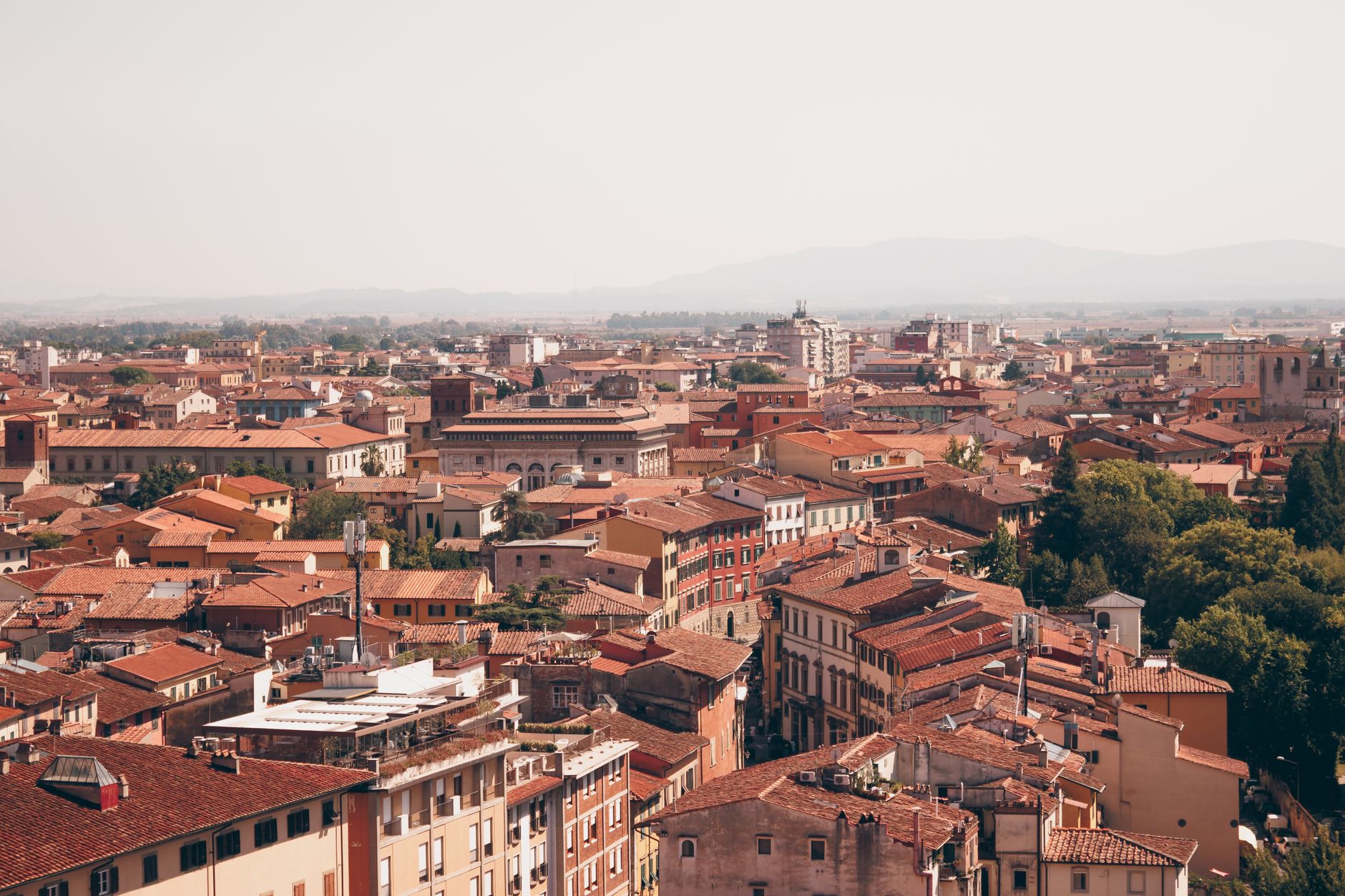
First impressions are often mixed: a grand medieval square surrounded by modern streets and a large student presence that keeps parts of the centre lively into the evening. The main magnet is a compact cluster of monuments at Piazza dei Miracoli, but the city itself is a working university town with narrow commercial streets, the Arno waterfront, and small food markets that locals use daily. Expect noisy trams of students, some tourist crowds near the Tower, and quieter blocks where bars serve aperitivi at affordable prices. The place suits short-stay travelers who enjoy walking, quick museum visits, and one or two nearby day trips rather than slow-paced museum binges.
Is 3 days in Pisa enough?
Yes: three days is enough to see Piazza dei Miracoli with a timed climb of the Tower, explore the historic centre and riverside, and take one nearby excursion (Lucca or the coast). The caveat: skip deep museum hopping or multiple full-day excursions to Florence or Cinque Terre—those need more time.
Who This Guide Is For
Best for travelers who like compact walking days, quick regional train trips, and informal meals; less suitable for those who want slow museum-by-museum study or a week of beach relaxation.
Local Tips for Pisa
Practical details that most travel sites skip — specific to Pisa.
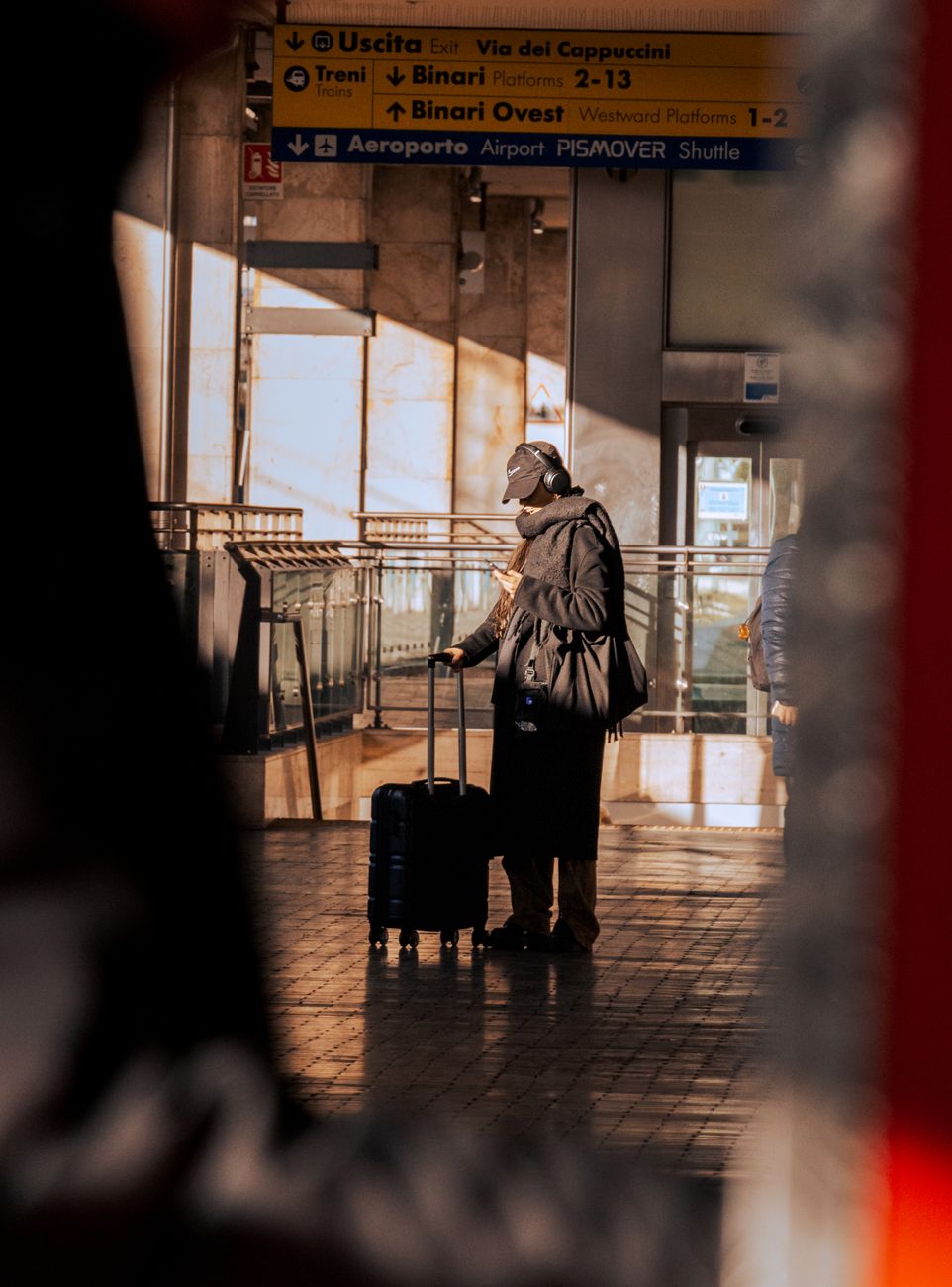
- Buy the Pisa Mover shuttle at the airport for a direct ride to Pisa Centrale — single ticket about €2.70 and the trip takes roughly 5 minutes.
- Timed-entry tickets for Torre Pendente (the Leaning Tower) are sold by Opera della Primaziale Pisana; expect about €20 for the tower alone and book a specific time slot online to avoid long waits.
- Regional trains to Lucca run from Pisa Centrale (Regionale) and take about 20–30 minutes; expect fares around €3–€4 one way if bought in advance or at the station.
- Mercato delle Vettovaglie (near Borgo Stretto) is a morning market: many stalls close by early afternoon, so go for fresh sandwich-style lunches before 2pm.
- Many small sit-down restaurants in Borgo Stretto and along the Lungarno add a coperto of about €1–€3 per person; check the menu prices posted at the entrance.
How This Guide Was Prepared
This guide treats Pisa as a small but lived-in university city rather than a one-photo stop. Most guides over-focus on the Leaning Tower and ignore the Arno-side life, student cafés, and quick regional train hops that make three days feel roomy. Practical details—where timed tickets matter, which morning markets still sell fresh produce, and how to reach the beaches—are spelled out so plans don't waste time. This guide was prepared through a structured research that combines destination research, geographic context, itinerary planning logic, and content review.
Plan Your Stay in Pisa
Use this itinerary as your starting point, then compare areas to stay, transport options, seasonal timing, and realistic daily costs before booking.
Why Visit
The central monuments at Piazza dei Miracoli are unusual as a tight collection: Torre Pendente, Duomo, Baptistery and Camposanto can all be seen in a single visit with timed entries. The Arno-side streets — Lungarno Mediceo and Lungarno Gambacorti — give a different feel from the Monumental Square, with student cafés, bookshops and riverside views. Short rail trips make the city a convenient hub: Lucca is 20–30 minutes away, and Livorno or Viareggio are quick if seafood or a beach afternoon is the goal. Museums such as Palazzo Blu and the Museo dell'Opera del Duomo offer rotating exhibitions and local medieval art without large museums' time drain.

Quick Planning Tips
From Galileo Galilei Airport use the Pisa Mover shuttle to Pisa Centrale for a quick, direct connection — ticket machines are in the arrivals hall. For regional travel buy Trenitalia Regionale tickets at the station or via the Trenitalia app; tickets must be validated when required for non-digital purchases. Carry some cash for market stalls and small cafés, but contactless cards are widely accepted in restaurants and shops; expect a coperto on many menus for sit-down meals. A common planning mistake is assuming Tower tickets are available on the day — book timed slots online through Opera della Primaziale Pisana well before peak season.
Day 1
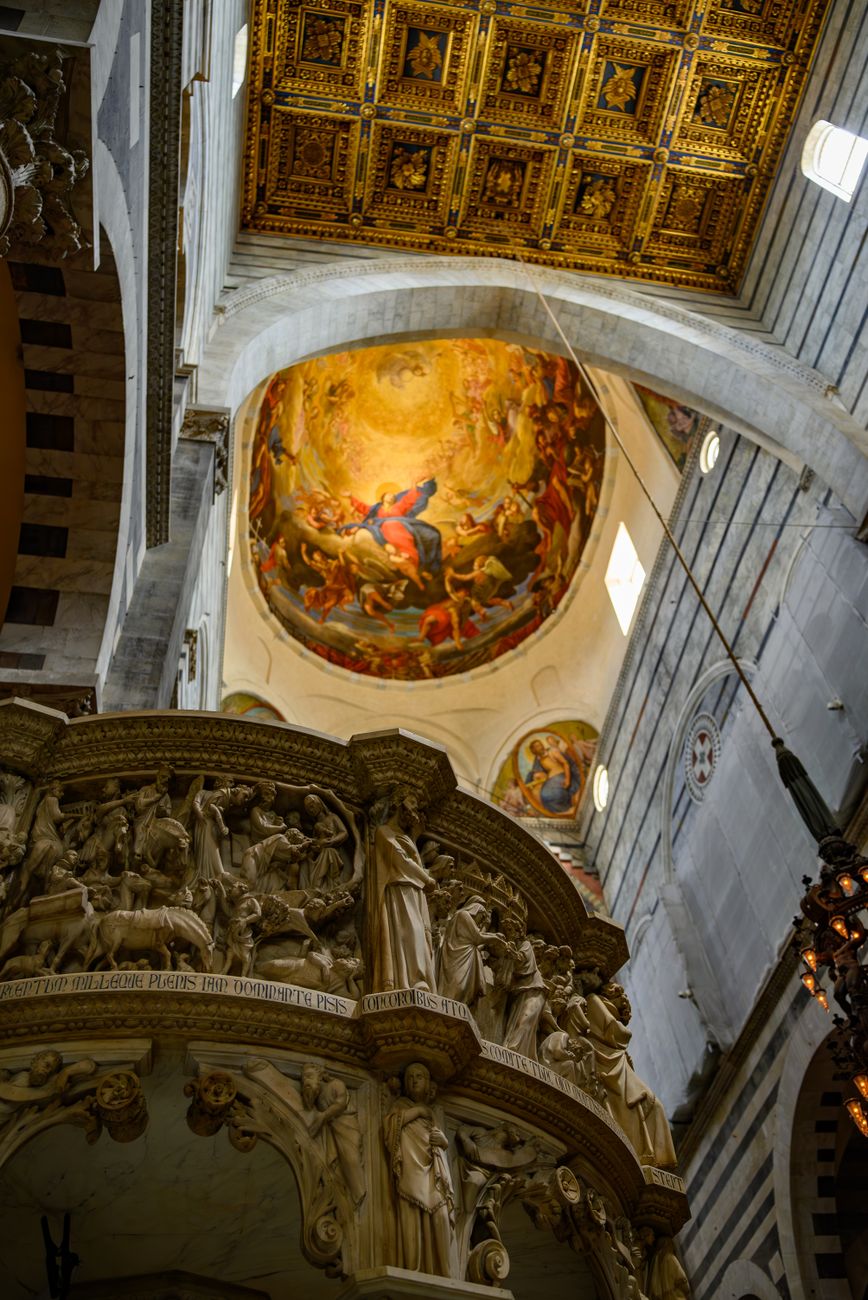
Morning: Start at Piazza dei Miracoli to visit the Cathedral, Baptistery and climb the Leaning Tower at a prebooked time. Allow two to three hours to pass through security, visit the Duomo and Battistero, and climb the Tower; the square sits about a 15–20 minute walk from Pisa Centrale or a short taxi ride. Midday: Walk toward Borgo Stretto along Via Santa Maria where cafés line the route; stop at Mercato delle Vettovaglie for a quick, market-style lunch (sandwiches, focaccia, cecina). Expect to reach Piazza dei Cavalieri in about 10 minutes on foot from Borgo Stretto. Afternoon: Explore Piazza dei Cavalieri and the Palazzo della Carovana, then cross the Arno to see Santa Maria della Spina and the Lungarno Mediceo. These stretches are pleasant on foot: allow 10–15 minutes between each riverside stop. Dinner: Eat in the historic centre — an evening meal at Osteria dei Cavalieri or a trattoria on Borgo Stretto provides local pasta and Tuscan wines; check menus outside for coperto and closing times. Evening: Finish with an after-dinner walk across Ponte di Mezzo and a gelato along the Lungarno; bars near the university stay open later than tourist spots.

Day 2
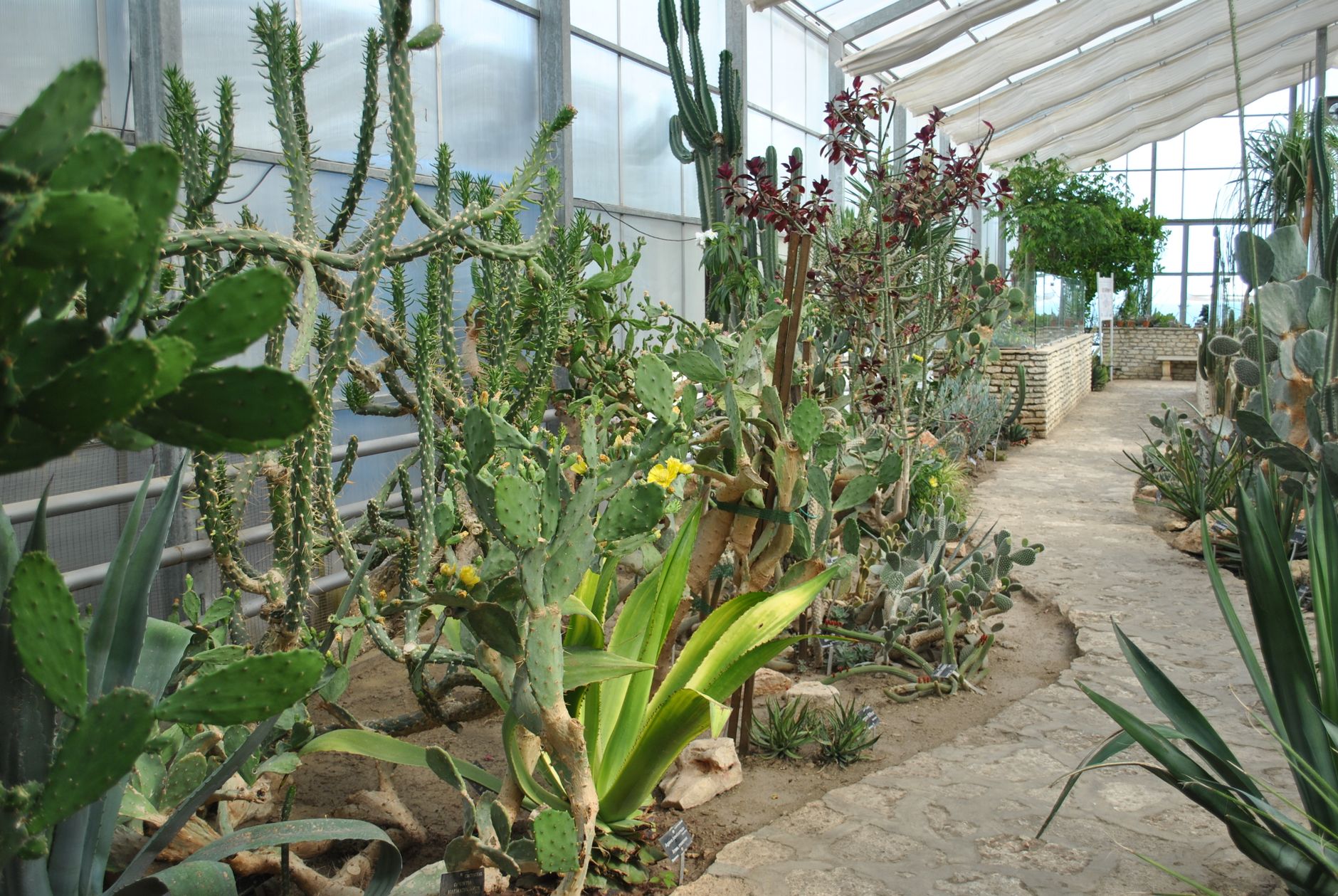
Morning: Start in the university quarter around Via Santa Maria and Via Bonanno for student cafés and bookshops; visit the Orto Botanico dell'Università di Pisa for a quiet hour (short entry fee). From the botanical garden it's a 15-minute walk to Palazzo Blu on Lungarno Gambacorti for rotating exhibitions. Midday: Cross to the west bank and have lunch near Piazza Giuseppe Mazzini or return to Vettovaglie market stalls for seafood or panini. Afternoon: Take a short train from Pisa Centrale to Livorno (about 20–30 minutes) for a seafood-focused afternoon and a walk on the harbor, or stay local and head to Marina di Pisa by bus for a coastal promenade (bus ride roughly 25–35 minutes depending on traffic). Evening: Back in the centre try an aperitivo on Lungarno Gambacorti and a seafood dinner if the catch looks fresh. Transit between riverfront sites is mostly walking; allow 10–20 minutes between most central points and 30–40 minutes for trips to the coast or Livorno by public transport.
Day 3
Morning: Reserve this day for anything missed or a quick day trip. If staying in the centre, use the morning to visit Museo dell'Opera del Duomo and Camposanto Monumentale, which take about 1.5–2 hours combined. Alternative: catch a 20–30 minute regional train to Lucca to rent a bike and ride its city walls; trains run frequently from Pisa Centrale and the round trip takes under an hour in travel time. Midday: Eat in Lucca or return and grab a last market lunch near Borgo Stretto if luggage timing requires it. Practical note for departures: if an afternoon flight is scheduled, aim to be back at Pisa Centrale at least 90 minutes before the Pisa Mover departure window to the airport; the shuttle runs frequently but allow time for ticket lines and security. Late afternoon: If luggage is checked out, use left-luggage at Pisa Centrale or station lockers and enjoy one final riverside walk; many cafés keep late opening for post-train crowds.
Best Local Experiences
Mercato delle Vettovaglie: buy fresh sandwich ingredients and watch early-morning market life. Climb the Leaning Tower with a timed ticket for the small-group ascent and unique vantage over Piazza dei Miracoli. Walk or cycle Lucca's city walls after a 20–30 minute regional train ride from Pisa Centrale. Sunset on Lungarno Mediceo and Ponte di Mezzo: local students and residents gather here for cheap aperitivi and river views. A seafood meal in Livorno or Marina di Pisa: the coastal towns bring a different menu to the region, especially cecina and fish stews. These five options combine local markets, a required paid monument visit, a nearby town excursion, a riverside habit of daily life, and a coastal seafood experience distinct from the inland Tuscan stereotype.

Where to Stay
San Francesco / Borgo Stretto: best for first-time visitors who want walking proximity to Piazza dei Miracoli and the train station. Suited to mid-range travelers; expect nightly rates around €80–€140 (≈ $88–$155) for a mid-range double in high season. Piazza Vittorio Emanuele / Stazione: practical for trains, buses and late arrivals; cheaper options and hostels cluster here. Suited to budget travelers and day-trippers; expect €50–€90 (≈ $55–$100) per night for basic hotels or private rooms. Lungarno / Historic Riverside: quieter evenings and better river views near Palazzo Blu and Ponte di Mezzo. Suited to couples who want evenings by the water; prices run €100–€180 (≈ $110–$200) a night for comfortable rooms. Rates vary substantially with season and proximity to Piazza dei Miracoli; booking a place within 10–15 minutes' walk of the square saves transit time when visiting monuments early or late.
Food and Drink
Breakfast: cornetto and a doppio espresso—simple café combos cost around €2–€4 and appear in almost every bar on Via Santa Maria. Street food: cecina (a chickpea flatbread also called farinata) served by the slice at Mercato delle Vettovaglie or small bakeries; a portion is about €2–€4. Typical lunch/dinner dishes: pappardelle al ragù di cinghiale (wild-boar pasta) — available at traditional trattorie for €10–€15; try tavernas near Piazza dei Cavalieri. Coastal seafood: cacciucco or mixed fish plates in Livorno or Marina di Pisa — expect €15–€30 depending on portion and restaurant. Dessert and digestif: a small slice of cantucci with Vin Santo or a glass of local Tuscan red; wines by the glass are typically €3–€6. Look for trattorie with visible locals, ask about the day’s catch, and check menus at the entrance for coperto and service charges.
Getting Around
Pisa Mover shuttle connects Galileo Galilei Airport and Pisa Centrale in about 5 minutes; single tickets are around €2.70. Regional travel uses Trenitalia Regionale trains: common routes include Pisa–Lucca (20–30 minutes), Pisa–Livorno (20–30 minutes) and Pisa–Florence (about 50–70 minutes). Local buses are operated by Autolinee Toscane; buy single-ride tickets at automated machines, tobaccherie or via the Autolinee Toscane app. Expect a single urban bus ticket to be in the low-euro range and day passes available for multi-ride use; validate paper tickets where machines require it. Taxi from the airport to the centre varies with traffic but typically falls in the €10–€25 range depending on time and luggage. Use the Trenitalia and Autolinee Toscane apps for schedules and mobile tickets; buy Pisa Mover tickets at airport kiosks or machines rather than on-board.
Best Time to Visit
Spring (April–May) and early autumn (September–October) are the best balance of weather and value: daytime temperatures generally sit between 15°C and 24°C, with lighter crowds than midsummer. Summer (June–August) brings hot days—often 28–32°C—and peak tourist numbers around Piazza dei Miracoli; book timed entries and accommodation early if visiting then. Late autumn and winter (November–February) are quieter; temperatures fall to around 5–12°C and some attractions have shorter opening hours, but hotels and trains are cheaper. For a three-day visit where walking and a short coastal trip are priorities, target April–May or September for the best combination of weather and fewer lines.
Budget and Practical Tips
A practical daily budget for a moderate traveler: accommodation €80–€140 (≈ $88–$155), food €25–€50 (≈ $27–$55), local transport €5–€10 (≈ $5.50–$11), entry fees and activities €10–€30 (≈ $11–$33). Leaning Tower entry is roughly €20; combined visits to Baptistery or Opera museum add to that if chosen. Street-food meals and market lunches can keep food costs lower; a modest seafood dinner will be the top single meal expense. Tipping: check the bill for servizio or coperto; leaving small change or rounding up for taxis and 5–10% for exceptional restaurant service is appreciated but not mandatory. Practical tip: carry a small reusable water bottle—many drinking fountains in squares provide potable water.
FAQ
How safe is Pisa for tourists?
Pisa is generally safe; most incidents are petty theft like pickpocketing around the train station and Piazza dei Miracoli—keep valuables secure and be cautious in crowds.
Is the Pisa Mover the best way from the airport to the city?
Yes: the Pisa Mover is the fastest and cheapest direct option to Pisa Centrale, with regular departures and a short ride time of about 5 minutes.
Should tickets for the Leaning Tower be prebooked?
Yes; timed tickets sold by Opera della Primaziale Pisana often sell out in high season, and on-the-day availability can be limited.
Is there a tourist card or city pass worth buying?
There isn't a widely used single city card for everything; the Opera della Primaziale offers combined tickets within Piazza dei Miracoli that can save time and sometimes money if several monuments are planned.
Can Pisa be done as a day trip from Florence?
A day trip is possible by train (about 50–70 minutes each way), but three days gives time to see the Tower without rushing and add a coastal or Lucca excursion.
What is the easiest way to visit Lucca or the coast from Pisa?
Use Trenitalia regional trains to Lucca or Livorno for fast, frequent service; coastal buses and regional trains connect to Marina di Pisa and Viareggio.
Are museums open daily?
Many museums close one weekday or have reduced hours in winter; check official sites for Museo dell'Opera del Duomo, Palazzo Blu and other venues before planning.
Conclusion
Three days allow a focused, realistic taste of the area: timed access to the Leaning Tower and the cathedral complex, relaxed walks along the Lungarno, market lunches and one short regional trip. The most lasting memories are likely to be the view from the Tower, the riverside light across Ponte di Mezzo, and a market cecina eaten between monuments. If time runs short, prioritize a prebooked Tower slot and a riverside stroll—those two capture the peculiar mix of tourist monument and daily student life that defines the place.
How this guide was prepared
This guide was prepared through a structured research that combines destination research, geographic context, itinerary planning logic, and content review.