

Responsible Travel in Valencia — Practical, Local-First Guide
Sustainable, low-impact tips for visiting Valencia: neighborhoods, transport, local food, Albufera day trips, booking advice, and how this supports your 3 days in Valencia itinerary.
A compact, practical guide to visiting Valencia with minimal impact. Find neighborhood advice, seasonal timing, local etiquette, sustainable day trips, and booking tips that pair with our 3 days in Valencia itinerary.
Quick Answer
A compact, practical guide to visiting Valencia with minimal impact. Find neighborhood advice, seasonal timing, local etiquette, sustainable day trips, and booking tips that pair with our 3 days in Valencia itinerary.
Who This Page Is For
This page is for travelers planning a stay in Valencia who want clearer decisions about responsible travel, local logistics, timing, budgeting, and practical trip planning.
How This Page Was Prepared
This page was prepared through a structured editorial workflow that combines destination research, geographic context, and practical travel-planning review.
Plan the Rest of Your Trip
Use this page together with the full itinerary and the related planning pages below to make better booking, timing, transport, and budget decisions.
If you have three days, base yourself in Ciutat Vella or Ruzafa, walk the Turia Gardens and reserve one half-day for Albufera. Visit in April–May or September–October for mild weather and fewer crowds.
Practical picks:
– Use Valenbisi, EMT buses, and the metro rather than a car.
– Buy tickets online for City of Arts and Sciences in advance if you plan to go.
– For an authentic paella, head to El Palmar or a family-run restaurant near Cabanyal rather than the tourist strip.
This page pairs directly with our 3 days in Valencia guide for day-by-day logistics and nearby day trips to Alicante, Elche, Calp, Benidorm, and Sant Antoni de Portmany.
Valencia is a compact coastal city where historic streets, a large central market and green corridors meet a noteworthy food culture and a nearby rice lagoon, the Albufera. This page focuses on low-impact choices and local-first spending that complement the main 3 days in Valencia itinerary. Use it to refine where to stay, how to move around, and which experiences to book sustainably.
We prioritize shoulder-season timing, public transport, small local operators, and markets over mass-tourism attractions where possible.
What This Page Helps You Decide
Use this support page to choose among practical options that reduce impact and boost the local economy.
Decisions you can make here:
– Where to stay: old town walkability vs. Ruzafa's food scene vs. Cabanyal for beach access.
– How to get around: bike-share + public transport versus renting a car.
– Which experiences to book: small-boat Albufera tours, market walks, community-led barrio tours.
– When to visit: prioritize shoulder seasons to avoid crowds and extreme heat.
If you already have the 3 days in Valencia plan, use these choices to replace crowded activities with local alternatives or to add sustainable side trips to Alicante or Elche.
Top Recommendations
Prioritize experiences that are both enjoyable and low-impact:
- Walk or cycle the Jardín del Turia from the Bioparc end to the City of Arts and Sciences; it’s free and scenic.
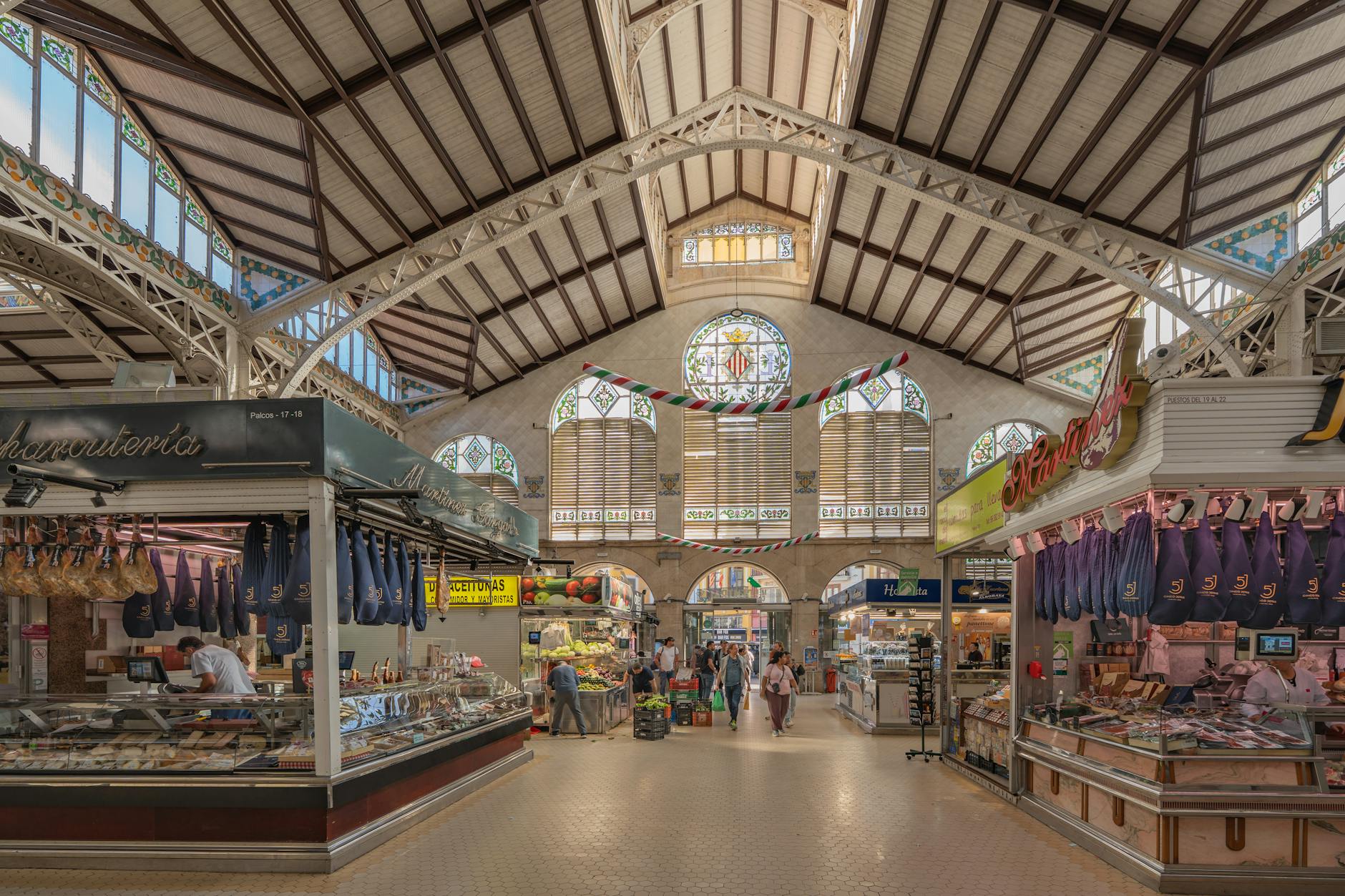
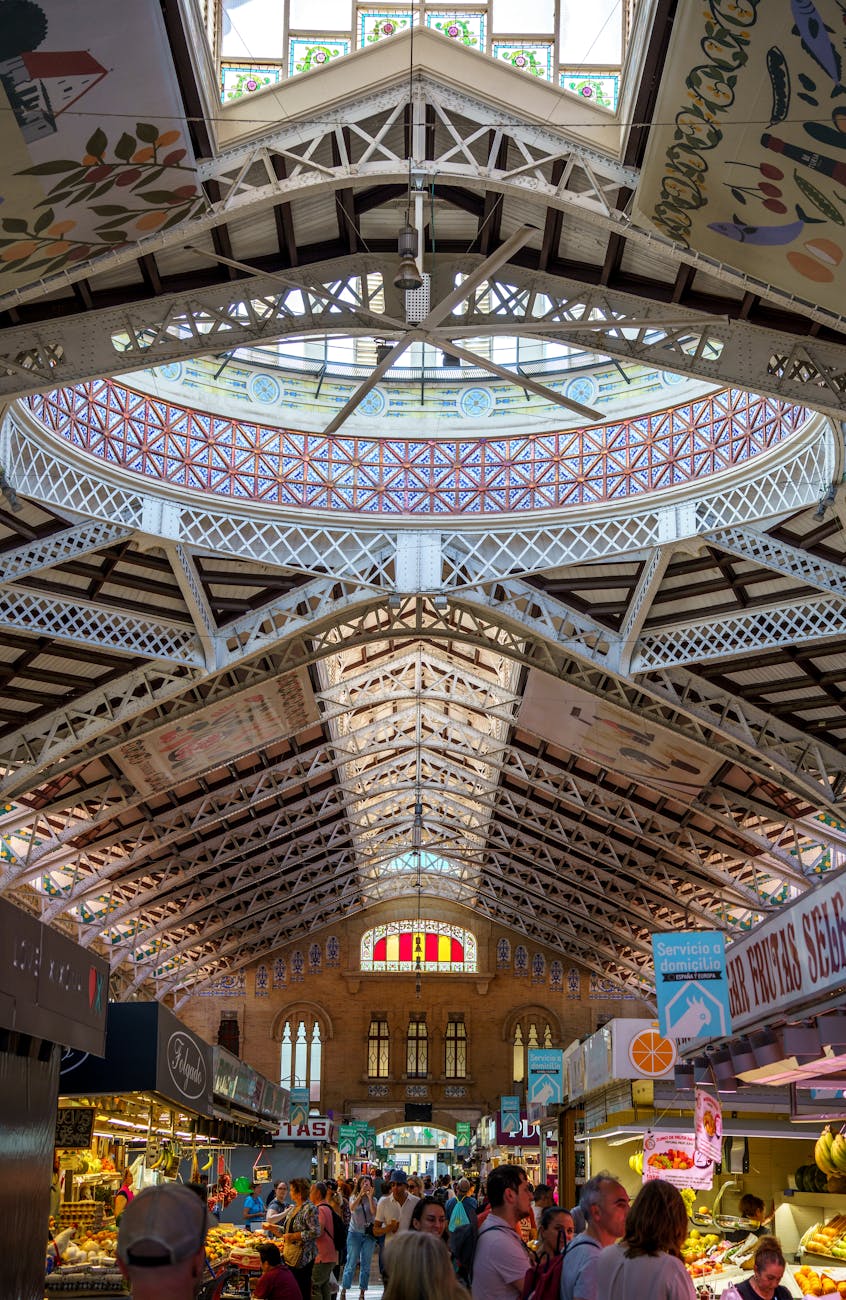
- Buy breakfast produce at Mercado Central and eat at a small neighborhood bar; this directs money to vendors and small businesses.
- Take a small, locally operated boat ride in the Albufera from El Palmar and combine it with a family-run paella lunch.
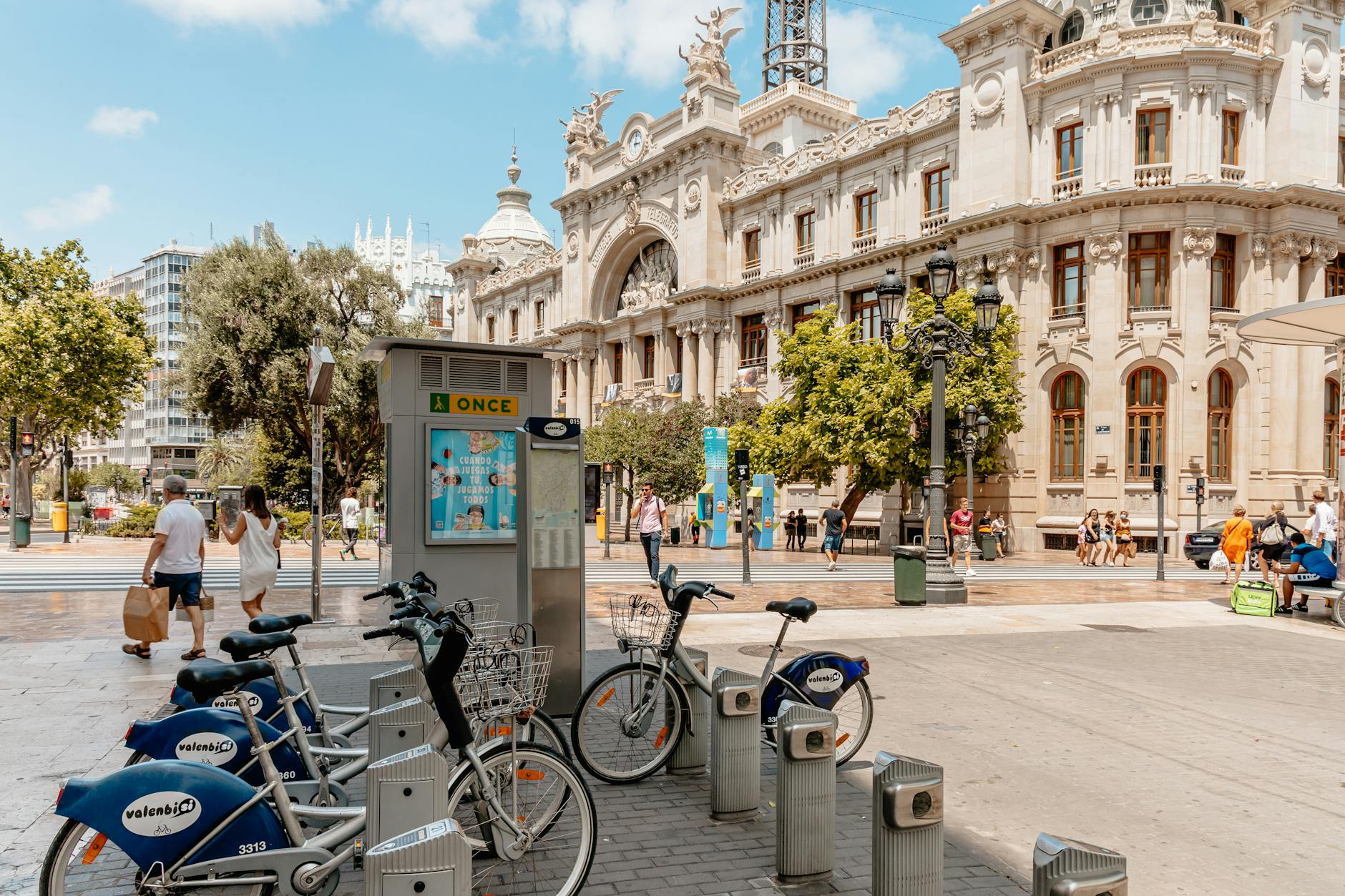
- Use Valenbisi (city bike-share) or rent from an independent bike shop rather than large tour buses.
- Choose a locally owned guesthouse or ecolabeled hotel in Cabanyal, Ruzafa, or Ciutat Vella.
- Book City of Arts and Sciences tickets online for a specific entry time to avoid queues and reduce waiting-room crowding.
Booking tips:
– Reserve dinners on weekends and during festivals, especially in Ruzafa and El Carmen.
– For Albufera trips, book a morning slot in shoulder season to avoid heat and boat congestion.
– If taking trains to Alicante or Elche, check Renfe Cercanías schedules and book medium-distance trains in advance for savings.
Local Context
Neighborhoods to know:
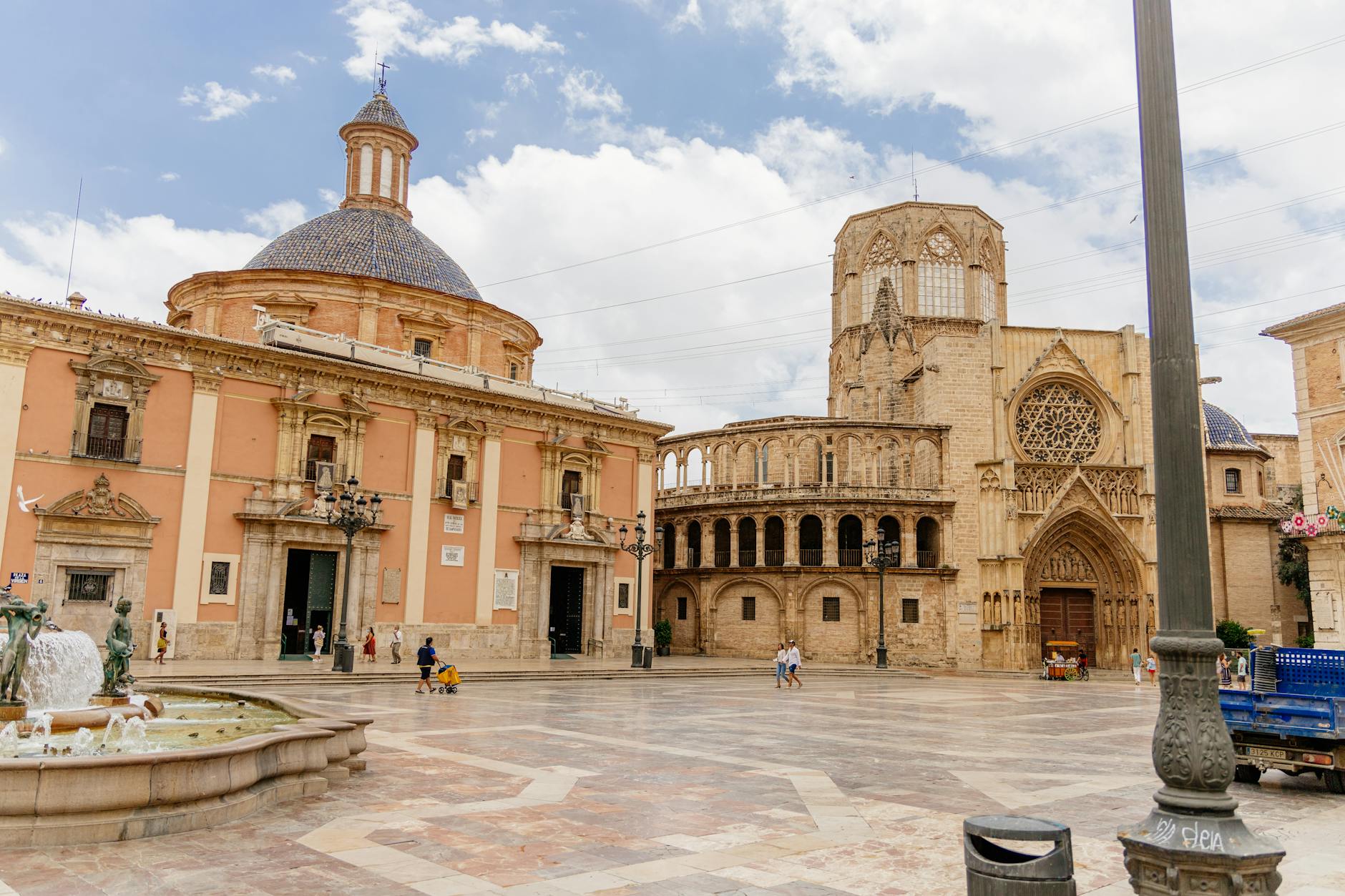
– Ciutat Vella (El Carmen, La Seu): historic center, walkable, good for museums and small tapas bars. Expect narrow streets and lively evenings.
– Ruzafa: creative dining, independent shops, best for foodies and nightlife.
– Eixample: quieter residential streets, mid-range hotels and good transit links.
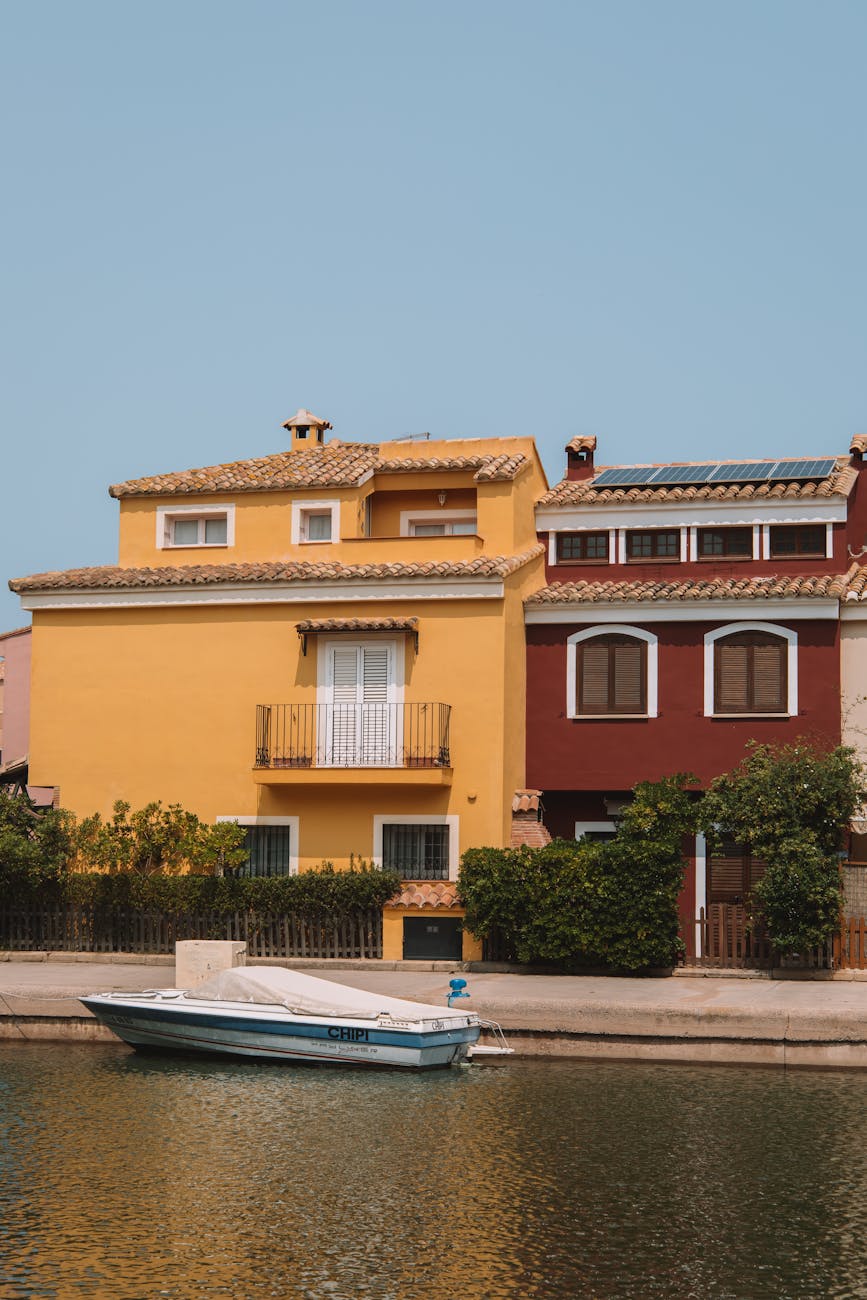
– Cabanyal and La Malvarrosa: fishing district and beach culture; support local seafood eateries.
Seasonal and practical patterns:
– Spring (April–June) and early autumn (September–October) are the most comfortable and less crowded than July–August.
– Fallas (March) is a major local festival — culturally rich but extremely busy and expensive; book months ahead if you go.
– Many small restaurants fill for dinner after 9pm; book ahead for popular spots.
Transport realities:
– Valencia is compact; walking and cycling are often faster than cars in the center.
– Valenbisi bike-share, EMT buses, and the metro cover most destinations. Estació del Nord handles regional rail; Joaquín Sorolla serves high-speed trains.
– Trains and buses connect easily with Alicante, Elche and the coastal towns; reaching Sant Antoni de Portmany (Ibiza) requires a flight or ferry from nearby ports.
Local etiquette and language:
– Basic Spanish phrases go far; Valencian (Catalan) is common — a simple Bon dia / Gracias is appreciated.
– Meals are social and often later than northern European norms. Tipping is modest; rounding up or 5–10% for great service is fine.
How to Choose Well
Choosing a neighborhood:
– Pick Ciutat Vella if you want historic charm and to walk most sites in the 3 days in Valencia plan.
– Choose Ruzafa for local restaurants and markets; it’s lively but can be noisy at night.
– Stay in Cabanyal for beach proximity and to support the local fishing community.
Choosing transport:
– Favor Valenbisi and the EMT bus network for short hops; buy rechargeable Valencia travel cards for multi-day use.
– Avoid renting a car unless you plan many day trips off the coast; parking in the center is limited and expensive.
Choosing tours and experiences:
– Prefer small-group or family-run tours—look for operators that use electric boats in Albufera or local guides from the neighborhoods you visit.
– For paella, avoid the busiest tourist restaurants near Plaza del Ayuntamiento; search for family-run places in El Palmar or streetside restaurants in Cabanyal.
– Reserve high-demand attractions (City of Arts and Sciences, Bioparc) online for timed entry to reduce on-site congestion.
Responsible and Local-First Tips
Simple choices that help the local economy and environment:
- Eat locally: buy from Mercado Central vendors, order seasonal seafood from Cabanyal restaurants, and choose arroz dishes that respect seasonal catch.
- Prefer small businesses: independent guesthouses, family restaurants, artisan shops in El Carmen and Ruzafa.
- Reduce plastic: bring a refillable water bottle and use refill stations at markets and parks.
- Low-impact Albufera visits: book smaller boats, avoid trampling reedbeds, and follow local guide advice about nesting seasons.
- Festivals: if visiting Fallas, buy food and craftwork from local makers rather than souvenir chains.
- Mobility: use Valenbisi or EMT and walk short distances to reduce pollution; if you need a taxi, prefer registered cabs or official ride apps.
Responsible booking:
– Ask tour operators how many guests they take and whether income supports local communities.
– Choose lodging with local hiring policies or sustainable certifications where possible.
Small linguistic gestures:
– Learn a few Valencian phrases (Bon dia, Gràcies) — locals notice and appreciate the effort.
Common Mistakes to Avoid
Don’t assume the busiest sights are the most authentic. Common pitfalls:
- Booking paella in a tourist-heavy plaza. Instead, plan a paella in El Palmar or a long-standing Cabanyal eatery.
- Underestimating midday heat in summer. Plan outdoor walking for mornings or late afternoons and use the Turia Gardens for shade.
- Relying solely on taxis or rental cars in the center — traffic and parking cost time and money.
- Waiting until the last minute for Fallas or summer reservations; book months ahead if traveling then.
- Buying mass-produced souvenirs instead of local crafts from independent makers in Ruzafa or the old town.
Avoid these to keep your trip lower-impact and more connected to local life.
FAQ
When is the best time to visit Valencia to avoid crowds and heat?
April–June and September–October offer mild temperatures, lower hotel rates than summer, and fewer crowds. Avoid mid-July–August if you don’t enjoy heat or crowded beaches.
How do I get from Valencia Airport to the city center sustainably?
Take Metro Line 3 or 5 to the city center for a budget-friendly, low-impact option. EMT buses and authorized taxis are also available; avoid unlicensed transfers.
Is Valencia safe for solo travelers and those using bikes?
Valencia is generally safe. Use well-lit streets at night, lock bikes, follow local cycling lanes, and wear a helmet when cycling at speed. Park bikes in designated docks when using Valenbisi.
Where can I eat an authentic paella without supporting a tourist trap?
Head to El Palmar in the Albufera or family-run restaurants in Cabanyal. Book ahead and ask if the rice is cooked in the traditional way (paella over wood/paella pan) and whether ingredients are local.
Can I visit Albufera as a low-impact day trip?
Yes—choose small-boat operators, avoid trampling reedbeds, go with a local guide, and visit outside peak mid-day heat. Combine a morning boat with a late lunch in a community restaurant.
How should I tip and behave in restaurants?
Tipping is modest in Spain. Rounding up the bill or leaving 5–10% for excellent service is appreciated. Be patient with service times—dining is unhurried.
How easy are day trips to Alicante, Elche or Benidorm?
Regional trains and buses connect Valencia to Alicante and Elche efficiently; Benidorm and Calp are accessible by bus or car. For Sant Antoni de Portmany, plan a short flight or ferry via regional ports—check schedules and emissions if you prioritize low-impact travel.
Any booking must-dos for a short Valencia trip?
Reserve accommodation and key dinners in advance for Spring and Fall if you travel during weekends or festivals. Buy timed tickets for City of Arts and Sciences and book Albufera boat trips early in peak months.
Conclusion
Valencia rewards travelers who prioritize walking, local restaurants, and small-scale experiences. Use the neighborhood guidance and transport tips here to refine your 3 days in Valencia itinerary, and consider day trips to Alicante, Elche, Calp, Benidorm or Sant Antoni de Portmany if you want to extend your low-impact exploration of the region.
Book responsibly, support local businesses, and choose shoulder-season travel when possible to reduce crowding and maximize your connection with Valencian life.
How this guide was prepared
This guide was prepared through a structured research that combines destination research, geographic context, itinerary planning logic, and content review.