
Best Time to Visit Rimini
When to visit Rimini: practical, seasonal advice for planning a 3-day itinerary. Compare peak summer, shoulder seasons, and low-season trade-offs; neighborhood and transport tips; sustainable, local-first recommendations and nearby day trips to Riccione, Cattolica, Cesenatico, Cervia and Ravenna.
Rimini works as a beach town and cultural hub. Pick late spring or early autumn for pleasant weather, fewer crowds, and better value; choose summer only if you want guaranteed beach life and events. This page helps you fit the timing to your priorities and to the nearby 3-day Rimini itinerary.
Quick Answer
Rimini works as a beach town and cultural hub. Pick late spring or early autumn for pleasant weather, fewer crowds, and better value; choose summer only if you want guaranteed beach life and events. This page helps you fit the timing to your priorities and to the nearby 3-day Rimini itinerary.
Who This Page Is For
This page is for travelers planning a stay in Rimini who want clearer decisions about best time to visit, local logistics, timing, budgeting, and practical trip planning.
How This Page Was Prepared
This page was prepared through a structured editorial workflow that combines destination research, geographic context, and practical travel-planning review.
Plan the Rest of Your Trip
Use this page together with the full itinerary and the related planning pages below to make better booking, timing, transport, and budget decisions.
Best overall months: May–June and September–early October. These shoulder months combine warm weather, calmer beaches, and more open local services than winter.
If you must pick a single month: late May to mid-June — sea swims start, outdoor cafes are busy but not overcrowded, and hotels offer moderate rates.
Pick peak summer (July–August) only if you want full beach programming, nightlife, and events like La Notte Rosa — but expect dense crowds and higher prices.
Rimini is Italy’s classic Adriatic blend: a broad sand strip with modern seafront hotels, a compact medieval center shaped by Malatesta and Fellini’s heritage, and fast regional train links to Ravenna and other coastal towns. Your best choice of dates depends on whether you prioritize beaches and nightlife, quieter local life, or cultural walking days that fit a 3-day itinerary.
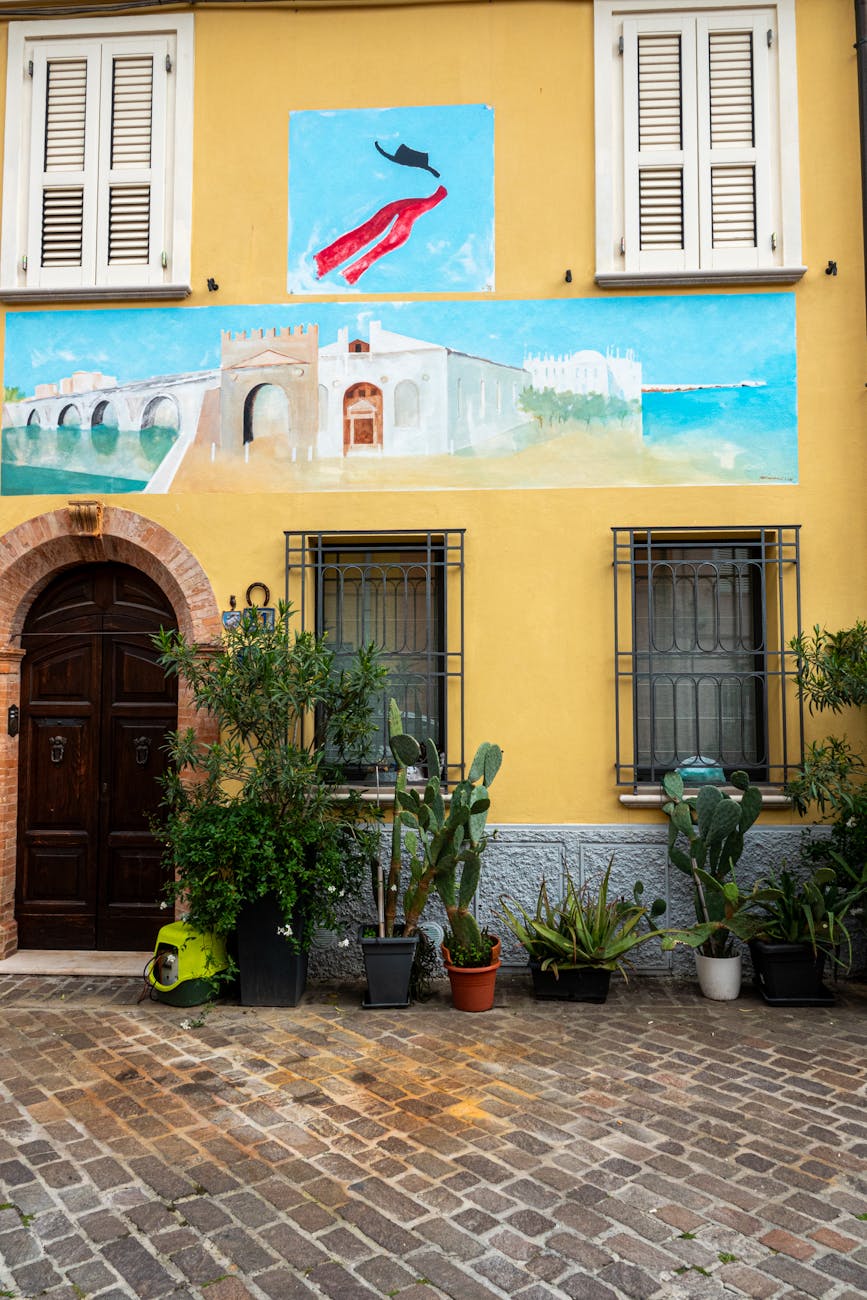
Neighborhoods to consider when choosing dates: Marina Centro for easy beach access and evening promenades; Centro Storico for museums and restaurants; Borgo San Giuliano for authentic streets, murals, and seafood trattorie. If you plan the companion 3-day itinerary, schedule one full day for Centro Storico and a relaxed beach morning in Marina Centro.
What This Page Helps You Decide
Use this page to choose:
- When to time a short stay around good weather, value, and event calendars.
- Where to base yourself: Marina Centro for beaches, Centro Storico for culture, Borgo San Giuliano for authentic dining.
- Whether to combine Rimini with Riccione, Cattolica, Cesenatico, Cervia, or Ravenna on day trips — trains and buses make these easy from any central base.
If you’re preparing the companion itinerary, the 3 days in Rimini guide lists a practical sequence of neighborhood visits and can help you allocate mornings and afternoons according to season.
Top Recommendations
Season-by-season highlights and practical tips:
- Late spring (May–June): ideal for walking Centro Storico, visiting markets, and early beach days. Book small guesthouses early for the best local hosts.
- High summer (July–August): guaranteed beach services, late-evening life, and festivals (La Notte Rosa in early July, Ferragosto mid-August). Book seaside hotels 2–3+ months ahead; expect crowded promenades.
- Early autumn (September–early October): warm sea, calmer beaches, harvest-flavored menus in trattorie. Good for combining beach time with a full-day trip to Ravenna.
- Winter (November–March): quiet, many hotels closed or reduced service, but lowest prices and better access to local life—plan meals and opening hours in advance.
Practical: arrive by train when possible (Rimini station is central), reserve ferries or guided boat trips ahead in summer, and book restaurants for dinner after 20:00 in July–August to avoid waits.
Local Context
Rimini’s rhythms are shaped by tourism seasons and long-standing local industries: fishing, hospitality, and small-scale artisans.
- Events: La Notte Rosa (Pink Night, early July) draws large crowds along the seafront; Ferragosto in mid-August is the local peak. Check municipal calendars for classical music and Fellini retrospectives in spring and autumn.
- Business hours: many small restaurants and shops close in late winter; summer opening hours extend late. Markets operate mornings—Mercato Coperto is best early for fresh produce and fish.
- Transport: Rimini train station links hourly to Ravenna and regional hubs; Federico Fellini Airport handles seasonal flights and is near Miramare. Local buses and bike rentals cover short distances; driving in high season means scarce parking and congestion on Viale Vespucci.
How to Choose Well
Decide based on priorities:
- If you want beaches + events: aim for July–August and book early.
- If you prefer quieter streets, local restaurants, and lower impact: choose May–June or September.
- If you want cultural museums and day trips to Ravenna and Cervia: any shoulder month is ideal for comfortable travel and open attractions.
Neighborhood guidance:
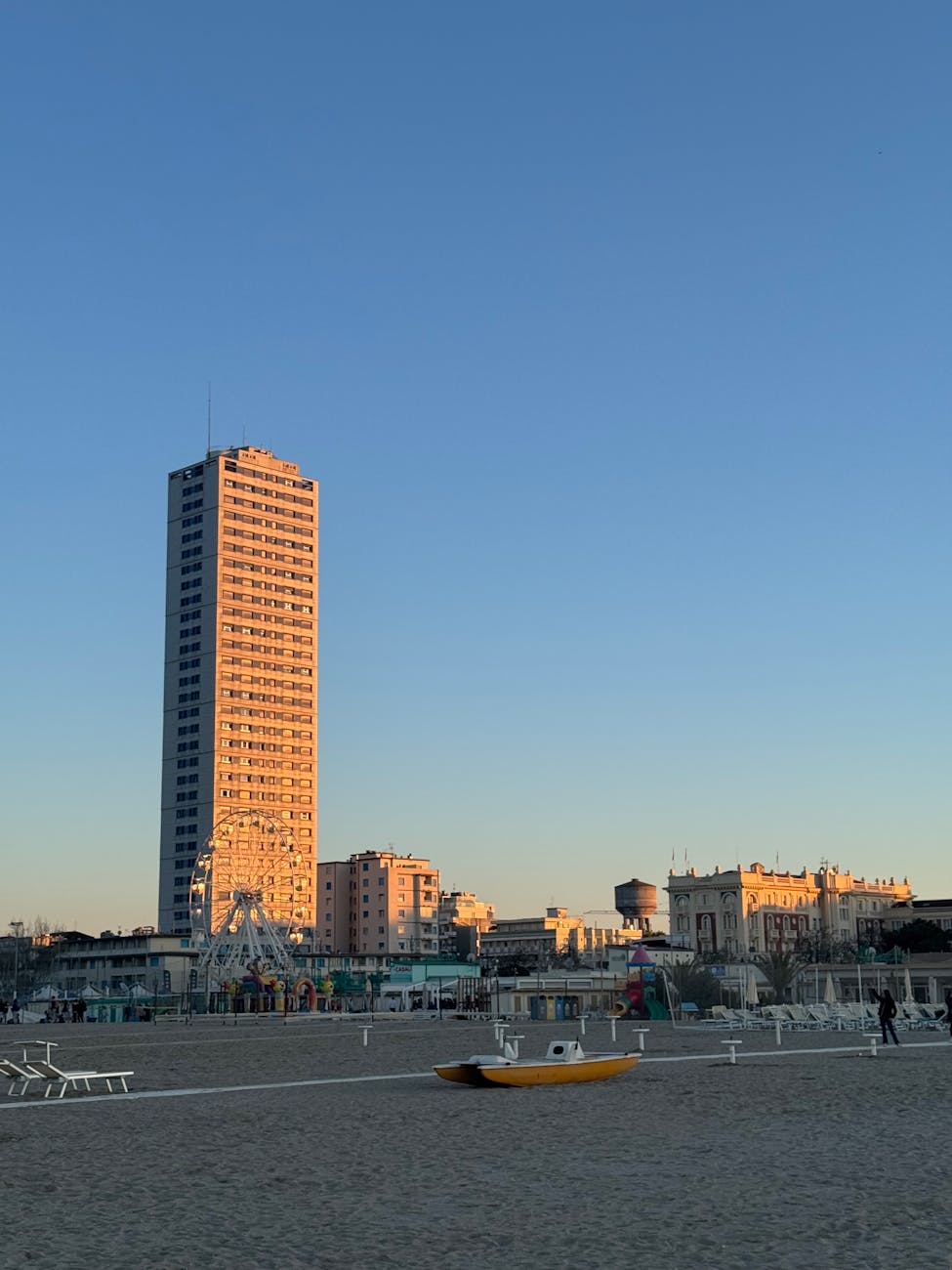
– Marina Centro: choose if you value immediate beach access and evening promenades.
– Centro Storico: best for museums, dining, and walking — quieter at night outside July–August.
– Borgo San Giuliano: pick for authentic dining, local crafts, and photography.
Booking tips:
– Reserve seaside hotels and beach umbrella slots for peak season.
– Use Trenitalia/regionale tickets for day trips and book in advance if traveling around public holidays.
– Prioritize family-run B&Bs and small trattorie to support the local economy.
Responsible and Local-First Tips
Minimize impact and maximize local benefit:
- Travel by train from Bologna or other regional hubs rather than driving; use local buses, bike-share, or walk inside the town.
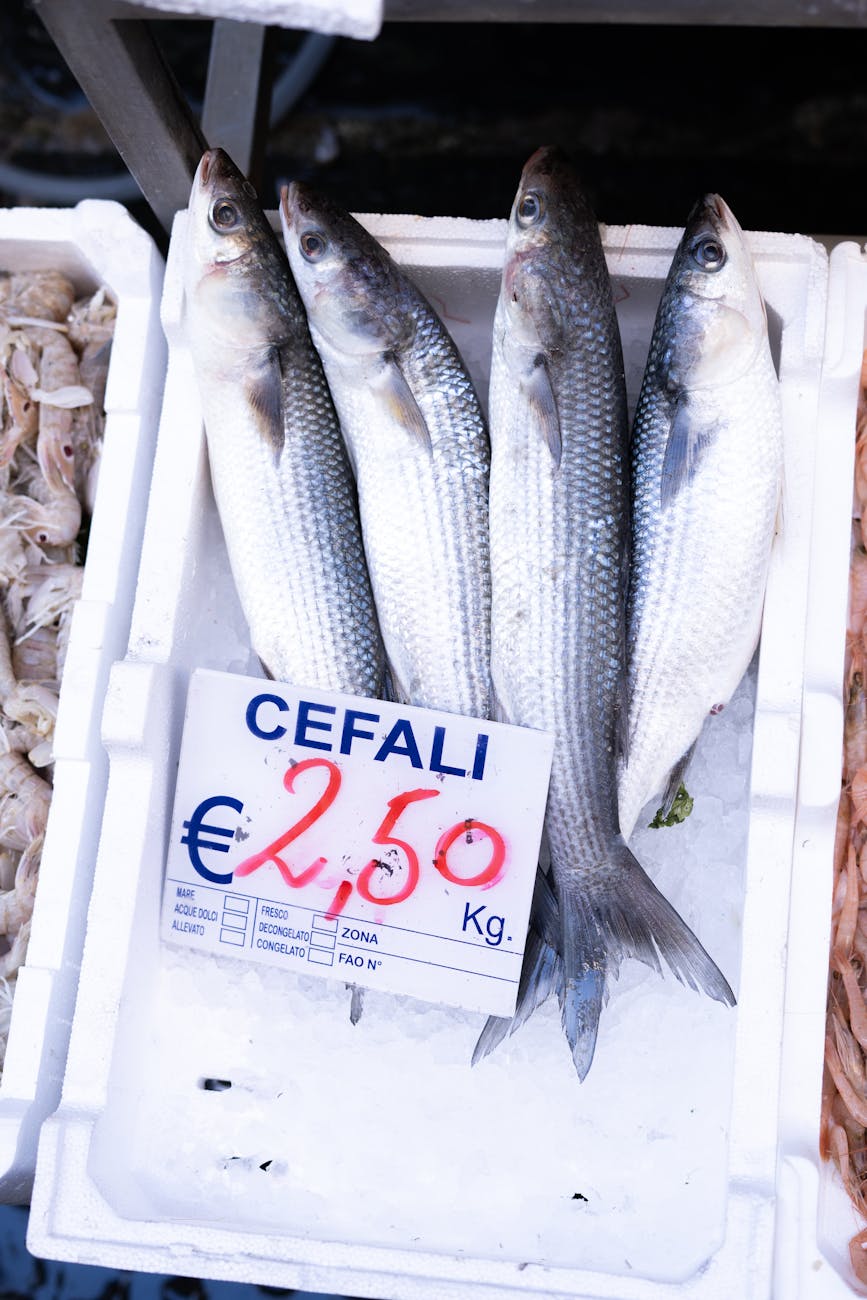
- Eat at family-run osterie and fish trattorie; buy seafood at Mercato Coperto or local fish stalls in the morning to support small-scale fishers.
- Avoid single-use plastics on the beach; many hotels and shops will refill bottles if asked.
- Book guided walking tours led by local guides to learn civic history and Fellini connections while keeping money in the community.
- Choose accommodation that follows water- and energy-saving measures or smaller guesthouses that recycle and hire locally.
Common Mistakes to Avoid
Common missteps new visitors make:
- Visiting only in mid-August expecting the whole city to be representative. Much of Rimini’s cultural life is best seen outside peak weeks.
- Booking a seafront hotel without checking noise and event schedules. Promenades are lively at night in summer.
- Driving and relying on street parking in July–August. Public transport and walking are usually faster and cheaper.
- Assuming all restaurants and museums are open year-round. Check opening days in winter and shoulder months.
- Skipping Borgo San Giuliano and Centro Storico in favor of beaches; both neighborhoods are compact and pair well with one beach morning for a balanced 3-day stay.
FAQ
When is the sea warm enough for swimming in Rimini?
Sea temperatures are comfortable from late May through September. June and September offer warm water without the full heat and crowds of July–August.
Is Rimini only for budget beach tourism?
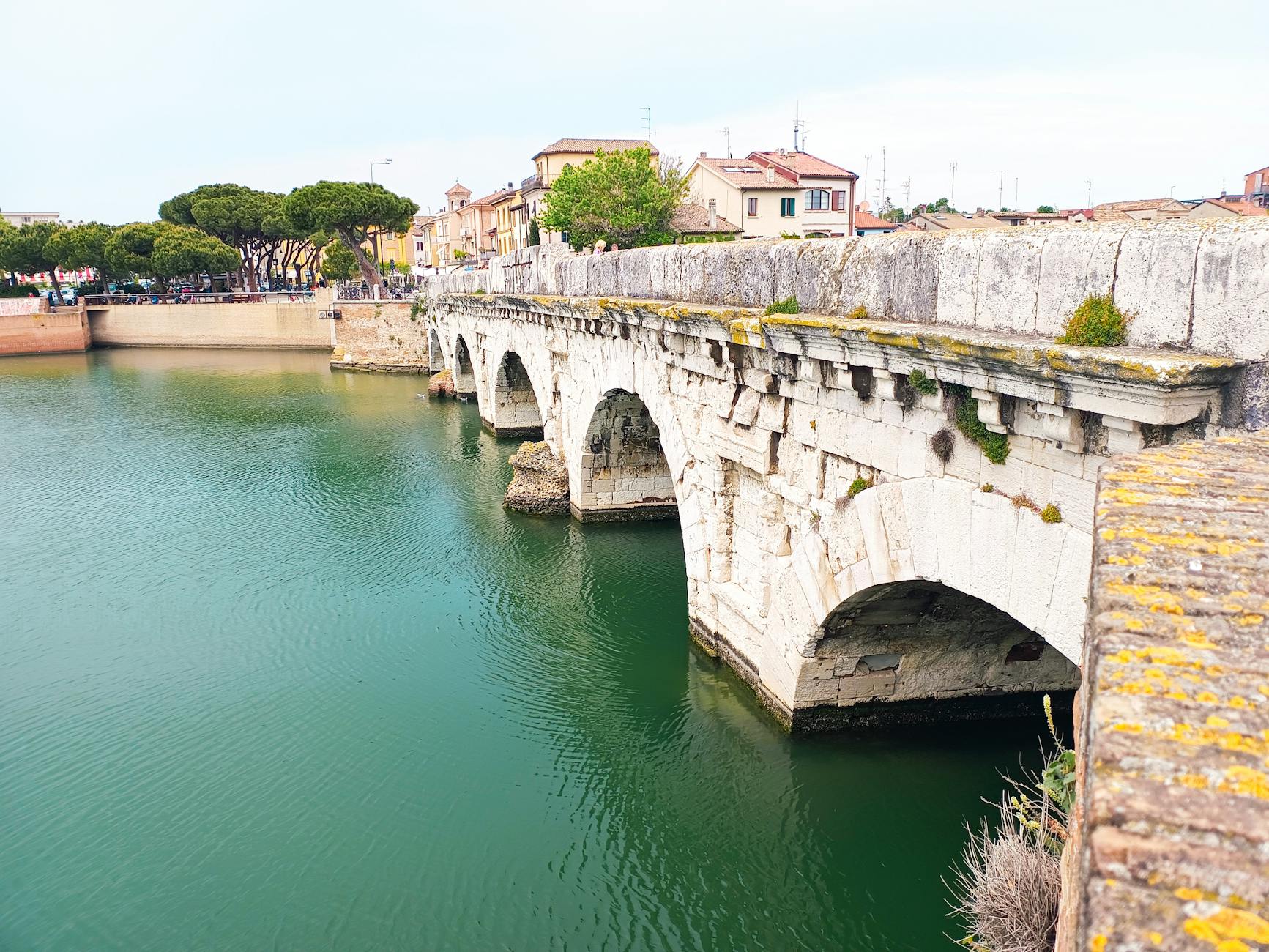
No. While known for its beaches, Rimini has significant heritage (Tempio Malatestiano, Ponte di Tiberio), food scenes, and connections to Fellini. Visiting outside peak season reveals local culture more clearly.
How easy are day trips to Riccione, Cattolica, Cesenatico, Cervia, and Ravenna?
Very easy. Regular regional trains and buses link these towns; most trips take 20–50 minutes. For Cesenatico and Cervia, bus connections are frequent in summer; check timetables in shoulder months.
Are there good options for sustainable stays?
Yes. Look for family-run B&Bs and small hotels that publicize recycling, reduced laundry programs, or locally sourced breakfasts. Booking platforms usually list these features.
Do I need to rent a car?
Not for Rimini and nearby coastal towns. Trains, buses, and bikes cover most needs. Rent a car if you plan inland exploration beyond rail lines.
Conclusion
Choose shoulder seasons (May–June, September) for the best blend of weather, lower crowds, and open local businesses. Book summer stays well in advance if beach life and festivals are your priority. Use trains and local guides to reduce impact and support the local economy, and pair your stay with the companion 3 days in Rimini itinerary to structure neighborhood mornings and afternoons efficiently. Consider short day trips to Riccione, Cattolica, Cesenatico, Cervia, or Ravenna — they’re all easy by regional train or bus and broaden the experience without adding driving.
How this guide was prepared
This guide was prepared through a structured research that combines destination research, geographic context, itinerary planning logic, and content review.